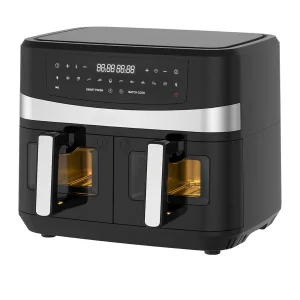
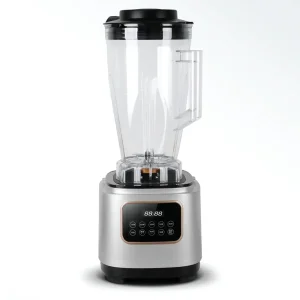
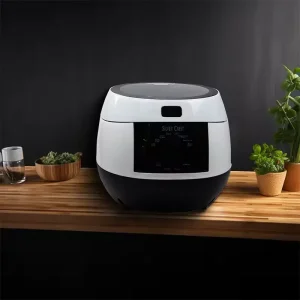
Engineered for global standards with intelligent control systems, multi-voltage adaptors, and high thermal efficiency.
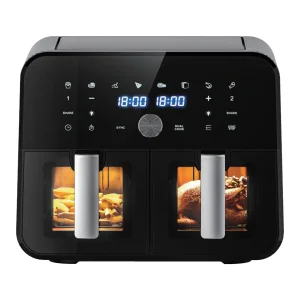
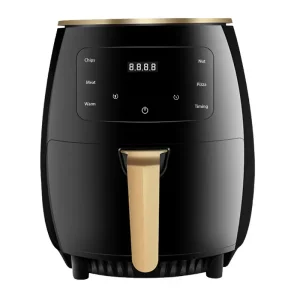
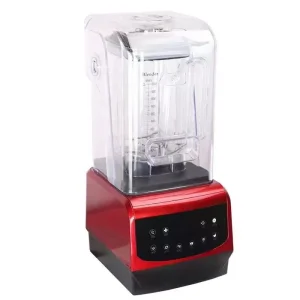
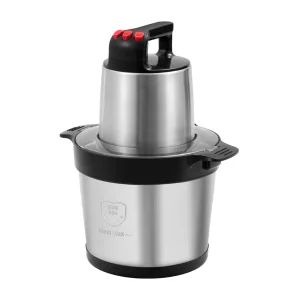
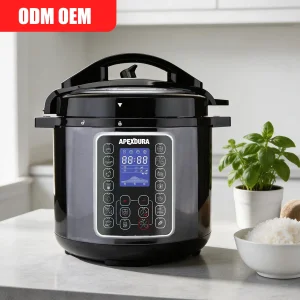
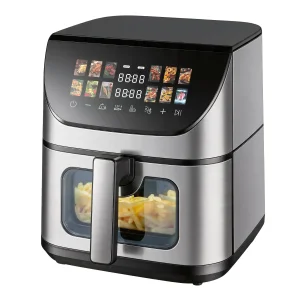
The global kitchen appliance market is undergoing a seismic shift driven by demand for energy efficiency, smart IoT capabilities, and multi-functional cooking platforms. The traditional boundary dividing household microwave ovens, speed-cook ovens, and digital convection systems is dissolving. Commercial establishments, cloud kitchens, and modern smart homes are increasingly demanding integrated units that combine high-frequency electromagnetic radiation with advanced convection and air circulation technologies.
According to recent market research, the demand for high-efficiency microwave systems and hybrid air-fryer-convection cooking technology is projected to grow at a CAGR of 6.8% over the next decade. Driven by urbanization and the rapid expansion of food delivery services, modern operators require high-density cooking power. This is where advanced manufacturing bases in China, particularly in industrial clusters like Zhongshan, play a vital role. By combining robust component supply chains with advanced electronic engineering, suppliers like Zhongshan Zhenmei Electrical Appliance Co., Ltd. can offer highly customized OEM/ODM platforms to meet rigorous international expectations.
SEO Insight & Information Gain: When sourcing kitchen appliances from China, search intent is no longer restricted to finding the cheapest vendor. Modern buyers look for structural reliability, design-to-cost flexibility, compliance with strict safety directives (ETL, GS, CE, CB), and advanced thermal management to limit energy consumption.
The core architecture of thermal kitchen appliances is shifting. Traditional magnetrons, while highly cost-effective, are progressively sharing space with solid-state RF (Radio Frequency) generators. This technology allows for precise spatial energy distribution, preventing the common issue of uneven heating in microwave cooking.
| Technology Aspect | Conventional Microwave Systems | Advanced Inverter & Hybrid Platforms | B2B Sourcing Priority |
|---|---|---|---|
| Power Delivery | On/Off Cycling (Coarse) | Continuous Variable Control (Fine) | High Priority for Precision Cooking |
| Thermal Efficiency | Approx. 55% - 60% | Up to 78% (Reduced Heat Loss) | Essential for Green Labeling (EU/US) |
| Weight Profile | Heavy (due to magnetic transformer) | Lightweight Solid-State Circuitry | Reduces Global Freight & Shipping Costs |
| MTBF (Reliability) | 5,000 - 8,000 Hours | > 15,000 Hours (Industrial Grade) | Reduces Warranty and Maintenance Claims |
Your Trusted Premier OEM/ODM Kitchen Appliance Manufacturer with 16+ Years of Proven Industry Expertise
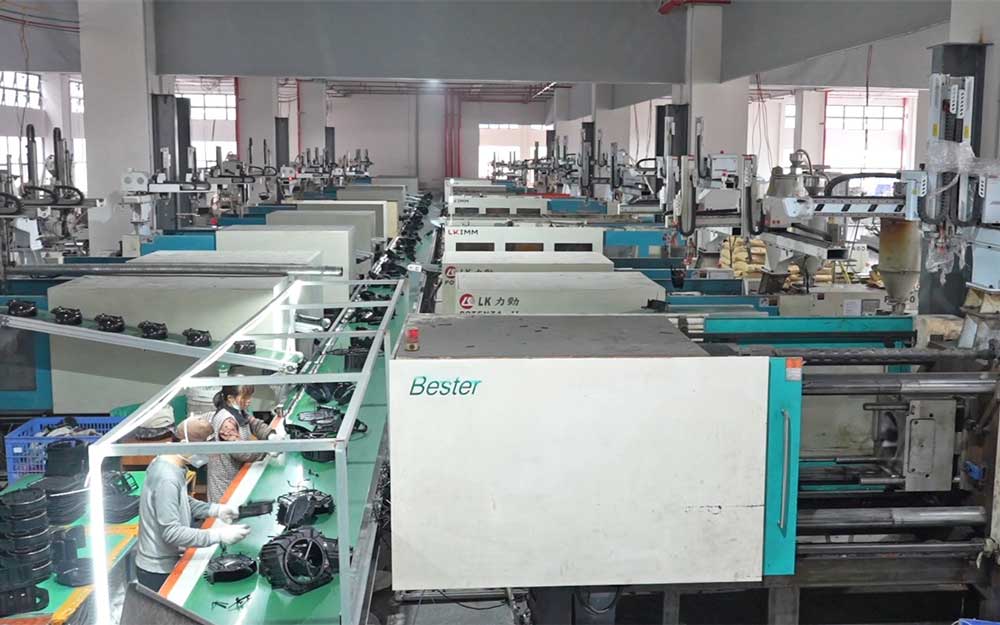
Our strength lies in robust in-house manufacturing. Operating from a 40,000 sqm advanced facility, powered by 300+ dedicated professionals and 20+ R&D experts, we ensure precision and control at every stage.
Our massive 10,000+ units daily output reliably meets the demands of high-volume orders worldwide. We are committed to excellence, underpinned by a rigorous quality control system that guarantees the safety and reliability of every product.
We are the trusted, end-to-end solution for your OEM/ODM needs. Choose us for innovation, scale, and reliability. Let's build your next success story together.

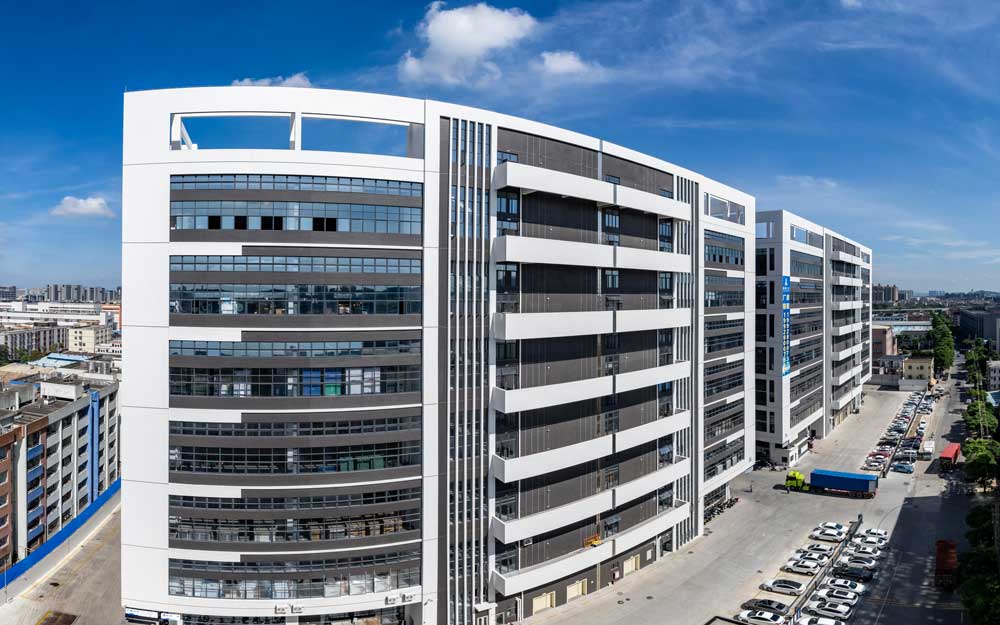
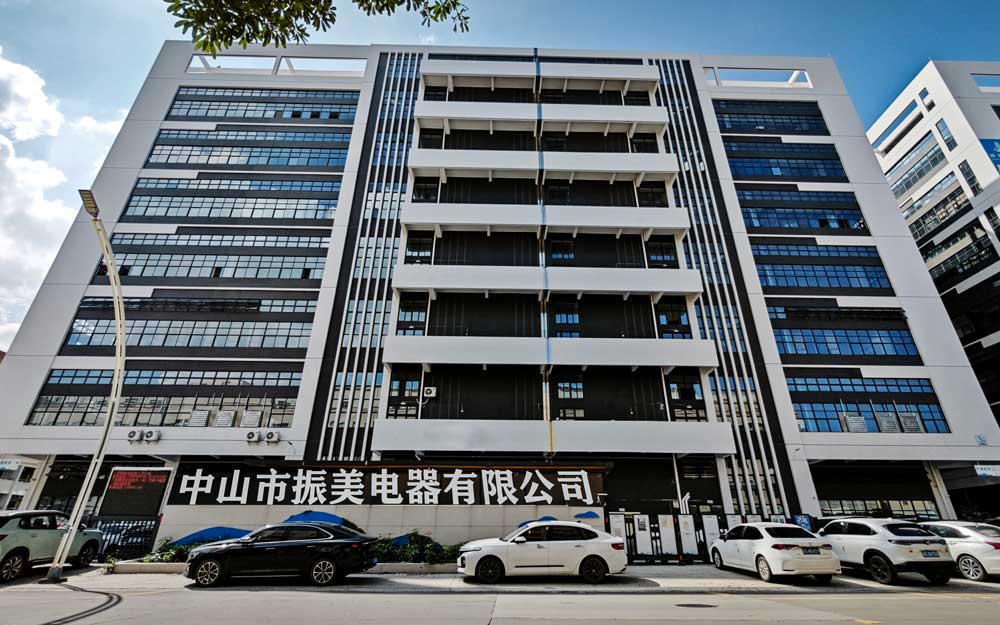
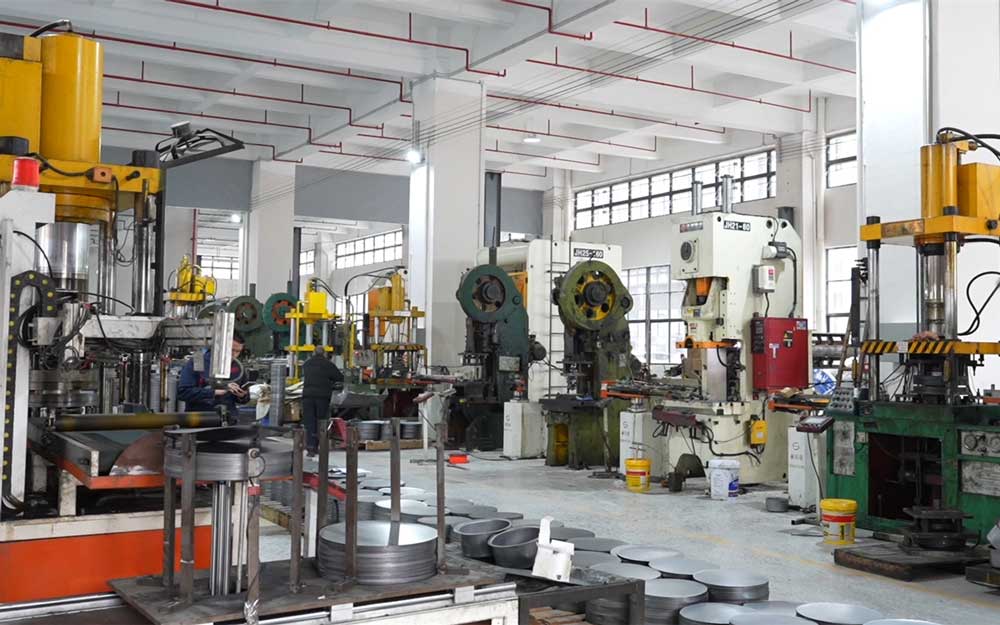
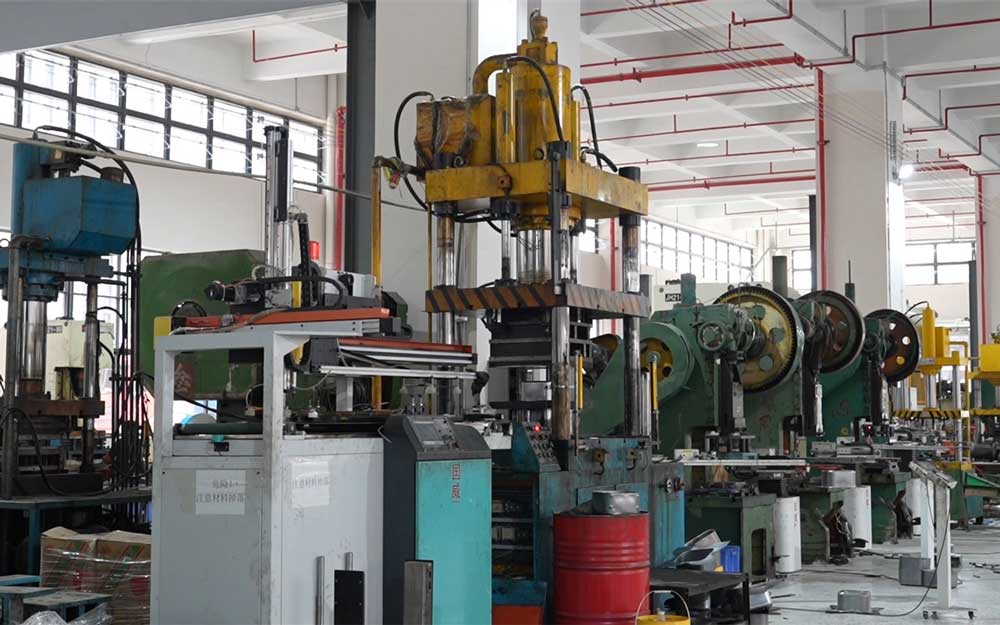
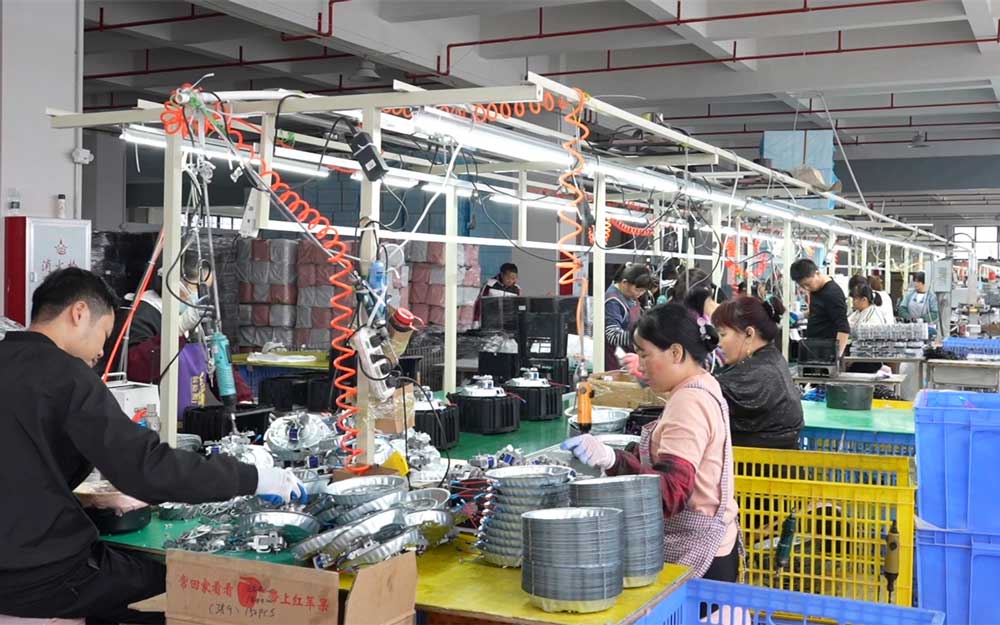
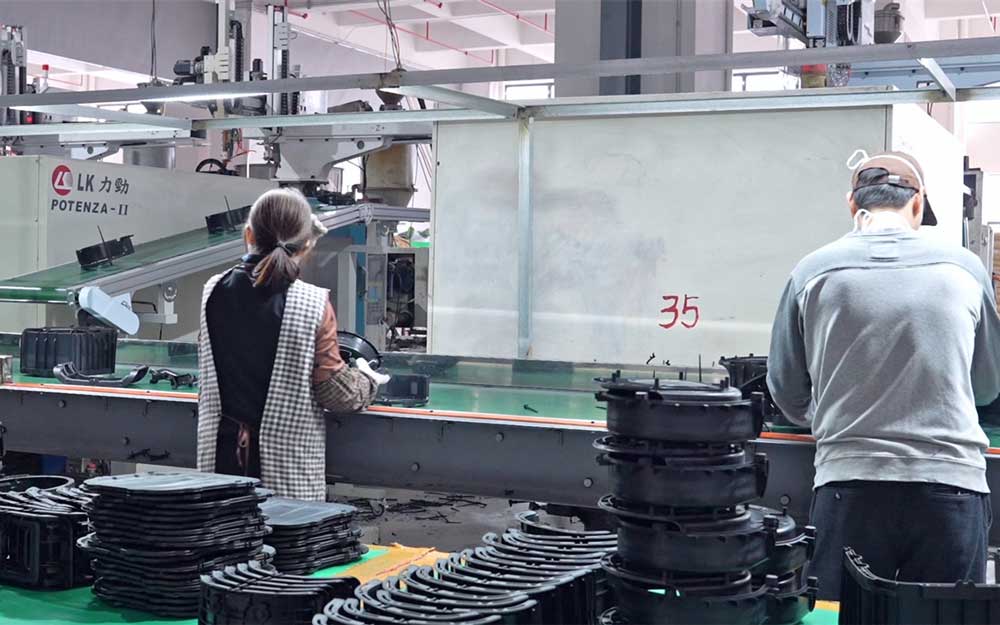
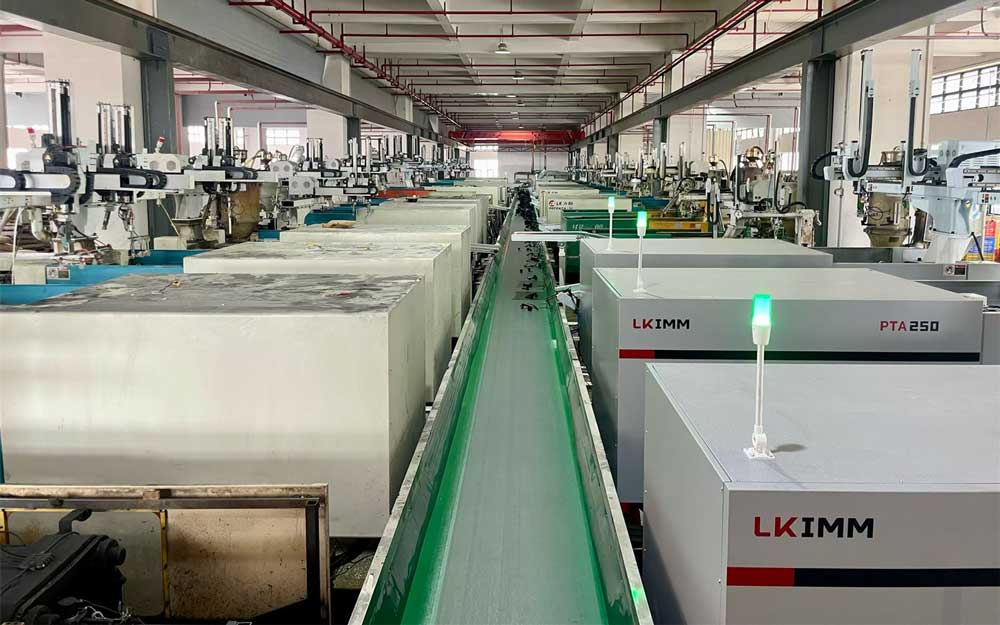
Global B2B procurement professionals must analyze structural trends to stay ahead of international competitors. The following three pillars outline the modern technological landscape of thermal and high-frequency appliances:
Governments worldwide are tightening energy standards. The European Union's Ecodesign Directive and the US Energy Star rating system demand that new thermal kitchen appliances waste minimal power during heat cycles. By introducing advanced variable-frequency inverters and pure copper motors, manufacturers can guarantee high-efficiency operations that reduce electricity consumption by up to 30% compared to traditional on/off cycle systems.
Modern appliances are no longer standalone devices. They are nodes in a smart ecosystem. Integration with Tuya, Google Assistant, Amazon Alexa, and custom mobile applications allows end-users to customize cooking profiles, monitor internal food temperatures remotely, and download diagnostic updates. This connectivity is vital for both consumer markets and cloud kitchen setups, where remote recipe distribution is critical.
Speed ovens combine microwave energy, convection air, and infrared radiant heat to cook food up to 15 times faster than traditional methods. By combining these three modalities, high-speed ovens ensure that proteins remain juicy inside while starches develop a golden-brown exterior. This hybrid approach is rapidly expanding from commercial quick-service restaurants (QSR) to the household market, highlighting the importance of partnering with an OEM supplier that understands both high-frequency microwave generation and high-temperature convection systems.
Technical Reliability Note: B2B buyers must pay close attention to component longevity. Pure copper motors, commercial-grade magnetrons, and heavy-duty SUS304 stainless steel cavities ensure that the product can withstand long-term operational stress, reducing field failure rates and post-sale liability.
To target global search intent effectively, we must evaluate how different markets deploy these high-performance systems. Our manufacturing solutions are customized to meet localized demands across diverse B2B channels:
Sourcing kitchen appliances at scale requires more than just looking at factory unit prices. Strategic buyers focus on supply chain resilience, tariff management, component traceability, and compliance verification. Over our 16-year operational history, we have refined our processes to provide a highly secure, reliable procurement path.
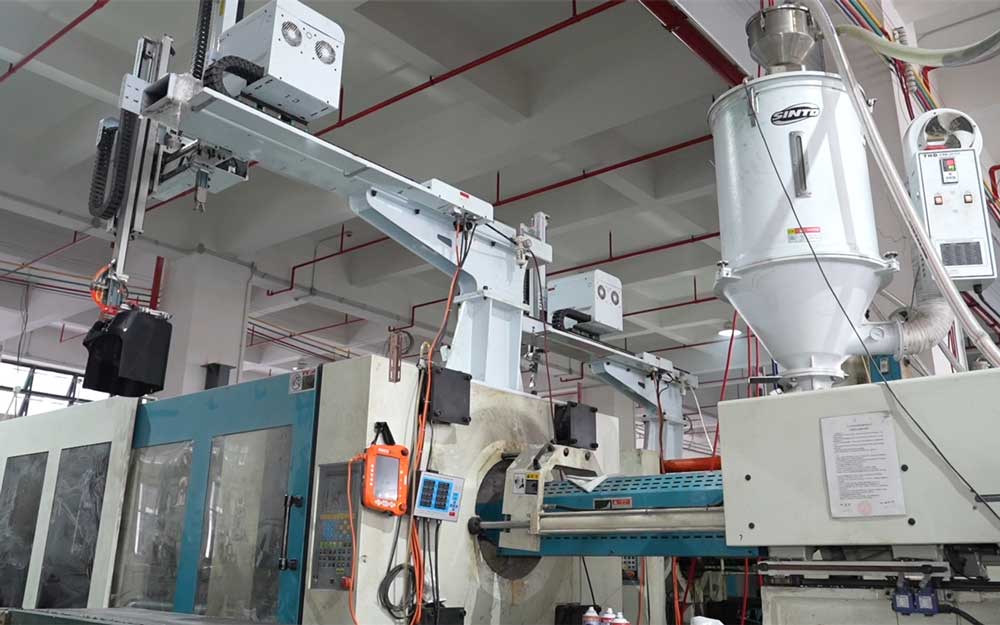
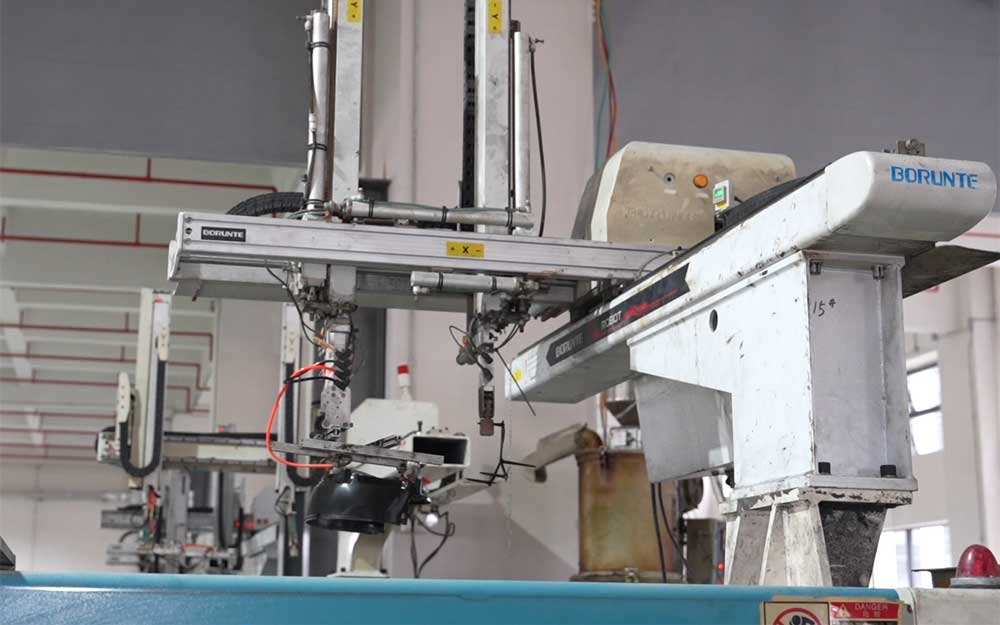
Our factory features a dedicated tooling department, allowing us to accelerate the prototype development phase. From initial 3D CAD modeling and mechanical engineering review to mock-up printing and final injection mold creation, our team of 20+ R&D engineers ensures your custom designs are developed quickly and accurately.
Every kitchen appliance leaves our assembly lines only after passing a series of rigorous QA protocols:
OEM/ODM Partner Insight: By handling plastic injection, metal stamping, and PCB assembly under one roof, we minimize production bottlenecks, reduce reliance on third-party component suppliers, and maintain highly competitive lead times.
Zhongshan Zhenmei Electrical Appliance Co., Ltd. is committed to forward-looking technological innovation. Our technical roadmap focuses on three main developments:
1. Solid-State RF Array Integration: Replacing traditional magnetrons with semiconductor RF chips to deliver precise, target-specific thermal energy, completely eliminating cold spots in cooked food.
2. Machine Learning & Predictive Maintenance: Integrating smart sensors into commercial blenders and heating platforms to monitor motor torque, magnetron wear, and heating element decay. This allows systems to alert users before a component fails.
3. Recyclable and Sustainable Materials: Reducing the use of virgin plastics and transitioning toward bio-composites and highly recyclable aluminum alloys to align with global environmental goals.
Essential insights for B2B buyers, distributors, and global brand managers regarding our kitchen appliance manufacturing capabilities.
Our standard MOQ ranges from 1,000 to 2,000 units per model, depending on the complexity of the product and customization requirements. For new market entries, we can negotiate a tiered trial order volume to facilitate product validation.
Our manufacturing processes conform to ISO 9001 quality management systems. Our products are designed to meet GS, CE, CB, ETL, RoHS, and LFGB certifications. We collaborate closely with accredited third-party testing labs (like SGS, TUV, and Intertek) to conduct safety audits and certification renewals.
Yes. We offer complete customization for electrical systems, including 110V-120V/60Hz for North America, 220V-240V/50Hz for Europe, Australia, and Asia, as well as specialized wide-voltage options. We support a variety of plug standards, such as Type A, B, C, G, I, and others.
For initial custom OEM orders, the typical lead time is 35 to 45 days, which accounts for the packaging design and approval process. Repeat orders are generally completed and ready for shipment within 30 days, supported by our robust daily production capacity of 10,000+ units.
Yes. With a dedicated team of over 20 R&D experts, we assist clients from the concept stage through 3D CAD modeling, prototyping, structural testing, and final mold production.
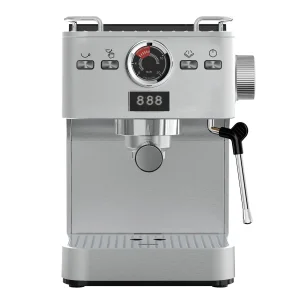
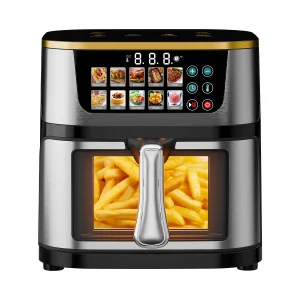
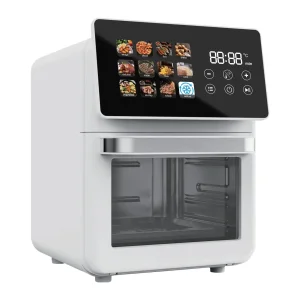
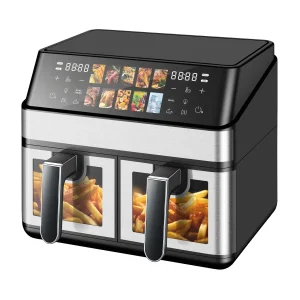
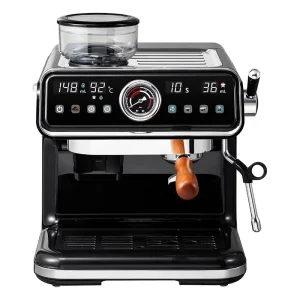
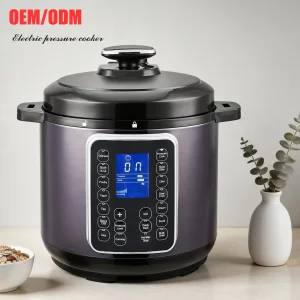
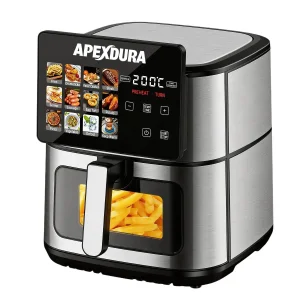
Discover our advanced line of high-power blending, espresso brewing, and precision multi-cooker technologies.
 Zhenmei Electrical