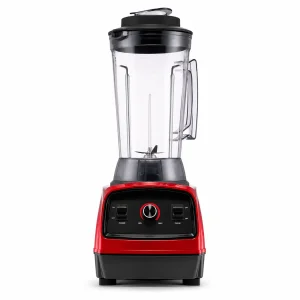
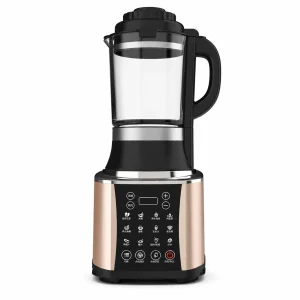
Engineered with high-torque commercial motors, noise isolation systems, and precision-cut stainless steel blades.
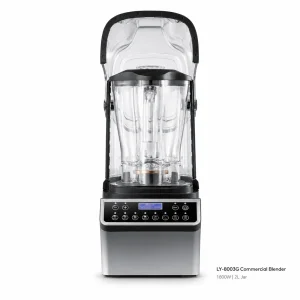
Discover the future of food service, smart kitchens, and motor dynamics in high-speed blenders.
The global blending machine industry is undergoing a paradigm shift driven by consumer demand for healthier options, beverage customizations, and advanced automated kitchens. Modern commercial blenders are no longer simple rotation appliances; they are complex machines engineered with fluid dynamics, thermal dissipation systems, and microcomputer controls. The core technology has evolved from standard AC universal motors to high-frequency, smart control units capable of modulating speed dynamically to minimize stress on ingredients and hardware alike.
In high-volume juice shops, coffee shops, and commercial kitchens, a blender is a primary profit driver. The equipment must endure continuous heavy-duty use. The performance of these blenders is heavily dependent on motor efficiency. Traditionally, motors had high energy draw and excessive heat emissions, resulting in frequent thermal shutdowns. Today, industry leaders like Zhongshan Zhenmei Electrical Appliance Co., Ltd. integrate advanced copper-wound motors equipped with integrated thermal sensors and dynamic ventilation systems to protect against overload and expand lifetime expectancies.
Blade design has evolved past simple sharpness to focus on vortex dynamics. When a high-power commercial blender runs at speeds exceeding 30,000 RPM, it creates a powerful vortex that pulls ingredients down to the cutting zone. High-carbon stainless steel blades, featuring precise multi-angle designs, ensure consistent blending. Hardened steel blades impact frozen fruits and ice cubes, processing them into smooth purées in seconds. Dual-direction blending technology prevents material accumulation in dead zones, ensuring even blending throughout the jar.
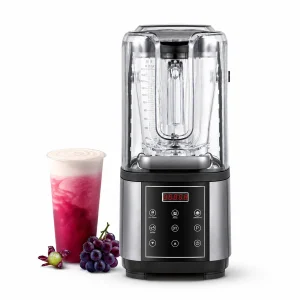
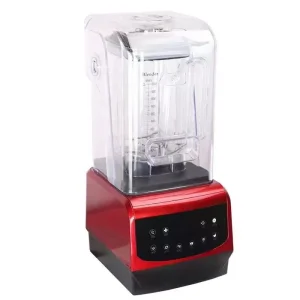
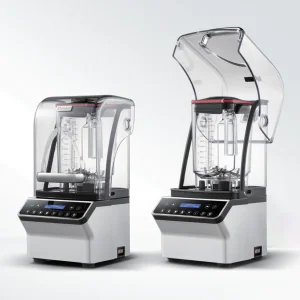
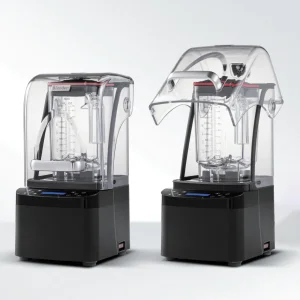
Modern commercial environments place a high premium on customer experience, making acoustic management a critical design factor. Quiet blenders utilizing integrated sound enclosure shields have transformed front-of-house operations. Acoustic engineering involves shock-absorbing pads that isolate motor vibration from countertops, optimized internal air-duct designs to direct motor noise away from guests, and custom-molded sound shields built from heavy-gauge, optical-clarity polycarbonate materials. Our sound enclosure blenders (such as the LY-8007 and LY-8005) decrease noise levels by up to 15 decibels compared to standard designs, permitting quiet operation even during peak periods.
Meeting the rigorous technical demands and compliance criteria of international beverage chains and B2B buyers.
Complete OEM/ODM customization options including housing designs, tailored motor outputs (1500W to 4500W), customized PCB programming, and branded overlay panels to match your corporate identity.
Operating from a 40,000 sqm production facility, we maintain strong relationships with raw material suppliers to ensure reliable delivery schedules, even during peak high-volume order seasons.
Our products meet international standards, featuring safety certifications (CB, CE, ETL, RoHS, LFGB, FDA) to guarantee quick customs clearance and smooth entry into major target markets.
Transforming concepts into high-quality, market-ready kitchen appliances with precision manufacturing.
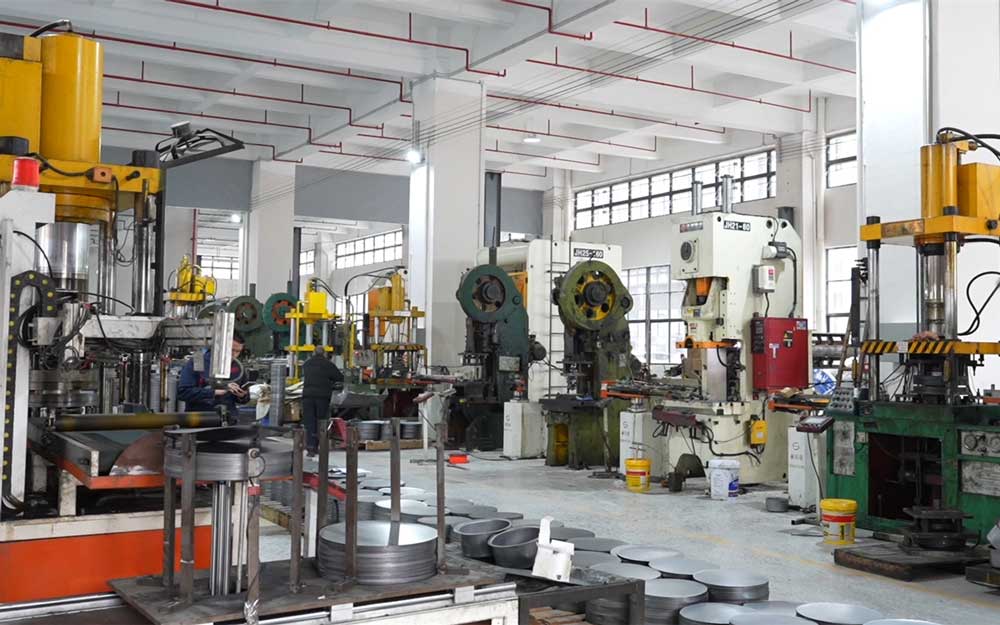
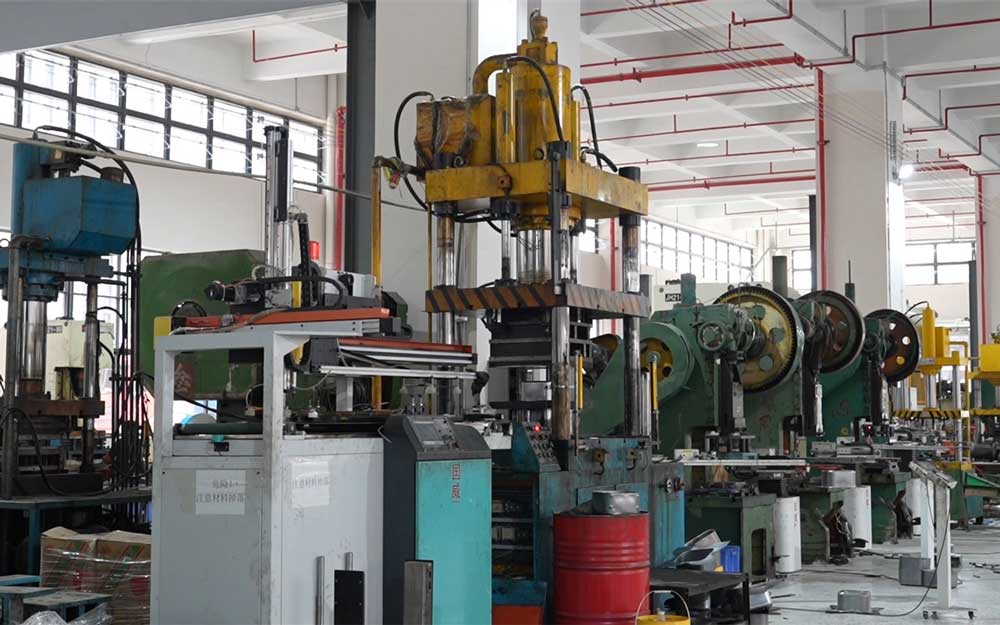
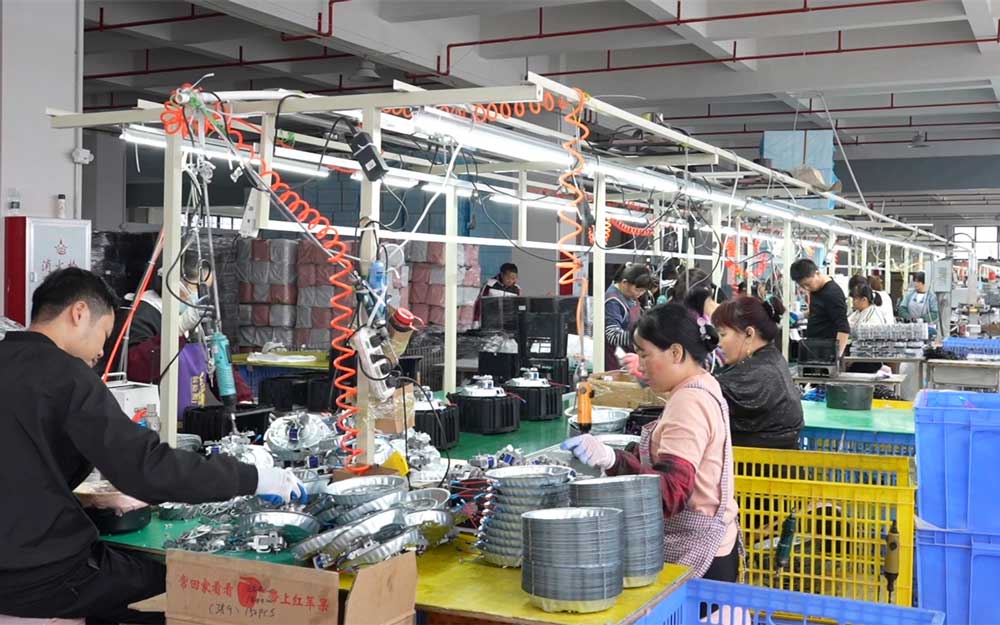
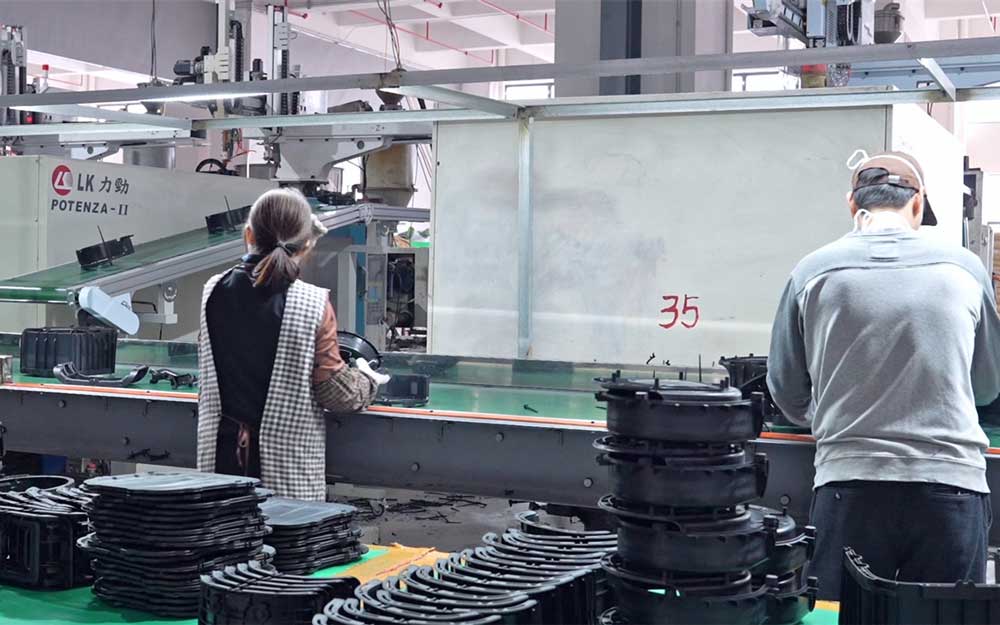
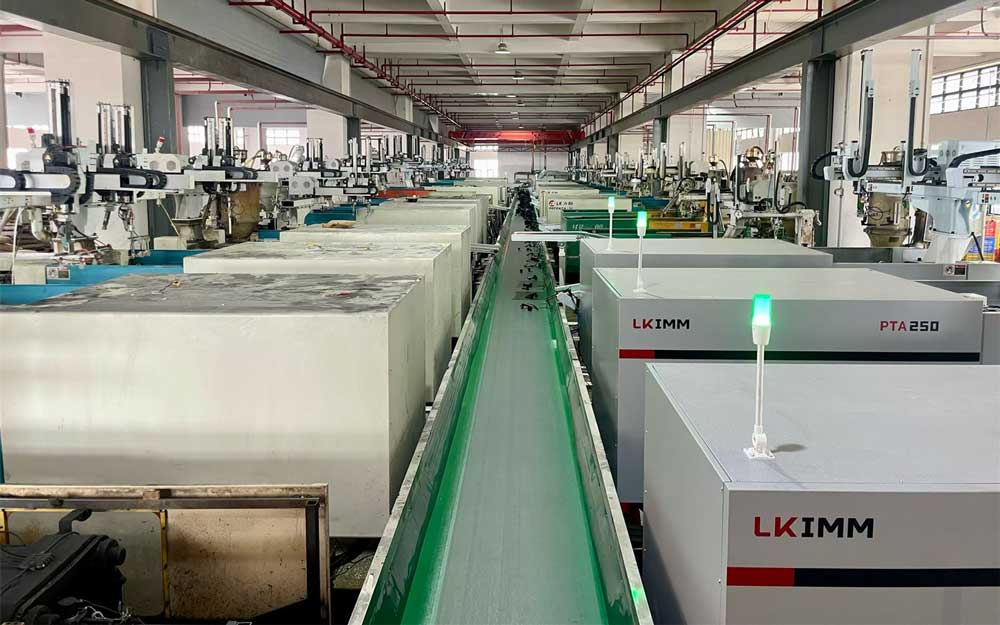
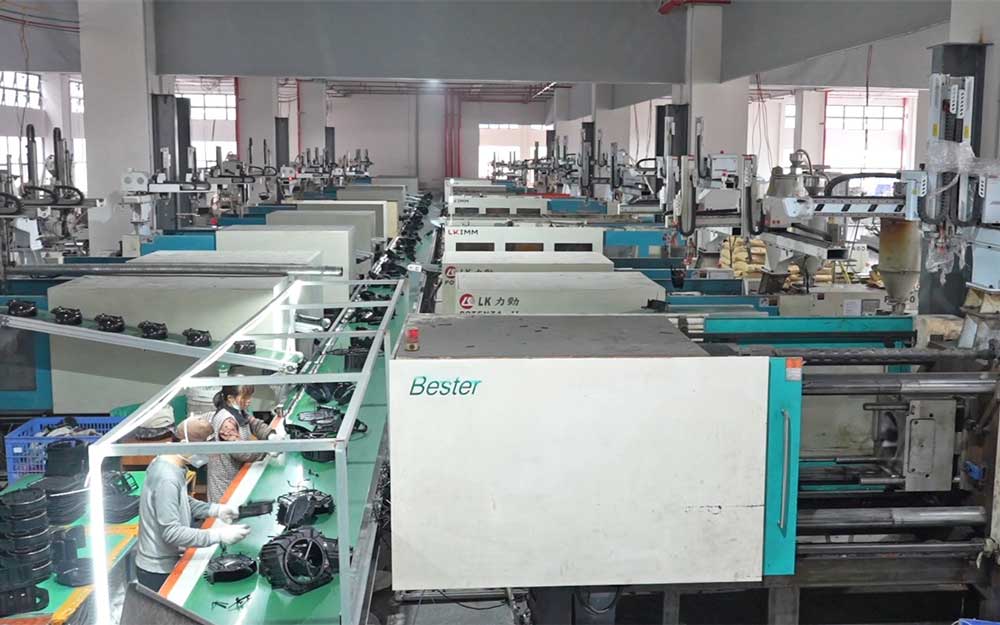
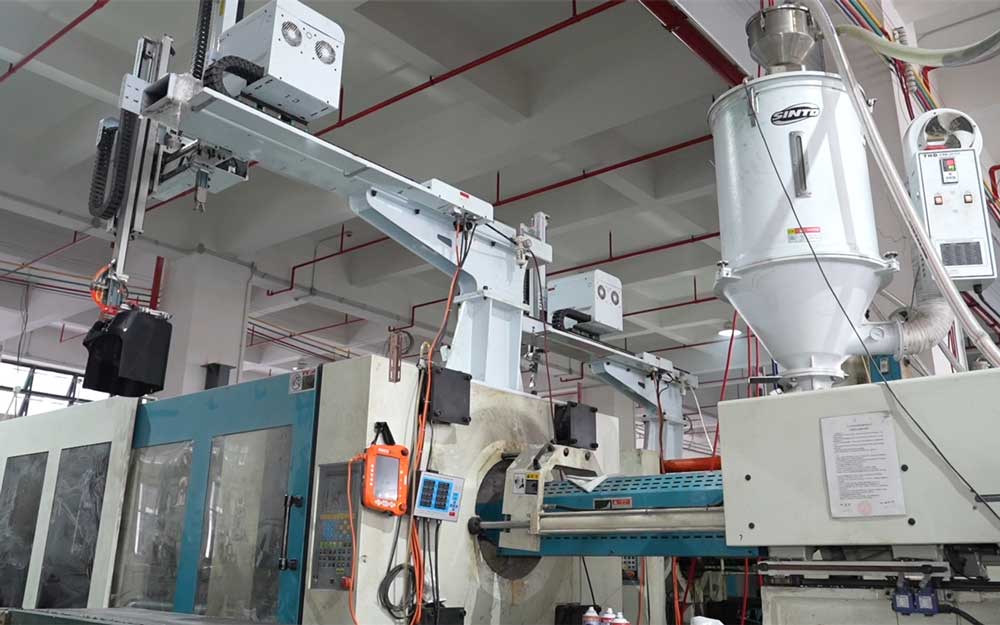
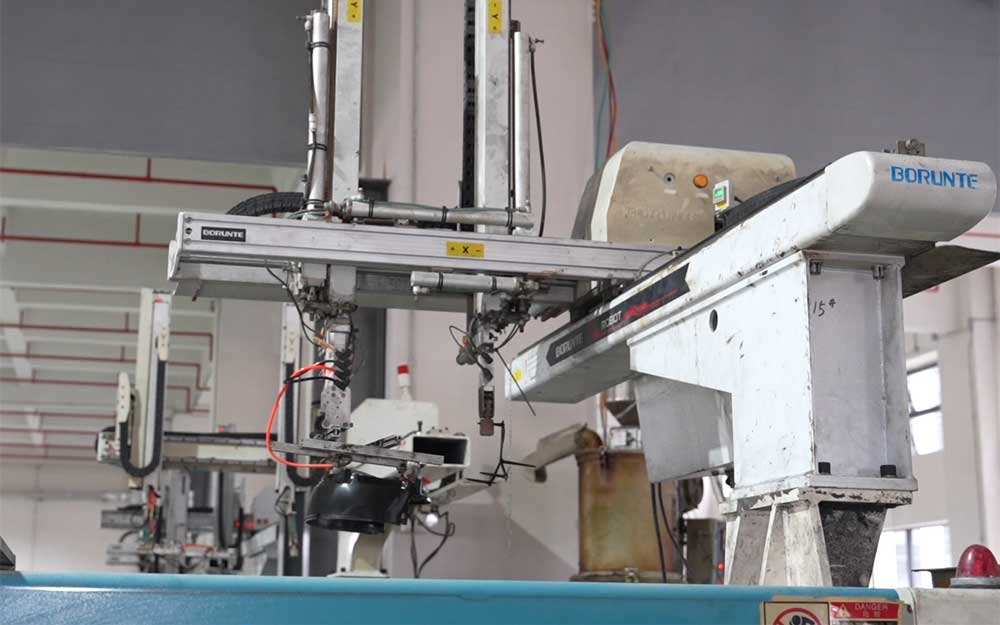
At Zhongshan Zhenmei Electrical Appliance Co., Ltd., we utilize internal manufacturing systems to control product quality at every step of production. Our facility houses modern plastic injection molding shops, automated motor-winding systems, dynamic balance testers, and comprehensive assembly lines.
This vertical integration enables us to produce over 10,000 finished units daily, helping global B2B clients meet demand with short lead times. Whether you require commercial blenders, electric pressure cookers, or air fryers, our infrastructure scales to support your brand's growth.
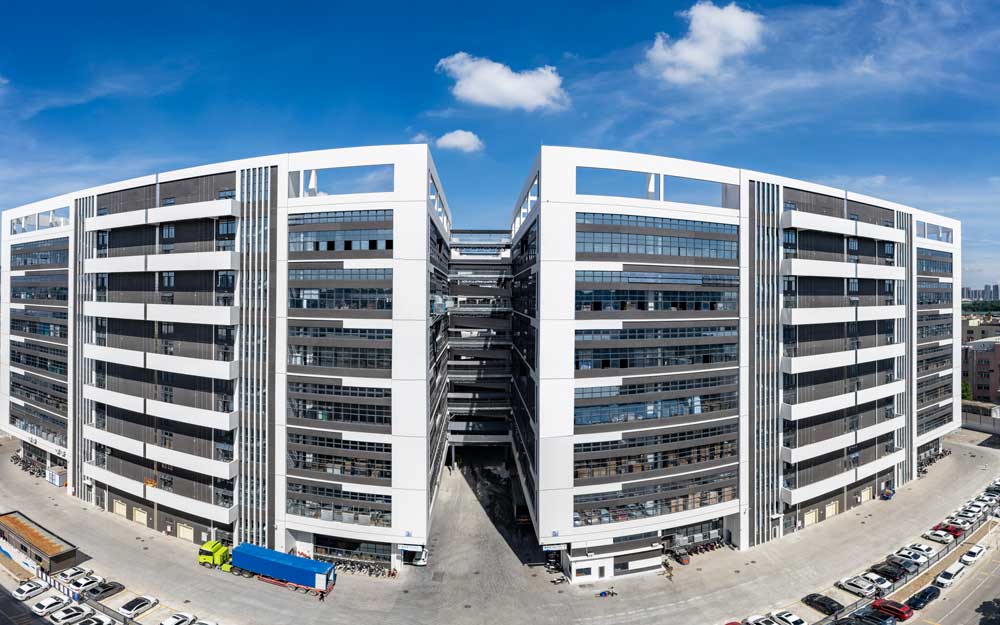
Our dedicated R&D division consists of more than 20 engineering professionals who develop innovative solution pathways. We focus on motor performance optimization, heat dissipation airflow patterns, and sound insulation covers to ensure our commercial blenders run quietly without sacrificing performance.
Our QA testing procedure includes component incoming inspections, high-voltage insulation tests, vibration diagnostics, and product life-cycle simulation chambers. Every blender is verified under maximum load to ensure durability and food safety compliance before leaving the factory floor.
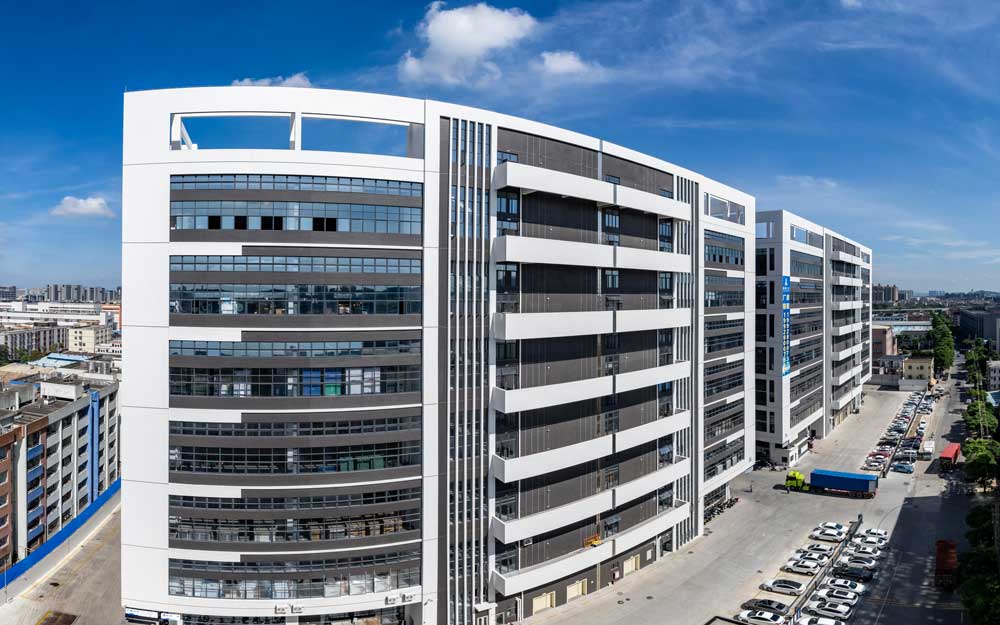
A detailed look inside our clean rooms, robotic assembly facilities, R&D labs, and storage infrastructure.
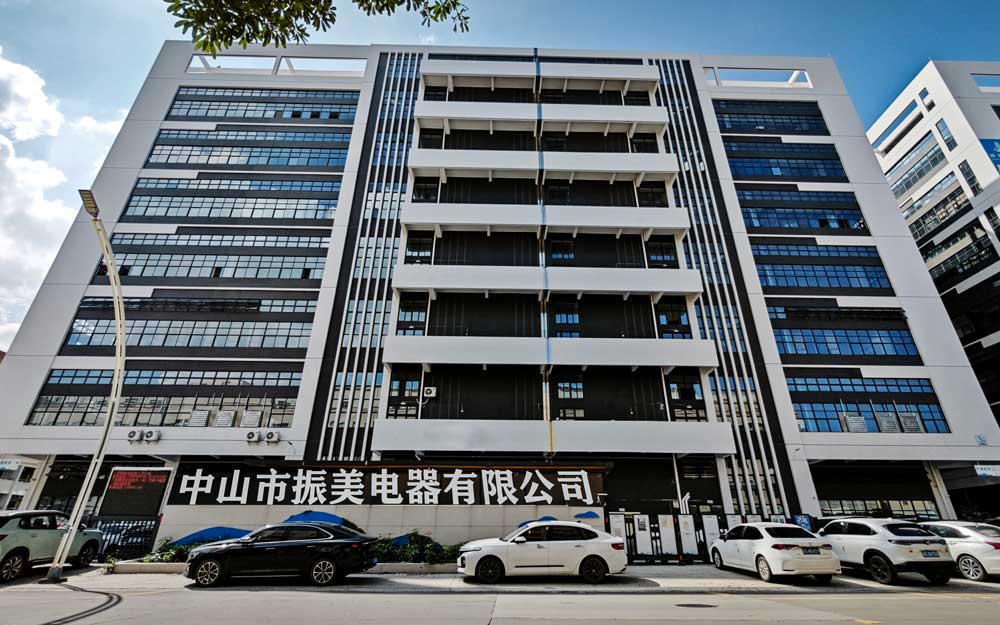
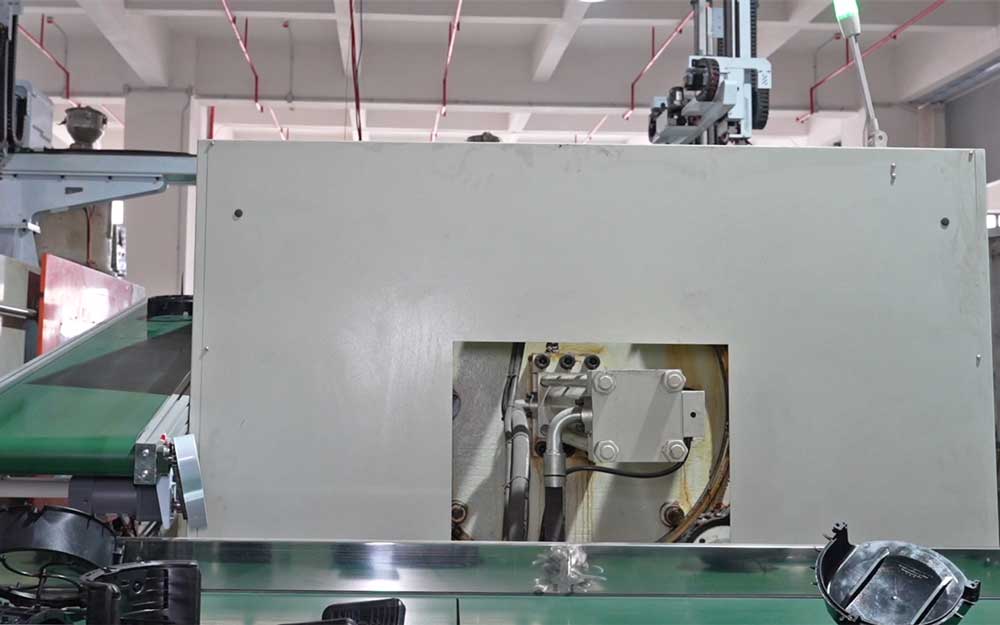
Designing the next generation of smart blenders and eco-conscious food prep systems.
Our long-term R&D initiative focuses on integrating intelligent technology, eco-friendly design, and energy conservation. We are developing smart blending systems that recognize the density and viscosity of food materials. These systems will automatically modulate blending parameters to optimize energy usage while achieving consistent results. This feature will reduce motor wear and help food service operations minimize electricity consumption.
Through embedded sensors, future commercial models will dynamically monitor blade resistance. When dealing with fibrous leafy vegetables or dense ice cubes, the internal CPU adjusts motor torque. This prevents stall conditions and minimizes heat transfer to preserve nutritional value. Customers will receive consistent product textures regardless of operator skill level.
As international regulations target single-use plastics and chemical migration in food contact surfaces, we are researching next-generation container options. We are partnering with raw material manufacturers to test bio-based copolyesters that match the durability, clarity, and temperature resistance of Tritan jars while offering a lower carbon footprint.
Designing appliances that meet regional electrical parameters and food contact regulations globally.
B2B appliance distribution requires careful attention to electrical and food safety regulations. Power systems vary significantly by region. North American systems run on 110V-120V at 60Hz, European systems use 220V-240V at 50Hz, while industrial facilities may specify dedicated high-voltage lines. Our product lines feature dual-voltage and voltage-stabilized motor designs (e.g., 110V-240V wide range) to maintain performance under localized grid fluctuations.
Food contact compliance is a key focus. All our jars are constructed from BPA-free plastics, primarily Tritan, which has been evaluated by the FDA and LFGB for food safety. The metal blades and bearing structures are built with 304 or 420 stainless steel to resist rust and degradation from acidic food ingredients. Our manufacturing process ensures that no industrial lubricants contaminate the food-contact chamber, providing clean operation for commercial food preparation.
Answers to common questions regarding OEM/ODM orders, motor specifications, and compliance.
Our motors are built with pure copper windings, which offer superior heat dissipation and electrical conductivity compared to copper-clad aluminum alternatives. We also integrate automatic thermal cutoff systems that shut down the motor in case of overheating. Dynamic balance testing reduces vibration, protecting the bearing structures and extending operational life.
Our blender jars are constructed from BPA-free copolyester (primarily Eastman Tritan), which is certified under FDA and LFGB food safety guidelines. The blending assemblies use SUS301 or SUS420 food-grade stainless steel to ensure durability, rust resistance, and safe food contact during high-speed operation.
Yes, we specialize in OEM/ODM manufacturing. We can customize motor power, PCB blending programs, control interfaces (mechanical buttons vs. LED touch screens), housing colors, and logo prints. We also offer fully customized packaging designs to support your brand's market entry.
Minimum Order Quantities (MOQs) depend on the customization level and product type. Standard OEM configurations start at 500 units per batch. The typical production lead time is 30 to 45 days after deposit confirmation and packaging design approval, supported by our high manufacturing capacity of over 10,000 units daily.
Our sound enclosure blenders feature dual-chamber air cooling channels. Cold air is pulled in from the base of the machine, directed around the motor, and expelled through acoustically baffled exhaust ports at the back. This design reduces decibel levels by containing sound within the enclosure while maintaining proper ventilation to prevent motor overheating.
Yes, we design motors and controller boards for different voltage standards, including 110V-120V for North America and 220V-240V for Europe, the UK, Australia, and Asia. Our products can be configured with regional plug profiles (US, EU, UK, AU) to ensure compatibility in your target market.
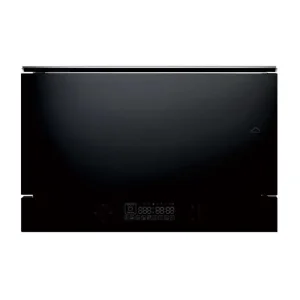
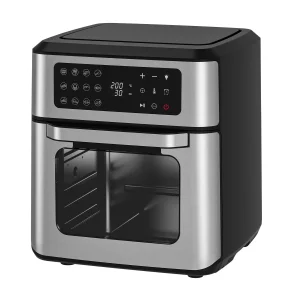
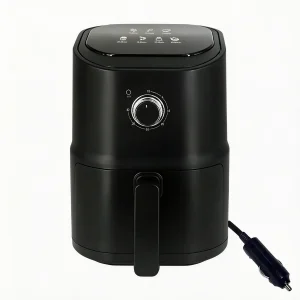
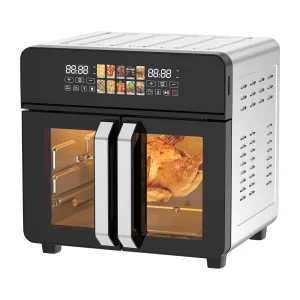
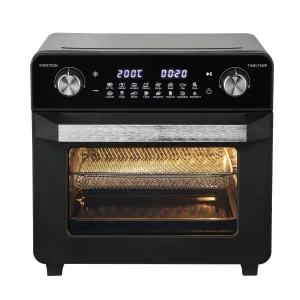
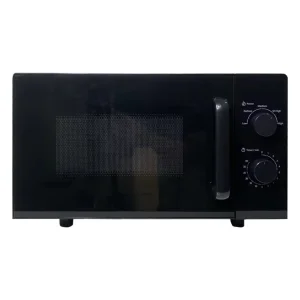
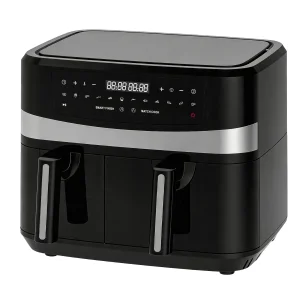
In addition to commercial and domestic blenders, Zhongshan Zhenmei Electrical Appliance Co., Ltd. is a certified manufacturer of digital air fryers, electric pressure cookers, built-in steam ovens, and commercial-grade microwave ovens, helping you source a variety of quality kitchen appliances from a single partner.
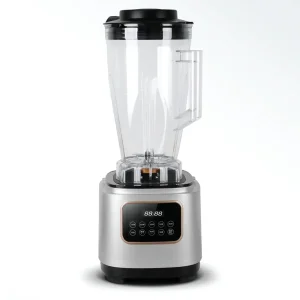
Expanding our product line with smart touchscreens, dual-basket air fryers, and integrated heating appliances.
 Zhenmei Electrical