Explore our leading export-grade thermal systems, featuring smart LED touch controllers, multi-layer convection cooking cavities, and robust hardware configurations.
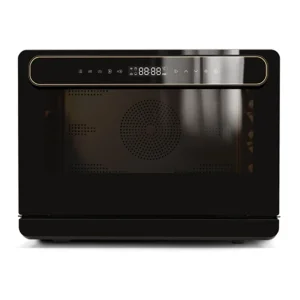
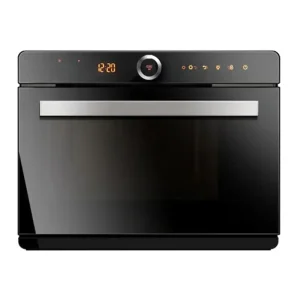
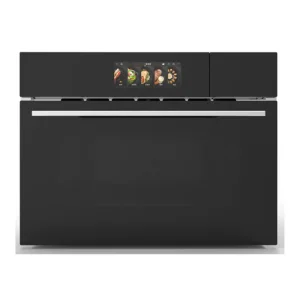
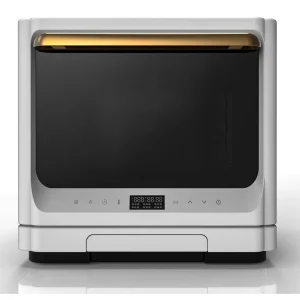
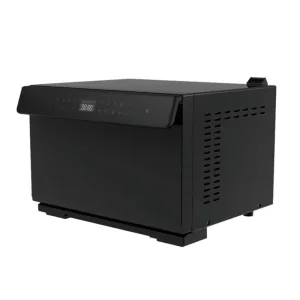
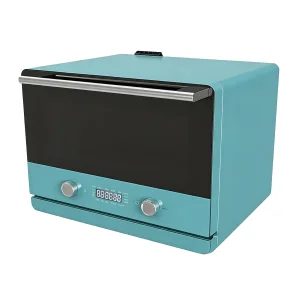
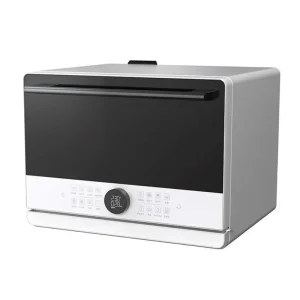
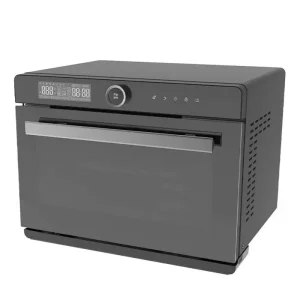
A comprehensive research-based whitepaper analyzing the industrial landscape of Chinese oven factories, design methodologies, and macro supply-chain advantages.
The global kitchen appliance sector is undergoing a rapid paradigm shift, pivoting away from basic heating chambers towards complex, multifunctional thermal systems. For sourcing managers and business executives worldwide, identifying a premier **oven factory** is no longer just about buying hardware. It requires finding a strategic OEM/ODM partner capable of translating consumer insights—such as the massive demand for hybrid steam-baking and high-precision temperature control—into high-performance, compliant, and market-ready products.
This whitepaper addresses the core fundamentals of modern oven manufacturing, focusing on the industrial advantages of China’s production clusters, the latest engineering trends, and macro supply-chain solutions. Led by Zhongshan Zhenmei Electrical Appliance Co., Ltd., an established leader with over 16 years of expertise, this document outlines the blueprint for scalable, reliable kitchen appliance sourcing.
Traditional oven manufacturing historically relied on simple resistive heating coils paired with bimetallic thermostats. Today's marketplace demands much higher sophistication. Modern steam ovens and multi-functional air fryers utilize microprocessors executing advanced PID algorithms to maintain temperature margins within ±1°C. The addition of independent upper and lower heating elements, paired with reversible motor-driven convection fans, ensures uniform air distribution.
Furthermore, raw material composition remains a key differentiator. Export-grade factories now focus extensively on using high-quality 304 austenitic stainless steel cavities or advanced food-grade enamel coatings, ensuring resistance to high heat, high moisture (steam cooking), and easy maintenance.
Why China's Pearl River Delta remains the undisputed global hub for manufacturing high-performance kitchen thermal appliances.
Within the Pearl River Delta industrial cluster, particularly in Zhongshan and Shunde, every critical component—ranging from heating elements, PCB controllers, tempered glass assemblies, to raw sheet metal—is sourced within a 50km radius. This localized infrastructure dramatically reduces logistics overhead and lead times.
By employing in-house R&D centers and structural engineers, modern Chinese factories can transition a product from a conceptual 3D rendering to a functional thermal prototype in less than 30 days. This speed-to-market is crucial for brands adjusting to fast-changing consumer demands.
Established manufacturers like Zhongshan Zhenmei design their products to meet stringent international standards from the ground up, securing certifications including GS, CE, CB, RoHS, REACH, and ETL/FDA, easing the friction of importing into Europe and North America.
Analyzing key advancements driving consumer purchase intent and modern engineering directions.
The combination of superheated steam and convection air circulation represents the single greatest leap forward in cooking performance over the last decade. Conventional ovens bake from the outside in, often drying out the food matrix. Direct steam injection systems, such as those integrated into our ZK58-ST2 58L model, quickly wrap ingredients in hot steam, locking in moisture and nutritional integrity while high-speed heating elements crisp the exterior. This process reduces cooking times by up to 30% to 40%.
Maintenance remains a major friction point for consumers. High-end built-in ovens are now incorporating high-temperature pyrolytic self-cleaning cycles (reaching up to 450°C). This system breaks down food residue, oils, and grease into fine ash that is easily wiped clean. Sourcing a factory that understands the structural insulation, double-glazed or triple-glazed tempered glass thermal barriers, and active cooling fans required to safely support 450°C cycles is critical for brand protection.
Physical dials are giving way to high-resolution interfaces. Modern premium lineups feature TFT capacitive touchscreens, multi-color LED modules, and integrated OLED rotary controllers. These interfaces allow users to select from dozens of automated cooking recipes, while supporting wireless IoT connectivity for remote management via smartphone applications.
How modern oven thermal technology is engineered to fit specific end-user environments globally.
In major metropolitan markets like Tokyo, London, or New York, kitchen counter space is premium real estate. Sourcing highly efficient, mid-capacity tabletop combi-ovens (20L to 28L) with integrated air frying capabilities allows consumers to replace up to four distinct appliances with a single footprint.
For European and premium North American residential renovations, the trend centers on built-in, flush cabinet configurations. Built-in models (22L, 26L, 32L, up to 72L) require advanced front-venting exhaust ventilation designs to prevent heat damage to surrounding millwork.
B2B markets like cloud kitchens, cafes, and office pantries demand appliances designed for continuous duty. Higher wattage elements (up to 3300W) coupled with rapid preheat features and heavy-duty 304 stainless steel interior liners allow quick cooking cycles and continuous performance.
A closer look at Zhongshan Zhenmei's 40,000 sqm advanced facility, engineering processes, and quality assurance divisions.

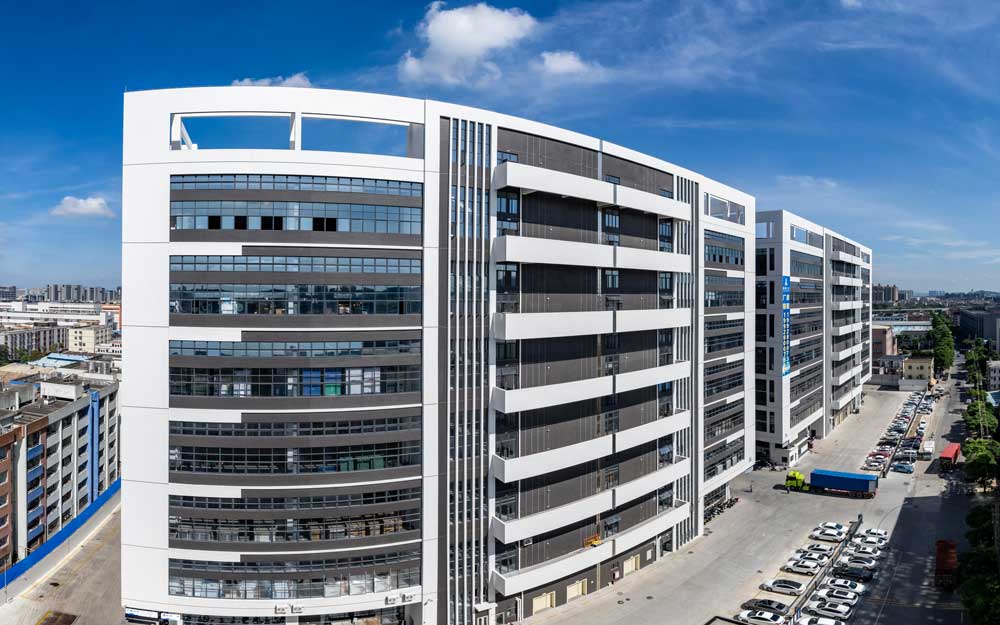
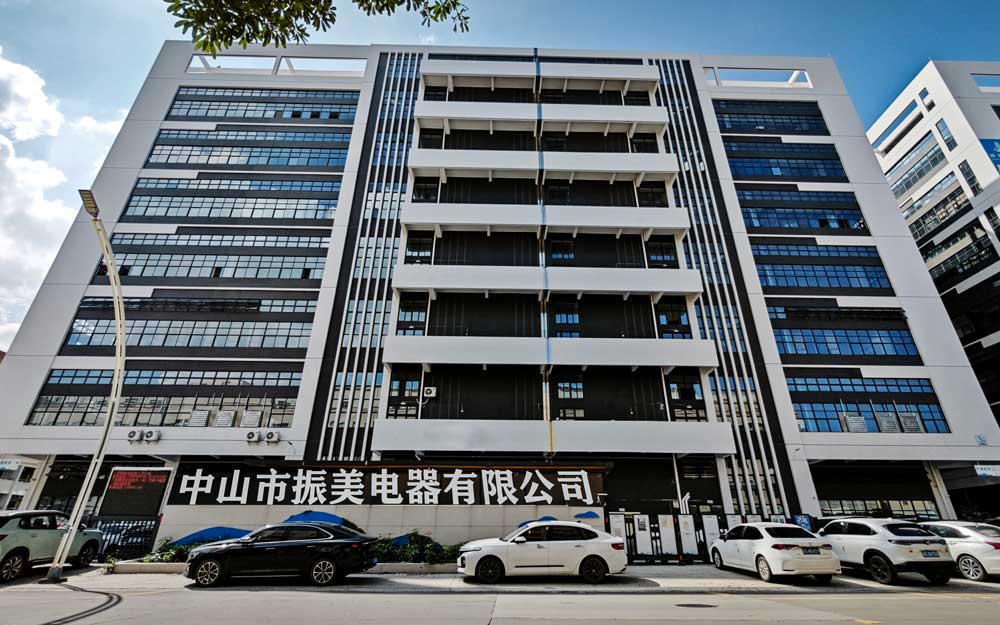
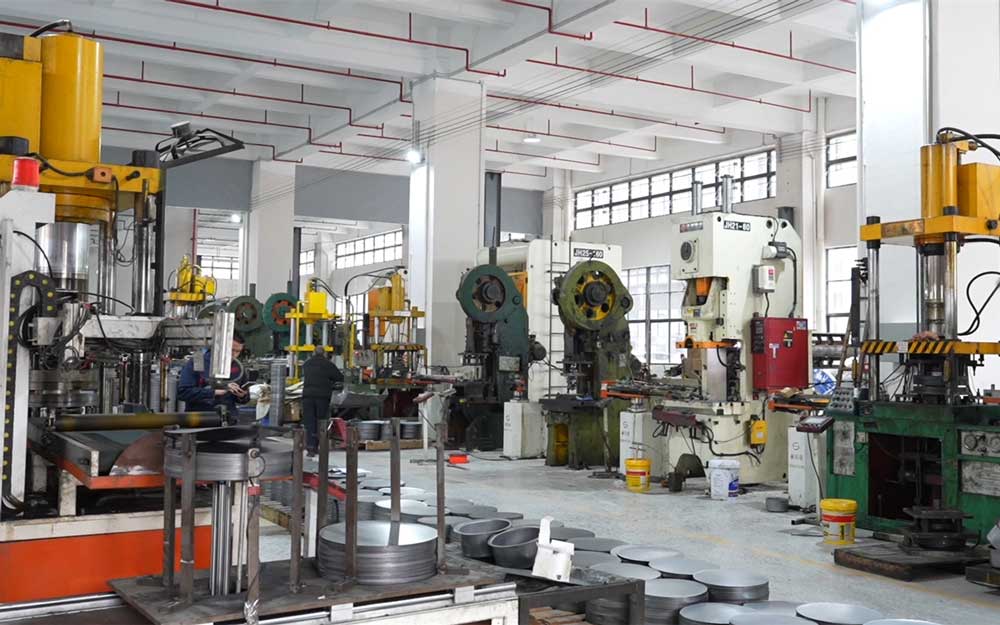
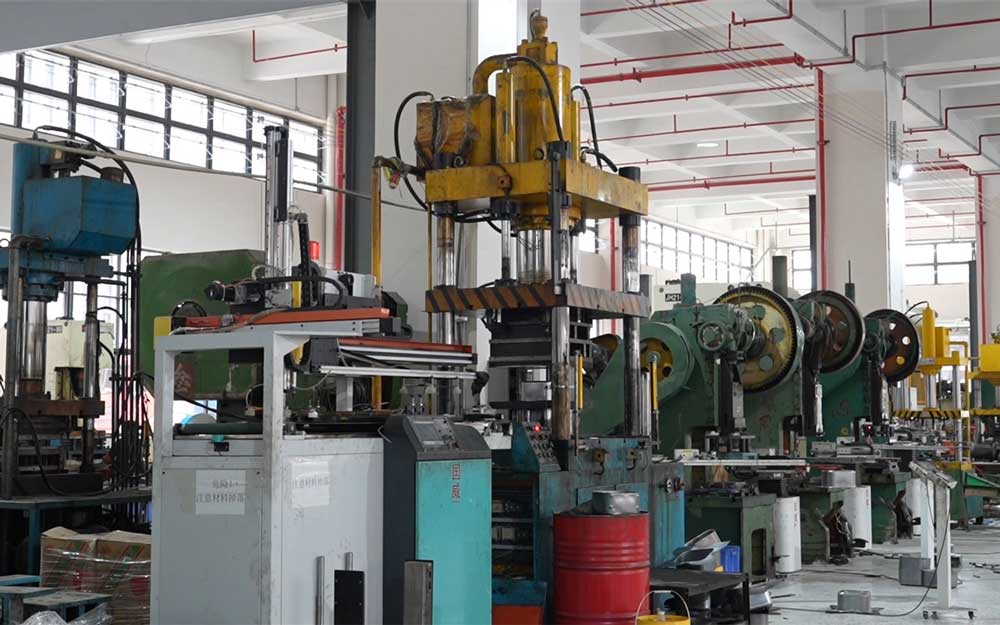
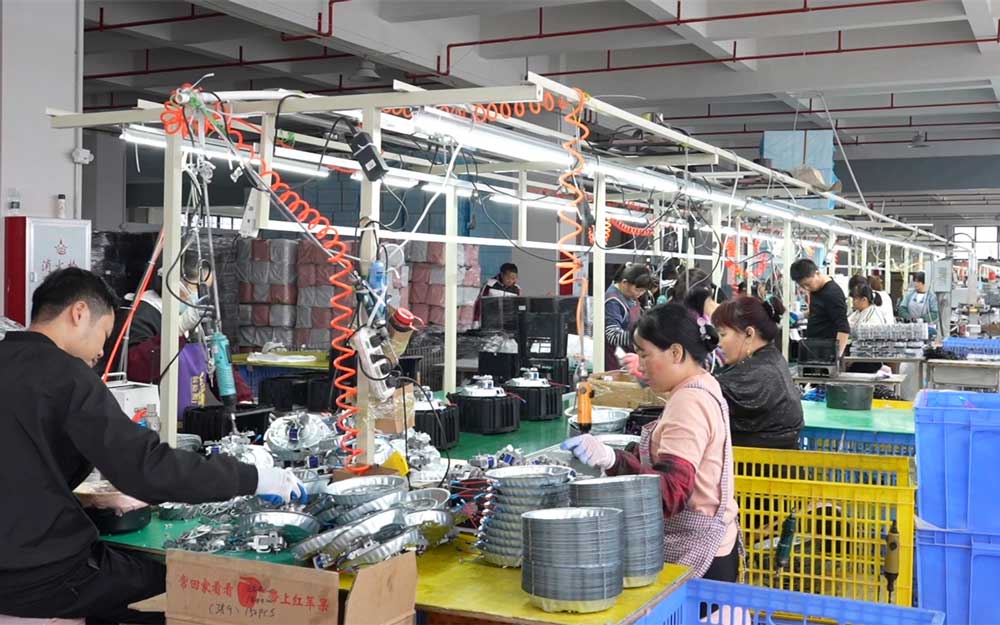
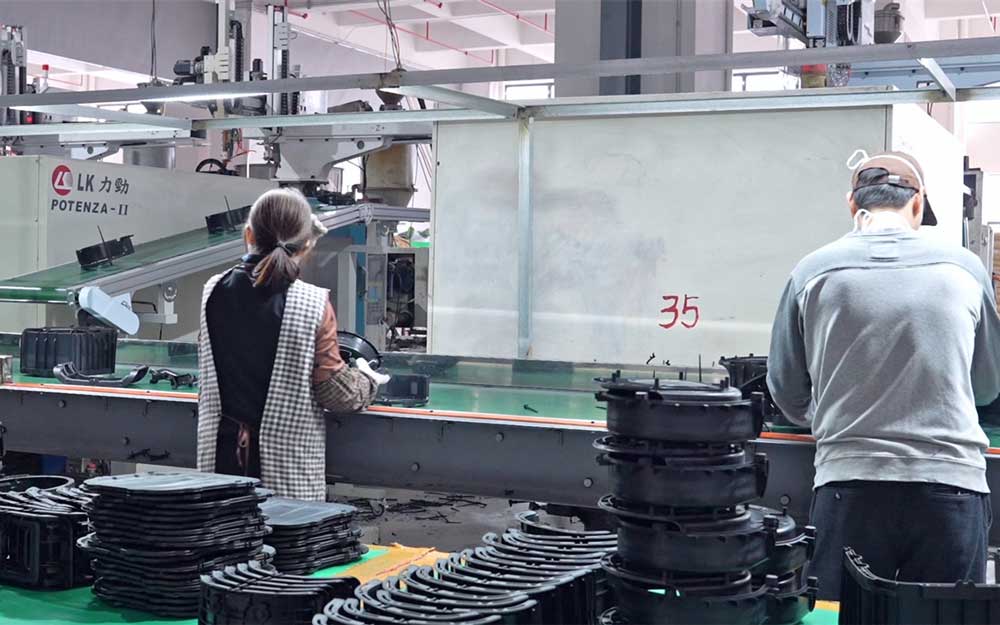
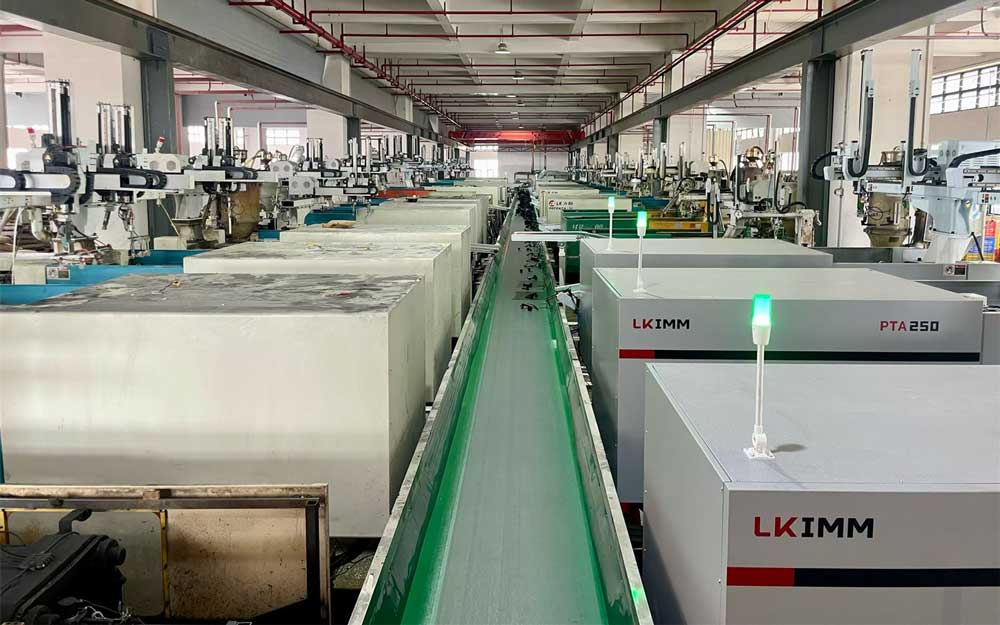
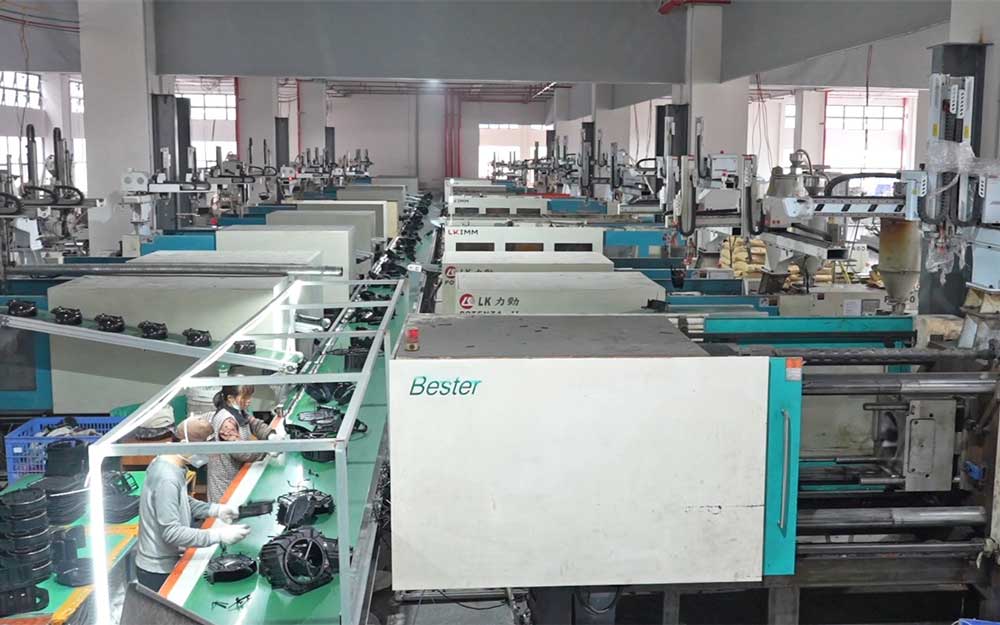
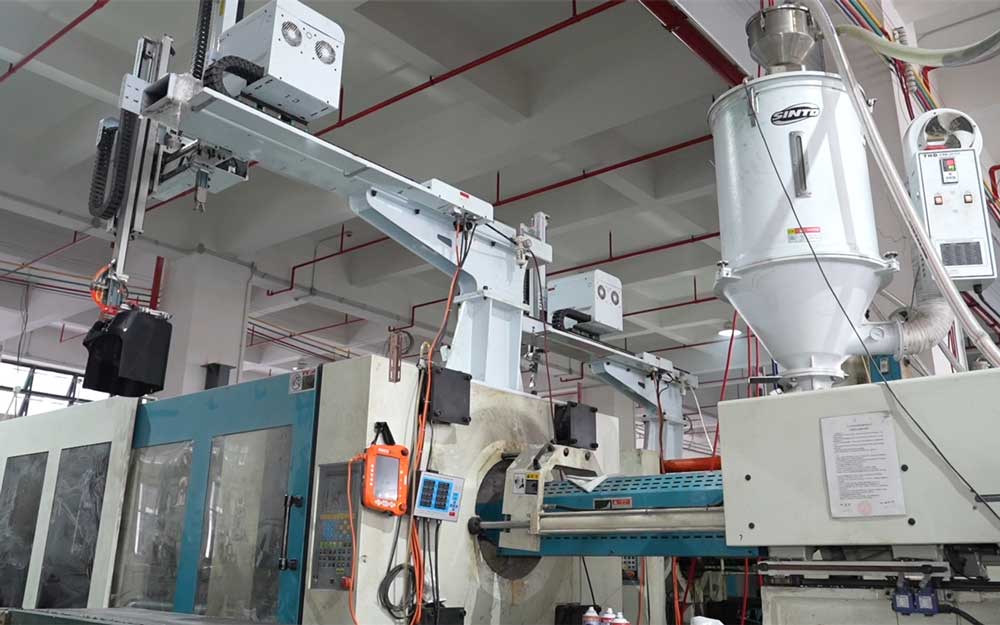
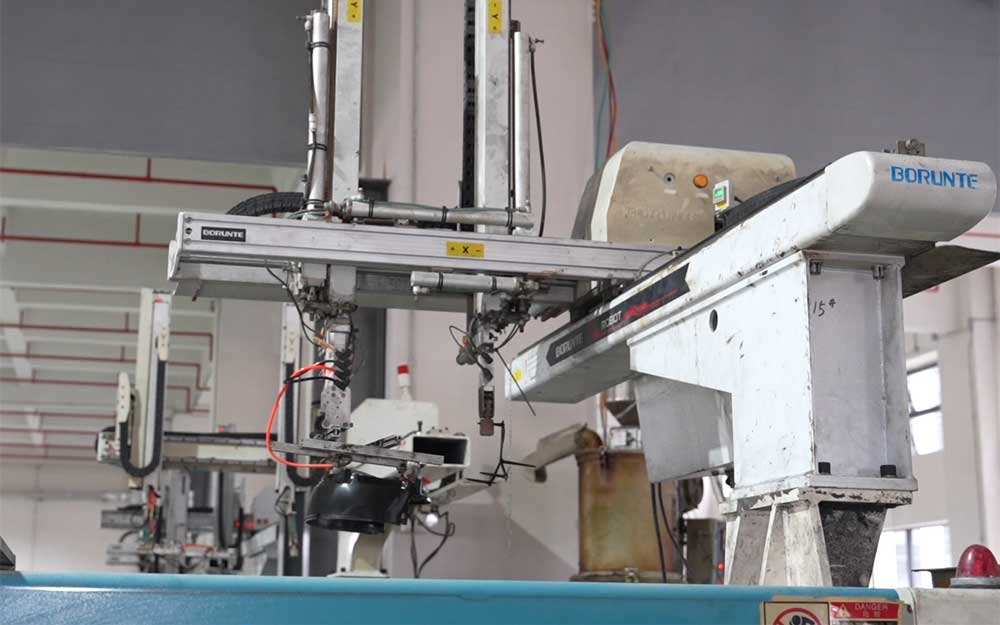
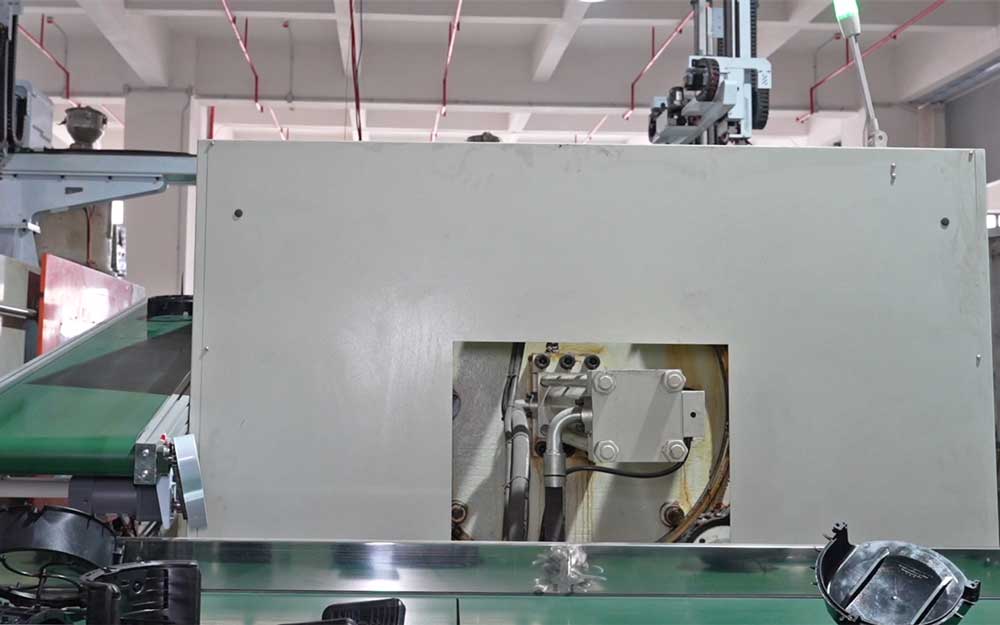
Operating within a fully ISO 9001-certified framework, our production facilities are split into specialized zones: heavy metal stamp processing, robotic enamel spray application, automatic motherboard diagnostics, final assembly, and high-voltage safety validation chambers. With more than 300 experienced professionals on the factory floor, we sustain an output exceeding 10,000 kitchen appliances daily, and execute real-time production flow monitoring.
Best practices for enterprise buyers auditing and selecting an OEM/ODM oven manufacturer.
B2B sourcing directors from retail chains, brand licensing conglomerates, and e-commerce platforms must evaluate multiple structural factors when partnering with an oven manufacturer. Price per unit is merely one metric; true supply chain efficiency encompasses technical compliance, mold ownership transparency, and shipping optimizations.
Developing unique outer designs is critical to preventing market saturation of similar models. An ideal factory should offer robust ODM services, with rapid injection-molded housing customization and sheet-metal stamping alterations. Sourcing teams should seek partners that own their tooling workshops to minimize design-to-production bottlenecks.
High quality standards require testing protocols at every phase. Our production facility applies three layers of validation:
Actionable answers to help procurement managers evaluate oven factory operations, ODM capabilities, and logistics.
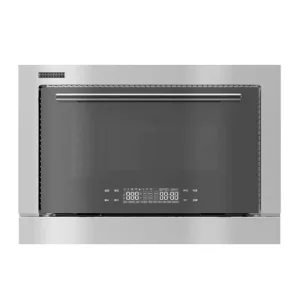
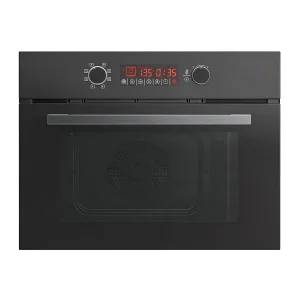
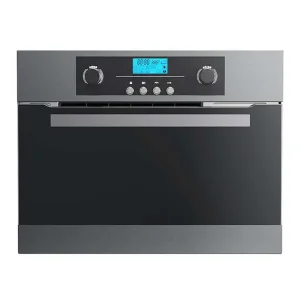
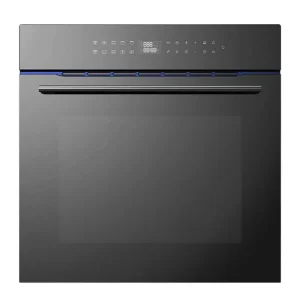
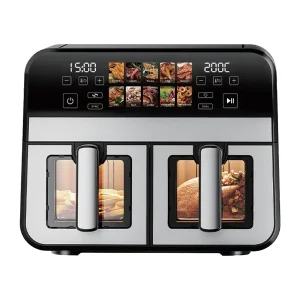
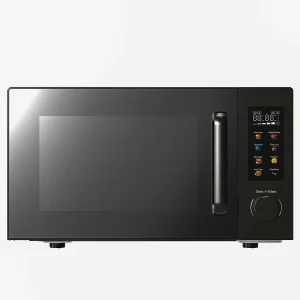
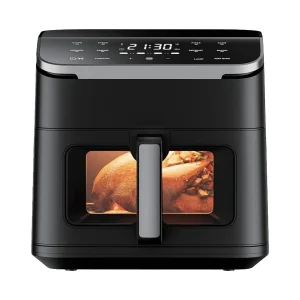
Premium embedded cabinets, high-capacity pyrolytic chambers, and advanced dual-basket cooking appliances for professional sourcing lines.
 Zhenmei Electrical