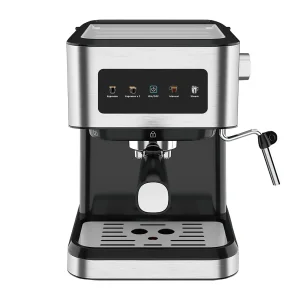
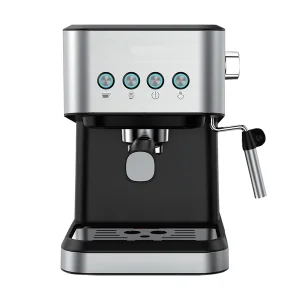
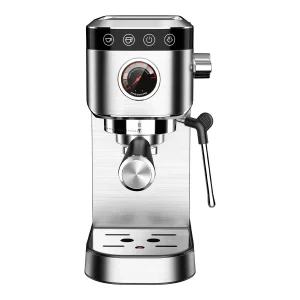
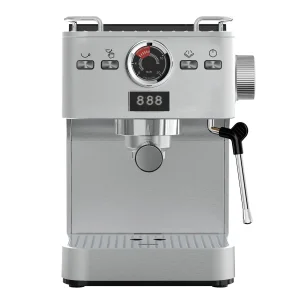
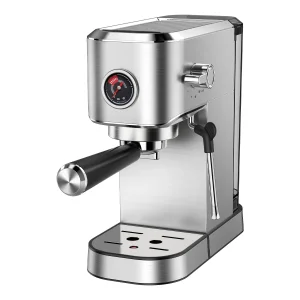
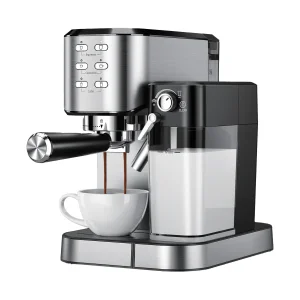
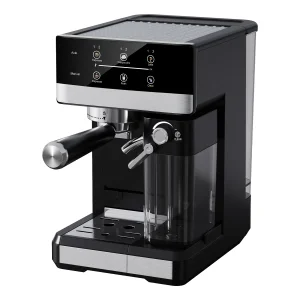
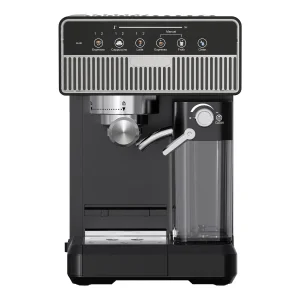
Explore our top-tier engineering systems, integrating precision pressure profiling, state-of-the-art dual thermal systems, and smart control interfaces designed for global distributors.
Zhongshan Zhenmei Electrical Appliance Co., Ltd. stands at the forefront of the global kitchen and beverage appliance manufacturing industry. As a premier OEM/ODM partner with over 16 years of expertise, we specialized in the engineering, design, and mass-scale production of high-performance appliances, including air fryers, electric pressure cookers, commercial-grade blenders, and professional espresso coffee machines.
We work closely with global distributors, brand owners, and procurement conglomerates to transform complex structural concepts into high-quality, certified, and market-ready consumer products. By maintaining a robust supply chain ecosystem, strict quality controls, and pioneering R&D structures, we ensure seamless global distribution and unmatched speed-to-market.
Our corporate operations are deeply rooted in transparency, compliance, and industrial scale. Serving leading brands across North America, Europe, East Asia, and the Middle East, our facilities comply with rigorous international manufacturing frameworks.
The industrial advantages of China's advanced manufacturing hubs drive cost-efficiency, technical innovation, and agile scaling capabilities for international brands.
Zhongshan and the surrounding Guangdong industrial clusters house the entire coffee machine component ecosystem. From high-grade brass boilers, ULKA pumps, and flow meters, to integrated PCB microcontrollers, every raw element is sourced locally, dramatically compressing lead times.
Our in-house design capabilities allow brands to pivot swiftly according to market dynamics. Whether transitioning from button-controlled layouts to sleek IMD touch displays, or upgrading a single thermoblock to a dual boiler system, our engineering framework facilitates fast prototyping.
Chinese export-oriented factories operate under rigorous quality management certifications. Our production processes adhere to CE, CB, RoHS, GS, ETL, and FDA compliance, meaning every unit dispatched is certified for immediate commercial sale in highly regulated Western markets.
SEO Insight / User Intent Note: Global importers frequently prioritize "factory audit transparency" and "regulatory certifications" when evaluating suppliers. Zhongshan Zhenmei bridges this intent gap by maintaining fully traceable assembly processes and modern test laboratories on-site.
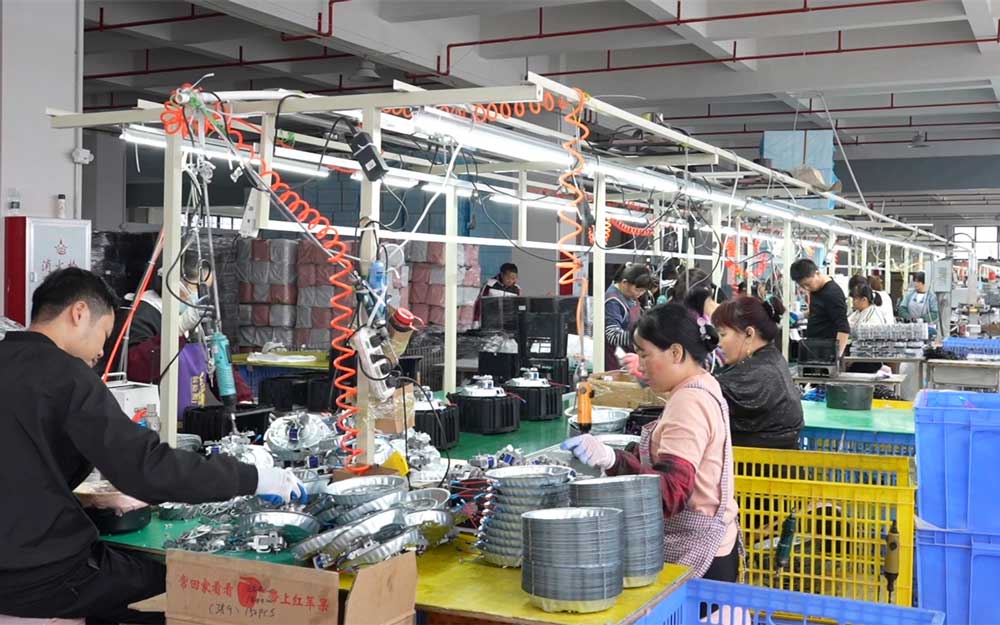
Our manufacturing capability is structured to process bulk industrial orders without sacrificing individual product integrity. Backed by 300+ skilled assembly professionals and a robust quality control team, we guarantee reliable batch-to-batch consistency for consumer and commercial lines.
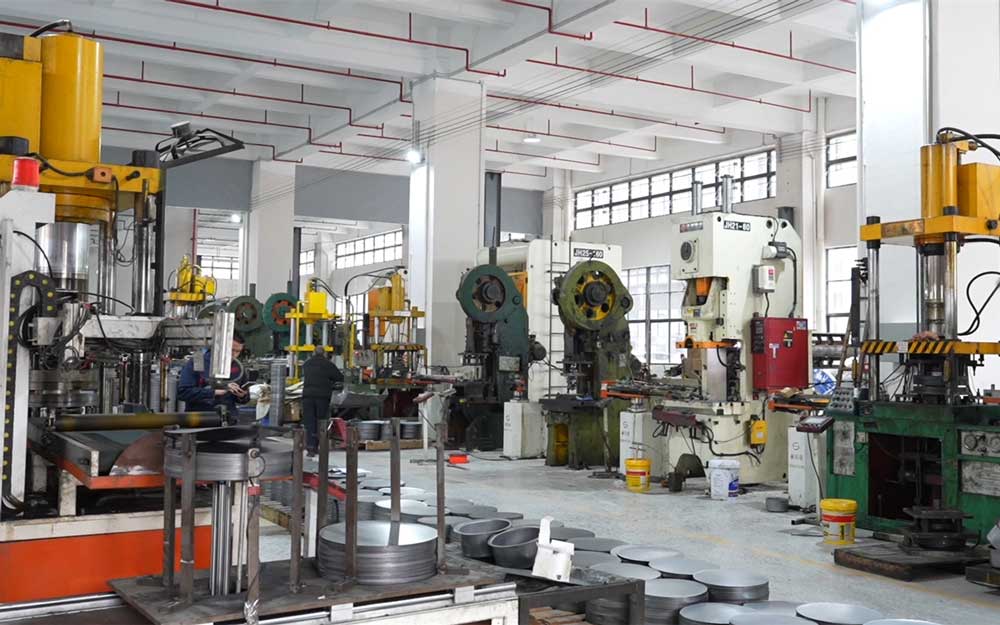
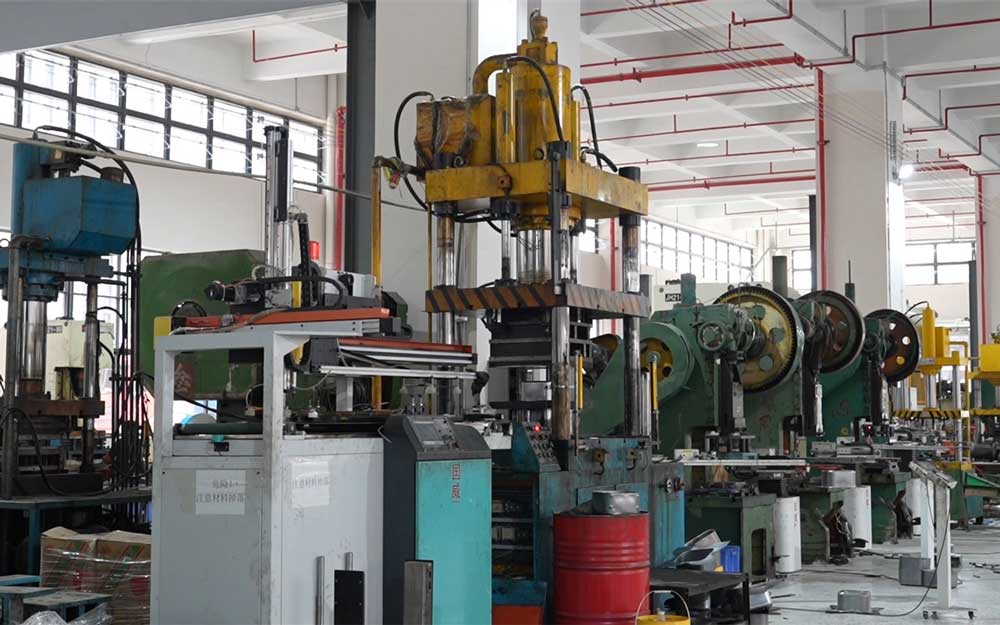
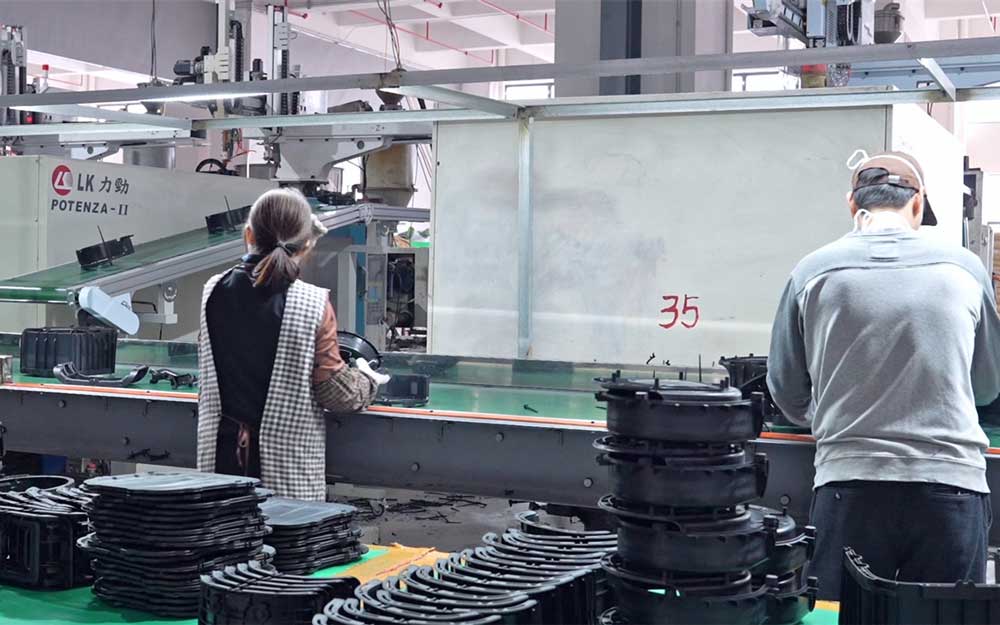
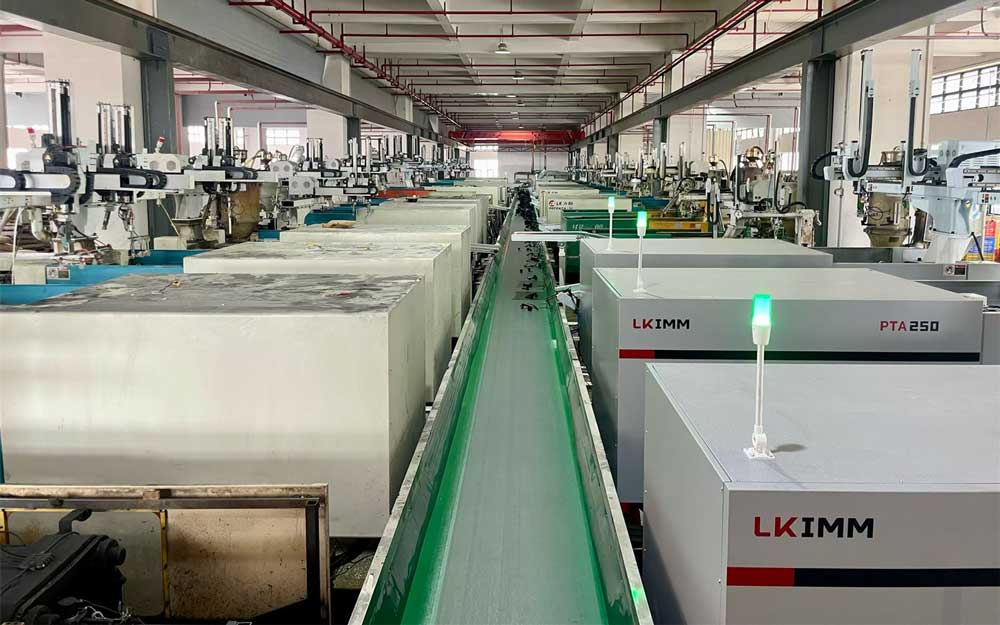
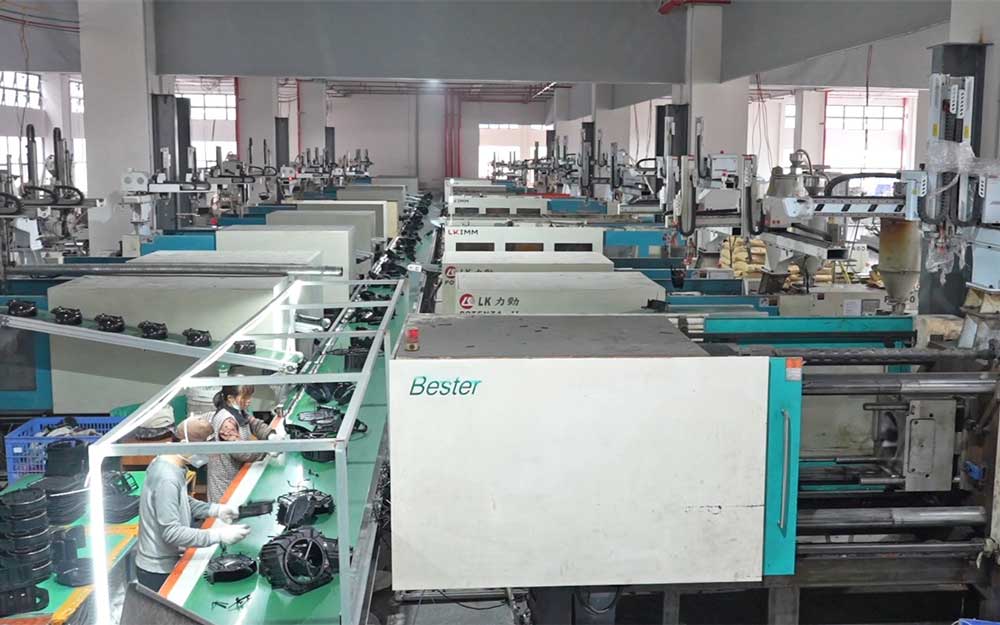
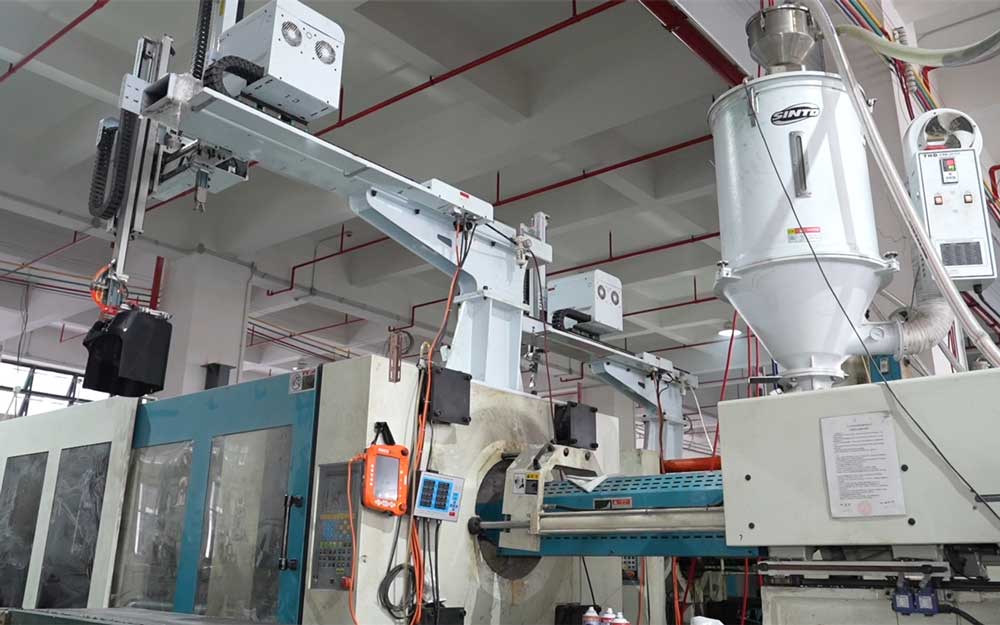
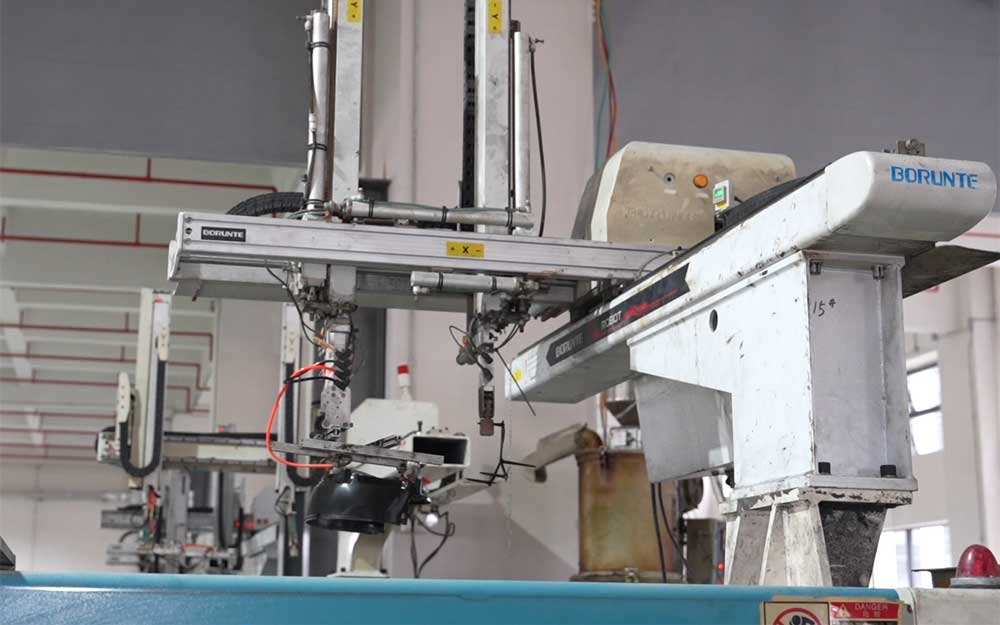
From plastic injection molding and sheet metal stamping to automated PCB assembly and final thermal-pressure testing, we control the vertical line of manufacturing.
For professional buyers, understanding the thermodynamic and mechanical components of extraction is essential to making sound bulk procurement decisions.
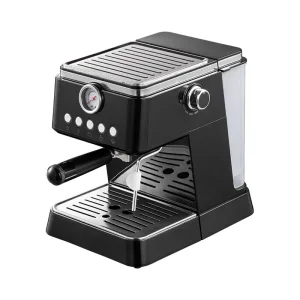
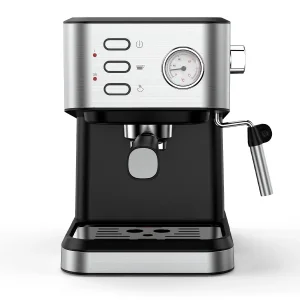
In espresso extraction, pressure is the catalyst that emulsifies insoluble oils from the coffee grounds, creating the rich, velvety layer of foam known as "crema." While the industry-standard minimum is 9 Bar at the brew group, professional suppliers use 15 Bar and 20 Bar electromagnetic vibration pumps (commonly sourced from Italian manufacturers like ULKA). The surplus pressure capacity ensures a stable pressure curve throughout the entire extraction phase, compensating for variable grind sizes, tamping densities, and coffee freshness. The 20 Bar systems (such as Model CM5100 and CM5146) provide the essential headroom needed for consistent milk-frothing performance concurrently.
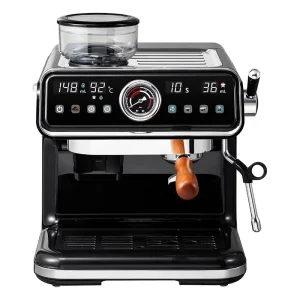
Temperature stability is critical; even a 1°C variance during extraction can alter the acidity and bitterness profile. Our high-end commercial models utilize dual boilers or hybrid thermo-block structures (like the 2600W system in Model QF-8118). This setup separates coffee extraction (regulated strictly between 88°C and 95°C) from steam generation. By implementing Proportional-Integral-Derivative (PID) thermal control algorithms via our customized PCB units, our machines continuously monitor and adjust the heating element power output within milliseconds, ensuring back-to-back brewing consistency.
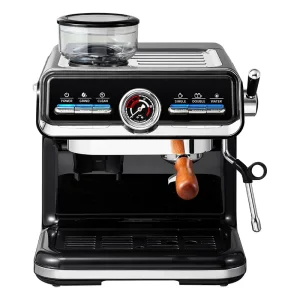
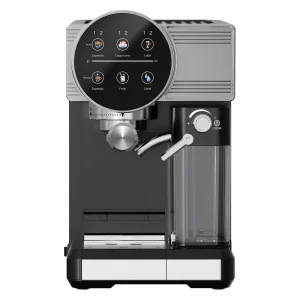
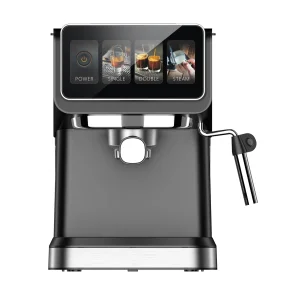
The contemporary B2B market demands intuitive user interfaces. Traditional mechanical switches are rapidly being replaced by In-Mold Decoration (IMD) touch control color displays and PCB touch-sensing controls (seen in Models CM5340 and CM5220). These interfaces do not merely look futuristic; they allow users to program specific extraction times, customize pre-infusion durations, and track maintenance cycles (such as descaling prompts), which dramatically lowers long-term support overheads for consumer brands.
Aligning engineering design with localized consumer habits and emerging smart home technologies.
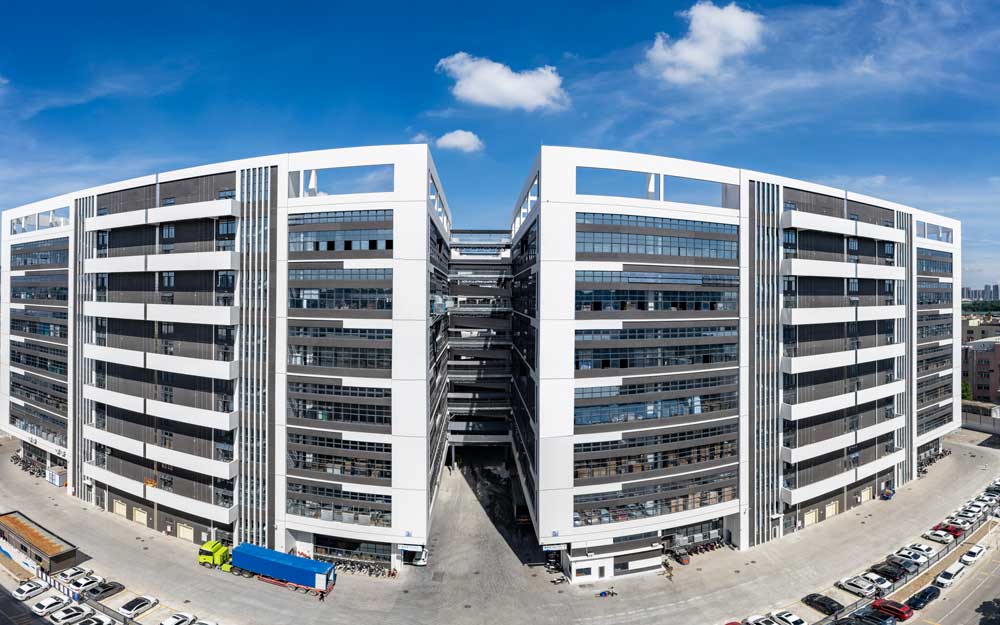
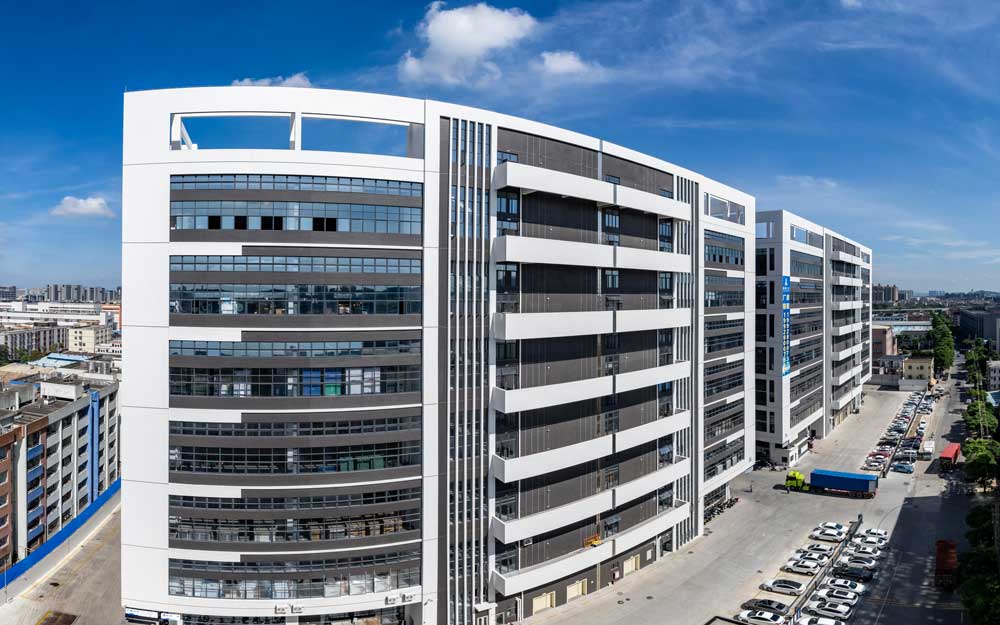
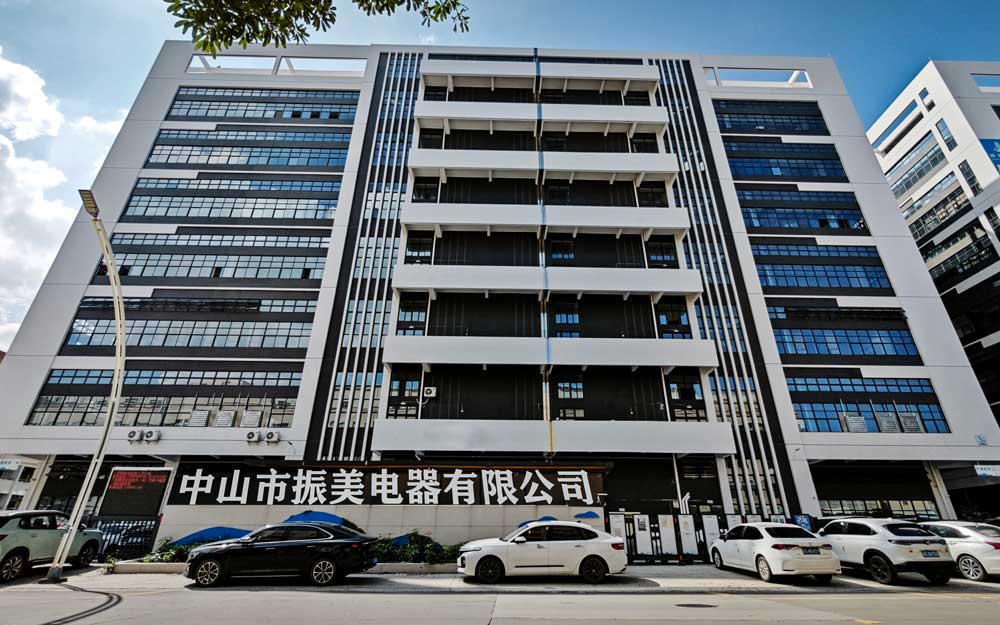
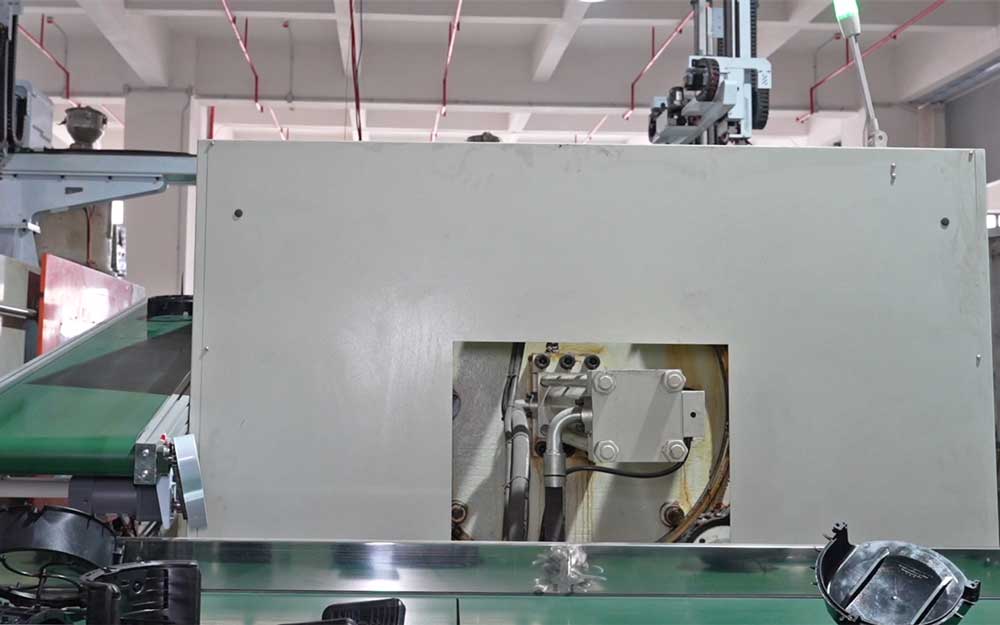
Our facility operates under advanced ISO 9001 quality guidelines, showcasing organized assembly divisions, modern testing equipment, and clean production spaces.
Answers to essential technical and commercial questions compiled by our product engineering and sourcing team.
Examine our expanded line of automatic extraction machines and versatile culinary equipment built to rigorous manufacturing specifications.
 Zhenmei Electrical