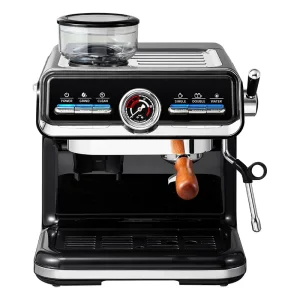
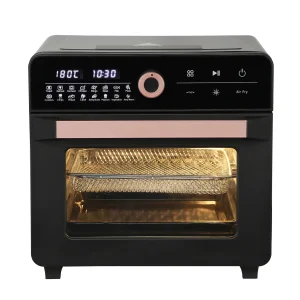
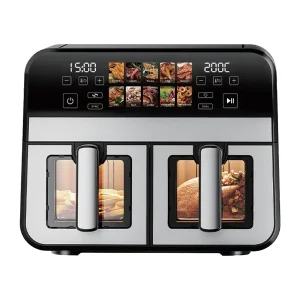
Explore our state-of-the-art kitchen electrical portfolio, manufactured to international safety and reliability standards.
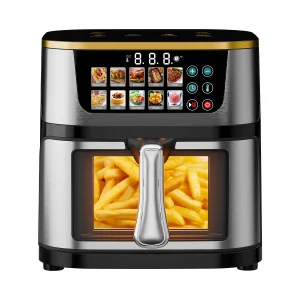
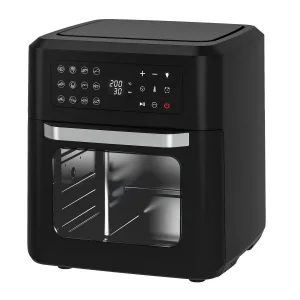
The global demand for high-efficiency commercial and residential automatic juicers has witnessed an unprecedented surge, driven by an expanding health-conscious consumer demographic, rising disposable incomes, and the operational transition toward automation in the hospitality sector. Driven by a global transition from manual food prep to optimized automation, businesses worldwide require systems that maximize juice yield while minimizing operator labor and waste.
Modern commercial automatic juicers are no longer simple countertop spinners. They represent highly engineered machines utilizing low-speed masticating cold-press technology, high-output centrifugal extractors, and automated citrus squeezing mechanisms. In regions like North America and Western Europe, the market is characterized by a structural shift toward organic and cold-pressed juices, compelling juice bars, high-end hospitality venues, and supermarkets to deploy reliable, high-yield machines. Simultaneously, emerging markets in Asia-Pacific and Latin America are registering double-digit CAGR growth in smart home appliance adoption, emphasizing quiet, sleek, and high-torque domestic juicers.
Modern extraction technologies use intelligent torque sensors to automatically adjust screw pressing speeds, maximizing liquid volume extraction from both soft fruits and tough fibrous root vegetables.
Operating under 50-80 RPM, our low-heat extraction ensures delicate vitamins, minerals, and live enzymes are preserved, preventing oxidation and securing a 72-hour shelf-life for retail juice lines.
Engineered with snap-lock modular structures, reducing disassembly and manual cleaning times from 30 minutes down to just 90 seconds. A crucial factor in rapid-turnover commercial spaces.
Our Industrial Scale, Manufacturing Advantages, and Proven OEM/ODM Capabilities.
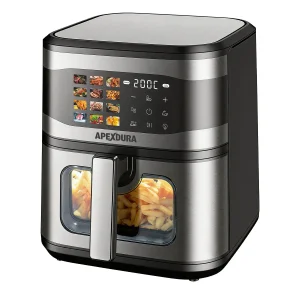
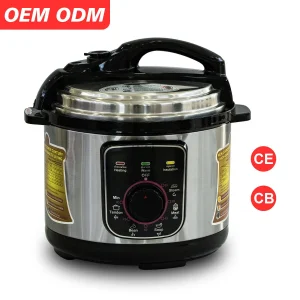
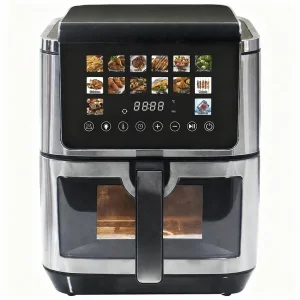
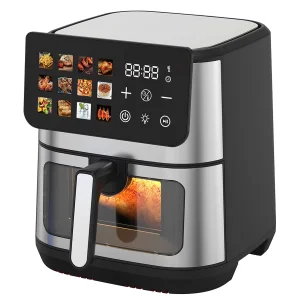
Zhongshan Zhenmei Electrical Appliance Co., Ltd. is a premier OEM/ODM partner specializing in the engineering, design, and high-volume manufacturing of high-quality kitchen appliances, including smart air fryers, electric pressure cookers, commercial-grade high-power blenders, and automatic juicers. With over 16 years of expertise, we transform raw concepts into market-ready, globally certified electrical appliances that power leading consumer brands worldwide.
By focusing on vertical manufacturing integration, from in-house plastic injection molding and metal stamping shops to automated PCB testing stations, we guarantee absolute quality control, shorter lead times, and unmatched pricing structures. Our facility output regularly supports heavy-volume logistics to North America, South America, the European Union, Southeast Asia, and the Middle East.
Explore our operational assembly lines, research laboratories, and rigorous quality check zones.
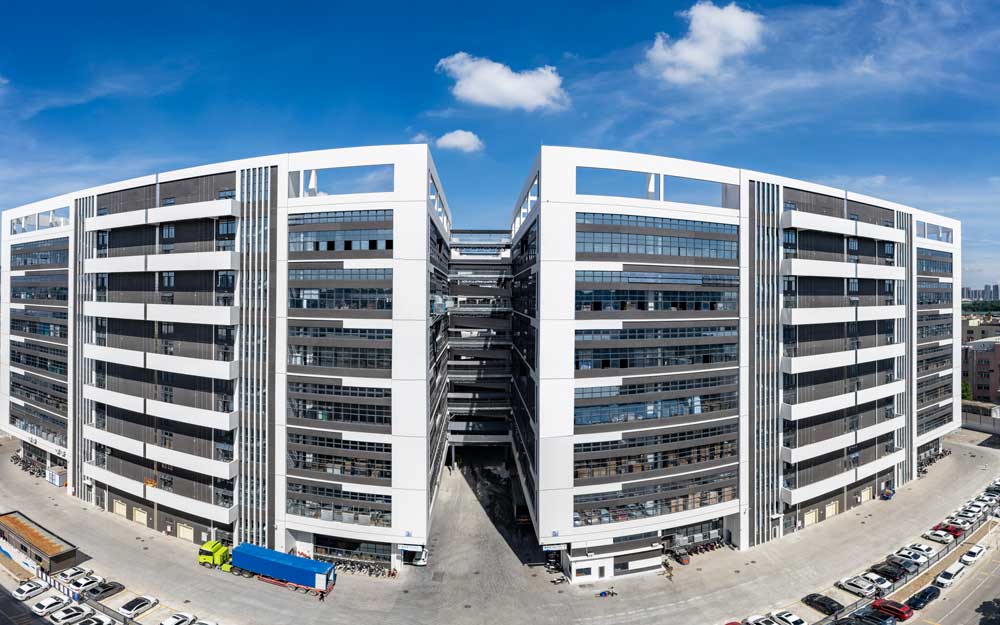
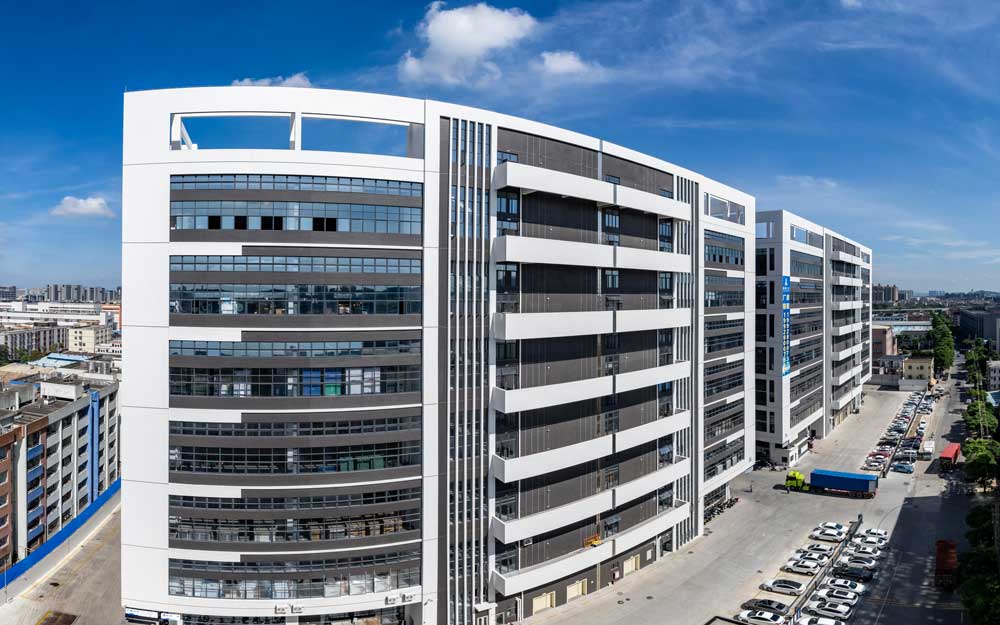
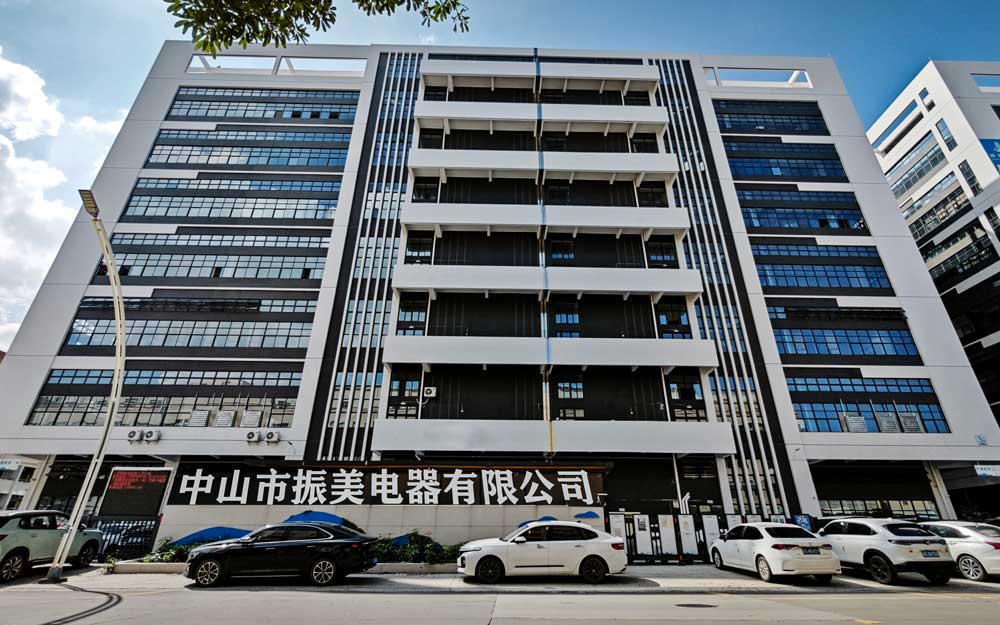
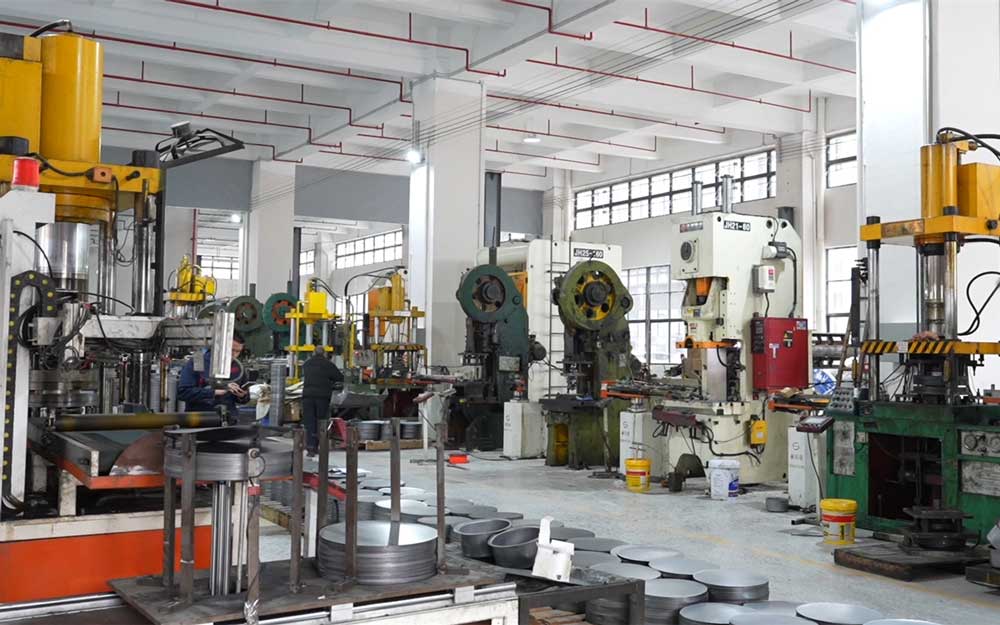
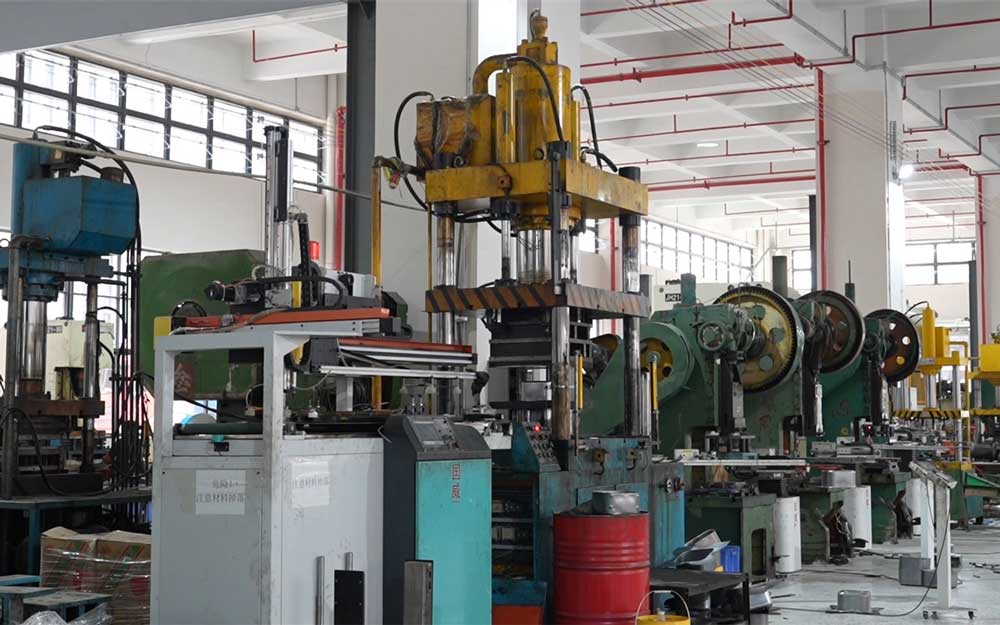
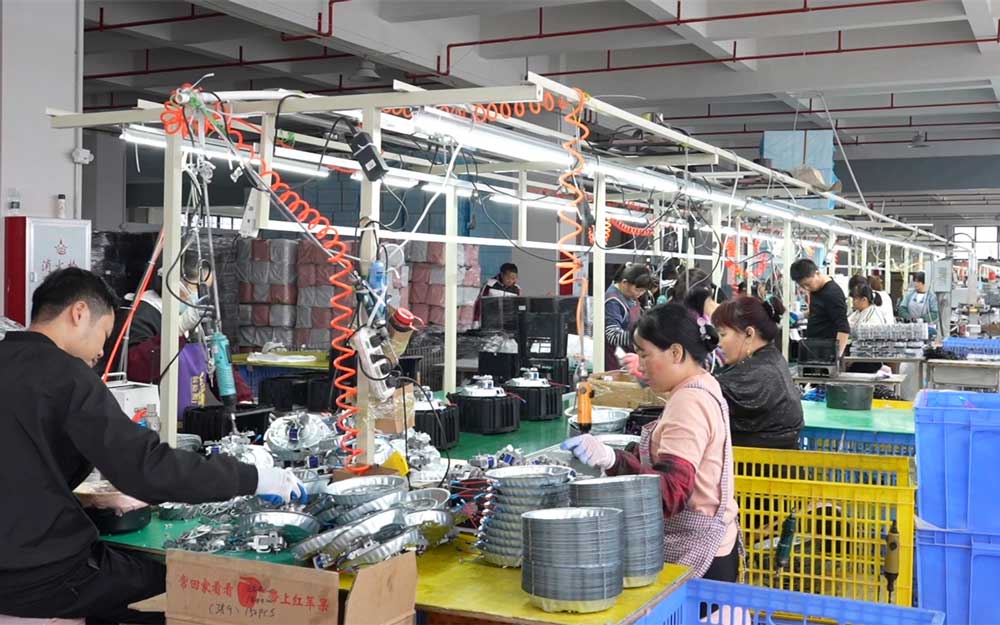
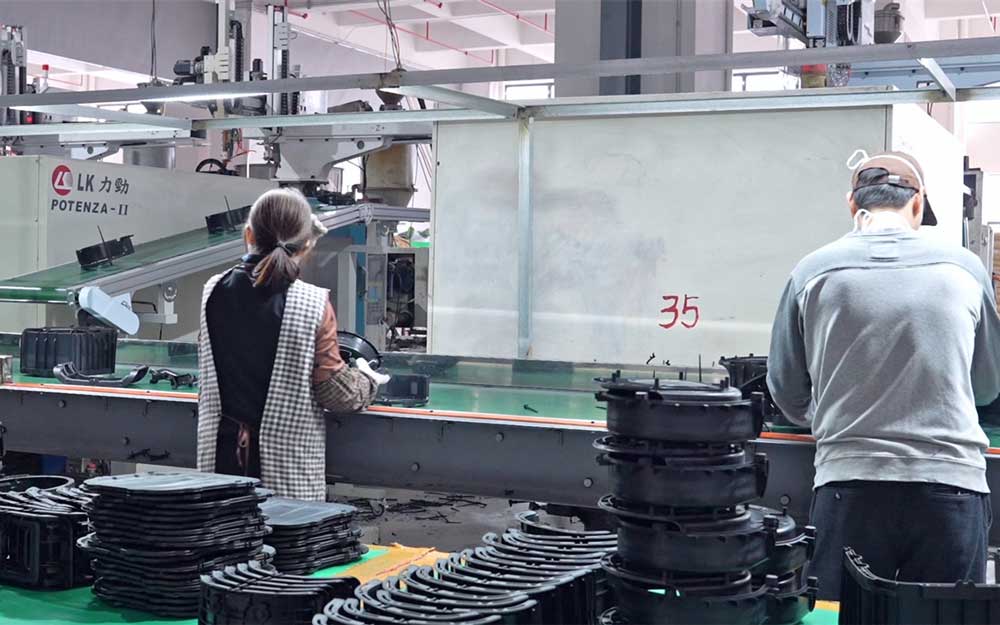
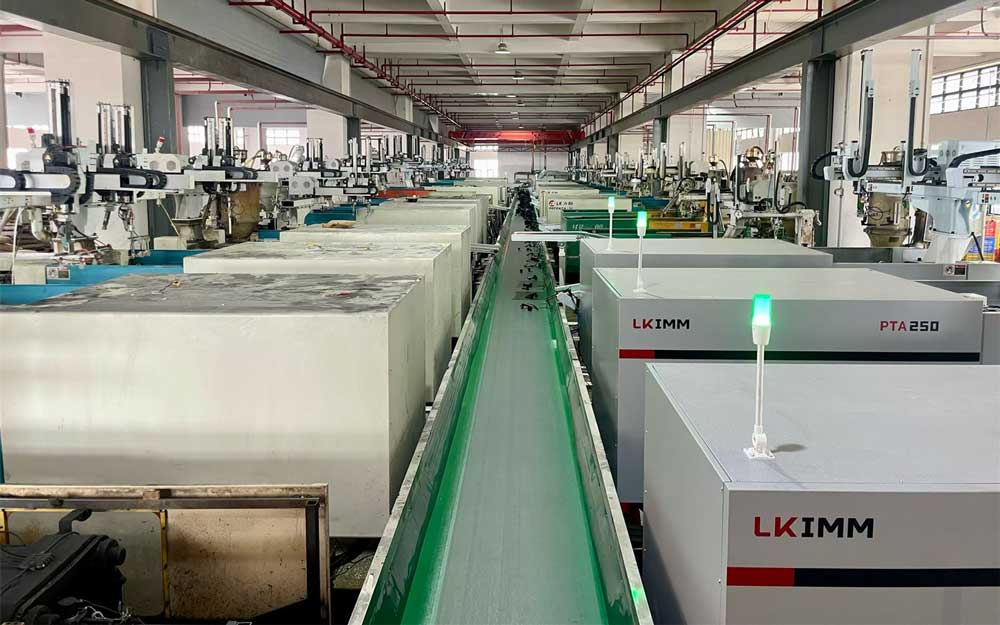
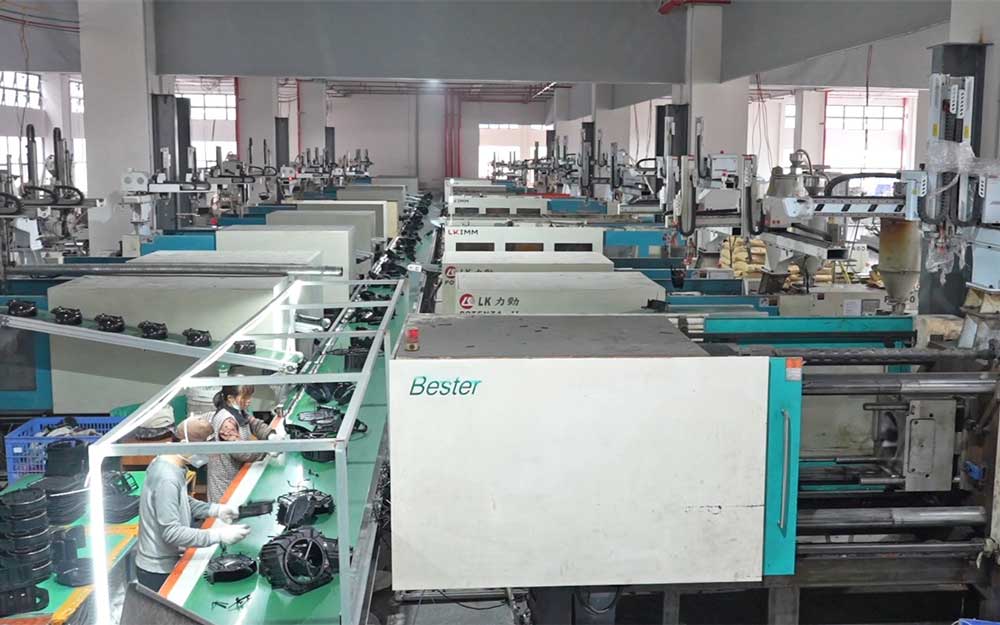
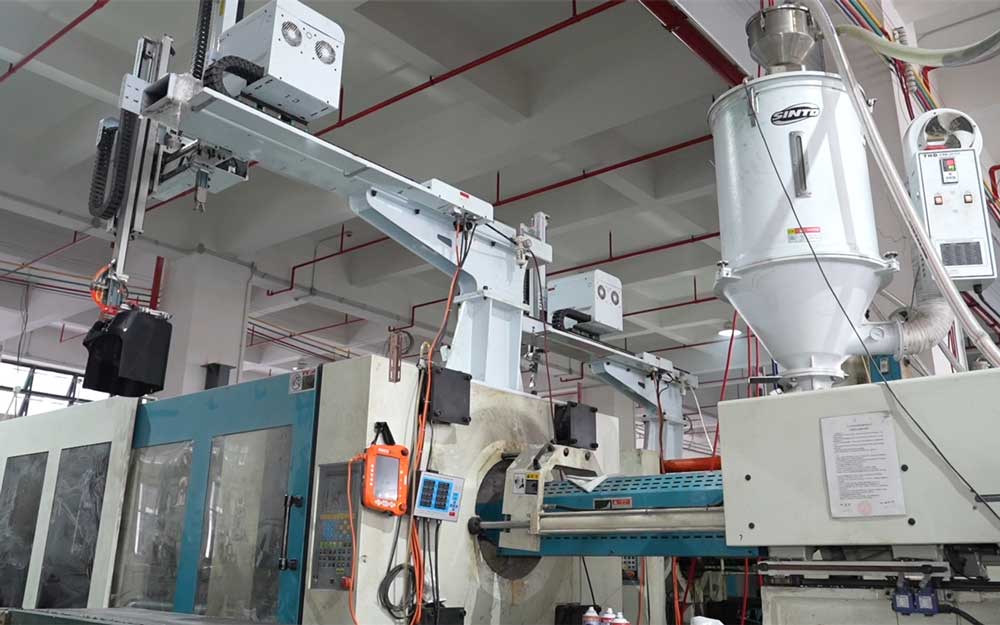
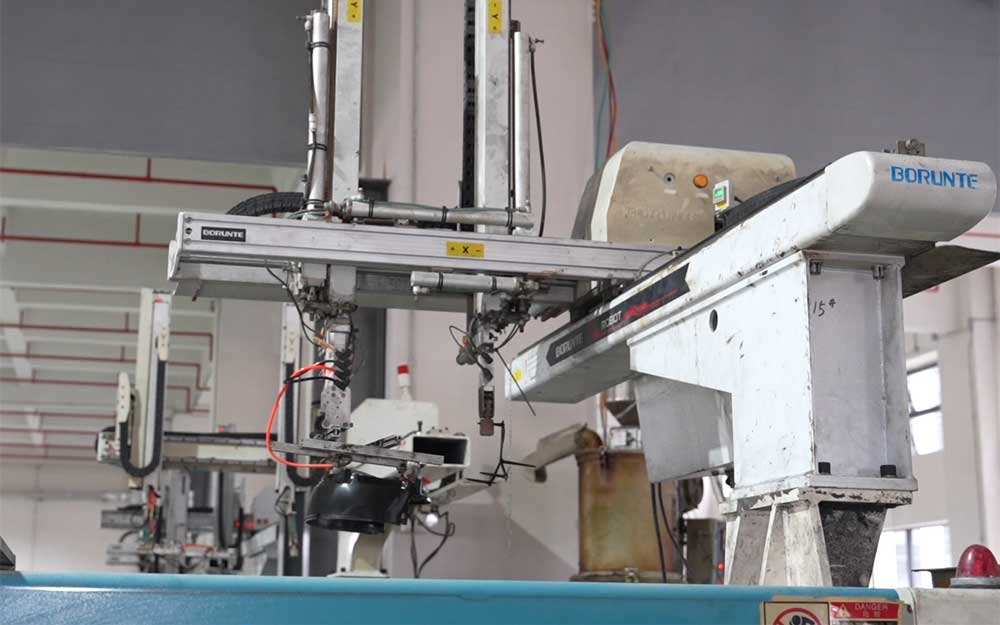
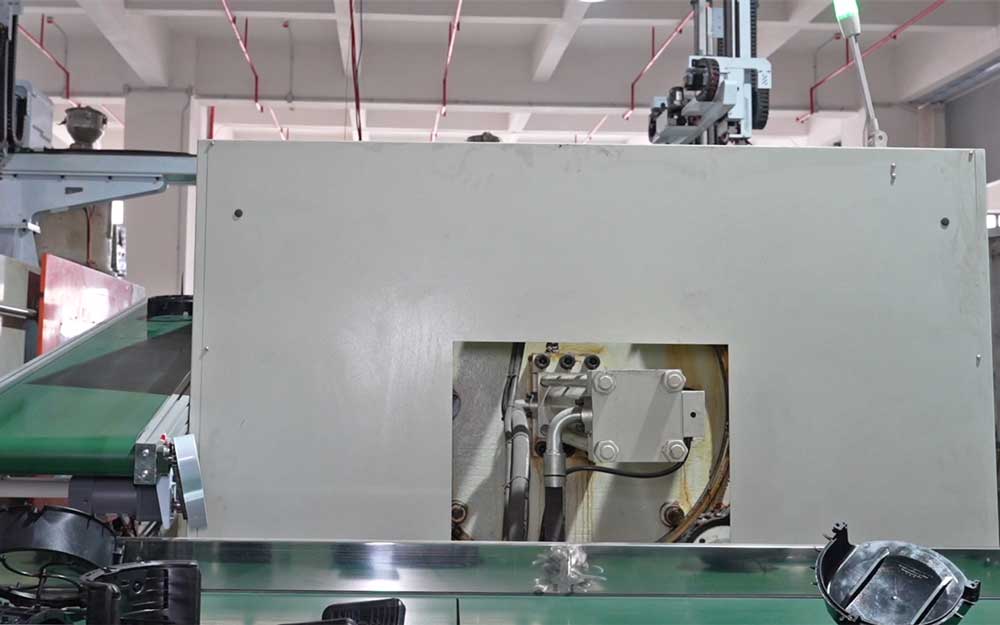
When sourcing industrial or consumer-grade automatic juicers at scale, working directly with a qualified Chinese factory provides structural, financial, and logistical advantages that cannot be replicated elsewhere. As a key manufacturing hub in Guangdong Province, Zhongshan hosts a hyper-dense supply chain ecosystem for domestic and commercial appliances. Every single component—from food-grade silicone seals and high-purity copper windings to smart capacitive touch screens—is sourced, verified, and assembled within a 50-kilometer radius.
This geographic density drastically reduces lead times for complex custom molds (OEM/ODM projects) and eliminates the shipping delays common with international sub-assembly suppliers. Additionally, Chinese manufacturers have heavily adopted lean manufacturing processes and semi-automated production lines, balancing scale, efficiency, and consistent tolerance controls. The resulting structural savings are directly passed to global B2B clients in the form of competitive unit pricing and lower Minimum Order Quantities (MOQs) for custom colorways or branding integrations.
Navigating global electrical and sanitation regulations is a vital component of safe, profitable B2B importing. For a juicing appliance to enter prime retail networks, commercial kitchens, or high-street distribution channels, it must strictly comply with regional health, electromagnetic, and fire safety laws. The key verification points required by B2B buyers include:
| Certification Mark | Target Market | Compliance Mandate | Key Testing Points |
|---|---|---|---|
| CE / CB | European Union & Global | Essential electrical safety, low voltage directive, and EMC compliance. | Insulation resistance, motor temperature limits, radio frequency interference. |
| ETL / UL | North America | Rigorous electrical and mechanical safety standards for household & commercial use. | Flame-retardant housings, high-limit thermal cutoffs, structural integrity. |
| FDA / LFGB | USA & Europe | Sanitary and food-contact material regulations. | Lead-free components, BPA-free plastics, food-grade SUS304/316 stainless steel. |
| RoHS / REACH | European Union | Restriction of hazardous chemical substances in electronic components. | Cadmium, lead, mercury, and polybrominated biphenyl level verification. |
Staying ahead of consumer market shifts is crucial for brand managers and appliance wholesalers. Our R&D division is tracking three major technical trends reshaping product development in the automatic juicer segment:
1. Smart IoT Integration & App Connectivity: Premium residential juicers are incorporating Bluetooth and Wi-Fi connectivity. Users can sync their smartphones to access personalized nutrition programs, track extraction speeds, monitor sieve wear-and-tear, and receive alerts when components require deep-cleaning.
2. Brushless DC (BLDC) Motors: Transitioning from classic AC motors to high-torque Brushless DC (BLDC) motors delivers multiple benefits. BLDC motors provide double the torque density at a fraction of the physical size, ensuring smooth extraction of dense roots (like ginger or beetroot) while running at a whisper-quiet noise level under 50 decibels.
3. Eco-friendly, Sustainable Material Assemblies: With rising global regulatory bans on single-use plastics, international buyers demand sustainable polymers. Innovative manufacturers are swapping out traditional polycarbonate shells for high-durability Tritan (BPA-free) or bio-based polymers that do not release micro-pollutants and offer easier post-consumer recycling profiles.
Crucial procurement, engineering, and manufacturing answers for global B2B buyers.
Discover our wider range of high-efficiency commercial and residential appliances built for international buyers.
 Zhenmei Electrical