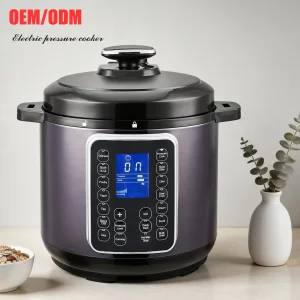
Premium OEM/ODM appliance line engineered for the rigorous performance demands of Illinois enterprises.
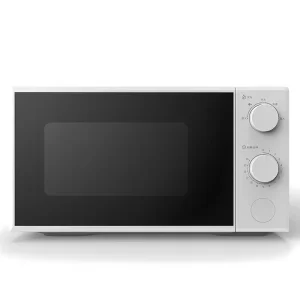
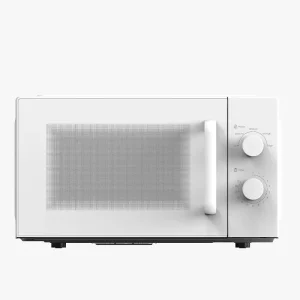
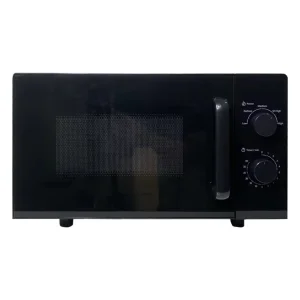
Analyzing localized demands, regulatory guidelines, and culinary operational workflows in Northern Illinois.
The Chicago metropolitan area, historically and strategically recognized as the logistics and transportation hub of the United States, supports one of the most intense and diversified food service and industrial processing markets in North America. From the high-density restaurant operations in the Loop and River North to the sprawling food manufacturing facilities in the suburban I-80 corridor and Elgin area, the demand for highly reliable commercial heating equipment is persistent and demanding. Microwaves designed for the Chicago market are not merely consumer appliances; they are core infrastructure elements within commercial kitchens, institutional cafeterias, hospitality chains, and cloud kitchens.
For Chicago kitchen operators, speed, consistency, and thermal output regulation are vital. The rise of fast-casual chains and the integration of quick-service restaurant (QSR) workflows have necessitated microwave ovens with high-frequency capabilities (typically operating at 2450 MHz) and robust mechanical or electronic control units. These appliances must withstand the high humidity, intense heating demands, and continuous duty cycles of commercial environments. Localized compliance standards, including sanitization regulations enforced by the Chicago Department of Public Health (CDPH) and safety certifications like UL 923 and NSF/ANSI 4, drive the selection criteria of regional purchasing officers.
In Chicago's corporate offices, university campuses (such as the University of Chicago and Northwestern University), and hospitality locations (including world-class hotels near McCormick Place), microwave equipment is subject to diverse application stresses. Commercial-grade microwave ovens are divided into light-duty (under 1000W), medium-duty (1000W - 1500W), and heavy-duty (1800W+). Identifying the right category ensures long-term operational resilience and prevents premature magnetron failure.
For instance, a hotel pantry in Chicago’s Gold Coast requires an easy-to-use mechanical microwave, which minimizes electronic control board failure due to power fluctuations in older downtown electrical grids. Conversely, corporate micro-markets and self-service kiosks in the Fulton Market district lean toward smart electronic controls with programmable menus, allowing employees to heat pre-packaged meals with single-button operations. Choosing the correct capacity—ranging from compact 17L units for tight spaces to larger 20L and 32L ovens for busy kitchens—helps streamline operations and maximize space utilization.
Operational metrics behind our high-volume production facility.
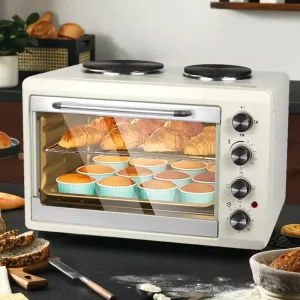
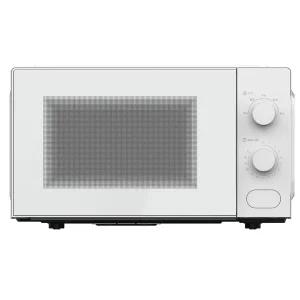
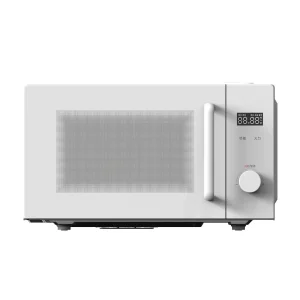
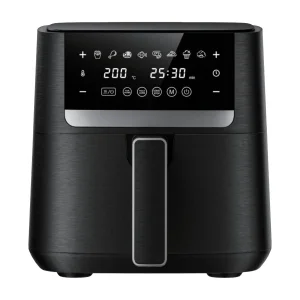
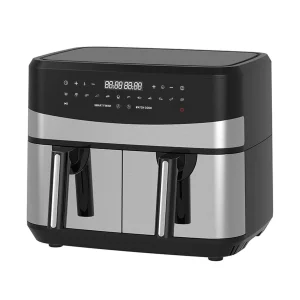
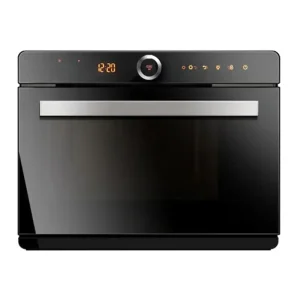
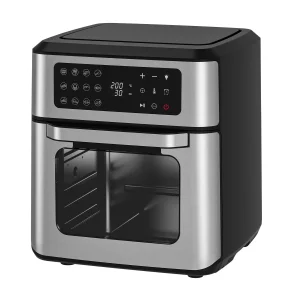
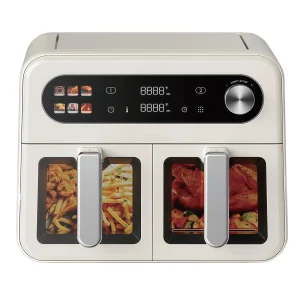
Explore our high-performance heating ovens and air fryers engineered for high-throughput operational profiles.
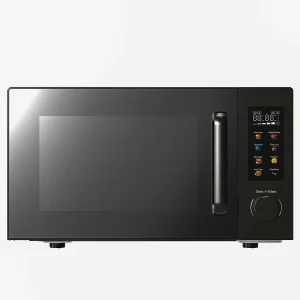
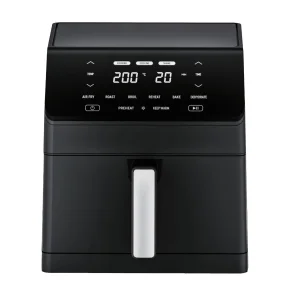
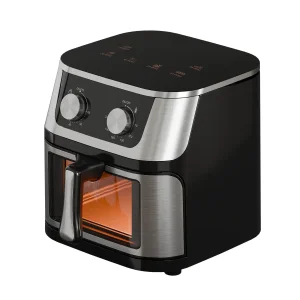
Adapting to technological breakthroughs, energy efficiency standard revisions, and dynamic tariffs.
The microwave manufacturing industry is undergoing a significant transition. Traditional magnetron architectures, which cycle power on and off to simulate different heat levels, are increasingly being replaced by solid-state RF technology and advanced electronic smart inverters. Inverter-driven microwave ovens deliver a continuous, controlled flow of energy. This ensures uniform heating, minimizes hot spots, and preserves the nutritional and textural integrity of food—an essential requirement for health-conscious restaurants in Illinois.
Furthermore, commercial kitchen electrification and municipal green energy policies in major cities like Chicago are driving the adoption of energy-efficient kitchen systems. Selecting appliances with Energy Star certifications and high-efficiency standby power metrics helps corporate campuses and school districts lower their carbon footprint. Incorporating multipurpose cooking capabilities—such as combining convection, steam, and microwave technologies in a single device—helps minimize kitchen footprint and cut down on overall energy consumption.
Procuring high-volume electronic appliances for North American distribution requires a clear strategy. Global logistics planning is essential for balancing costs, quality, and delivery speed. Importers must manage freight logistics, ocean shipping fluctuations, customs clearance at major inland ports like Chicago, and regulatory requirements (FCC Part 18 and FDA CDRH standards).
To mitigate geo-economic challenges, corporate buyers rely on comprehensive OEM/ODM relationships. Partnering with manufacturers that oversee complete product engineering cycles, supply chain sourcing, and rigorous quality testing minimizes supply chain issues. Collaborative product development and strategic inventory planning (like warehouse buffering in Chicago-based distribution hubs) help enterprises protect their supply chains against market disruptions and freight volatility.
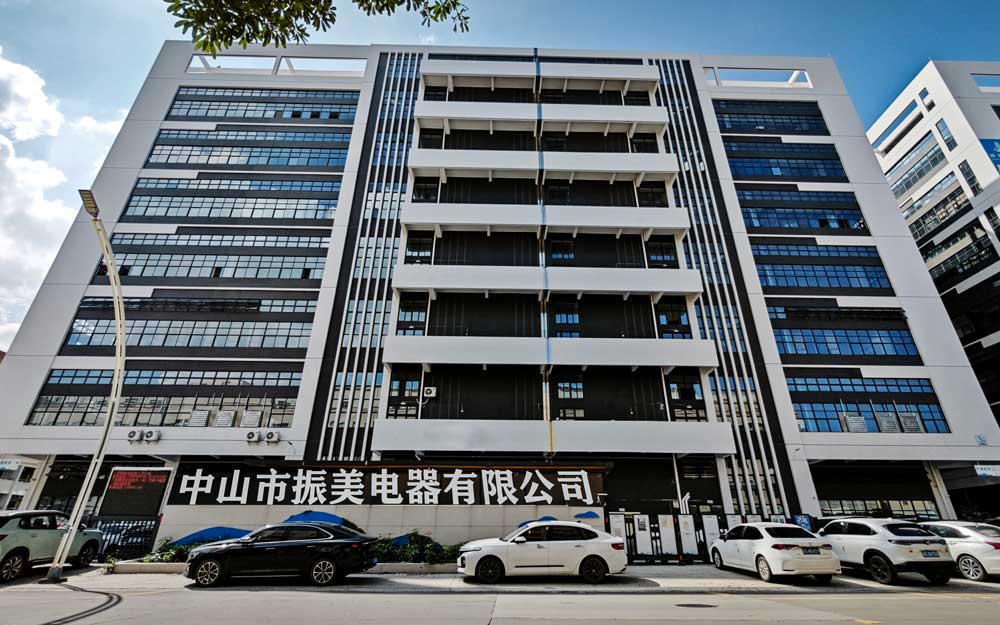
Zhongshan Zhenmei Electrical Appliance Co., Ltd. is a premier OEM/ODM partner specializing in the manufacturing of kitchen appliances, including air fryers, electric pressure cookers, blenders, and more. With over 16 years of expertise, we transform concepts into high-quality, market-ready products for leading global brands.
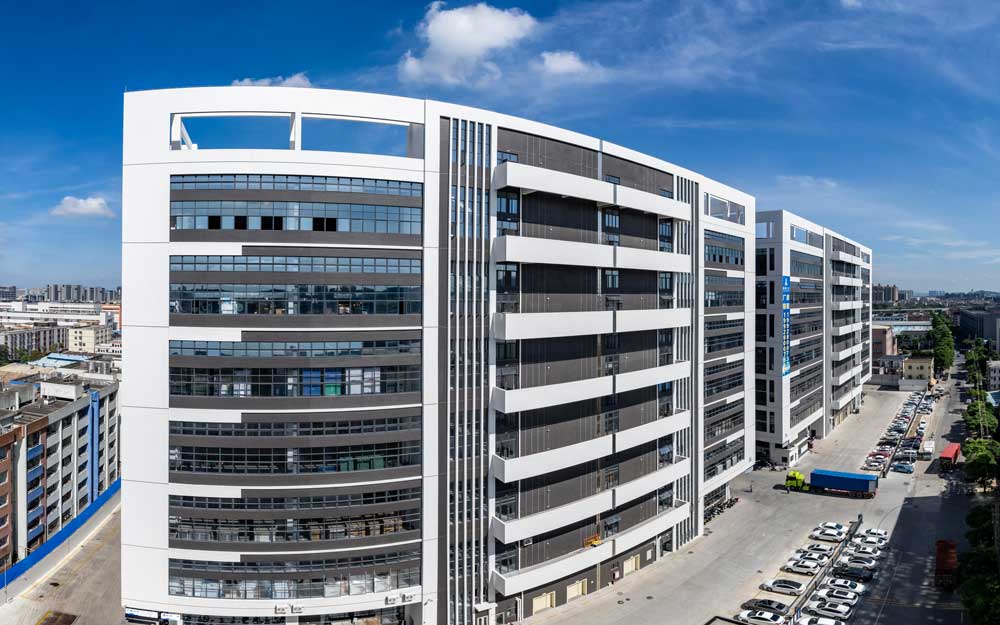
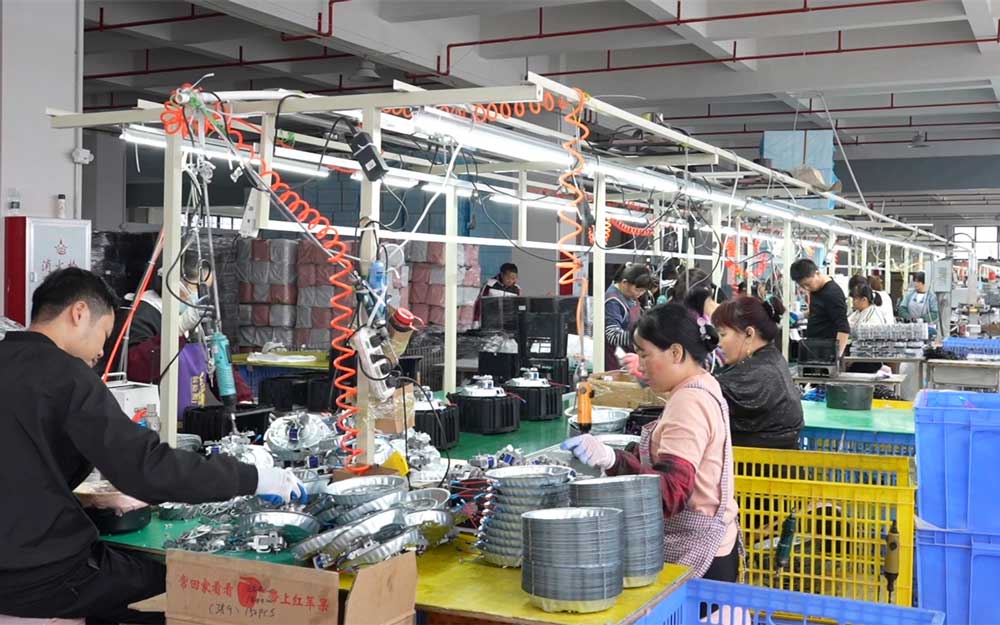
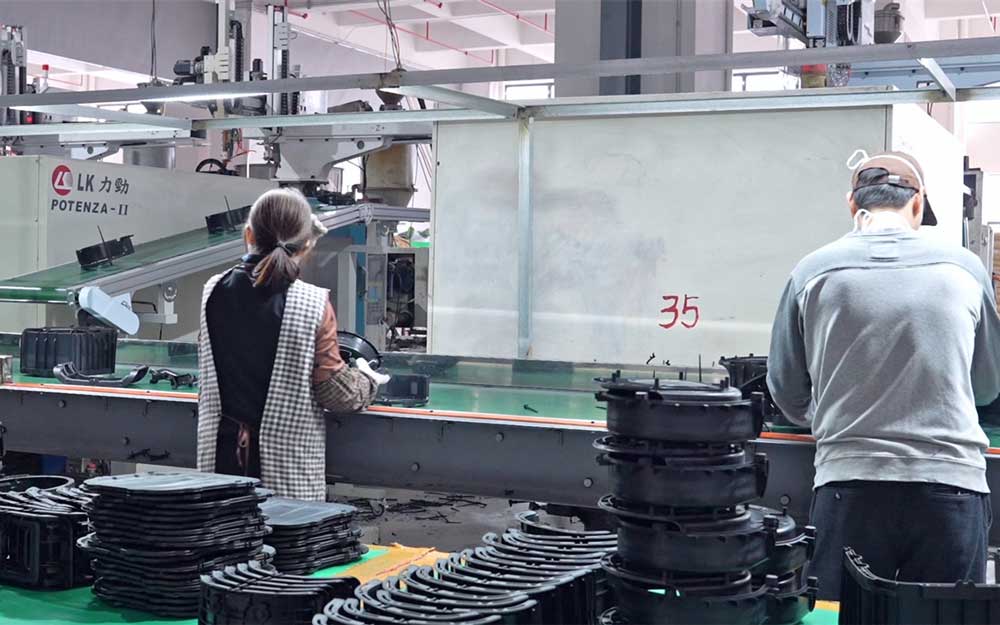
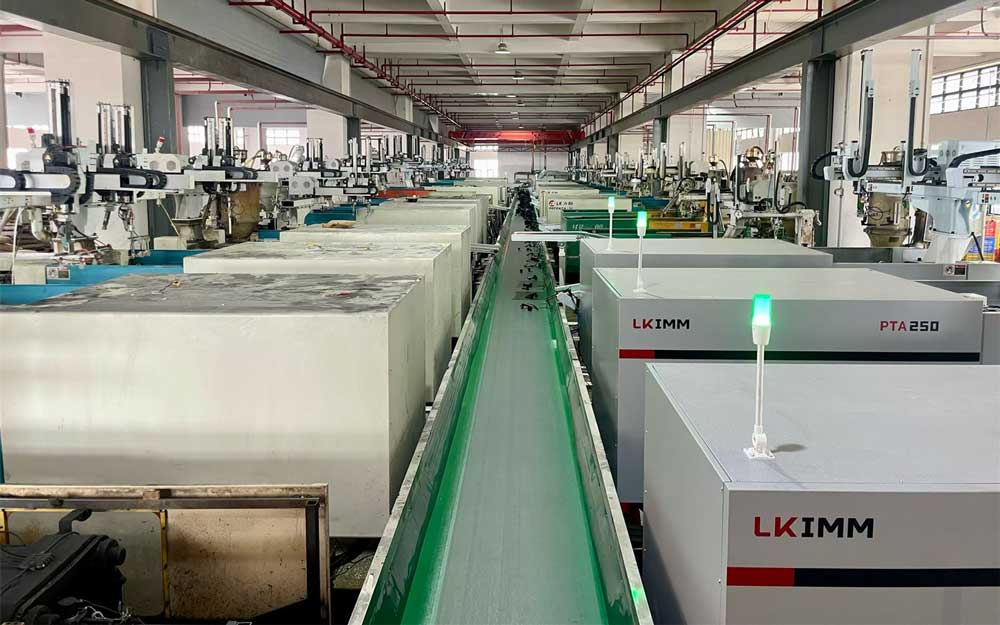
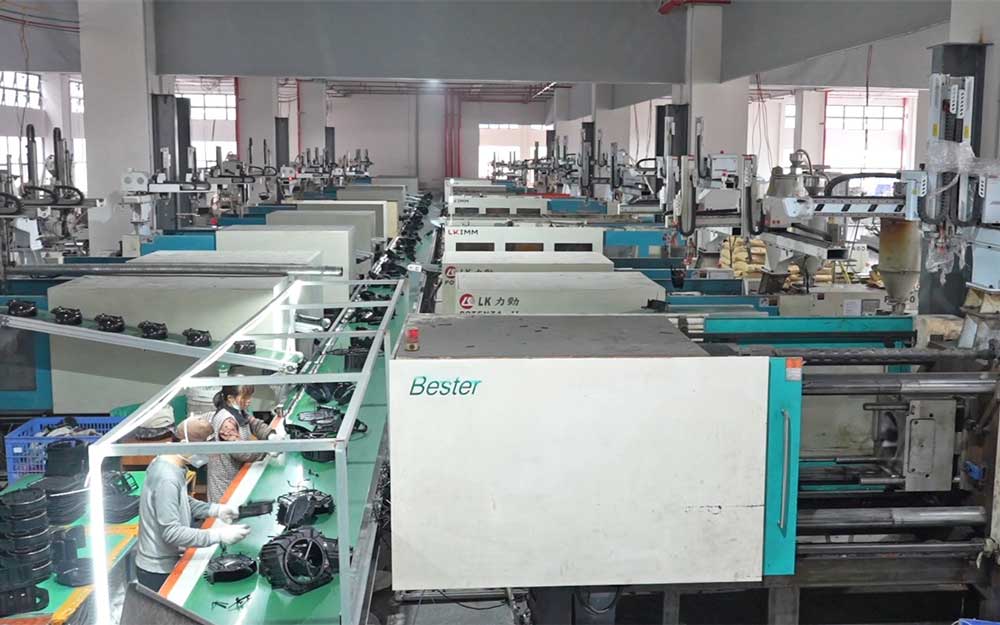
Core manufacturing advantages: Our strength lies in robust in-house manufacturing. Operating from a 40,000 sqm advanced facility, powered by 300+ dedicated professionals and 20+ R&D experts, we ensure precision and control at every stage.
High Volume & Quality: Our massive 10,000+ units daily output reliably meets the demands of high-volume orders worldwide. We are committed to excellence, underpinned by a rigorous quality control system that guarantees the safety and reliability of every product.
Trusted OEM/ODM Partner: We are the trusted, end-to-end solution for your OEM/ODM needs. Choose us for innovation, scale, and reliability. Let's build your next success story together.

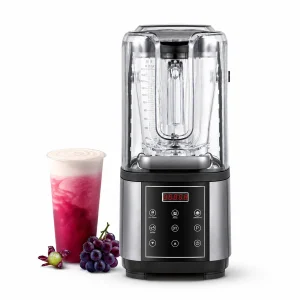
Reliable commercial cooking, blending, and pressure heating appliances to complete your lineup.
Combining local Chicago distribution demands with high-efficiency manufacturing systems.
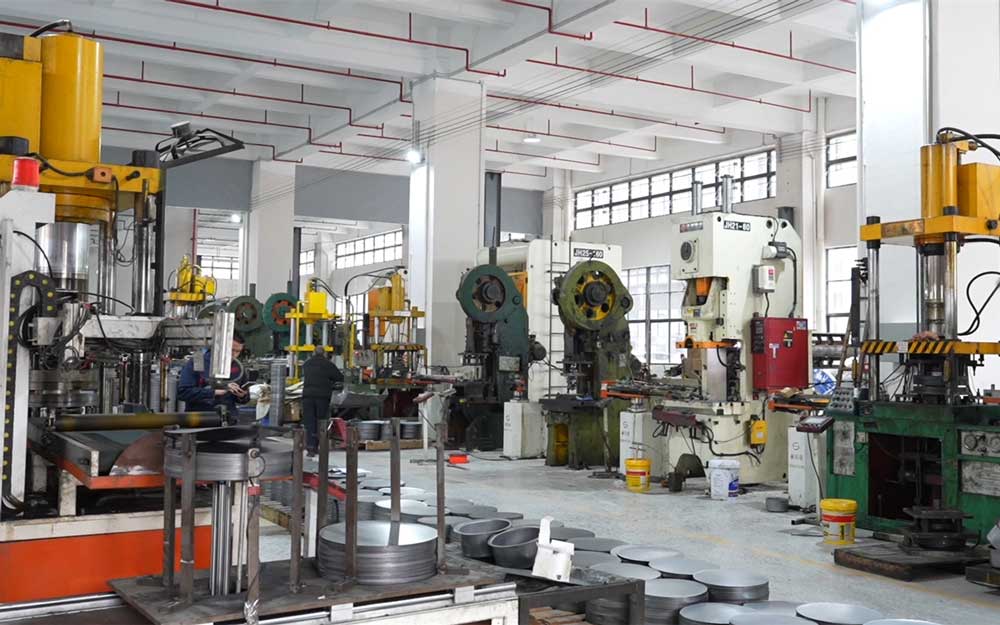
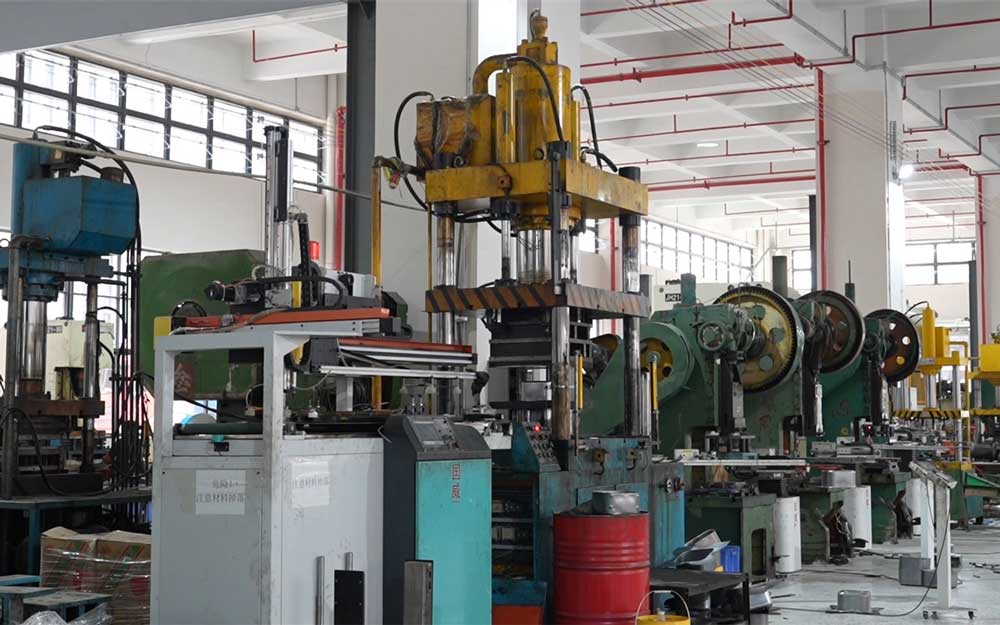
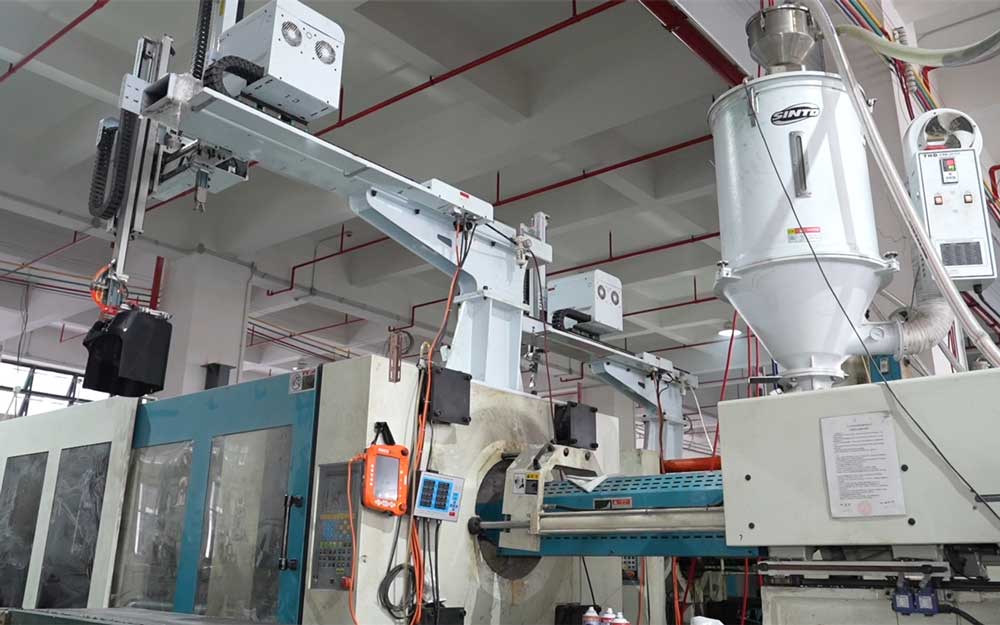
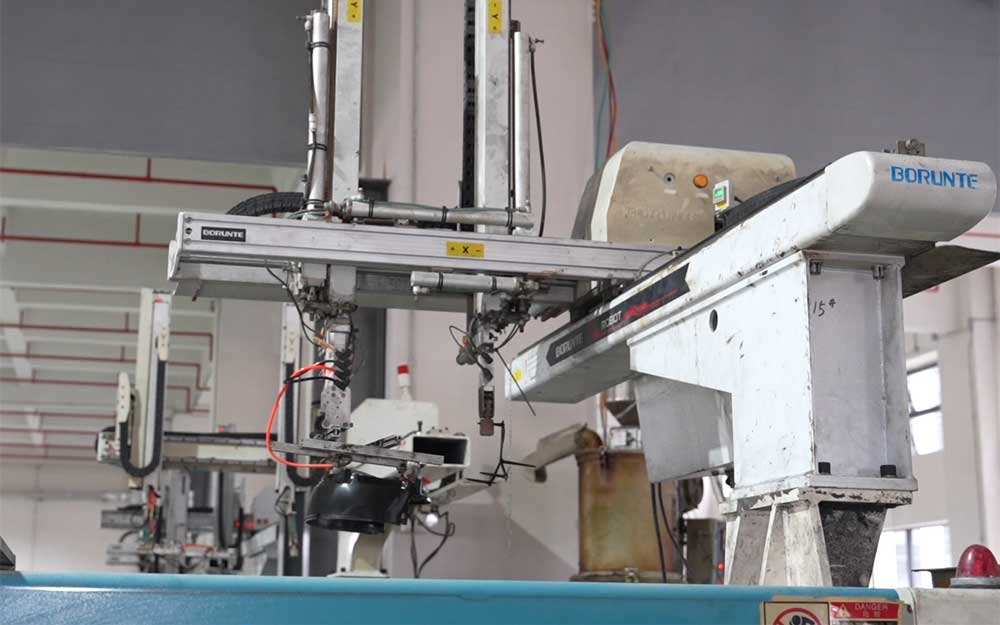
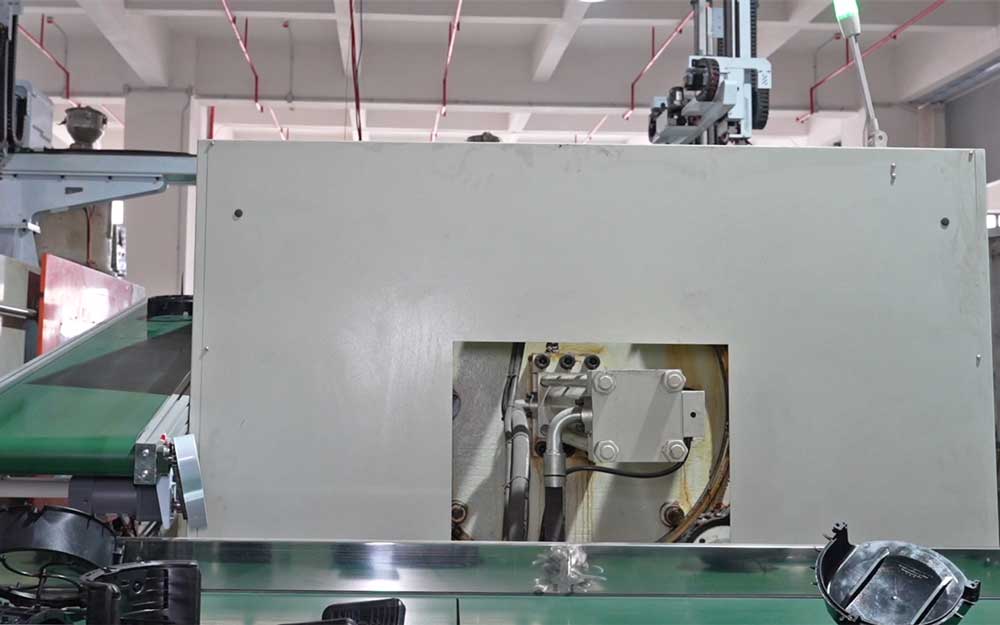
The manufacturing footprint of Zhongshan Zhenmei Electrical Appliance Co., Ltd. demonstrates how automation and process integration can enhance supply chain stability. Producing 10,000+ units daily requires more than just assembly speed; it demands a resilient ecosystem that integrates raw material sourcing, sheet metal fabrication, PCB design, magnetron testing, and final quality control within a single system. In-house control over key processes reduces dependence on external sub-contractors, minimizing bottleneck risks and ensuring reliable lead times.
This level of control is valuable for buyers in the Chicago market and across North America who require highly consistent product batches. The integration of high-speed injection molding lines and automated stamping machines ensures that every chassis and door seal meets tight tolerances. This precision is critical for maintaining microwave leakage compliance and ensuring long-term structural integrity under commercial use.
Sourcing appliances globally requires strict compliance with target market regulations. For the United States, equipment must meet FCC regulations under Title 47 Part 18, which governs industrial, scientific, and medical (ISM) high-frequency equipment. Additionally, commercial kitchens require NSF/ANSI certification to verify sanitation compliance, while NRTL safety certifications (such as UL or ETL) are needed to comply with local municipal building codes.
Zhenmei supports these requirements by providing complete certification documentation, detailed materials tracking, and comprehensive post-production inspections. With over 16 years of experience exporting to European and North American markets, we help clients navigate regulatory hurdles, customs compliance, and supply chain logistics. This comprehensive approach minimizes regulatory risks, helping importers secure clear positioning and long-term brand equity in regional markets.
Expert answers on appliance customization, compliance, and supply chain logistics for commercial buyers.
Seeking custom electrical heating components, high-capacity microwave systems, or specialized kitchen appliances? Contact our R&D team to discuss design specifications, compliance requirements, and freight optimization.
Send Inquiry Now Zhenmei Electrical