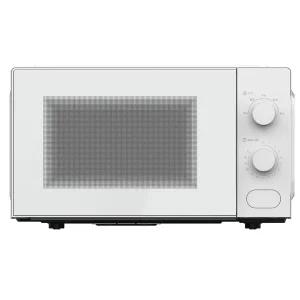
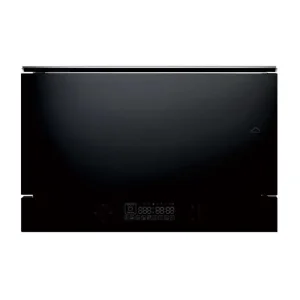
Explore our primary commercial and residential microwave ovens, fully customizable for North American voltage standards and regulatory frameworks.
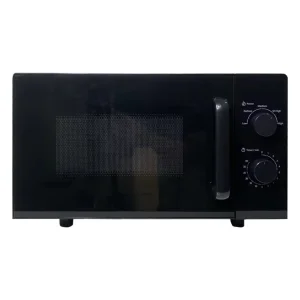
The Canadian kitchen appliance market represents a highly sophisticated, regulatory-dense, and ecologically conscious sector. Unlike broader global regions, Canadian distribution channels demand exceptional engineering reliability, strict energy-efficiency thresholds (aligned with Natural Resources Canada, or NRCan), and comprehensive safety credentials. For B2B importers, retail networks, and commercial kitchen suppliers across Canada, procuring high-quality heating technologies requires a deep understanding of localized demands, international supply capacities, and strict certification frameworks.
Canada’s diverse climate, massive geography, and urban concentration shape its microwave consumption. In large commercial centers such as Toronto, Montreal, Vancouver, and Calgary, the demand for fast, efficient food preparation has surged. This is driven by the expansion of quick-service restaurants (QSRs), office breakrooms, health care facilities, and long-term care homes. In these environments, kitchen appliances operate under continuous stress conditions. Heavy-duty construction, high power-output stability, and quick-maintenance engineering are paramount.
Furthermore, Canada’s extreme winters dictate a unique seasonal reliance on energy-dense, high-efficiency microwave systems capable of fast defrosting and food heating without destroying nutritional profiles. Rapid defrost cycles, computerized multi-stage memory programs, and rugged mechanical interfaces are sought after by Canadian commercial facility managers looking to streamline operational flow and reduce labor times.
Globally, the microwave market is experiencing a transition from basic mechanical designs to intelligent, multi-function cooking suites. Modern buyers are looking for appliances that combine microwave energy with convection, steam, and air frying capabilities (combination systems). Key industry drivers include:
All microwave systems developed for Canada must meet CSA C22.2 No. 150 standards for heating appliances, ensuring strict electromagnetic radiation protection and fire safety.
Continuous power modulation prevents cellular breakdown in food, maintaining moisture, texture, and flavor profiles under rapid heating schedules.
Complies with strict Canadian standby power regulations, utilizing intelligent sleep modes to reduce commercial facility electricity overheads.
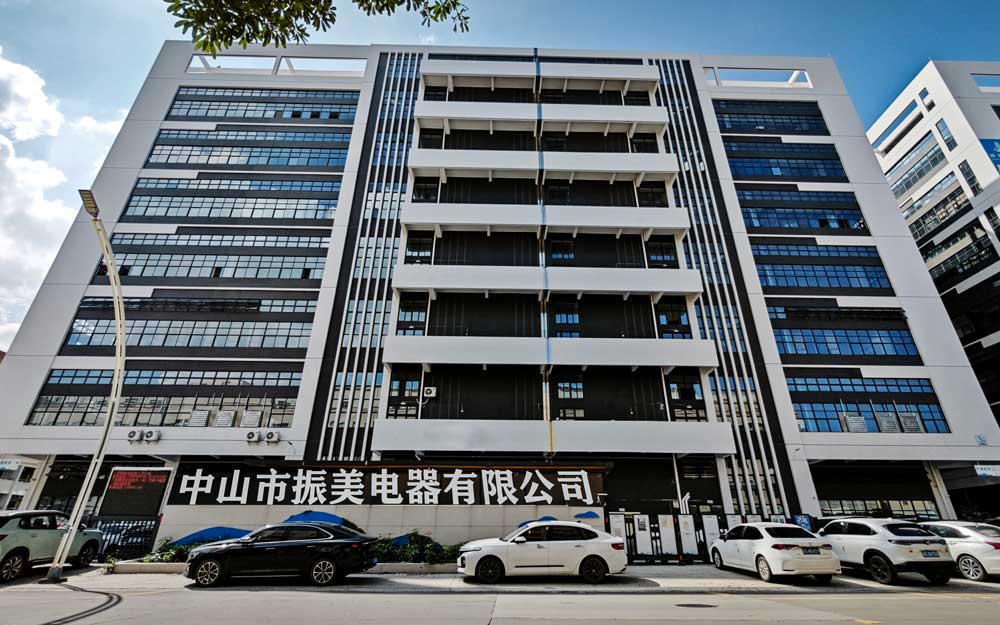
Why do leading global brands source their heating and kitchen appliances from Zhongshan, China? The answer lies in the highly concentrated, vertically integrated industrial cluster. Zhongshan Zhenmei Electrical Appliance Co., Ltd. is positioned at the center of this manufacturing ecosystem. Our localization in the heart of China’s home appliance production base provides unparalleled efficiency benefits for Canadian B2B buyers.
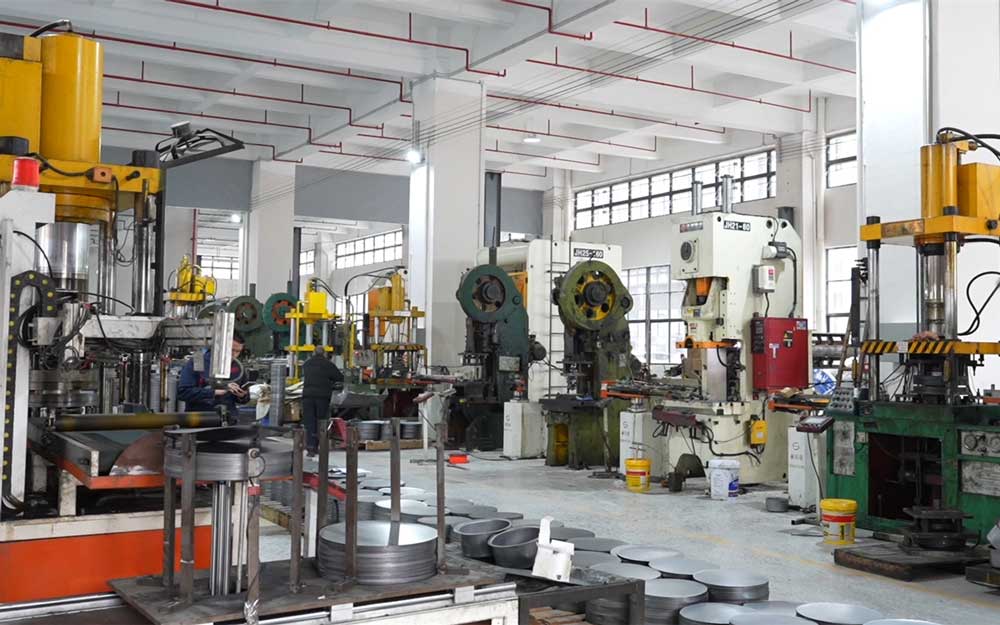
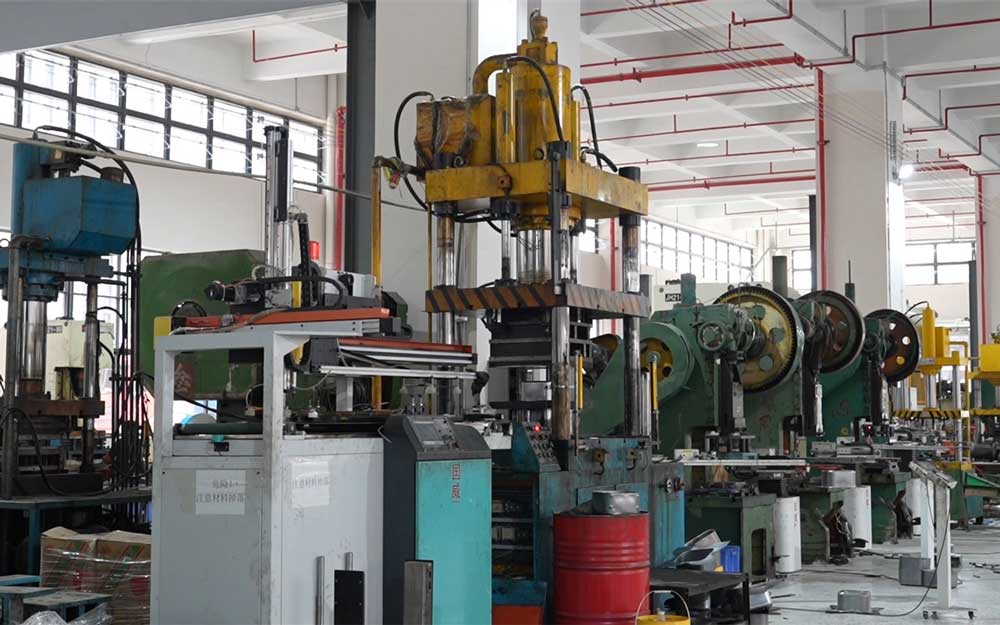
Our raw material sourcing, magnetron suppliers, high-precision sheet metal stamping shops, microcomputer control board manufacturers, and glass tempering facilities operate within a 30-minute logistics radius. This close-knit network drastically reduces production lead times, controls raw material logistics costs, and allows for rapid prototyping of custom Canadian electrical designs. When engineering a microwave to meet the strict 120V / 60Hz Canadian electrical grid or adjusting the control panel for French/English bilingual requirements, our localized R&D team can refine designs, produce physical prototypes, and run comprehensive EMC testing cycles in a fraction of the time required by isolated factories.
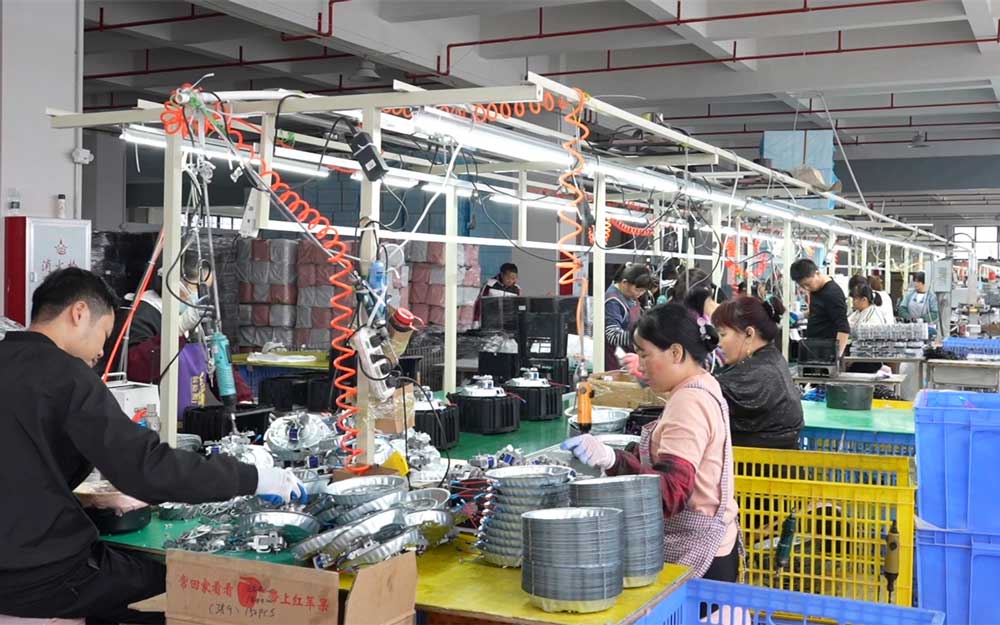
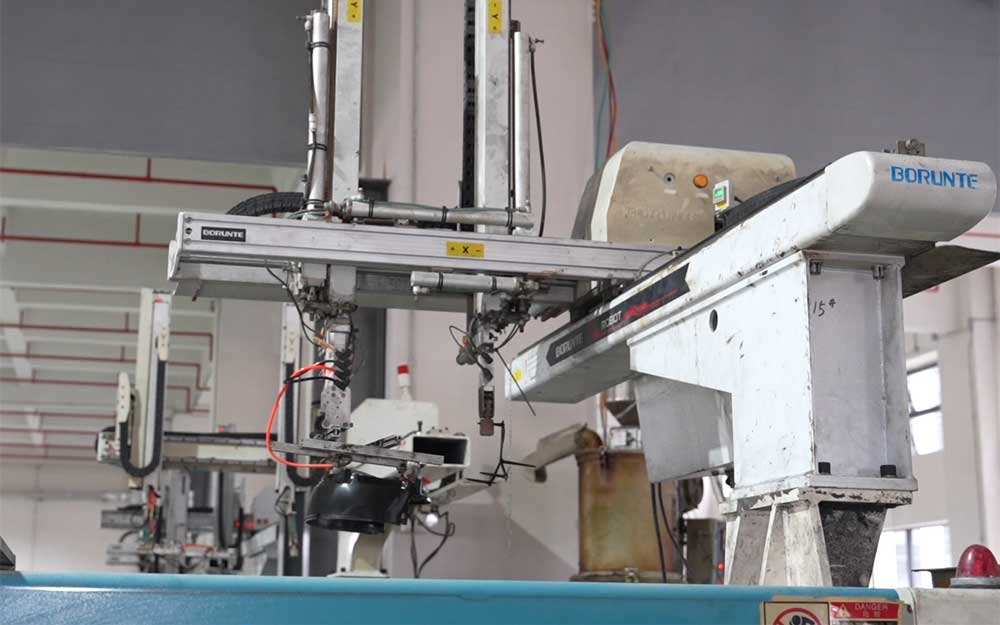
Through advanced automation, robotic welding, standardized line configurations, and strict in-house quality testing, we achieve massive economies of scale. These operational advantages are directly passed down to our Canadian retail and distribution partners in the form of competitive price structures, stable lead times, and reliable product consistency.
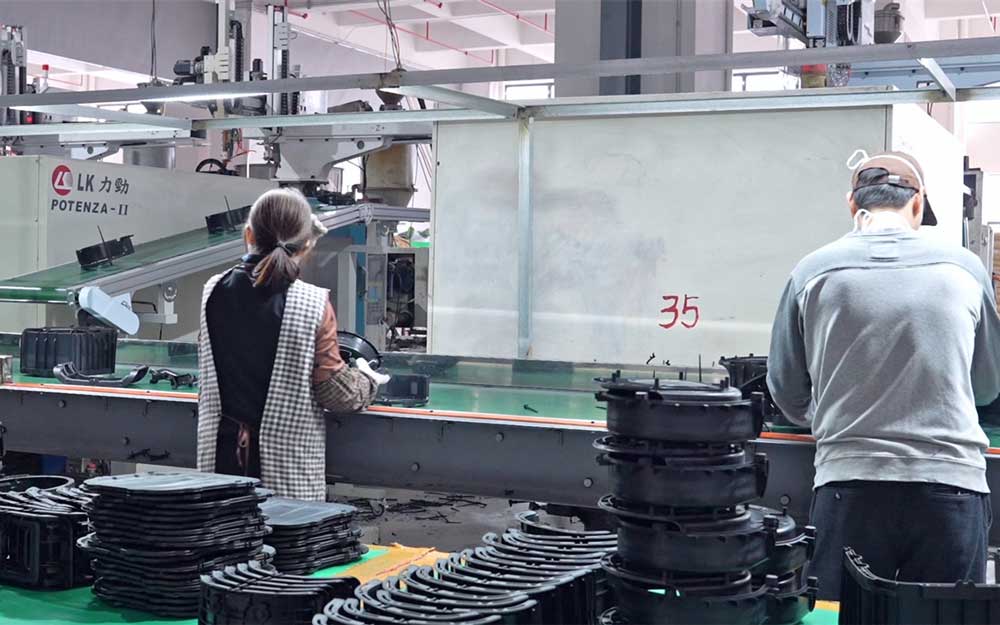
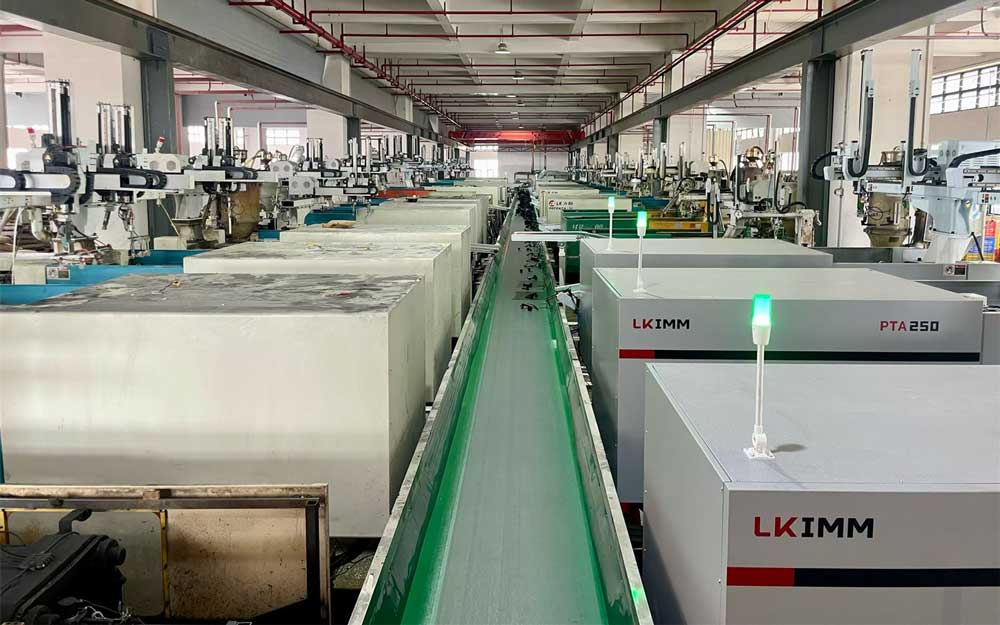
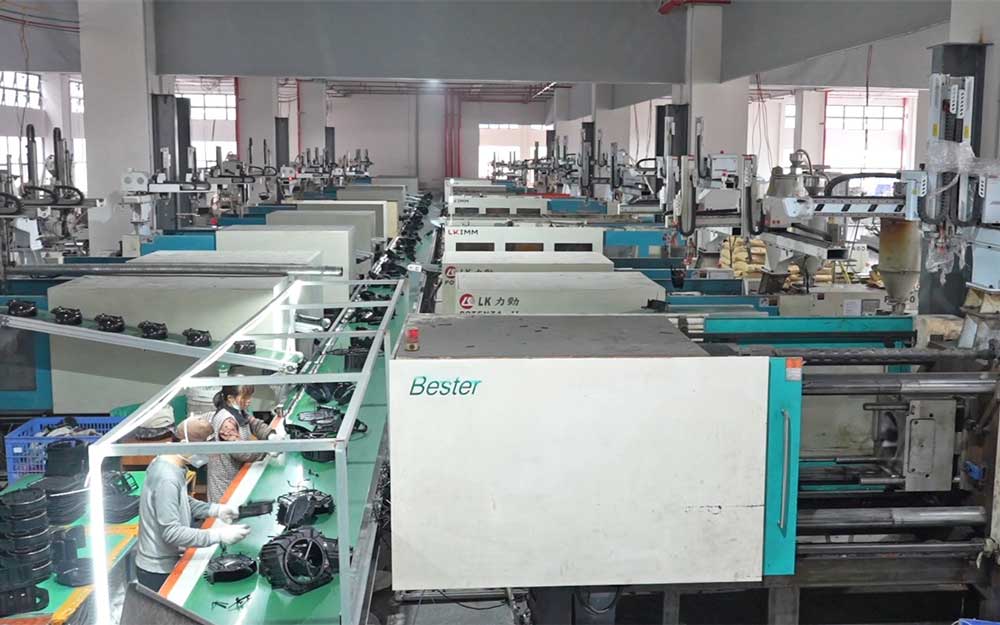
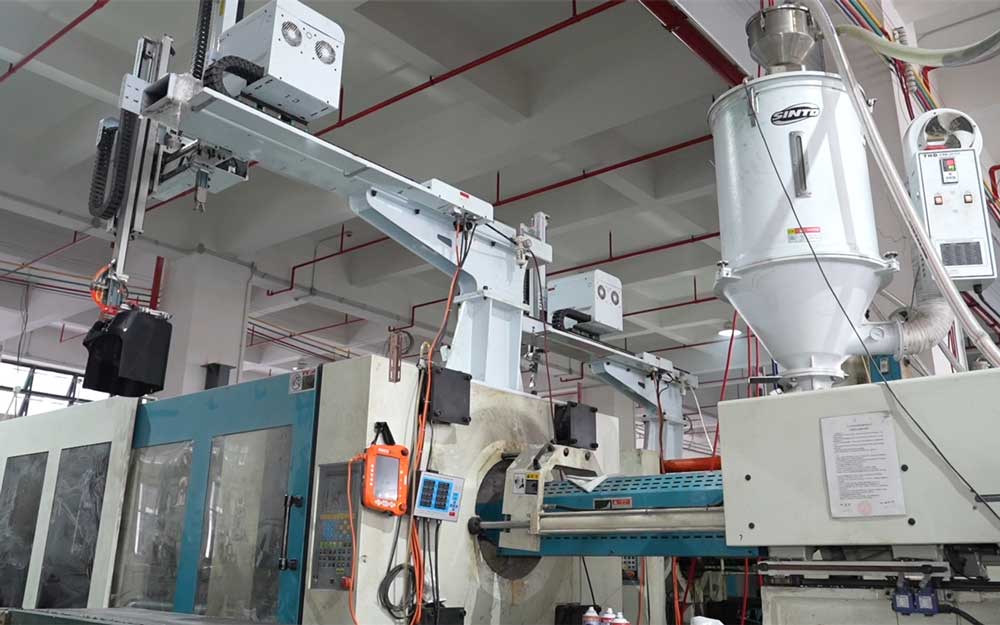
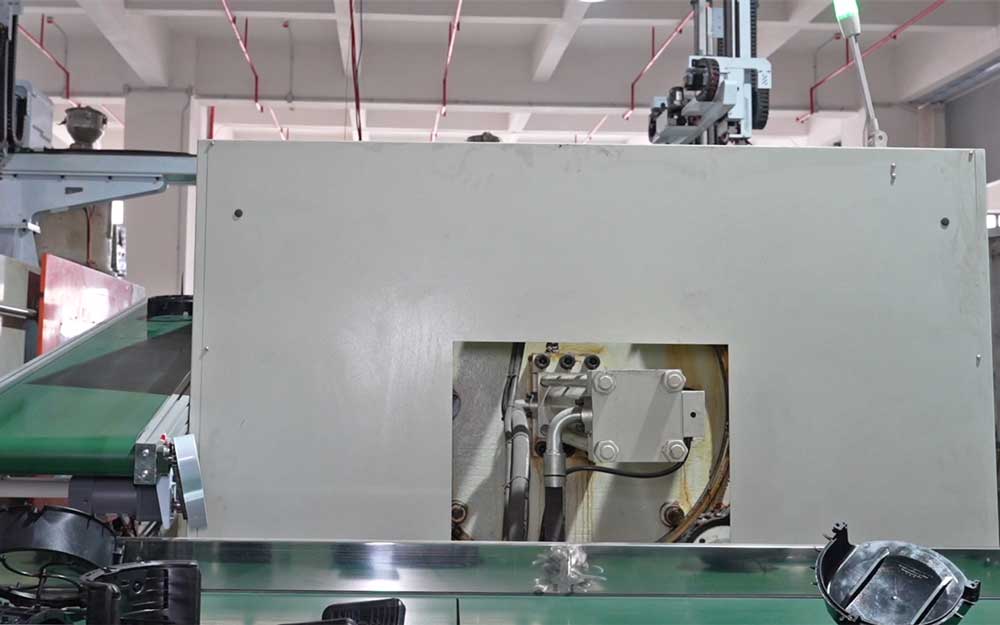
Operating a 40,000 square meter state-of-the-art facility, we leverage advanced machinery to control quality at every assembly node:
Diversify your kitchen appliance catalog with our premium range of smart ovens, steam systems, and countertop baking appliances.
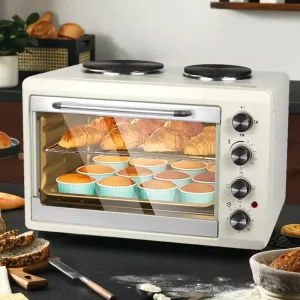
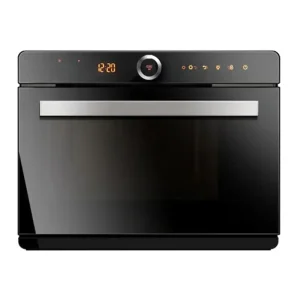
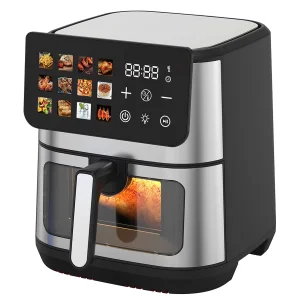
To design an appliance that excels in Canada, engineers must study how the product functions in real Canadian spaces. From the residential high-rises of Vancouver to the institutional kitchens in remote areas of the Northwest Territories, operating requirements vary significantly:
In high-density developments in major urban centers, space is a premium. The trend is moving rapidly toward integrated, built-in kitchen modules. A microwave can no longer just sit on the counter; it must be flush with surrounding cabinetry, manage exhaust air efficiently to avoid grease buildup, and match the minimalist, clean aesthetics of modern kitchens. Our units feature customizable trim kits, quiet cooling fans, and front-venting paths to meet these demands.
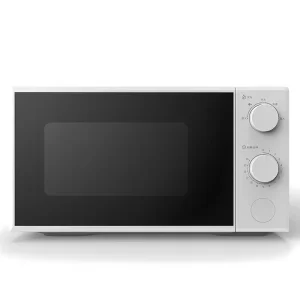
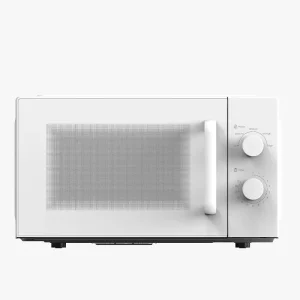
Canadian hotels and hospitality operators require microwaves that are extremely simple for guests to operate, yet exceptionally durable to prevent frequent replacement costs. Intuitive physical control interfaces, like our dual mechanical knob system, eliminate guest confusion. Additionally, high-end suites require upscale designs, such as mirror glass panels and matte black finishes, that enhance room aesthetics while remaining easy to sanitize.
A typical corporate breakroom microwave experiences intense use cycles. Between 11:30 AM and 1:30 PM daily, the door is opened and closed hundreds of times, and the magnetron works continuously. This demands heavy-duty door hinge assemblies, robust latch safety switches, and dynamic cooling fans that continue operating even after the heating cycle concludes. A failure in a door latch or control board halts operation, affecting office flow. Our structural tests exceed 100,000 door open/close operations, ensuring continuous uptime in corporate sites.
B2B importers must navigate a matrix of regulatory compliance before shipping consumer or commercial electronics to Canadian ports. Working with an experienced OEM/ODM partner like Zhenmei ensures compliance is integrated at the design stage:
Zhongshan Zhenmei Electrical Appliance Co., Ltd. is a premier, globally trusted OEM/ODM partner specializing in high-performance kitchen appliances, including microwaves, air fryers, electric pressure cookers, and steam ovens. With over 16 years of expertise, we turn complex technical concepts into retail-ready, compliant, and consumer-focused products for major global brands.
Our commitment to precision manufacturing is backed by strict quality control systems. Every product is checked for radiation leakage, electrical grounding integrity, and thermal responsiveness before leaving our assembly lines. Partnering with us means choosing innovation, scale, and supply chain resilience.
Take a look inside our state-of-the-art facilities, modern testing laboratories, and assembly operations in Zhongshan, China.


Developing high-quality microwave ovens is only half the battle. Successful B2B importers must implement optimized freight and distribution strategies to remain competitive in Canada’s vast geography. Understanding the mechanics of international shipping can significantly lower total landed cost:
For goods departing our southern China ports (Shenzhen or Guangzhou), shipping routes to Canada typically target two main entries:
Microwave ovens are high-volume, low-density cargo. This makes packaging optimization essential for freight efficiency. We design product master cartons to maximize container space utilization (CBM optimization). By calculating product stack heights, master carton dimensions, and palletization schemes, we help our partners minimize unused container volume, lowering freight costs per unit.
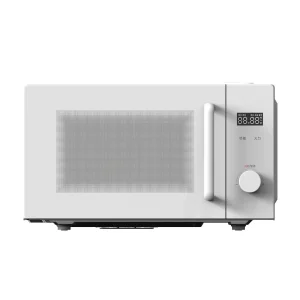
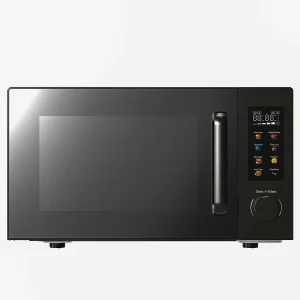
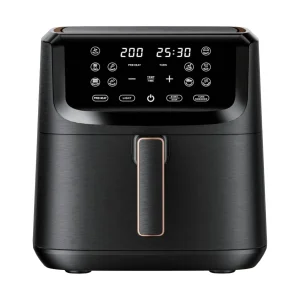
Choose from our high-demand selection of electronic-control microwaves, high-capacity digital air fryers, and multi-functional kitchen products.
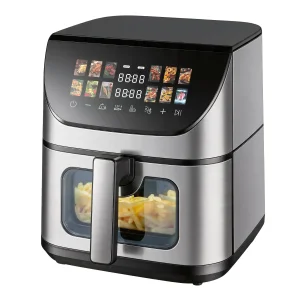
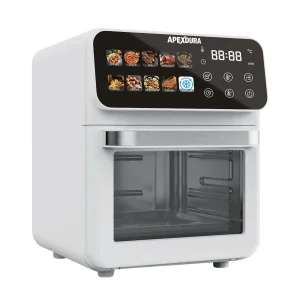
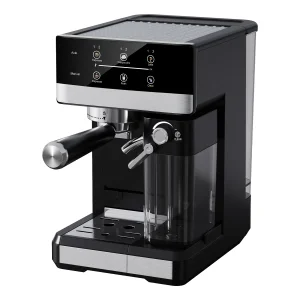
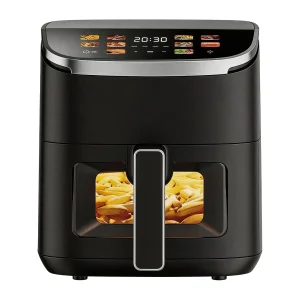
Connect directly with our engineering and logistics specialists to discuss your custom specifications, CSA certification requirements, or volume container pricing.
Send Inquiry Now Zhenmei Electrical