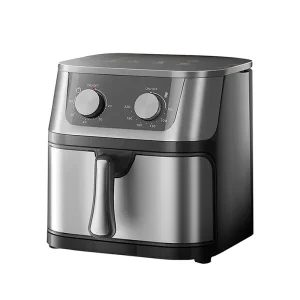
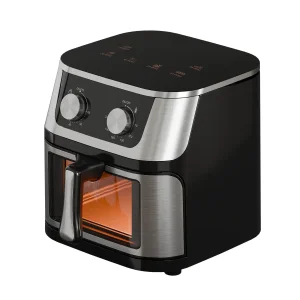
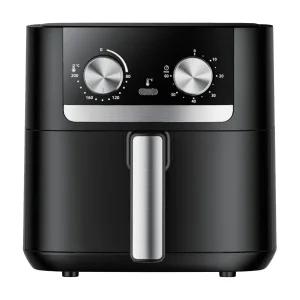
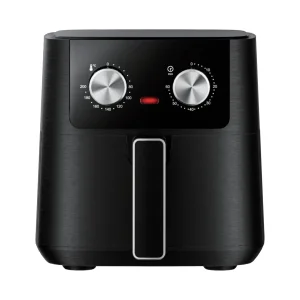
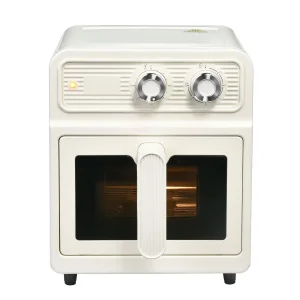
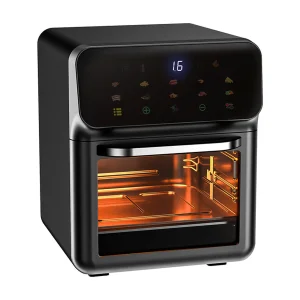
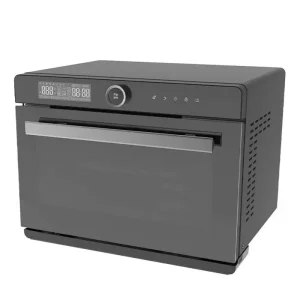
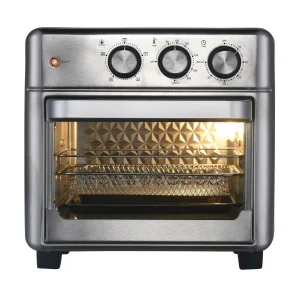
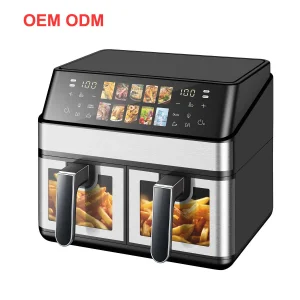
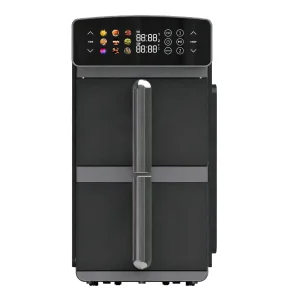
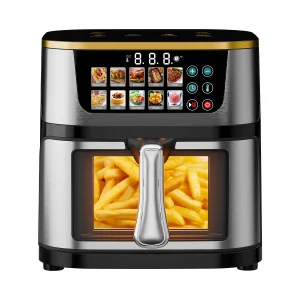
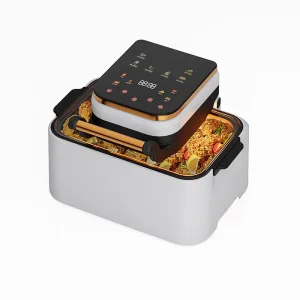
Our top mechanical selections configured for strict commercial efficiency and optimal voltage parameters in Central Japan.
As the capital of Aichi Prefecture and the undisputed epicentre of Japan's automotive and manufacturing sectors, Nagoya operates under a unique economic dynamic. The regional preference for "Monozukuri" (the art of making things with precision and pride) shapes consumer and commercial expectations for consumer appliances. In Nagoya's highly competitive food service, catering, and home appliance markets, mechanical air fryers are experiencing a significant renaissance over digital alternatives. This shift is driven by specific criteria regarding durability, user-friendliness, and reliability.
From a culinary perspective, Chubu regional cuisine (often featuring iconic deep-fried dishes like Tebasaki (chicken wings) and Kushikatsu) is undergoing a structural health transition. Importers, retailers, and commercial kitchen suppliers in Nagoya are actively sourcing high-capacity mechanical air fryers that replicate traditional oil frying profiles while meeting modern, low-fat dietary requirements. The mechanical rotary control system is highly favored in both Japanese domestic households and commercial fast-casual environments because of its intuitive, tactile user feedback, resistance to high-humidity kitchen conditions, and minimal electrical failure rates compared to digital sensor buttons.
Unlike Western Japan (60Hz) or Eastern Japan (50Hz), the Chubu region operates primarily on the 60Hz power grid. Our hardware systems are engineered with universal 100V-110V mechanical motors and timers designed to withstand voltage fluctuations in local commercial kitchens without losing heating efficiency.
Japanese customs demand rigorous testing. Our manufacturing line includes specialized quality inspection loops dedicated specifically to the Japan PSE certificate guidelines, validating leakage current limits, thermal fuse threshold points, and plastic body flame-retardant parameters.
Our rotary thermostats utilize premium copper capillary sensors calibrated to maintain temperature fluctuations within a strict ±5°C tolerance. This level of reliability ensures batch consistency for local commercial environments in Nagoya, from small bistros to massive franchise operations.
Japanese consumer sensitivity to plastic chemical odors during heating is exceptionally high. We deploy premium grade, food-safe internal galvanized steel chambers combined with high-grade non-stick coatings that release zero volatile organic compounds (VOCs) even at maximum 200°C temperatures.
Operating as a world-class OEM/ODM manufacturing powerhouse, Zhongshan Zhenmei Electrical Appliance Co., Ltd. specializes in executing complex designs for high-efficiency kitchen appliances. Over our 16-year operational history, we have established a robust pipeline serving premium distributors in Japan, North America, and Europe. Our specialty in mechanical air fryers, electric pressure cookers, and multi-functional convection systems has made us a preferred engineering partner.
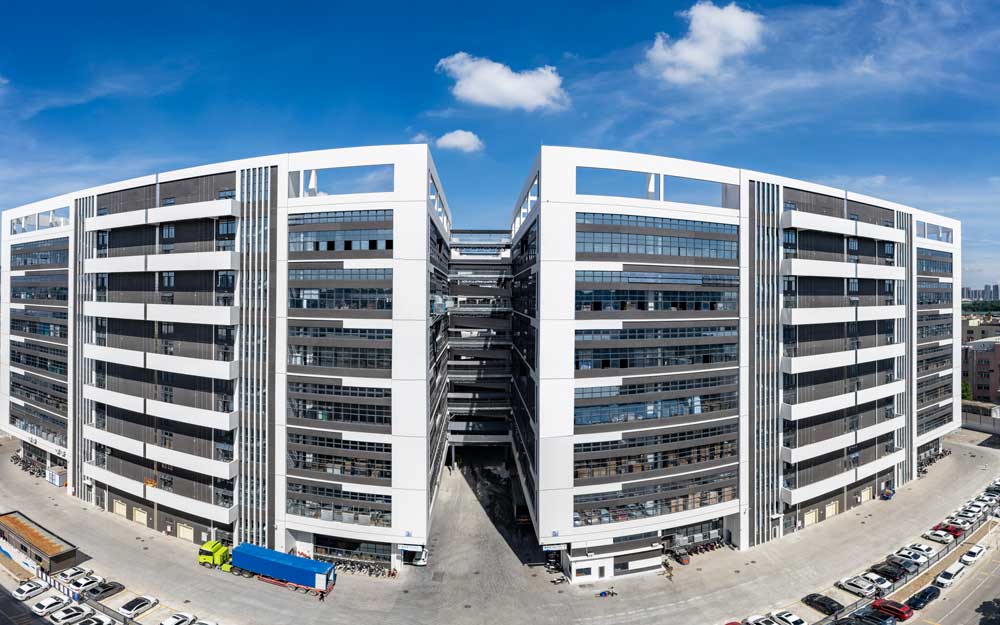
Our primary facility spans 40,000 square meters of optimized manufacturing space, engineered for maximum operational flow. Our manufacturing infrastructure operates with the support of 300+ highly trained technical professionals and a designated R&D wing consisting of 20+ specialized engineers. This configuration allows us to implement rapid OEM/ODM updates to align with evolving Japanese METI compliance parameters and strict private label standards.
| Daily Yield: | 10,000+ Finished Units |
| Facility Size: | 40,000 Square Meters |
| R&D Experts: | 20+ Senior Hardware Engineers |
| Compliance: | PSE, CE, CB, RoHS, ISO9001 |
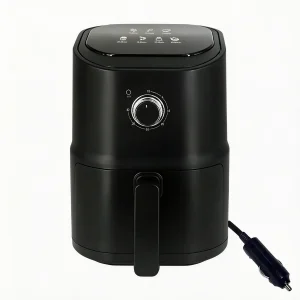
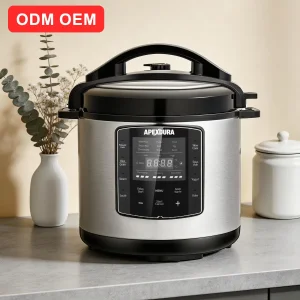
Engineered for specialized distribution, including portable 24V mobile options and high-capacity steam convection systems.
Transparency is the cornerstone of our global supply chain partnerships. Below is a detailed view of our assembly lines, raw material quality assessment labs, logistics bays, and employee collaboration zones.
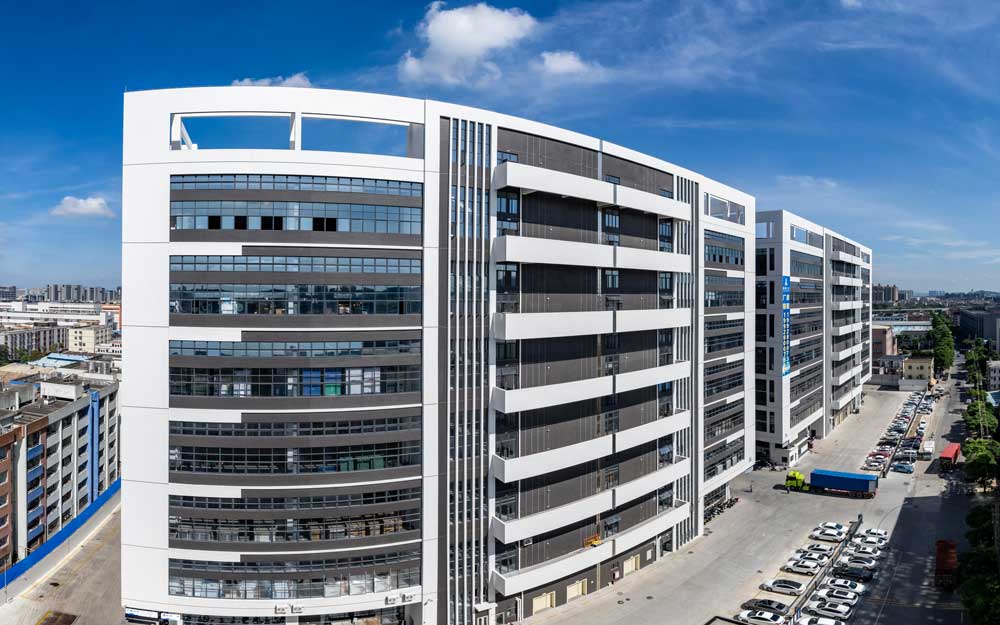
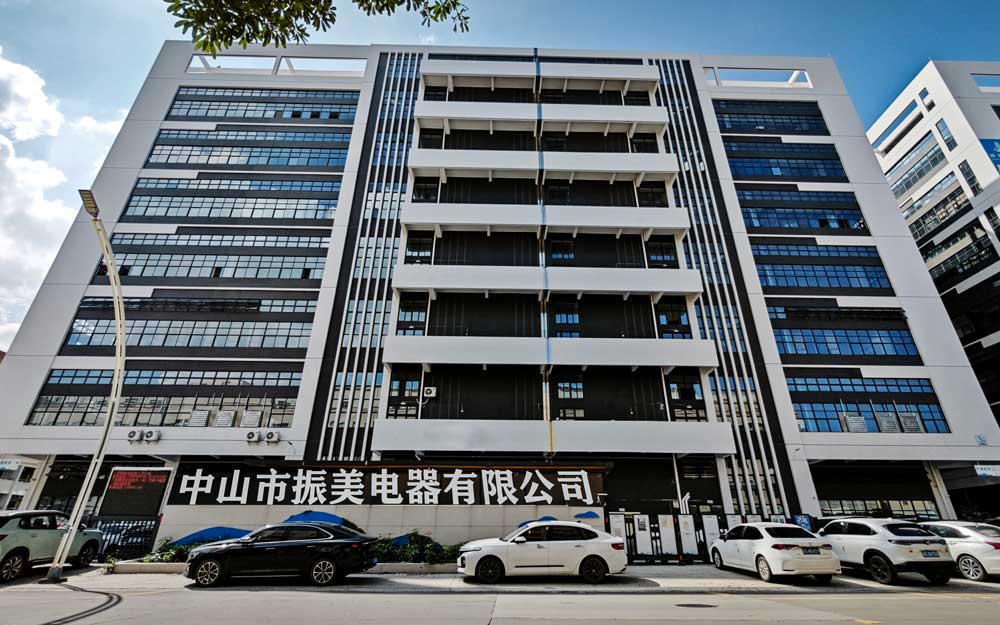
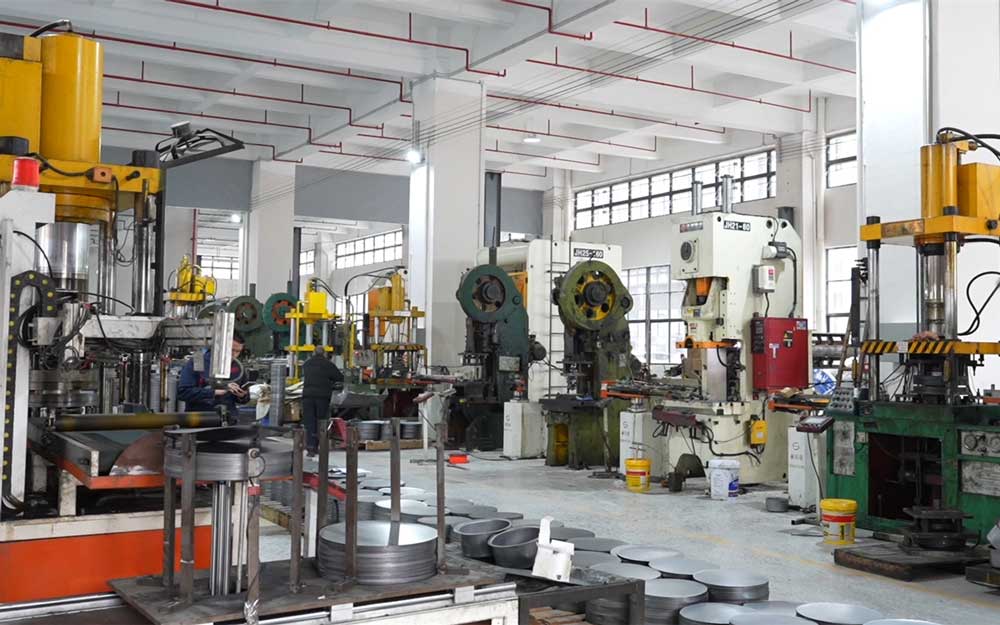
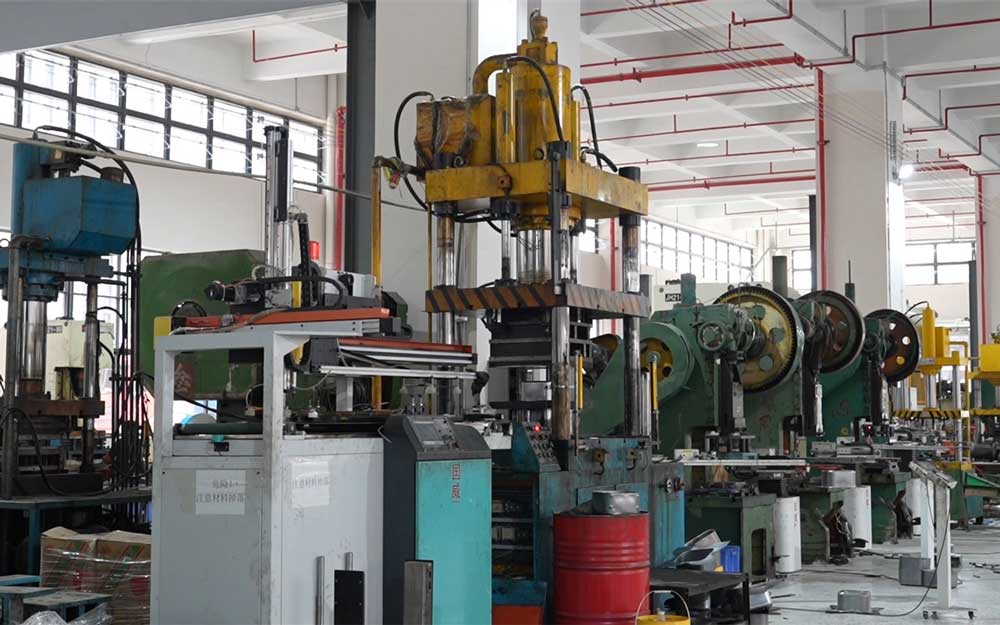
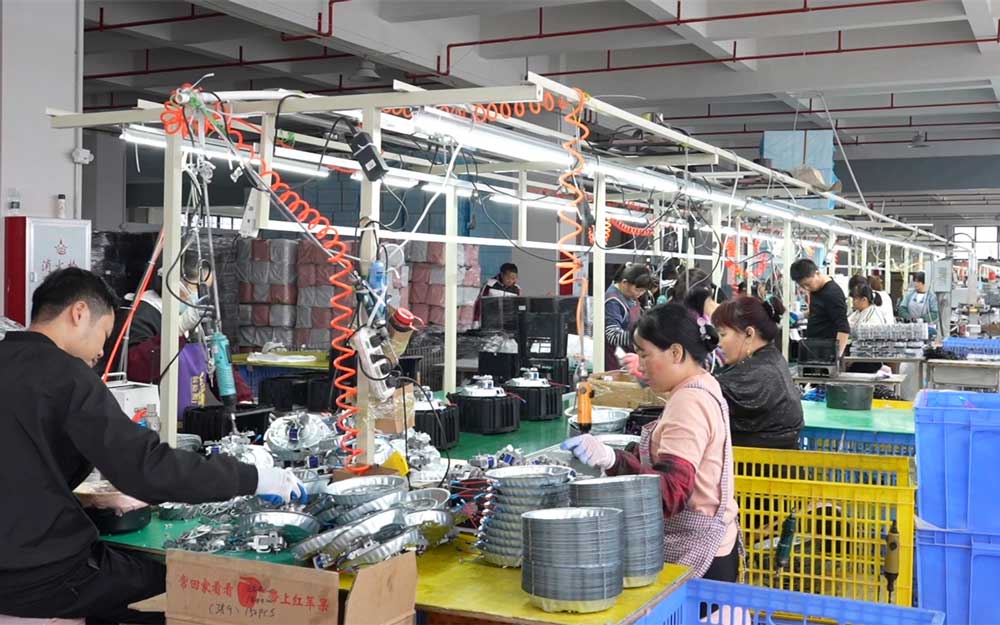
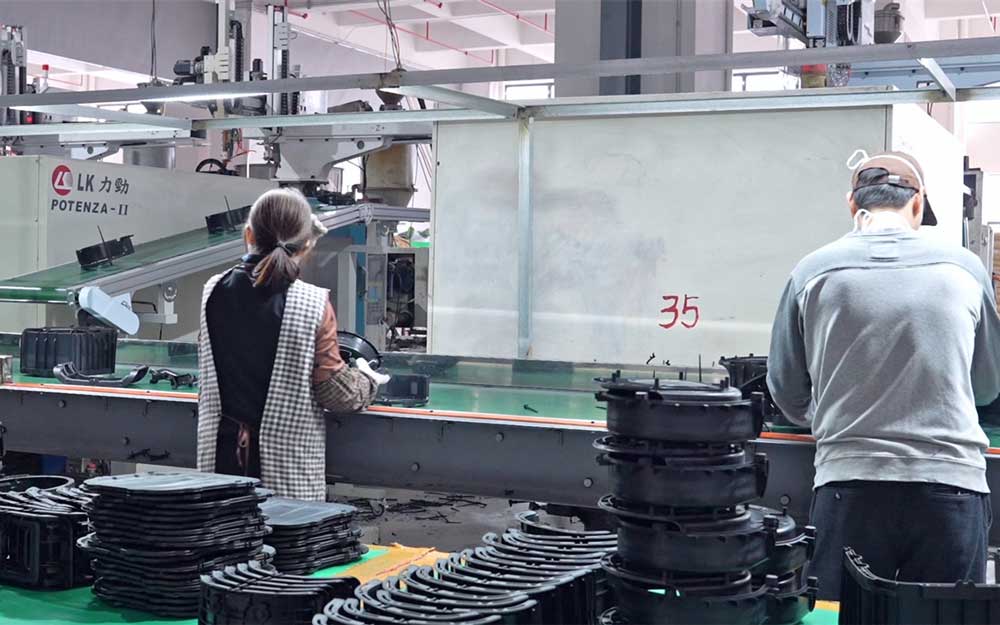
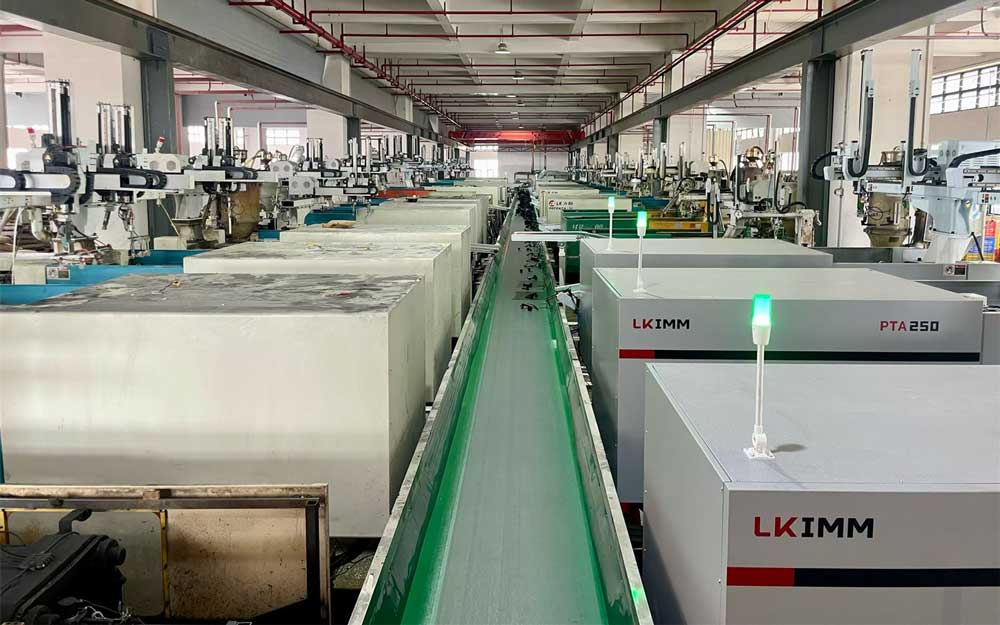
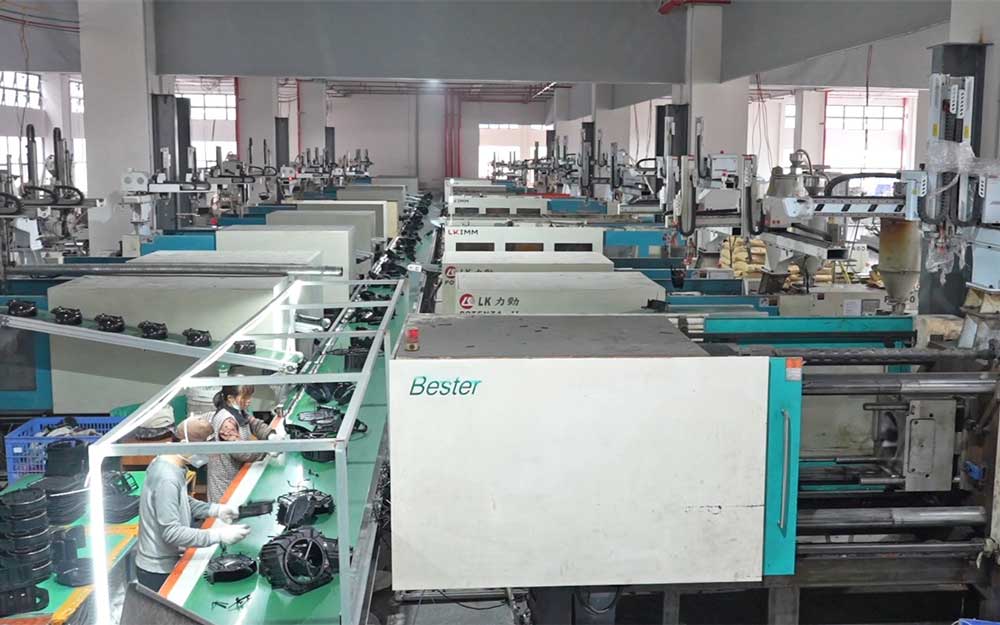
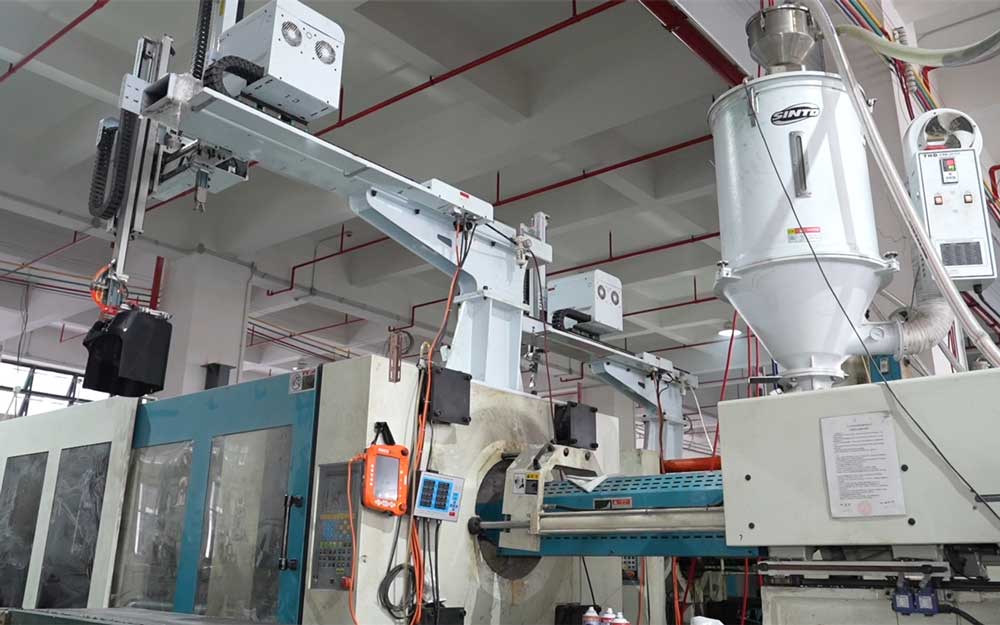
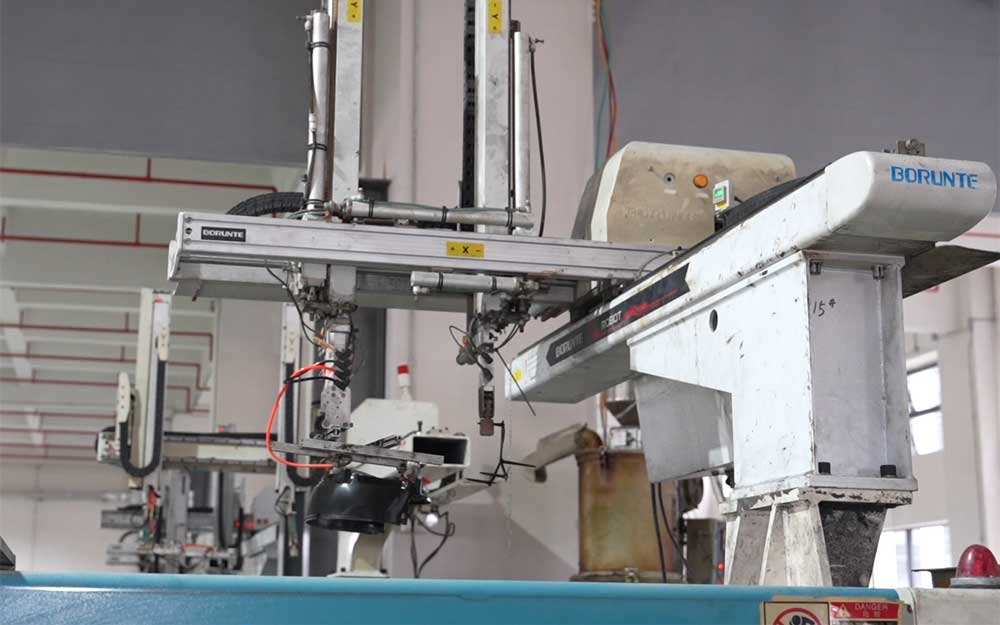
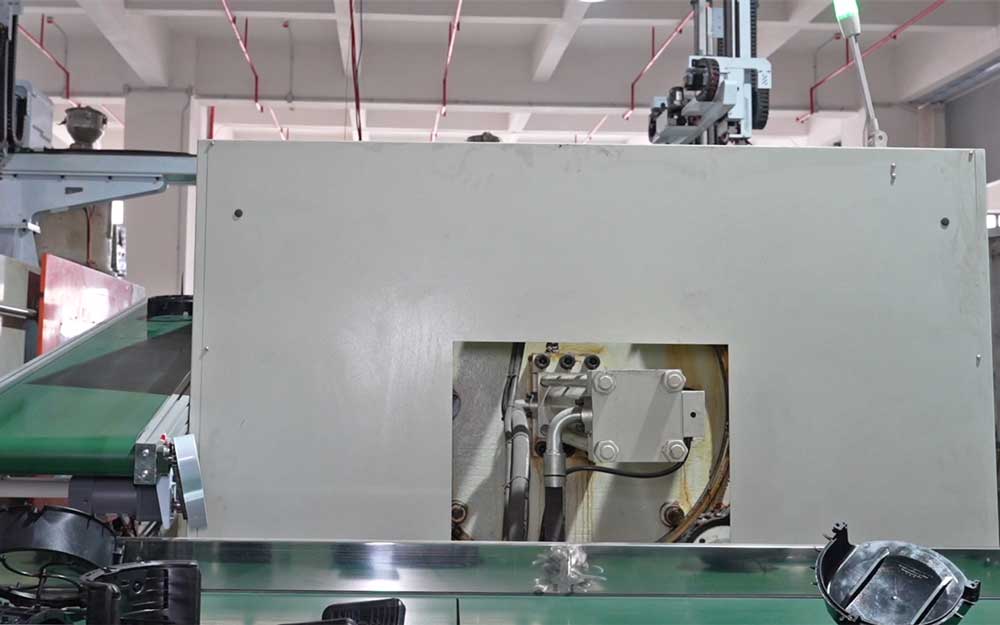
Our core development philosophy centers around modular mechanical engineering. While digital interfaces are subject to software crashes and sensor degeneration in hot kitchen environments, our mechanical platforms are built using physical switches designed for long-term durability. Our primary development vector is focused on optimization in three key areas:
Our air fryers feature a dynamic structural design that forces heated air down in a vertical double-helix pathway. This allows heat to penetrate food uniformly without requiring manual basket shaking, maintaining internal moisture while crisping outer surfaces.
Equipped with high-performance copper contact mechanical timers, our systems are rated for over 15,000 cycles. Built-in physical sound chimes alert operators in busy commercial settings, eliminating the need for delicate speaker components.
Using proprietary multi-layer non-stick coatings, we guarantee abrasion resistance up to 20,000 wet rubs. The non-stick chemical layers are entirely free of PFOA and heavy metals, passing all strict food-contact tests enforced by Japan's Ministry of Health.
We provide comprehensive container delivery services directly from our factory floor to the Port of Nagoya, one of Japan's most efficient shipping hubs. Our logistics team handles all METI importing requirements, custom declaration paperwork, and coordinates directly with regional Japanese custom clearance brokers. This support mitigates container delays and guarantees that all air fryers arrive at your regional warehouses fully compliant and ready for commercial retail distribution.
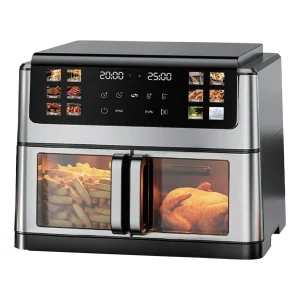
Our comprehensive portfolio of multi-basket, smart touch hybrid, and large-capacity high-power air fryer ovens.
Providing clear, definitive insights for B2B buyers, distributors, and logistics partners in Japan.
 Zhenmei Electrical