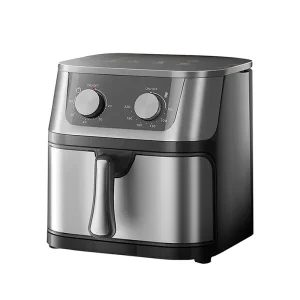
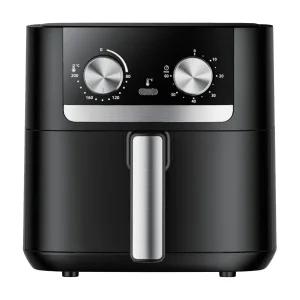
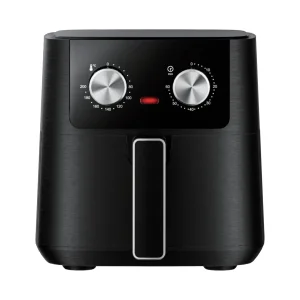
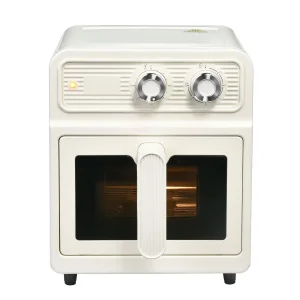
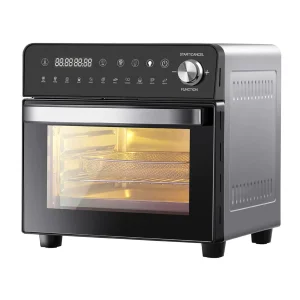
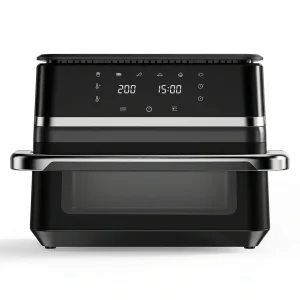
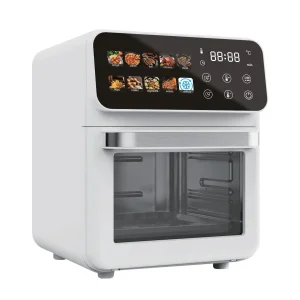
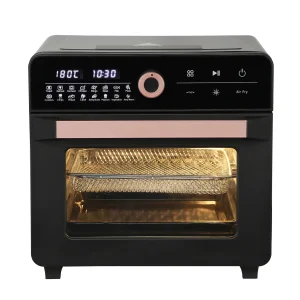
High-torque heavy-duty mechanical solutions engineered to meet the operational demands and efficiency expectations of commercial kitchens throughout South Korea.
Seoul is one of the most densely populated metropolitan areas in the world, with a culinary ecosystem driven by rapid convenience, strict quality control, and intense franchise competition. In recent years, the metropolitan government of Seoul has placed stringent demands on commercial kitchens to optimize energy efficiency, minimize organic waste, and maintain exceptional safety standards. From the bustling street food alleys of Myeongdong to the high-throughput central cloud kitchens in Gangnam, commercial operators are modernizing their hardware to achieve high-precision output.
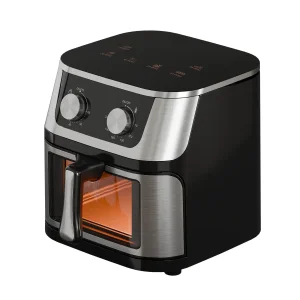
As a premier manufacturer supplying kitchen appliances globally, we analyze these micro-market trends. The rise of Korean Barbecue (K-BBQ) franchises, specialized meat-processing units, and the explosive growth of clean-label fried chicken chains have increased the demand for heavy-duty food preparation machinery. Crucially, operators are prioritizing two fundamental technological lines: high-efficiency mechanical air fryers to replace conventional deep-frying systems, and heavy-duty meat grinders built with food-grade sanitary standards.
Our manufacturing plants specialize in custom OEM and ODM configurations designed to survive the relentless environment of Seoul’s commercial kitchens. By eliminating fragile digital touchscreens that are prone to failing in high-heat and humid environments, our mechanical kitchen solutions offer unmatched mean-time-between-failure (MTBF) rates, saving operators thousands of dollars in post-warranty maintenance.
High-performance kitchen hardware cannot rely on aesthetic design alone; it must be backed by advanced thermodynamic and mechanical engineering. Whether engineering high-volume mechanical air fryers or heavy-duty food grinders, our R&D center in Zhongshan employs rigorous simulation models and stress-testing protocols to ensure longevity.
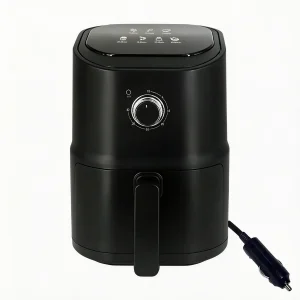
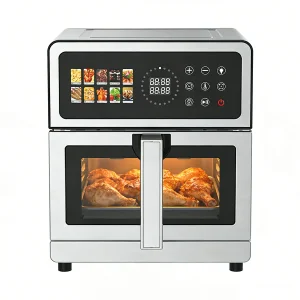
While digital touch interfaces have gained popularity in domestic markets, they present high failure rates in commercial operations. Humid atmospheres, greasy hands, and electrical fluctuations common in high-density urban areas like Seoul can cause digital control units (PCBA) to malfunction. Our line of mechanical air fryers utilizes heavy-duty mechanical rotary thermostats and heavy-gauge spring-wound timers. These analog controls offer direct electrical circuit routing, bypass complex electronics, and perform reliably under temperature thresholds ranging from 80°C to 200°C.
Uniform heat transfer is vital to minimizing cycle times in quick-service restaurants (QSR). Our mechanical air fryers are engineered with high-velocity heating elements (up to 2800W) coupled with custom-angled, high-volume fan blades. This combination creates a pressurized cyclonic airflow pattern inside the basket, stripping away moisture from the food surface to yield a crisp exterior while maintaining core moisture. This process reduces energy consumption by up to 35% compared to commercial convection ovens.
Corrosion resistance is non-negotiable under South Korean sanitation guidelines. All structural elements, grinding plates, internal chambers, and heating coils are manufactured using food-grade SUS304 stainless steel or specialized non-stick coatings tested to be 100% PFOA and PFOS free. The heavy-duty structural chassis ensures that under maximum vibration—especially when processing ground meats—the structural integrity of the machine remains sound, drastically reducing noise emissions to less than 65 dBA.
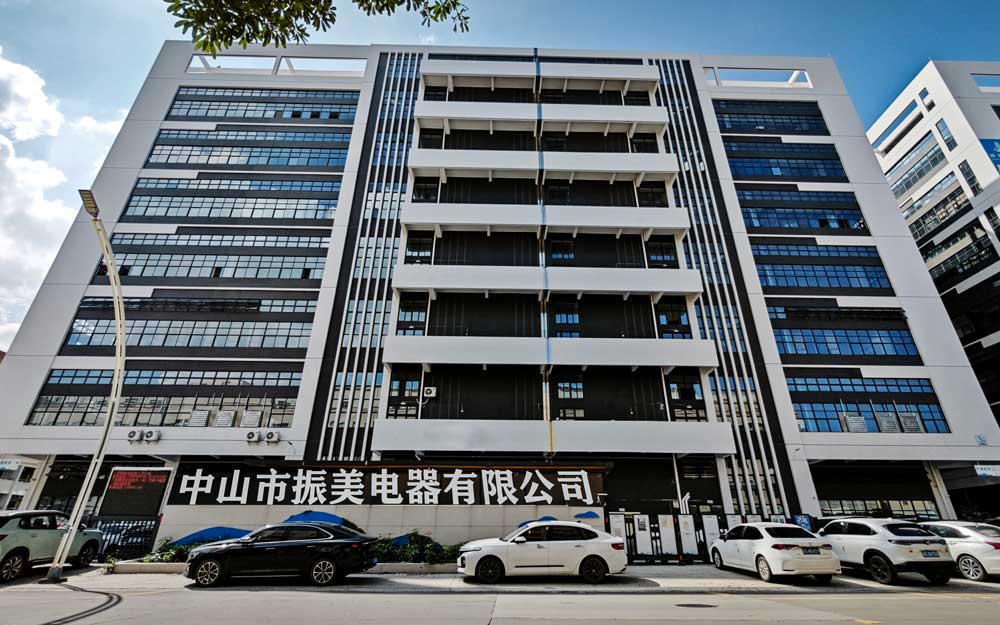
Zhongshan Zhenmei Electrical Appliance Co., Ltd. delivers end-to-end capabilities from rapid prototyping to mass production.
Importing kitchen appliances into South Korea requires strict adherence to localized electrical, safety, and health certifications. The Korean Agency for Technology and Standards (KATS) enforces the KC (Korea Certification) mark, verifying that appliances meet stringent standards for electromagnetic compatibility (EMC) and mechanical safety.
We provide full-service ODM engineering with complete documentation support for South Korean KC certifications and customs clearance.
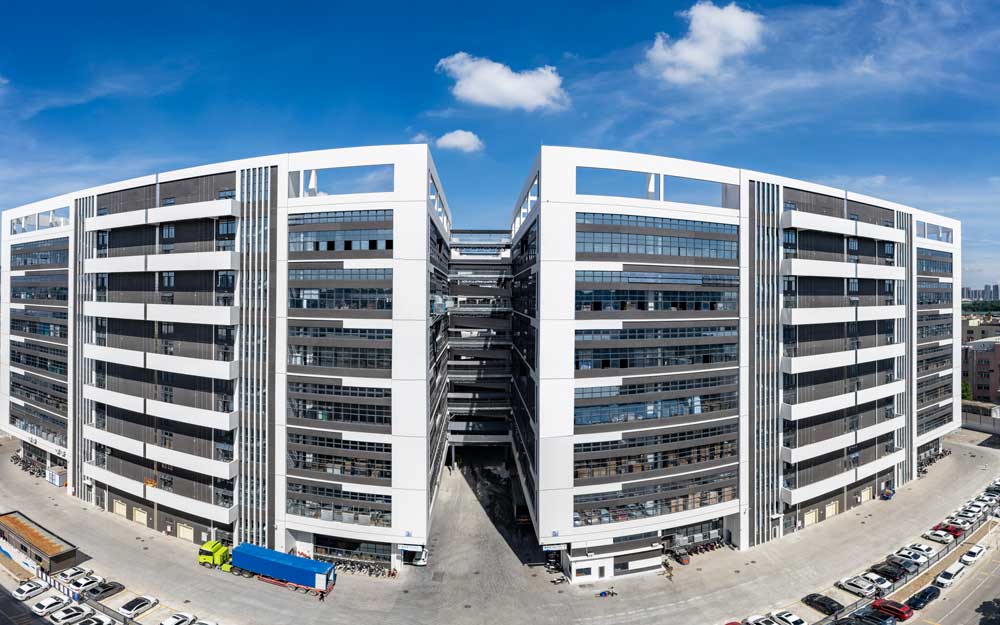
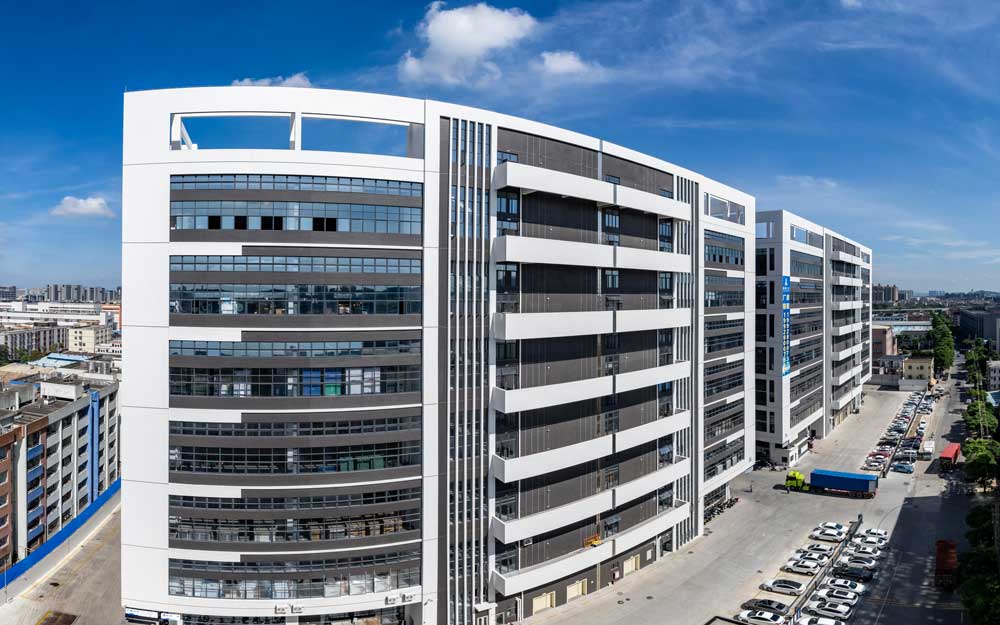
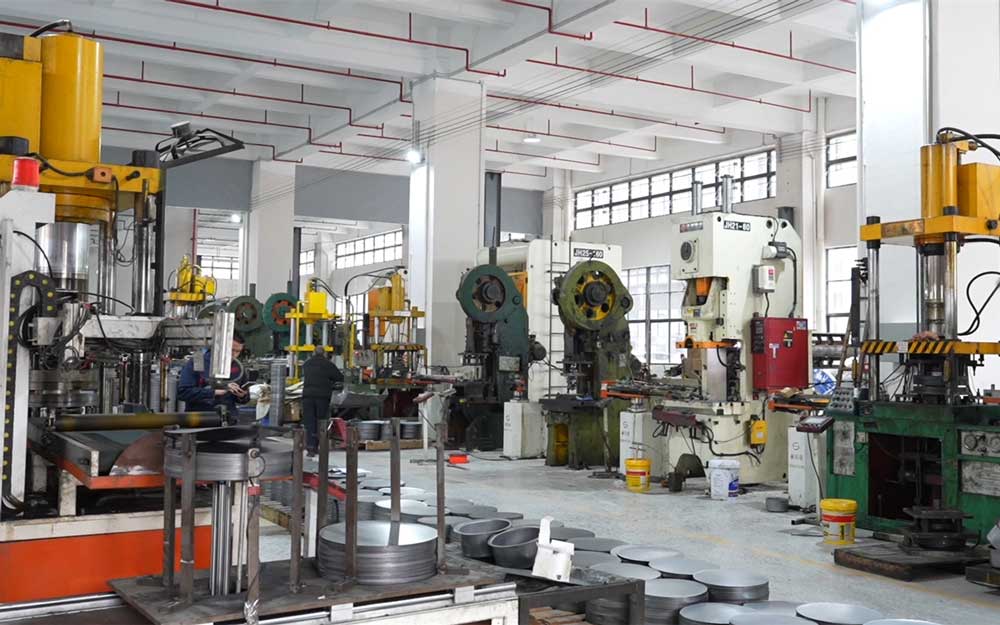
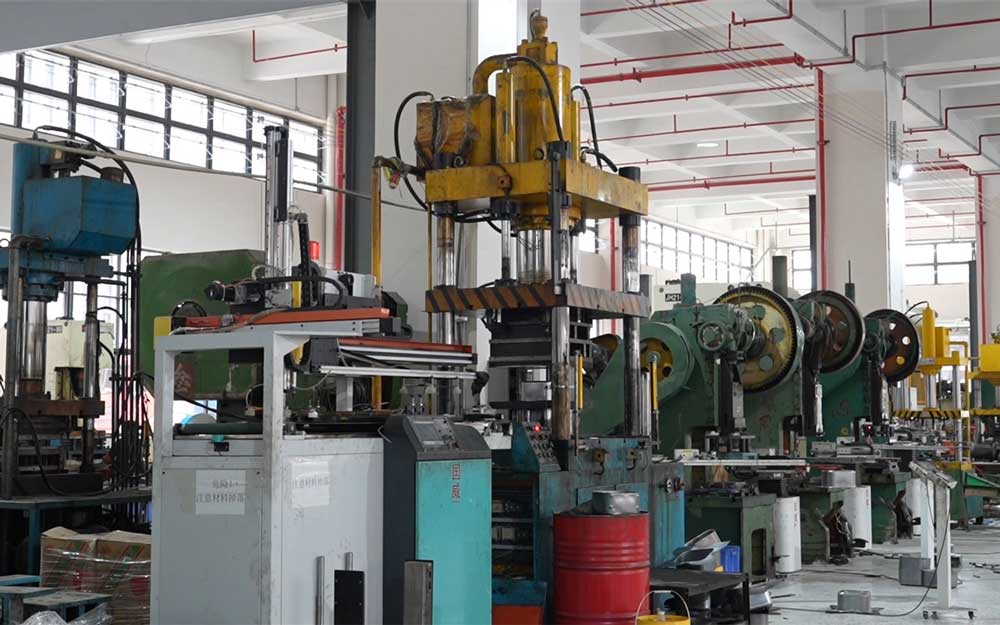
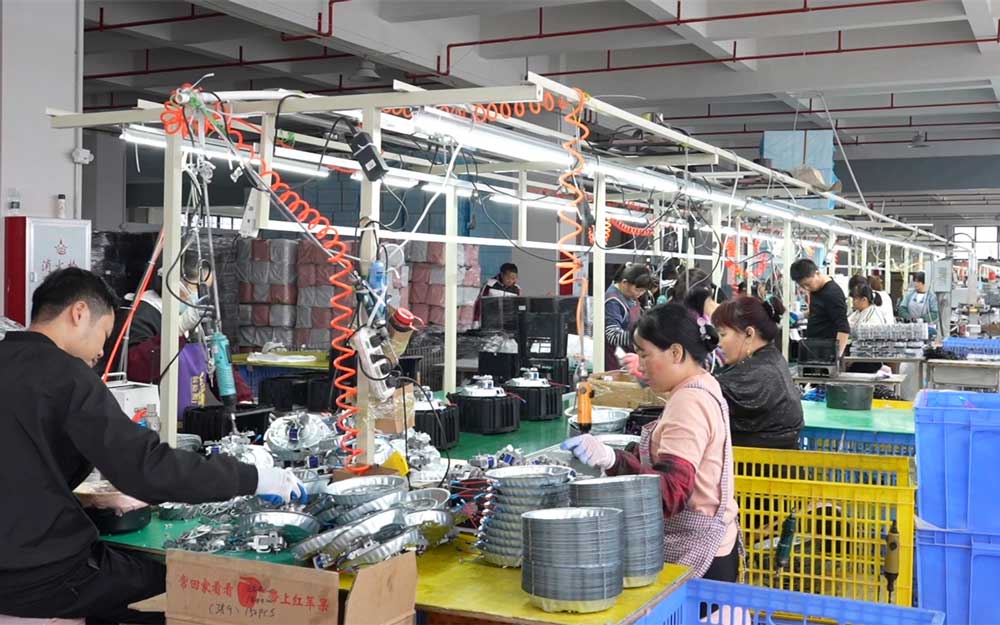
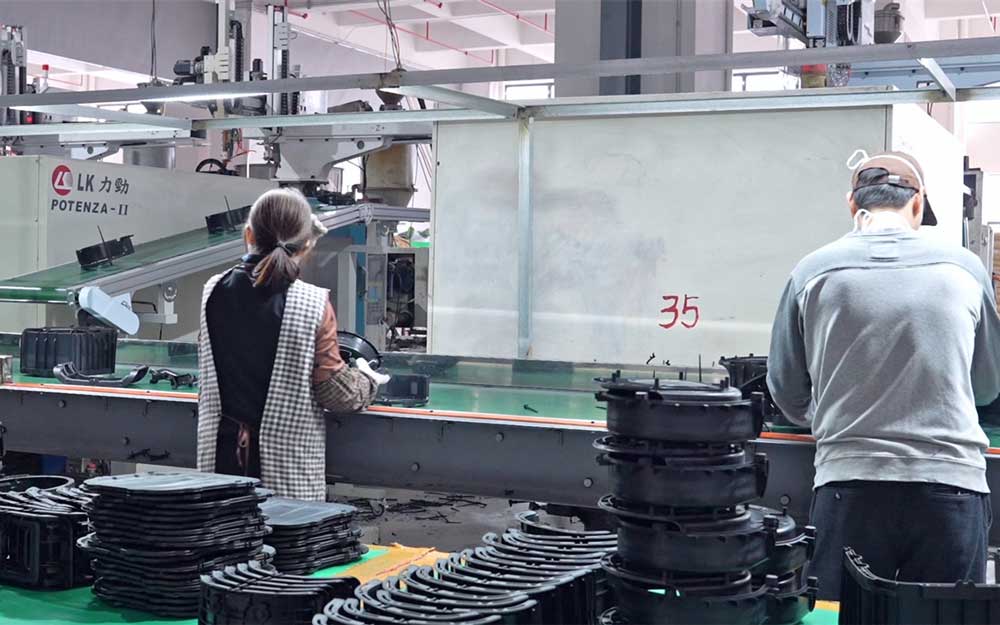
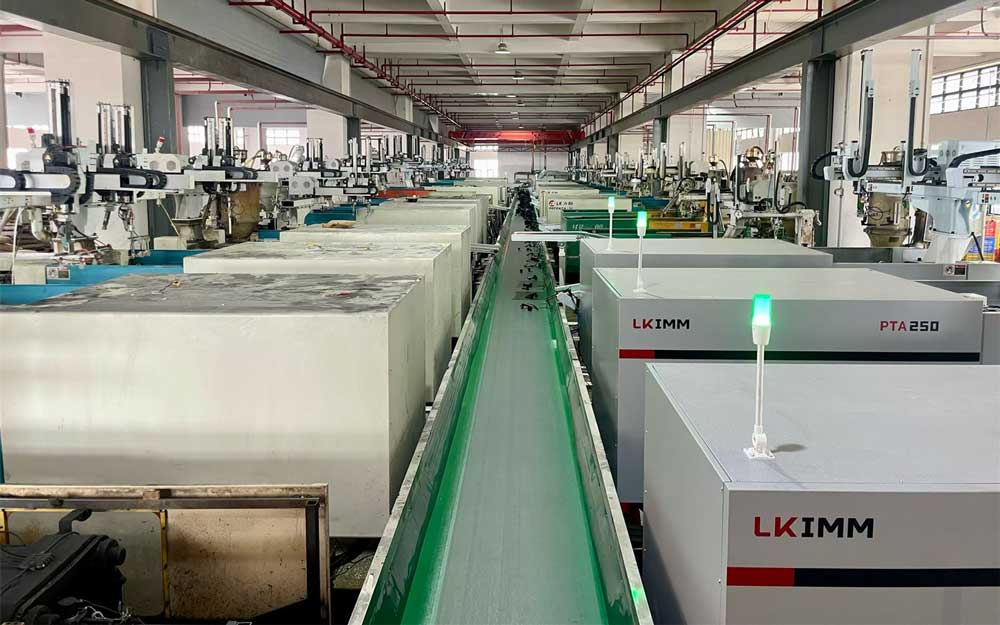
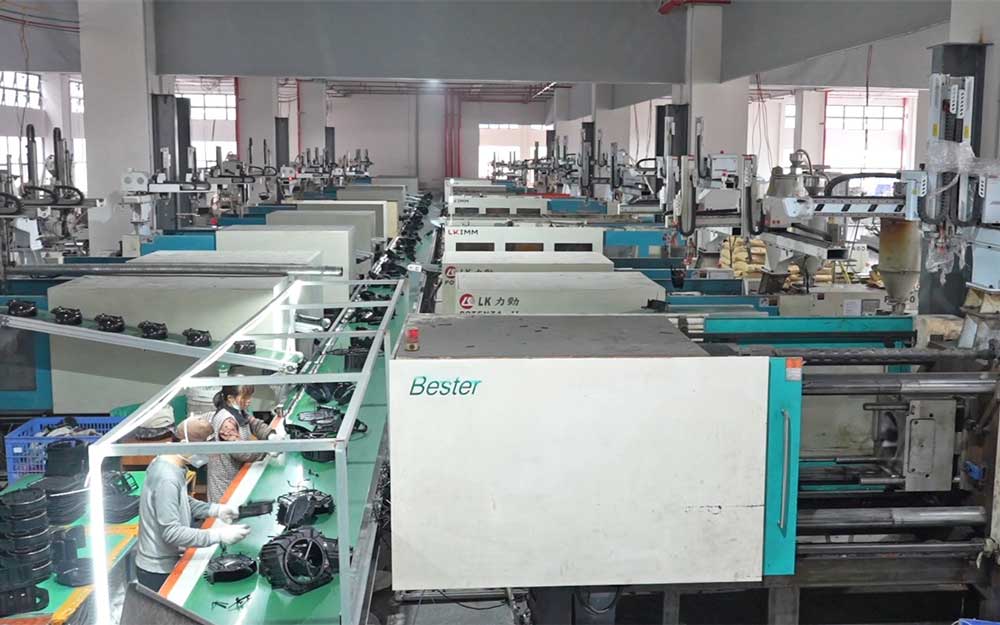
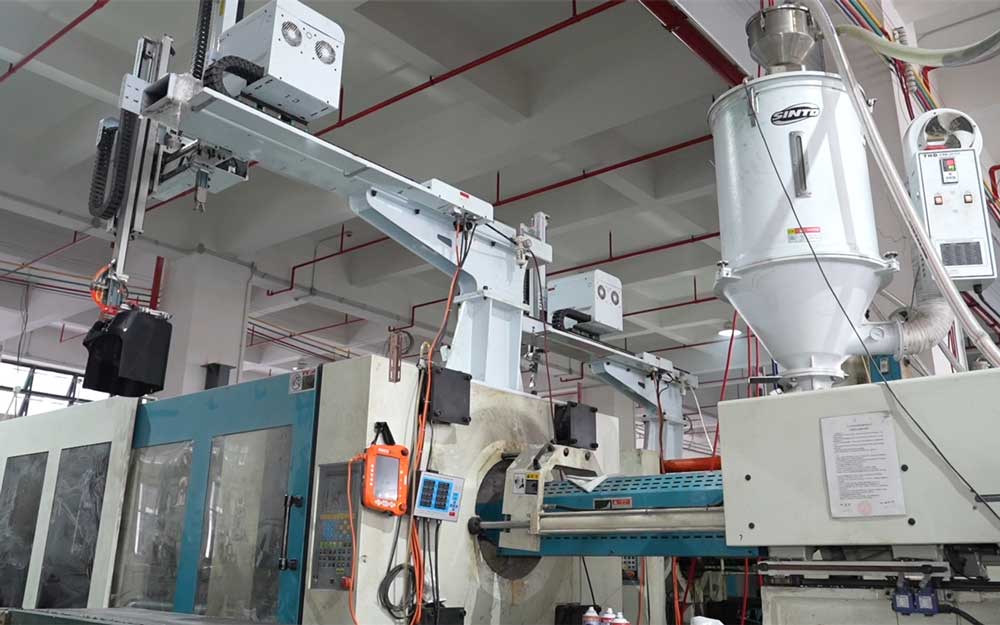
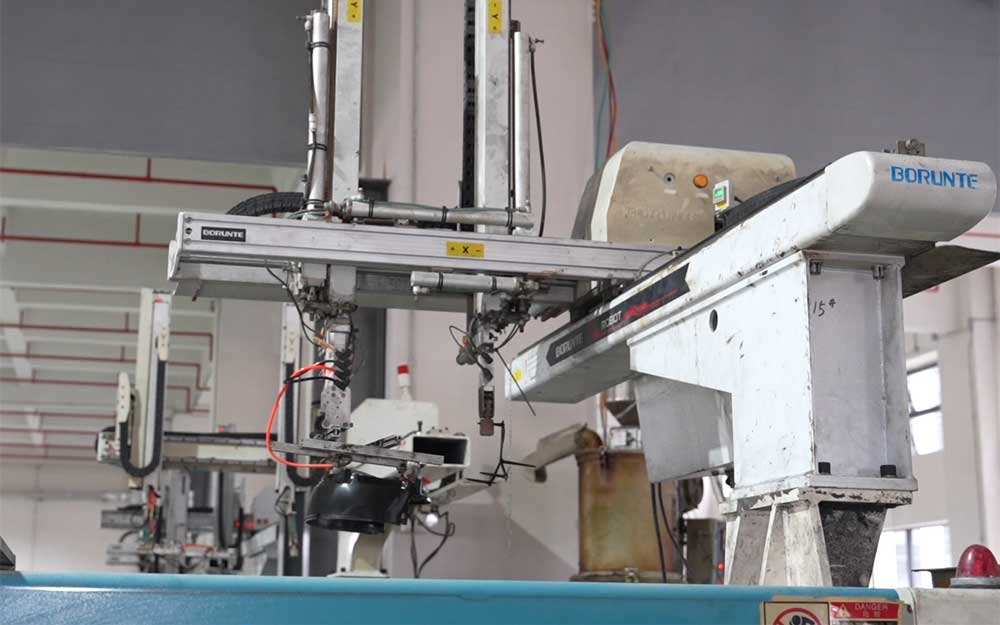
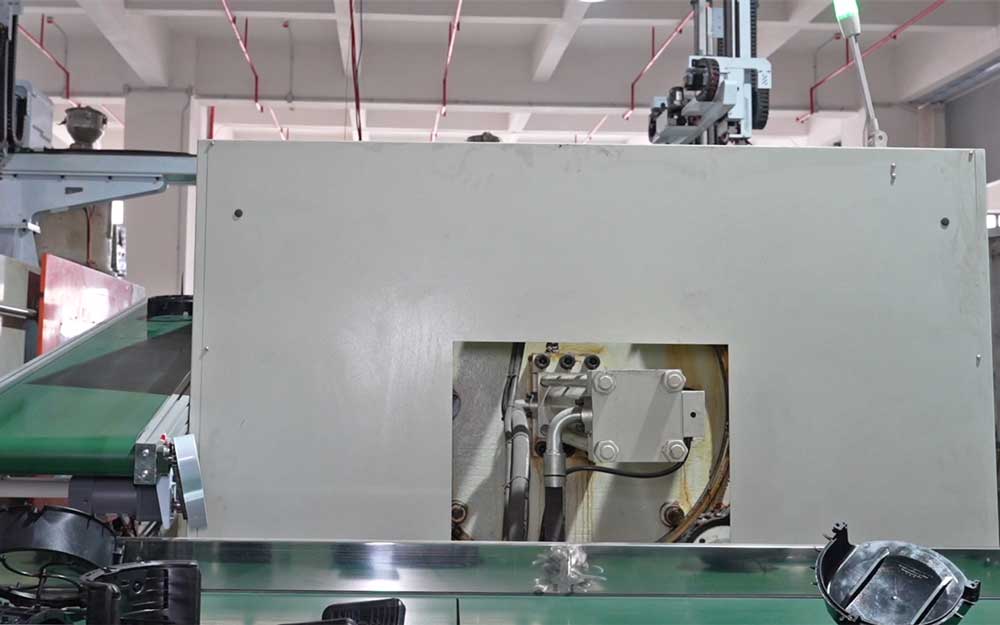
Contact Our OEM Engineering TeamTake a virtual tour of our 40,000 sqm advanced manufacturing facilities. Precision, cleanliness, and efficiency guide our operational model.
Managing high-volume international sourcing requires clear alignment on logistics, customization, lead times, and post-sales support. Below are the key technical answers for B2B procurement officers and importing distributors in South Korea.
A complete selection of high-reliability kitchen appliances engineered for commercial venues, cafes, bistros, and franchise networks in South Korea.
 Zhenmei Electrical