 Zhenmei Electrical
San Francisco's Juice Economy & Industrial Context
Navigating the complex demands of California's culinary hubs, high-yield requirements, and commercial compliance landscape.
1. The Evolution of San Francisco's Commercial Juice Sector
San Francisco, California, sits at the heart of global wellness, clean eating, and culinary tech innovations. The demand for cold-pressed juicers, industrial extraction devices, and multi-functional blenders has grown exponentially. From bustling organic juice bars in the Mission District to premium wellness centers in the Financial District, and massive high-tech campus micro-kitchens across Silicon Valley, high-performance juice and beverage extraction is no longer a luxury—it is an operational standard.
To succeed in this highly competitive regional market, commercial establishments require juicing systems that minimize preparation labor, maximize extraction yield, and reduce waste. Businesses in Northern California face some of the highest operational and real estate costs in the world. As a result, the "yield efficiency" of food processing equipment directly translates into business survival. Lower-tier equipment that wastes pulp and under-extracts enzymes increases food-cost percentages, directly impacting the bottom line of regional juice businesses.
2. Regulatory Compliance & Environmental Standards in California
Beyond simple operational output, commercial installations within San Francisco are governed by strict public health and environmental regulations. All equipment must comply with NSF (National Sanitation Foundation) criteria to ensure ease of sanitation and prevent bacterial harboring. Furthermore, the California Energy Commission (CEC) and Title 24 guidelines place tight restrictions on standby power consumption and energy usage profiles.
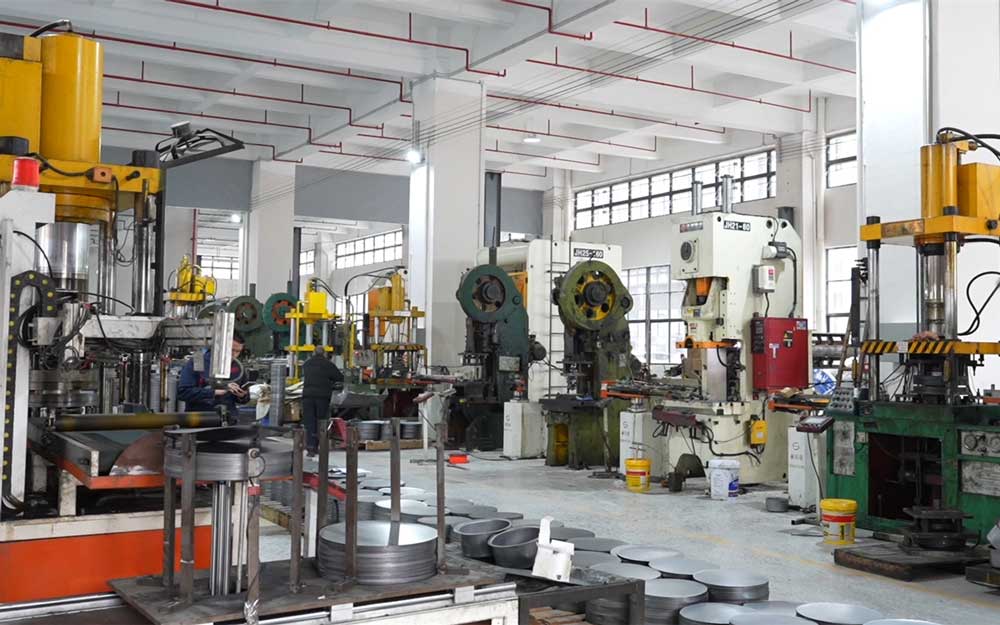
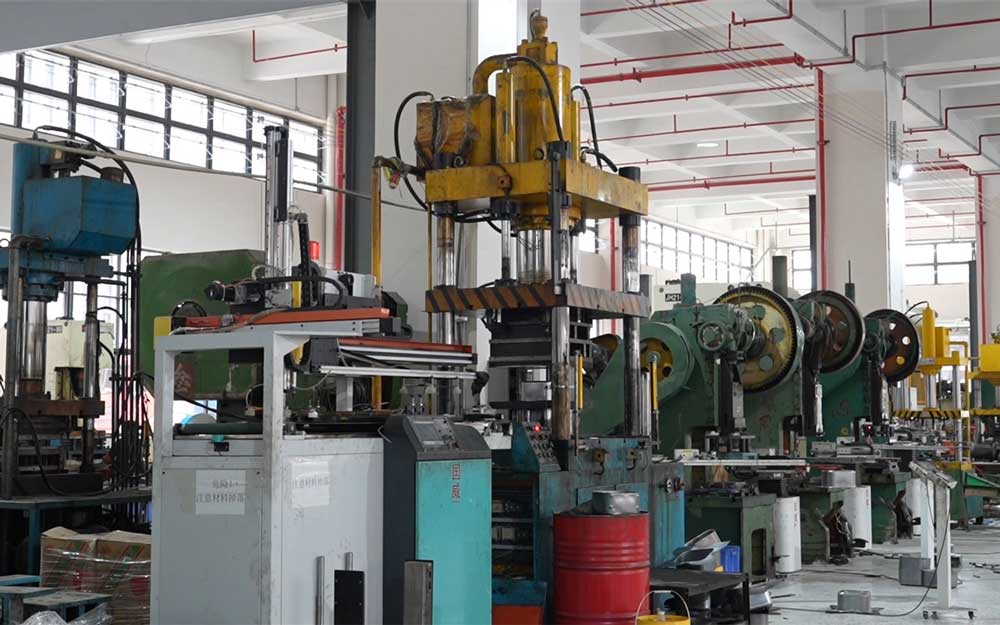
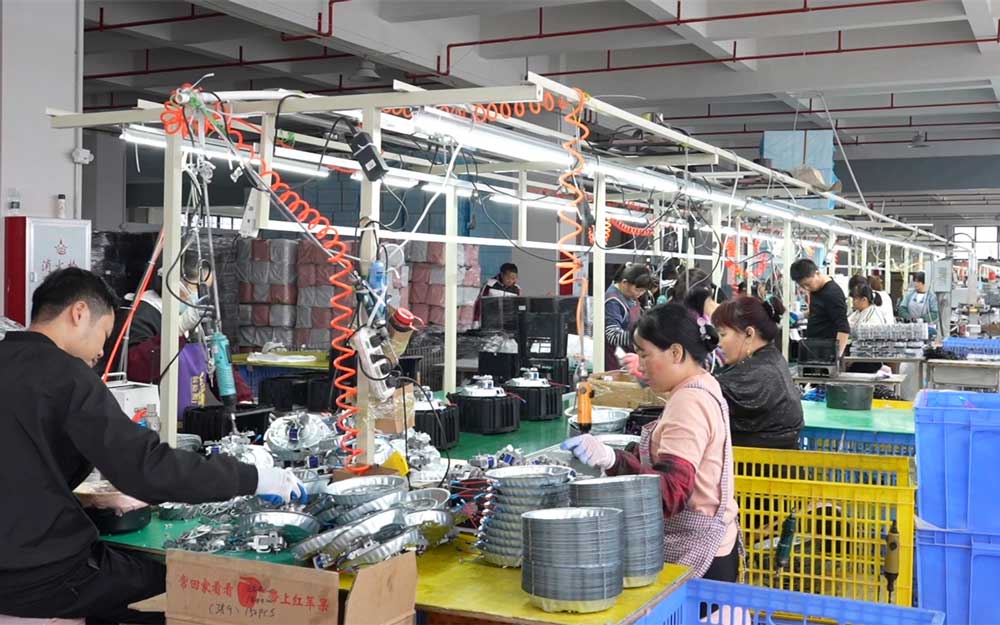
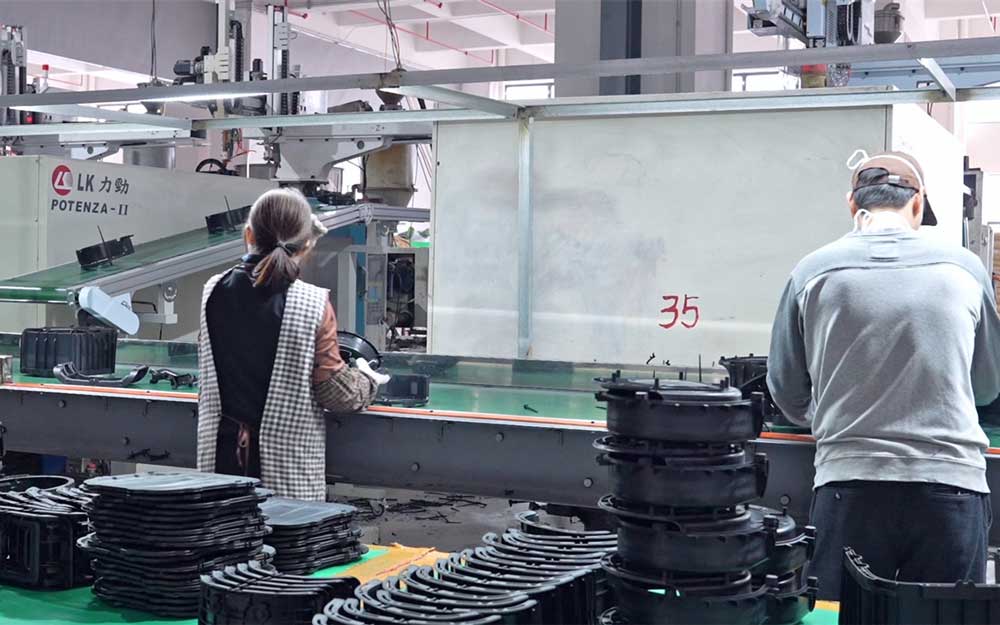
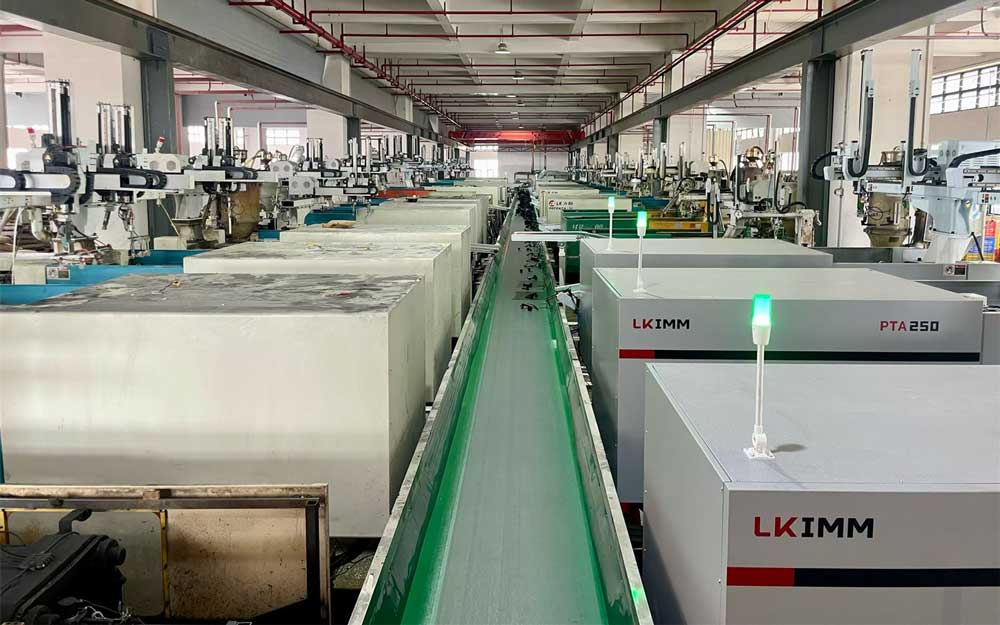
As an industry-leading OEM/ODM manufacturer, we understand these local pressure points. Our engineering team integrates high-efficiency copper motors, brushless DC technology (BLDC), and premium food-grade 304 and 316 stainless steel components. Our products undergo rigorous testing regimes to ensure compliance with global certifications including UL, ETL, CE, RoHS, and FDA. This design methodology ensures that any machine deployed in a San Francisco cafe, hospital kitchen, or tech campus cafeteria passes local health inspector audits with ease.
Key Technical Priority: Noise Mitigation in Urban Spaces
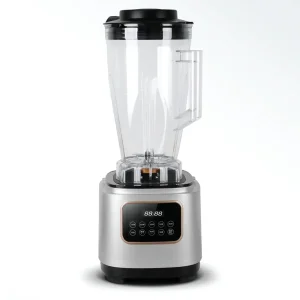
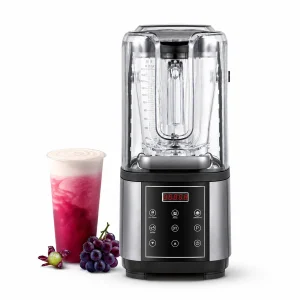
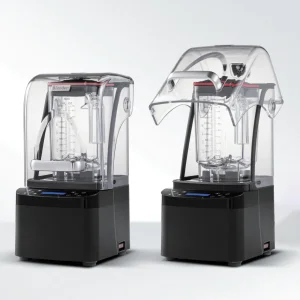
In modern San Francisco workplace designs, the barrier between open offices and micro-kitchens has collapsed. High-decibel traditional blenders and juicers create acoustic disturbance, degrading the workplace experience. Our latest quiet-series blenders and commercial juicers incorporate advanced sound-enclosure engineering, high-torque low-RPM brushless motors, and vibration-dampening feet, reducing the running noise signature below 65 dB.