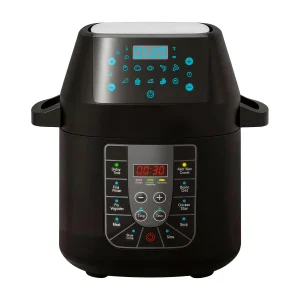
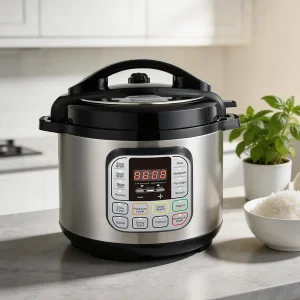
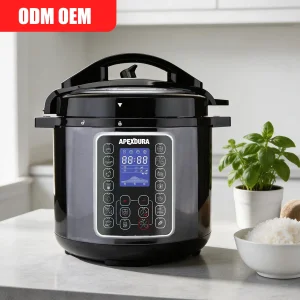
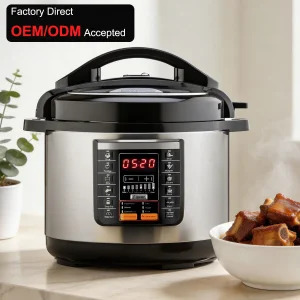
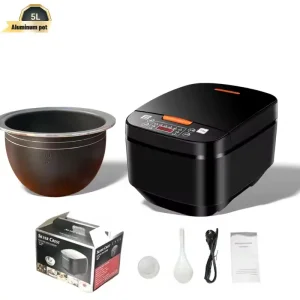
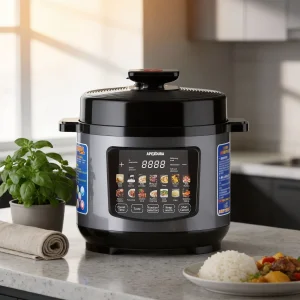
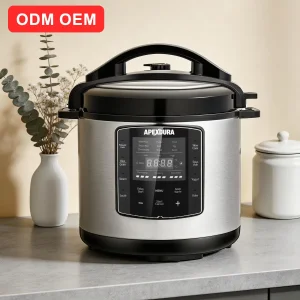
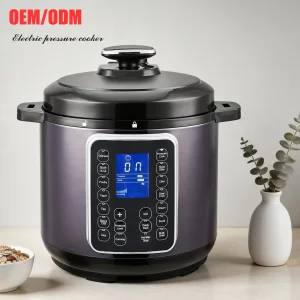
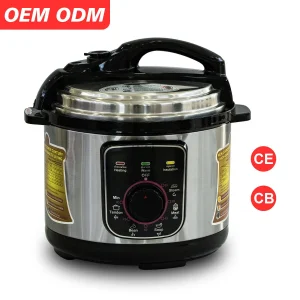
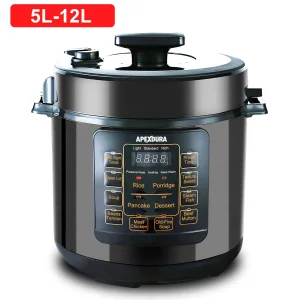
High-efficiency, smart multi-functional cooking appliances optimized for the electrical standards and cooking preferences of the Kenyan and wider East African markets.
Kenya is currently experiencing a historic transition in its household and commercial cooking energy mix. Traditionally dominated by charcoal (biomass) and liquefied petroleum gas (LPG), the market is aggressively pivoting toward grid-tied electric cooking. This shift is catalyzed by several macroeconomic factors, including volatile international LPG prices, stringent environmental regulations on logging, and the active promotion of Modern Energy Cooking Services (MECS) funded by international development agencies in collaboration with Kenya Power and the Energy and Petroleum Regulatory Authority (EPRA).
In Nairobi, Mombasa, Kisumu, and other urban centers, electricity access is expanding rapidly under the Last Mile Connectivity project. With a national grid heavily powered by renewable energy (over 90% coming from geothermal, hydro, wind, and solar resources), electric cooking offers an ecologically sound and cost-effective alternative. Heavy staples such as Githeri (maize and beans), beef stews, and yellow beans require long cooking hours. Using traditional electric stoves or gas can be prohibitively expensive. The integration of highly insulated, pressure-sealed Electric Pressure Cookers (EPCs) has proven to reduce energy consumption by up to 80% compared to standard hotplates, establishing EPCs as the prime focal point for appliances distribution networks across the country.
As the primary source of global home appliance manufacturing, Chinese factories provide the technological capability, pricing margins, and supply chain maturity required to capture the expanding East African market. For Kenyan importers, distributors, and appliance brands, collaborating with an established manufacturer in Zhongshan or Shunde offers distinct competitive advantages:
Zhongshan Zhenmei Electrical Appliance Co., Ltd. stands at the forefront of kitchen appliance manufacturing, specializing in high-performance air fryers, electric pressure cookers, and multi-functional smart cookers. For over 16 years, we have served as a trusted partner for global brands, turning design concepts into highly competitive, market-ready consumer products.
Our operation is designed to meet the rigorous demands of large-scale international distributors, procurement groups, and local brands who wish to introduce customized cooking portfolios to the Kenyan and East African markets.
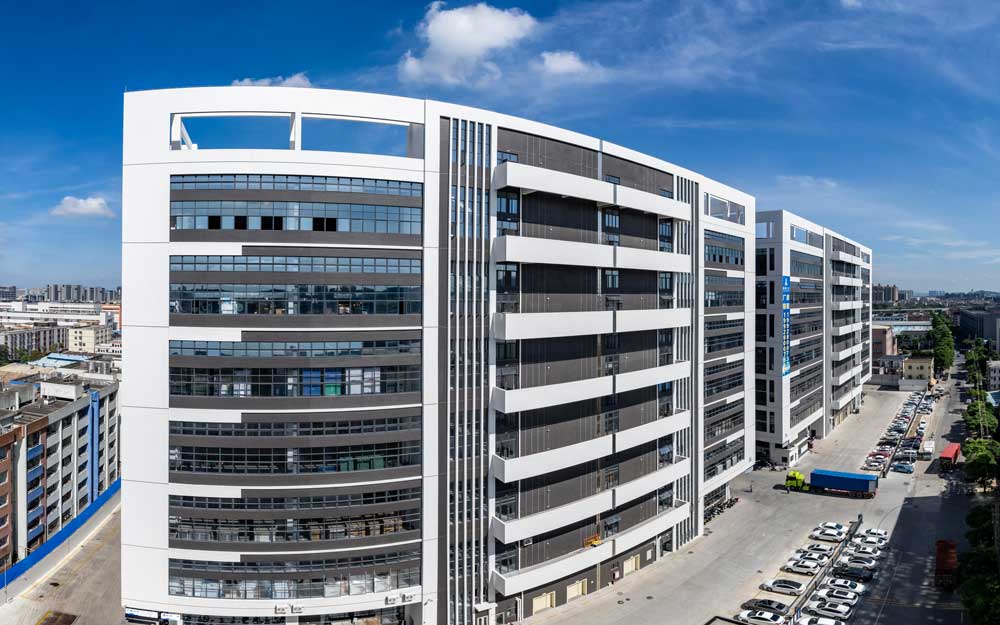
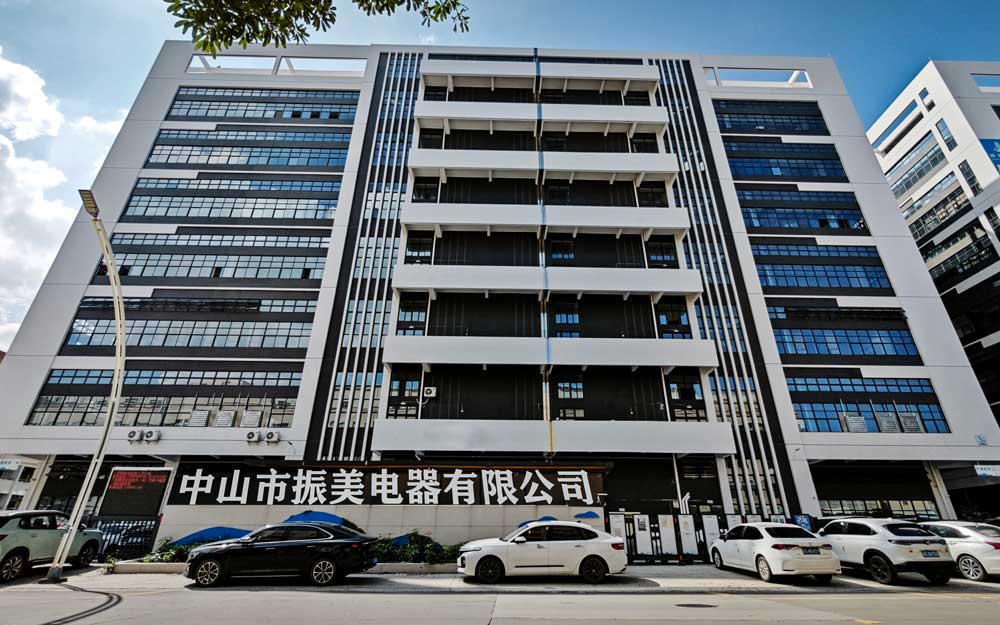
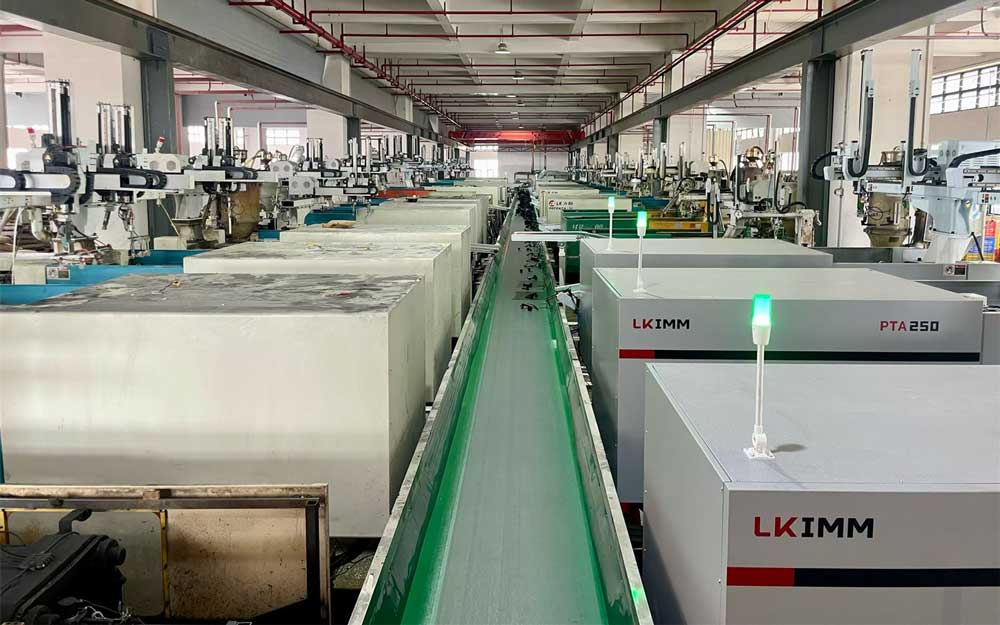
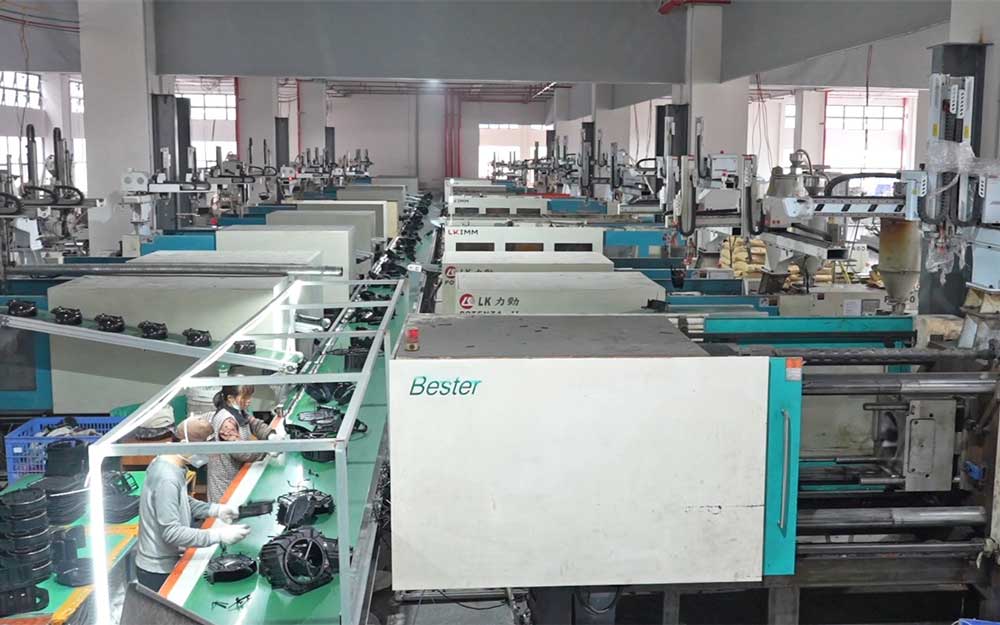
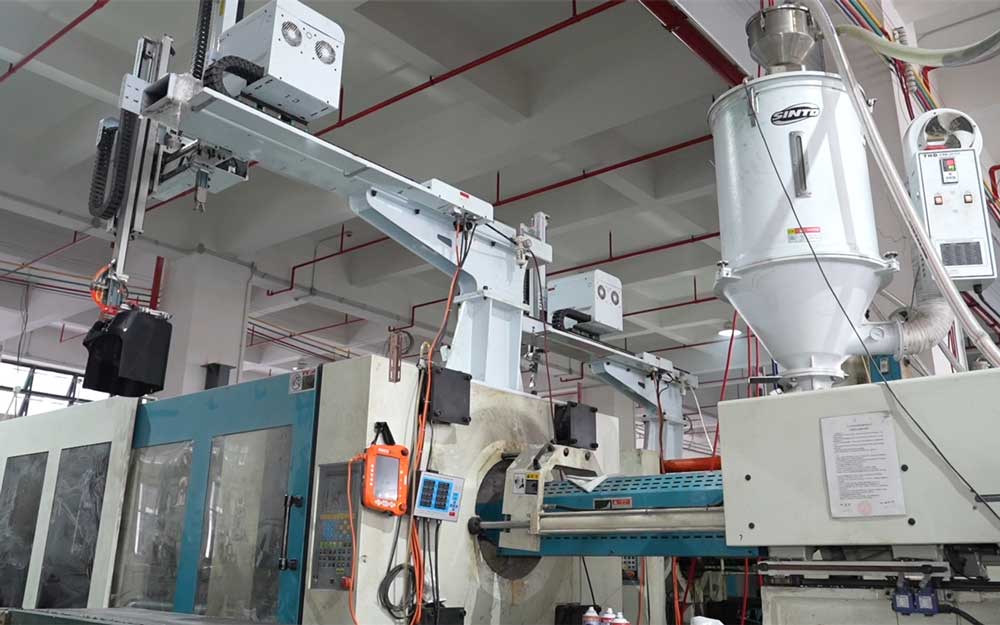
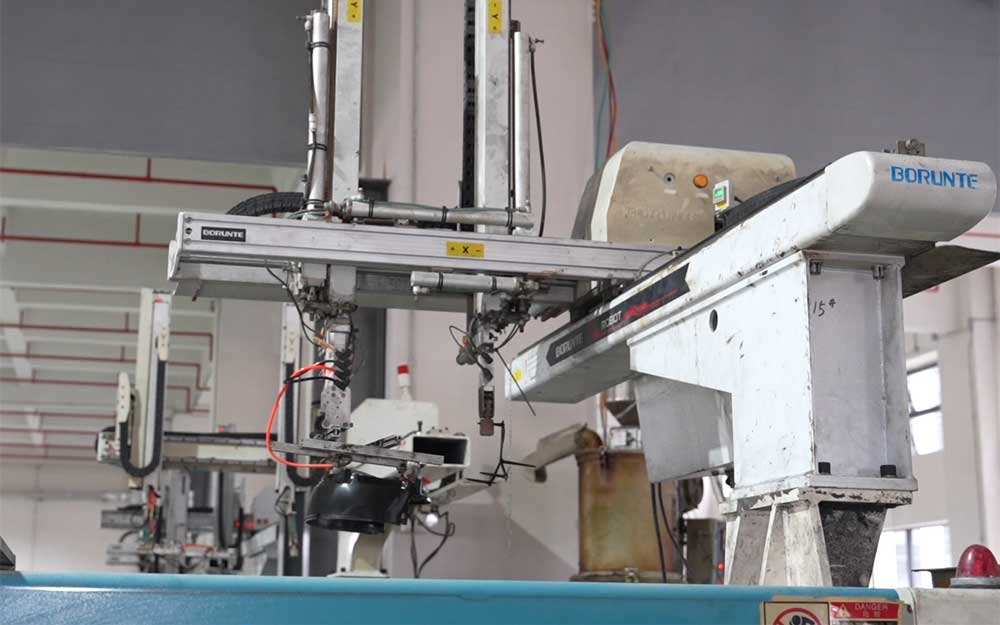
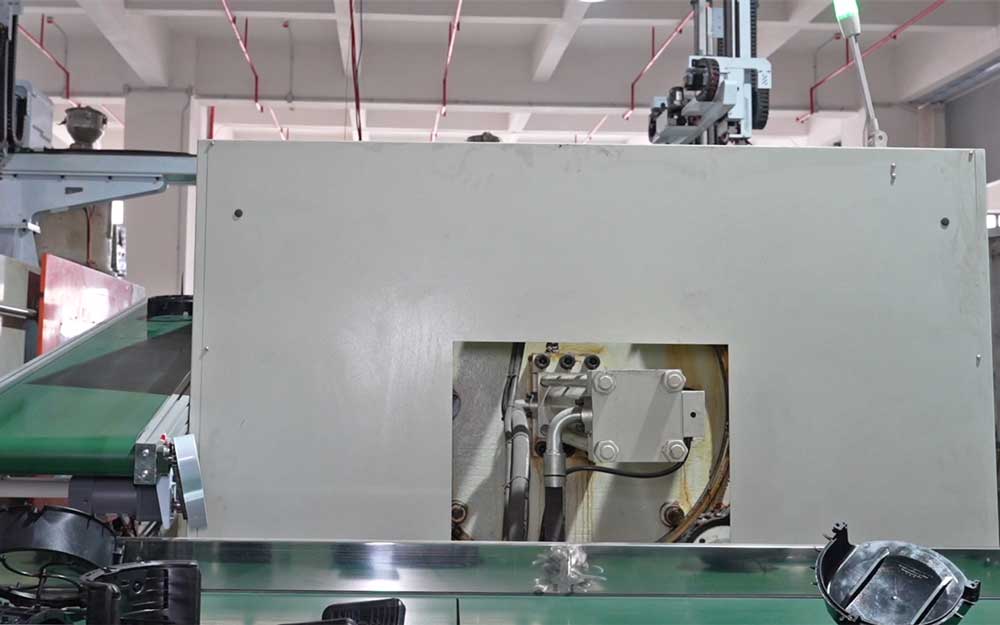
Transparent insight into our modern, standardized manufacturing environment where engineering precision meets mass-scale delivery capabilities.

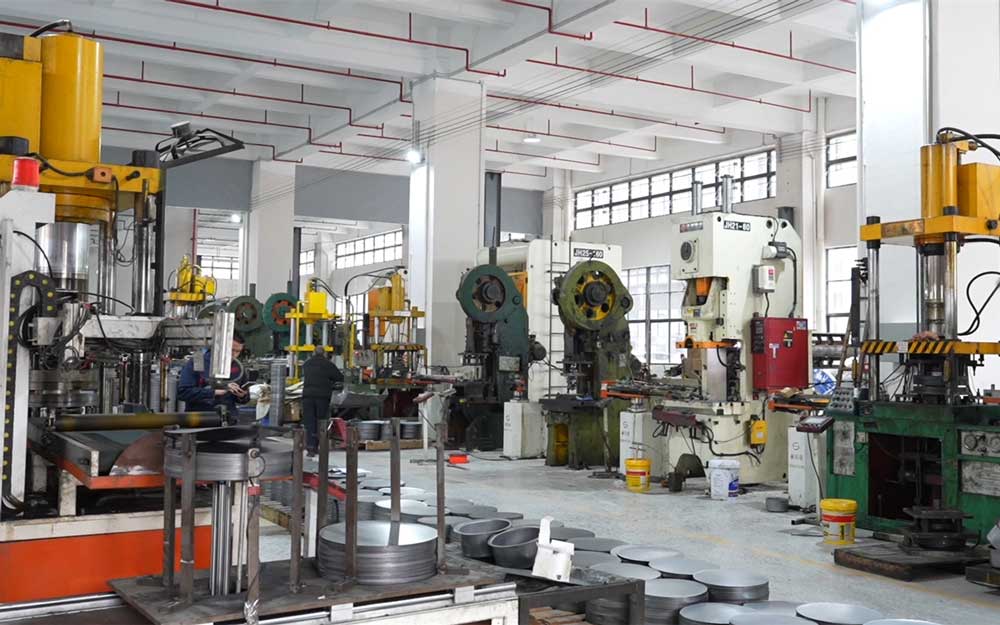
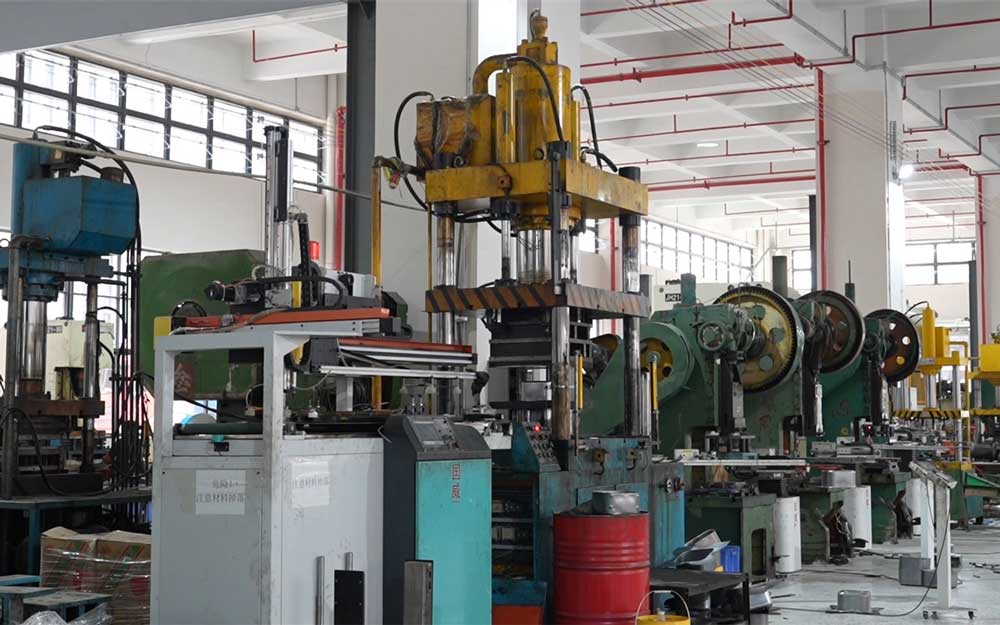
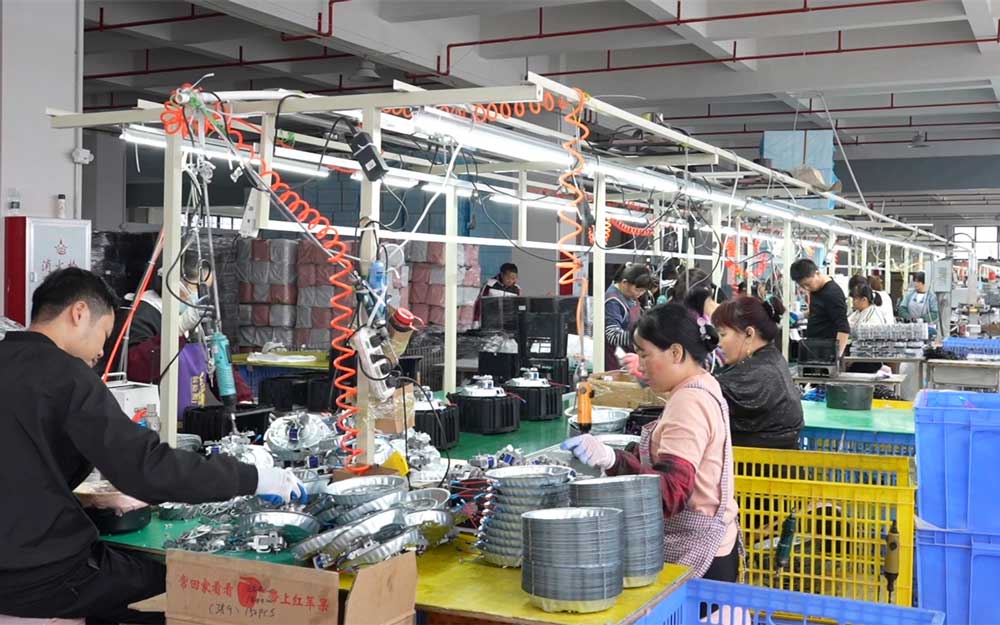
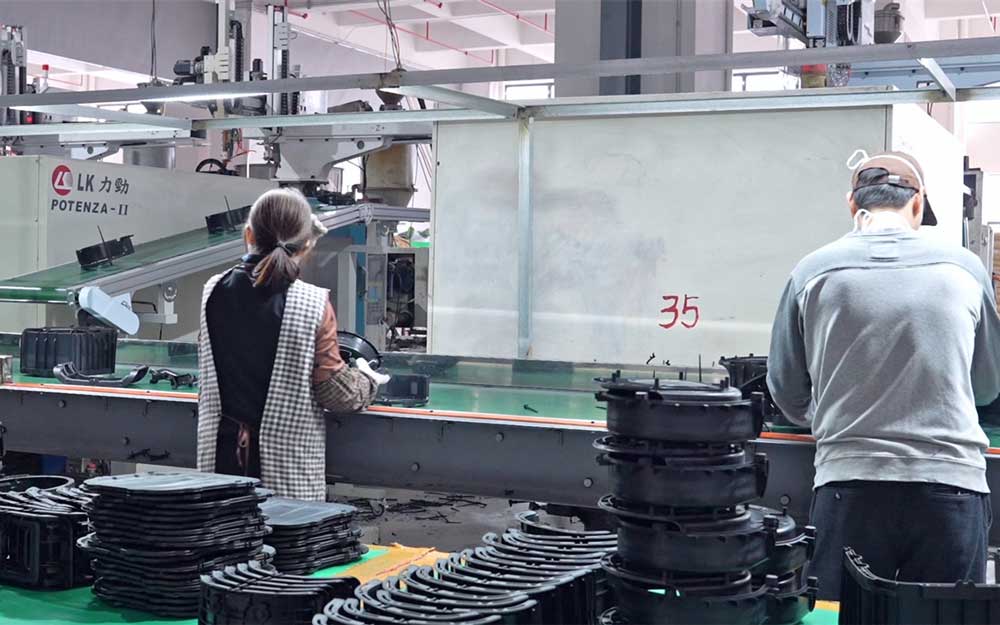
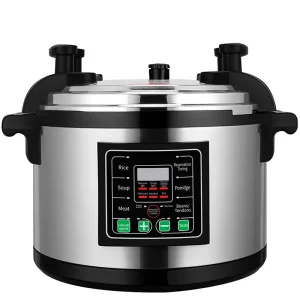
Engineered for large Kenyan households, community kitchens, and agricultural processing demands, these models feature industrial-grade durability.
Outfitted with 240V, 50Hz electrical architecture. The PCBs are specifically engineered to withstand common local voltage drops and spikes, protecting the appliance's processor and heating element.
Double-layer non-stick coatings prevent burning of heavy starches like Ugali, and help conserve energy. Superior heat retention insulation reduces reheat cycles by up to 40%.
We provide full verification support including CB test reports, CE certification, and electromagnetic compatibility compliance to ensure standard custom clearing through the Mombasa port.
Beyond traditional consumer retail distribution, our factory partners with international developmental NGOs, carbon credit project developers, and clean-energy financiers operating in Sub-Saharan Africa. The Clean Cooking Alliance of Kenya (CCAK) and global bodies actively support programs that swap firewood and charcoal for electric pressure cookers. Our manufacturing facility supports large-scale institutional orders, complete with custom tracking integrations for carbon-finance monitoring, and custom-branded user interface layouts designed for regional educational programs.
Whether you require deep customization under private label OEM services or are responding to a national tender in the East African Community, our capacity to deliver 10,000+ daily units ensures that strict shipping windows and volume specifications are met. All cargo is securely palletized and prepared for maritime container shipping to the Port of Mombasa, with direct rail integration via the Standard Gauge Railway (SGR) to inland container depots in Nairobi.
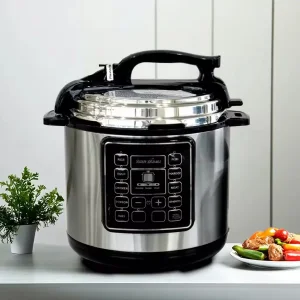
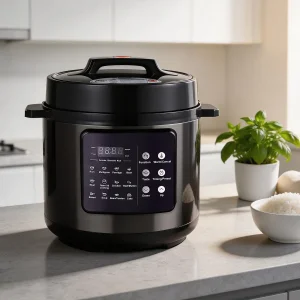
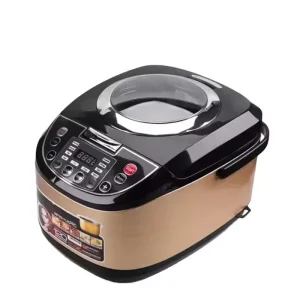
The core selection of high-performance digital and mechanical electric cookers engineered to support versatile culinary demands.
Comprehensive operational and technical answers for procurement officers, import managers, and distribution businesses.
Our electric pressure cookers destined for Kenya are manufactured strictly according to the Kenyan national electricity profile: 240 Volts AC, 50 Hz frequency, equipped with standard Type G (British 3-pin rectangular) plugs. The control panels are formatted in English, and internal circuitry is insulated to protect against voltage drops or surges commonly encountered in rural and urban East African grids.
We work directly with authorized third-party inspection firms (such as SGS, Intertek, or Bureau Veritas) to verify compliance under the Pre-Export Verification of Conformity (PVoC) program for the Kenya Bureau of Standards (KEBS). We provide full CB Scheme test reports, CE certifications, and factory inspection records to ensure your Certificate of Conformity (CoC) is issued quickly, avoiding customs delays at the Mombasa port.
Generally, our standard MOQ for custom packaging, custom logo printing, and tailored outer shell colors is 1,000 units per model size. We also support trial order distributions and mixed container shipments for established clean-cooking project developers and retail chains looking to validate new product introductions in East Africa.
Yes. To help partners optimize import tariffs under the East African Community (EAC) Common External Tariff guidelines, our factory can supply electric pressure cookers in Semi-Knocked Down (SKD) or Completely Knocked Down (CKD) configurations. We provide complete technical assembly instructions and QC documentation to facilitate localized assembly in Nairobi or Mombasa.
According to studies by the Clean Cooking Alliance and MECS, electric pressure cookers (EPCs) are the most energy-efficient electric cooking devices available. Because they are heavily insulated and cook food under pressure, they cook staples like Githeri and beans up to 3 times faster and use up to 80% less energy than standard hotplates or traditional biomass stoves, offering direct cost savings to end consumers on their monthly electricity bills.
 Zhenmei Electrical