Engineered for high-volume commercial venues, optimized for specific local voltage integration and rigorous safety mandates across the Japanese archipelago.
A comprehensive analysis of user intent, strict Japanese hospitality standards, and structural mechanical challenges.
The food service and commercial beverage landscape in Japan represents one of the most demanding, technologically advanced, and quality-centric markets worldwide. From micro-cafes in the dense wards of Tokyo to high-volume convenience store franchises (Konbini) spanning across Kanto and Kansai, the operational expectation for commercial blenders transcends simple liquid mixing. Operators look for uniform micro-emulsification, exceptional motor longevity, and strict acoustic footprint control.
For Japanese B2B buyers—importers, restaurant chain operators, and kitchen equipment distributors—sourcing blenders is not merely a purchase of horsepower; it is an acquisition of thermal efficiency, noise reduction, and compliance with the stringent requirements of the PSE (Product Safety Electrical Appliance & Material) certification.
Japan presents a highly unique electrical infrastructure: Eastern Japan (including Tokyo, Yokohama, and Tohoku) operates at a frequency of 50 Hz, while Western Japan (including Osaka, Kyoto, Nagoya, and Kyushu) operates at 60 Hz, both utilizing a nominal system voltage of 100V. Standard global 220V motor systems or single-frequency 110V components cannot be deployed without severe performance degradation or localized electromagnetic interference.
Our engineering division addresses this directly by integrating specialized multi-voltage and dual-frequency compatible AC and Brushless DC (BLDC) motor blocks. This ensures that when a Japanese cafe group deploys our systems from Sapporo to Fukuoka, they experience identical torque output, blade velocity, and thermal regulation without risk of motor coil overheating.
Space optimization is a defining characteristic of Japanese architecture. Cafes, juice bars, and quick-service diners frequently operate within open-concept layouts where the kitchen counter sits mere centimeters away from customer dining areas. In these environments, a traditional, unshielded 2000W blender running at peak RPM (often exceeding 85 decibels) completely disrupts the atmosphere, degrading the dining experience and making customer conversation impossible.
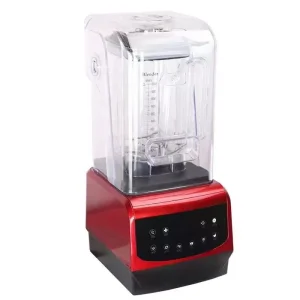
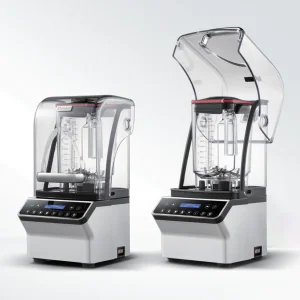
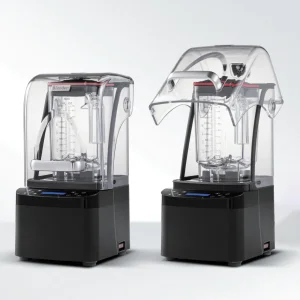
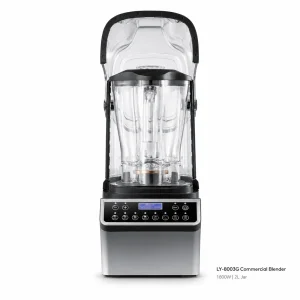
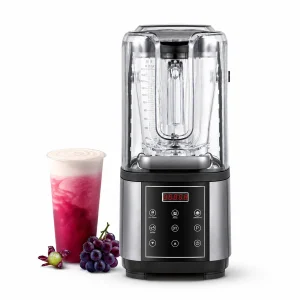
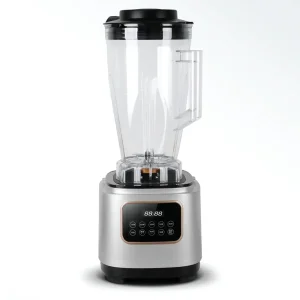
This reality has driven the localized demand for sound-enclosure systems. Models such as the LY-8007 and LY-8005 utilize heavy-duty, impact-resistant polycarbonate sound enclosures, integrated vibration-absorbing rubber gaskets, and strategic motor air-flow tunnels. This limits sound emissions to sub-65 decibels under load—critical for compact, premium spaces in Ginza or Shibuya.
Navigating the evolution of commercial food preparation through the lens of motor performance, energy efficiency, and digital controls.
Across the global commercial blending market, the boundaries of power efficiency and intelligent automation are moving fast. Modern kitchens demand more than simple variable speed dials. They require precise, programmable cycles that can ensure standardized output across international franchise networks. The integration of microprocessor control boards enables manufacturers to load specific algorithms tailored to different foods: frozen fruit, hard root vegetables, heavy purees, and delicate micro-emulsifications.
Traditional high-power blenders employ universal AC carbon-brush motors. While cost-effective and capable of high starting torque, carbon brushes introduce mechanical friction, dust generation, and physical wear. Over thousands of cycles, brush wear leads to motor failure and operational downtime.
The global shift is actively steering toward Brushless DC (BLDC) motors. By eliminating physical brushes and controlling rotor speed via digital switching, BLDC motors reduce energy consumption by up to 35%, lower operating heat levels, and increase overall lifespan by more than 300%. Our advanced R&D pipeline is actively working on integration paths to make this technology highly accessible for OEM buyers in Japan.
Under the Japanese Ministry of Health, Labour and Welfare (MHLW) guidelines, food-contact materials must verify that no heavy metals, formaldehyde, or volatile organic compounds migrate into the food. The global industry standard has solidified around Eastman Tritan™ Copolyester for blender jars. Tritan is extremely durable, shatter-resistant, and 100% BPA-free, satisfying both European Food Safety Authority (EFSA), US FDA, and Japan's rigorous Food Sanitation Act requirements. All our premium commercial blender jars are fabricated exclusively from genuine Tritan or high-grade food-safe borosilicate glass.
How we execute precision engineering to support brand differentiation, reliability, and long-term market trust.
For major buyers in Japan seeking custom brand positioning, our factory in Zhongshan provides a systematic engineering framework. When importing kitchen appliances, a simple white-label logo application is rarely sufficient. True product differentiation requires custom solutions across three distinct engineering zones:
A blender's efficiency is determined by how effectively the blade design draws ingredients down into the vortex. Many standard blenders struggle with thick mixtures, creating air pockets around the blade (cavitation) that stall the process. To solve this, our engineers use simulated fluid-flow modeling to design dual-angle, hardened stainless steel wing-tipped blades. This design ensures that solid ingredients, like ice cubes or frozen fruit, are continuously pulled back down into the cutting zone, providing a completely smooth result without requiring a tamper.
In busy commercial kitchens, a blender may run hundreds of times per shift. Without proper heat dissipation, high-power motors quickly overheat, triggering thermal shutoffs that halt operations. Our blenders feature advanced bottom-vented cooling chambers alongside custom fan blades that maximize air intake. This dynamic airflow pushes hot air out through dedicated exit ports, keeping the core operating temperature of the motor housing low even under continuous heavy loads.
We work closely with OEM partners to customize microprocessor control units (MCUs) to execute specific speed-time curves. Whether it's a ramp-up cycle designed to crush ice followed by a high-RPM finish for smooth texture, or a gentle pulsation pulse for coarse mincing, our firmware can be tailored to meet your exact recipe requirements. The user interface can also be customized with digital touchscreens, capacitive buttons, or traditional heavy-duty tactile toggle switches based on your target market's preferences.
Tailoring commercial-grade blending systems to meet the unique functional requirements of different businesses.
Designed to blend thick matcha formulations, frozen coffee beverages, and smoothies with speed and consistency. The sound protection shield helps maintain a quiet, relaxing atmosphere for customers.
Built for simple, one-touch operation to speed up service. Features standard configurations that integrate easily into compact front-of-house counters across major franchise locations.
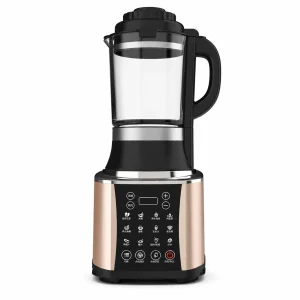
Perfect for preparing smooth, easily digestible meals (Kaigo-shoku) that meet strict food safety standards. Provides highly consistent pureeing to ensure patient safety and comfort.
Complete B2B product range engineered for commercial kitchens, export distributors, and appliance brands serving the Japanese market.
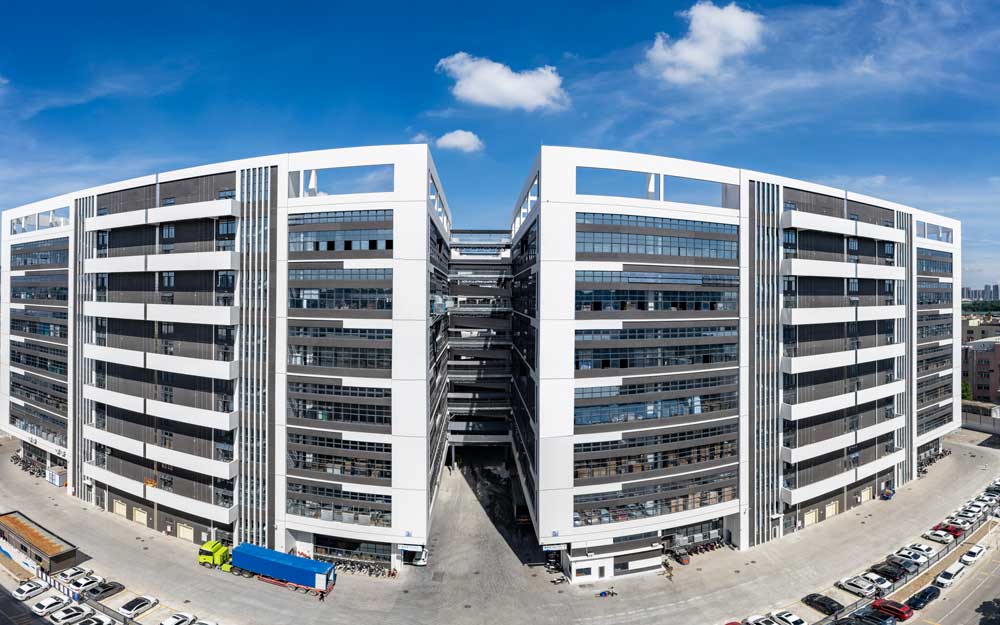
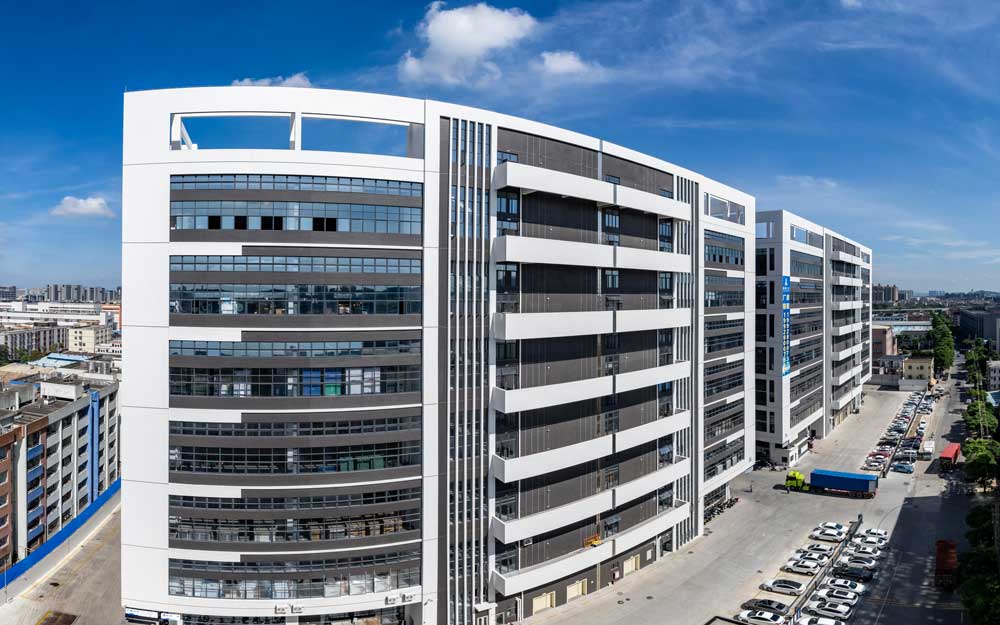
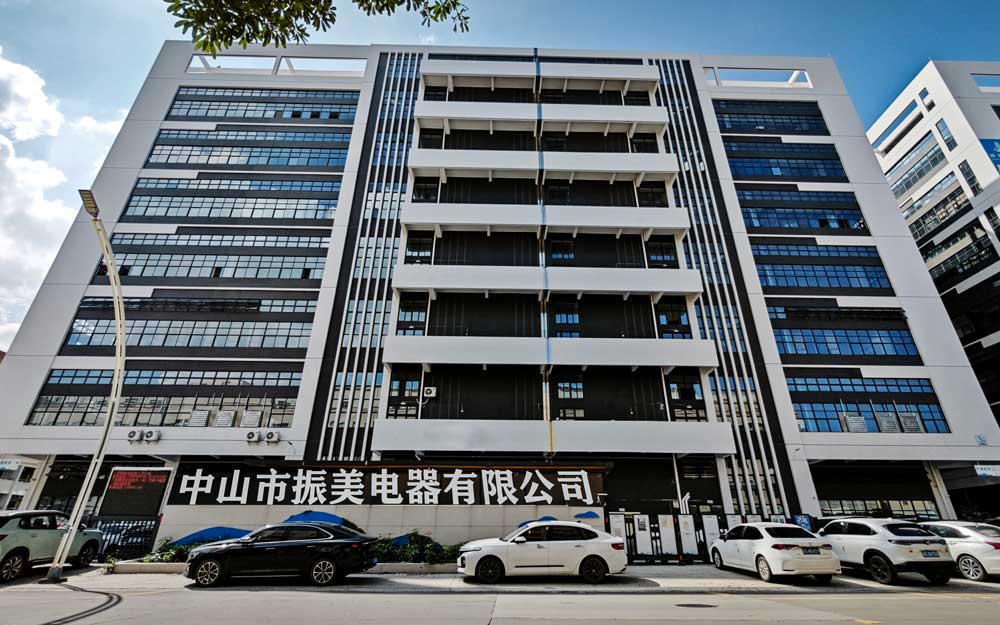
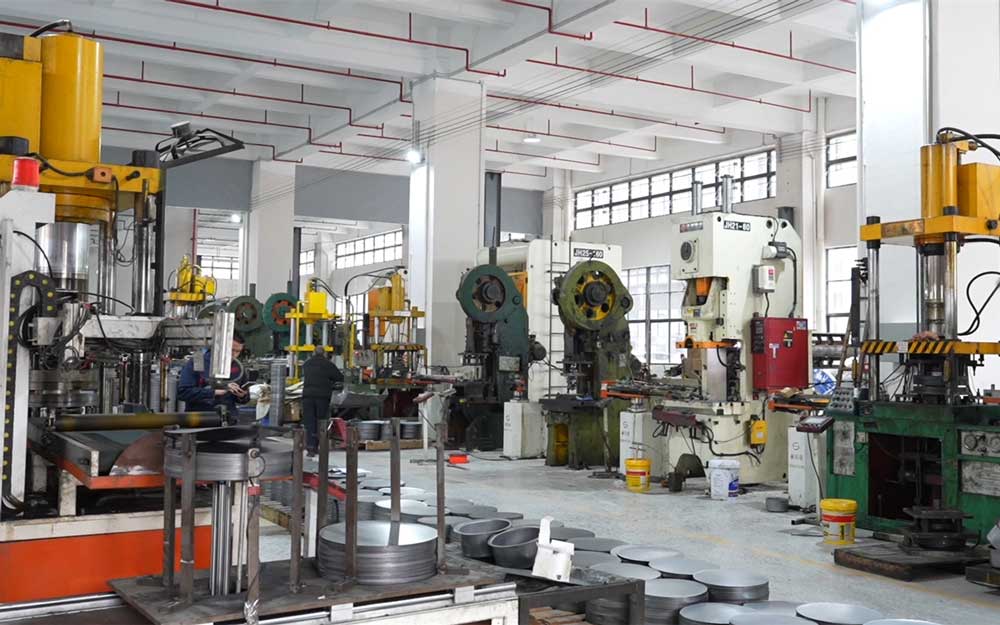
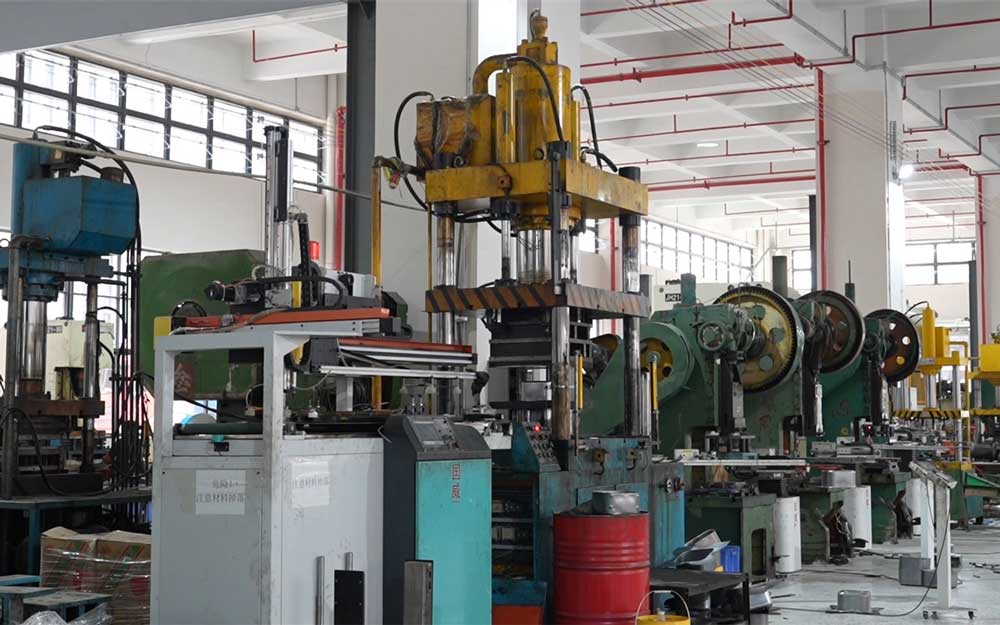
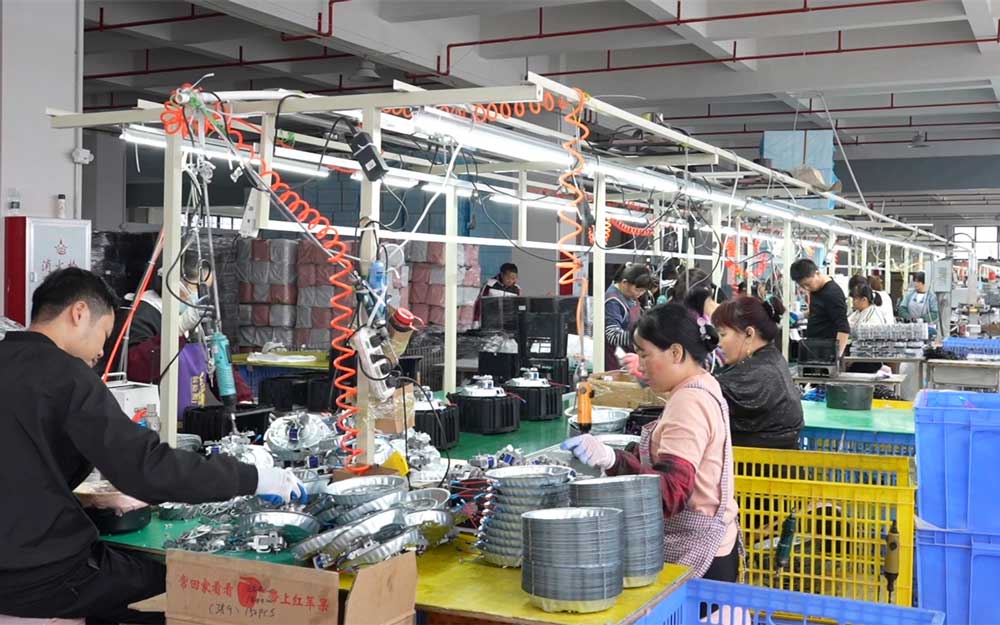
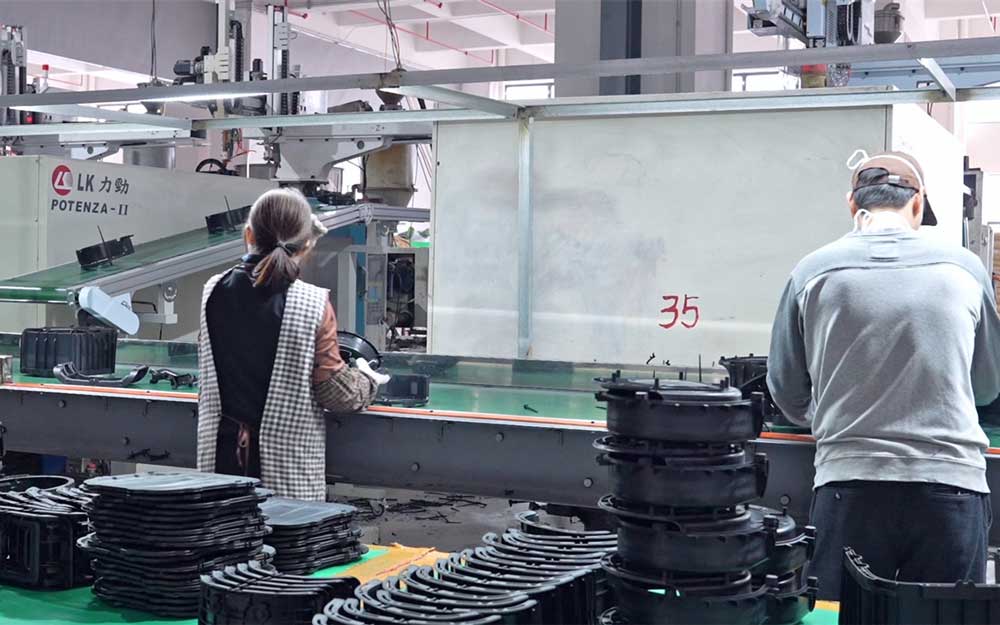
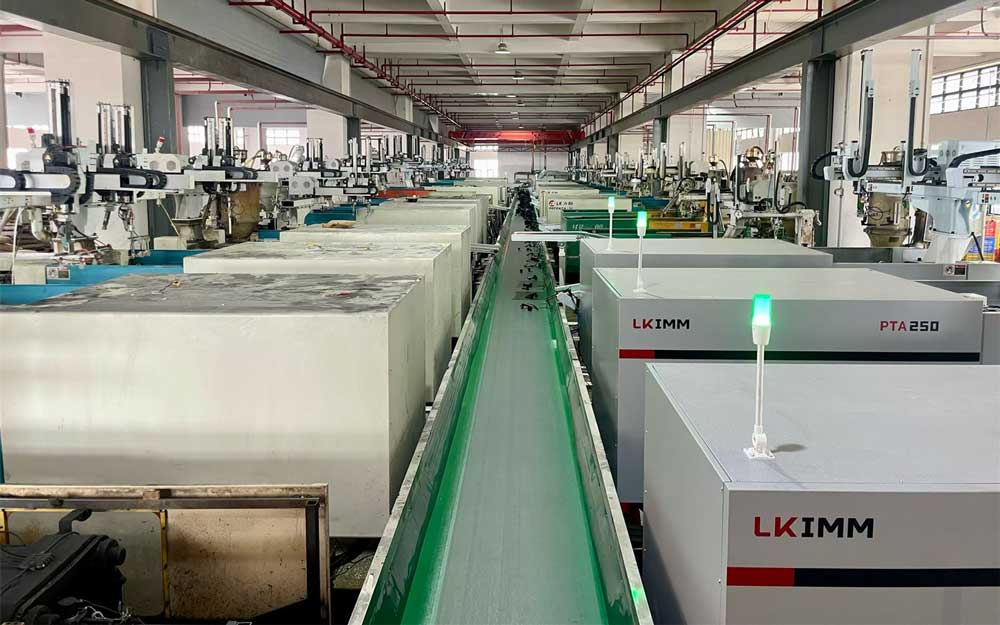
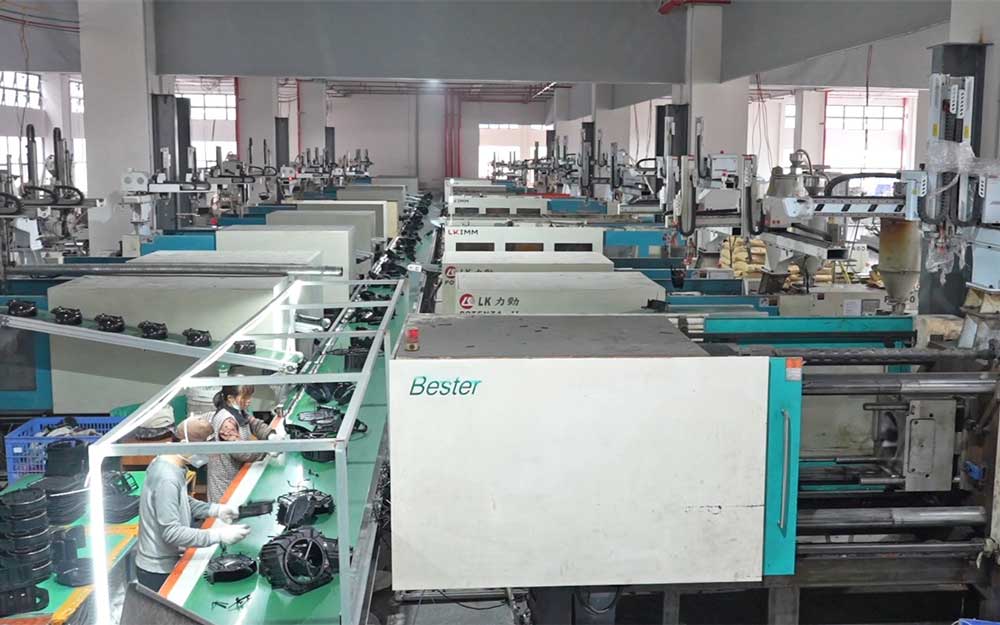
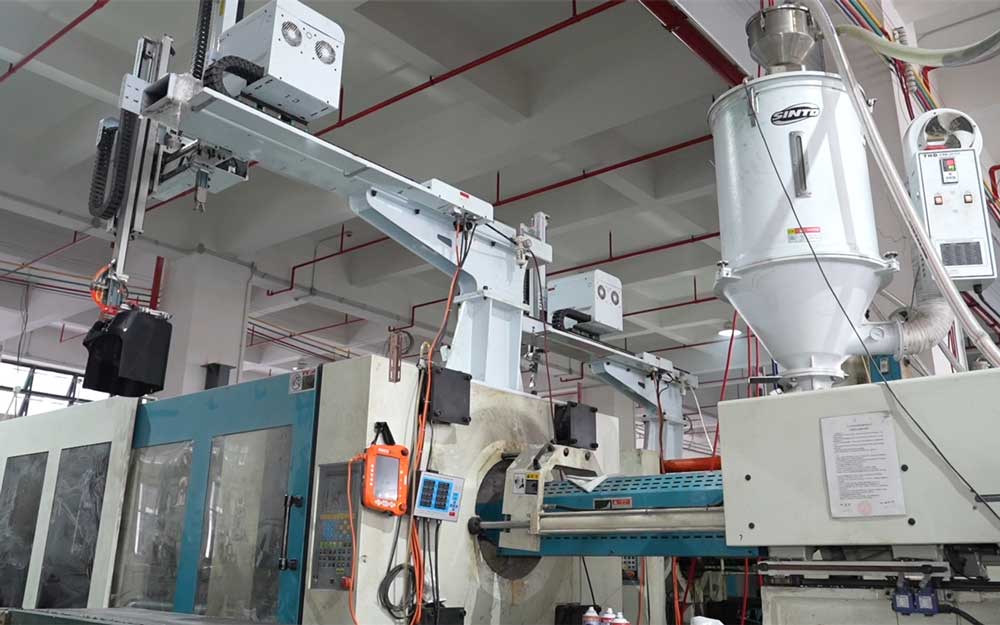
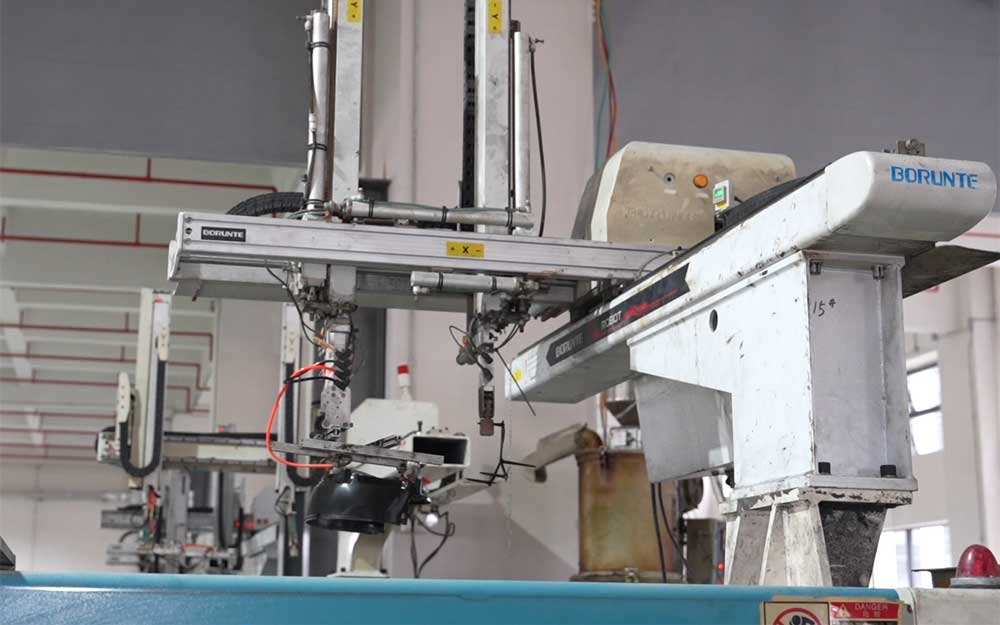
Operating a world-class production base equipped with automated assembly lines, precision quality testing laboratories, and dedicated R&D workspaces.
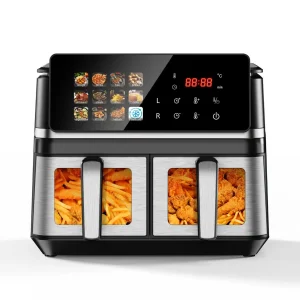
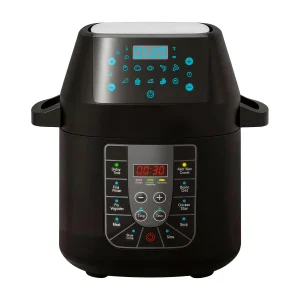
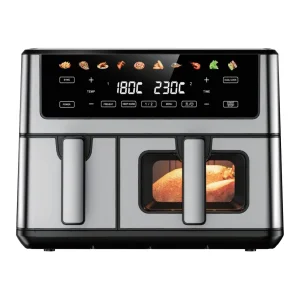
Zhongshan Zhenmei Electrical Appliance Co., Ltd. is a premier OEM/ODM partner specializing in the manufacturing of kitchen appliances, including air fryers, electric pressure cookers, blenders, and more. With over 16 years of expertise, we transform concepts into high-quality, market-ready products for leading global brands. Our strength lies in robust in-house manufacturing. Operating from a 40,000 sqm advanced facility, powered by 300+ dedicated professionals and 20+ R&D experts, we ensure precision and control at every stage.
Our massive 10,000+ units daily output reliably meets the demands of high-volume orders worldwide. We are committed to excellence, underpinned by a rigorous quality control system that guarantees the safety and reliability of every product. We are the trusted, end-to-end solution for your OEM/ODM needs. Choose us for innovation, scale, and reliability. Let's build your next success story together.
Essential business and technical answers for global distributors, appliance brands, and supply chain partners.
 Zhenmei Electrical