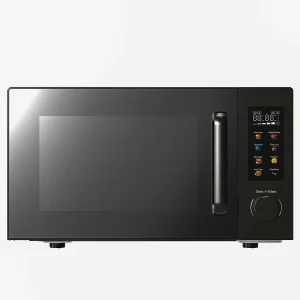
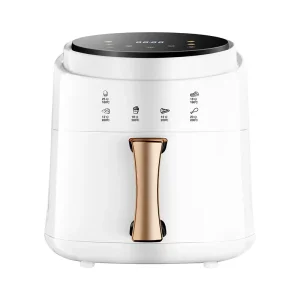
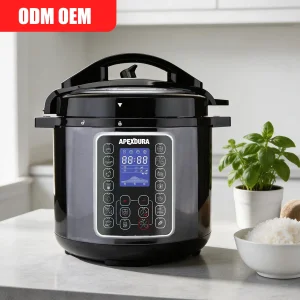
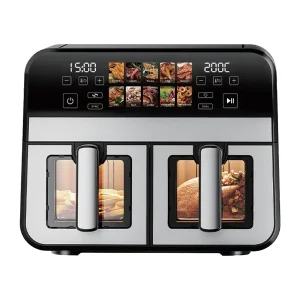
Premium selection of heavy-duty kitchen systems engineered for reliability, safety, and operational efficiency.
Decoding B2B purchasing demands, market segments, and industrial expectations for heavy-duty food preparation equipment.
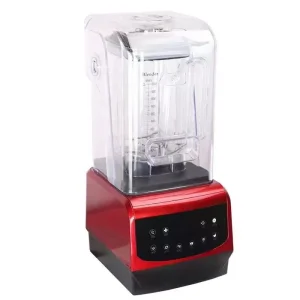
The global commercial and household kitchen blender market is undergoing a rapid technological evolution. In an era driven by culinary precision and operational scale, commercial venues, hotel chains, and retail brands require kitchen blending machinery that stands up to severe operating parameters. A high-quality kitchen blender is no longer characterized merely by motor rotation; it is defined by motor speed consistency under high torque, container resilience, acoustic dynamics, and intelligence in programmatic operation.
According to global procurement trends, tier-1 purchasing teams seek reliable "Wholesale Top Kitchen Blenders Factories" capable of navigating volatile raw material supply chains, compliance requirements like LFGB and FDA food-grade regulations, and electrical certifications (CE, CB, ETL, UL) necessary across different geographies.
Focuses on extreme high-power outputs (typically 1800W–2200W+), large capacity jars (2.0L–2.5L), impact resistance, and active cooling to sustain continuous operations in busy cafes and kitchens.
Global requirements dictate zero toxicity. Top factories provide Eastman Tritan BPA-Free or high-tempered borosilicate glass jars to conform with FDA, LFGB, and REACH regulations.
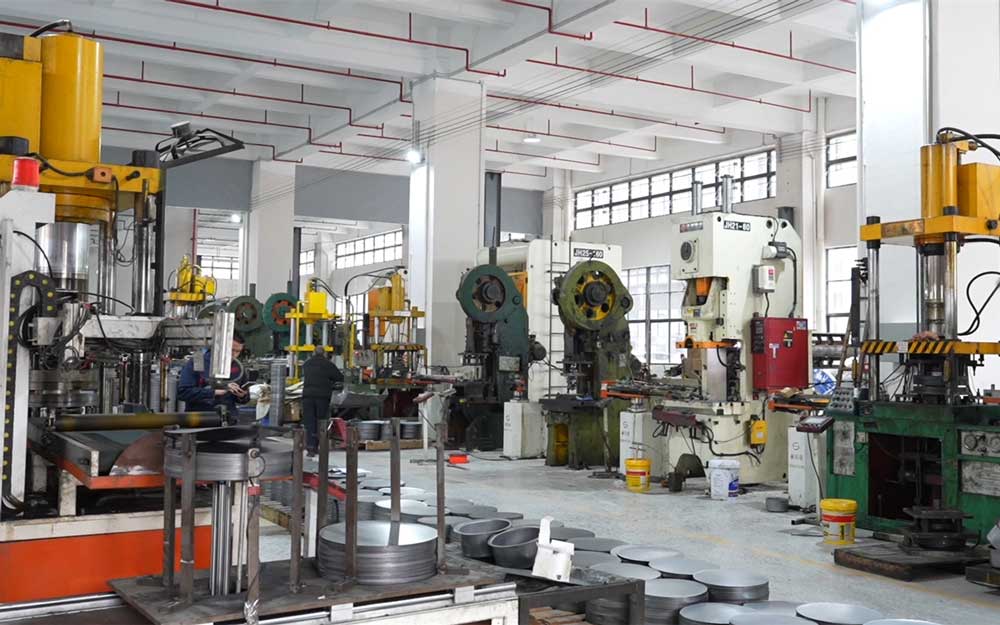
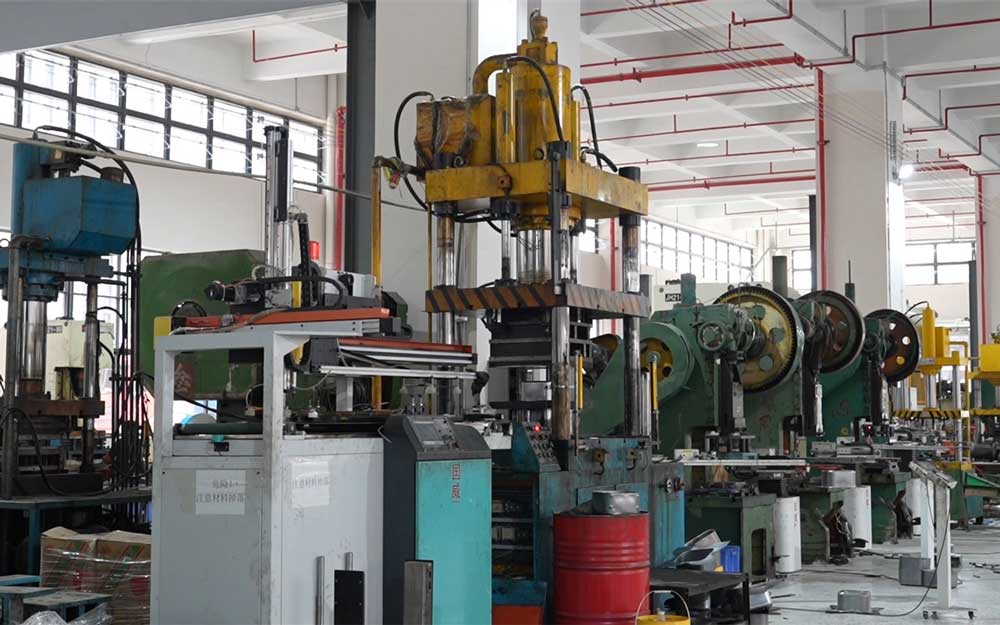
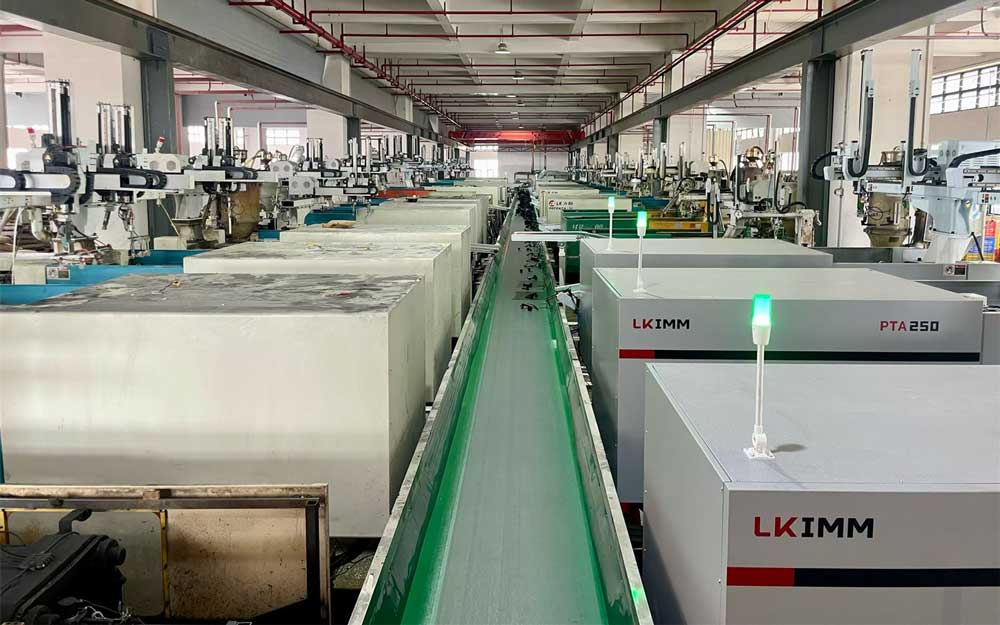
Distributors rely on factories with integrated tool-making, metal stamping, R&D labs, and high daily capacities to offset regional inventory disruptions and reduce lead times.
Your Trusted Premier OEM/ODM Kitchen Appliance Development and High-Volume Manufacturing Partner
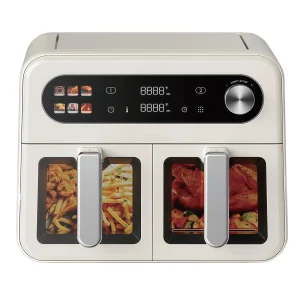
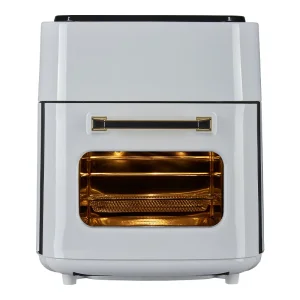
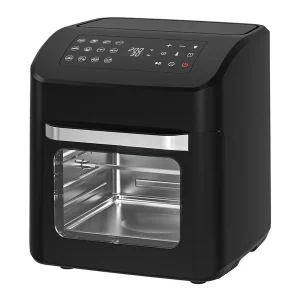
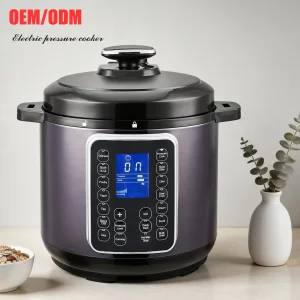
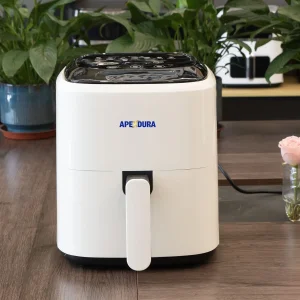
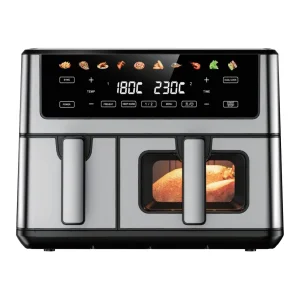
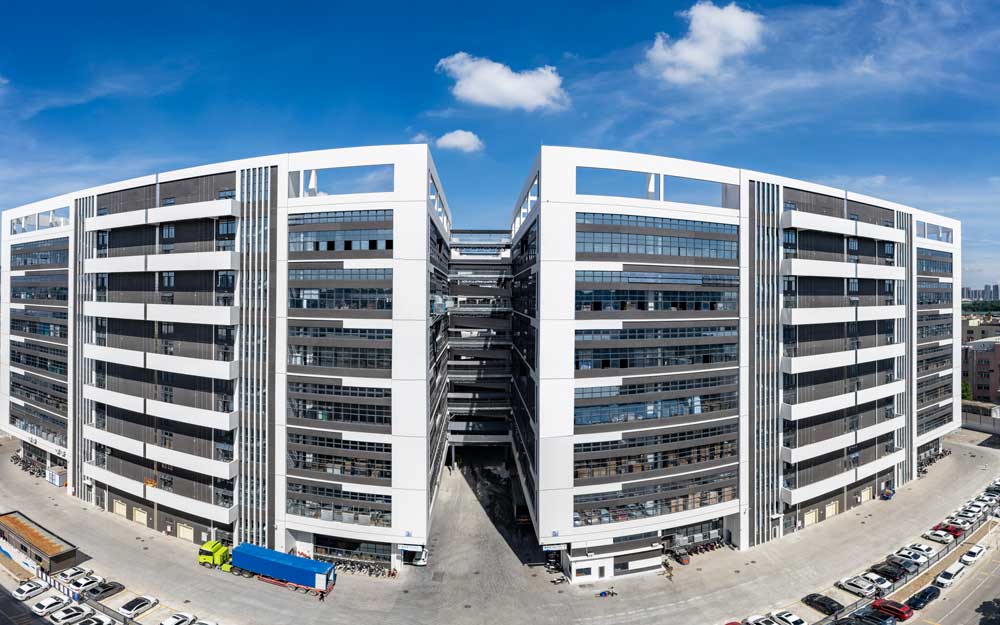
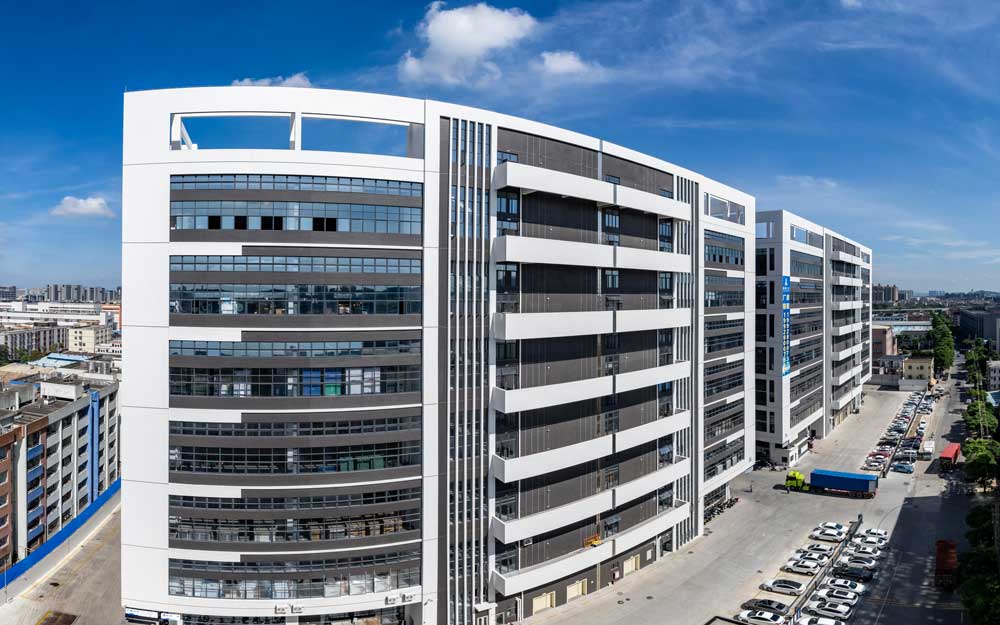
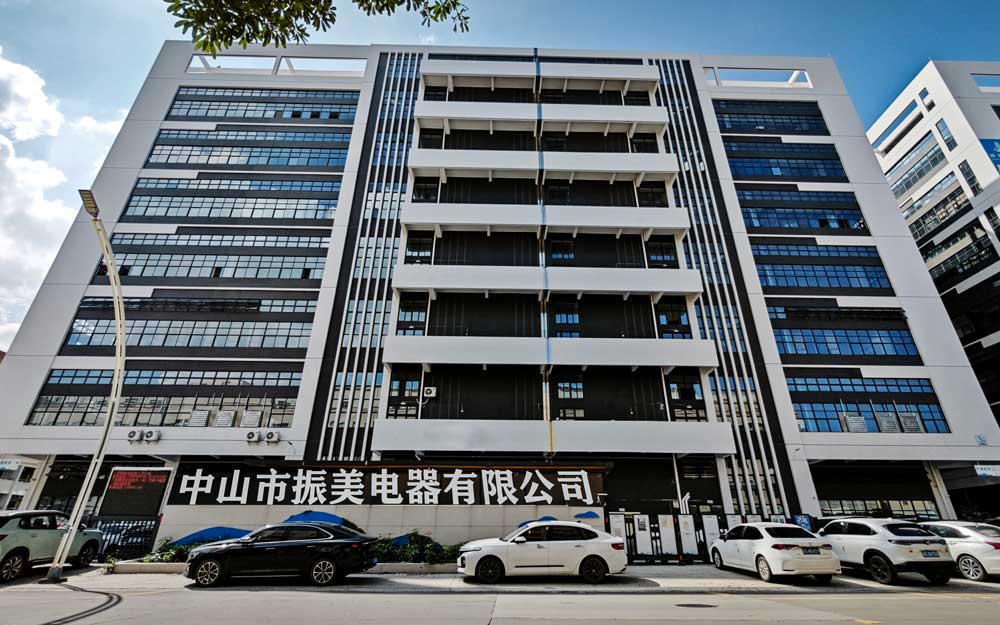
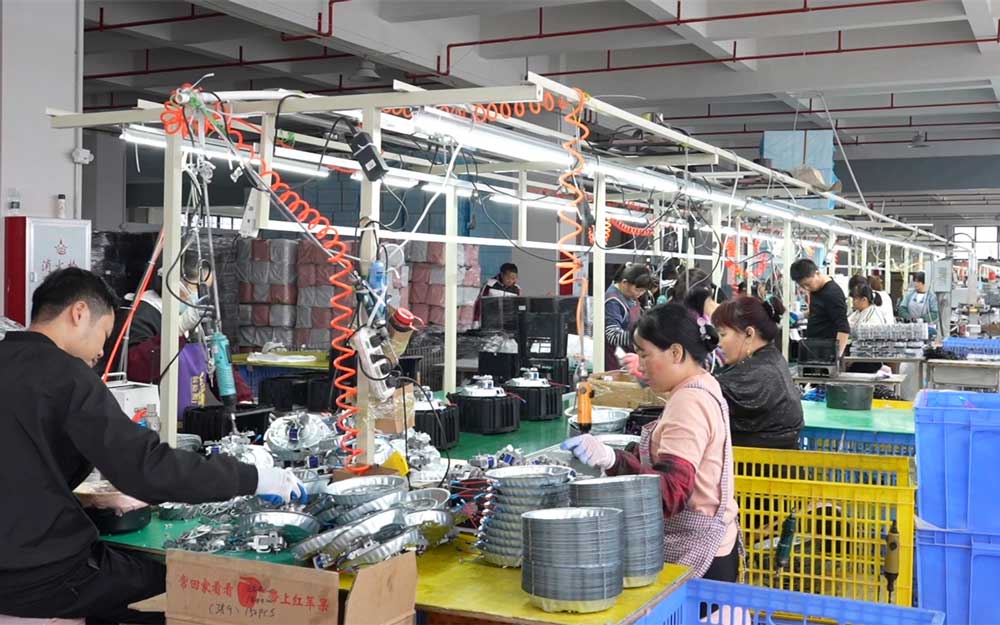
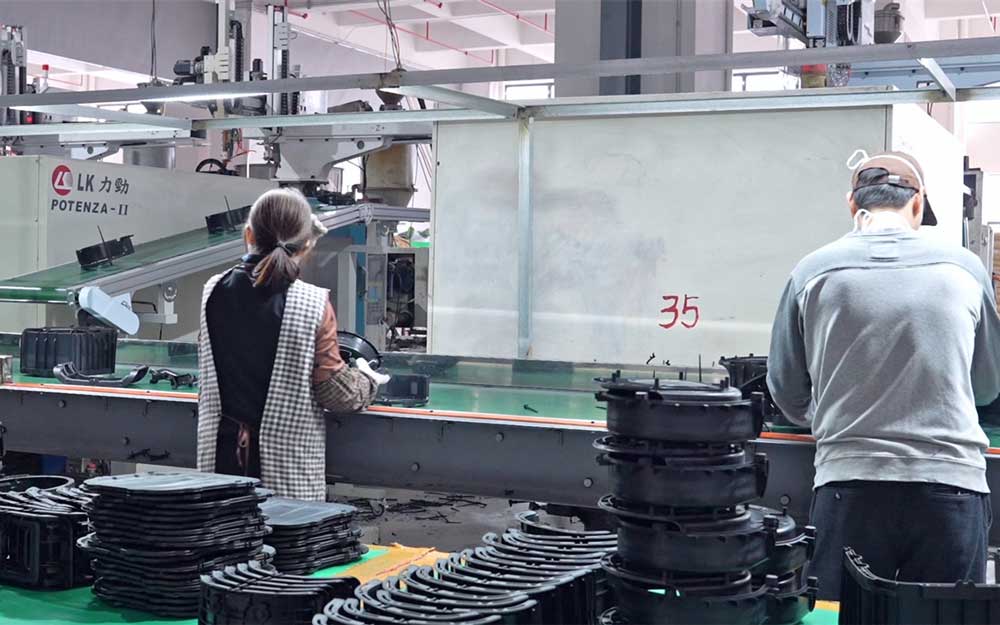
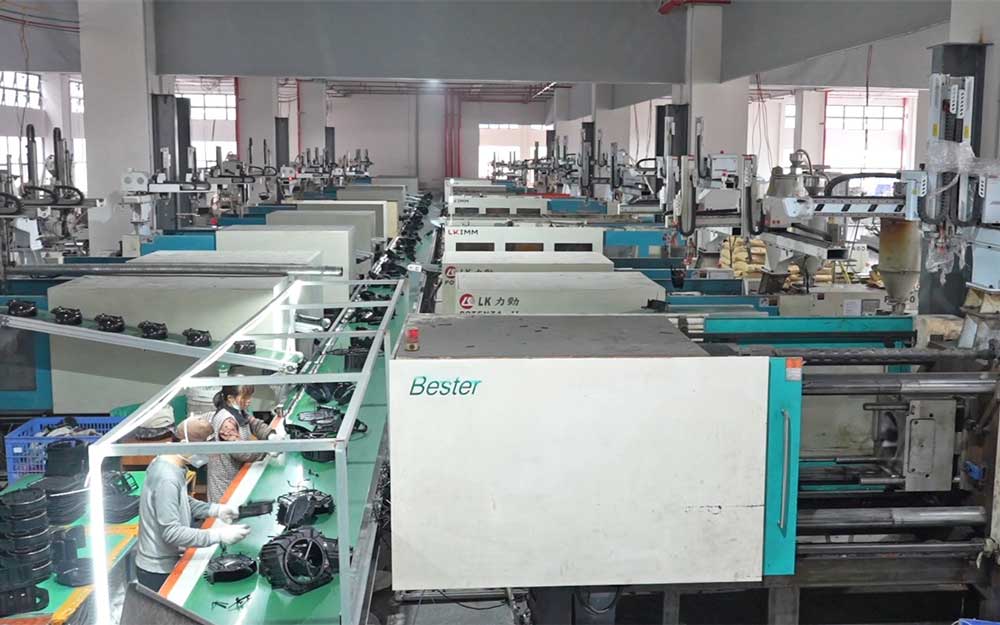
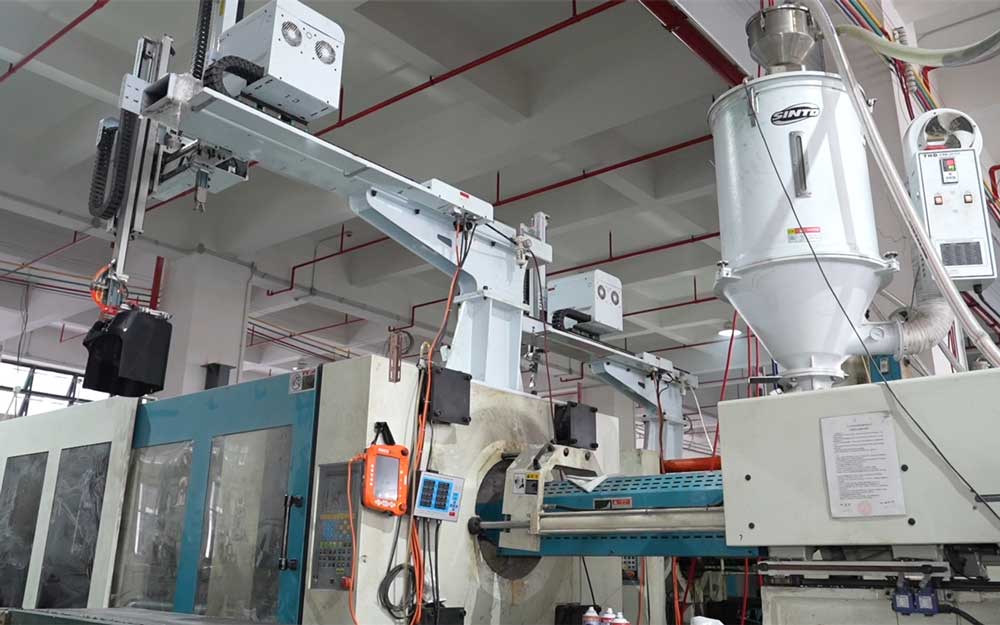
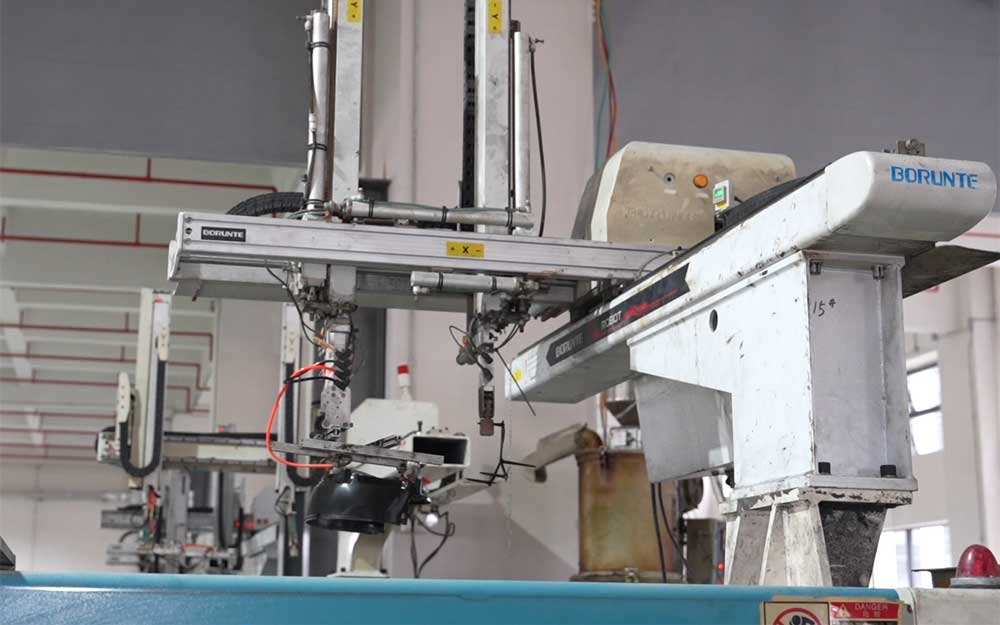
With over 16 years of manufacturing expertise, Zhongshan Zhenmei Electrical Appliance Co., Ltd. stands as a premier enterprise in the industry, engineering state-of-the-art kitchen appliances including high-speed blenders, multi-functional air fryers, electric pressure cookers, and high-performance meat grinders. Operating out of a massive 40,000 square meter advanced industrial facility, we integrate modern machinery and precise control systems to deliver elite market-ready kitchen hardware to globally recognized brands.
How our R&D department defines the future of smart blenders through mechanical and sensory innovations.
A high-quality kitchen blender is complex. Motor performance, thermal dissipation, blade design, and acoustic isolation must coordinate precisely. The R&D department at Zhongshan Zhenmei is pioneering mechanical advancements to transition traditional kitchen systems into intelligent appliances.
Conventional commercial blenders rely on high-consumption AC series motors. While powerful, they suffer from carbon brush wear and heat degradation. Our upcoming line incorporates Brushless DC (BLDC) motors, offering up to 35% higher energy efficiency, reduced wear, precise speed management, and quieter operation.
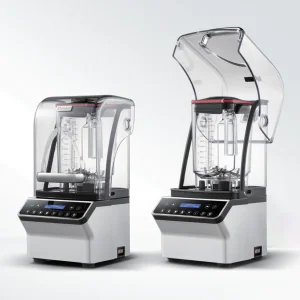
High speed produces high sound decibels. Our specialized sound enclosures use sound-damping double-polymer shields and optimized airflow channels. This reduces output sound to below 70 dB under maximum load, making it suitable for quiet cafes and domestic open-plan kitchens.
Modern culinary devices leverage intelligent sensing. Our advanced blenders feature load-detecting algorithms that monitor resistance on the blades. They dynamically adjust motor speed to process hard items (like ice or frozen fruit) without stalling or overheating, preserving nutrient integrity.
How Zhenmei collaborates with global brands to transition concepts into top-tier market assets.
A standard off-the-shelf product rarely satisfies the specific demands of a major brand. That is why Zhongshan Zhenmei prioritizes flexible and secure industrial solutions. We provide a complete pathway from raw concept to logistics fulfillment. Our R&D division works directly with your engineers, ensuring your private label line stands out in functional design and aesthetics.
Using 3D printing and CAD modeling, we build custom housing shapes, modify control interfaces, and customize jars to fit your brand identity. Our in-house mold facility develops proprietary tooling quickly and cost-effectively.
We adapt voltage configurations (110V-120V for North America, 220V-240V for the EU/Asia) and program custom speed sequences, pulse timings, and touch-screen LCD displays to meet your specifications.
Every design undergoes structural load testing, temperature rise evaluations, and decibel tests. This ensures the blender maintains high speed and structural integrity under prolonged daily use.
Managing regulatory standards and food-safety compliances for hassle-free worldwide distribution.
Entering international retail or commercial markets requires strict adherence to safety codes. Without proper certification, imported electrical appliances risk customs seizure, heavy fines, or commercial failure. At Zhongshan Zhenmei, we maintain a complete compliance framework that simplifies international importing for our clients.
Our internal quality control systems follow a strict process: Incoming Quality Control (IQC) monitors motor windings and PCB chips; In-Process Quality Control (IPQC) inspects assembly lines; and Final Quality Control (FQC) tests finished units under load before packing. This rigorous oversight keeps our batch defect rate significantly below the industry average.
Detailed answers to help global sourcing managers make informed decisions.
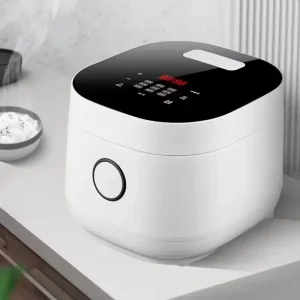
From high-speed blenders to smart multi-cookers, our products are engineered to optimize modern cooking spaces.
 Zhenmei Electrical