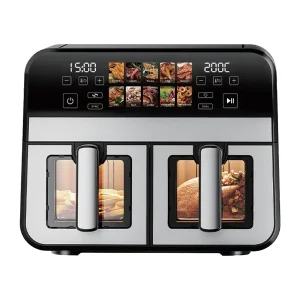
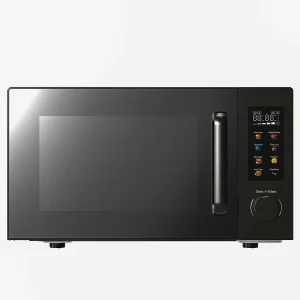
Wholesale Top Fufu Machines Manufacturers & Supplier

Innovative B2B Solutions for Commercial and Industrial Staples Processing Systems Worldwide

Industrial Production Capacity & OEM Expertise

Connecting innovative food processing demands with standardized, high-efficiency manufacturing capabilities.

Core manufacturing advantages

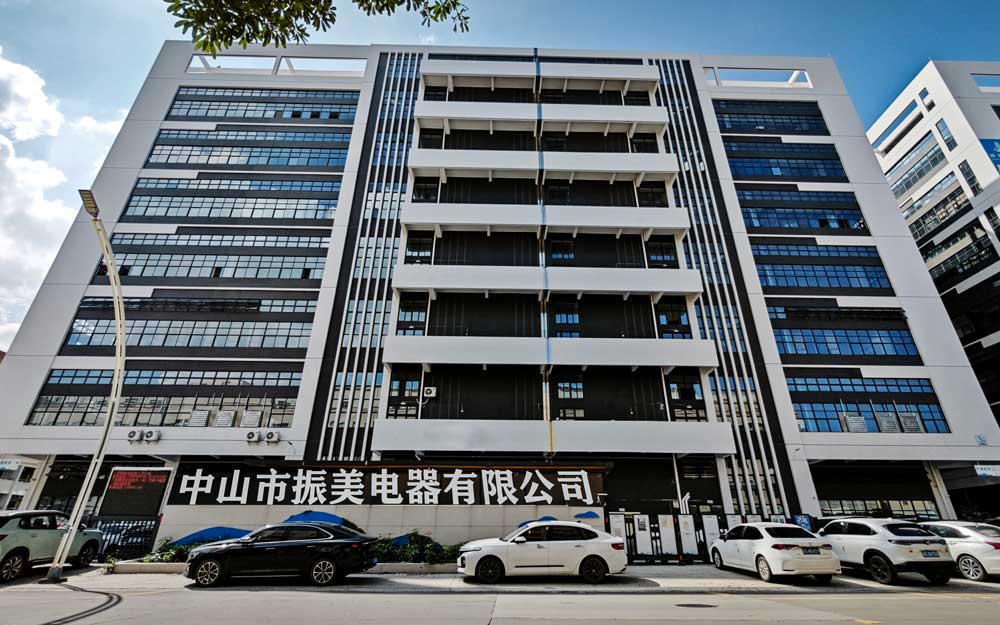
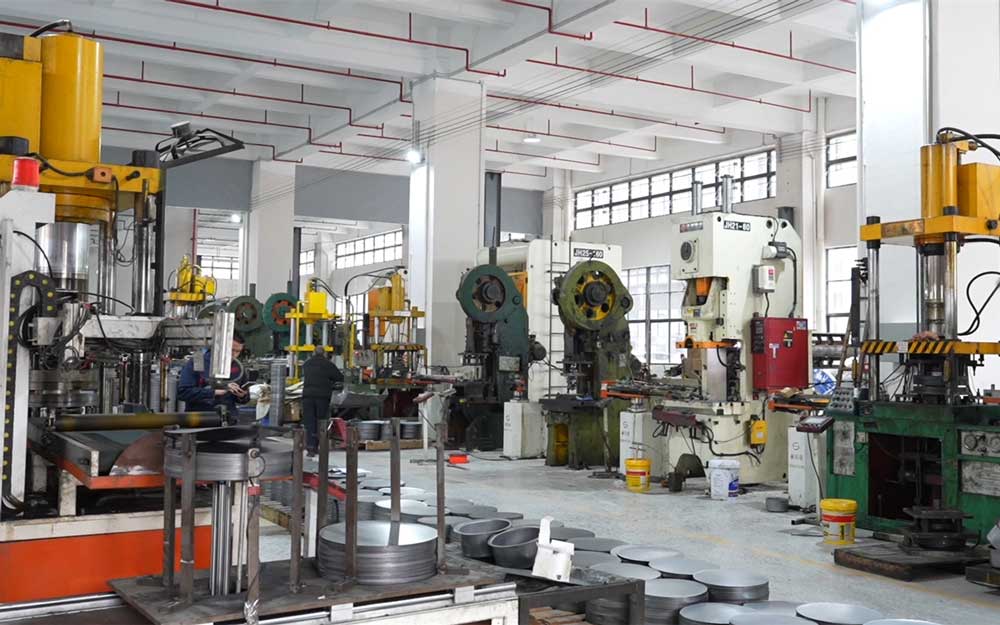
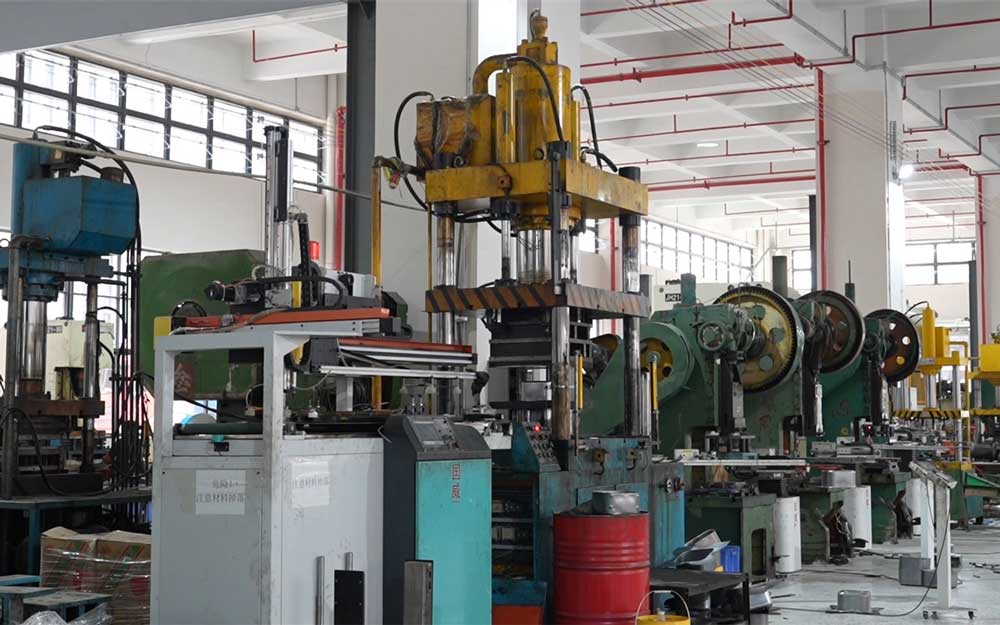
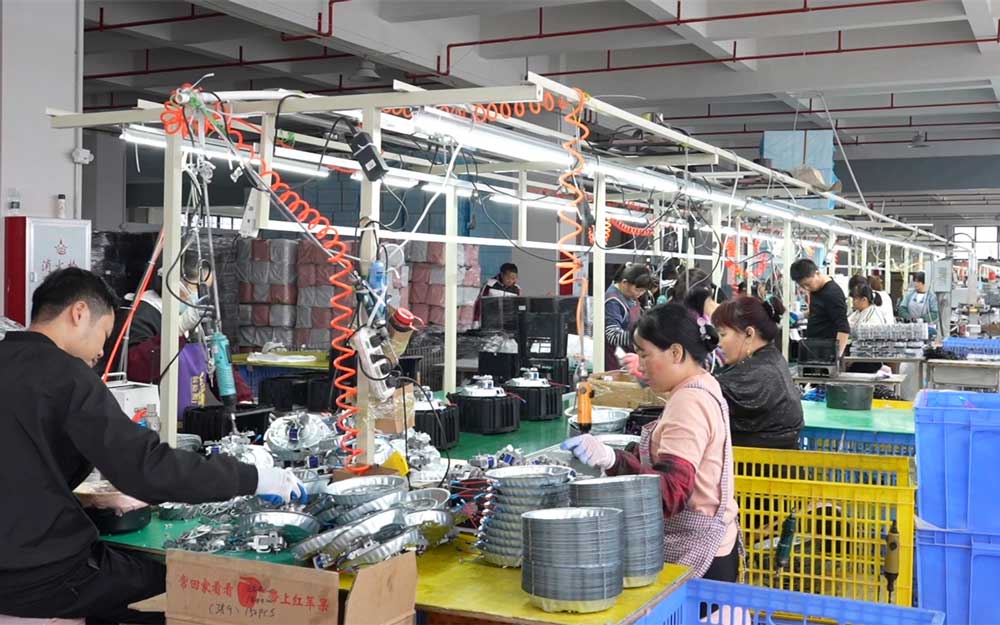
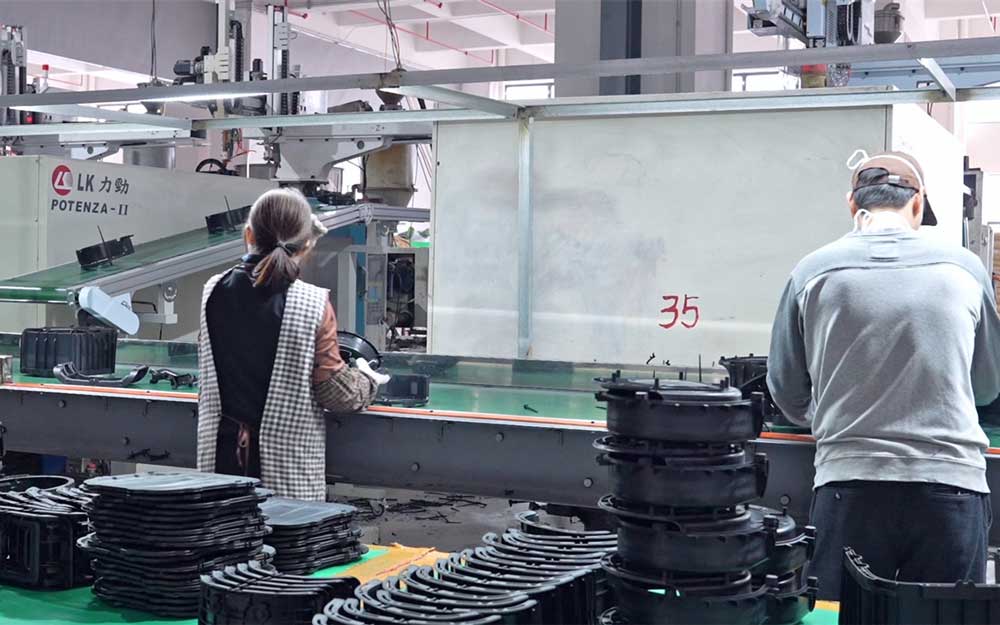
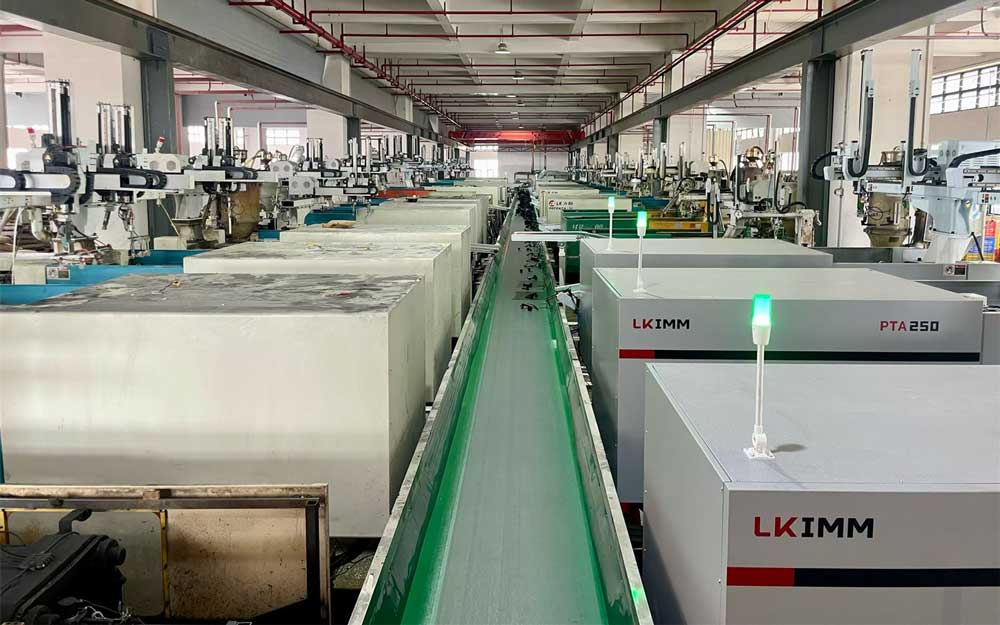
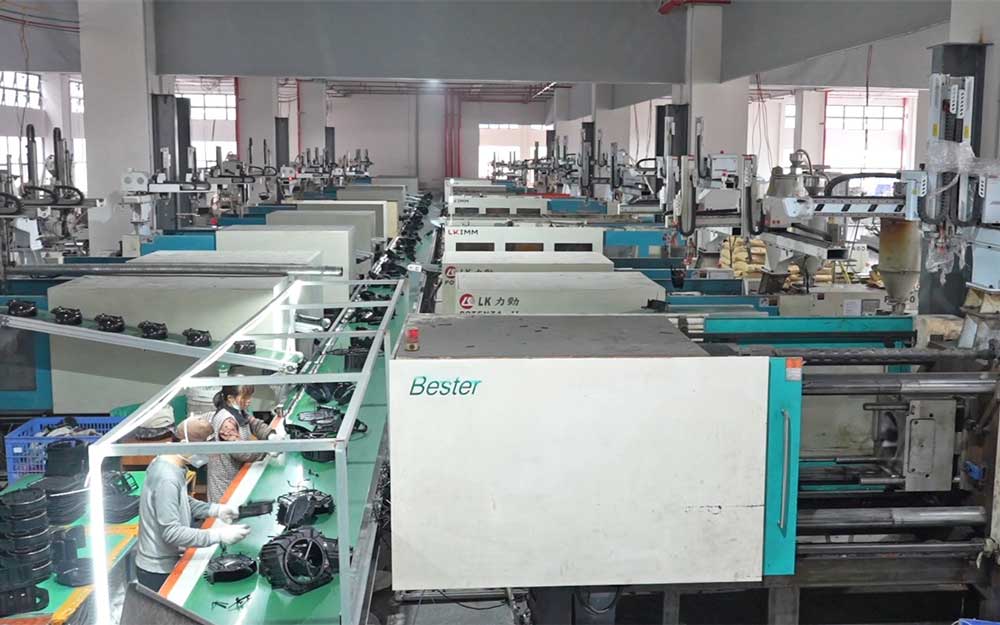
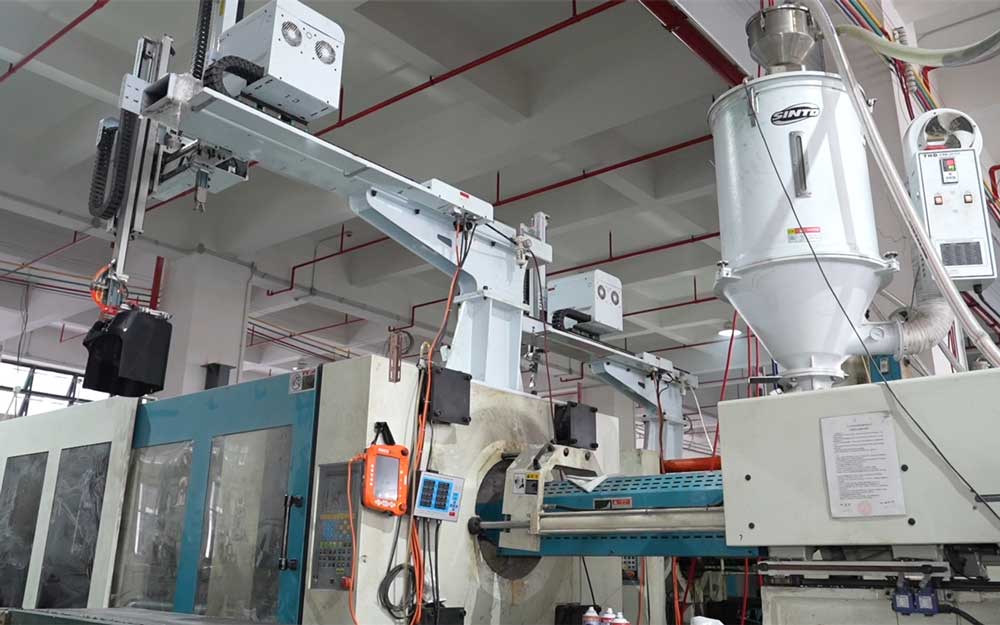
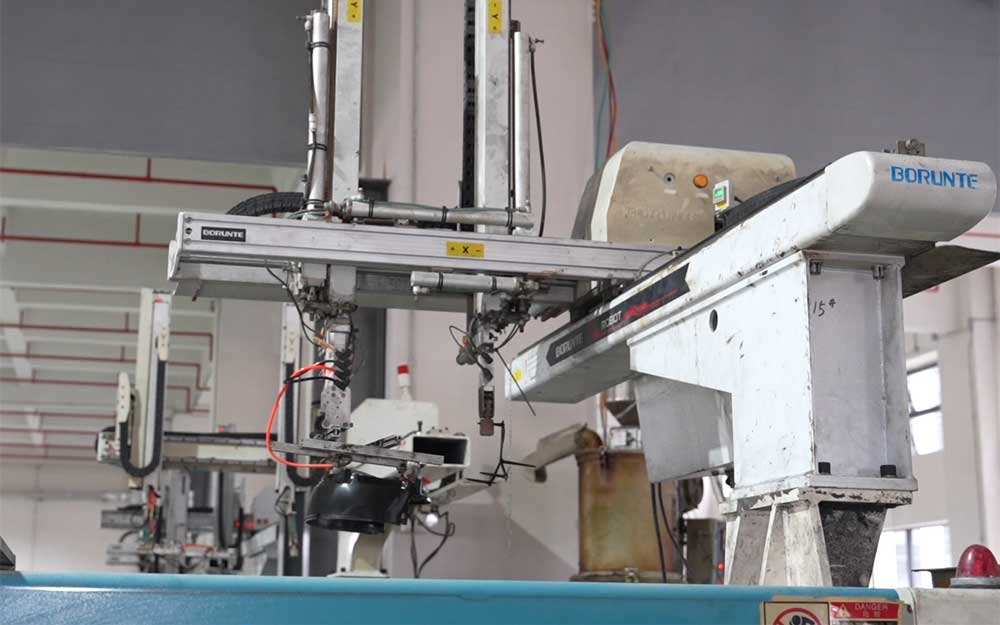
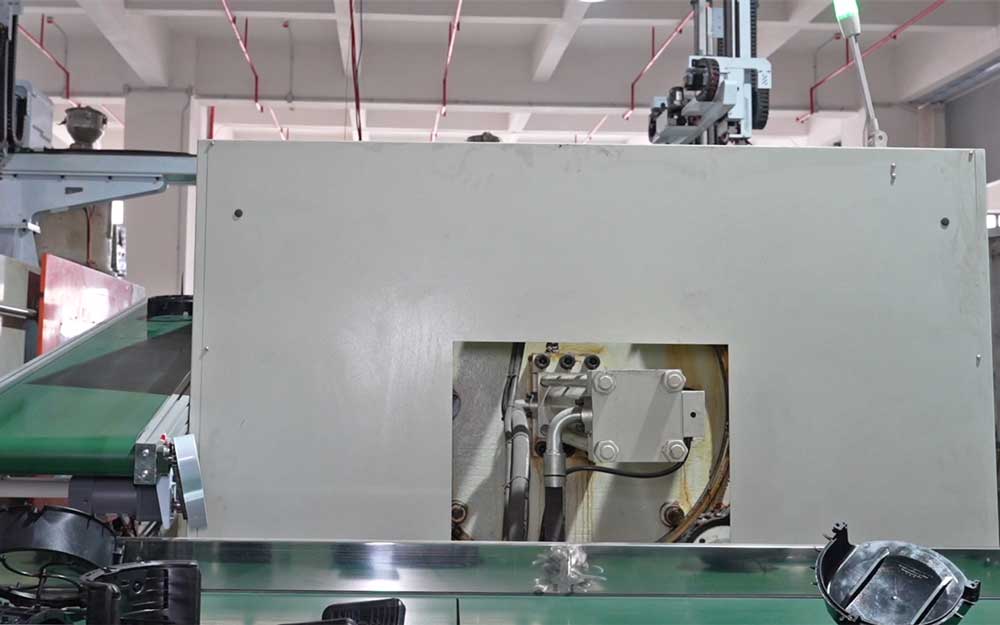
Our strength lies in robust in-house manufacturing. Operating from a 40,000 sqm advanced facility, powered by 300+ dedicated professionals and 20+ R&D experts, we ensure precision and control at every stage.

High Volume & Quality

Our massive 10,000+ units daily output reliably meets the demands of high-volume orders worldwide. We are committed to excellence, underpinned by a rigorous quality control system that guarantees the safety and reliability of every product.

Trusted OEM/ODM Partner

We are the trusted, end-to-end solution for your OEM/ODM needs. Choose us for innovation, scale, and reliability. Let's build your next success story together. Zhongshan Zhenmei Electrical Appliance Co., Ltd. is a premier partner specializing in kitchen appliances.

16+
Years of R&D Experience
40,000㎡
Modern Production Base
10,000+
Daily Output Capacity
300+
Skilled Production Team

Commercial Fufu Processing: Global Market Demands & Technical Optimization

Across West Africa, the Caribbean, and expanding diaspora hubs globally, staple dishes like Fufu, Poundo Yam, and Ugali hold profound cultural significance. Traditionally, preparing these starch-based culinary staples required intensive manual labor—pounding boiled cassava, yams, or plantains with heavy wooden pestles in mortars. Modern urbanization, rising hygiene standards, and commercial culinary time constraints have created a massive shift toward automated processing machinery. For global procurement agents, distributors, and appliance brands, partnering with the right manufacturing facility is the key to capturing this high-growth market segment.

Information Gain Insight: While traditional household blenders fail under high torque requirements and standard food processors burn out quickly, specialized commercial Fufu machines utilize heavy-duty planetary gear systems, dedicated motor cooling channels, and heat-resistant, high-viscosity chambers to process dense doughs without physical breakdown.

1. The Mechanical Engineering Challenges of Processing High-Viscosity Foods

Fufu is not a typical liquid or light batter; it is a highly viscous, sticky, and elastic starch paste. Processing this substance mechanically requires engineering considerations that standard home food processors are simply not built to handle:

  • Torque Density & Motor Survival: As the starch gelatinizes during thermal preparation, the viscosity increases exponentially. A standard blender motor will stall, overheat, and short-circuit. Commercial fufu machines must utilize industrial-grade, copper-wound motors equipped with high-ratio gear reductions to deliver high torque at moderate RPMs (typically 60–120 RPM for kneading).
  • Thermal Integration (Knead & Cook Technology): Authentic preparation requires simultaneous cooking and mixing to ensure the starch granules swell and gelatinize evenly. Advanced machinery must integrate precise heating elements (either Induction Heating or Direct Thermoblock elements) with heavy-duty sweep paddles to prevent scorching at the base of the chamber.
  • Food-Safe Material Durability: The constant abrasive force of starch movement requires robust, scratch-resistant chambers. Top-tier manufacturers utilize Food-Grade SUS304 Stainless Steel or custom-engineered food-safe non-stick coatings that are completely free from PFOA and heavy metals, passing strict FDA, LFGB, and CE certifications.

2. Technical Parameter Specifications of Top-Tier Machinery

Below is a comparative breakdown of key components integrated into premium multi-functional food and starch processing platforms, helping commercial sourcing directors evaluate quality structures:

Specification Parameter Commercial Grade (Medium/High Volume) Industrial Grade (Food Processing Hubs)
Motor Power Rating 1200W – 1800W Copper Motor 2200W – 3500W Brushless Induction Motor
Heating Elements Dual-zone integrated heating (1500W) Precision electromagnetic induction (2500W+)
Mixing System Planet-style rotation with silicone scraping edges Multi-axis contra-rotating scraper blades
Control Panel Interface HD Smart Touch with pre-programmed menu cycles Programmable PLC with speed/heat curve adjustments
Certifications CE, CB, GS, RoHS, LFGB, FDA CE, UL, NSF, KC

3. Localized Application Scenarios & User Intent Mining

Understanding where these machines deploy allows distributors to optimize their local positioning. The demand profile varies extensively based on geographic and target group profiles:

A. Commercial Kitchens & West African QSRs (Quick Service Restaurants)

In high-traffic urban locations such as Lagos, Accra, and London's multicultural boroughs, speed of service is critical. Restaurants require commercial food makers that produce consistent, lump-free fufu within 10 to 15 minutes per batch. Safety features like automatic shut-offs and overload protection are essential in busy commercial environments.

B. Industrial Processing Hubs & Diaspora Supply Chains

Packaged, pre-cooked, and vacuum-sealed food solutions are seeing massive growth in Europe and North America. Industrial-grade mixers cook, pound, and dispense starch bases into automatic packaging lines, preserving food freshness while ensuring absolute sterilization and consistency.

C. High-Capacity Institutional Kitchens

Universities, boarding schools, corporate cafeterias, and governmental institutions require high-capacity, heavy-duty processing systems. Durability, easy sanitization (Clean-In-Place systems), and minimal training requirements are the key metrics for procurement in these sectors.

4. Why China's Supply Chain Ecosystem Drives Manufacturing Excellence

Zhongshan Zhenmei Electrical Appliance Co., Ltd. operates in the heart of China’s premium home appliance manufacturing cluster. Leveraging China's industrial advantages yields major commercial benefits for global B2B buyers:

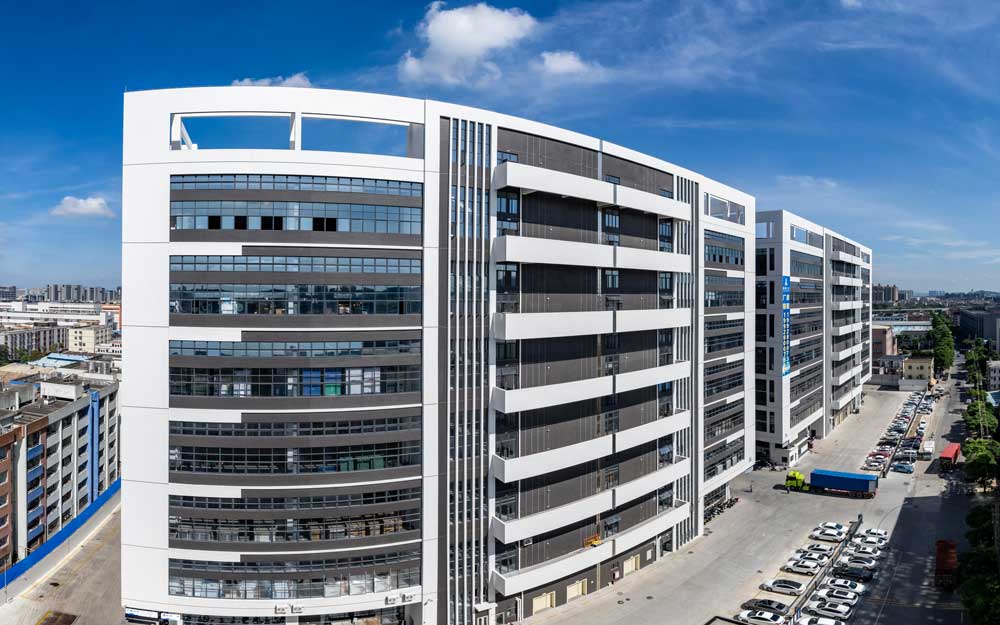
  • Integrated Component Supply Chains: From high-torque precision motors to custom mold manufacturing and food-grade metal stamping, the proximity of raw materials and parts ensures reduced production lead times and lower logistical costs.
  • R&D Agility & Rapid Prototyping: Backed by a team of 20+ specialized R&D engineers, we can develop, test, and refine prototype appliances in weeks rather than months, helping OEM partners launch trending products ahead of competitors.
  • Highly Standardized Quality Control: Modern facilities employ rigorous QC protocols, including motor torque testing, high-voltage insulation tests, life-cycle durability runs, and food-safe chemical testing to ensure 100% compliance with international standards.

Expert Frequently Asked Questions (FAQ)

Professional answers to common commercial, engineering, and manufacturing questions for B2B procurement professionals.

Q1: Why do standard food processors and blenders fail when processing fufu?
Standard mixers and home food processors use high-speed, low-torque motors designed for chopping and blending liquids. Fufu dough becomes highly viscous and sticky when hot. This creates high resistance, stalling standard motors and causing thermal overload. Specialized commercial fufu machines utilize high-torque copper motors paired with reduction gears to knead and pound heavy doughs without burning out.
Q2: What materials are used to ensure the safety and longevity of the cooking bowl?
We use premium Food-Grade SUS304 Stainless Steel or die-cast aluminum coated with food-safe, high-temperature non-stick materials. These materials are 100% PFOA-free, heavy metal-free, and comply with international regulations such as FDA and LFGB. This design prevents sticking and makes cleaning easy.
Q3: Can your production line customize voltage configurations for different countries?
Yes. As an experienced OEM/ODM manufacturer, we customize voltage configurations to meet target market requirements. This includes 220V-240V for West Africa, Europe, and the UK, and 110V-120V for the North American market, complete with region-specific plug certifications.
Q4: What certifications do your kitchen appliances hold for import compliance?
Our products undergo testing to meet international safety and hygiene standards. Our certifications include CE, CB, GS, RoHS, LFGB, and FDA, which helps simplify customs clearance and distribution in Europe, Africa, and the Americas.
Q5: What is the typical lead time for custom OEM/ODM orders?
For initial customized OEM orders, the lead time is usually 35 to 45 days. This includes custom branding, packaging design, and trial runs. Repeat orders typically ship within 30 days, supported by our high daily output capacity.
Q6: How does your factory handle quality control during mass production?
We employ a strict quality management system. This includes Incoming Quality Control (IQC) on raw materials, In-Process Quality Control (IPQC) on production lines, and Outgoing Quality Control (OQC) checks. Every machine undergoes electrical safety and motor performance testing before packaging.
Q7: Can your machines process other thick-textured traditional dishes?
Yes. The high-torque mixing and heating system is highly versatile. It can process a variety of starch-based foods such as Poundo Yam, Ugali, Banku, Mofongo, and polenta, making it an excellent multipurpose machine for global markets.
Q8: What after-sales support and spare parts policy do you offer to distributors?
We provide a 1-year warranty on all key components, including motors and PCBs. We also include a percentage of free wear-and-tear parts (such as mixing paddles, seals, and switches) with every container order to help distributors handle local support efficiently.