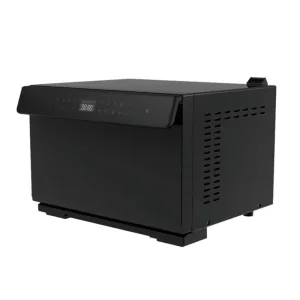
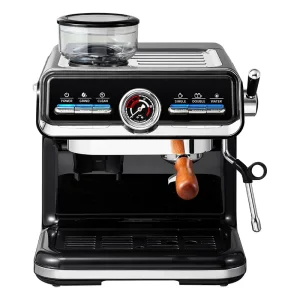
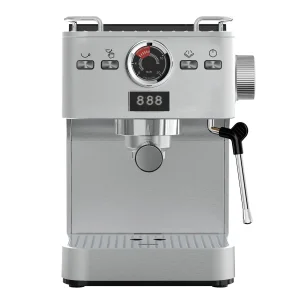
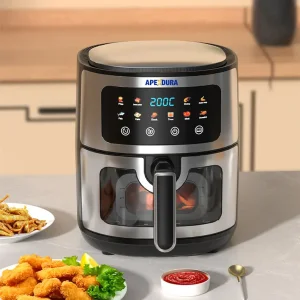
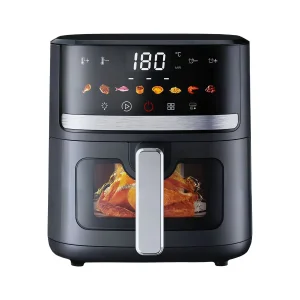
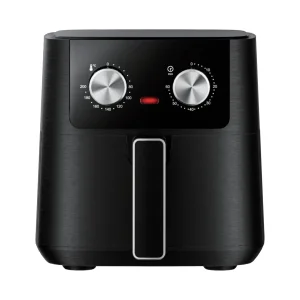
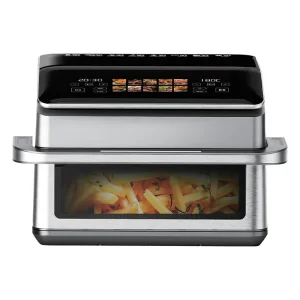
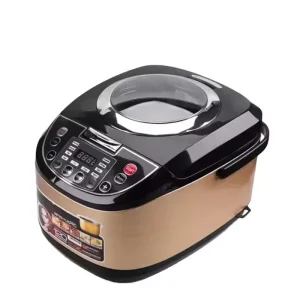
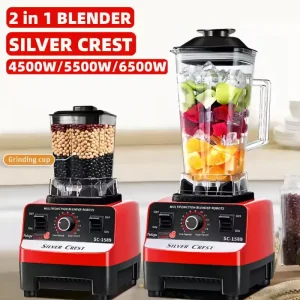
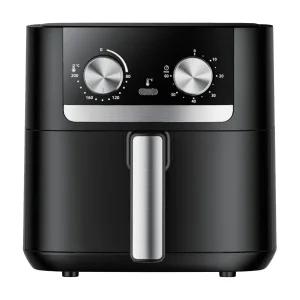
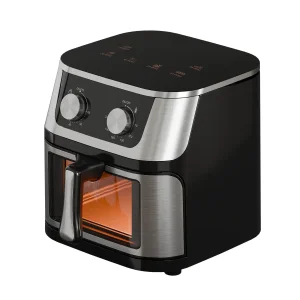
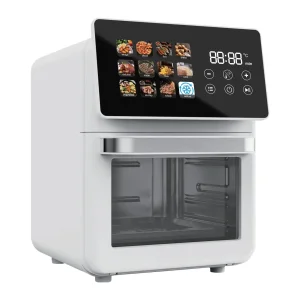
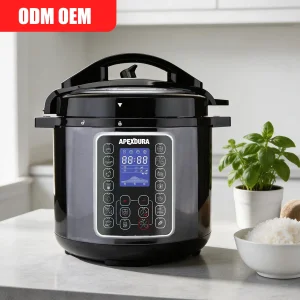
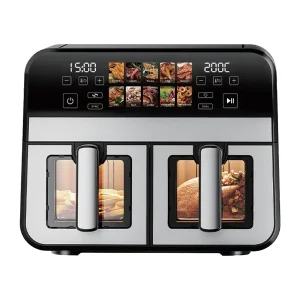
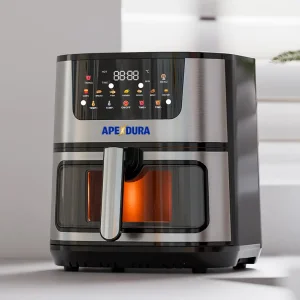
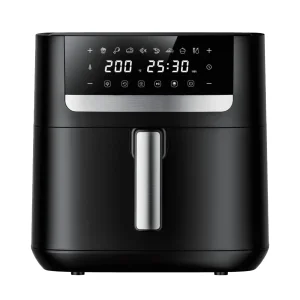
Explore our elite range of advanced thermal cookers, smart air fryers, and multi-functional kitchen systems engineered for international retail markets.
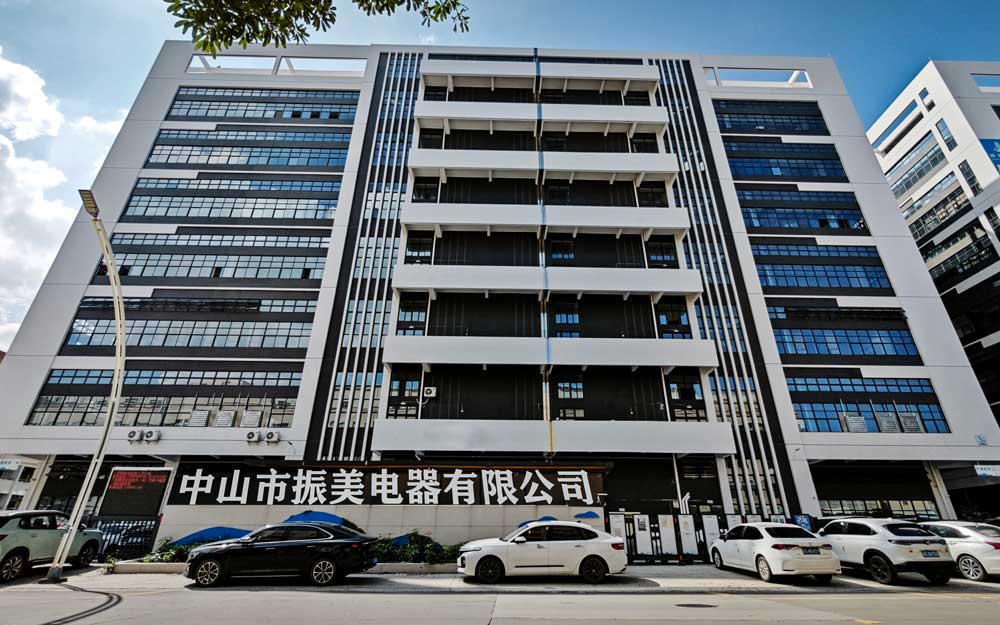
Zhongshan Zhenmei Electrical Appliance Co., Ltd. represents the apex of commercial manufacturing competence.
Zhongshan Zhenmei Electrical Appliance Co., Ltd. is a premier OEM/ODM partner specializing in the engineering, design, and high-volume manufacturing of modern kitchen appliances, including smart air fryers, electric pressure cookers, commercial blenders, and built-in steam ovens. With over 16 years of industry expertise, we systematically transform conceptual product briefs into high-utility, market-ready appliances for leading global consumer electronics brands and commercial distributors.
Our operation is anchored in specialized technical competence. We understand that localizing products for global deployment requires more than simple raw material processing. It necessitates deep metallurgical research, custom PCB engineering, thermal efficiency calibration, and rigorous safety tests. By utilizing advanced heating matrices and micro-controlled sensor units, we ensure that every batch of appliances meets and exceeds consumer expectations for precision, longevity, and ease of use.
Our vertically integrated supply chain controls precision at every point of the manufacturing lifecycle.
Driven by 20+ dedicated research and development engineers, we hold multiple proprietary patents in thermodynamic modeling and electronic circuit board configurations, facilitating rapid prototyping within 15 working days.
Our ISO 9001 quality infrastructure monitors production across multi-phase checklists: Incoming Quality Control (IQC), In-Process Quality Control (IPQC), and Final Quality Control (FQC).
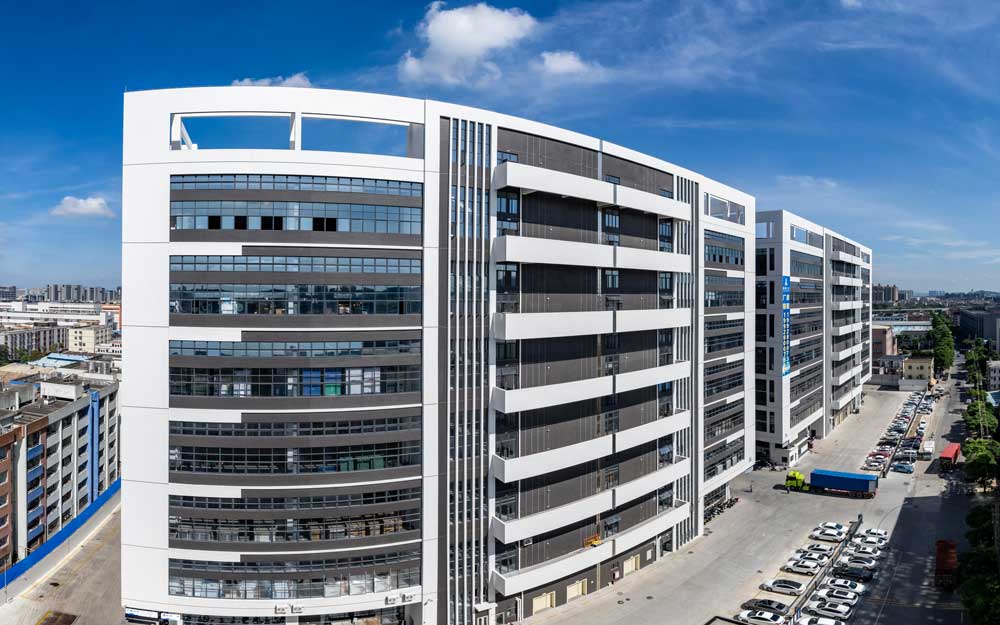
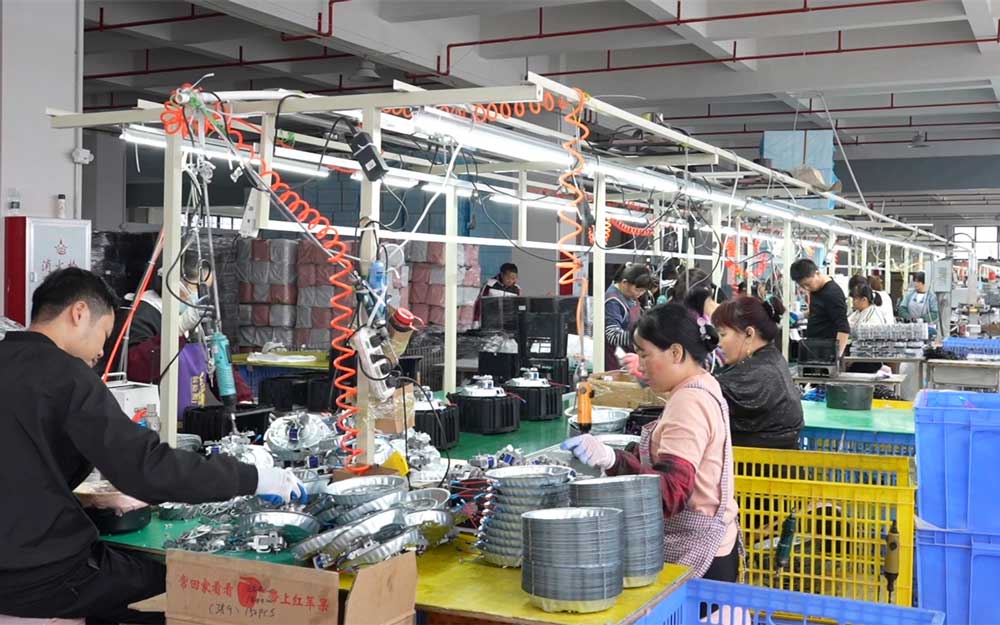
Deploying 40,000 square meters of dedicated production space allows us to maintain a daily output rate of over 10,000 high-capacity kitchen appliances to meet tight retail distribution timelines.
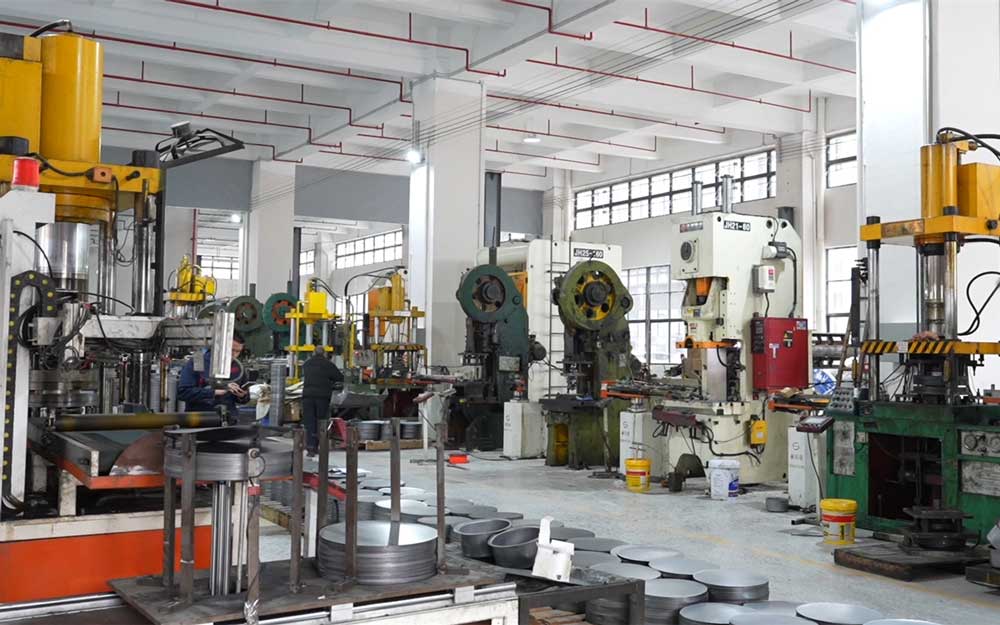
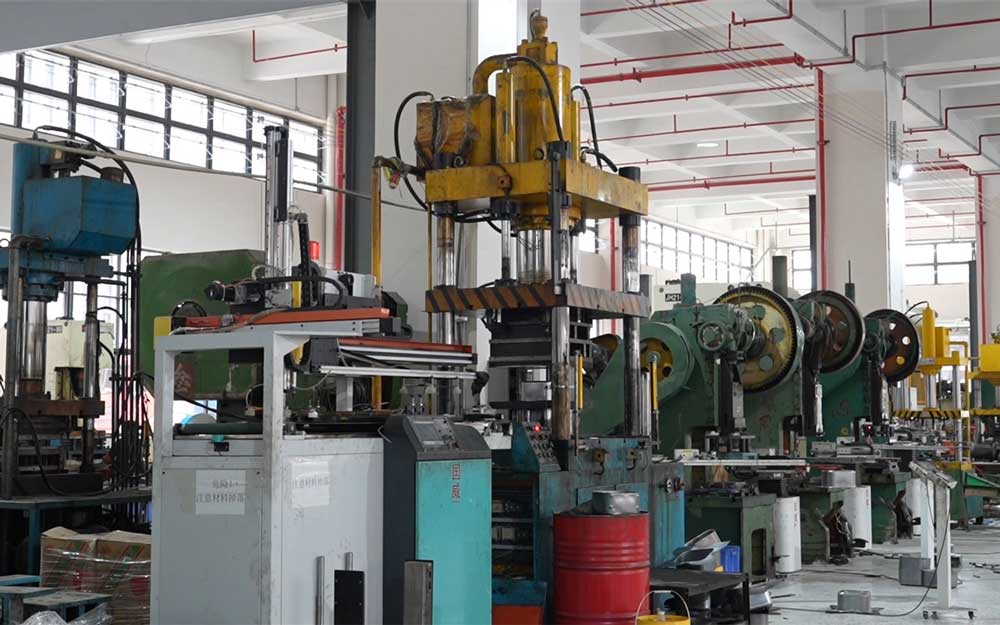
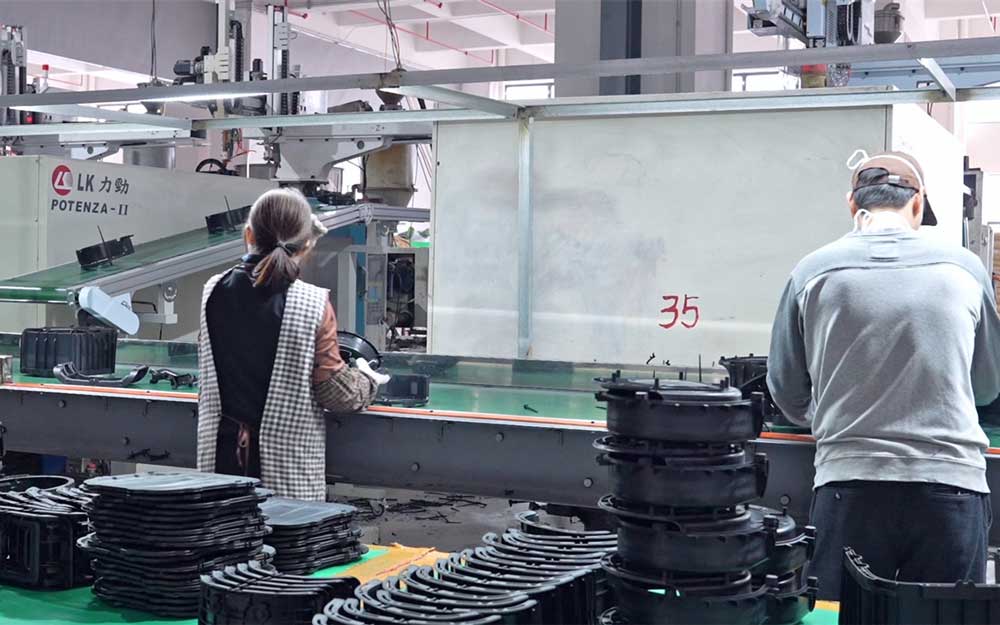
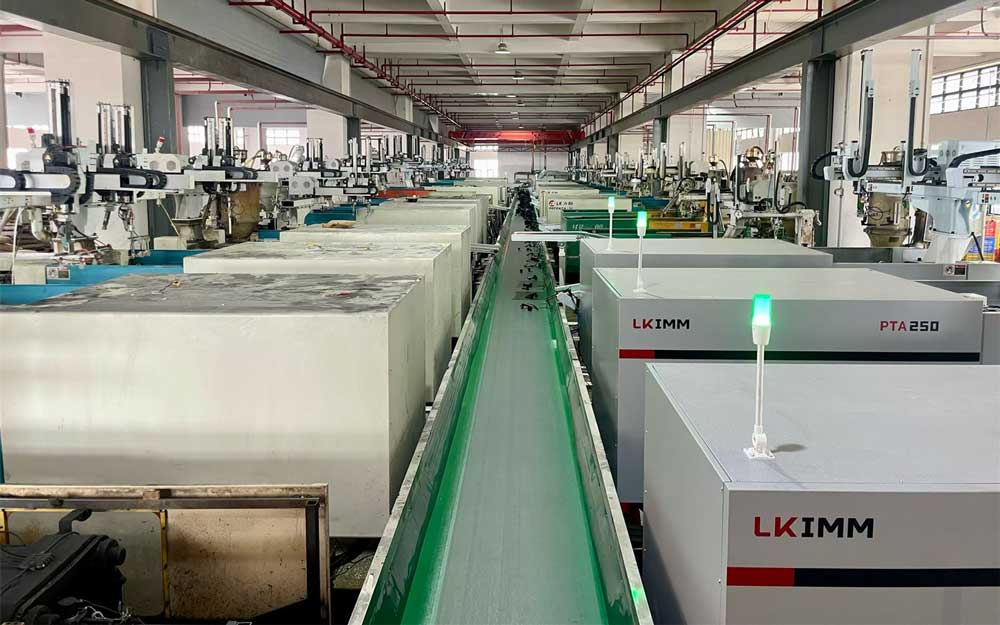
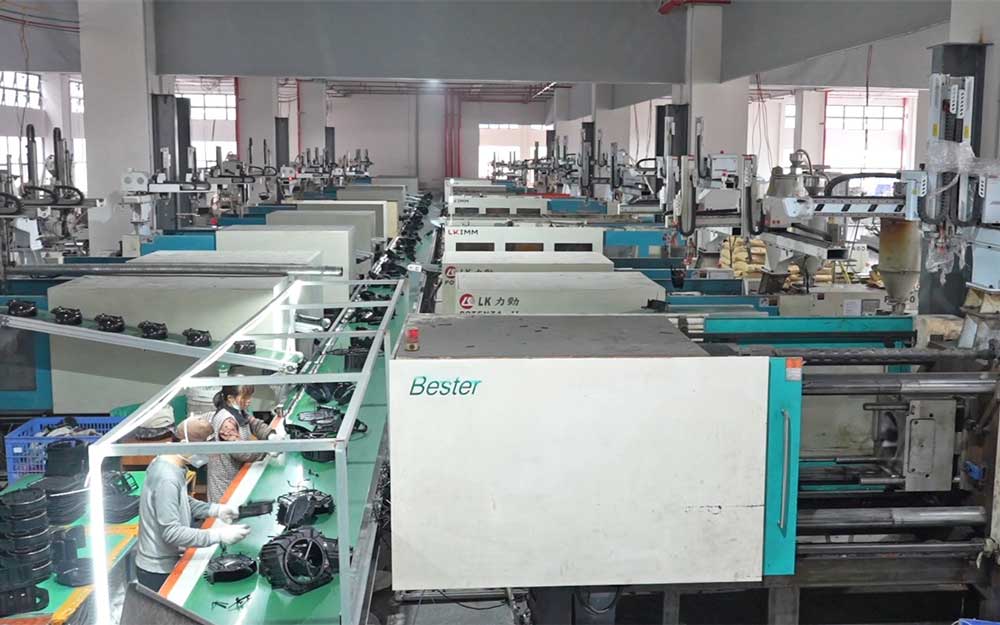
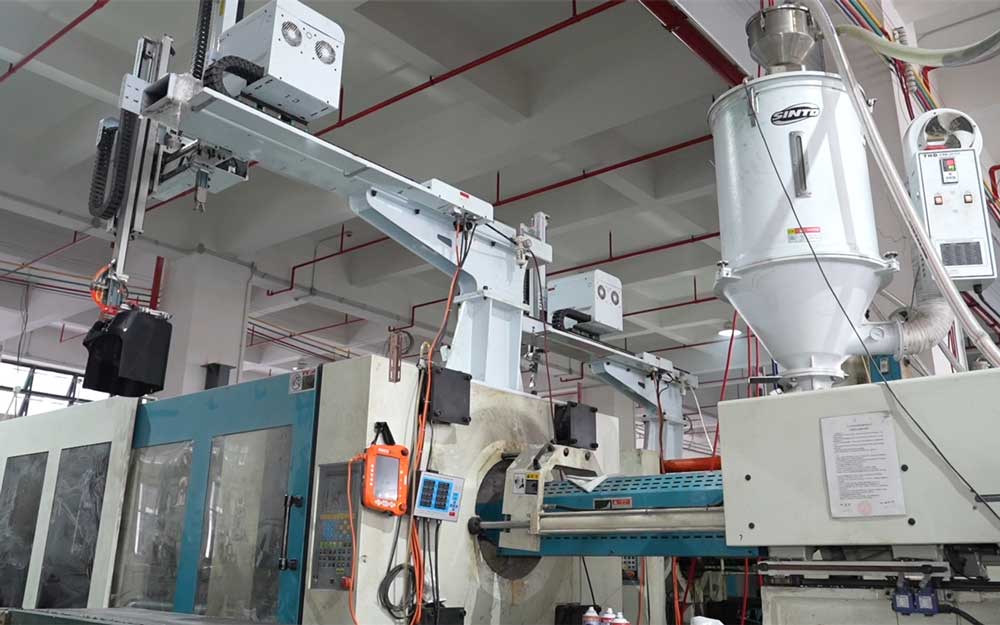
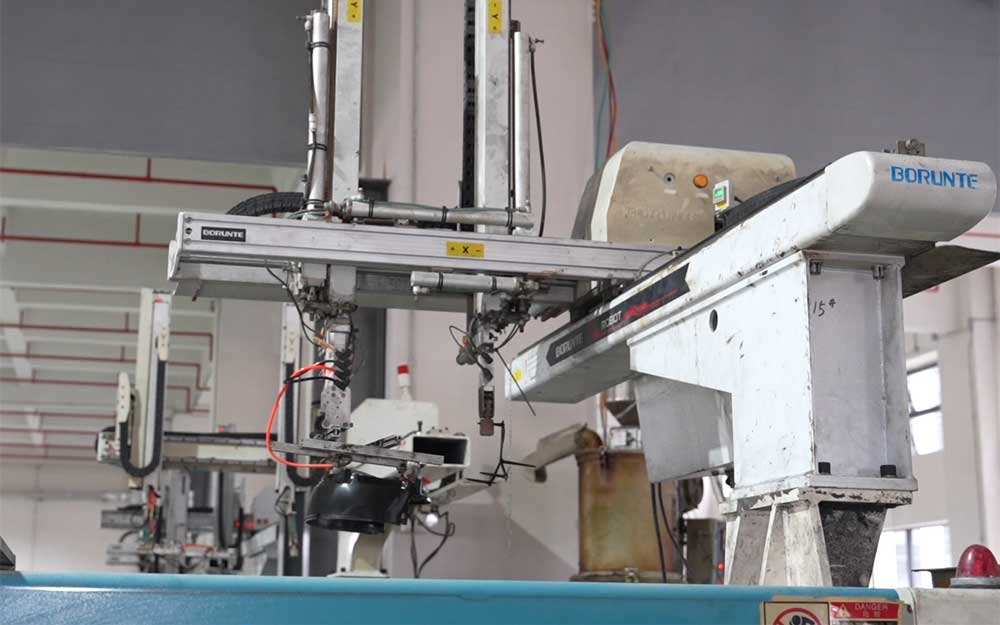
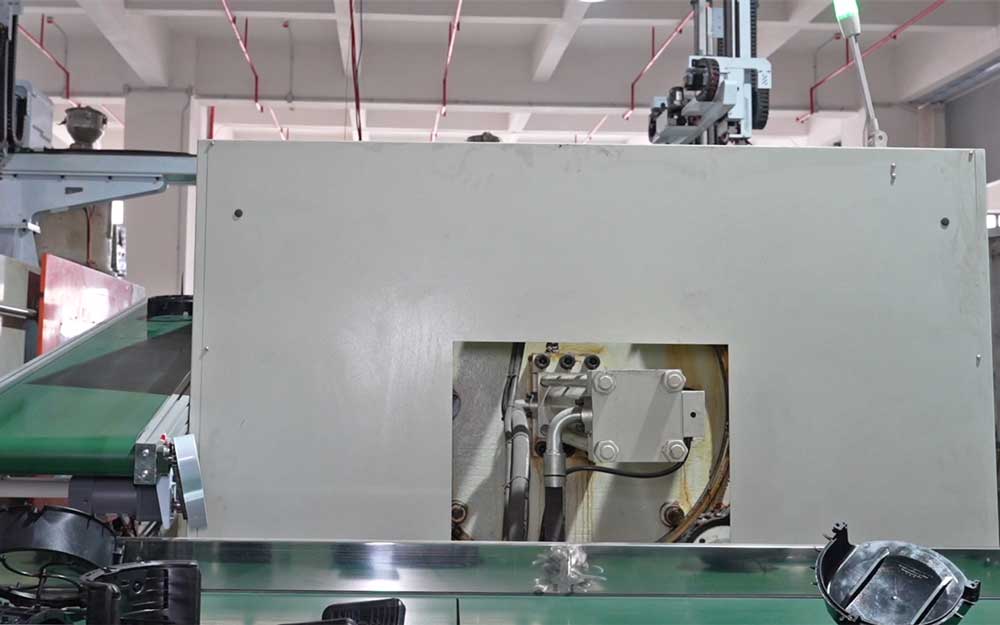
A resilient supply chain depends on complete visibility. At Zhenmei, we welcome third-party audits (such as SGS, Intertek, and BV) to assure our clients that our facilities uphold the highest criteria of labor, security, and raw material safety standards. Our automated stamping lines, high-grade plastic injection departments, and multi-line assembly centers demonstrate our operational excellence.

Understanding the engineering mechanics behind high-pressure cooking is crucial for both commercial operators and product developers.
In standard atmosphere conditions, water boils at 100°C (212°F). Liquid cannot exceed this temperature limit without vaporizing. A pressure cooker changes this thermodynamic equation by sealing the chamber. As liquid boils, steam is trapped inside, raising internal pressure. At 15 PSI (pounds per square inch) above atmospheric pressure, the boiling point of water reaches 121°C (250°F).
This elevated temperature accelerates cooking speeds by 70%. Because the heat transfer coefficient of steam is significantly higher than that of dry air or boiling water, energy consumption is reduced by up to 50% compared to traditional boiling and braising methods.
"Optimized heat transfer curves preserve water-soluble vitamins (such as B-complex and C) and minerals, which typically degrade during long, conventional boiling cycles."
For culinary teams and home cooks using electric or stovetop pressure cookers, following specific operating guidelines ensures safety, efficiency, and optimal results:
Developing next-generation smart kitchen solutions using IoT and advanced materials.
Future product cycles will feature Bluetooth 5.0 and Wi-Fi modules, allowing integration with smart home ecosystems. Users can select custom pressure profiles, monitor cooking curves, and download automatic firmware updates via dedicated mobile apps.
We are shifting towards PFAS-free and PTFE-free interior coatings, including premium ceramic matrix coatings and multi-ply clad 304/316 stainless steel cooking inserts that distribute heat evenly and prevent food sticking without chemical off-gassing.
By using dual NTC temperature sensors at both the lid and base, our future cooker models will monitor temperature fluctuations within ±0.5°C, dynamically adjusting heating cycles to prevent boiling dry or burning.
How our manufacturing cluster in Zhongshan provides a distinct cost and speed advantage.
The manufacturing cluster located in Zhongshan City, Guangdong Province, provides a unique geographic and logistical advantage for production. Rather than importing individual elements from different regions, our factory draws from a highly concentrated local ecosystem. Steel coils, specialized heating elements, microprocessors, and custom-molded silicone parts are all sourced within a 50-kilometer radius.
This localized supply chain reduces transit times, minimizes greenhouse gas emissions from intermediate logistics, and insulates production schedules against international trade disruptions. Furthermore, we leverage advanced Factory 4.0 automation systems:
Providing localized configurations and flexible shipping schemes for international clients.
Entering different international markets requires meeting unique regional voltage standards and power plug geometries. Our engineering team can configure appliances for 110V-120V / 60Hz (North America), 220V-240V / 50Hz (Europe, Asia, Australia), and multi-voltage setups. Control panels can be silk-screened or digitally rendered in multiple languages (English, German, French, Spanish, Arabic, and Japanese).
To assist clients in countries with high tariffs on fully assembled consumer appliances (such as Brazil, India, and Egypt), we offer CKD and SKD shipping options. We package stamped metal shells, unmounted PCBs, heating coils, and gaskets into optimized containers, providing step-by-step assembly guides and quality assurance test protocols to local assembly facilities.
Our products meet and exceed rigorous global safety standards to facilitate seamless market access.
Global compliance is vital for retail distribution networks. Our appliances undergo rigorous evaluation in third-party laboratories to obtain certifications necessary for retail sales:
A professional guide to conducting supplier evaluation audits for kitchen appliances.
When selecting a manufacturing partner for electric pressure cookers or air fryers, procurement professionals should evaluate the following criteria:
Answers to key questions regarding wholesale kitchen appliances, production cycles, and safety standards.
Expand your product catalog with our commercial blenders, large-capacity smart fryers, and electric pressure cookers.
 Zhenmei Electrical