An analytical perspective on the supply chain transformation, technological evolution, and high-performance extraction frameworks within the global small domestic appliances (SDA) industry.
The global small kitchen appliance sector has witnessed a profound paradigm shift, driven primarily by the transition from basic food processing to precise, nutrient-optimized molecular extraction. Modern juicers and advanced blenders are no longer simple mechanical choppers. Today, they stand at the intersection of bio-nutritional science, advanced metallurgy, and intelligent design. As global consumers demand higher biological yield from raw produce, the manufacturing backend—composed of specialized factories, engineering institutes, and high-efficiency component suppliers—has evolved to implement aerospace-grade materials, brushless motors, and advanced thermodynamic regulations.
North America and Western Europe continue to lead import volumes for high-torque slow juicers, focusing heavily on certifications such as UL, ETL, GS, CE, and strict RoHS compliances. Concurrently, fast-developing markets in the Asia-Pacific region are seeing exponential growth in localized application scenarios, demanding versatile hybrid juicer-blender systems that operate quietly and integrate cleanly into modern smart-home environments.
Masticating screw designs running at 40-60 RPM. Reducing friction and thermal oxidation preserves critical cellular structures, live enzymes, and vitamins for up to 72 hours without spoilage.
Advanced extraction meshes constructed from SUS304 and micro-laser etched grids deliver 30% higher juice yield and 85% pulp reduction compared to legacy centrifugal machines.
Equipped with double-walled enclosure technologies and brushless DC motors, lowering decibel output to less than 50dB under peak loading conditions.
An engineering breakdown of critical component design, raw material optimization, and motor drive topology for high-output global manufacturing.
The core metric of a modern commercial or domestic juicer is its extraction efficiency under load. Factors such as crop density, fiber resistance, and mechanical counter-torque require deep engineering considerations during the design phase. Below is a structured blueprint detailing the primary subsystems of modern extraction systems:
| Subsystem | Key Technical Parameter | Materials/Methods Used | Industrial Advantages |
|---|---|---|---|
| Drive System | High-Torque Brushless DC (BLDC) Motor | Rare-Earth Neodymium Magnets, Pure Copper Windings | Continuous duty cycles, 3x longer operational lifespan, thermal protection control. |
| Extraction Augers | Multi-segment progressive pitch screws | BPA-Free PEI Ultem Resins (FDA approved) | Immense pressure handling, resists degradation from highly acidic citrus fruits. |
| Filter Screens | Micro-aperture separation mesh | Laser-Drilled Stainless Steel SUS304 / SUS316 | Uniform pulp separation, easy cleaning under low pressure, zero metallic aftertaste. |
| Housing & Shell | Structural anti-resonance frame | Impact-resistant ABS, Polycarbonate, Anodized Alloys | Durable physical properties, professional aesthetics, sound dampening structures. |
Legacy induction motors struggle when processing dense vegetables like celery or raw ginger, leading to rotor stall and thermal cutoffs. Modern industrial juicer suppliers integrate FOC (Field Oriented Control) microprocessors that dynamically measure current draw and modulate rotor speed. When fiber resistance increases, the controller increases electrical current output to maintain a constant speed, ensuring continuous extraction and preventing lockups. This smart torque modulation drastically minimizes heat generation, ensuring compliance with global electrical safety directives.
Strict food-contact regulations across the European Union (LFGB, REACH) and North America (FDA, NSF) demand absolute elimination of bisphenols and phthalates. Modern factories utilize PCTG and Tritan copolyesters for juice cups, hoppers, and mixing containers. These high-performance plastics are shatterproof, highly clear, and maintain structural integrity under high-temperature dishwasher cleaning processes.
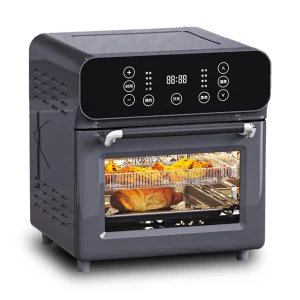
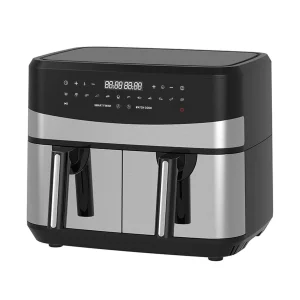
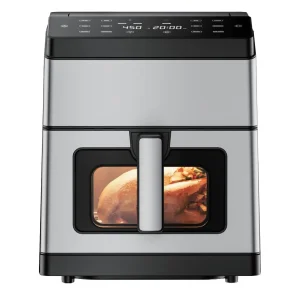
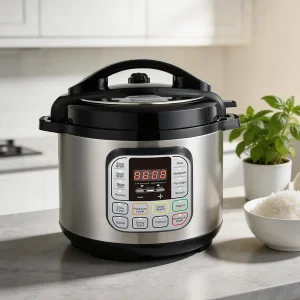
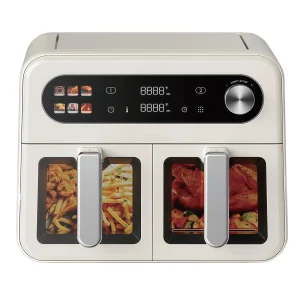
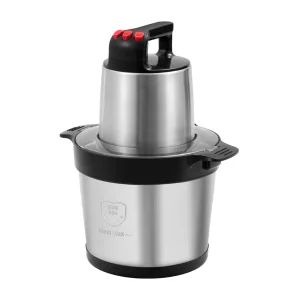
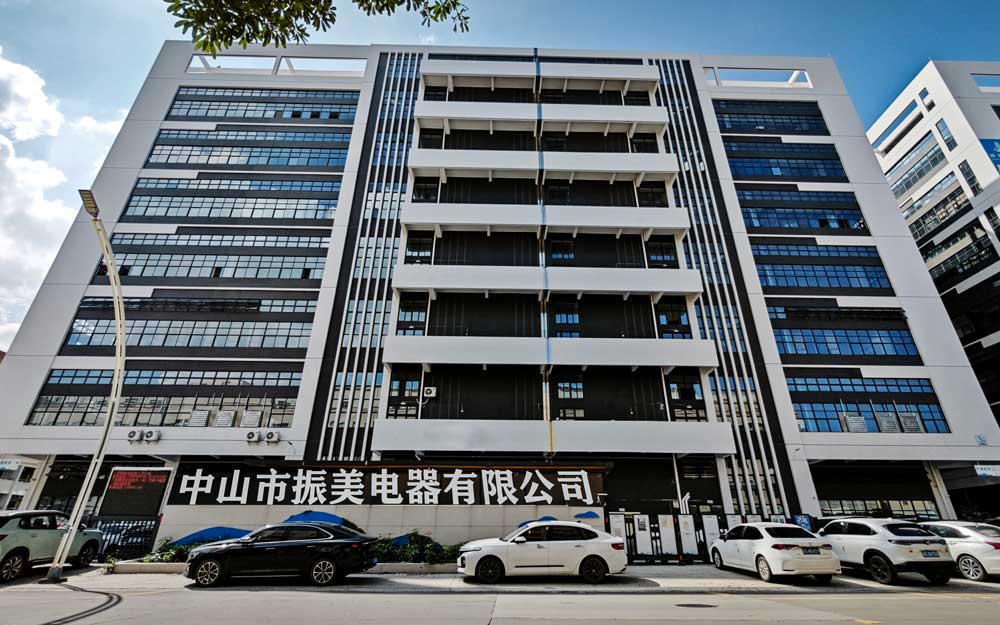
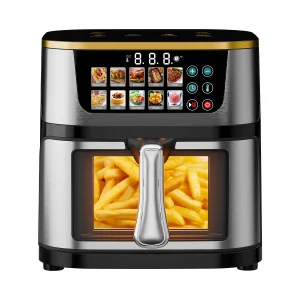
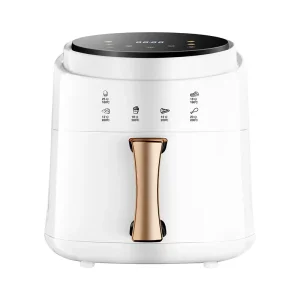
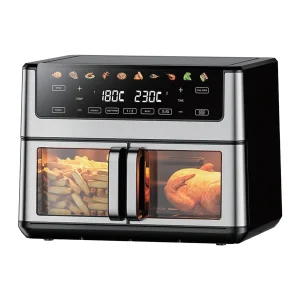
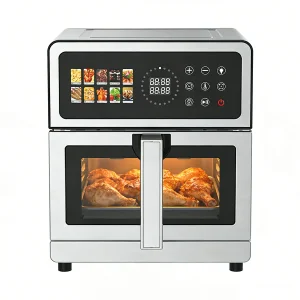
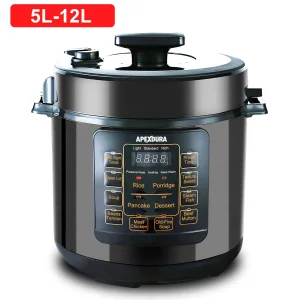
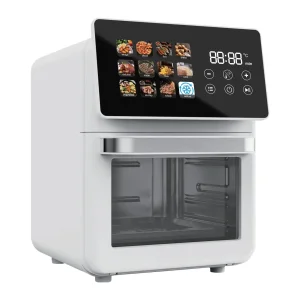
Zhongshan Zhenmei Electrical Appliance Co., Ltd. is a premier global OEM/ODM partner specializing in high-end kitchen appliances, including high-capacity air fryers, electric pressure cookers, commercial-grade blenders, and nutrient extraction units. Over the span of 16 years, the company has transformed conceptual ideas into high-volume, market-ready appliances for premier global brands.
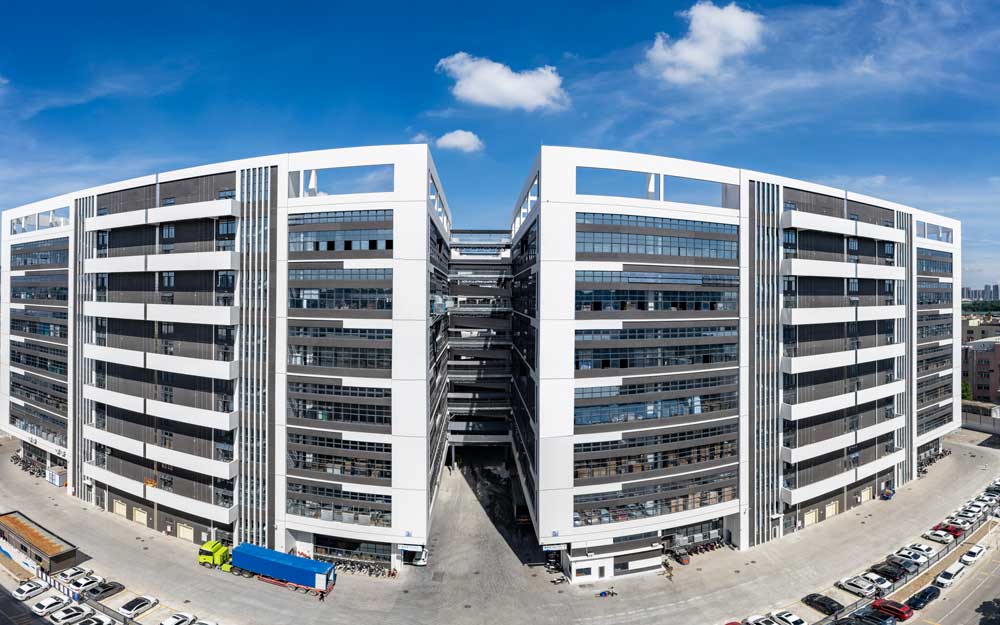
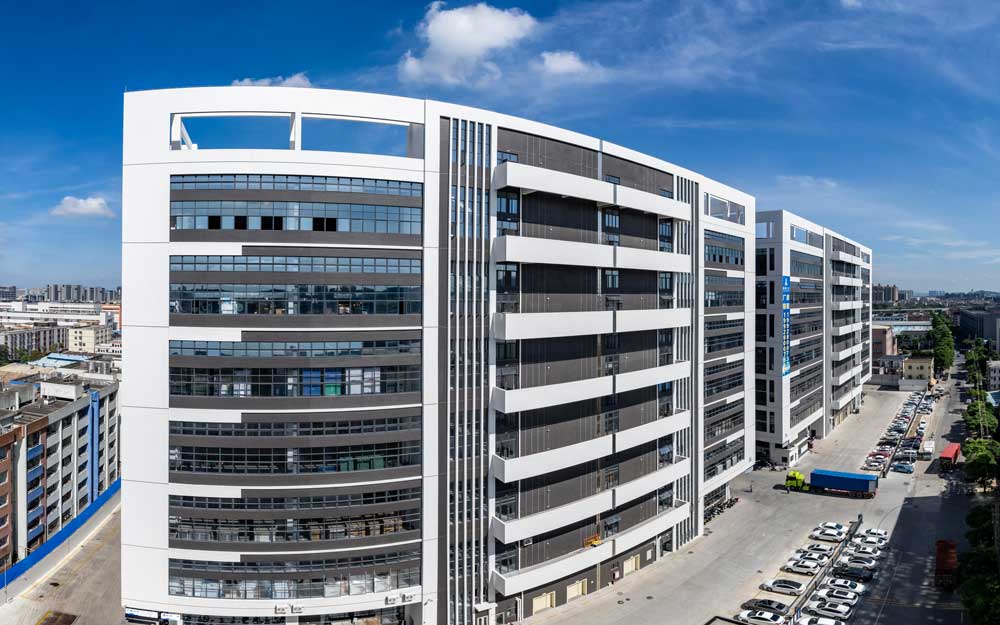
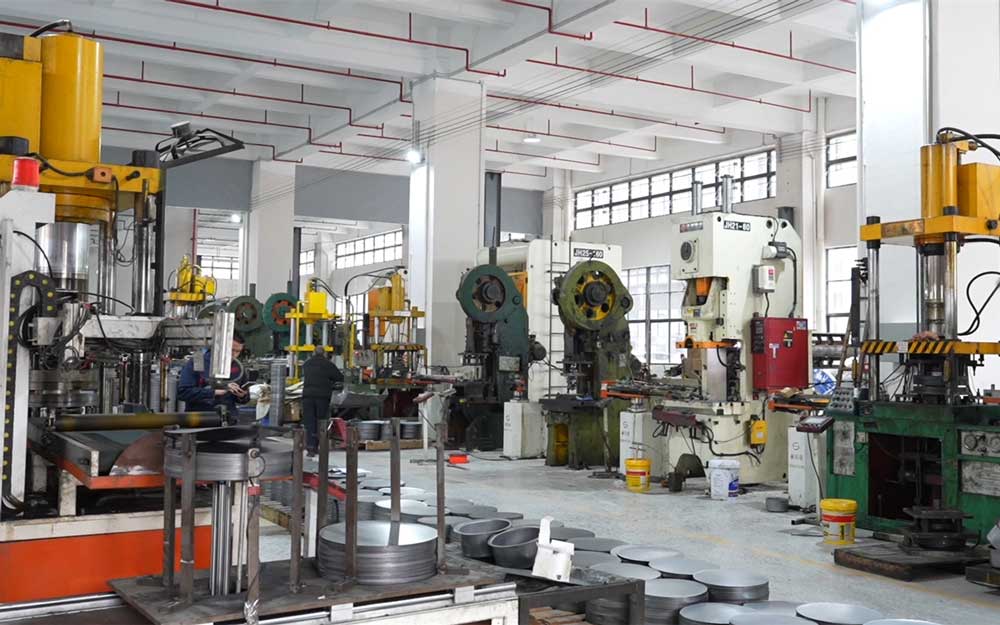
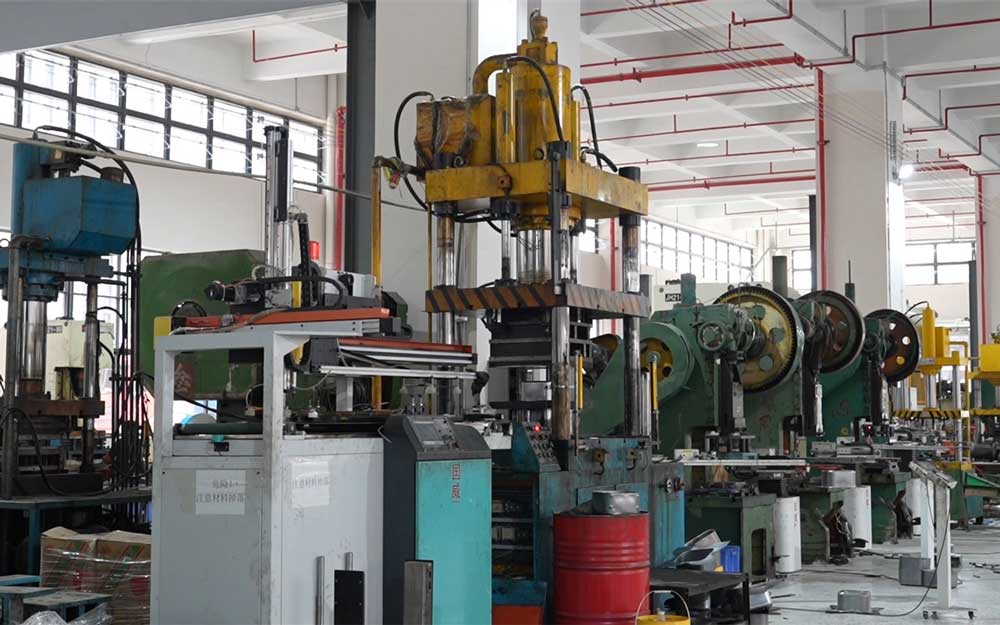
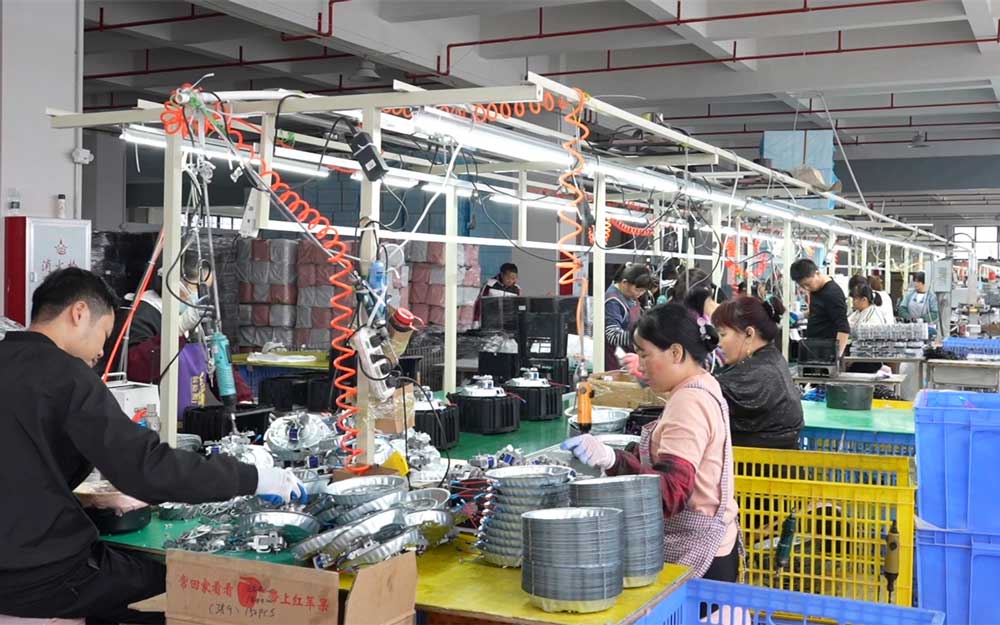
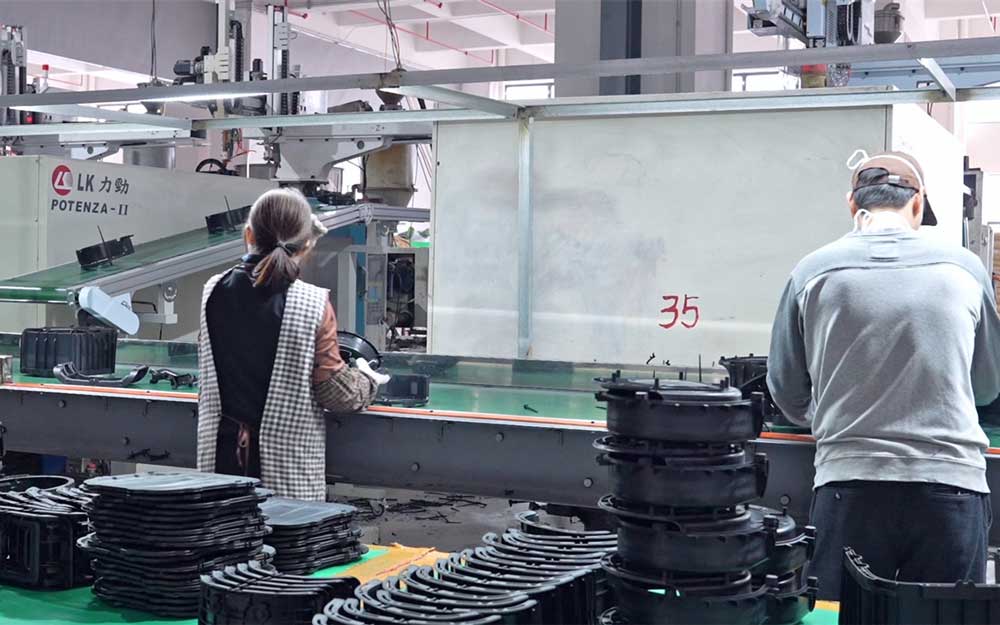
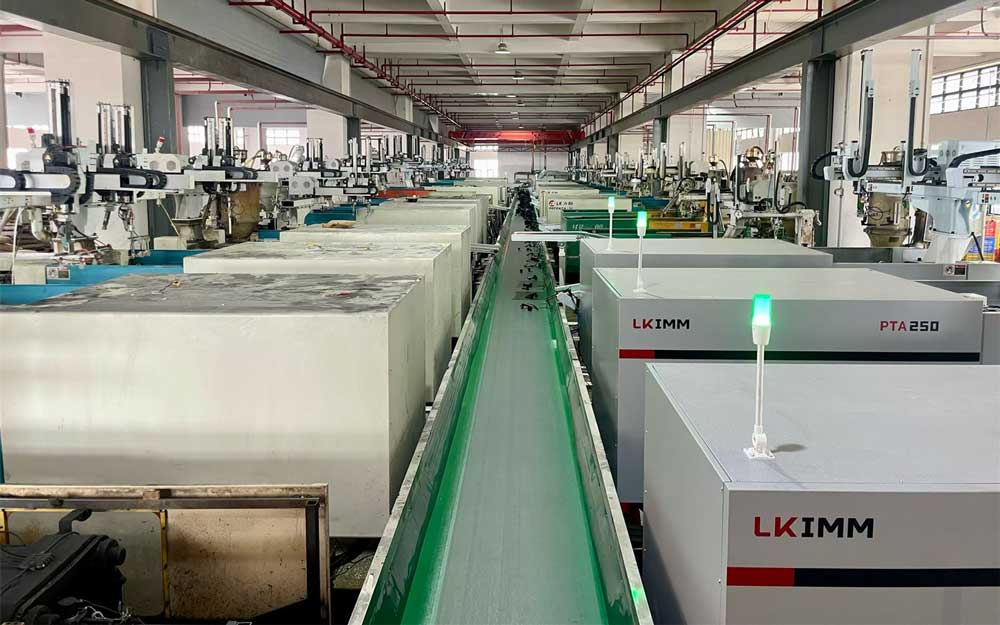
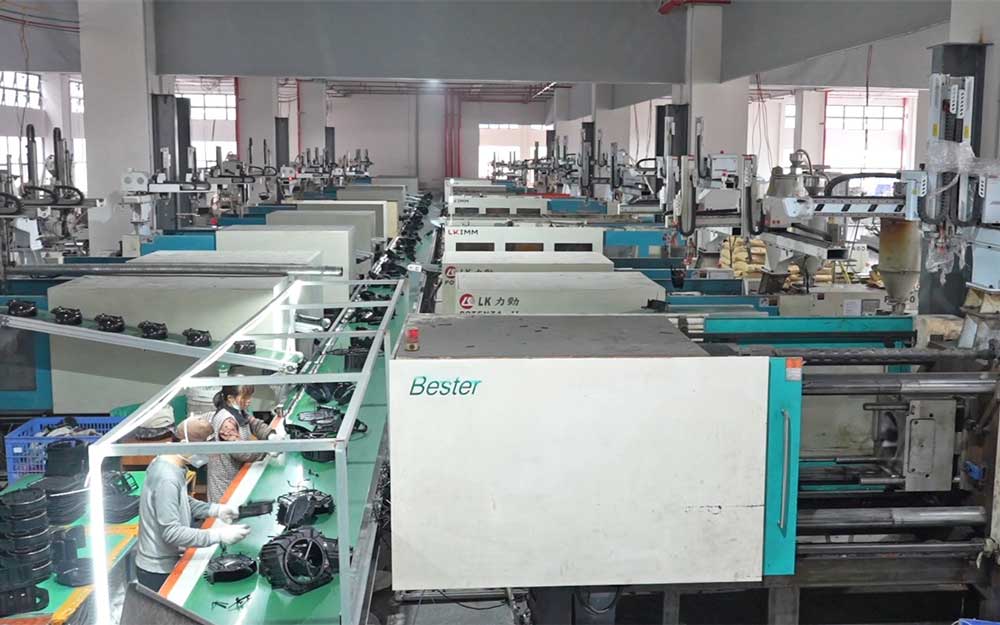
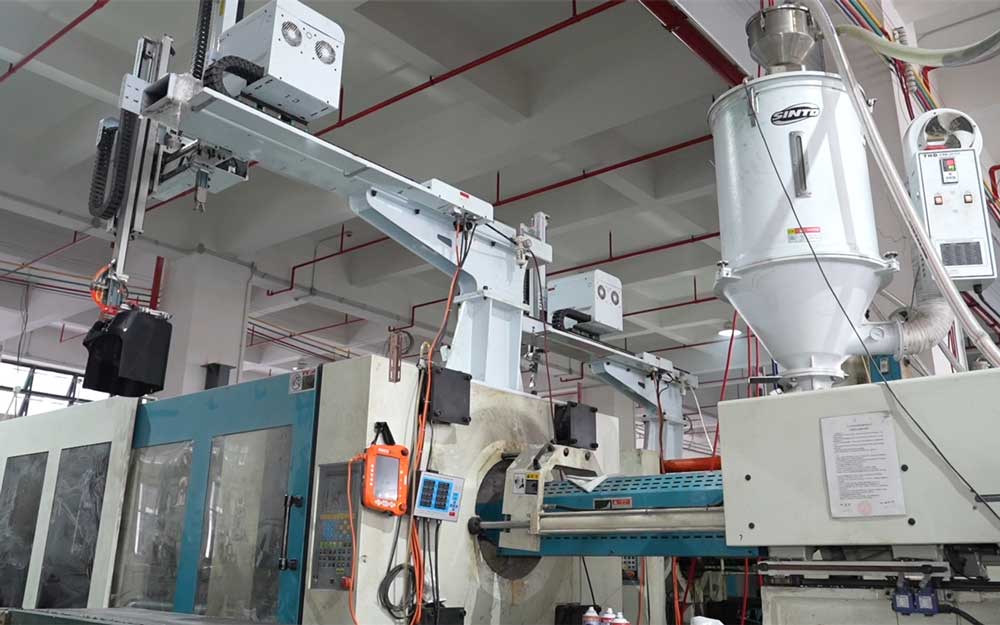
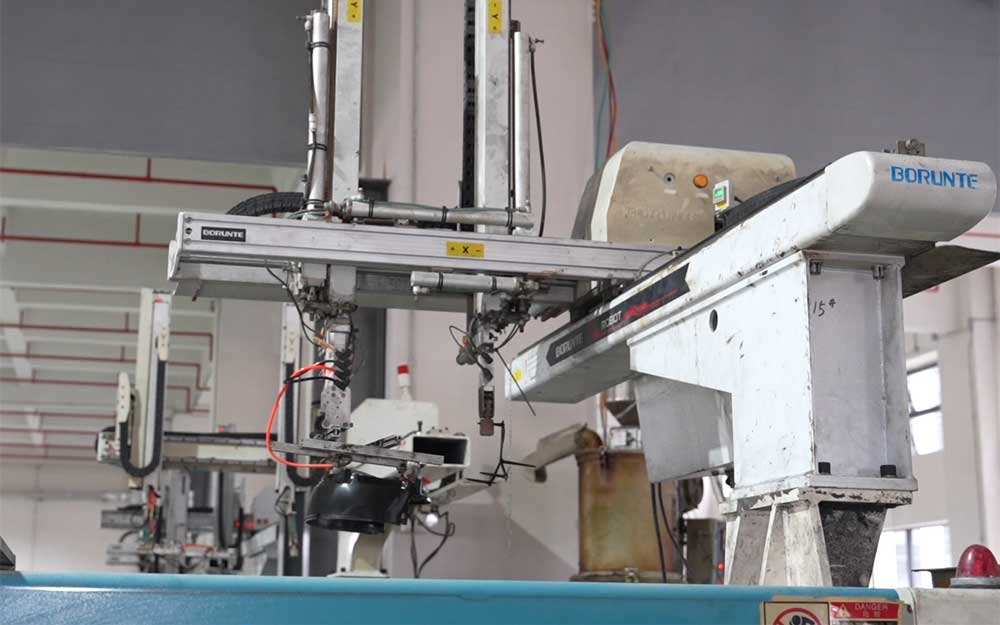
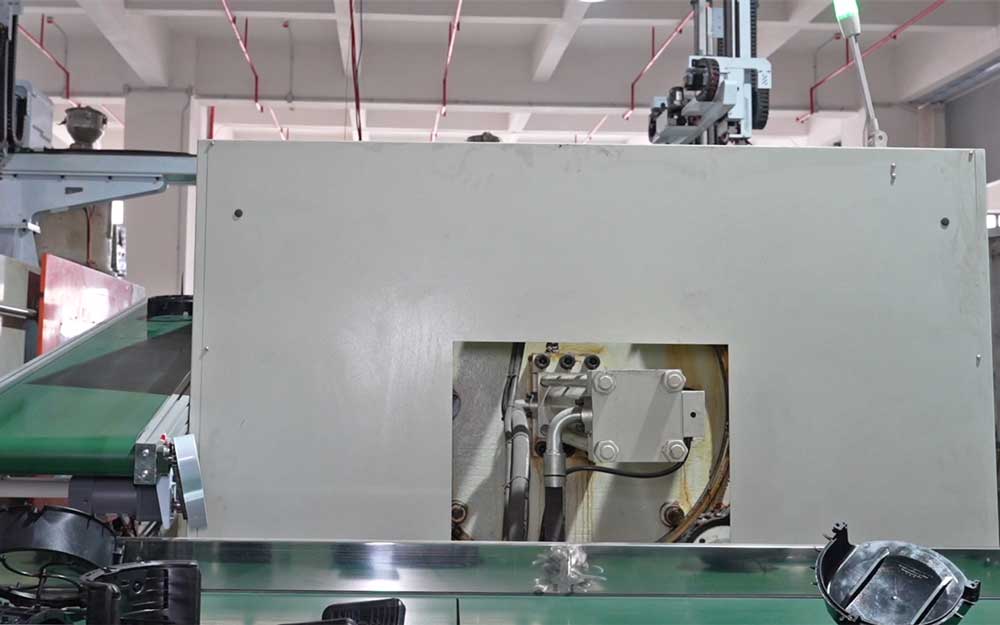
Operating out of a highly automated 40,000 square meter facility powered by 300+ dedicated assembly line professionals and an in-house R&D team of 20+ specialized electrical and structural engineers, Zhenmei ensures precision control at every production stage. From initial product rendering and CAD design to mold fabrication, injection molding, electrical assembly, and automated QA/QC testing, our factory delivers unparalleled scalability and reliability.
Our facility generates a daily output exceeding 10,000 finished units, allowing us to seamlessly manage high-volume global distribution cycles without compromising quality. We run strict quality inspection protocols, performing drop tests, motor insulation testing, visual surface defects analysis, and simulated stress tests under extreme operating parameters.
Our primary competitive advantage is built on vertical integration. By owning injection molds, stamping lines, and automated packaging units, we maintain complete control over raw material procurement and lead times, shielding B2B clients from global supply chain volatility.
"We are the trusted, end-to-end partner for global distributors seeking robust manufacturing capabilities. Our engineering team routinely collaborates with product design studios worldwide to optimize thermal dissipation, structural ergonomics, and electromagnetic compatibility."
How modern extraction units adapt to diverse commercial settings, domestic layouts, and specialized nutrition chains globally.
High-volume operations require machines that can handle back-to-back cycles without thermostatic failure. The inclusion of heavy-duty induction motors with active cooling fans allows juice bars and hospitality venues to maintain speed. Quick-disassembly systems enable operators to clean extraction components in under 60 seconds, maintaining speed during peak hours.
For residential consumer markets, space efficiency and acoustic footprints are paramount. Intelligent appliance design focuses on smaller footprints and sleeker contours to fit beneath overhead cabinets. Dynamic engineering minimizes vibration, keeping decibel ratings low so operations are quiet even in the early morning.
Self-service environments require simple interfaces and safe operation. Integrating dual-stage safety lock mechanisms prevents unit startup unless the hopper is fully secured. Easy-to-use digital touch panels with preset menus allow employees to prepare smoothies, fresh citrus juices, or hot press recipes with a single tap.
For major distributors, brands, and importers, sourcing from a vetted modern juicer factory minimizes time-to-market risks. We offer customized packaging design, structural modifications (OEM), and completely new design engineering (ODM). With our robust prototype tooling setups, we can move a concept to functional testing within 45 days. Our logistical expertise ensures correct palletization, sea container volume optimization, and handling of international customs documentation.
Essential technical and commercial answers to optimize your procurement decisions and evaluate factory capabilities.
 Zhenmei Electrical