Engineered for minimal energy waste, certified thermal consistency, and smart power management.
In B2B consumer electronics and food service hardware engineering, microwave energy consumption is no longer just a regulatory compliance check box. It has evolved into a baseline driver of commercial operational cost reduction, thermal footprint minimization, and global eco-conscious product design.
Traditional microwave systems waste substantial energy through inefficient magnetron performance, poor electromagnetic wave propagation, and inadequate power-factor correction. As a premier industrial manufacturer, we design systems that match input wattage to physical cooking efficiency, maximizing the conversion of electrical energy into kinetic dielectric thermal absorption within the load.
By studying the dielectric loss factor ($\tan \delta$) of materials under direct radio frequency (RF) exposure, our technical team works to minimize phase cancellation and standing wave ratio (VSWR) deviations. The resulting thermal platforms provide rapid heat transmission without the energy bleed typically associated with low-tier mass-market appliances.
B2B buyers evaluate microwave performance on several key mathematical ratios. Our core R&D efforts target a higher coefficient of microwave transformation efficiency:
A strategic projection of engineering evolutions in smart heating, solid-state electronics, and advanced energy tracking over the next decade.
Replacing standard legacy transformers with smart variable-frequency semiconductor inverters. This permits steady, uninterrupted power delivery rather than continuous ON/OFF duty cycles, reducing peak energy spikes by up to 35%.
Moving from traditional vacuum-tube magnetrons to solid-state LDMOS transistors. This technology facilitates precise frequency tuning and phase control, focusing energy exclusively on food molecules and eliminating structural heat loss.
Incorporating embedded algorithms that track moisture loss and core temperature curves. By dynamically reducing wave intensity as food reaches its thermodynamic threshold, operational consumption decreases by an additional 22%.
As a global partner, we coordinate with enterprise buyers to deploy scalable thermal system designs that optimize energy footprint indicators across diverse operational verticals.
Modern developers require high-efficiency residential kitchens to comply with green building directives such as LEED and BREEAM. We support appliance integrators with certified, low-draw kitchen equipment that works alongside home energy management platforms to stabilize local power grids during peak loads.
For commercial kitchens where multiple appliances run in parallel, peak electricity pricing presents a significant operating challenge. Our commercial thermal solutions use phase-staggering technology and highly insulated internal chambers to retain heat longer, reducing continuous power draw and protecting facilities from voltage drops.
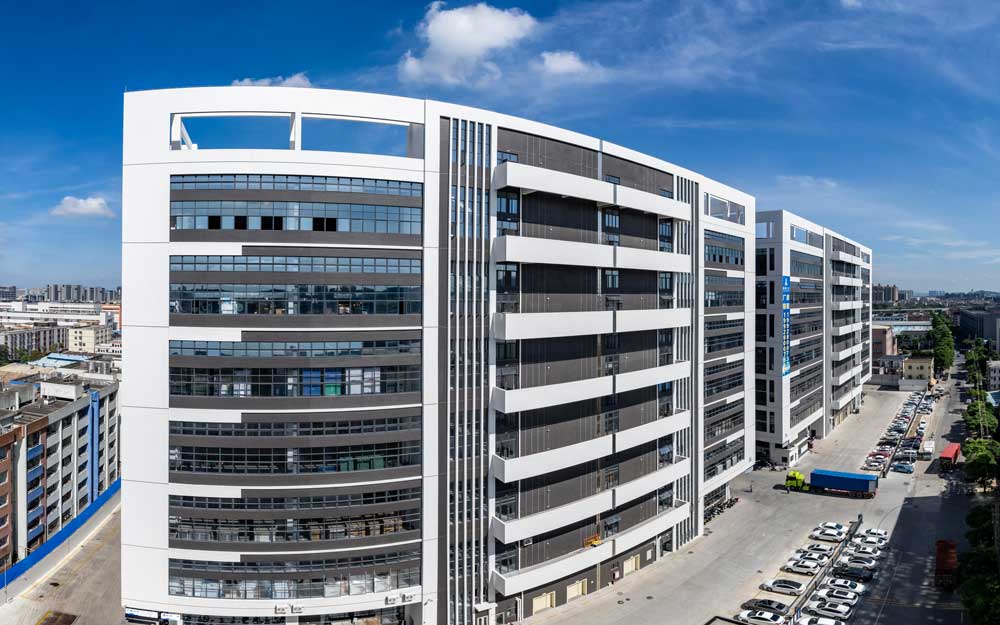
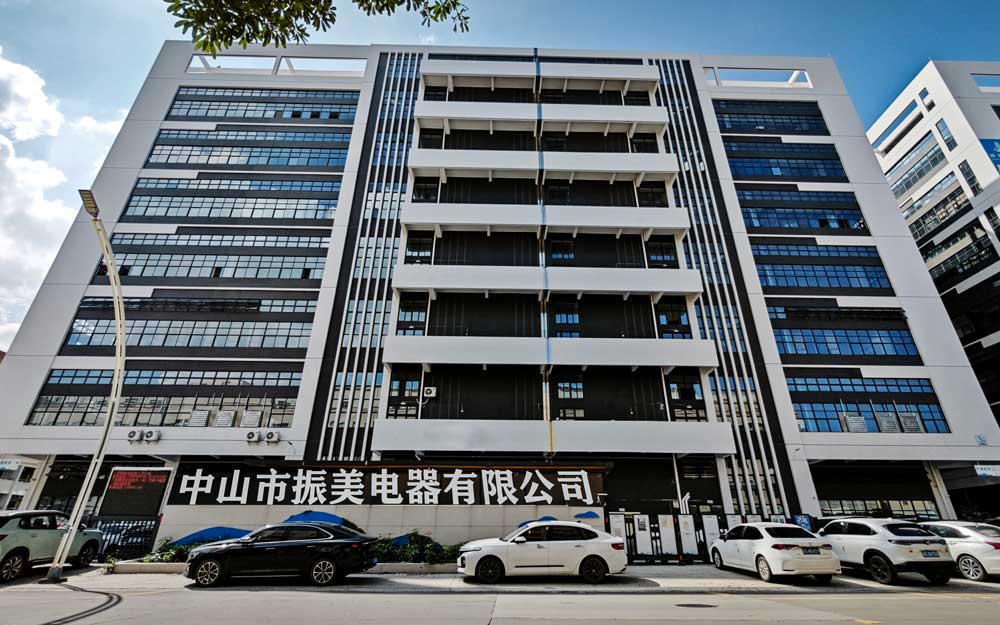
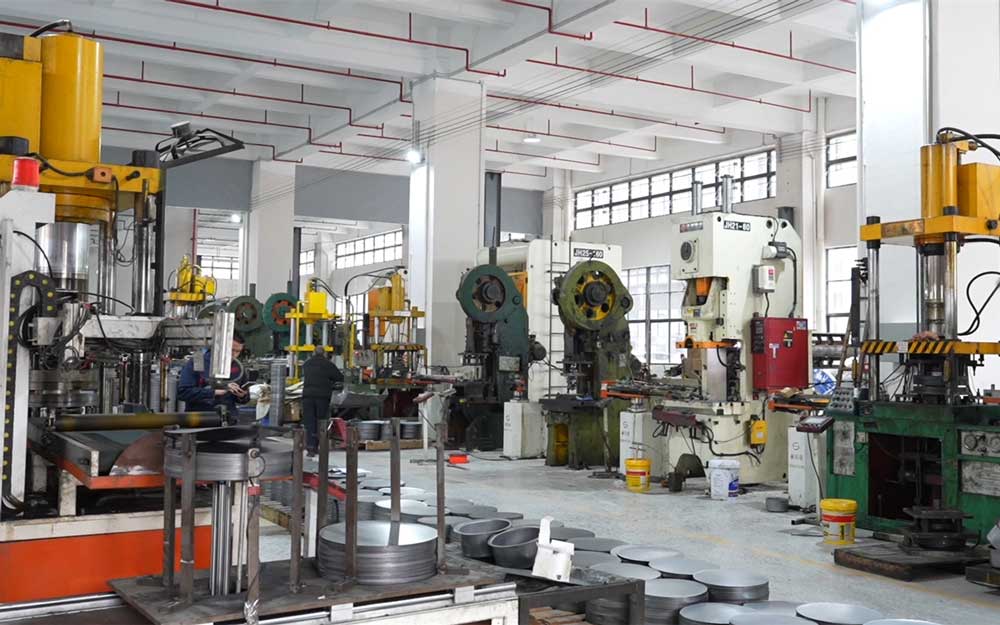
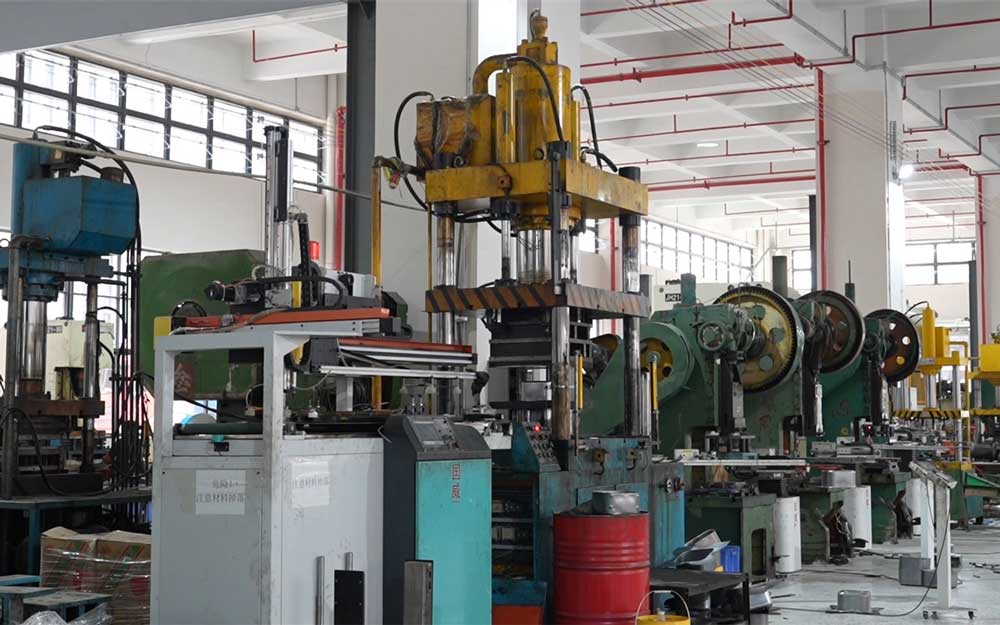
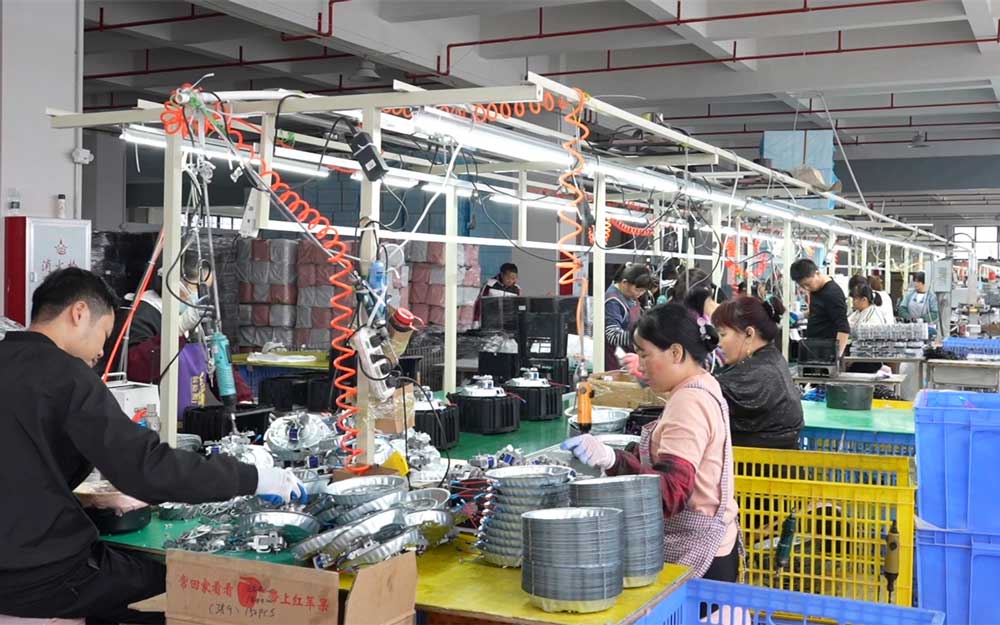
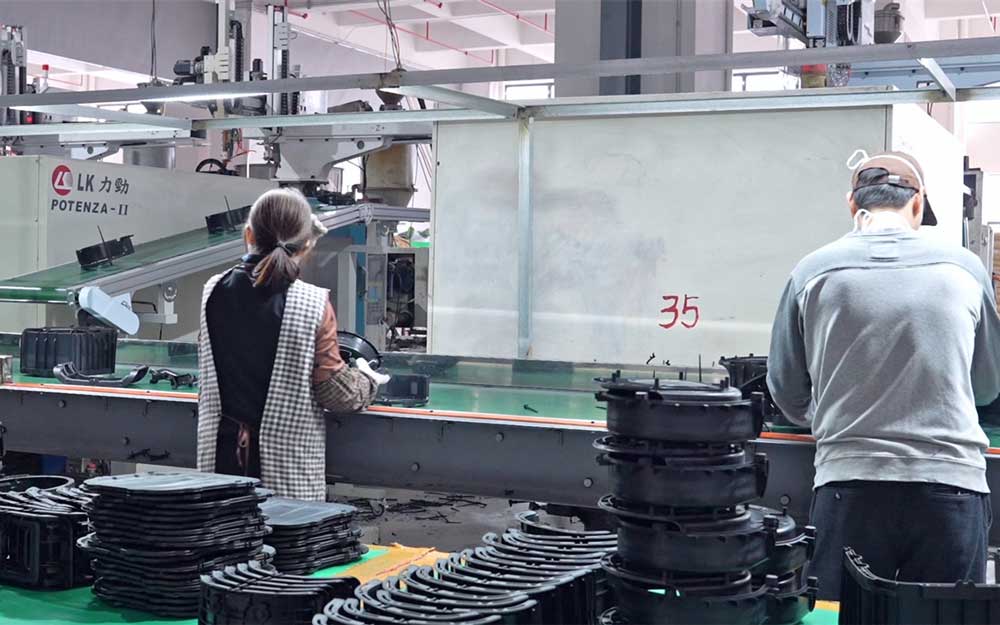
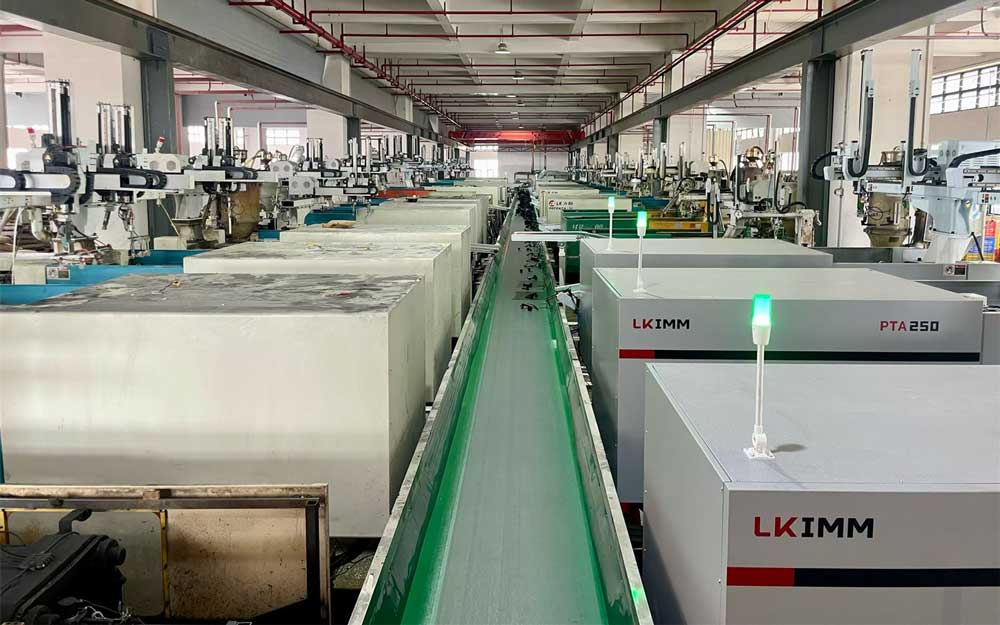
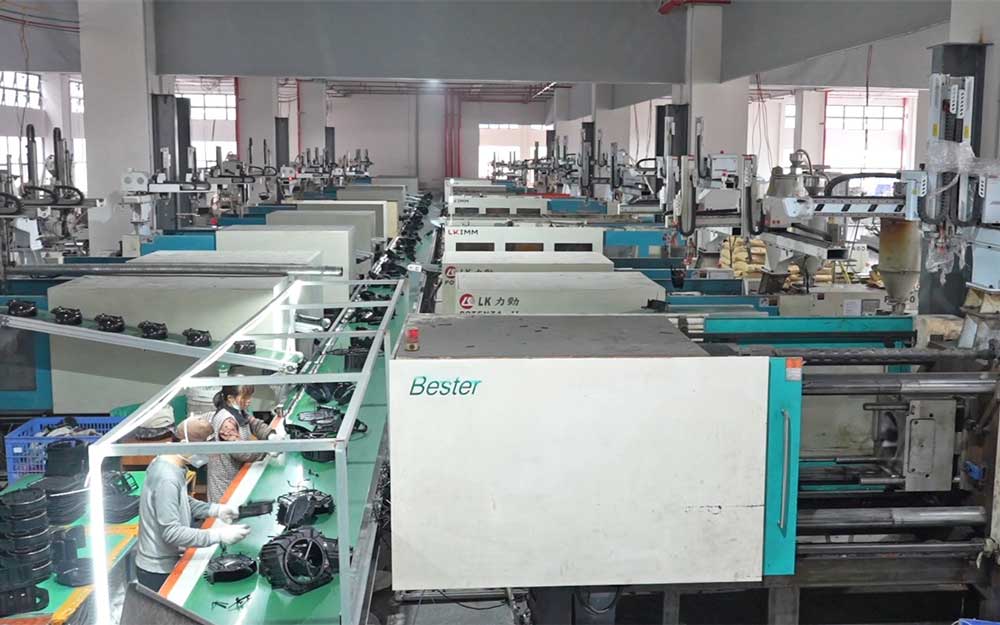
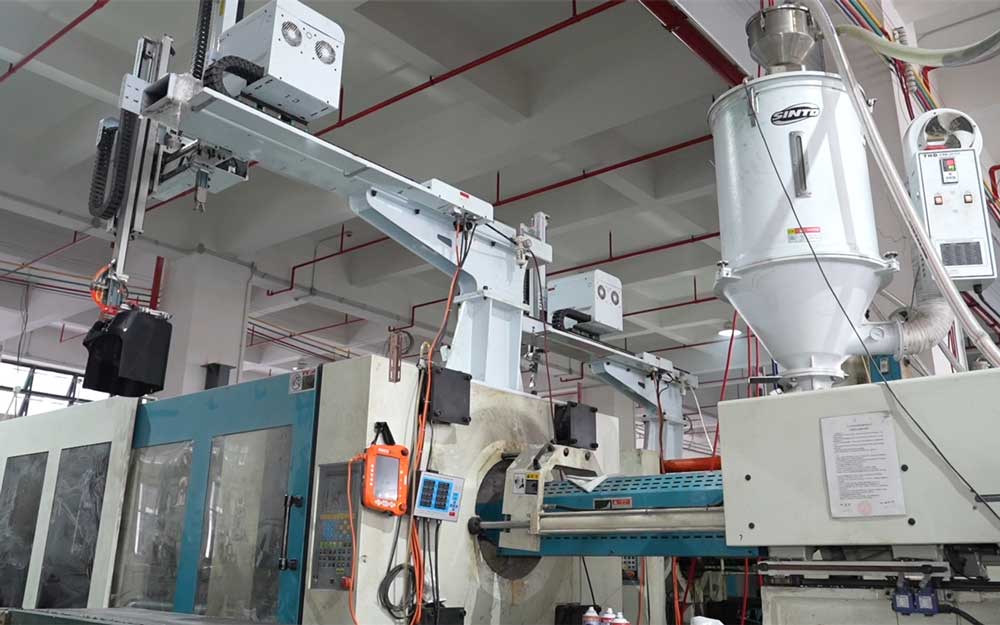
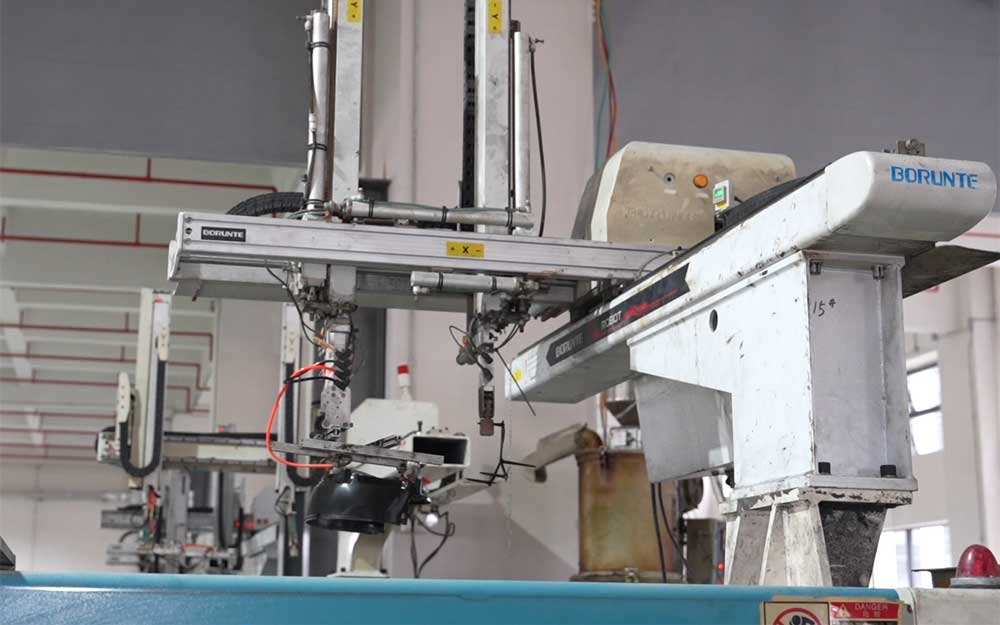
Our production floor in Zhongshan represents the modern evolution of industrial fabrication. By integrating IoT-connected tooling, automated sheet metal stamping, and automated QA diagnostic benches, we minimize the error rates and energy overhead common in legacy plants.
We source raw components locally to ensure supply chain stability, protecting our manufacturing operations from shifting international shipping dynamics. For our global partners, this translates to stable pricing structures, shorter lead times, and reliable components that deliver consistent energy-efficient performance.
Every appliance we build passes through automated electrical safety and RF leakage test stations. Our quality management protocols verify that each unit matches the precise power draw profile required by the target market's energy certifications.
Operating a facility with 300+ professionals, we maintain full control over the design, tooling, production, and testing processes. Our dedicated R&D engineers refine and optimize thermal output configurations to help global buyers stay ahead of evolving energy regulations.
| Production Phase | Automation Infrastructure | Efficiency/Quality Impact |
|---|---|---|
| Metal Fabrication | Precision CNC Stamping | Zero structural gaps, minimizing thermal leakage |
| Component Assembly | Robotic Welding & Alignment | Strict waveguide positioning for peak RF focus |
| Quality Diagnostics | Digital Power-Draw Testing | Verifies standby <0.5W and active power margins |
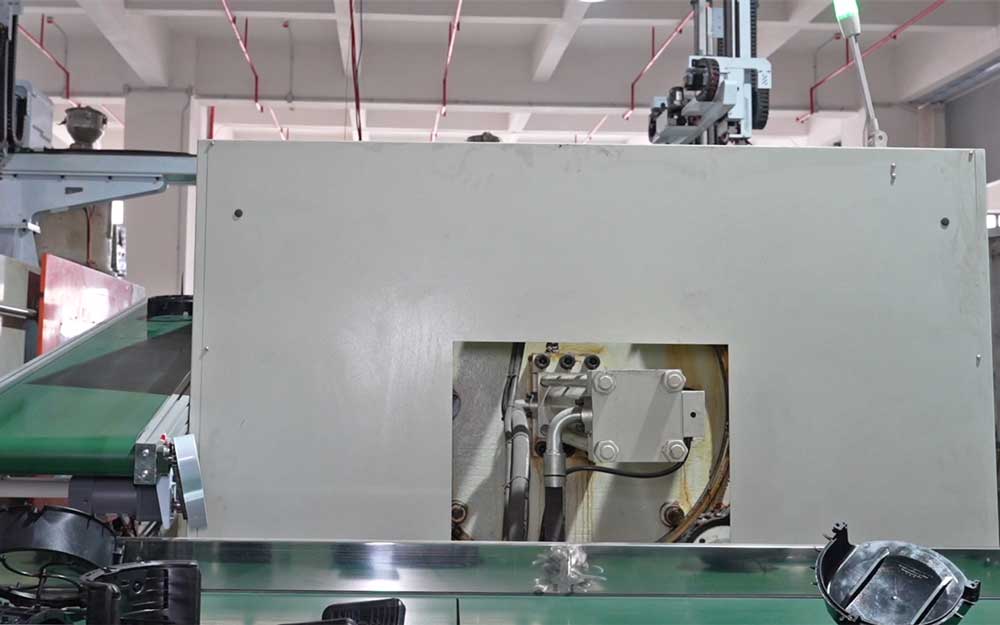
A visual look inside our facility, showcasing clean assembly lines, automated machinery, and quality control stations.

We verify compliance across target consumer markets. Our engineering teams tailor local voltage configurations and electromagnetic shielding parameters to exceed international safety regulations:
Different markets present distinct mechanical demands. We modify user interfaces, control PCBs, software options, and cord attachments to align with localized grid patterns, environmental conditions, and user habits.
Additionally, our logistics teams provide custom documentation and compliance verification papers to simplify clearance through international customs.
B2B sourcing coordinators use structured assessment checklists when evaluating high-volume appliance suppliers. We structure our B2B procurement operations around these primary performance vectors:
We source long-life magnetrons, industrial-grade capacitors, and durable micro-switches to ensure a high Mean Time Between Failures (MTBF). This reduces field warranty claims for our OEM clients.
We trace component batches down to the specific day and raw material supplier. Every unit is logged in our central database, facilitating easy quality auditing and component tracking.
We select recyclable polymers and configure component placements for clean, efficient end-of-life disassembly, helping brands meet extended producer responsibility (EPR) requirements.
Detailed engineering answers covering power-factor optimization, standby draw, and high-volume appliance customization.
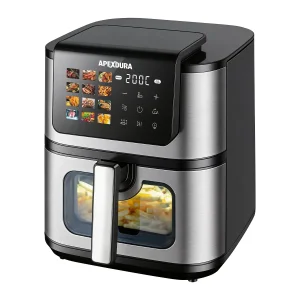
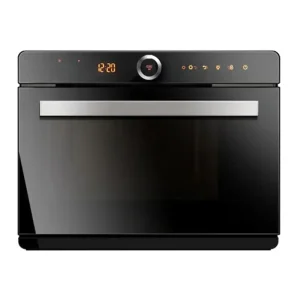
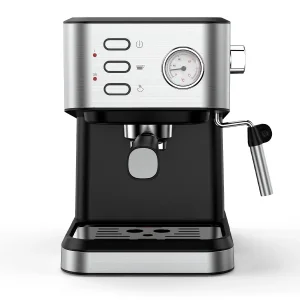
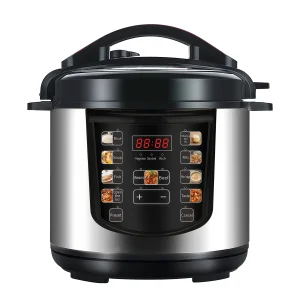
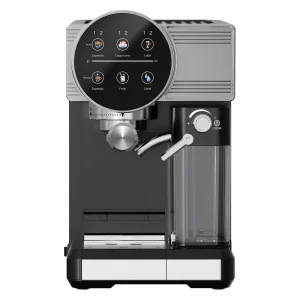
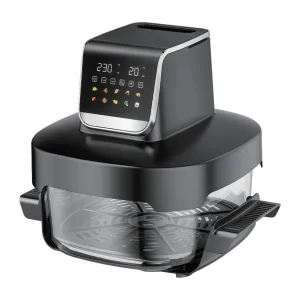
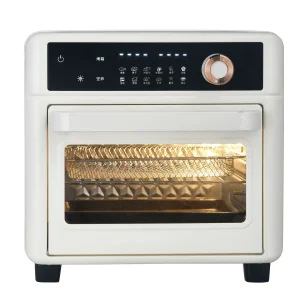
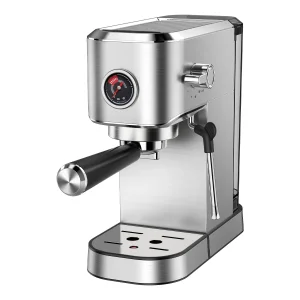
Premium coffee makers, electric cookers, and high-capacity digital steam ovens engineered to global quality standards.
 Zhenmei Electrical