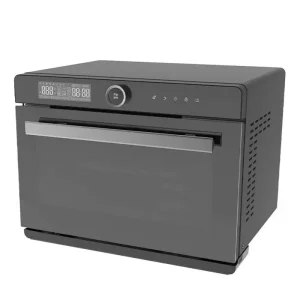
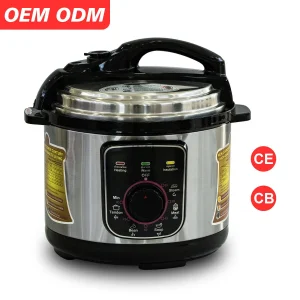
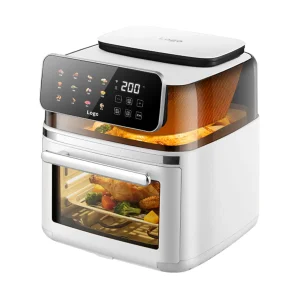
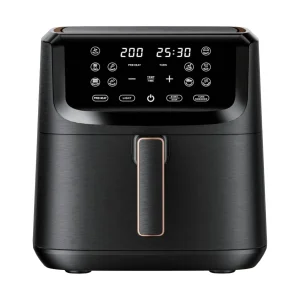
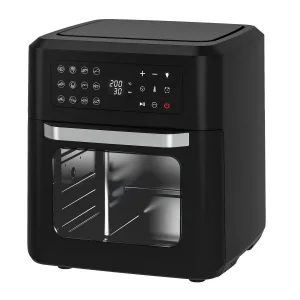
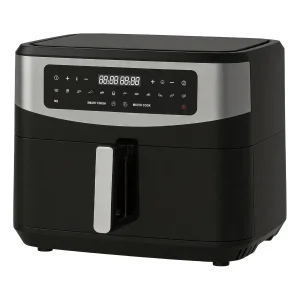
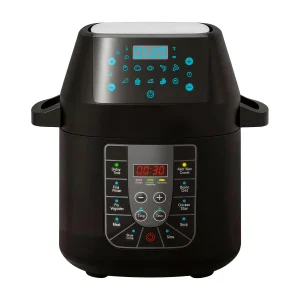
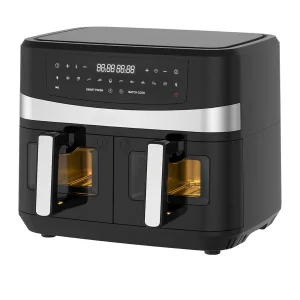
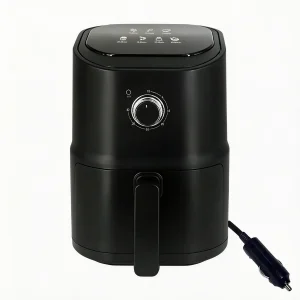
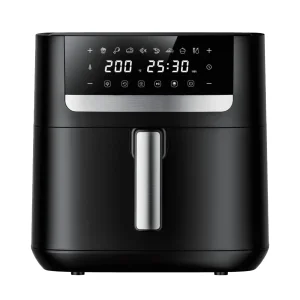
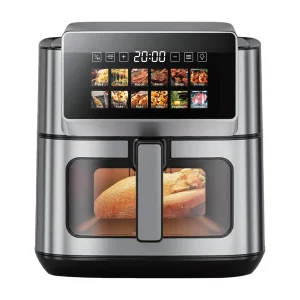
Discover our diverse OEM/ODM kitchen appliance catalog engineered for international compliance, exceptional durability, and high volume global distribution.
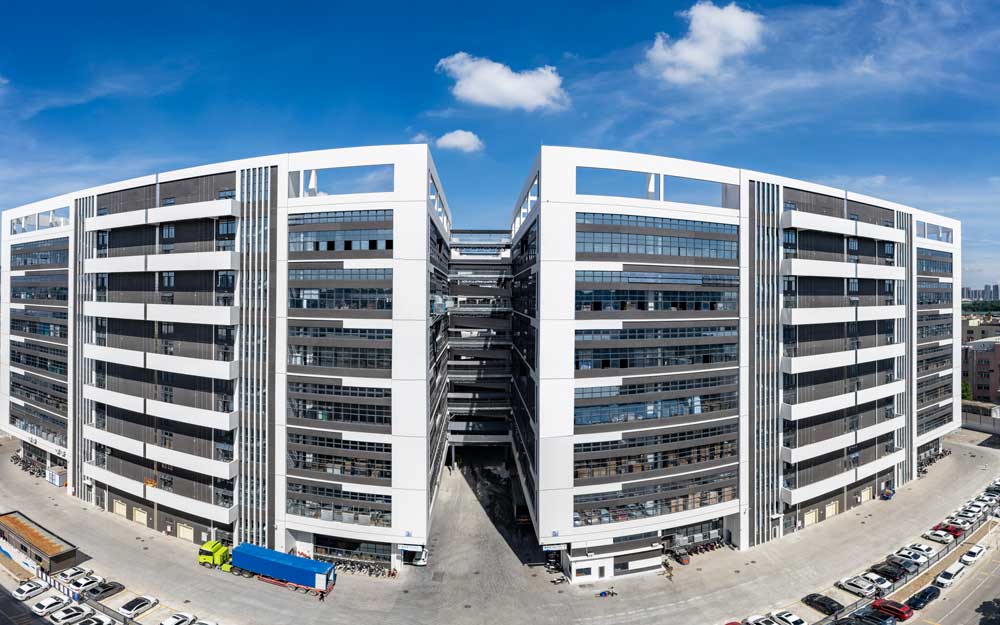
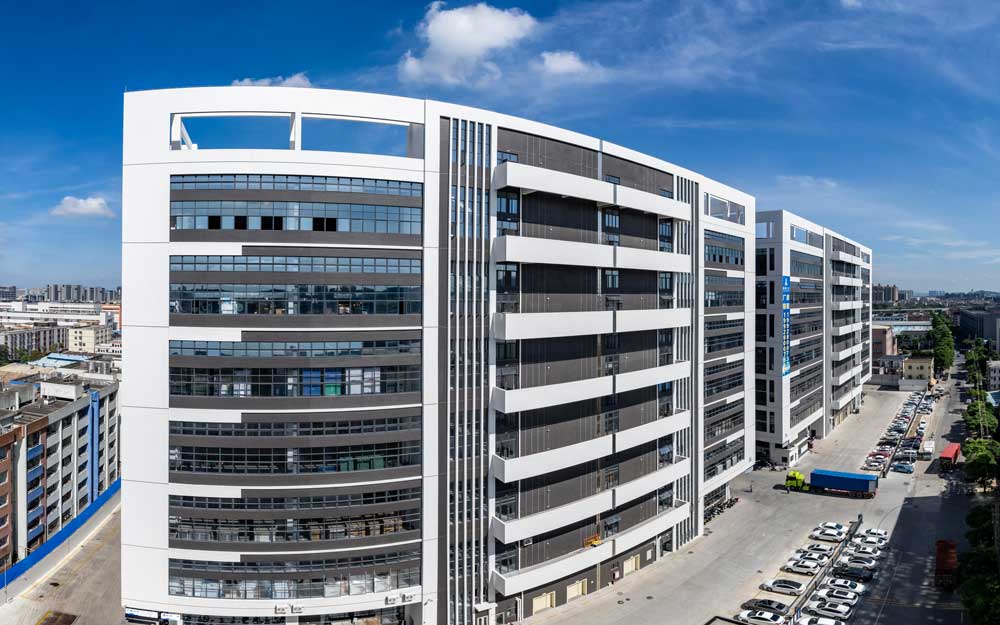
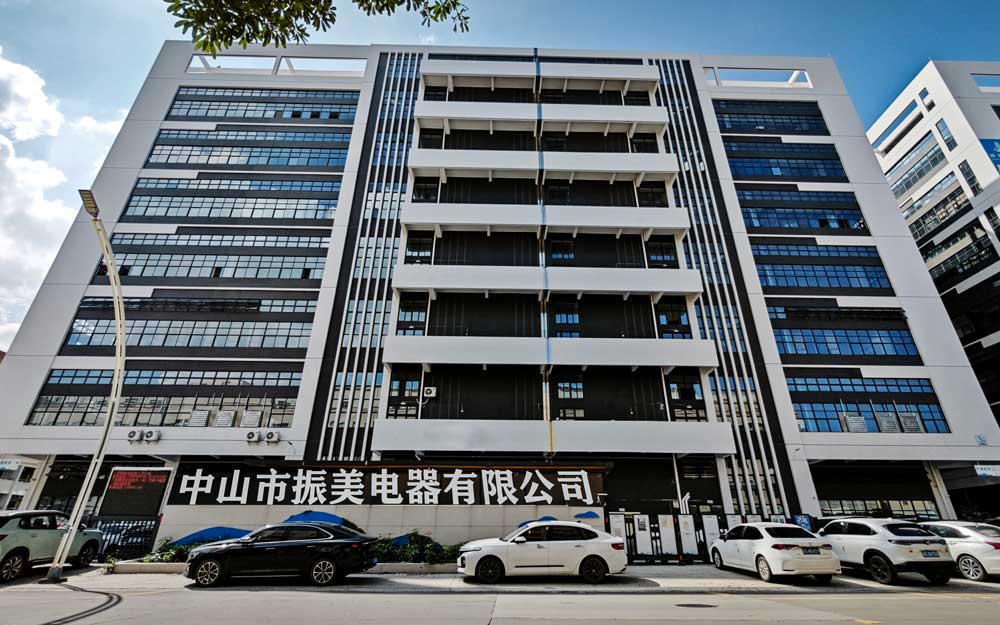
Established as a pioneering force in the global kitchen appliance manufacturing sector, Zhongshan Zhenmei Electrical Appliance Co., Ltd. stands as a premier OEM/ODM manufacturer specializing in high-performance commercial and household kitchen products. Over 16 years of active engineering and fabrication experience allow us to turn conceptual blueprints into market-ready, certified consumer goods.
Our expansive product lines cover high-grade food blenders, commercial-class juice makers, air fryers, intelligent steam ovens, and multifunctional electric pressure cookers. By aligning raw material sourcing, in-house tooling design, motor fabrication, and structural assembly under one integrated management protocol, we support leading multinational kitchen brands with rapid development timelines, consistent product quality, and cost-controlled volume production.
At our core, we realize that juice blenders are the workhorses of both commercial kitchens and modern wellness-focused households. A high-performing juice-making blender requires precise motor configuration, dynamic thermal management, high-strength blade composition, and user-safe operational interfaces. Our dedicated R&D division consists of 20+ specialized engineers who continuously innovate in motor power optimization, sound mitigation technology, and digital user control systems.
By leveraging advanced raw material testing systems, coordinate measuring machines (CMM), and automatic endurance testing benches, we guarantee that every blender leaving our factory handles dense fibrous raw materials, frozen components, and daily high-stress operations with zero mechanical fatigue.
Why sourcing from our vertically integrated manufacturing facility in Zhongshan, China, provides unmatched market competitiveness.
Located in Zhongshan, the heartland of small domestic appliances in China, our factory benefits from immediate proximity to key component vendors, high-grade copper suppliers, precision electronics mold makers, and plastic injection suppliers, minimizing overhead, logistics costs, and transport lead times.
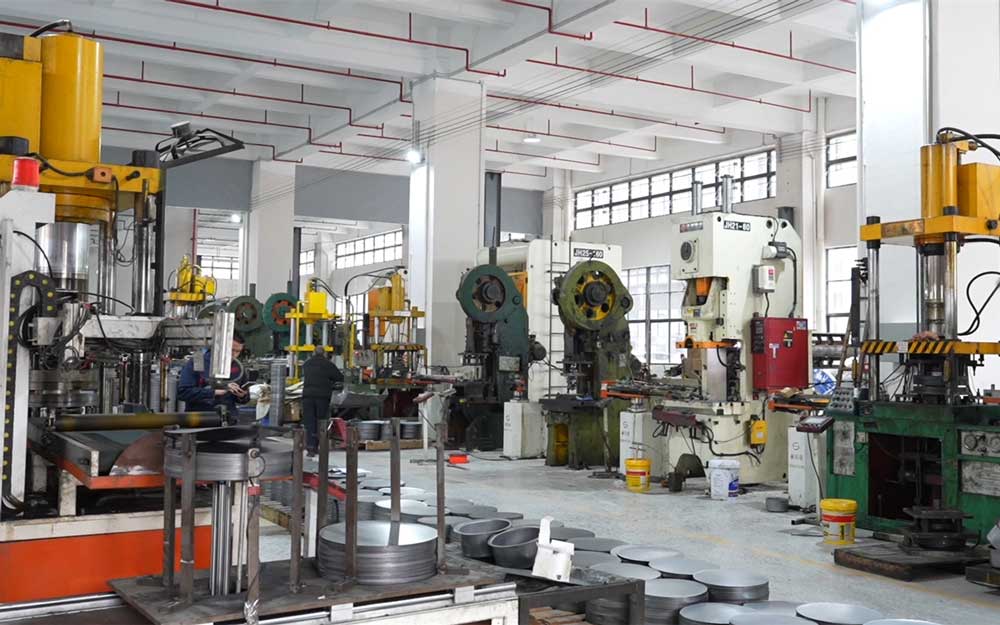
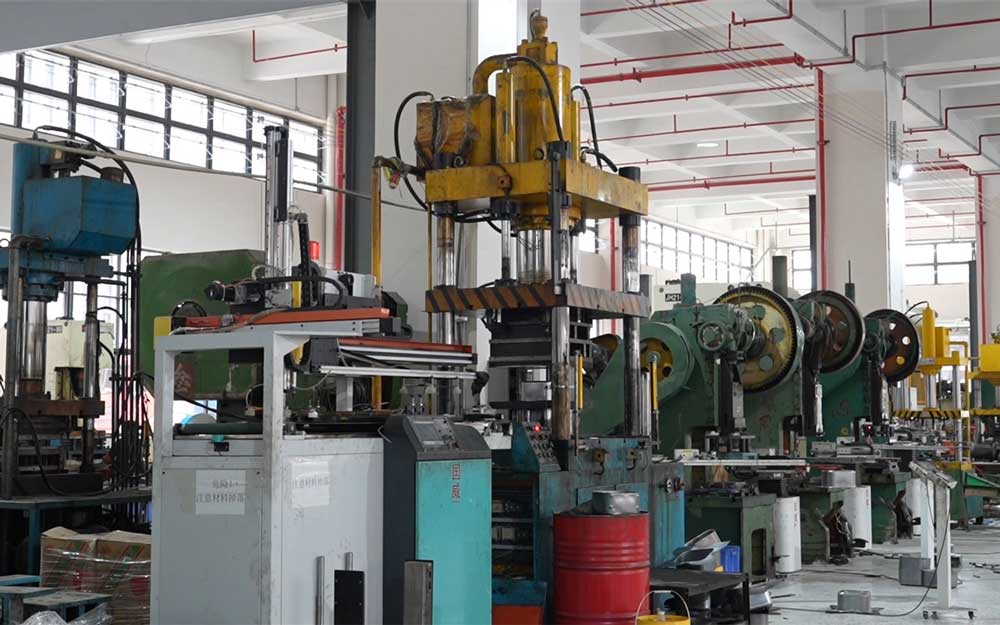
We operate dedicated testing labs that monitor incoming raw steel, copper coils, smart microchips, and food-grade polymers. Every blender design undergoes strict high-voltage insulation tests, motor temperature rise checks, load capacity stress trials, and drop testing to maintain zero-defect standards.
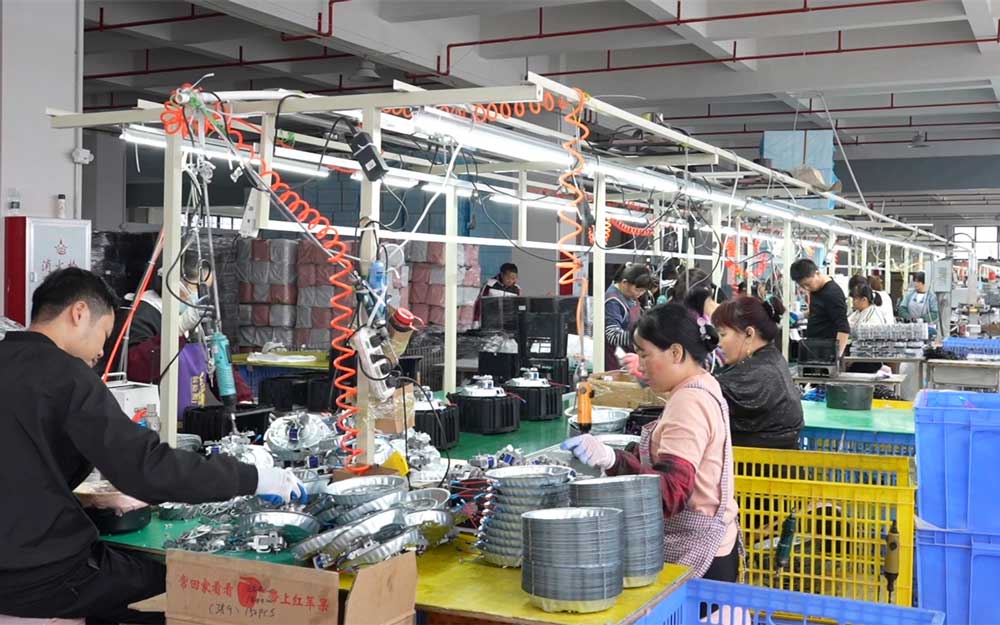
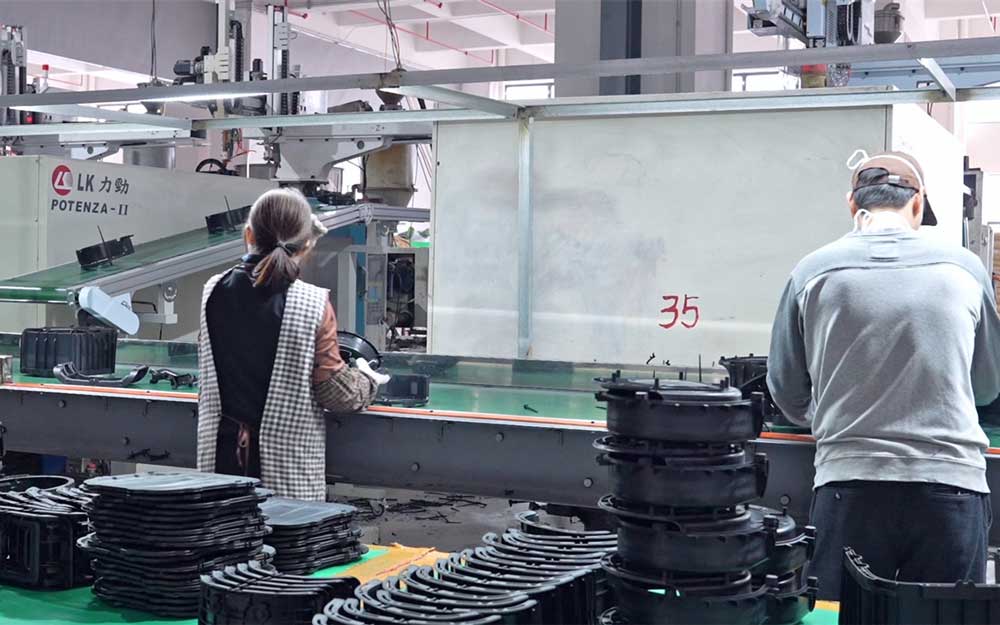
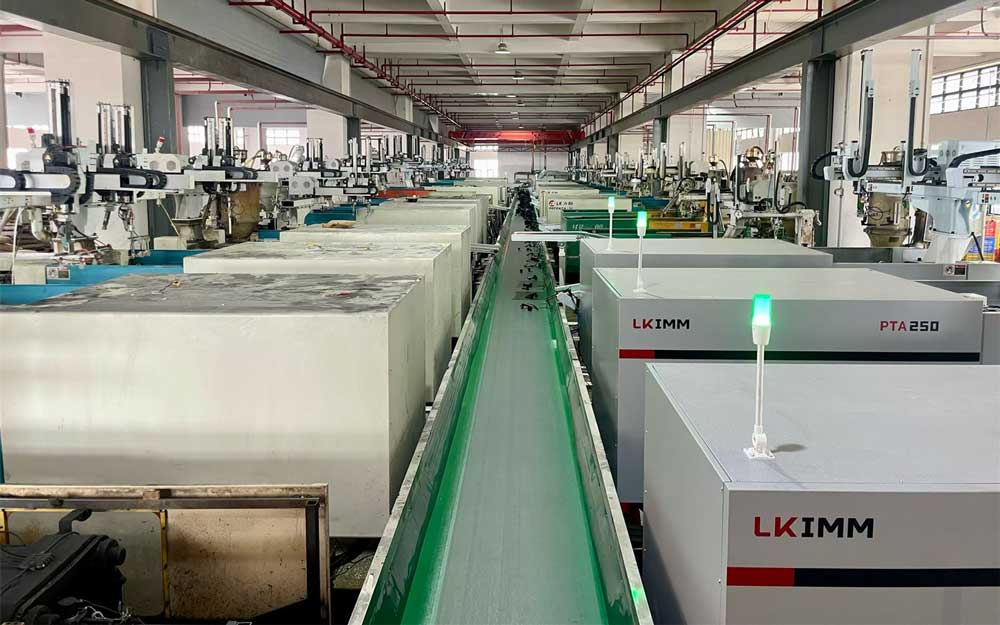
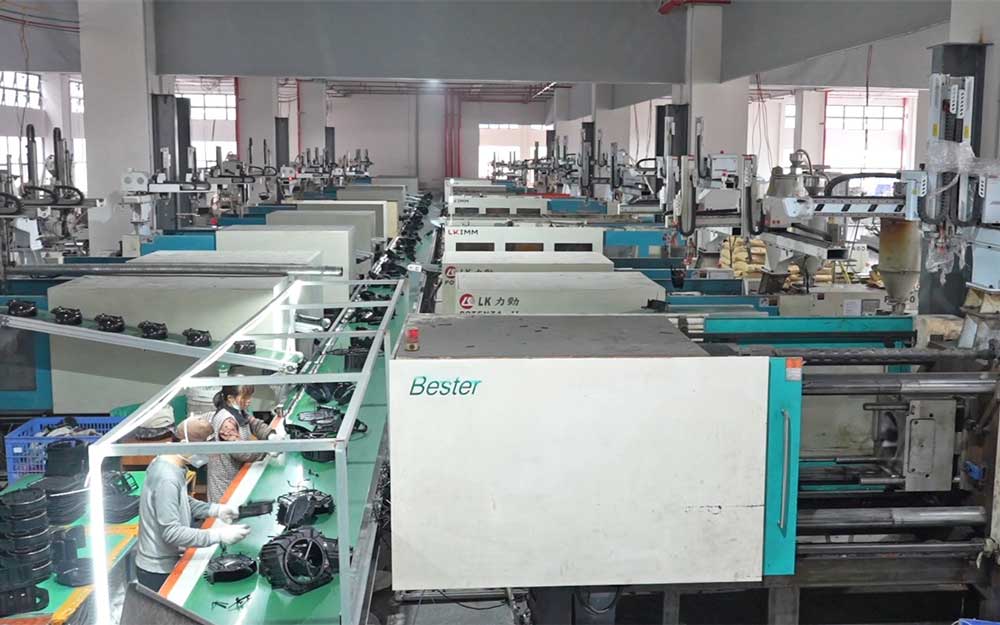
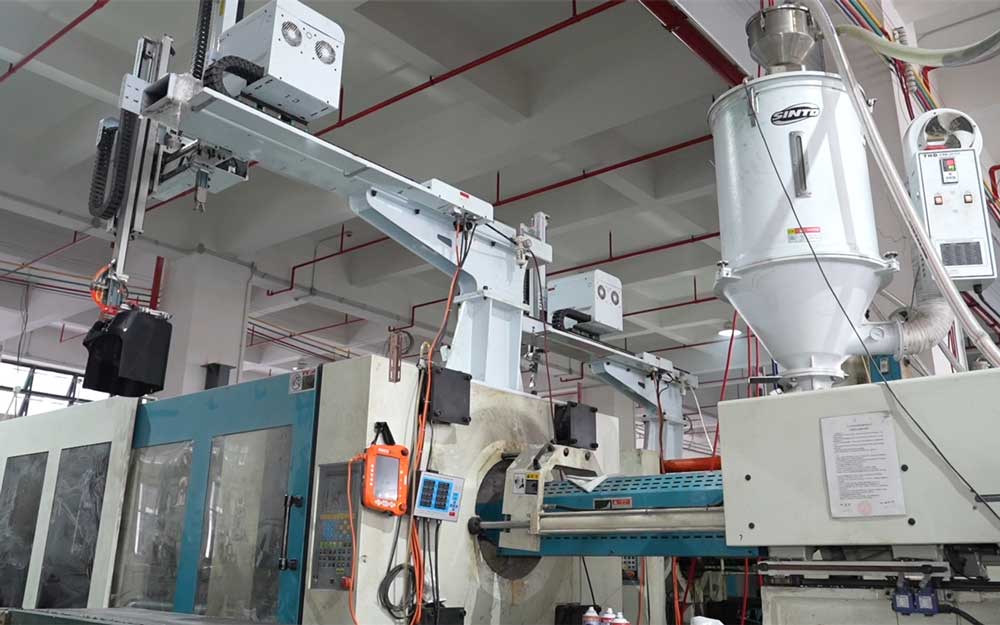
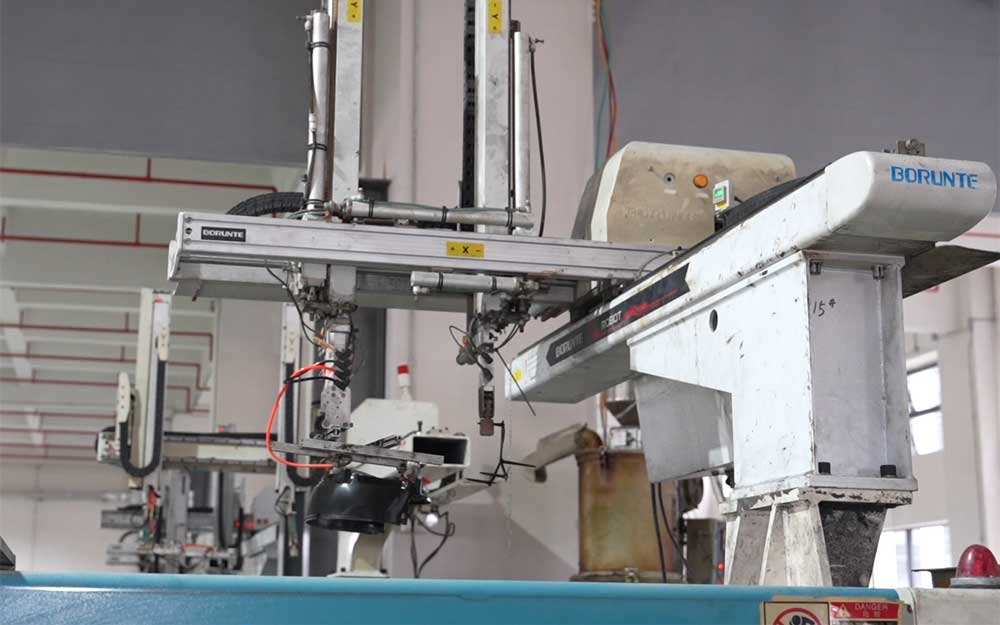
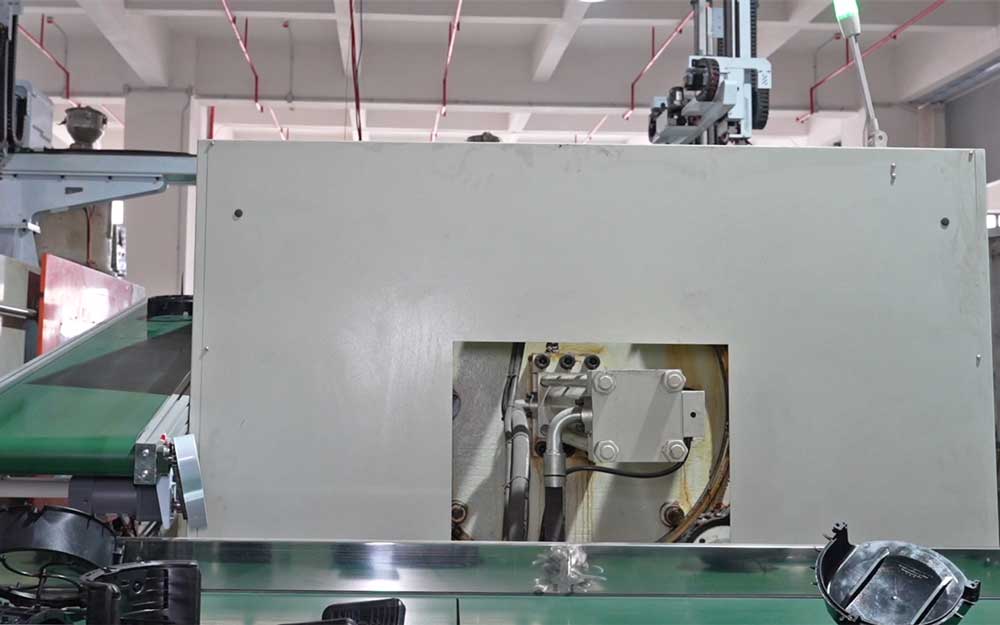
Supported by automated assembly machinery, high-speed motor winding lines, and heavy-duty plastic injection molds, we manage a daily output threshold exceeding 10,000 finished appliance units. This robust capacity allows us to accommodate peak global demand while retaining minimal lead times.
"Our collaborative approach allows global distributors to integrate localized market features, customized branding, tailored packaging, and region-specific technical certifications right at the product design stage, reducing time-to-market and compliance friction."
Understanding the technical parameters, logistics schedules, and custom features expected by B2B bulk buyers, distributors, and appliance brands.
Modern B2B appliance procurement managers operate under tight commercial parameters. Whether sourcing for large-scale retail chains, appliance brands, or wholesale distribution networks, purchasing executives evaluate key metrics when choosing a manufacturing factory. For juice-making blenders, the focus goes beyond visual styling and pricing structure; it concentrates on technical durability and long-term functional performance under heavy duty cycles.
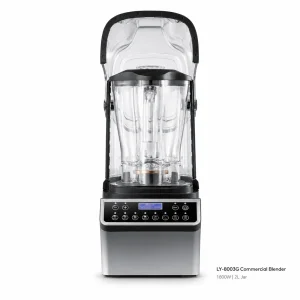
The heart of any industrial or high-end residential blender lies in its motor configuration. Global buyers look for heavy-duty pure copper motors. A pure copper winding operates cooler and has a substantially longer operational lifespan compared to cheaper copper-clad aluminum (CCA) alternatives. Our blenders, such as our 1800W commercial options, feature built-in thermal overload protection systems that shut down power dynamically before motor winding damage occurs.
Blades must withstand high impact from fibrous vegetables, ice cubes, and hard frozen fruits. We utilize premium food-grade SUS 420 or SUS 304 hardened stainless steel, sharpened and balanced using precision laser alignment. Dynamic balancing reduces vibration during high-speed rotation (up to 28,000 RPM), which decreases pressure on the bearing assemblies, lowers operational noise, and prevents gear stripout.
Jar integrity is crucial for institutional food safety and commercial operations. Glass pitchers are heavy and prone to breakage under sudden temperature shifts, while standard plastic degrades, stains, and traps odors. We construct our blender jars from high-impact, BPA-free Eastman Tritan copolyester, providing drop resistance, glass-like clarity, and long-term dishwasher safety.
Commercial users prefer mechanical variable dial controls with pulse switches, while modern residential customers value touch-control interfaces with preset blending modes. As an OEM/ODM partner, we offer both configurations: manual variable dials with heavy-duty micro-switches or capacitive LCD screens with microcontroller unit (MCU) feedback loops.
From custom logo branding and housing color selection to modifications in motor wattage and packaging design, our R&D and engineering departments work directly with your team to deliver market-specific specifications.
Ensuring seamless market entry and compliance through comprehensive international laboratory testing and certifications.
To enter the US and Canadian consumer markets, blenders must satisfy rigorous safety standards. We manufacture products targeting UL 982 (Standard for Motor-Operated Household Food Preparing Machines) and NSF/ANSI 8 (Commercial Food Equipment). Our plastics and blades undergo FDA compliance verification to ensure they are free of toxic compounds.
For the European Union, our blenders meet CE directives (LVD for electrical safety and EMC for electromagnetic interference). The raw materials comply with the RoHS directive to limit hazardous substances, and all food-contact components are certified under LFGB standards for chemical transfer resistance.
We design blenders capable of operating under diverse electrical grids worldwide. This includes developing systems for 220V–240V 50Hz/60Hz grids (Asia, EU, Middle East), 110V–120V 60Hz grids (Americas), and 100V 50Hz/60Hz grids (Japan), matching power cords, internal circuit components, and thermal switches to local electrical conditions.
Optimizing blender performance, mechanical construction, and interface designs to meet the distinct functional requirements of specific commercial, retail, and industrial environments.
In fast-paced cafés and juice bars, processing speed, structural reliability, and sound control are critical. For these environments, we supply blenders with 1500W to 2200W commercial-grade motors, impact-resistant blade modules, and sound dampening enclosures. These enclosures reduce operating noise by up to 15 decibels, maintaining a comfortable dining atmosphere for patrons.
Large hotel kitchens, hospitals, and educational facilities require robust high-volume blenders designed for continuous batch operations. We build large-capacity blenders (2.0L to 3.0L) using chemical-resistant, food-grade Tritan pitchers. These units incorporate heavy-duty drive sockets, double oil seal bearings, and automated safety switches to ensure safe, repeatable use by multiple staff members.
Modern home users seek blenders with space-saving designs, sleek aesthetics, and smart cooking presets. We produce home blenders with touch control panels, integrated digital timers, and preset cycles for smoothies, hot soups, ice crushing, and self-cleaning. The slim footprints allow these units to fit neatly beneath standard kitchen cabinets.
Exploring technological developments that are shaping the next generation of professional food prep and juice blending equipment.
Traditional high-performance blenders use brushed universal motors, which generate friction, carbon dust, and mechanical wear over time. The industry is moving toward brushless DC (BLDC) motors. BLDC motors offer higher torque, run cooler, produce less noise, and consume up to 40% less energy. Our research and development teams are actively building BLDC-driven blender platforms to provide distributors with high-efficiency commercial products.
Smart kitchen environments require connected appliances. We are integrating Bluetooth and Wi-Fi modules into our digital blender designs. This connectivity allows users to load specialized blend cycles directly from mobile applications, monitor motor health remotely, track ingredient weights, and log run times—a feature useful for franchise operators tracking output across multiple locations.
Oxygen exposure during high-speed blending can lead to ingredient oxidation, which degrades vitamins, alters natural colors, and causes juice separation. Vacuum-assisted blending extracts air from the jar prior to rotation, preserving vital nutrients, yielding brighter colors, and creating smoother textures. Our R&D team offers custom vacuum pump attachments and integrated vacuum jar designs for OEM clients looking to expand their premium product offerings.
Global regulatory bodies are tightening restrictions on single-use plastics and chemical compounds. Brands are seeking sustainable, recyclable, and post-consumer recycled (PCR) plastics for outer housings, along with certified bio-based polymers for non-structural components. We actively source and qualify eco-friendly materials to help brands meet their corporate sustainability goals.
Direct answers from our engineering and sales offices regarding customization, production times, and shipping terms.
Engineered for commercial, domestic, and portable use in diverse kitchen applications.
 Zhenmei Electrical