Precision engineering and robust heating architectures customized for global brands and commercial importers.
How rapid-heat culinary technologies are merging to meet modern commercial standards, structural challenges, and consumer lifestyle pivots.
The global domestic appliance sector is undergoing a profound paradigm shift. Traditional singular thermal methods are rapidly being replaced by multi-functional, hybridized thermodynamic platforms. Home microwave cooking has moved far beyond simple magnetron-driven food warming. Today's global supply chain demands highly integrated cooking cavities that combine inverter microwave generation, high-velocity convection thermal flows, and smart superheated steam systems.
This structural change is fueled by a dual pressure: consumer demands for healthier, nutrient-retentive culinary speed and commercial demands for highly energy-efficient kitchen systems. As urban populations densify, kitchen layouts shrink, driving the integration of multi-tier cooking mechanisms into compact, high-performance designs. Industry leaders are focusing R&D on hybrid thermal management systems that minimize energy dissipation while maximizing chemical heat absorption in foods.
Transitioning from traditional fixed-voltage transformer coils to variable-frequency digital inverters. This achieves consistent power modulation, preserves delicate food cells, and cuts energy consumption by up to 22%.
Combining RF microwave energy with convection heating, infrared browning elements, and integrated steam injection. This cuts overall cook times by 40% while preserving moisture and texture.
Using smart relative-humidity sensors and infrared thermal sensors to monitor surface temperatures in real-time. This eliminates manual configuration, preventing boil-overs and undercooking.
Navigating global regulatory landscapes, supply-side certifications, and structural metrics crucial for international volume importers.
For global distributors, sourcing procurement managers, and OEM brand buyers, choosing a manufacturing facility is an exercise in risk mitigation. Industrial home microwave cooking appliances are subject to some of the strictest international testing procedures. Magnetron leakage thresholds, electromagnetic compatibility (EMC) regulations, and material safety compliance protocols vary widely across different jurisdictions.
A qualified factory must maintain rigorous standards like ISO 9001:2015 quality systems, alongside a strong array of product-level safety marks. These certifications act as gatekeepers for importing appliances into premium retail spaces and industrial supply chains globally.
Mandatory regional marks including CE, CB, GS (Germany), UL/ETL (North America), RoHS (Material limits), and FDA-approved food-contact testing.
Double-door interlock micro-switches prevent radiation leakage. Waveguide structures must keep emissions below the 1.0 mW/cm² standard at 50mm distance.
Strict use of SUS 304 food-grade stainless steel inside the cavity, non-leaching borosilicate glass windows, and strictly BPA-free polymers.
| Regulatory Framework | Target Region | Core Compliance Parameter | Testing & Audit Focus |
|---|---|---|---|
| FDA / FCC Part 18 | United States / Canada | RF Radiation Leakage < 5.0 mW/cm² | Electromagnetic interference limits and food-contact surface safety. |
| CE / GS / EN 60335 | European Union | LVD Electrical Safety & EMC Emissions | Double-fail-safe interlock microswitch stress testing under load. |
| CB Scheme | International (IECEE) | Global safety certification harmonization | Evaluation of insulation breakdown, ground continuity, and fire hazards. |
| RoHS / REACH | Pan-European & Global | Heavy metal restriction limits | Eliminating lead, mercury, cadmium, and PBBs in electronic solder and plastics. |
How modern automated factories in Zhongshan optimize production cost structures, reduce defects, and guarantee supply continuity.
Global procurement operates in an environment defined by volatility. From fluctuating raw material costs to logistics challenges, supply chain resilience is crucial. The kitchen appliance manufacturing cluster in Zhongshan, Guangdong Province, represents the gold standard for global production ecosystems. By combining localized component suppliers with Industry 4.0 automation, modern factories can offer pricing stability and structural capacity that are difficult to replicate elsewhere.
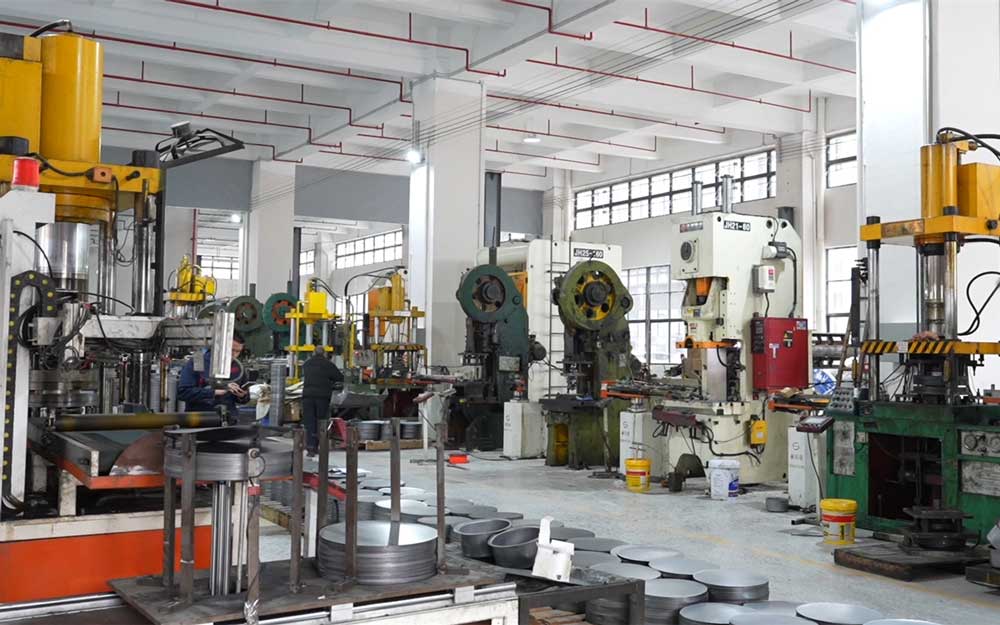
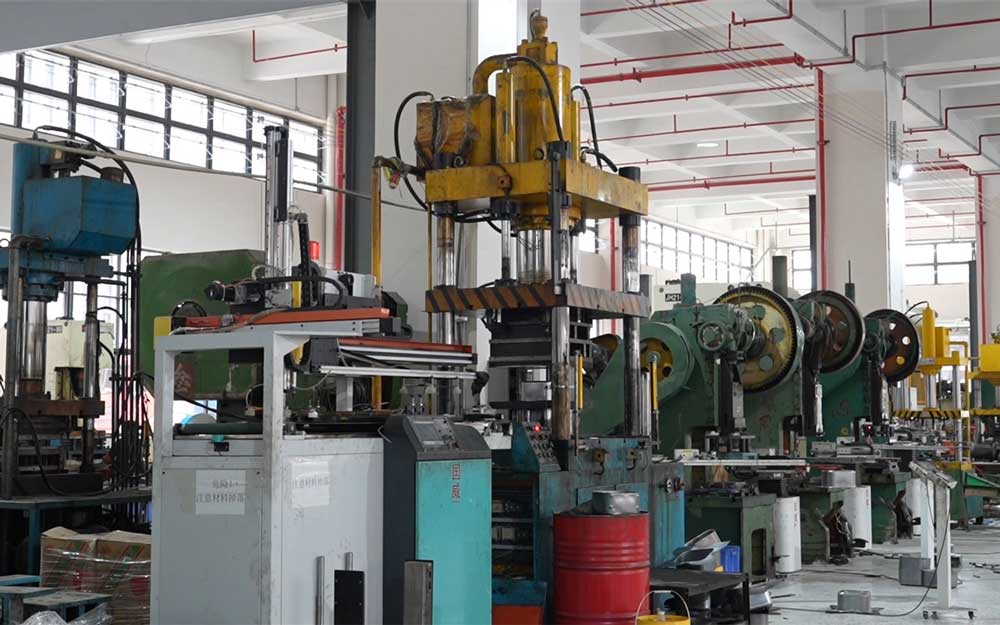
Automated production lines handle everything from sheet metal stamping to robotic laser welding. This ensures that every cavity seal, structural chassis, and cosmetic bezel is constructed with micrometer-level precision. This high degree of automation directly translates into lower defect rates, faster setup times for custom toolings, and an incredibly robust daily production volume.
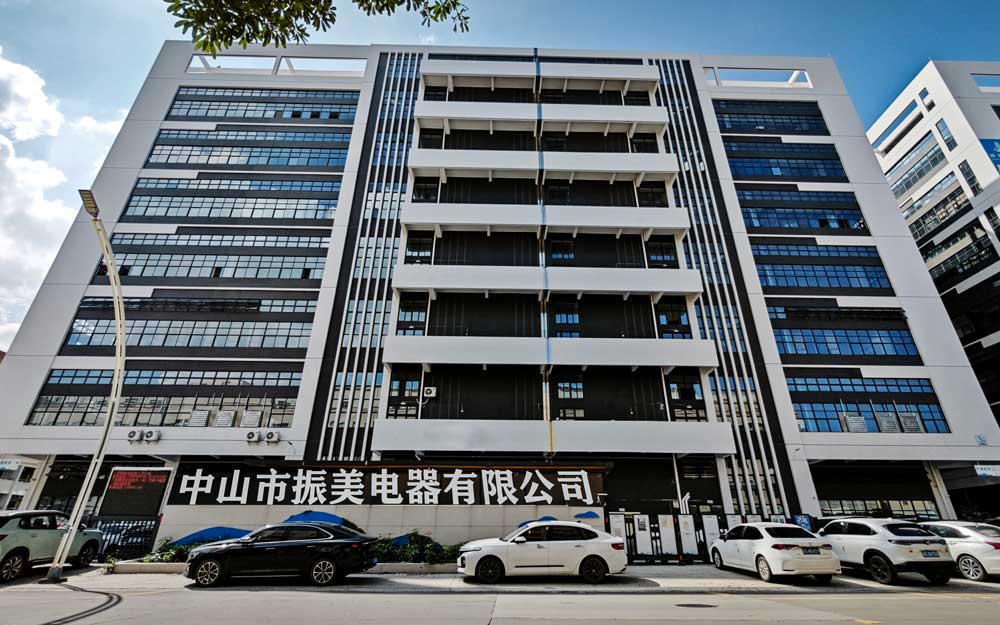
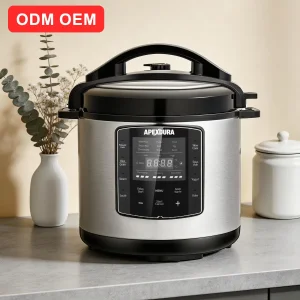
Zhongshan Zhenmei Electrical Appliance Co., Ltd. is a premier OEM/ODM partner specializing in kitchen appliances. For over 16 years, we have designed, engineered, and manufactured high-performance kitchen appliances, including air fryers, electric pressure cookers, blenders, and advanced microwave-based hybrid cooking systems. Operating from our advanced 40,000 square meter facility, powered by over 300 dedicated professionals and an elite 20-engineer R&D division, we transform concepts into market-ready appliances for leading global brands.
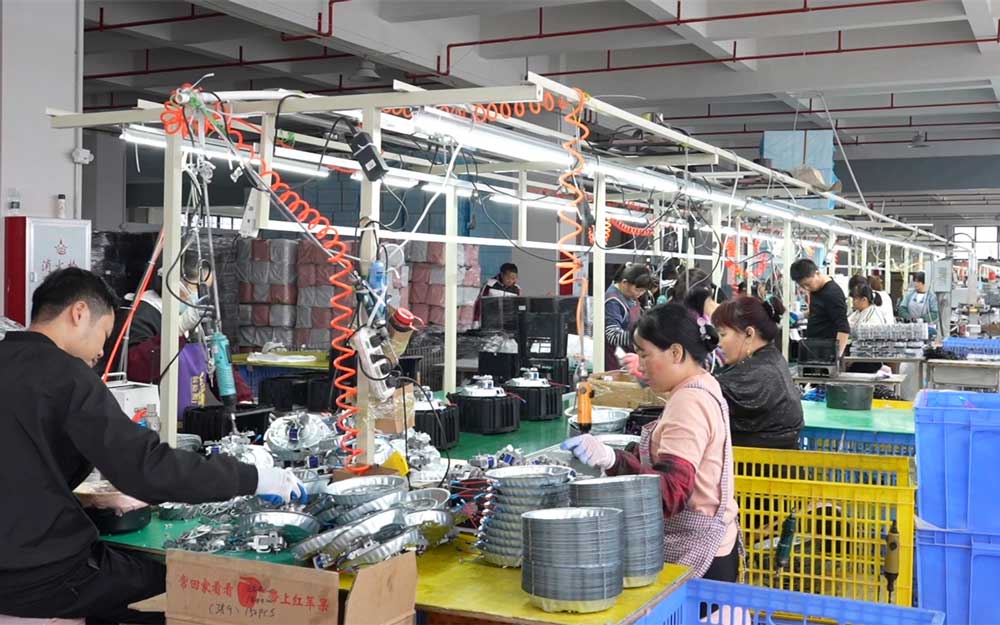
Our manufacturing philosophy centers on precision, scalability, and strict quality control. From initial design to automated stamping and final electrical performance validation, we ensure every unit meets international safety and durability standards. Our massive 10,000+ unit daily capacity guarantees that large volume orders are filled on time, helping our global B2B partners maintain a competitive edge.
Vertically Integrated Production: In-house tooling design, metal stamping, painting, and PCB diagnostic testing reduce dependence on sub-contractors.
Comprehensive Customization: Industrial design, custom PCB layout, software programming, custom cavity sizes, and branding configurations.
BSCI and ISO Factory Audits: We maintain a transparent factory floor, ready for third-party audits by major retailers and international compliance companies.
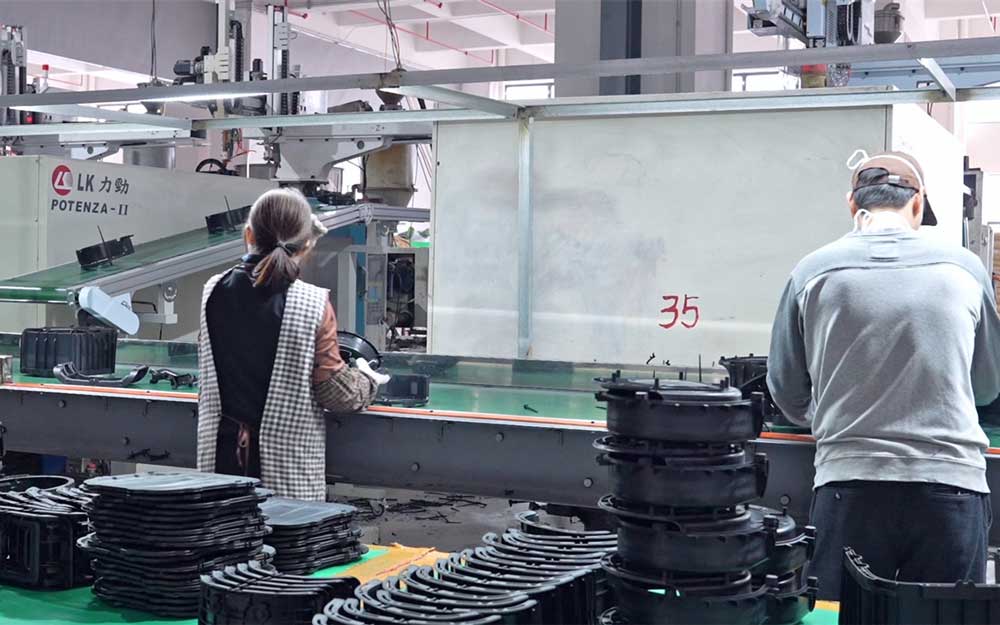
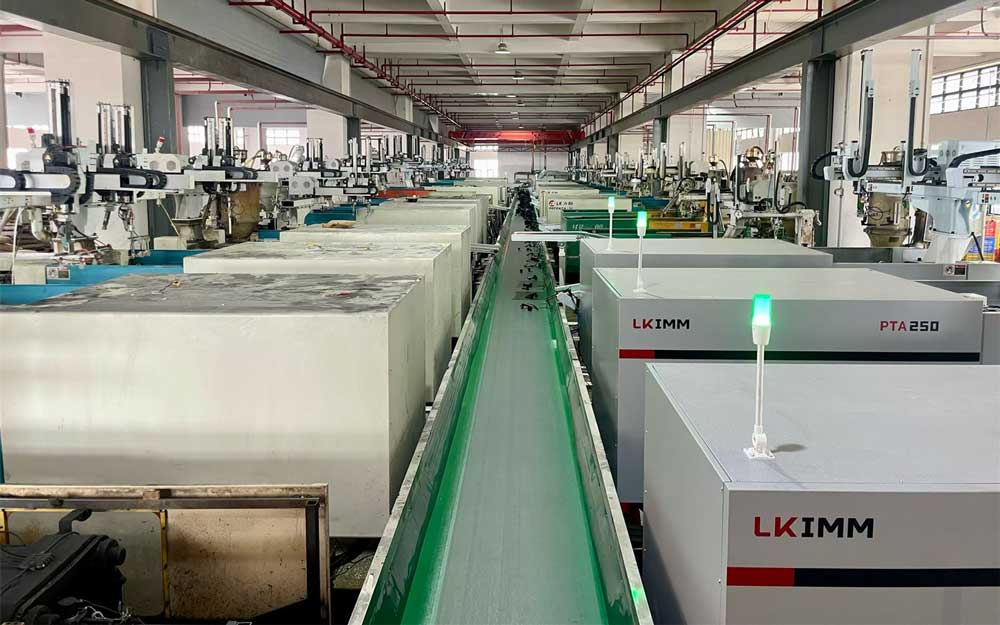
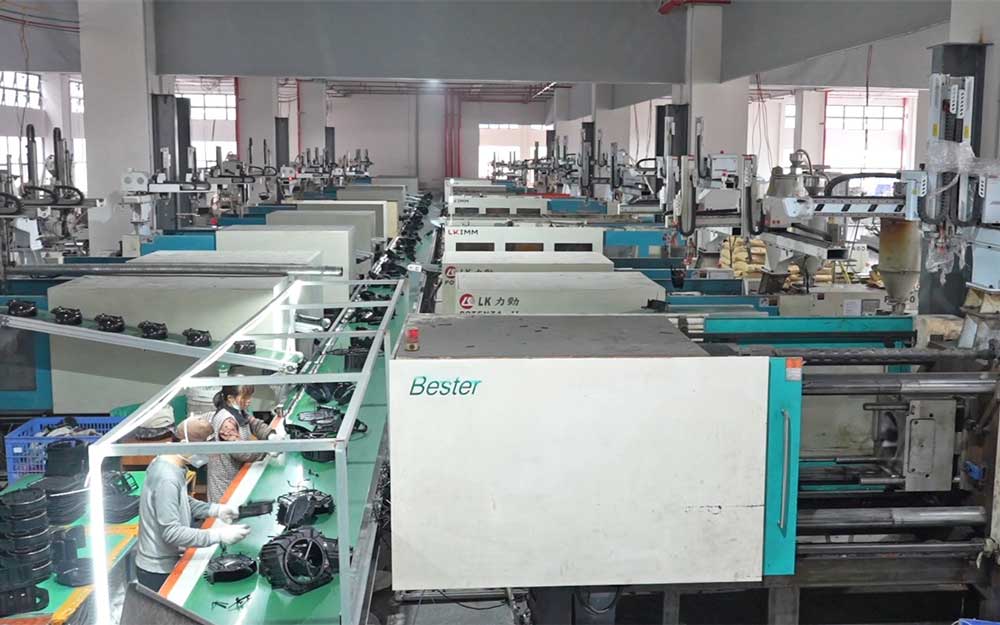
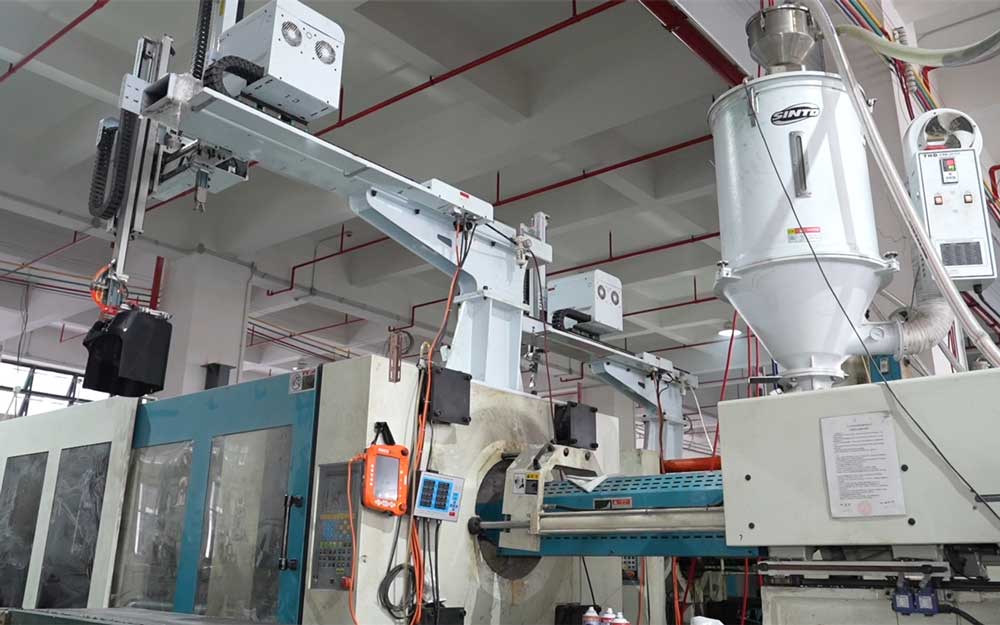
An inside look at our advanced manufacturing lines, automated stamping, precision assembly stages, and quality testing labs.


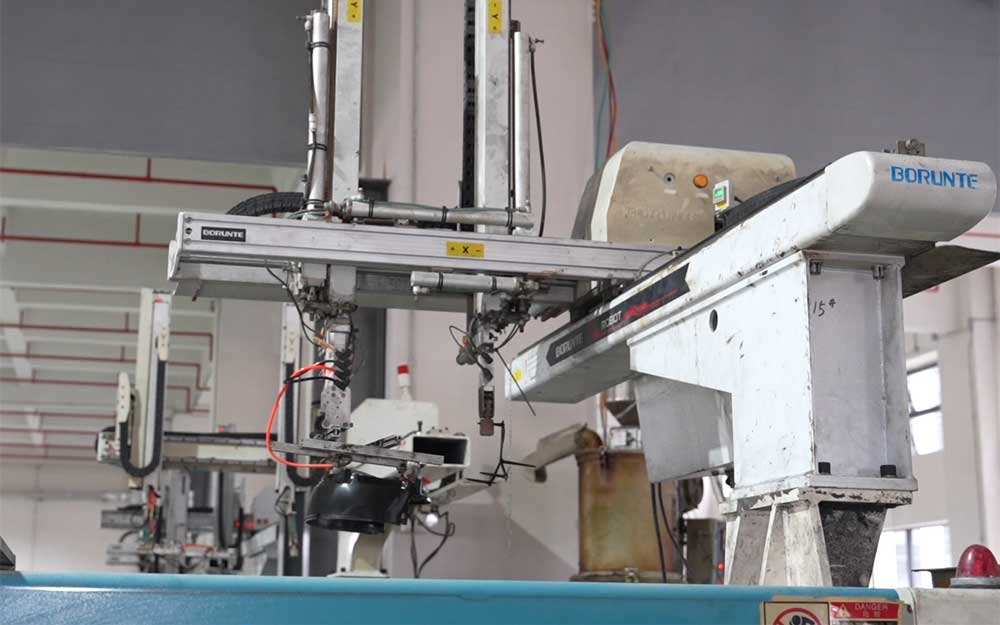
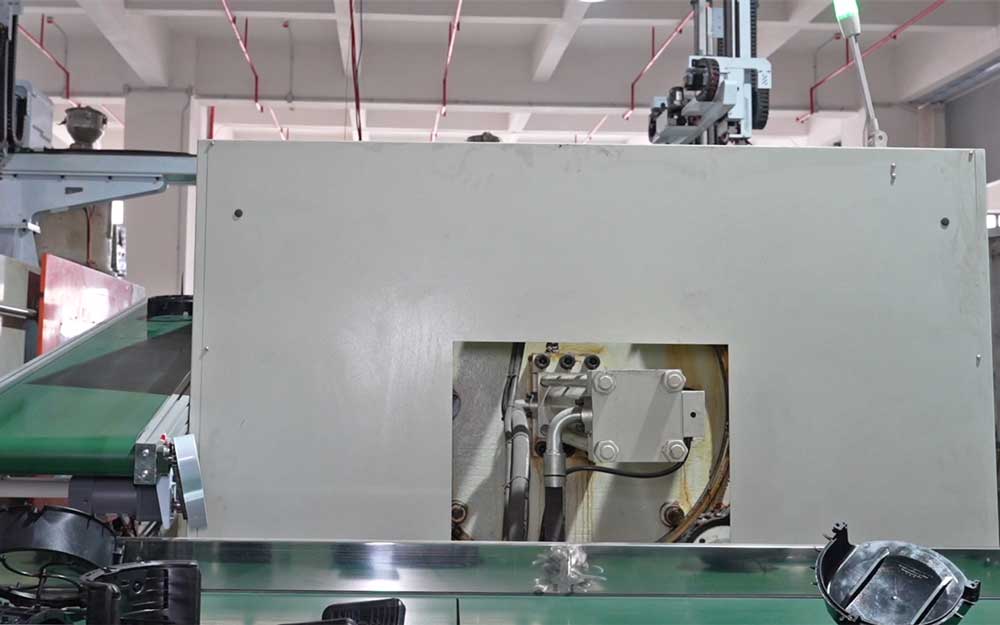
An engineering review comparing magnetron efficiency curves, thermal distribution, and their impact on cooking consistency.
Traditional microwave cooking relies on a heavy iron-core transformer to convert AC grid voltage into the high-voltage direct current needed by magnetrons. This system operates by switching the high-voltage field completely on and off at regular intervals (pulse-width modulation, or PWM). When set to half power, a traditional microwave doesn't actually produce a weaker field; instead, it outputs 100% power for 15 seconds, followed by 0% power for 15 seconds. This cycle causes food to cook unevenly, drying out delicate ingredients while leaving the centers of frozen items cold.
In contrast, modern digital inverters deliver continuous, variable power. Operating at high frequencies, the inverter circuit board dynamically adjusts the magnetron's output power. When set to 50% power, the system delivers a constant 50% energy stream. This prevents raw food cellular rupture, preserves natural moisture, and ensures even heat distribution throughout the dish.
Precise Temperature Control: Essential for delicate culinary tasks like melting chocolate, softening butter, or defrosting sensitive proteins without cooking their edges.
Lightweight & Compact Design: Replaces bulky transformer assemblies with lightweight electronic control units, reducing overall product shipping weight by up to 3 kg per appliance.
Improved Energy Conversion: Enhances the electrical-to-thermal energy conversion ratio, helping products qualify for strict regional energy classifications like Energy Star and ErP standards.
| Performance Metric | Digital Inverter System | Traditional Transformer |
|---|---|---|
| Output Power Control | Continuous & variable (10%-100%) | Intermittent pulse (ON/OFF duty cycle) |
| Energy Efficiency | ~ 65% - 70% efficiency | ~ 50% - 55% efficiency |
| Defrost Performance | Deep heat penetration, no hot spots | Partially cooks outer layer, frozen core |
| Module Weight | ~ 0.8 kg (High-frequency PCB) | ~ 4.0 kg (Copper-wound iron transformer) |
Customizing product footprints, UI systems, and electrical specifications to fit diverse global household structures.
Global target markets have distinct spatial requirements, voltage tolerances, and user expectations. An appliance built for a spacious kitchen in North America is very different from one designed for a compact apartment in Europe or East Asia. As a result, B2B OEMs must partner with a manufacturer capable of adapting core technologies to fit these localized requirements.
Focuses on large-capacity cavities (1.2 to 2.2 cubic feet), integrated Over-The-Range (OTR) exhaust fans, 120V / 60Hz configurations, and UL/ETL certification. Features intuitive, one-touch sensor cook programs tailored for regional food preferences.
Optimized for compact, built-in (integrated) installations fitting standard 60cm cabinet dimensions. Operates on 230V / 50Hz, carries CE/GS approvals, and uses brushed metal finishes, sleek push-buttons, and dual-layer glass doors.
Requires space-saving countertop models with high-efficiency hybrid features (steam + grill). Adapts to regional voltage ranges (100V to 240V), and includes localized UI text and auto-cook presets optimized for traditional regional dishes.
Key information on MOQ structures, customization options, safety compliance, and shipping logistics.
Our standard MOQ for custom OEM appliance runs is typically 1,000 units per model. This aligns with standard production runs for custom injection molding, metal stamping tooling configurations, and custom packaging. For highly specialized ODM designs that require new chassis toolings or deep structural alterations, the MOQ is negotiated based on R&D costs and component volume commitments.
We employ a strict three-tier quality control process: Incoming Quality Control (IQC) for raw components, In-Process Quality Control (IPQC) along the assembly lines, and Final Quality Control (FQC) testing for every finished unit. Each microwave undergoes a high-voltage insulation test, ground continuity test, and microwave leakage diagnostics before final packaging. We also work closely with third-party testing agencies like SGS, TÜV, and Intertek to perform pre-shipment inspections.
Yes. Our engineering team can configure appliances for various electrical grids, including 110V-120V / 60Hz for North America, 220V-240V / 50Hz-60Hz for Europe, Australia, and Asia, and 100V / 50Hz-60Hz for Japan. We design our control circuits to tolerate voltage fluctuations, protecting delicate electronic components in regions with unstable electrical grids.
We offer extensive custom branding options, including silk-screened logos, customized IMD (In-Mold Decoration) touch panels, color display interfaces, and bespoke preset menu programs. We can also adapt the display language, warning stickers, and instruction manuals to match your target region.
For standard OEM orders using existing product configurations, our typical production lead time is 35 to 45 days after deposit confirmation and packaging artwork approval. First-time orders may take an additional 10 to 15 days for initial packaging design and line setup. Shipping times vary depending on the destination port, but we offer full support for both FOB Shenzhen/Guangzhou terms and CIF delivery arrangements.
High-performance OEM/ODM solutions built to meet safety, reliability, and precision standards worldwide.

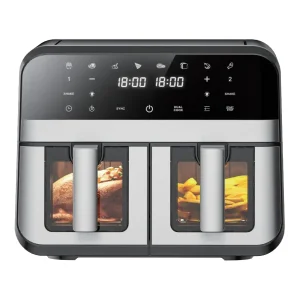
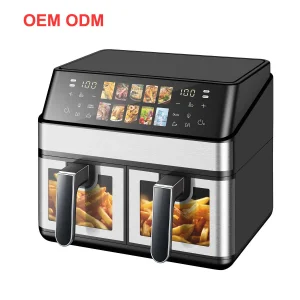
 Zhenmei Electrical