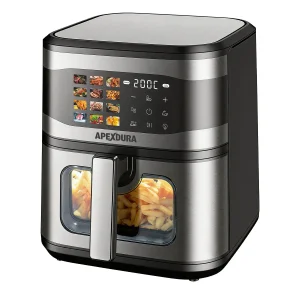
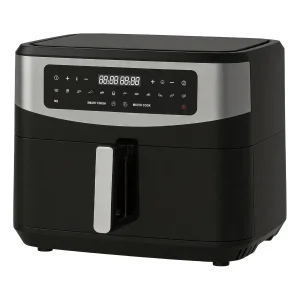
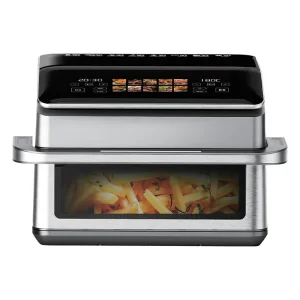
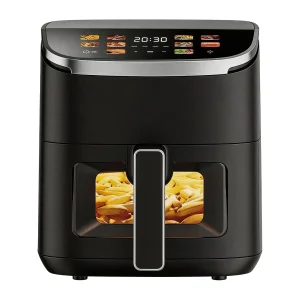
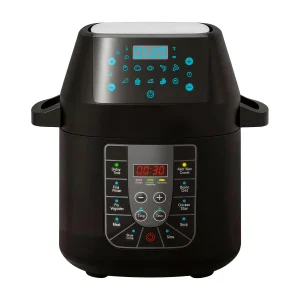
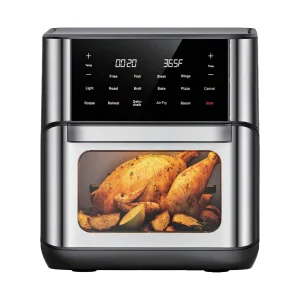
High-efficiency heating elements, smart digital controls, and dual-function capabilities optimized for modern kitchen environments.
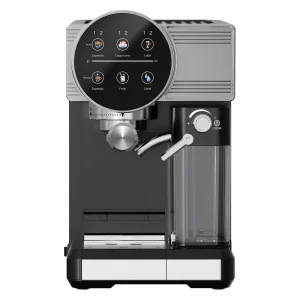
The global home coffee machine market has transitioned from a niche consumer product line into a multi-billion dollar industrial sector. Driven by the "Third Wave Coffee" movement and accelerated by shifting workspace demographics, consumers now demand barista-quality extraction in domestic environments. This shift has placed immense pressure on manufacturing facilities to deliver high-precision, commercial-grade technology in compact, consumer-priced packages.
Currently, the global manufacturing hub is centered in high-tech manufacturing corridors of China, particularly in Guangdong province, where integrated supply chains enable rapid prototyping, advanced metal stamping, precise electronics manufacturing, and consolidated logistics. Advanced factories are no longer just assembly lines; they are comprehensive R&D ecosystems capable of fluid dynamics simulation, precision thermal modeling, and electromagnetic compatibility testing to comply with international standards such as CE, CB, GS, UL, and RoHS.
Importers and brand owners face a complex landscape. The market demands diverse product categories, ranging from high-pressure pump espresso machines and fully automatic bean-to-cup systems to versatile multi-capsule extractors. A top-tier home coffee machine factory must maintain absolute consistency in thermal stability, pump pressure profiles, and material safety (such as BPA-free polymers and food-grade SUS304 stainless steel), while keeping per-unit costs optimized through high-capacity automation.
"The core differentiator for modern home coffee machine brands lies not in aesthetic variations, but in the thermal consistency of the thermoblock heating unit and the pressure profiling capabilities of the pump system."
The macroeconomic dynamics of the household kitchen appliance sector indicate a steady compound annual growth rate (CAGR) of over 6.2% for coffee brewing equipment. This expansion is heavily influenced by the premiumization of home kitchen experiences. With the rise of hybrid working arrangements, the home has become the primary hub of daily coffee consumption. Consequently, consumers are willing to allocate larger budgets to professional-grade hardware featuring integrated grinders, micro-foam steam wands, and digital displays.
Furthermore, wholesale buyers and brand importers must navigate changing trade policies, volatile shipping rates, and raw material cost fluctuations (especially copper, aluminum, and engineering plastics). To mitigate these risks, leading ODM/OEM partners are adopting lean manufacturing principles, investing in vertical integration (such as in-house injection molding and metal fabrication), and establishing redundant supply chains for critical electronic components like microcontrollers and pressure sensors.
To maintain a competitive edge, home coffee machine factories are aligning their production capabilities with a sophisticated technical roadmap:
Integrating Proportional-Integral-Derivative (PID) algorithms to control heating systems. This ensures water temperature remains within +/- 0.5°C of the optimal extraction window (usually 92°C to 94°C), eliminating sourness from under-extraction or bitterness from over-extraction.
Transitioning from basic 15-bar pump systems to highly efficient 20-bar Italian electromagnetic vibration pumps. This elevated pressure capacity ensures rich crema extraction and accommodates finer grind settings without clogging.
Smart connectivity via Bluetooth and Wi-Fi allows users to adjust pre-infusion duration, water volume, and grind time directly from their smartphones, providing a personalized coffee profile.
Global consumers have distinct preferences when it comes to coffee preparation and consumption. An expert OEM/ODM manufacturer must design platforms that are adaptable to regional parameters:
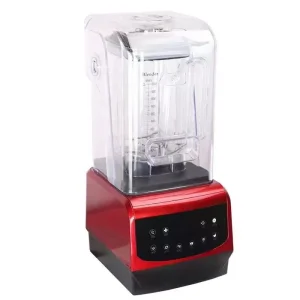
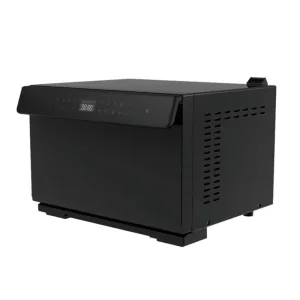
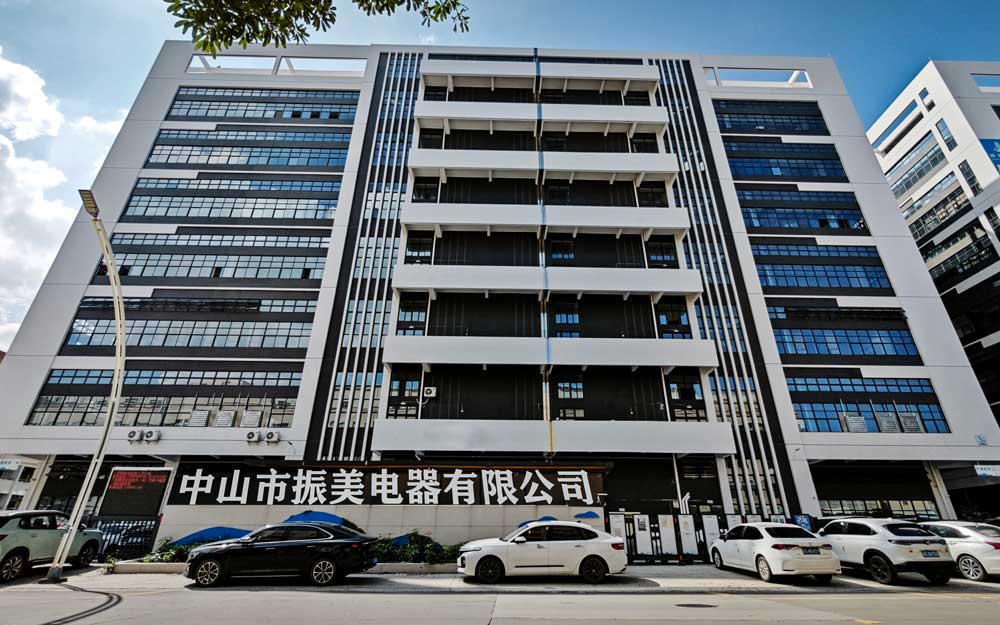
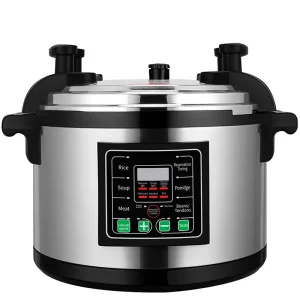
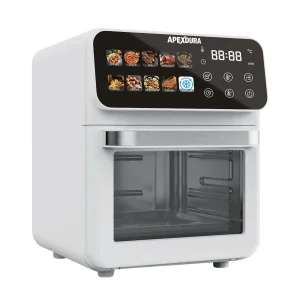
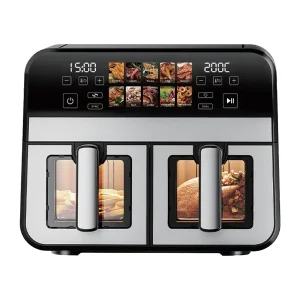
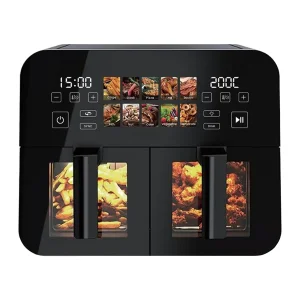
Zhongshan Zhenmei Electrical Appliance Co., Ltd. is a premier OEM/ODM partner specializing in the manufacturing of kitchen appliances, including air fryers, electric pressure cookers, blenders, and high-performance espresso systems. With over 16 years of expertise, we transform concepts into high-quality, market-ready products for leading global brands.
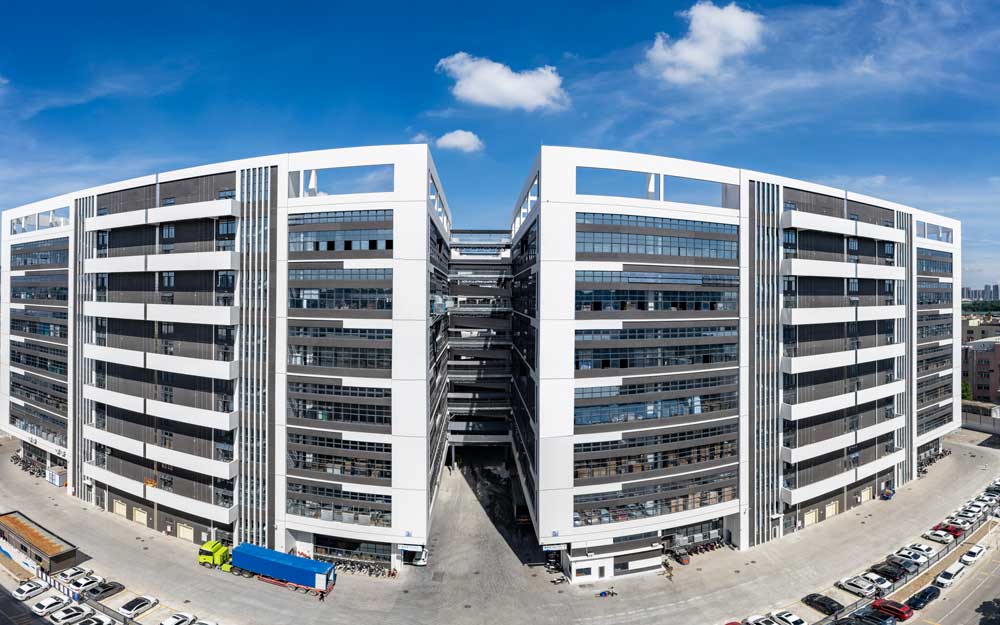
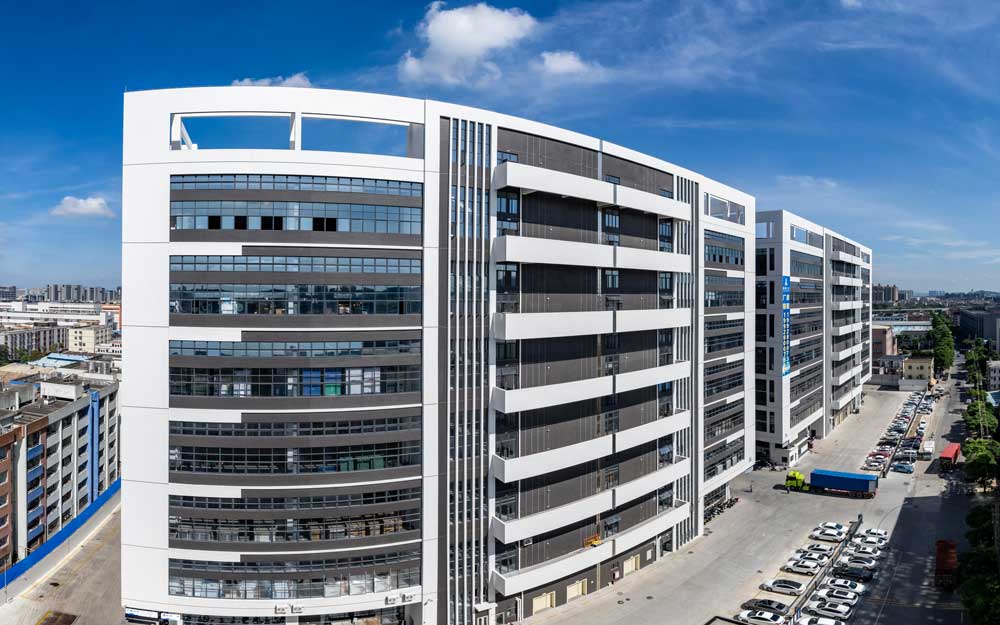
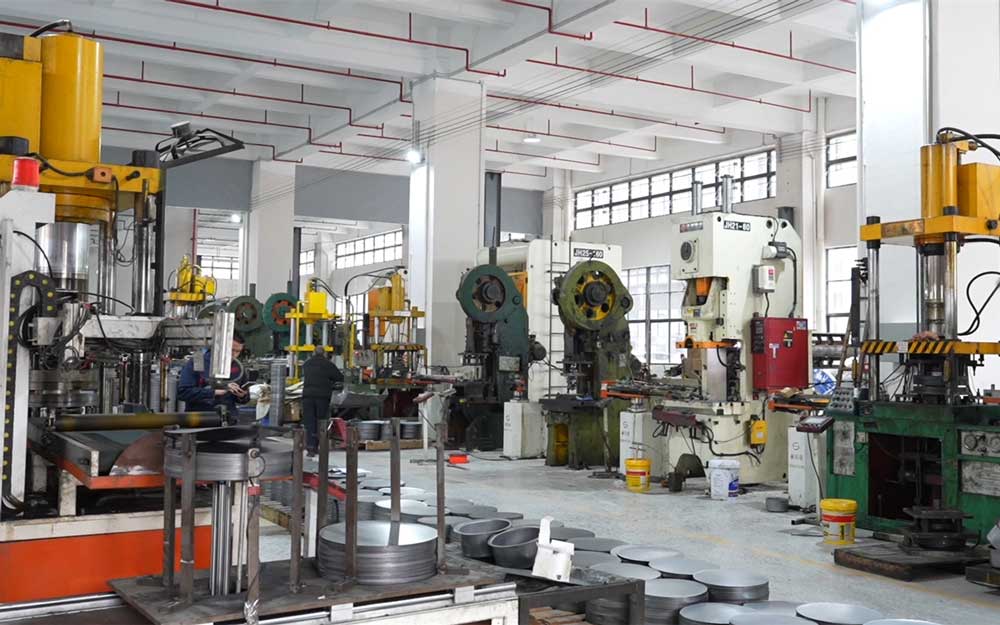
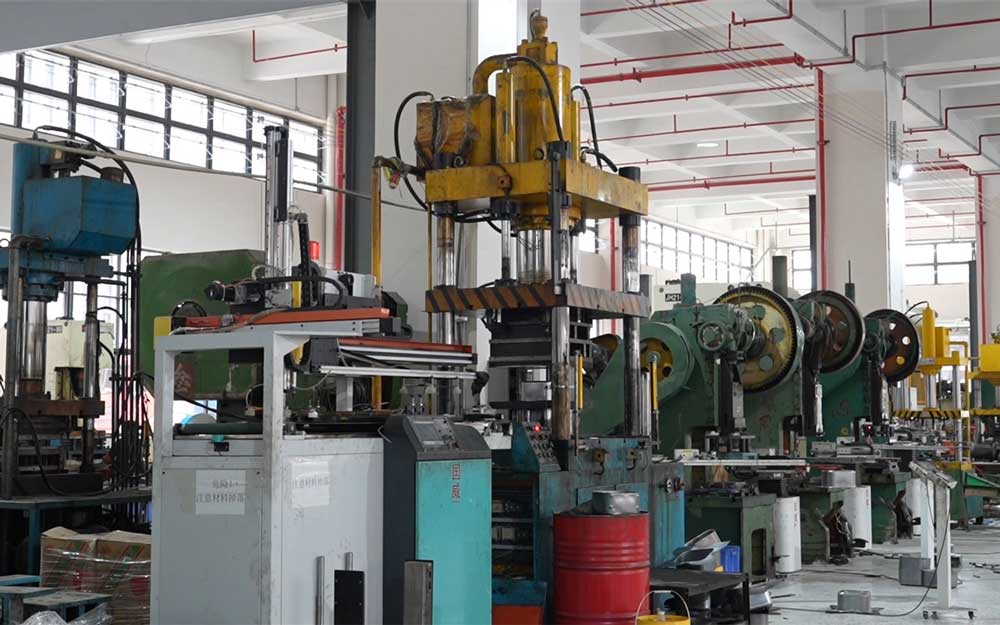
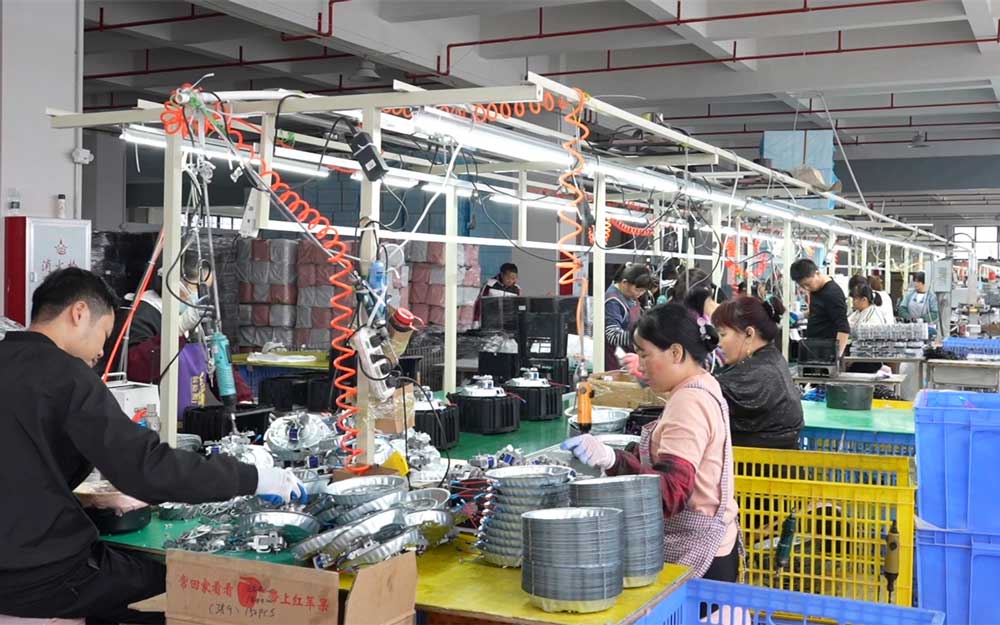
Operating from a 40,000 sqm advanced facility powered by 300+ dedicated professionals and an experienced R&D team of 20+ experts, we ensure precision and quality control at every stage of the manufacturing process. Our massive 10,000+ units daily output reliably meets the demands of high-volume orders worldwide.
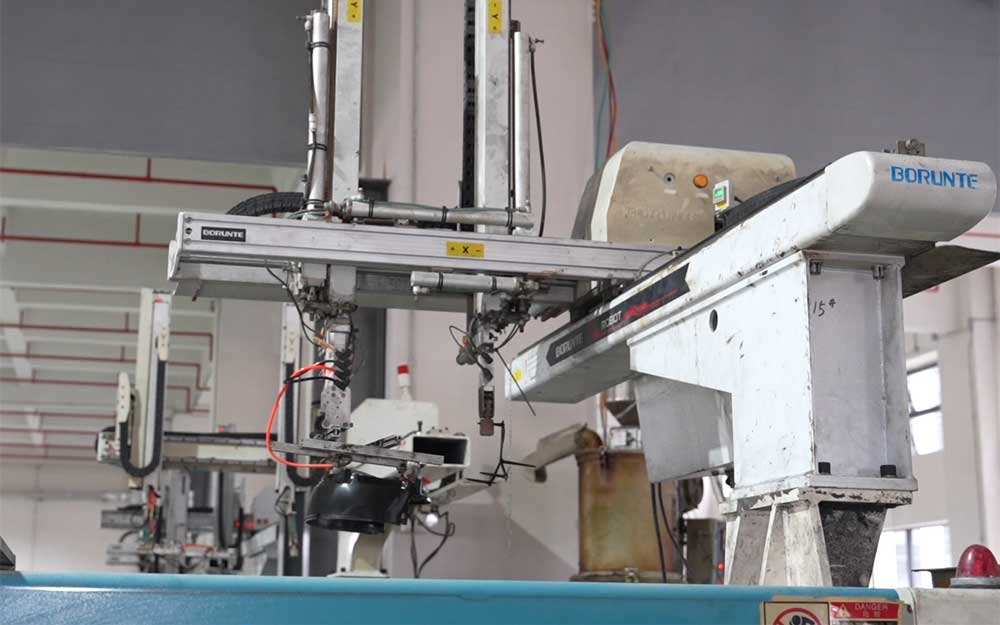
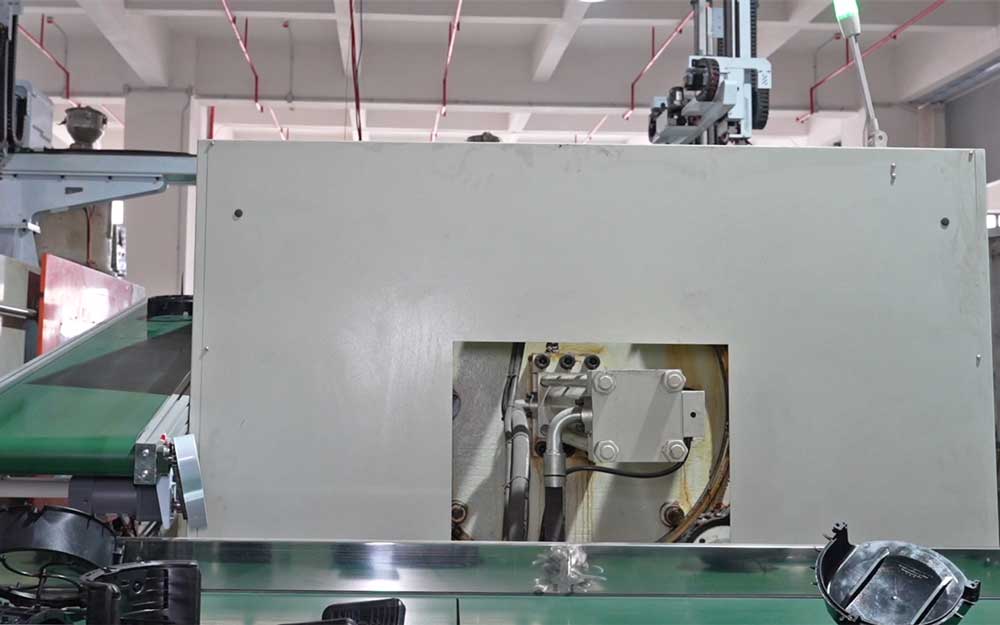
Our modern assembly lines, injection molding shops, and quality assurance testing facilities ensure that every unit leaves the factory in perfect condition.
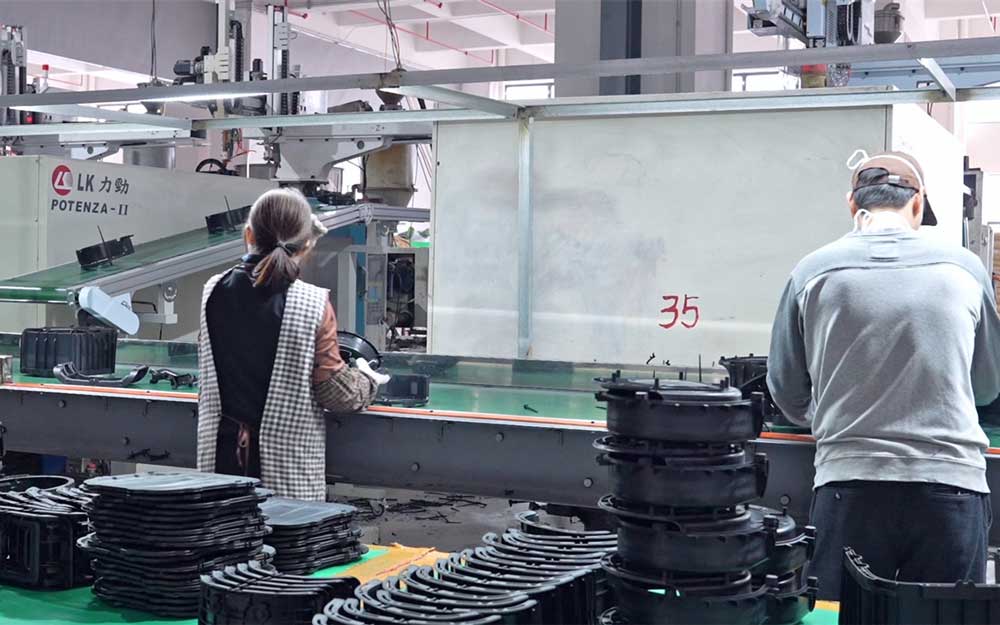
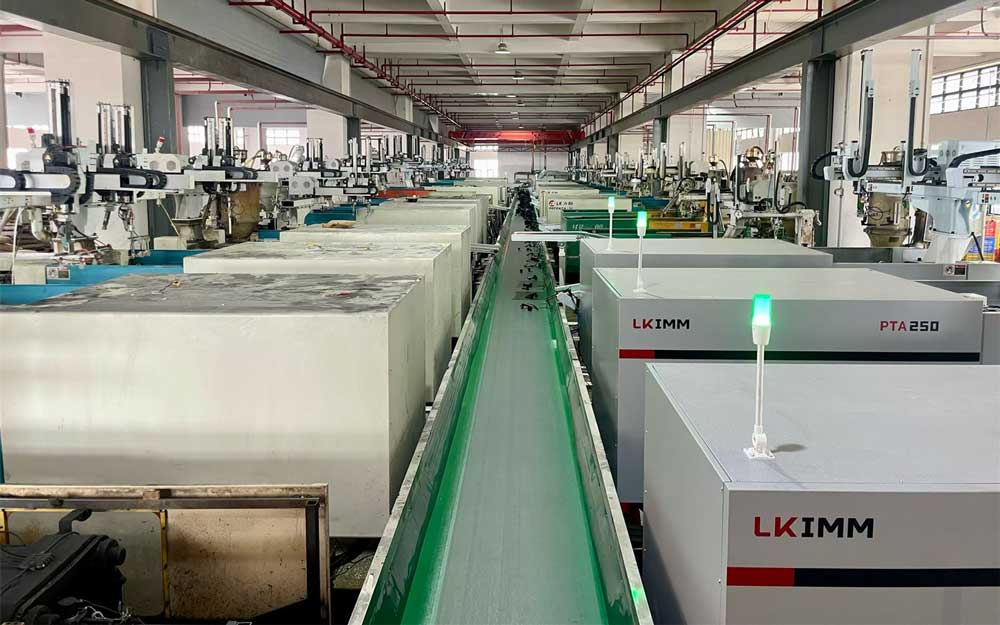
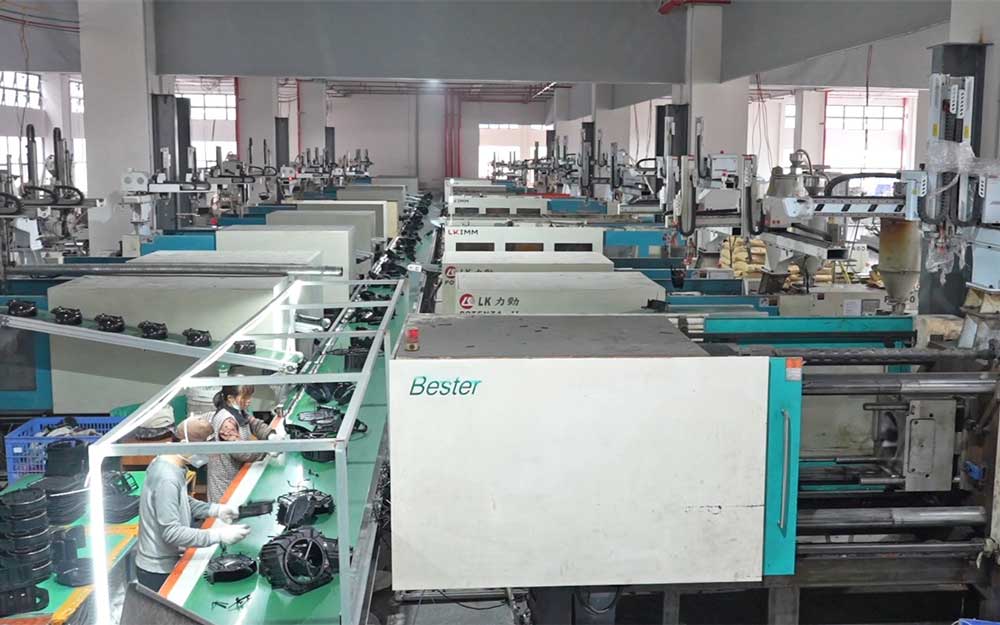
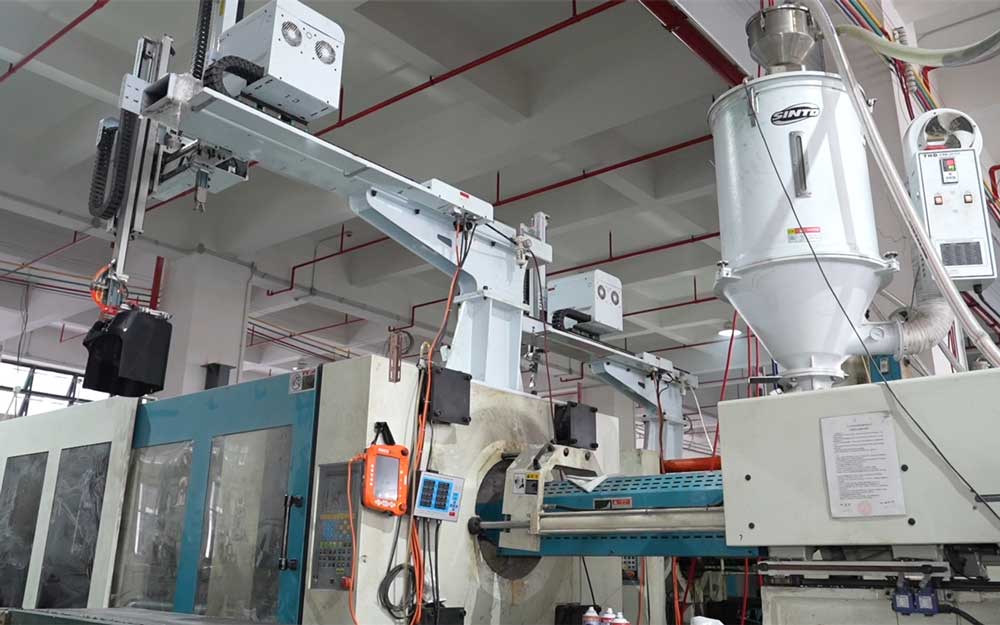
For household appliances that combine water, high pressure, and heating elements, safety testing is non-negotiable. Our factory employs a rigorous three-tier testing hierarchy to guarantee unit performance:
First, during the incoming quality control (IQC) phase, all critical components—such as Italian ULKA pumps, flow meters, custom boilers, and heating coils—undergo individual stress testing. Second, during in-process quality control (IPQC), every unit is leak-tested under maximum pressure conditions and calibrated for precise output volume. Finally, in the outgoing quality control (OQC) phase, random units from every production lot are subjected to intensive lifecycle simulation tests to verify continuous operation over 5,000 brewing cycles.
All plastic housings and internal tubing are verified food-grade, certified by FDA and LFGB. Our electric pressure cookers, air fryers, and coffee makers comply with major regulatory benchmarks, ensuring seamless custom clearance and market entry globally.
Expert technical answers to assist procurement directors in making informed manufacturing decisions.
For custom OEM/ODM orders, our standard development cycle consists of 15 days for industrial design and 3D modeling, followed by 30-45 days for tooling design and prototype verification. Mass production typically requires 30-40 days after the initial sample approval, depending on order size and custom specifications.
A 20-bar pump system offers a higher pressure overhead, allowing the machine to maintain a steady 9-10 bar extraction pressure at the filter basket, even with ultra-fine grind settings. This results in superior extraction yields, thicker crema, and consistent brewing times without putting excessive strain on the motor.
We utilize high-efficiency Thermoblock heating systems paired with digital PID microcontrollers. The PID controller monitors water temperature at millisecond intervals and adjusts power supply to the heating elements instantly, keeping the water temp within +/- 0.5°C during continuous extractions.
We provide full customization, including custom exterior tooling designs, premium color configurations (such as brushed metal finishes or high-gloss plastics), customized user interface displays (LCD/LED presets), custom packaging, and modifications to pump pressure and heating profiles based on target market preferences.
Yes. All components that come into contact with water and food—including plastic reservoirs, brewing chambers, group heads, and steam wands—are manufactured using food-grade materials certified by third-party testing labs to be BPA-free and fully compliant with FDA, LFGB, and REACH standards.
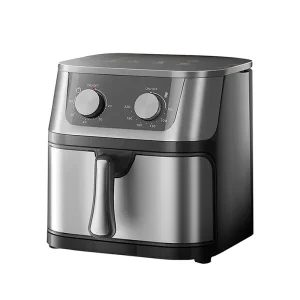
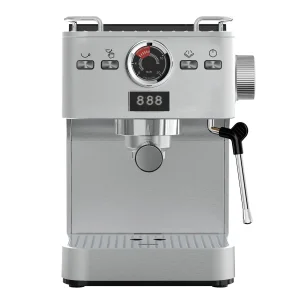
Expand your product portfolio with our highly rated collection of air fryers, multi-cookers, and professional-grade espresso machines.
 Zhenmei Electrical