Advanced Commercial Blending, Grinding, and Extraction Systems Engineered for Enterprise Supply
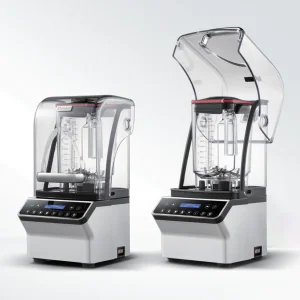
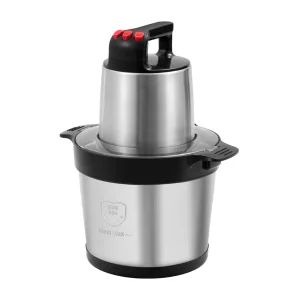
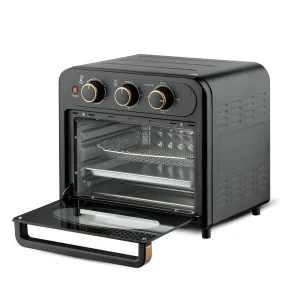
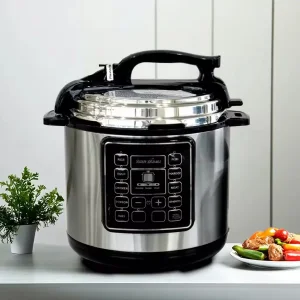
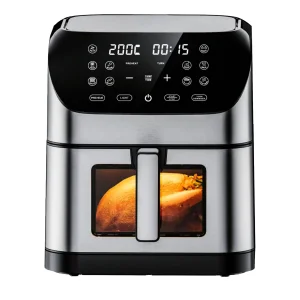
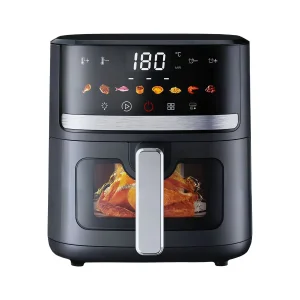
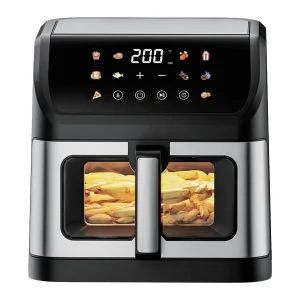
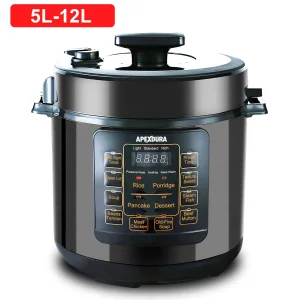
In the contemporary global food, beverage, and hospitality ecosystem, the demand for high-efficiency, durable, and commercially viable high-speed extraction technology has witnessed exponential growth. Driven by the consumer pivot towards organic nutrition, functional beverages, and clean-label diets, commercial operators require hardware capable of sustaining heavy daily operational stress without compromising nutritional yield or structural integrity.
As a premier OEM/ODM high-speed juicer manufacturer, we recognize that procurement decisions are no longer predicated merely on rotational velocity (RPM) alone. Today’s industrial and retail partners demand systemic integration of energy efficiency, thermal regulation, advanced sound damping, and material compliance (such as BPA-free Tritan™ polymers and SUS304/SUS316 food-grade stainless steels). This whitepaper outlines the structural, mechanical, and logistical frameworks that define high-capacity blending and extraction systems in the B2B landscape.
Global distributors, appliance brands, and supply chain managers face multifaceted challenges when sourcing commercial kitchen hardware. The primary friction points center around regulatory compliance, longevity under peak loads, and customizability for localized markets. Here is how advanced manufacturers evaluate and mitigate these engineering hurdles:
The trajectory of high-speed commercial extraction has transitioned from raw RPM speed toward controlled torque output and planetary blade geometries. High RPM without matching torque values results in blade stall when introducing fibrous root vegetables (such as ginger, turmeric, and carrots) or dense frozen elements.
Current R&D directions highlight the integration of Brushless DC (BLDC) Motors. Compared to traditional universal carbon-brush motors, BLDC systems deliver up to 40% higher efficiency, generate significantly less heat, eliminate carbon dust emission, and provide a lifespan that is 5 to 10 times longer. By incorporating microcontrollers that dynamically adjust current based on real-time load feedback, modern juicers ensure a consistent processing velocity regardless of ingredient density.
High-torque, high-efficiency BLDC drives that minimize thermal output and wear-and-tear for prolonged operation.
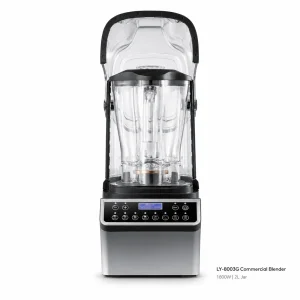
Multi-layered sound insulation and heavy-duty poly-carbonate shielding keeping noise levels below 75dB at full speed.
Continuous dynamic speed adjustments detecting ingredient density to optimize structural load and energy input.
Navigating localized certification requirements is a crucial aspect of international appliance distribution. As a global exporter, we supply equipment that satisfies regional regulatory frameworks:
For large enterprise buyers, sourcing isn't merely about procuring discrete units; it is about securing stable, predictable production capacity and reliable quality controls. Advanced manufacturing facilities bridge this gap by offering comprehensive vertical integration, beginning from internal tooling fabrication to automated final assembly.
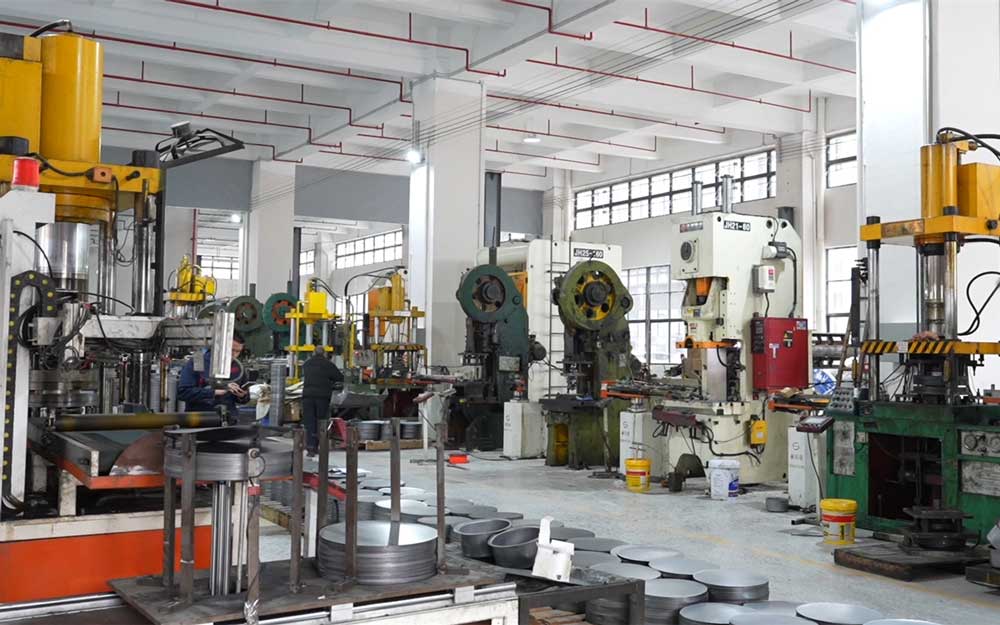
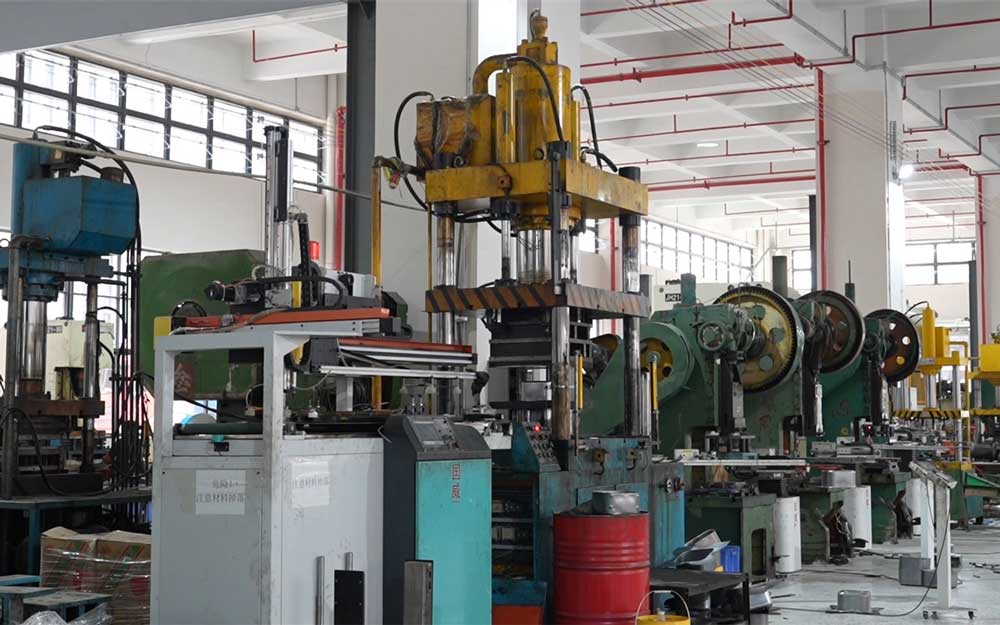
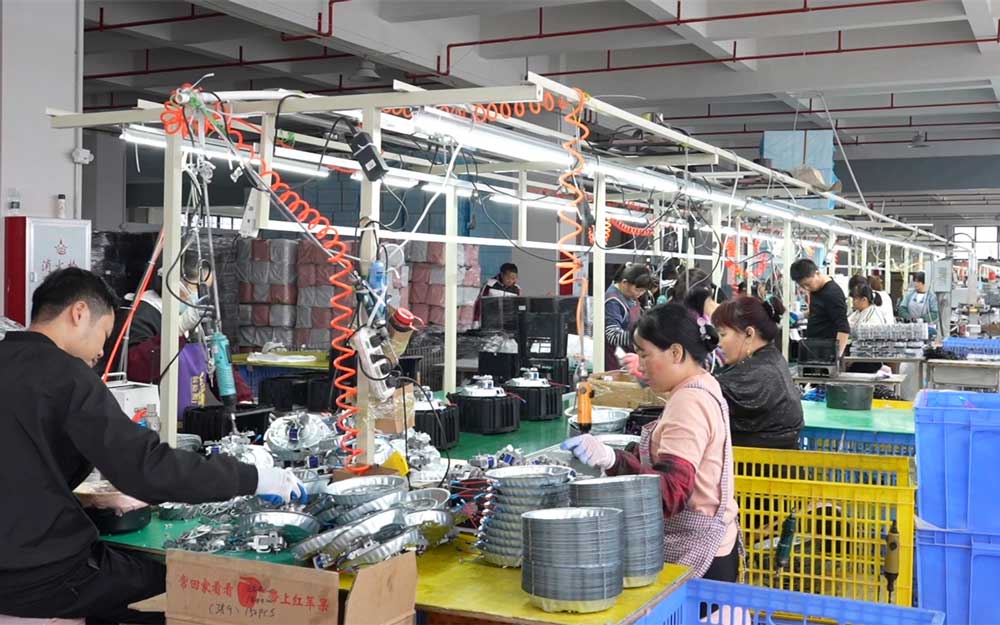
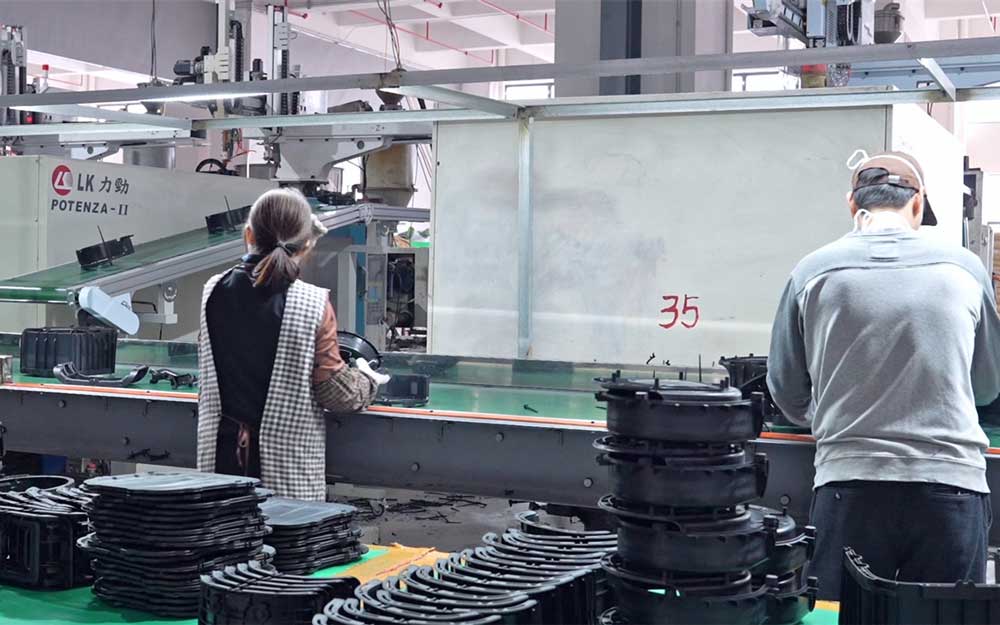
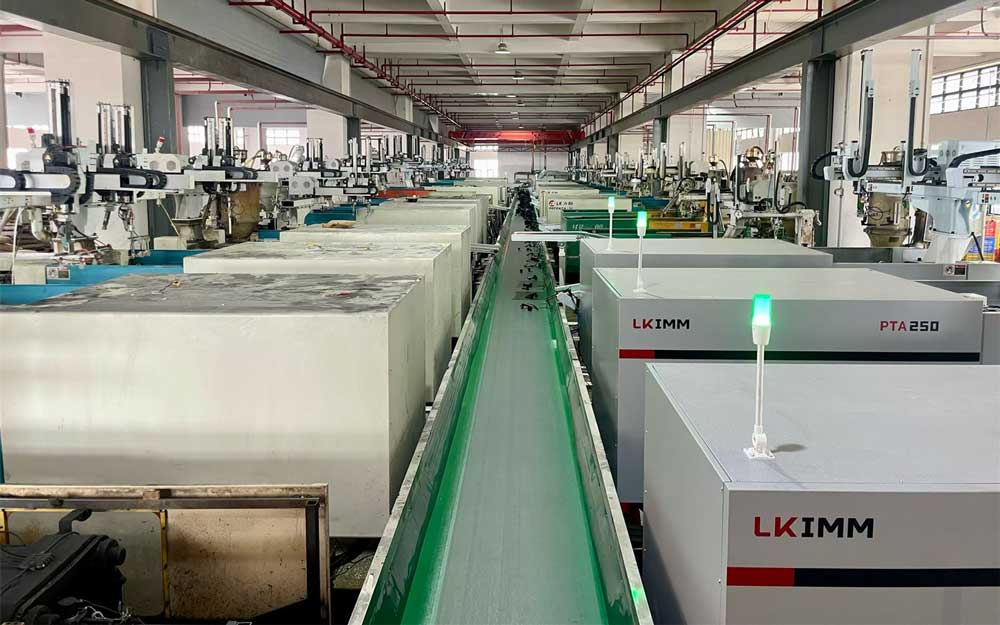
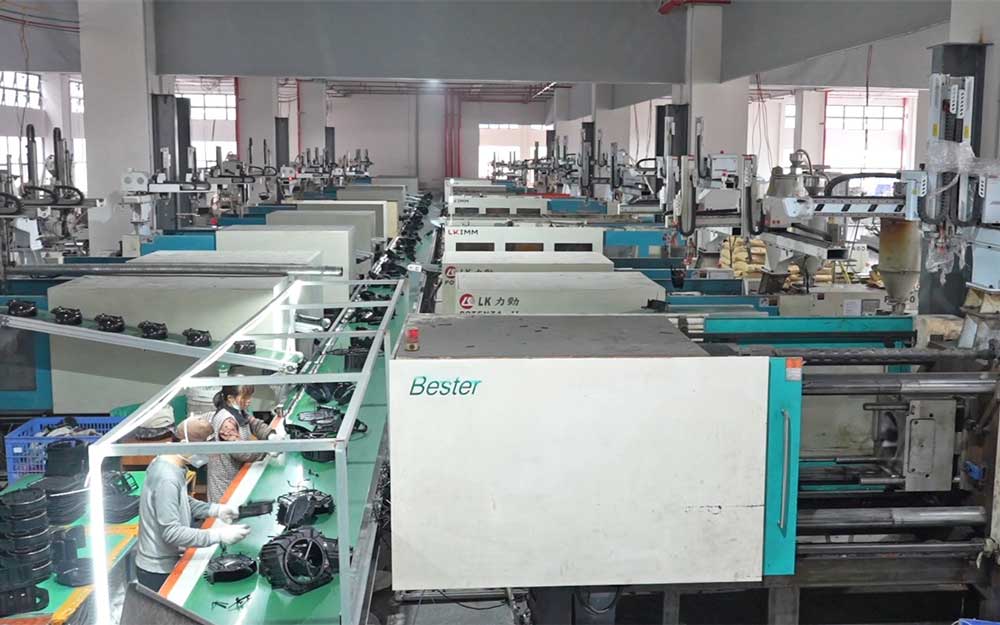
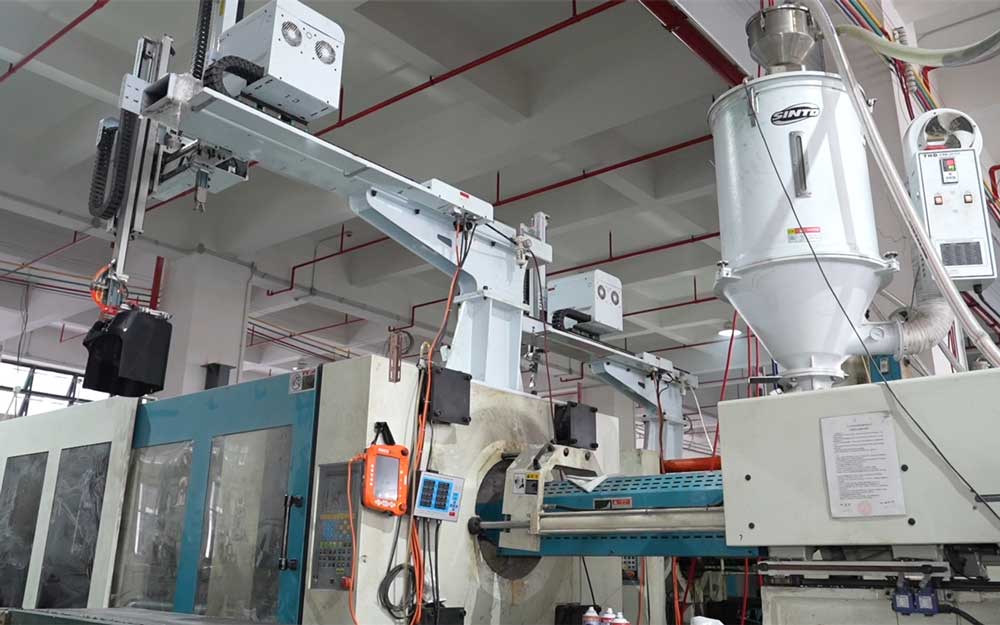
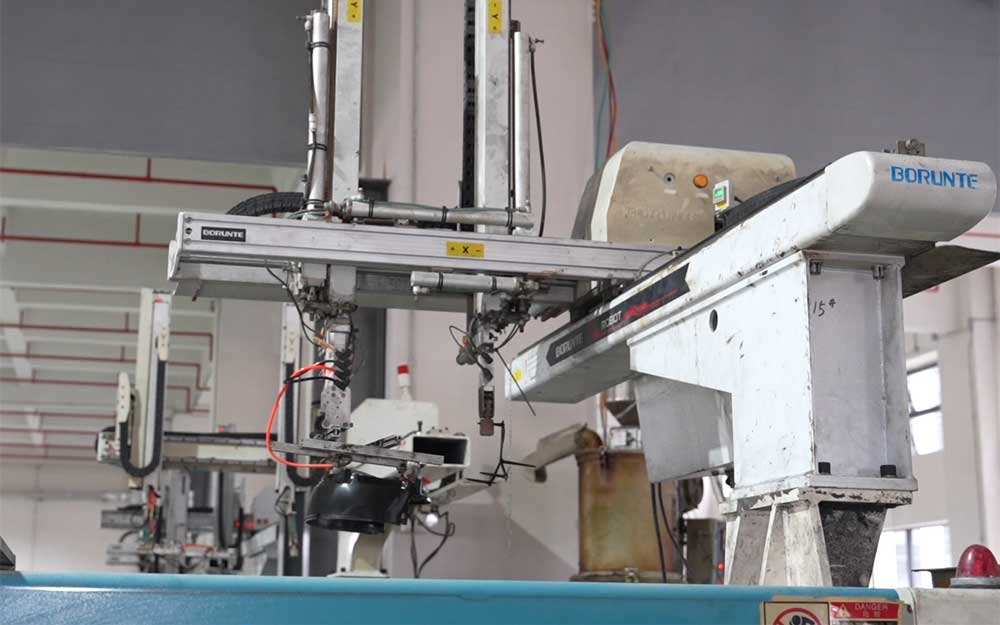
By housing high-capacity injection molding machinery, automated motor winding sections, and precision laboratory testing arrays under a single facility, we significantly reduce manufacturing lead times. This vertical integration allows for faster prototyping iterations during custom ODM projects and ensures that every batch maintains structural consistency, reducing post-sale return rates.
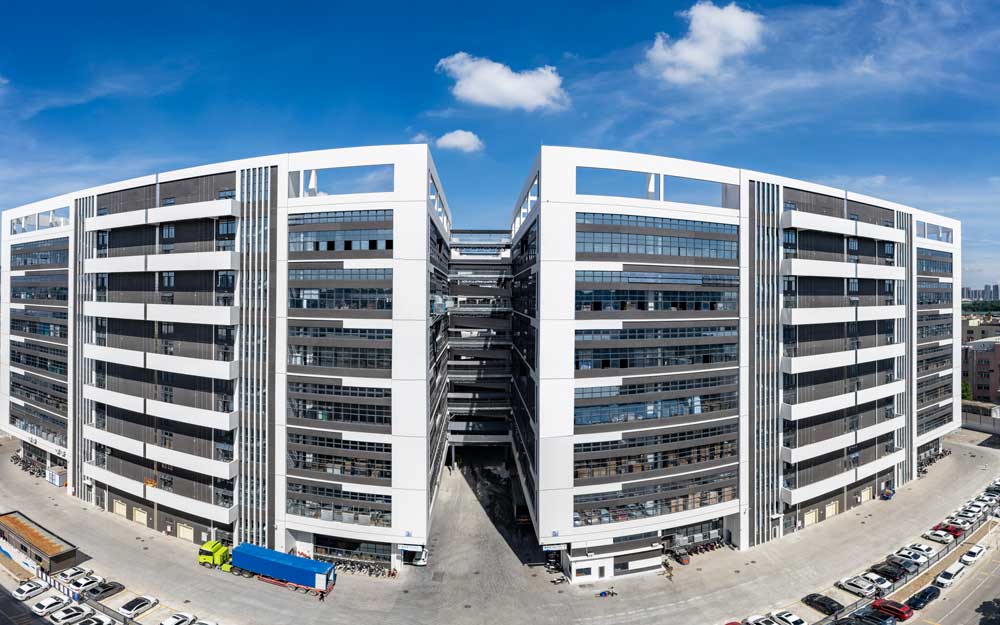
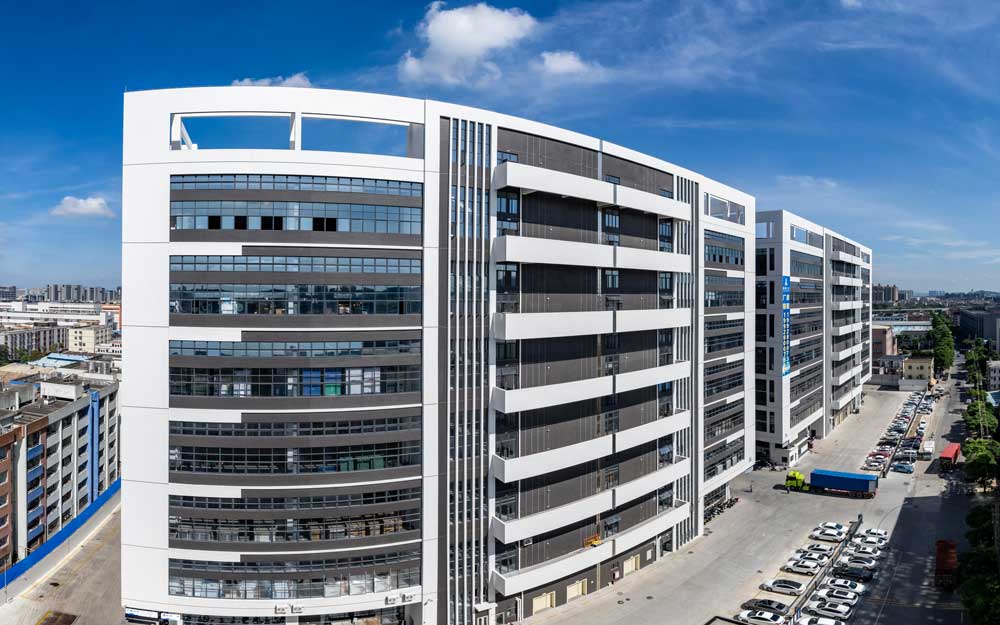
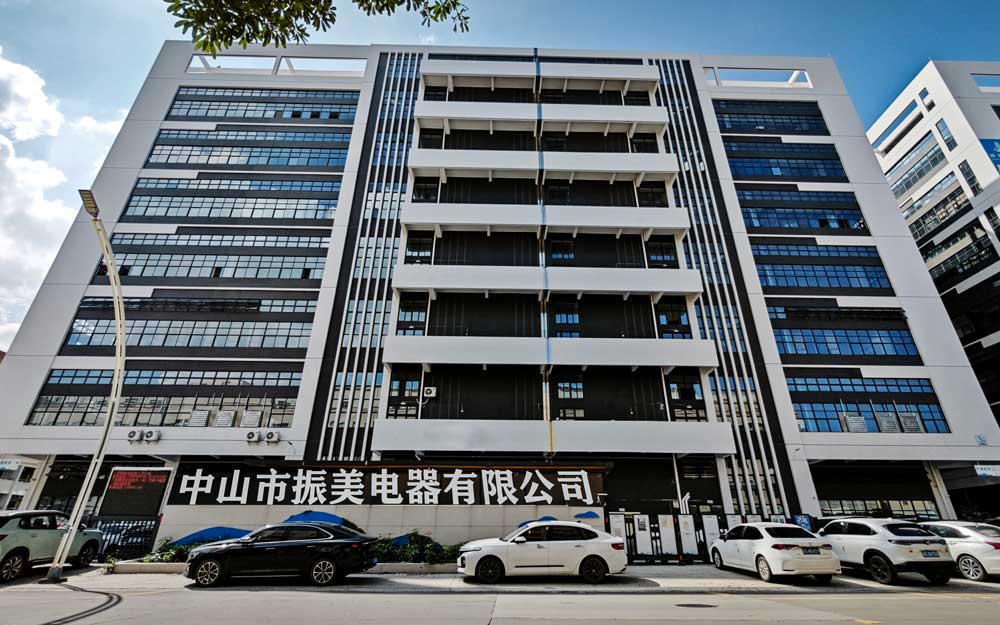
Our core manufacturing advantages lie in robust, highly optimized, and standardized in-house manufacturing processes. Operating from a 40,000 sqm advanced facility, powered by 300+ dedicated professionals and 20+ R&D experts, we ensure precision and control at every stage. We achieve high-volume and premium quality output with a massive 10,000+ units daily capacity, which reliably meets the demands of high-volume orders worldwide.
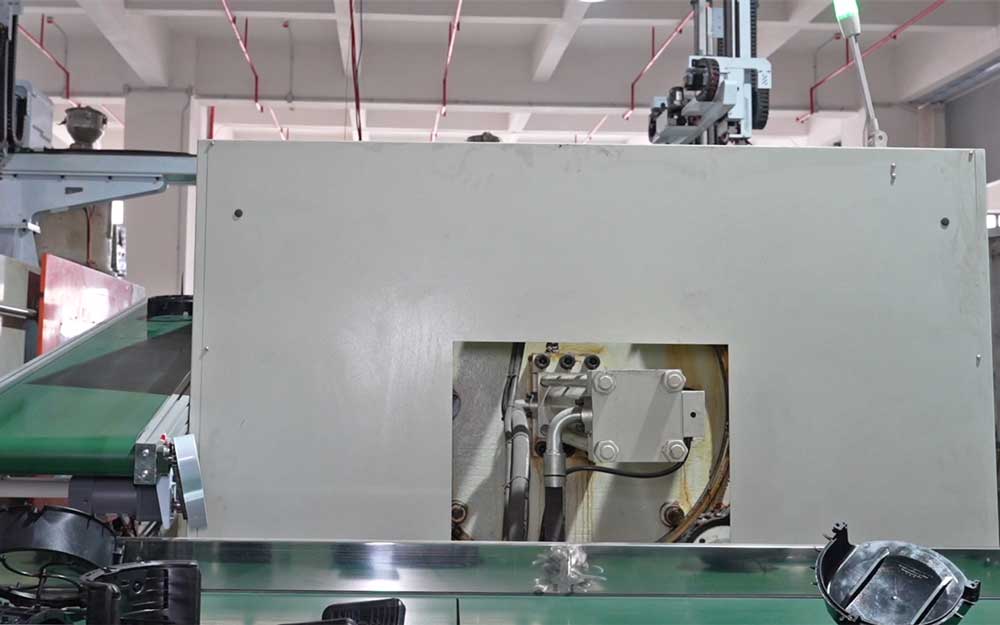
We remain committed to manufacturing excellence, underpinned by a rigorous quality control system that guarantees the safety and reliability of every product. As your trusted OEM/ODM partner, we provide end-to-end services from structural CAD engineering, thermodynamic flow simulations, acoustic damping modeling, down to export logistics management. Explore our production lines, raw material storage, assembly stations, and testing centers below:
As the home and commercial appliance sectors adapt to IoT integration and greener footprint initiatives, the engineering division of Zhongshan Zhenmei Electrical Appliance Co., Ltd. has established three primary milestones in our current extraction systems product roadmap:
Development of double-walled vacuum sound chambers and customized elastomer isolators to decrease vibration transfer to countertops.
Transitioning toward bio-based, food-contact grade resins and composite metals that require lower thermal energy inputs during raw manufacturing.
Developing custom control modules capable of self-diagnosing motor brush degradation, blade dullness, and operating efficiency over wireless protocols.
Generally, our standard baseline MOQ for customized branding, colors, packaging configurations, and specific electrical output tuning is 1,000 units per model. For completely custom ODM structural projects requiring new injection mold fabrication, specific production targets are established following the feasibility study and initial engineering sign-off.
We supply comprehensive chemical compliance reports from certified testing laboratories (such as SGS, TUV, and Intertek). All contact parts—including containers, gaskets, lid plugs, and blade housings—undergo rigorous testing to ensure compliance with FDA and LFGB requirements.
Yes. Our engineering department specializes in designing, winding, and testing motor systems optimized for global electrical specifications, including 110-120V 60Hz configurations for the Americas, and 220-240V 50Hz parameters for Europe, Australia, and Asia-Pacific regions.
For standard models with pre-existing tooling configurations, our typical production cycle ranges between 30 to 45 days upon deposit verification and final packaging artwork approval. For newly engineered custom ODM projects, design, tooling development, and pre-production run validations require approximately 75 to 90 days.
All our high-power blending and juicing units integrate dual-safety mechanisms: a thermal overload protection switch that automatically interrupts power if the internal winding temperature exceeds 105°C, and an overcurrent fuse circuit that shields the motor board from unexpected power surges in commercial establishments.
Industrial-Grade Processing Systems and Smart Kitchen Equipment for International Buyers
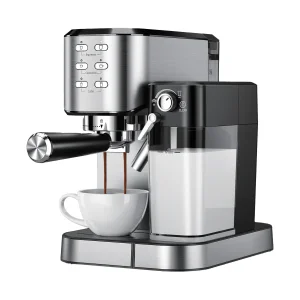
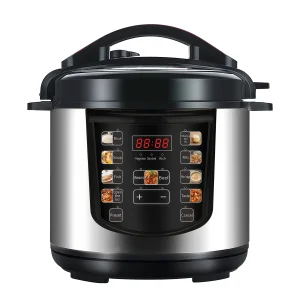
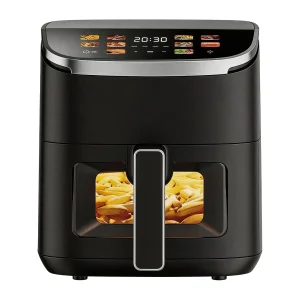
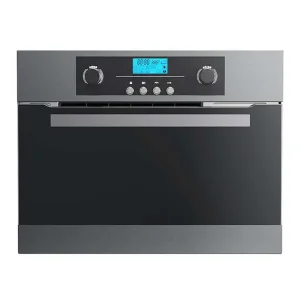
 Zhenmei Electrical