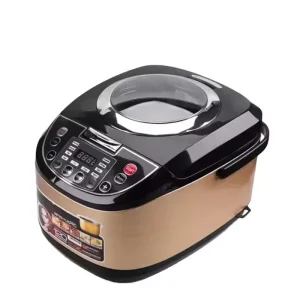
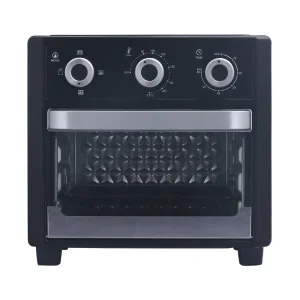
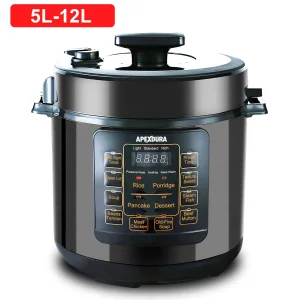
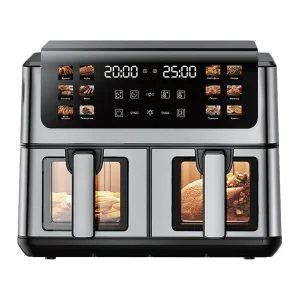
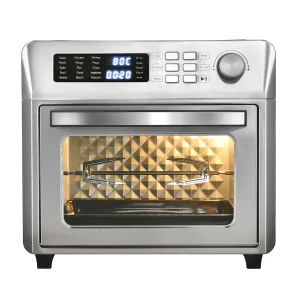
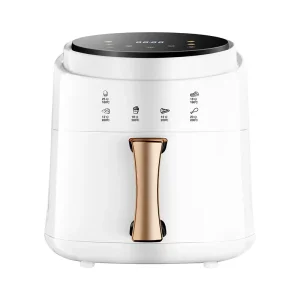
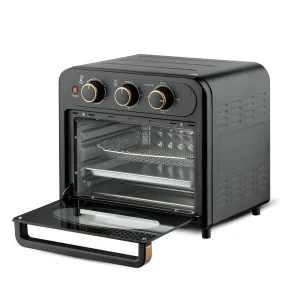
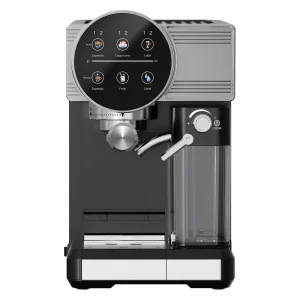
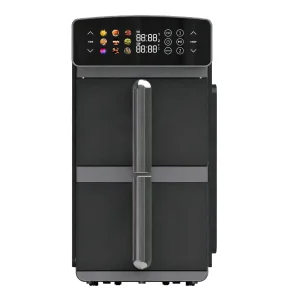
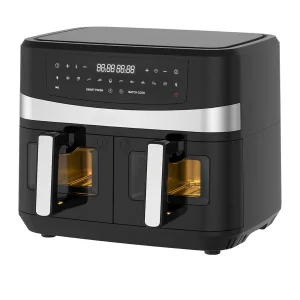
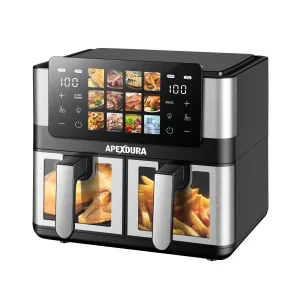
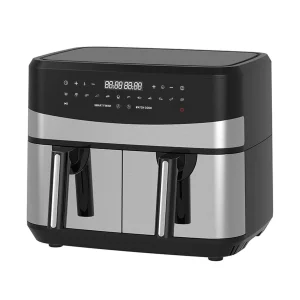
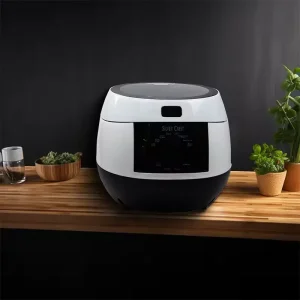
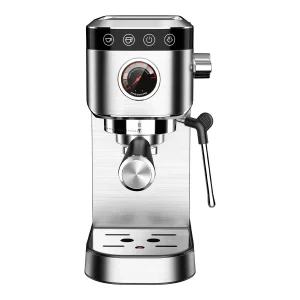
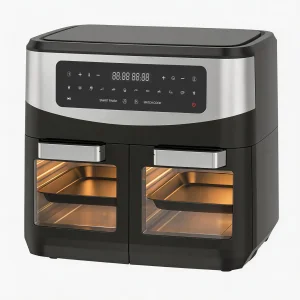
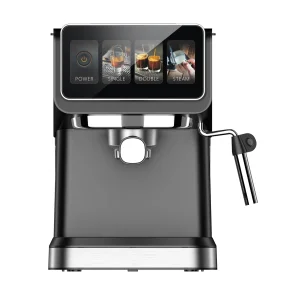
Explore our advanced OEM/ODM product selection, designed for exceptional thermal output, durability, and commercial compliance.
Analyzing global demand, thermal physics, safety criteria, and supply chain efficiencies shaping the modern kitchen industry.
Commercial kitchens are migrating from gas-fired legacy ranges to high-power electric systems. Rising utility costs and strict emissions mandates make thermodynamic efficiency a key operational indicator for global kitchen networks.
Quick Service Restaurants (QSR) and industrial institutional caterers demand rapid cooking cycles. High-wattage pressure systems cut food preparation times by up to 70% while maintaining nutritional profiles and food safety standards.
Modern commercial operations demand strict compliance. High-pressure electric cookers must meet international safety and hygiene criteria, including CE, GS, UL, FDA, LFGB, and RoHS standards, protecting against operational liabilities.
High-power pressure cookers stand at the intersection of thermal science and heavy industrial design. Unlike residential units that operate within 800 to 1,000 watts, commercial-grade systems require 1,500 to 3,000+ watts of electric energy. This high energy input demands robust heat distribution systems. The physical math is straightforward: faster heat transition from the element to the inner vessel allows for shorter pre-heating cycles, enabling cooks to quickly reach the required 115°C to 121°C temperature window. At this stage, pressure climbs to 70–90 kPa (kilopascals), raising the boiling point of water and accelerating cell-wall breakdown in food without scorching.
From a procurement perspective, global sourcing directors look closely at continuous duty cycles. A commercial kitchen cooker often operates 12 to 18 hours a day. Consequently, internal components—such as the electromagnetic relays, silicon sealing gaskets, and microprocessor units—must handle high heat without early wear. Our manufacturing processes focus heavily on these details, delivering robust kitchen equipment built for heavy-duty, daily commercial use.
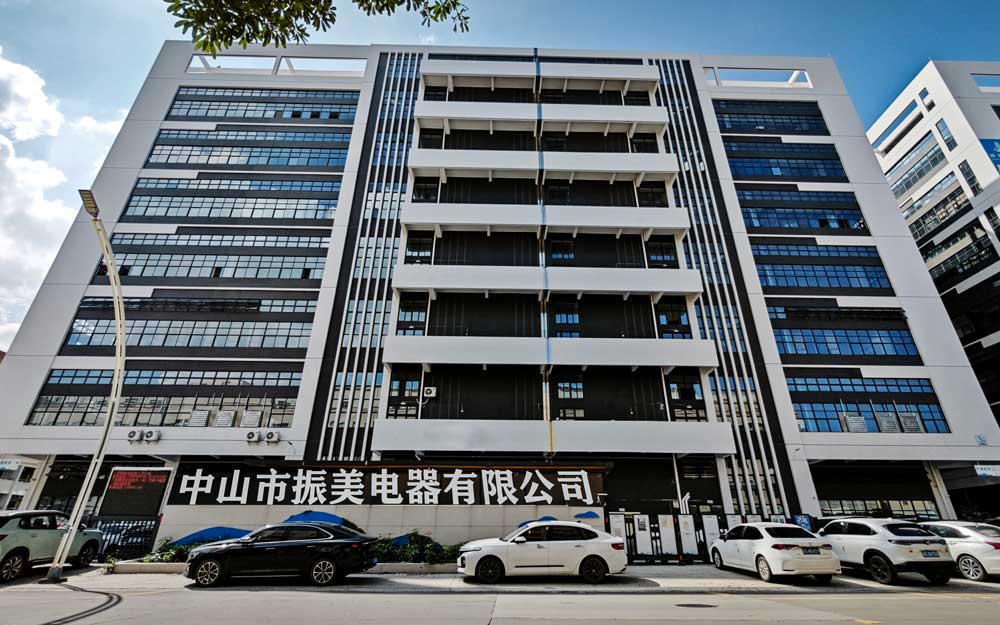
Operating as a premier OEM/ODM partner with over 16 years of expertise, Zhongshan Zhenmei Electrical Appliance Co., Ltd. specializes in kitchen appliances, including air fryers, electric pressure cookers, blenders, and more. We transform concepts into high-quality, market-ready products for leading global brands.
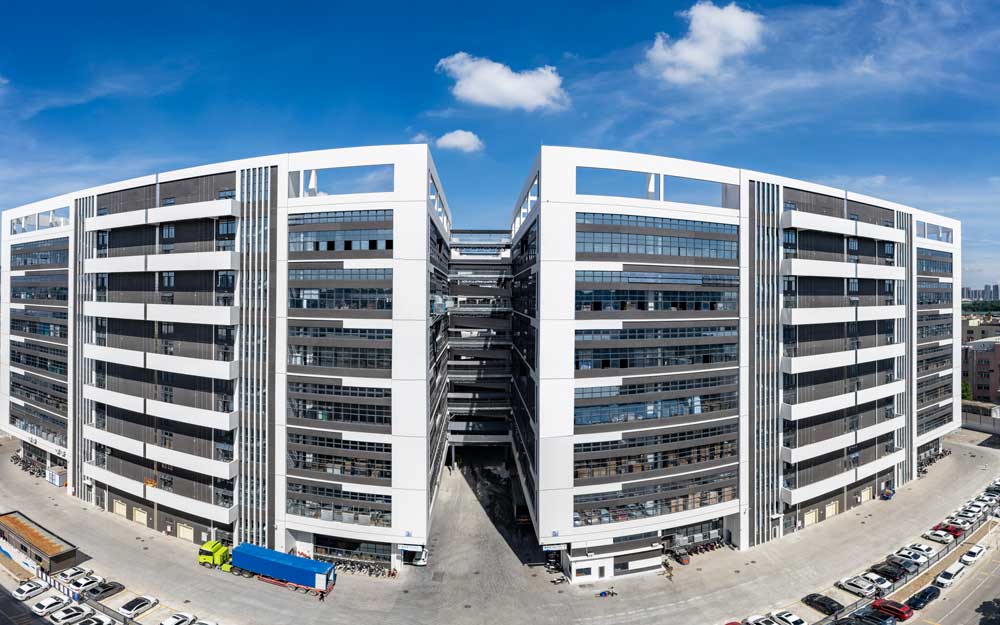
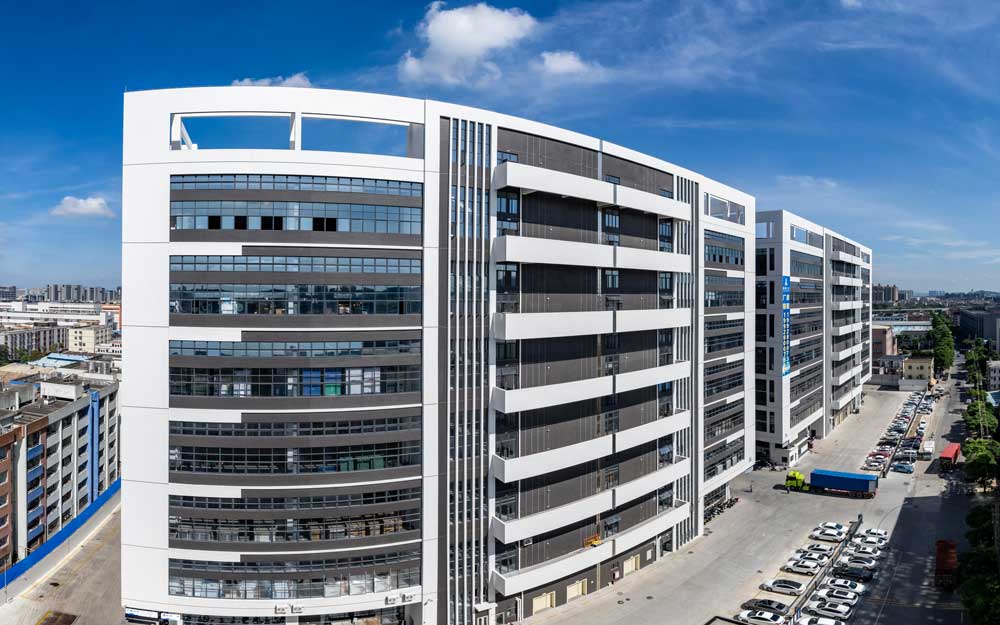
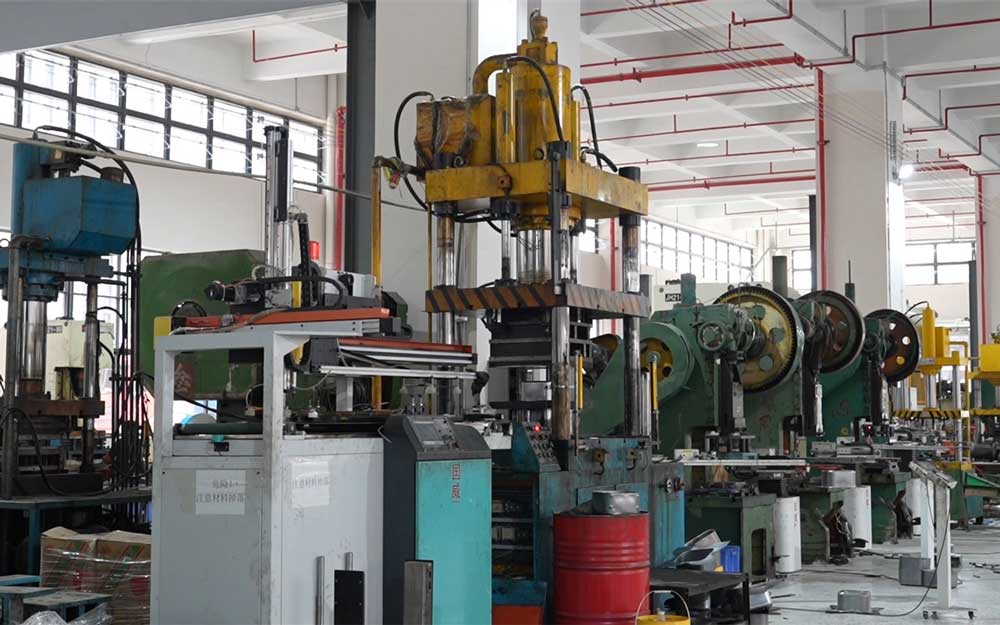
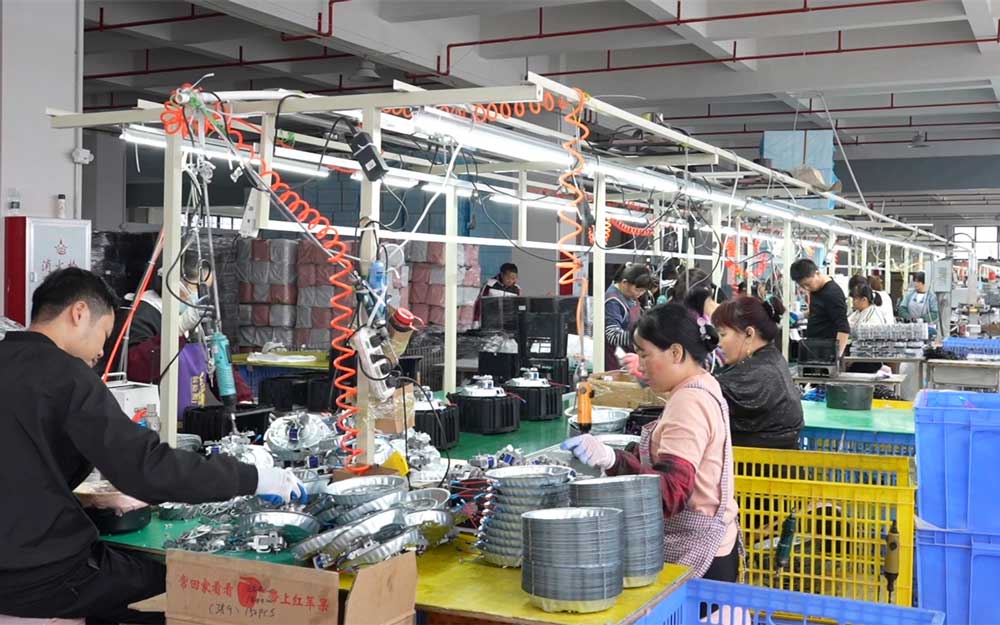
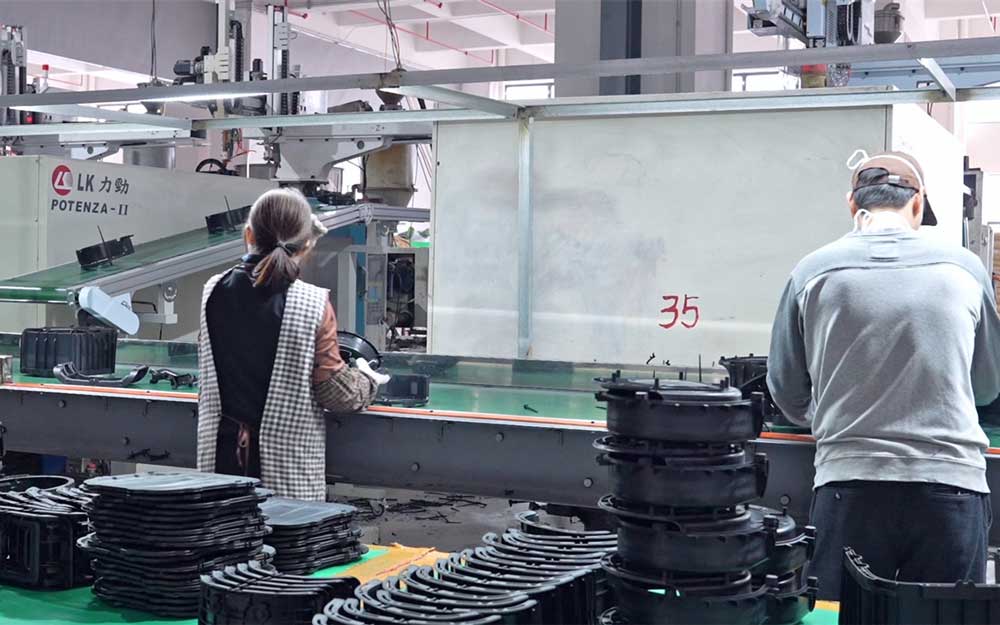
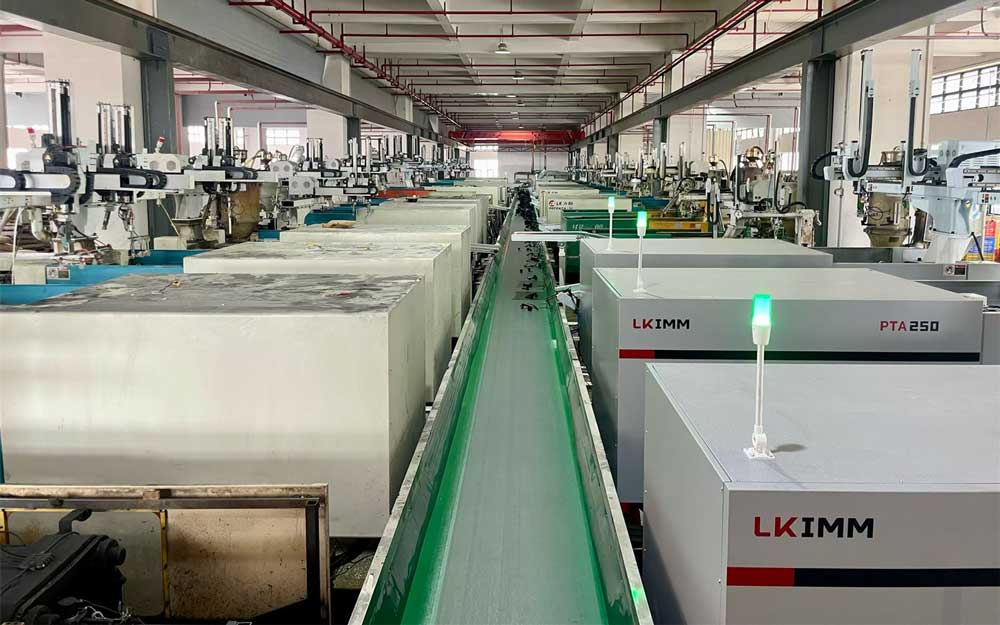
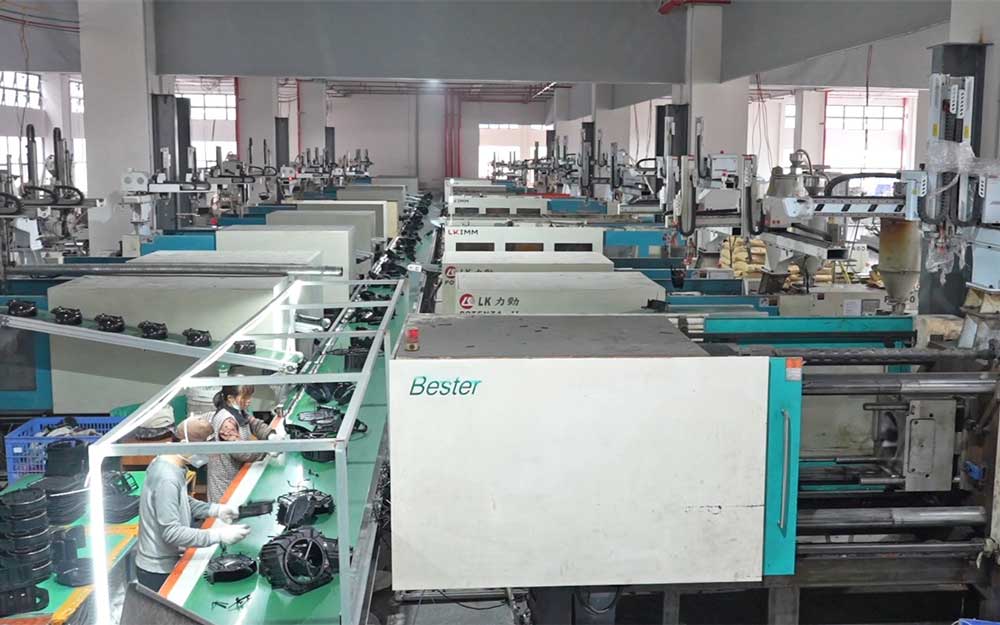
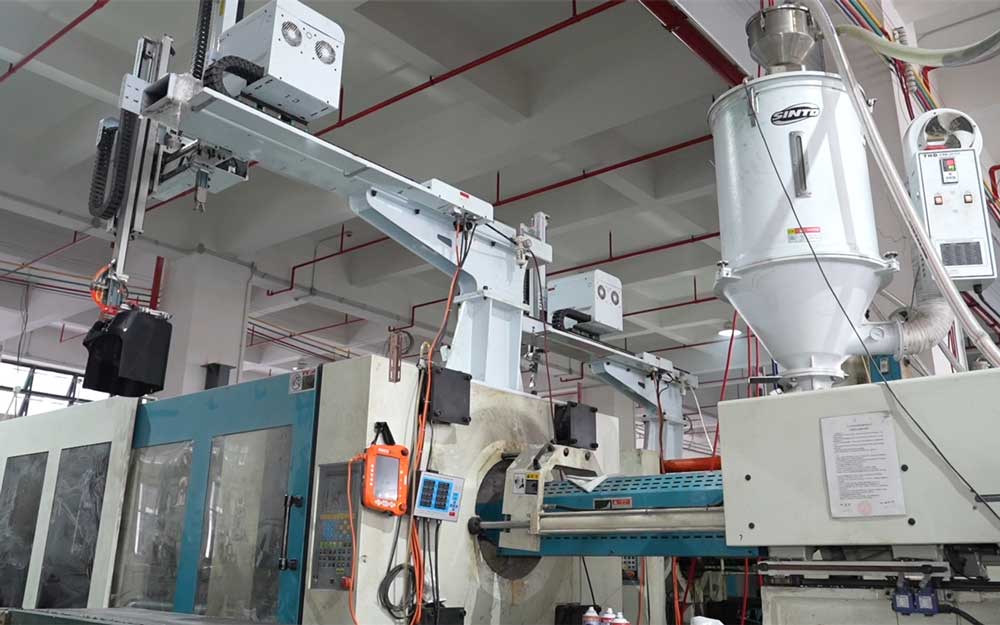
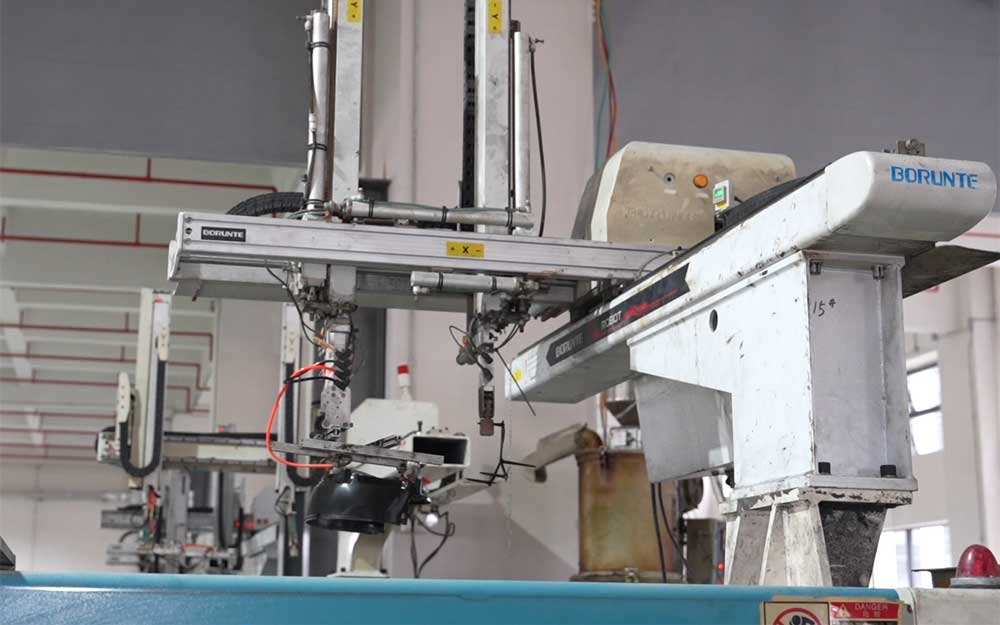
Our strength lies in robust in-house manufacturing. Operating from a 40,000 sqm advanced facility, powered by 300+ dedicated professionals and 20+ R&D experts, we ensure precision and control at every stage.
Our massive 10,000+ units daily output reliably meets the demands of high-volume orders worldwide. We are committed to excellence, underpinned by a rigorous quality control system that guarantees the safety and reliability of every product.
How high-power pressure cookers are integrated into diverse target markets and demanding operating conditions.
In the United States and Canada, safety is paramount. Equipment must comply with UL 197 (Commercial Electric Cooking Appliances) and NSF/ANSI 4 (Sanitation for Commercial Cooking Equipment). Our high-power pressure cookers are engineered to handle continuous cycles in busy commercial settings.
These units are widely used in fast-casual diners for cooking grains, stews, and beans in large quantities. They are also popular in central commissary kitchens that support mobile food truck fleets, helping to reduce preparation times and ensure consistent quality across locations.
In Europe, energy efficiency is a key consideration. Under the EU's Ecodesign Directive, commercial operators look for equipment that reduces energy waste. High-power pressure cookers meet this need by cooking food faster, saving up to 50% on electricity compared to traditional slow-cooking methods.
Additionally, these units feature CE and GS safety certifications, as well as RoHS compliance to ensure all components are free of hazardous substances.
In East Asian, South Asian, and Middle Eastern markets, pressure cookers are essential for preparing staples like rice, bone broths, and curries. These dishes require steady, high-power heat over long periods to extract rich flavors.
To support these recipes, we offer specialized inner pots with double-sided non-stick coatings, as well as customized program presets. These features allow operators to run complex cooking cycles at the touch of a button, ensuring consistent results across multiple shifts.
For large institutional kitchens, hospitals, and schools, meal consistency and safety are key. Our high-power pressure systems feature multi-layered safety backups, including dual pressure release valves and automatic shut-off controls, to protect operators during high-volume prep shifts.
These safety features are paired with smart digital controllers that record cooking logs, helping facilities maintain strict food safety standards.
Understanding the transition toward micro-processor controllers, IoT tracking, and smart safety redundancies.
The electric pressure cooker industry is moving away from traditional mechanical bimetallic thermostats toward smart, digital control systems. Modern high-power pressure cookers feature microprocessors that monitor temperature and pressure levels in real time. These sensors measure conditions multiple times per second, adjusting the heating elements to keep temperatures within 0.5°C of the target setting.
Advanced commercial pressure cookers are no longer limited to single, static pressure settings. Modern units use smart pressure profiling, adjusting the pressure dynamically throughout the cooking cycle. For example, a cycle might begin with high pressure to quickly break down tough proteins, then drop to medium pressure for starch gelatinization, and finish with a brief vacuum stage to infuse flavors. This level of control is highly valued by culinary developers looking to optimize food texture and taste.
Traditional electric pressure cookers rely on a single heating plate at the bottom of the unit. This can lead to uneven heat distribution and cause food to burn in larger pots. The latest high-power models use multi-zone induction coils that wrap around the bottom and sides of the inner pot. This creates a three-dimensional heating field, ensuring even heat transfer and faster boil times.
Safety is a top priority when dealing with high-pressure appliances. Modern commercial units feature multi-level safety protections to prevent accidents:
In modern food service operations, tracking data is increasingly important. Many high-power pressure cookers now feature Wi-Fi or Bluetooth connectivity, allowing them to share cooking logs directly with a kitchen's central system. This data helps kitchen managers monitor temperatures and cooking times to ensure compliance with local food safety regulations.
Key factors to consider when selecting and sourcing high-power electric pressure cookers from China.
When sourcing high-power pressure cookers, it is important to look beyond basic unit pricing. Buyers should evaluate a supplier's engineering capabilities and quality control processes. A reliable manufacturer should have an in-house lab capable of conducting lifetime endurance tests, thermal imaging tests, and high-pressure burst tests.
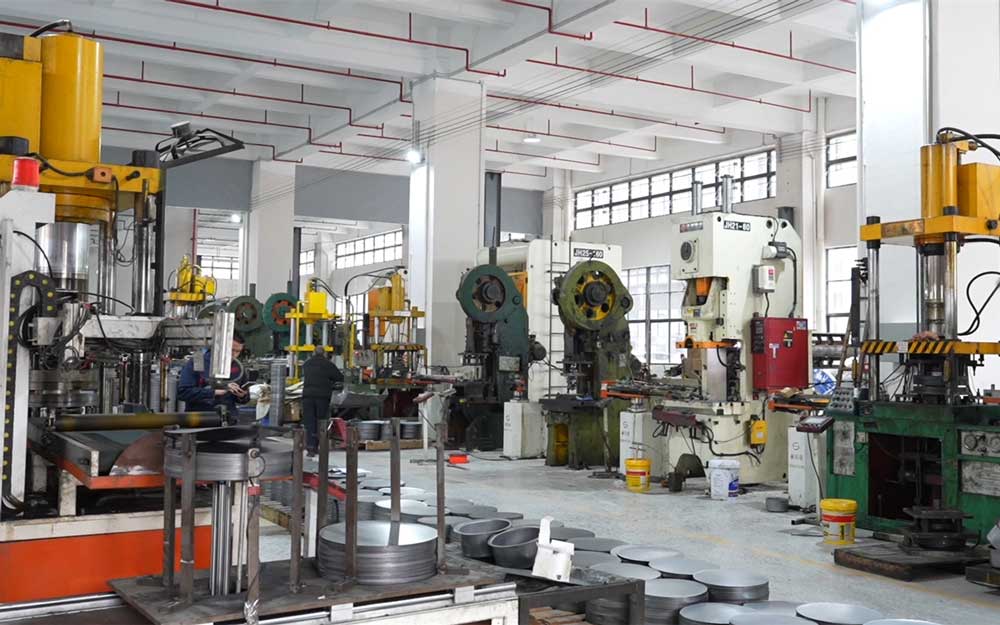
At Zhongshan Zhenmei Electrical Appliance Co., Ltd., we maintain complete control over our manufacturing process. From raw metal stamping to final assembly and testing, every step is managed to ensure high quality and consistency. This end-to-end oversight allows us to offer flexible customization options while maintaining competitive lead times.
Answers to common technical, regulatory, and sourcing questions from commercial kitchen buyers.
Discover more options from our manufacturing range, featuring high thermal efficiency and smart control systems.
 Zhenmei Electrical