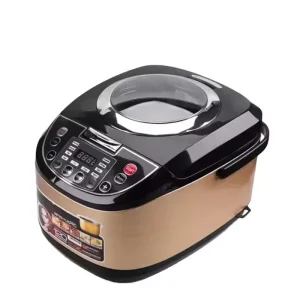
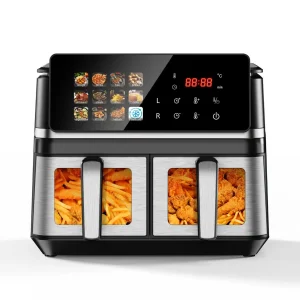
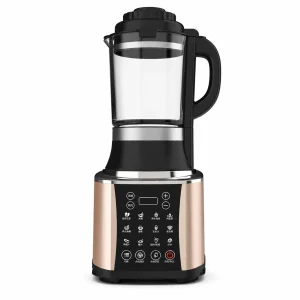
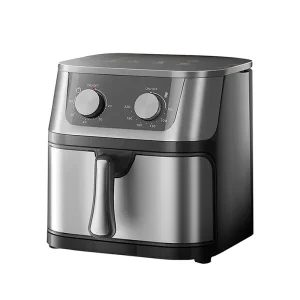
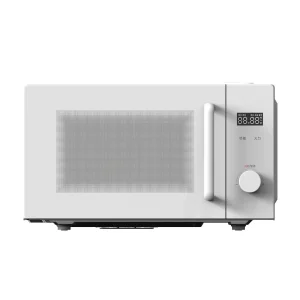
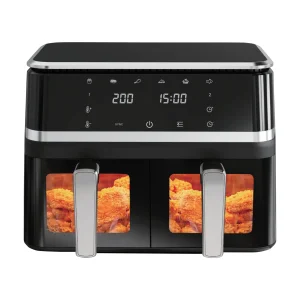
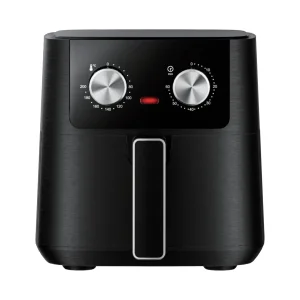
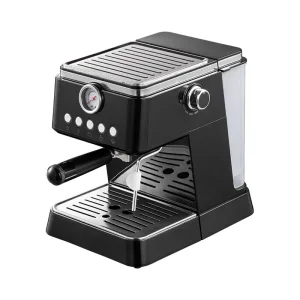
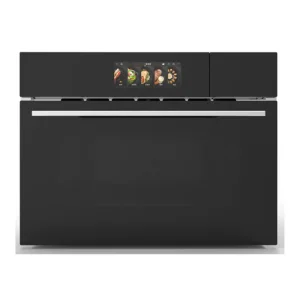
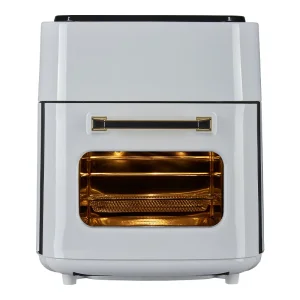
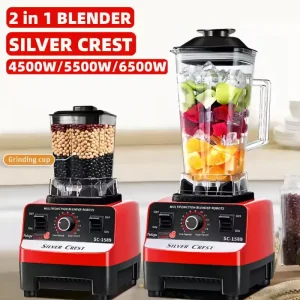
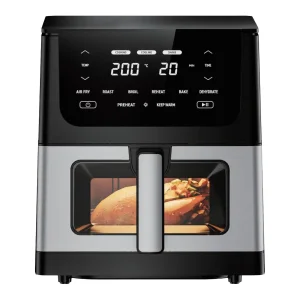
Explore our premium commercial-grade kitchen equipment engineered for high performance, maximum yield, and continuous operations.
Understanding user intent and search quality rating guidelines for the professional beverage machinery sector.
In the contemporary B2B beverage landscape, purchasing decisions regarding extraction machinery have shifted from simple capital cost calculations to multi-dimensional assessments of Total Cost of Ownership (TCO), information gain parameters, and nutrient yield optimization. A high-efficiency juicer is no longer just a motorized spinner; it is a critical variable in a beverage brand’s unit economics, directly impacting ingredient costs, throughput speeds, and product freshness. Modern supply chain managers, commercial buyers, and franchise operators require a deep understanding of mechanical yield and processing capacities.
According to search quality rater guidelines, the intent behind seeking high-efficiency juicer suppliers revolves around finding reliable manufacturing sources that exhibit strong E-E-A-T (Experience, Expertise, Authoritativeness, and Trustworthiness). Corporate entities demand machines capable of continuous extraction cycles without thermal failure, utilizing food-grade, corrosion-resistant metals, and meeting strict regional certifications. This technical whitepaper delves into the engineering parameters, localized execution scenarios, and supply chain infrastructure that differentiate top-tier OEM/ODM manufacturers from transactional traders.
JYE directly correlates to the bottom-line profitability of juice franchises. In high-volume environments processing 500 kilograms of produce daily, a mere 5% increase in extraction efficiency translates to savings of over 9,000 kilograms of fresh organic raw material annually, directly preserving working capital.
B2B buyers look for juice recovery ratios above 78% for leafy greens and 85% for citrus fruits, minimizing wet waste discharge.
Oxidation protection via low-speed masticating cold-press mechanisms or active cooling systems in high-speed centrifugals.
Strict food contact safety certifications, including NSF/ANSI Standard 8, FDA grade compliance, CE, LFGB, and RoHS compliance.
Bridging mechanical optimization with intelligent electrical systems and sustainability goals.
The core of extraction efficiency lies in motor dynamics. High efficiency juicers are transitioning from traditional AC induction motors with fixed gearing to Brushless DC (BLDC) motors controlled via smart digital signals. These microprocessors constantly analyze pulp density and adjust torque dynamically in real-time. This eliminates motor jamming and ensures high throughput under heavy resistance without overheating.
To capture fine nutrients without imparting metallic tastes or increasing temperature, precision engineering uses laser-perforated micromesh baskets made of titanium-reinforced SUS316 stainless steel. These specialized baskets optimize structural stability and resist corrosion against highly acidic citrus juices. Mastication augers use high-density ceramic compounds and Ultem resins to withstand intense shear stresses without micro-particle shedding.
Reducing downtime is critical in high-pace commercial settings. Next-generation juicers integrate smart hall-effect sensors that prevent operation unless the safety arm and pulp container are perfectly aligned. Furthermore, semi-automated clean-in-place (CIP) configurations with high-pressure internal water jets reduce washing cycles from 20 minutes to under 3 minutes, significantly lowering labor costs.
Within the next 24-36 months, enterprise juicers will feature telemetry systems. Using Wi-Fi and Bluetooth integrations, fleet managers can monitor motor load profiles, track daily juice yields, and predict when cutting blades need sharpening, avoiding sudden downtime.
| Technology Parameter | Legacy Centrifugal Juicers | High Efficiency Cold-Press Systems | Smart BLDC Hybrid Systems (Next-Gen) |
|---|---|---|---|
| Motor Speed (RPM) | 12,000 - 18,000 RPM | 40 - 80 RPM | Variable: 60 - 3,000 RPM (Real-time Adaptive) |
| Average Yield Rate (Citrus) | 60% - 68% | 78% - 85% | 84% - 89% |
| Continuous Run-time Capacity | 15 - 20 minutes | 30 - 45 minutes | Continuous 120+ minutes (Active Cooling) |
| Nutrient & Enzyme Preservation | Low (High heat and oxidation) | Excellent (Low temperature, minimal air) | Excellent (Isolated chamber, zero thermal transfer) |
| Maintenance Interval | Frequent (Blade wear every 6 months) | Low (Auger replacement every 18 months) | Predictive (Based on digital load tracking) |
How technical specifications translate into functional business success across regional markets.
In highly populated cities with steep rents like London, New York, and Tokyo, operational space is costly. Commercial juicers must feature compact, vertical designs while producing high volume. Noise reduction below 60 decibels is required to maintain a comfortable customer environment.
Hotels and large-scale caterers face morning demand spikes. The priority here is speed and user independence. Automated self-serve juicers must feature smart fruit hopper feeds (up to 10kg capacities) and touch-safe magnetic switches to prevent injuries during self-service.
For decentralized bottling facilities supplying regional retail chains, raw power and mechanical duty cycles are critical. Here, heavy floor-standing machines are integrated with direct drainage pipes and automated packing systems to maintain continuous 24/7 output.
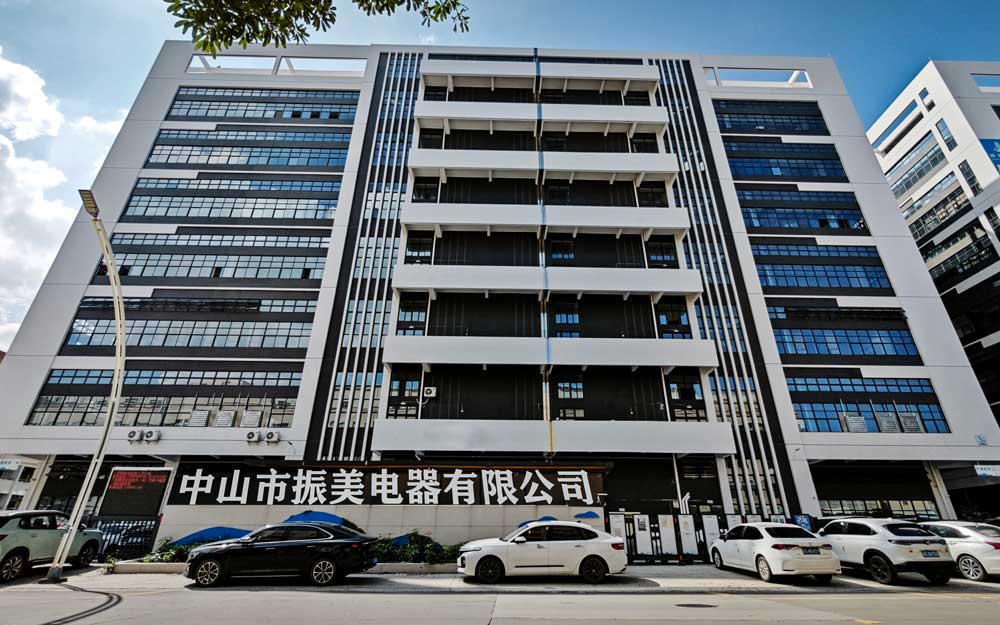
Analyzing the infrastructure, technology, and scale advantages of Zhongshan Zhenmei Electrical Appliance Co., Ltd.
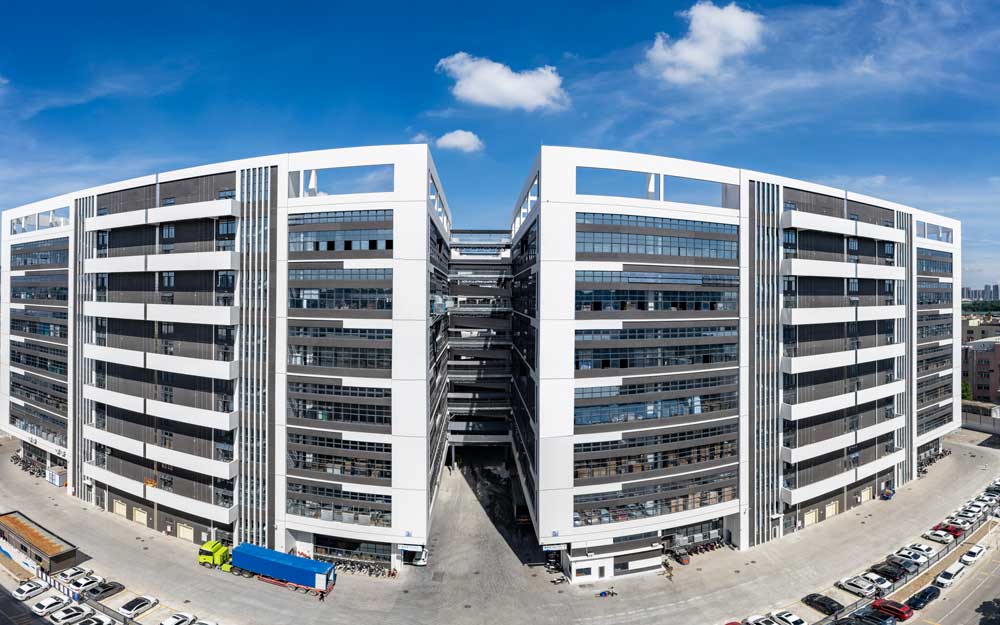
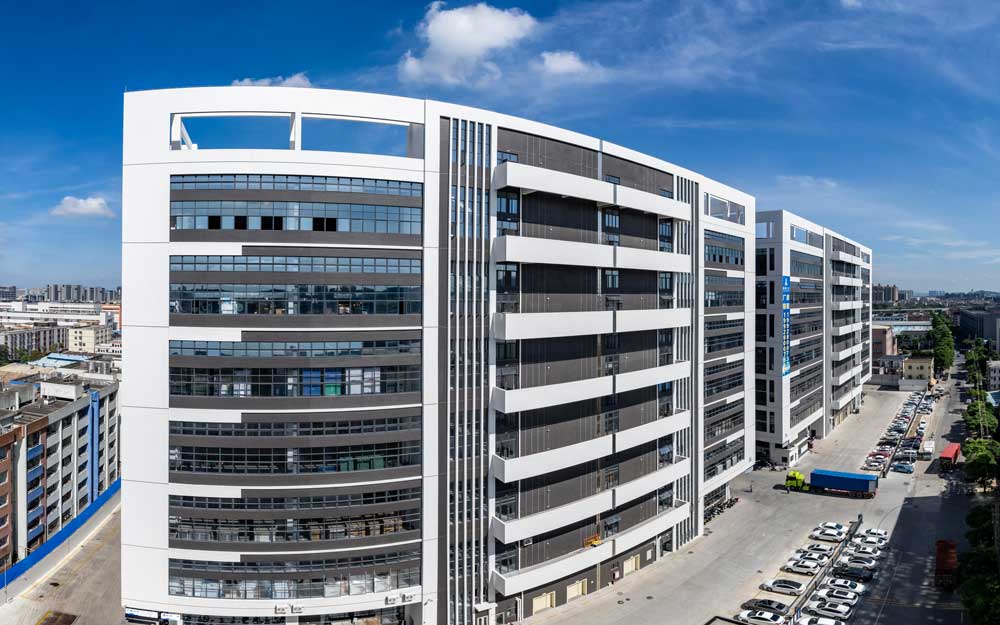
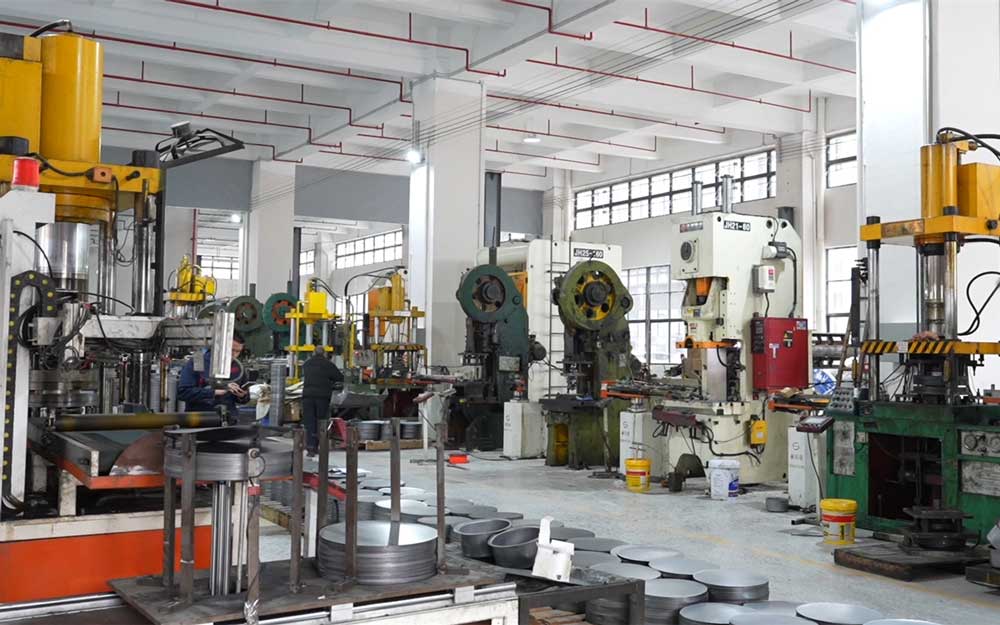
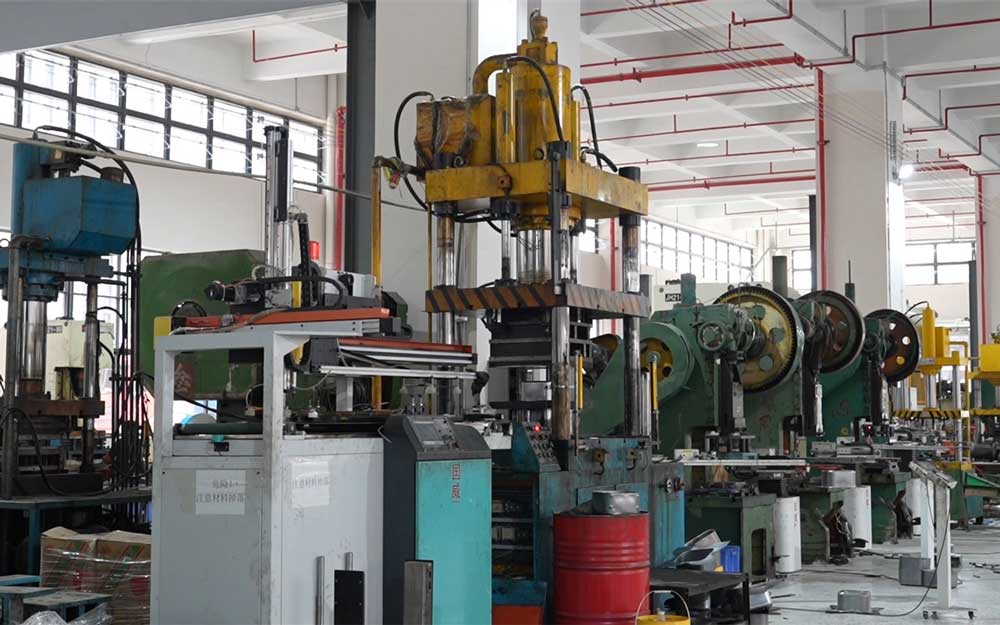
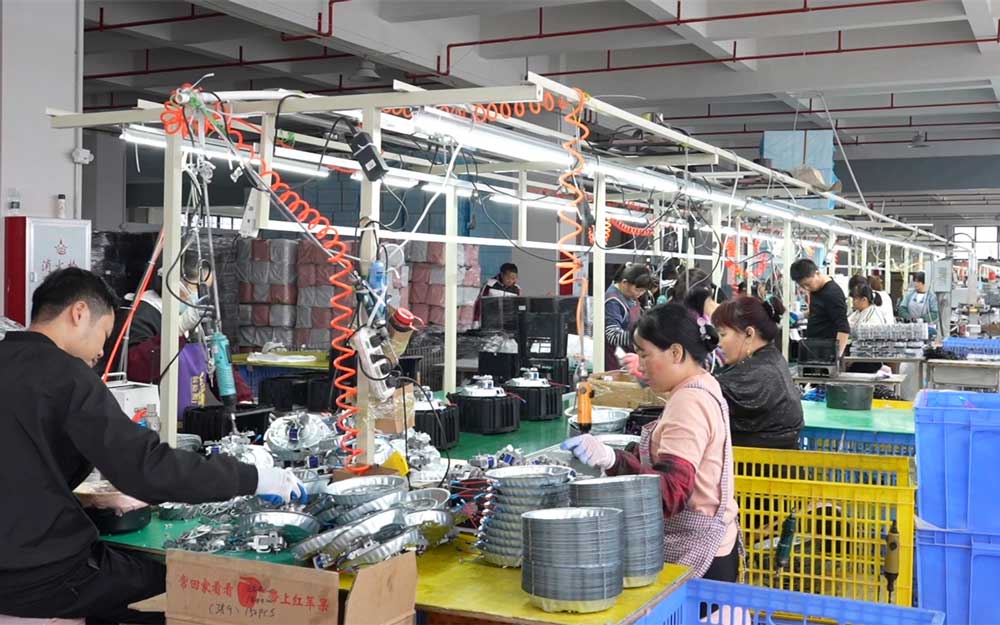
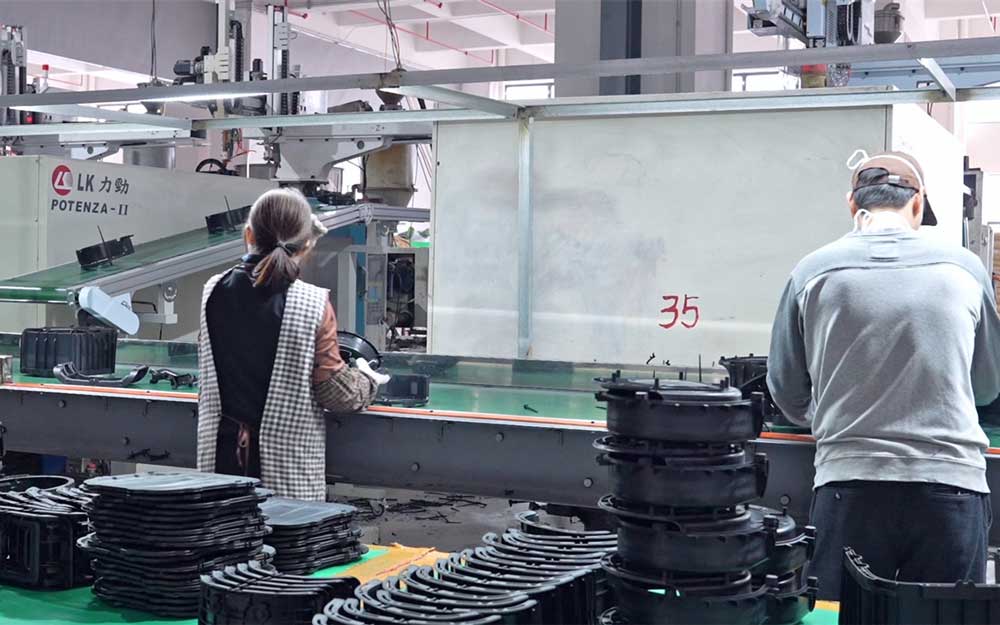
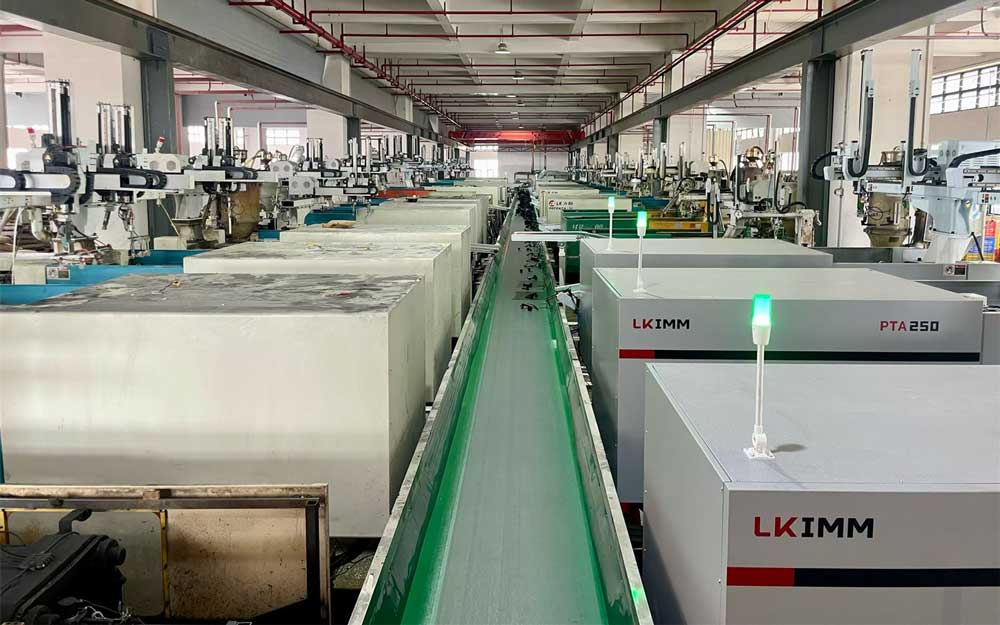
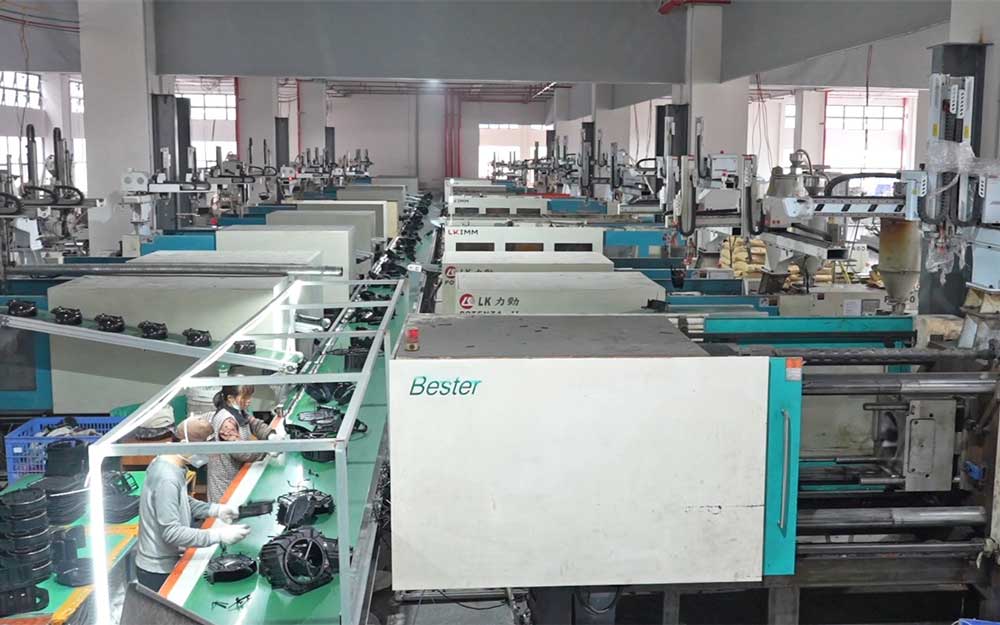
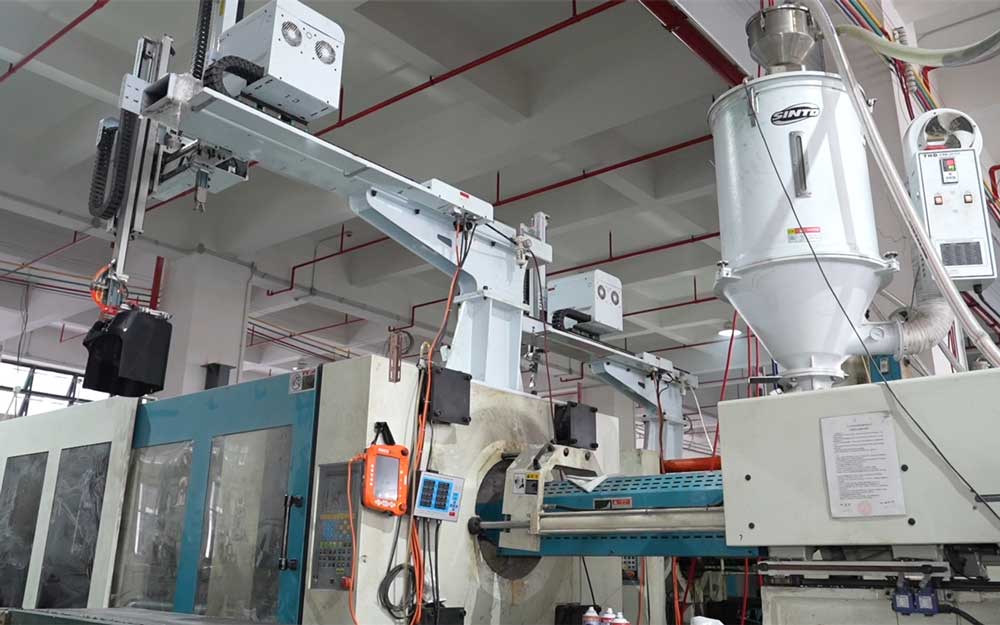
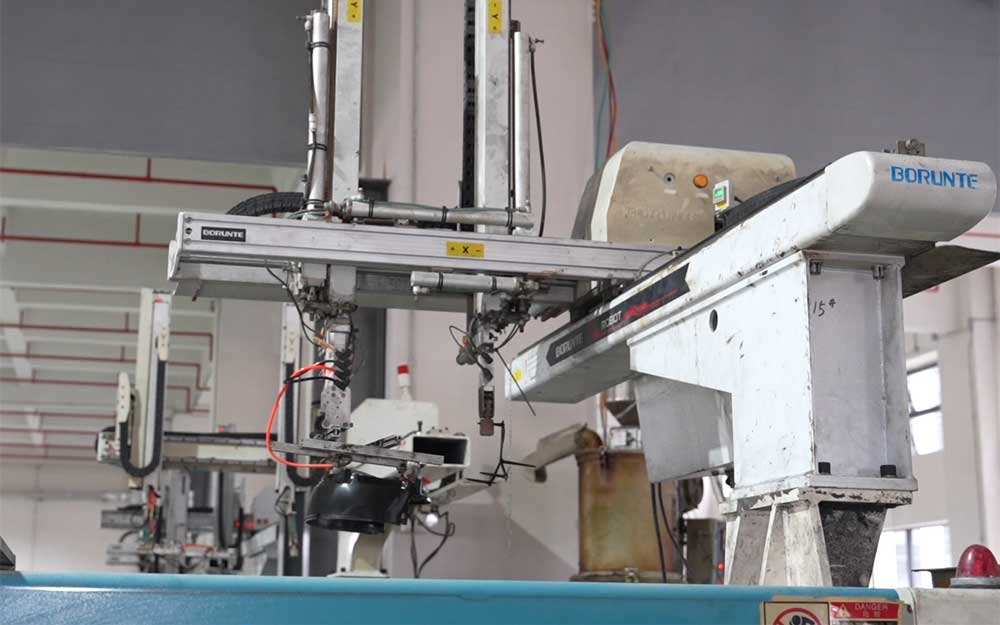
In global B2B procurement, supply chain resilience is just as critical as raw hardware performance. Operating out of the Pearl River Delta appliance hub, Zhongshan Zhenmei Electrical Appliance Co., Ltd. demonstrates the power of vertical integration. The factory manages all key production steps internally—ranging from custom precision tooling design to structural sheet metal fabrication and final quality testing.
This internal control structure eliminates reliance on external component suppliers, shielding overseas B2B buyers from supply chain delays. By maintaining close relationships with nearby direct raw material suppliers (such as high-grade steel mills and specialized copper wire factories), Zhongshan Zhenmei maintains highly reliable and competitive production schedules.
Backed by over 20+ R&D experts, Zhongshan Zhenmei offers deep customized development services. From adjusting motor torque values to designing customized electronic interfaces or engineering custom aesthetic housings, our design capabilities shorten time-to-market. Our prototyping and validation processes ensure that custom designs meet client timelines and pass necessary performance checks.
Our quality control system maintains low defect rates through systematic inspection steps. Every batch of copper coils, microprocessors, and food-grade plastics undergoes initial testing. Prior to packaging, completed machines undergo functional run tests under simulated working loads to ensure motor integrity and seal durability. This thorough process helps minimize international product returns and warranty claims.
Mitigating customs risks and meeting regional health regulations in key global markets.
Navigating different international certification frameworks is a major challenge in appliance distribution. Without proper testing and approval, shipments can face customs holds or fines. Leading manufacturers ensure compliance at every stage of the design process, matching product configurations to the target market’s specific voltage requirements (110-120V / 220-240V, 50/60Hz).
Certifications: ETL, UL 763, NSF Standard 8, FDA Compliance.
Focuses on strict electrical grounding requirements, mechanical interlocks, and chemical migration limits for plastic food-contact parts.
Certifications: CE, GS, RoHS, REACH, LFGB.
Focuses on electromagnetic compatibility (EMC), environmental safety standards, and sensory testing to prevent material transfer to juices.
Certifications: CCC, PSE, KC, SASO.
Aligns with national electrical grids and meets local safety, fire prevention, and electrical insulation standards.
Addressing core questions regarding procurement, manufacturing, and technical support.
For standard production runs, the MOQ is 500 units. For projects requiring custom chassis molds, custom electronic board designs, or special logo packaging, the MOQ typically begins at 1,000 units to offset setup and molding costs.
We use certified raw materials, such as Eastman Tritan copolyester or food-grade PP and ABS, which are completely BPA-free. Materials are tested by third-party agencies like SGS or TÜV to verify compliance with FDA and EU food contact standards.
Our models feature dual safety interlocks (preventing operation if components are misaligned), thermal overload cutoffs (shutting down the motor if internal temperatures exceed safety levels), and slip-resistant base designs to prevent tipping under high torque.
Standard production cycles are 30 to 45 days after deposit confirmation and artwork approval. For repeat orders, lead times can be reduced to 25 days by pre-staging key housing parts and components.
Complementary kitchen appliances designed for high throughput, commercial durability, and smart operation.
 Zhenmei Electrical