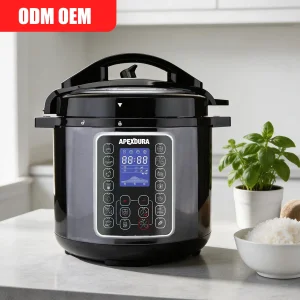
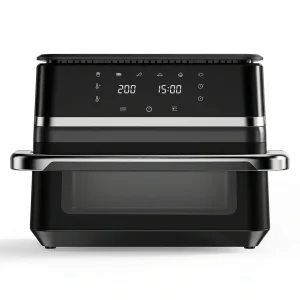
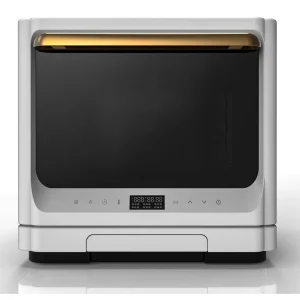
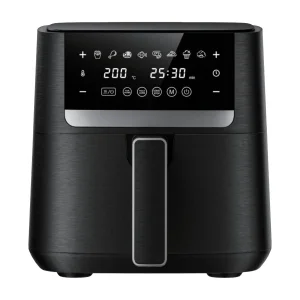
Strategic ODM & OEM Kitchen Appliance Engineering for Global Distributors, Commercial Brands, and Regional Staple Food Automation
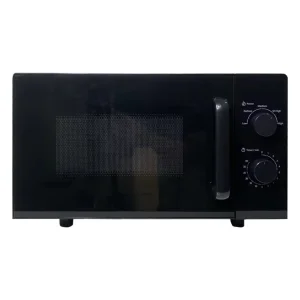
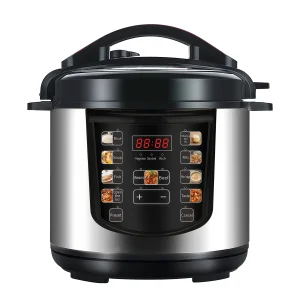
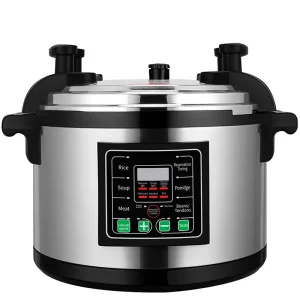
Featured Commercial & Household Kitchen Appliances
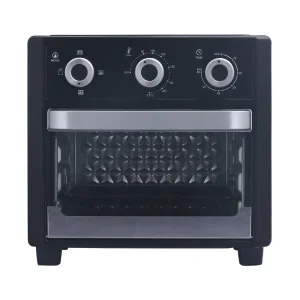
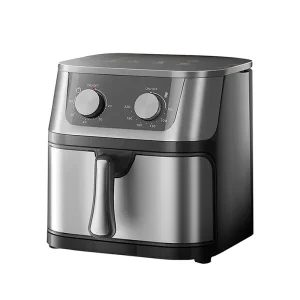
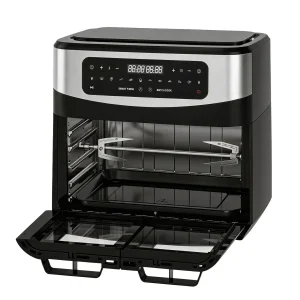
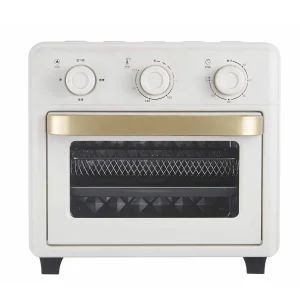
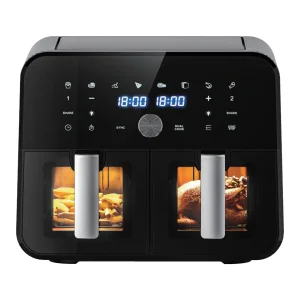
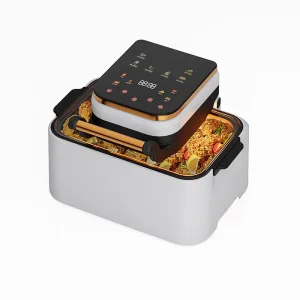
Explore our premium range of high-capacity air fryers, automated pressure cookers, and professional culinary systems engineered for extreme durability and high efficiency.
Across Sub-Saharan Africa and the global diaspora markets, starch-based staple foods like fufu, poundo yam, eBA, and ugali hold deep culinary and cultural significance. Traditionally, preparing fufu is an labor-intensive, manual process involving the heavy pounding of boiled tubers (cassava, yam, or plantains) using large wooden pestles and mortars. However, rapid urbanization, shifting demographics, and the rise of convenience-seeking consumer groups have driven massive market demand for automated, electric solutions.
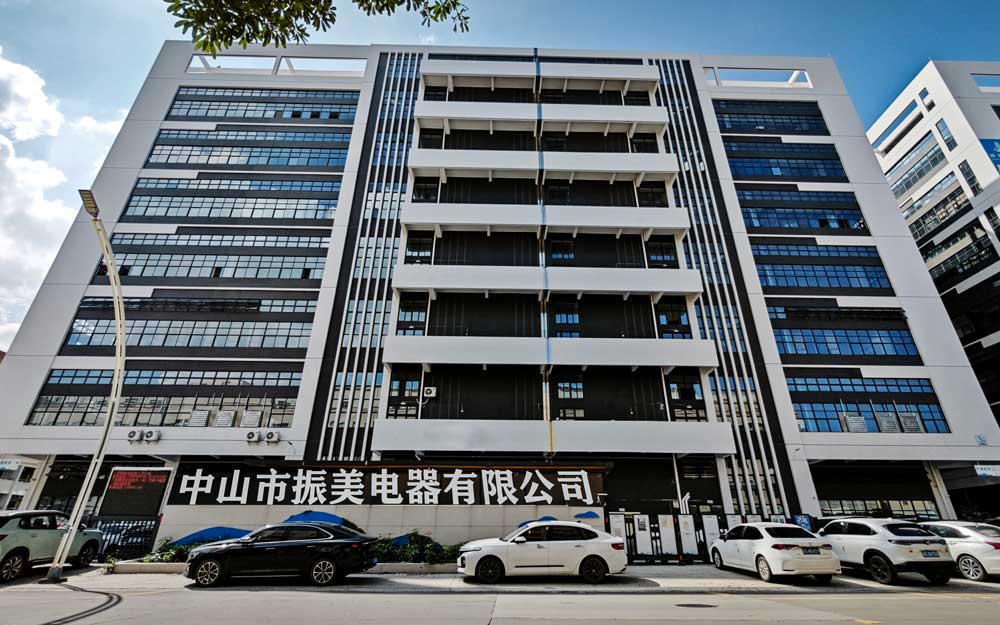
As a premier global kitchen appliance OEM/ODM partner, Zhongshan Zhenmei Electrical Appliance Co., Ltd. leverages over 16 years of expertise to design and manufacture heavy-duty processing systems. Our production lines utilize high-torque motors, robust gear designs, and food-grade safety materials to successfully automate the intense mechanical kneading and thermal profiles required for high-viscosity food preparation. This whitepaper analyzes the engineering challenges, localization scenarios, Chinese factory supply chain advantages, and global procurement criteria for sourcing commercial-grade fufu processors.
1. Deciphering the Mechanics of Fufu: Pounding vs. Blending
Engineers must recognize that processing starch-dense African staples is fundamentally different from chopping vegetables or mixing cake batter. Standard consumer blenders and food processors fail rapidly when subjected to the preparation of fufu. The core challenge lies in the physical properties of cooked root tubers:
Starch Gelatinization and Viscoelasticity: Once cooked, cassava and yam release high concentrations of amylose and amylopectin. This creates a dense, sticky, non-Newtonian fluid paste with high viscoelastic resistance. Standard motor blades simply slice through the mixture or seize up due to heat overload. Fufu preparation requires a process of combined cutting, folding, and pounding to achieve the required elastic, smooth consistency without lumps.
To automate this process successfully, a designated Fufu Processor must feature high mechanical shear force, structural integrity, and dedicated heat dissipation systems. The design must accommodate two distinct methods of preparation:
The Raw Flour Method (Poundo): Mixing dry flour (cassava, yam, or plantain starch) with boiling water, requiring simultaneous heating and high-speed mechanical agitation to prevent starch clumping.
The Boiled Tuber Method (Traditional): Placing pre-cooked, dense pieces of fresh cassava or yam into a processor bowl and applying heavy-impact pounding/kneading blades to mash it into a smooth paste.
16+
Years R&D Experience
40,000㎡
Advanced Manufacturing Facility
10,000+
Daily Unit Output
300+
Skilled Professionals
2. Engineering Benchmarks for High-Viscosity Food Processors
To ensure reliability and safe long-term operation under high stress, our design teams focus on three critical engineering areas:
1. High-Torque Pure Copper Motor
Standard motors with aluminum wiring degrade quickly under continuous loads. We utilize industrial-grade, pure copper motors designed to withstand extreme torque demands without thermal failure.
Power Rating1000W – 1800W
Duty CycleClass H Insulation
ProtectionThermal Auto-Cutoff (130°C)
2. Hardened Gear & Transmission
Plastic gears stripped by dense dough are a common source of product failure. We use metal-to-metal planetary gearboxes and reinforced drive couplings to transfer maximum energy to the blade assembly.
Gear MaterialSintered Steel Alloy
Coupler DesignDouble-Hex Steel Insert
Lifespan Rating>5000 Cycles under full load
3. Heavy-Duty Blade & Bowl Geometry
Standard straight blades fail to knead food effectively. Our machines feature S-shaped, dual-tiered blades combined with vertical interior bowl ribs that force the dough down and inward.
Bowl MaterialFood-Grade SUS304 / BPA-Free PC
Blade SteelTempered 420 Stainless Steel
Seal integrityDouble-lip Silicon Seal
3. The Structural Advantage of Chinese Kitchen Appliance Factories
Sourcing fufu processors directly from established OEM/ODM manufacturers in China, specifically within the Zhongshan industrial cluster, provides global buyers with distinct competitive advantages in cost, engineering, and manufacturing speed:
Procurement Factor
Zhongshan Zhenmei Industrial Capabilities
Strategic Advantage for Global Brands
In-House Tooling & Prototyping
Dedicated CNC milling, mold-making workshops, and plastic injection machines.
Reduces time-to-market for custom designs from 9 months to less than 75 days.
Supply Chain Integration
Direct access to copper wire drawing, precision metal stamping, and PCB manufacturing.
Stable component pricing, insulation from supply shocks, and lower unit costs.
Scalable Manufacturing Lines
40,000 sqm facility with over 300 professionals yielding 10,000+ units daily.
Ability to absorb large container-load orders without lead time delays.
Certifications & Quality Control
ISO 9001:2015, CE, CB, GS, RoHS, LFGB, and FDA compliance testing protocols.
Low defect rates (<0.3%) and friction-free customs clearance in major global markets.
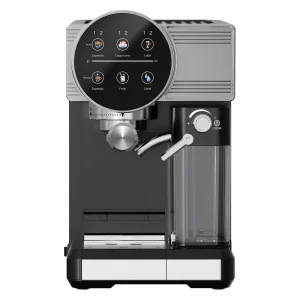
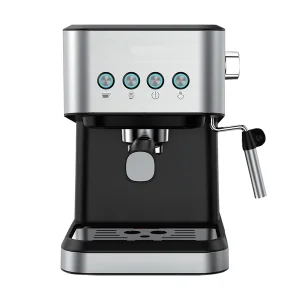
Zhongshan Zhenmei's extensive background in developing high-power household appliances, such as multi-function pressure cookers, air fryers, and high-performance coffee machines, translates directly to our fufu processor assembly lines. Our engineering department uses advanced simulations to analyze stress points along the blade shaft, ensuring that the drive train can withstand years of processing starchy staple foods.
4. Global Enterprise Sourcing Requirements & Customization
International distributors, appliance brands, and government procurement agencies have diverse requirements depending on their local operating conditions and targeted demographics:
1
Voltage and Frequency Engineering
We build appliances tailored to regional power specifications: 220V-240V/50Hz for West African and European markets, and 110V-120V/60Hz for North American markets. Additionally, we integrate wide-voltage surge protection systems to handle electrical grid fluctuations common in developing regions.
2
Custom Branding & Outer Shell Customization
From injection-molded ABS plastics with modern color finishes (laser-textured, matte black, white, and classic cobalt blue) to brushed stainless steel outer shells, we match the aesthetic guidelines of your brand. Private labeling is applied using advanced silk screen printing or laser engraving.
3
Control Interfaces & Multi-Mode Presets
Brands can choose between economical mechanical dials and modern, AI-inspired digital touch control panels. Custom programming allows for single-touch preset cycles such as "Boil & Pound," "Express Mixing," "High Shear Pounding," and "Easy Clean."
5. Regional Applications: Adapting to Local Culinary Traditions
The processing requirements for staple foods vary by region. A versatile manufacturer must design machines capable of adjusting to different food processing workflows:
West African Domestic Kitchens: Consumers require compact, counter-top machines (3L to 6L capacity) that can process freshly boiled cassava, yam, and cocoyam into smooth, elastic fufu in under 5 minutes. Noise dampening and ease of cleaning are key considerations.
Commercial Kitchens & Catering: Restaurants and hotels require large-capacity, heavy-duty processors (8L to 15L capacity) featuring continuous duty cycles, stainless steel housings, and reinforced double-arm stirrers to handle large volumes of food throughout the day.
Global Diaspora Markets (US/Europe/UK): Consumers in these regions frequently use dry starch flours (Poundo Yam flour, potato starch, or plantain flour). For these markets, we integrate built-in heating elements that boil water and mix flour simultaneously, creating a complete cooking and kneading solution in a single unit.
What makes a dedicated Fufu Processor different from a standard home food processor?
Standard home food processors are designed for chopping and light mixing. They typically use thin blades and low-torque motors with plastic gears. Fufu, which consists of dense, elastic starch, causes standard motors to overheat and plastic gears to strip. A dedicated fufu processor features an industrial-grade high-torque motor (usually 1000W+), all-metal gear systems, and reinforced S-blade assemblies designed to handle the resistance of thick dough.
Can your machines process fresh boiled tubers as well as dry flour mixes?
Yes. Our heavy-duty ODM fufu processors can be configured with dual-mode programming. The high-torque setting is optimized for mashing and pounding fresh boiled tubers (cassava, yam, cocoyam, and plantain). The integrated heating option supports the dry flour method, boiling the water and automatically kneading the starch mixture into a smooth paste.
What are the minimum order quantities (MOQ) and customization options for OEM/ODM orders?
Our standard OEM/ODM minimum order quantity typically starts at 1,000 units per model, which aligns with optimal raw material sourcing and production line setup. We offer complete custom branding, custom color injection molding, customized touch control interfaces, localized power plug configurations, and custom packaging designs.
How does your factory ensure the safety of food-contact components?
Safety and regulatory compliance are integral to our manufacturing process. All materials used in the food-contact zones of our processors, including bowls, blades, and lid seals, are certified food-grade and comply with FDA, LFGB, and European Food Safety standards. They are free from BPA and heavy metals, ensuring no chemical migration occurs during high-temperature operations.
What quality control protocols do you implement on the assembly line?
We follow a rigorous multi-stage quality control process: Incoming Quality Control (IQC) for motor and PCB shipments, In-Process Quality Control (IPQC) along the assembly lines, and Final Quality Control (FQC) testing before packaging. Every processor undergoes a high-voltage insulation test, a noise level check, and a torque load test before dispatch to maintain our target defect rate below 0.3%.
How does your facility manage logistics and international shipping?
Located in Zhongshan, Guangdong Province, our factory is situated close to major deep-water ports including Shenzhen (Yantian/Shekou) and Guangzhou (Nansha). This location allows us to coordinate container consolidation, handle customs declarations, and arrange prompt shipping to European, North American, and African destinations.
7. Zhongshan Zhenmei: Your Trusted Kitchen Appliance OEM/ODM Partner
Zhongshan Zhenmei Electrical Appliance Co., Ltd. is a premier OEM/ODM partner specializing in the manufacturing of kitchen appliances, including air fryers, electric pressure cookers, blenders, and more. With over 16 years of expertise, we transform concepts into high-quality, market-ready products for leading global brands.
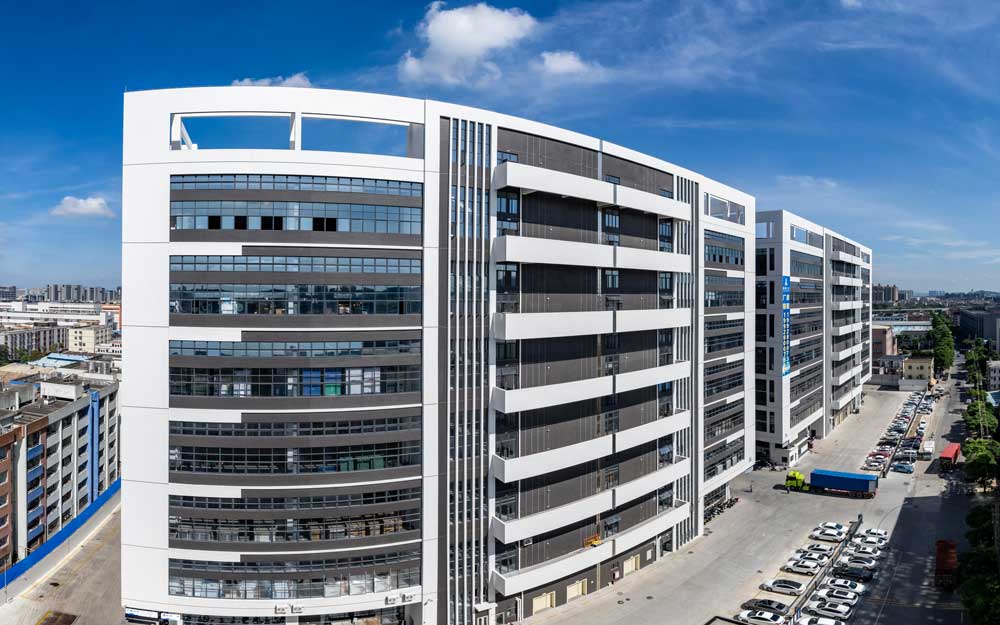
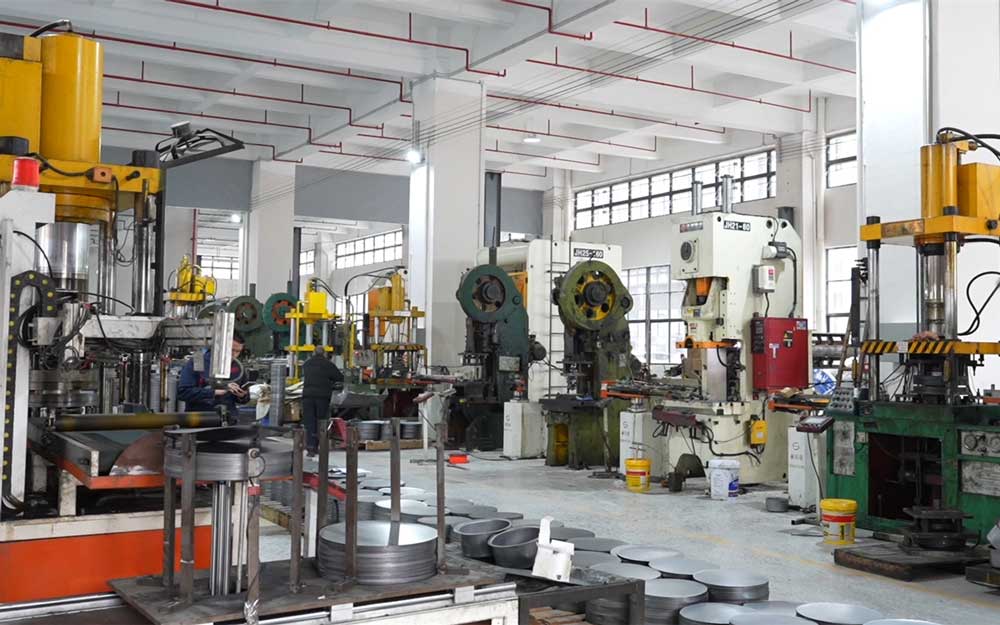
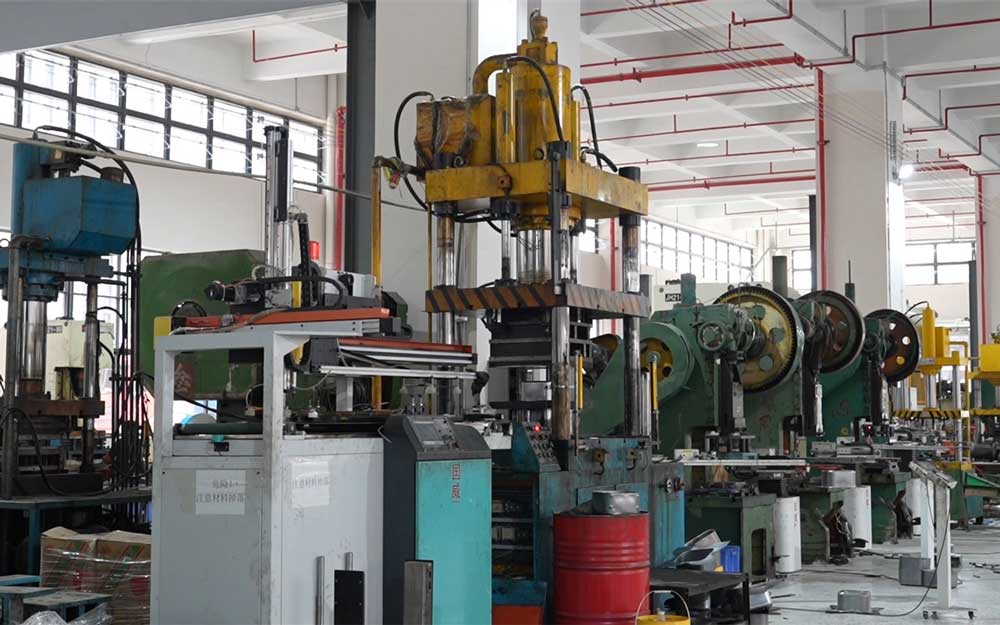
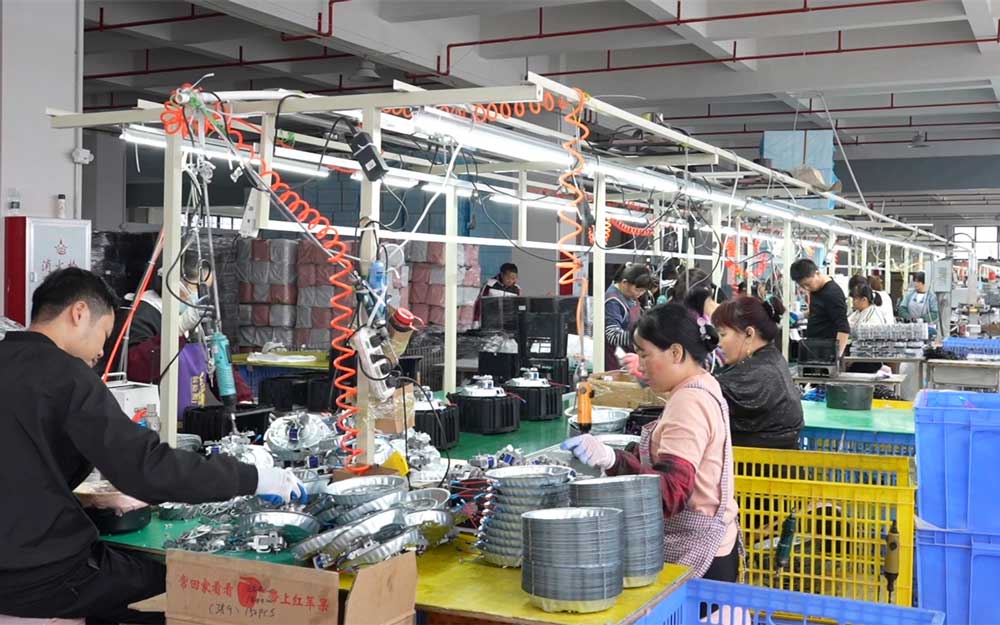
Core manufacturing advantages: Our strength lies in robust in-house manufacturing. Operating from a 40,000 sqm advanced facility, powered by 300+ dedicated professionals and 20+ R&D experts, we ensure precision and control at every stage.
High Volume & Quality: Our massive 10,000+ units daily output reliably meets the demands of high-volume orders worldwide. We are committed to excellence, underpinned by a rigorous quality control system that guarantees the safety and reliability of every product.
Trusted OEM/ODM Partner: We are the trusted, end-to-end solution for your OEM/ODM needs. Choose us for innovation, scale, and reliability. Let's build your next success story together.
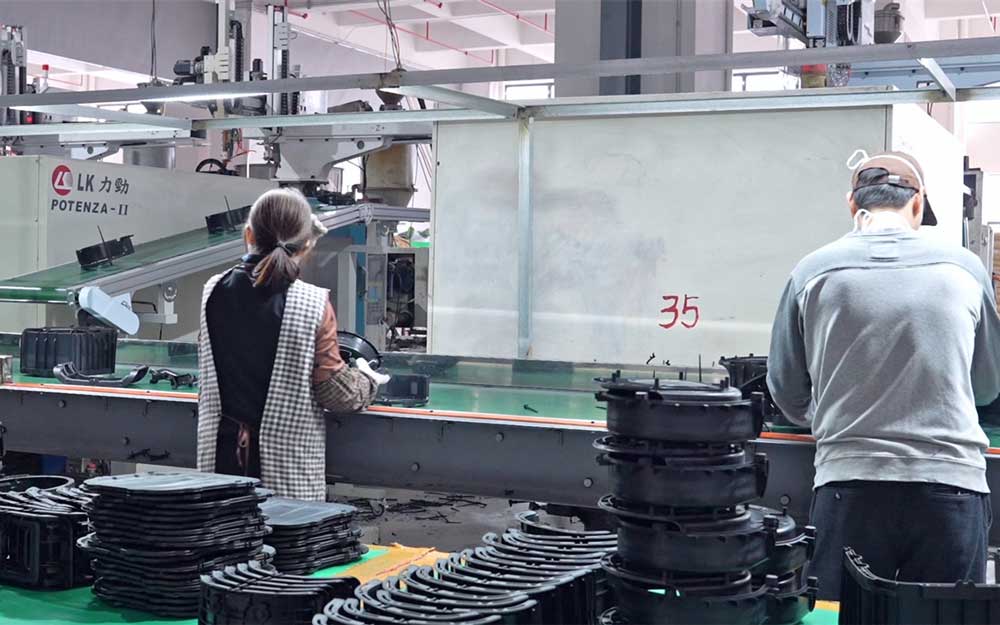
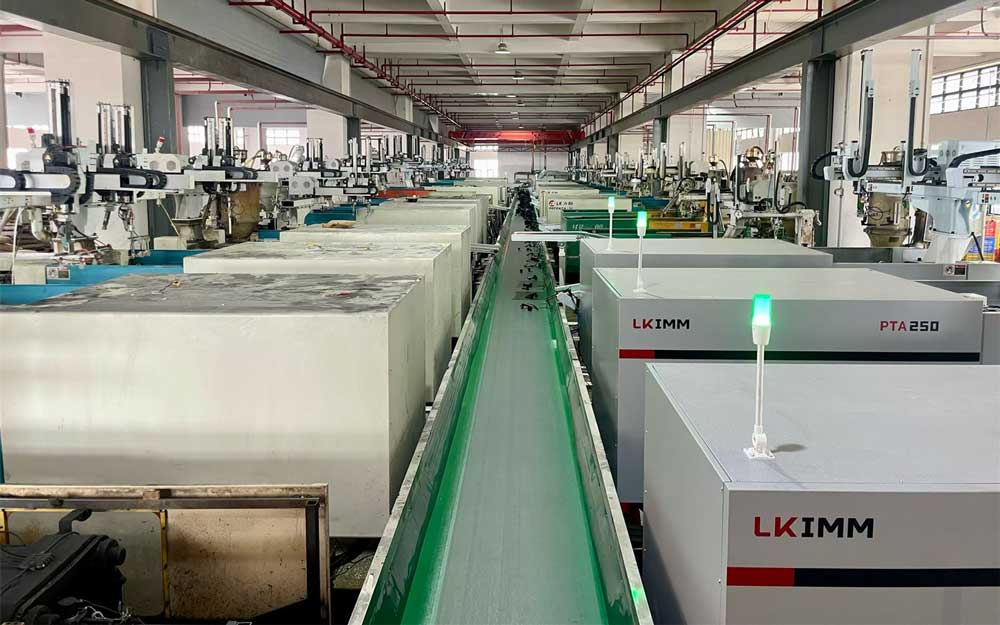
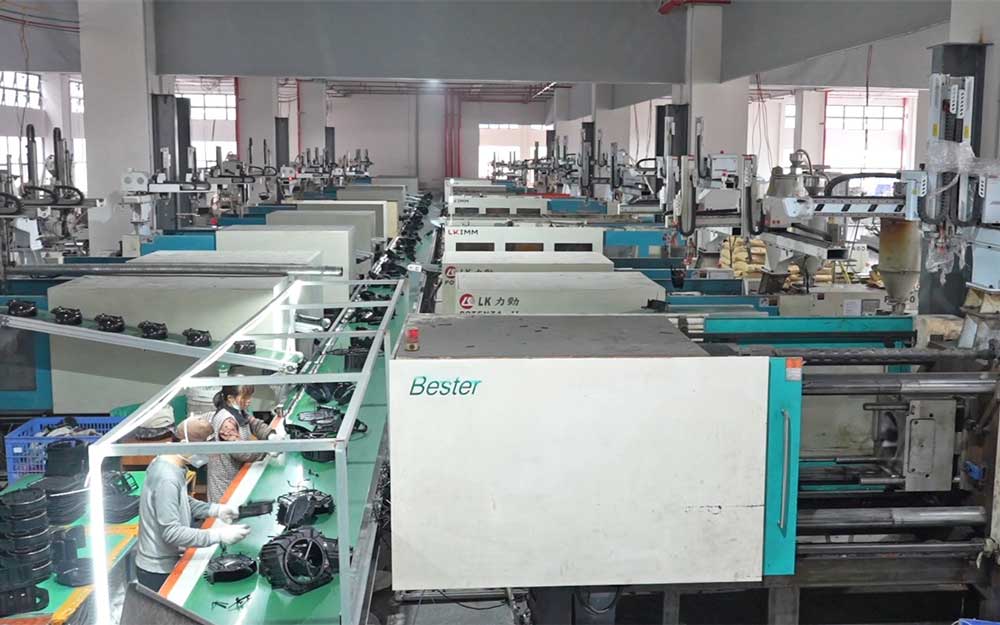
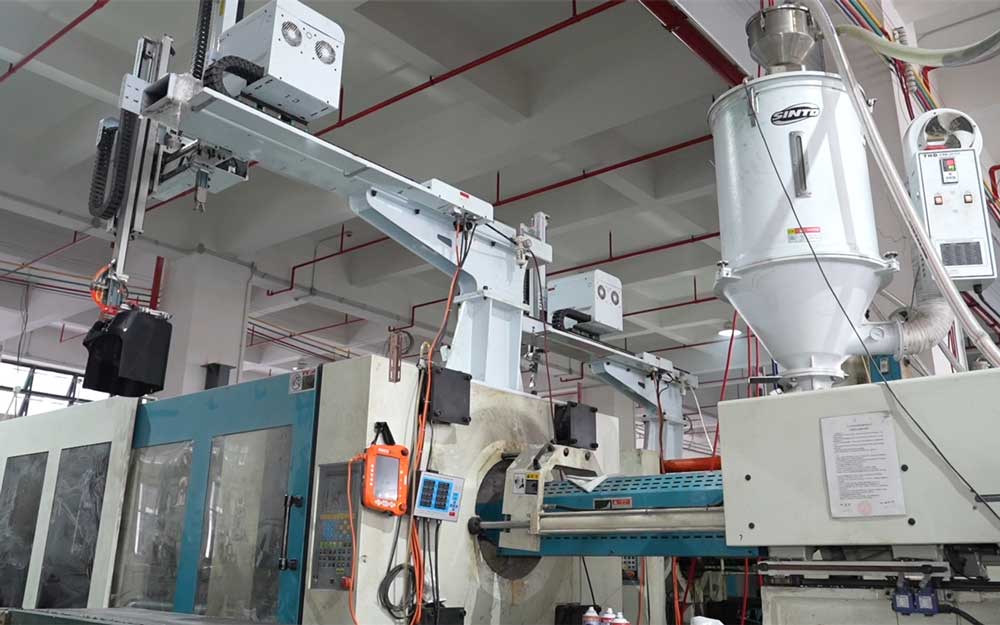
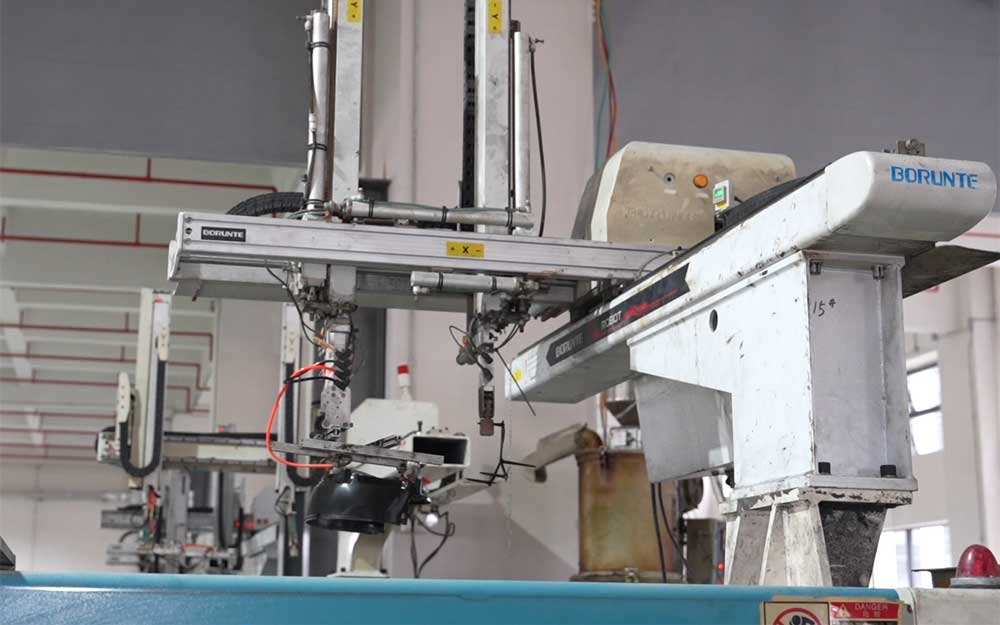
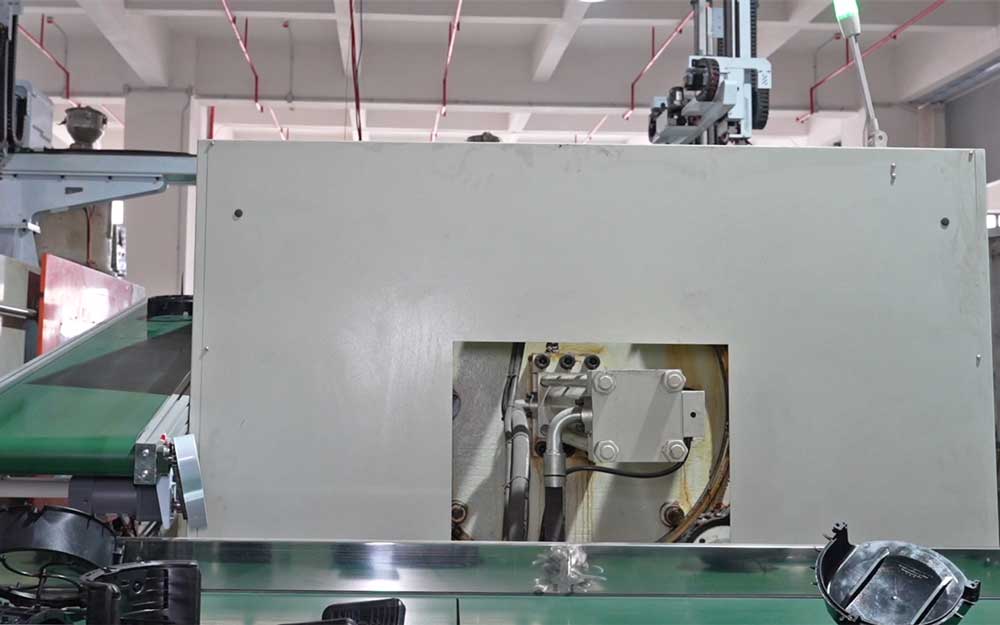
Our Work Environment & Production Facilities
Explore More High-Quality Kitchen Appliances
Enhance your inventory with our advanced dual-basket air fryers, fully automatic espresso machines, and high-capacity pressure cookers designed for premium reliability.

 Zhenmei Electrical