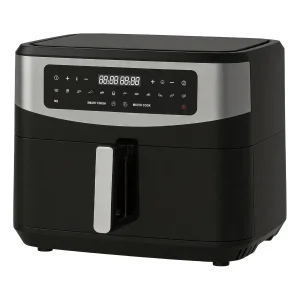
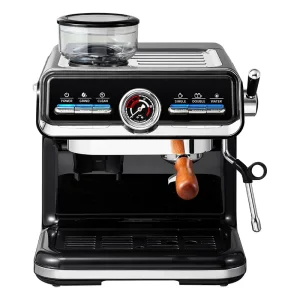
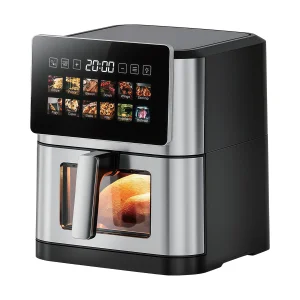
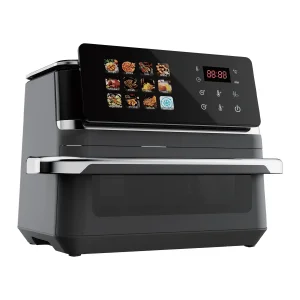
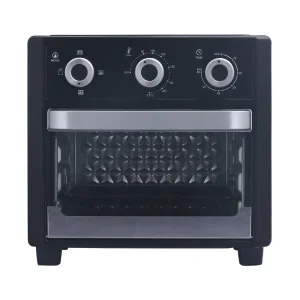
Explore our advanced thermal engineering, high-capacity, and digital processing configurations, tailored for global B2B distribution.
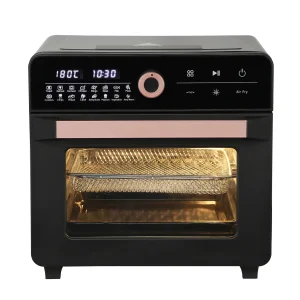
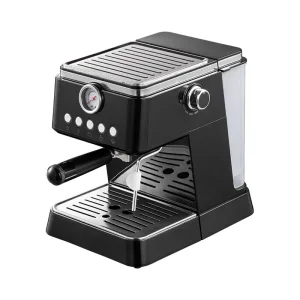
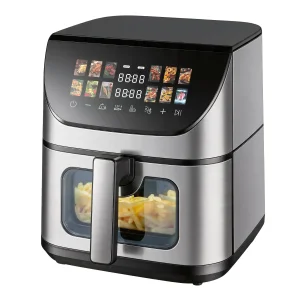
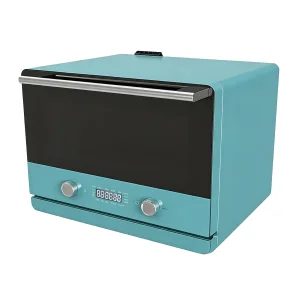
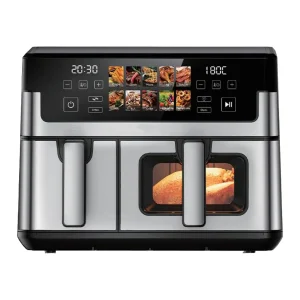
Fufu, a staple carbohydrate dietary component across West and Central Africa, is transitioning rapidly from labor-intensive manual preparation to industrial processing. Traditionally produced by peeling, boiling, and vigorously pounding starchy root vegetables like cassava, yams, or plantains, the commercial market now demands standardized, hygienic, and high-efficiency machinery to produce fufu flour, wet paste, and ready-to-eat packages. As a premier manufacturer of high-performance food processing and kitchen thermal appliances, Zhongshan Zhenmei Electrical Appliance Co., Ltd. is at the forefront of this industrial transformation.
We leverage our 16+ years of expertise in heat dynamics, mechanical shearing, and high-torque motor integration to deliver turnkey commercial fufu processing lines. Our engineering focus eliminates the bottlenecks of manual peeling, unhygienic fermentation, uneven cooking, and high waste indices. By integrating state-of-the-art material processing with automated temperature management, our machinery ensures consistent gelatinization, preserving the precise organoleptic properties (stretchability, texture, aroma, and color) required by the end-consumer.
Transforming raw agricultural tubers into shelf-stable, high-quality food products requires a rigorous multistage mechanical and thermal roadmap.
Standardizing feed materials is crucial. Our peeling modules utilize rotational carborundum rollers combined with high-pressure water sprays. This dual-action mechanism removes skin layers cleanly, ensuring minimal loss of starch-rich parenchyma. Optimized water circulation reduces effluent load while ensuring zero soil contamination before the grating phase.
To release starch granules from cellular structures, we integrate high-speed hammer mills and rasping plates. Precision-engineered gap tolerances between the rotor and screen optimize particle size distribution, preventing over-grinding while maximizing the recovery of clean, unheated starch slurry.
Authentic fufu requires precise fermentation (typically 48 to 72 hours) to develop the characteristic sour flavor and remove cyanogenic glucosides. Our commercial tanks feature temperature and pH logging sensors, helping manufacturers optimize lactic acid bacteria (LAB) propagation and eliminate batch-to-batch variation.
Hydraulic filter press systems and continuous decanter centrifuges reduce the moisture content of fermented cassava mash to 35-40% before drying. This mechanical moisture control step drastically minimizes subsequent thermal energy expenditure, ensuring highly efficient plant operations.
To produce stable fufu flour, wet mash is introduced into a high-velocity hot air stream. Our flash dryers dry starch particles within seconds, preventing thermal degradation and preserving the swelling index. The final flour maintains a uniform moisture level below 12%, achieving a shelf life of over 18 months.
The final powder is sifted using industrial vibratory screeners to achieve a fine mesh, free of fibrous residues. Automated powder filling machinery packaged under nitrogen atmosphere prevents lipid oxidation, maintaining quality and color integrity across regional and export distribution lines.
Industrializing cassava and yam crops requires highly tailored engineering solutions that address different scale tiers. B2B importers, agricultural cooperatives, and food factories require robust modular designs to match local market dynamics, supply chain constraints, and raw material characteristics.
Designed for daily processing capacities of 2 to 5 tons of raw tubers. These configurations prioritize durability, ease of maintenance, and lower electrical loads, utilizing modular diesel or single-phase electric components. This configuration helps local farming communities wash, peel, and grate cassava on-site, dramatically reducing post-harvest spoilage and shipping weights.
Designed for daily inputs of 10 to 30 tons. These semi-automated lines integrate conveyor systems, hydraulic pressing, and modular rotary or flash dryers. This scale is highly popular among regional distributors who supply branded packaged fufu flour and instant mash to urban supermarkets and export markets.
Engineered for continuous 24/7 operations processing upward of 50 tons of raw tuber feed daily. These setups feature complete PLC control systems (such as Siemens or Allen-Bradley), automated waste handling, starch recovery cyclonic systems, and multi-stage air flow flash drying columns. These lines maximize starch yield, optimize water recycling, and ensure complete standardization.
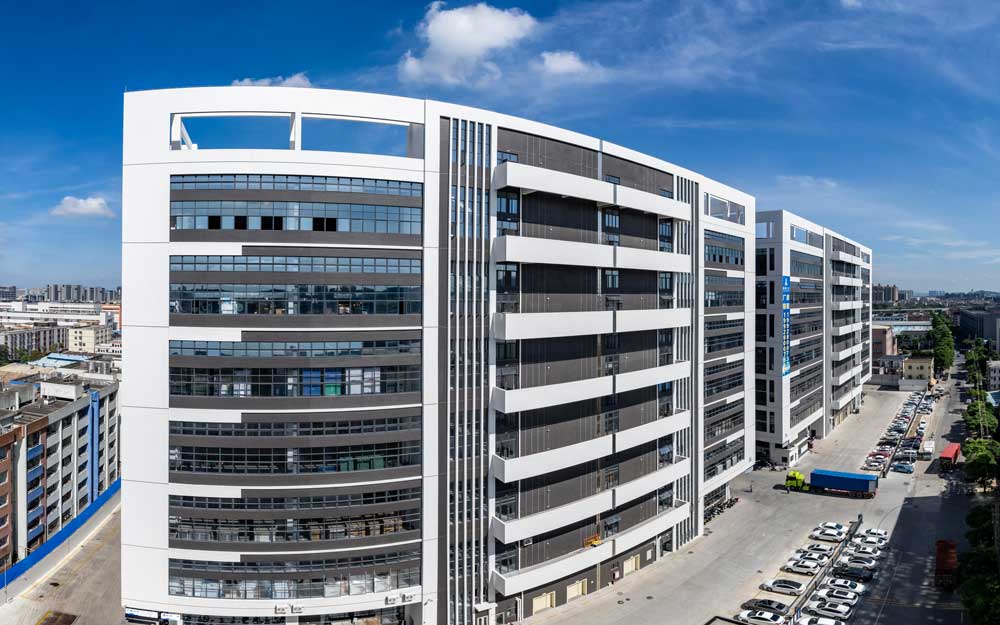
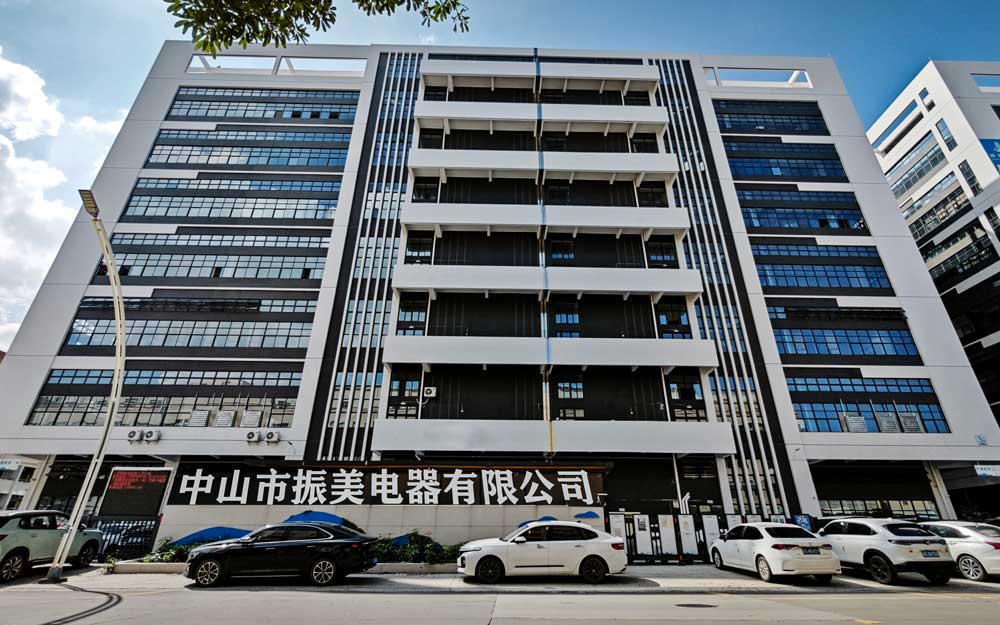
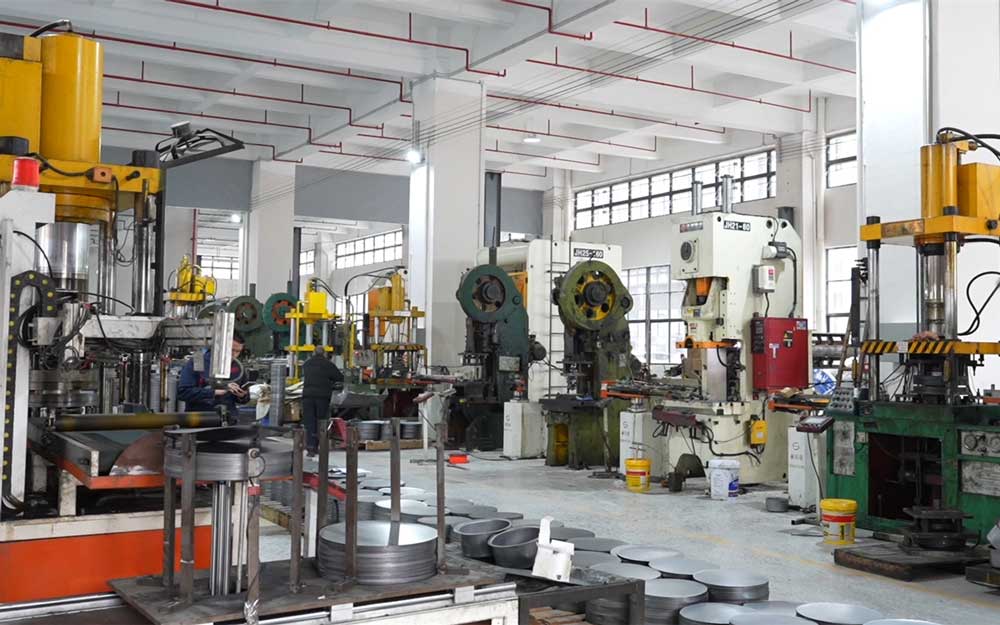
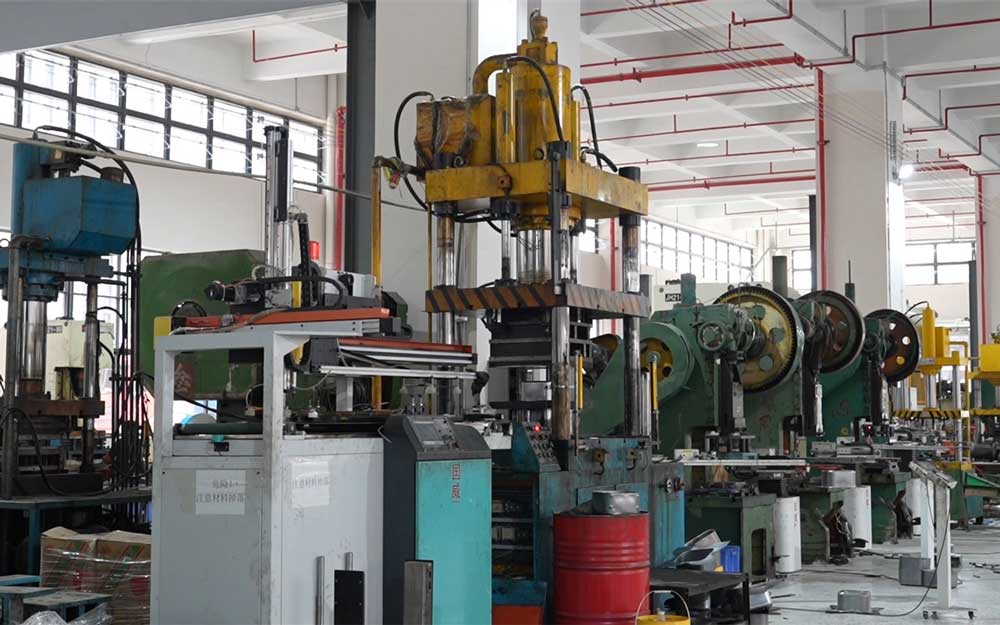
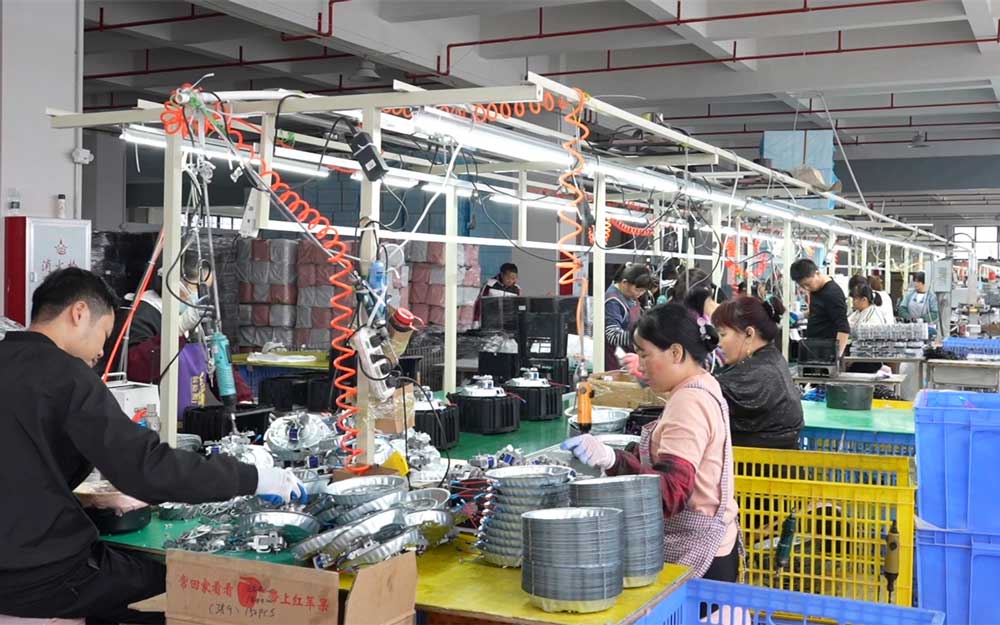
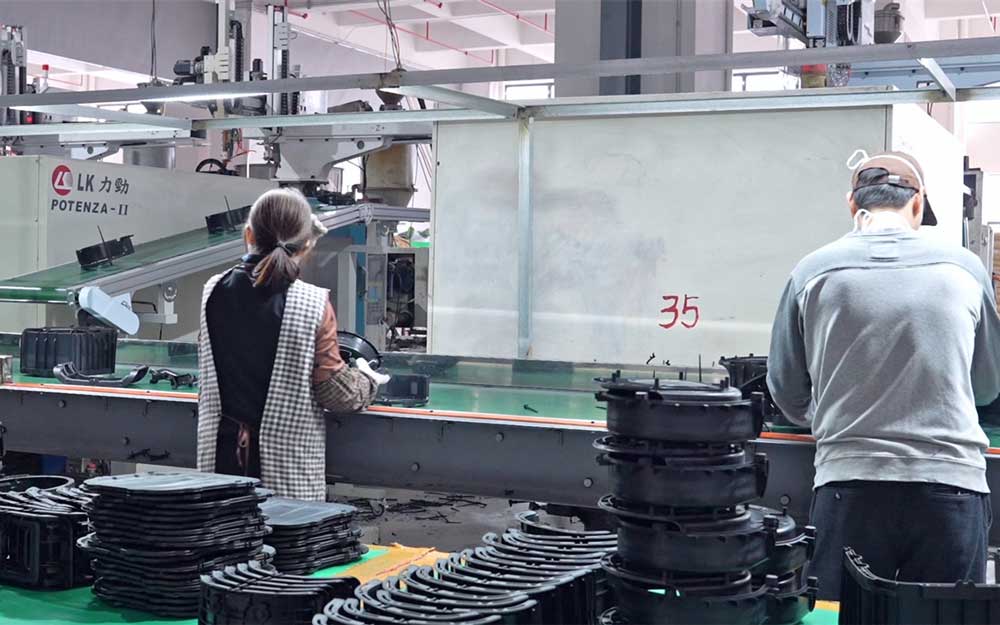
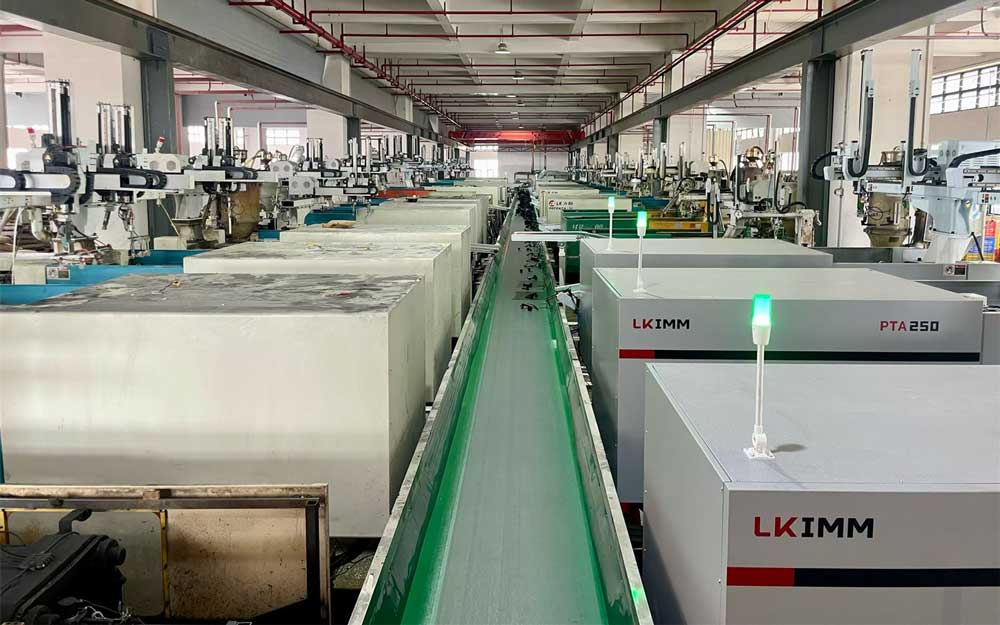
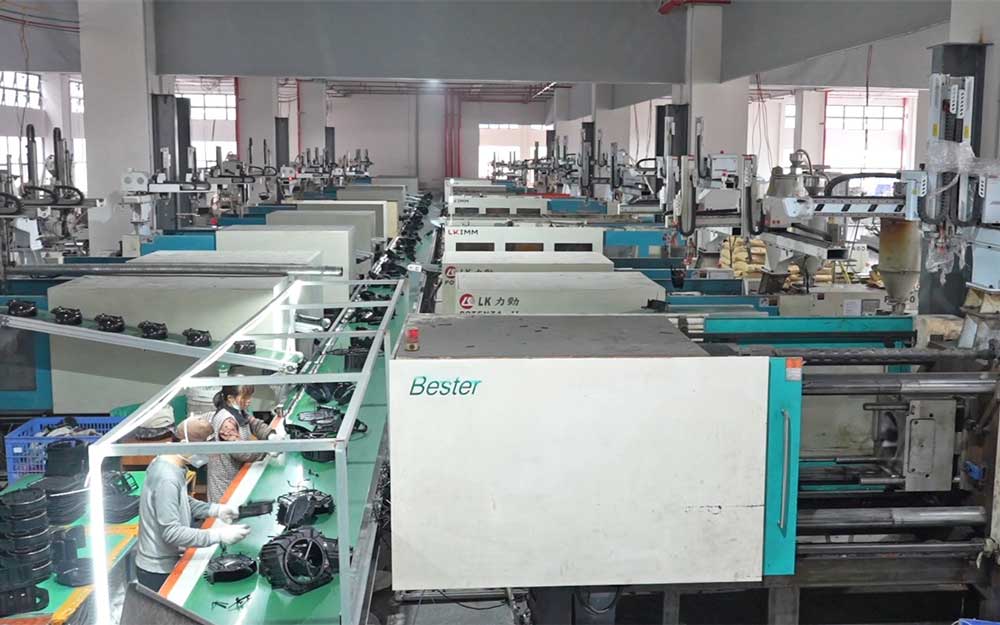
Operating from a state-of-the-art 40,000 square meter facility in Zhongshan, Zhenmei Electrical Appliance Co., Ltd. delivers high-volume efficiency, precision manufacturing, and unmatched supply chain stability.
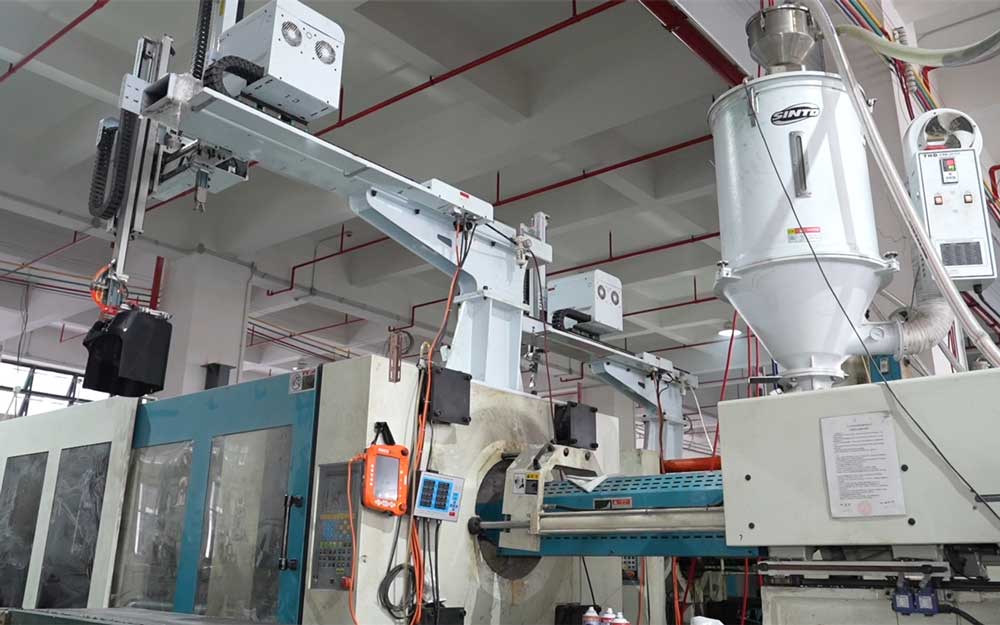
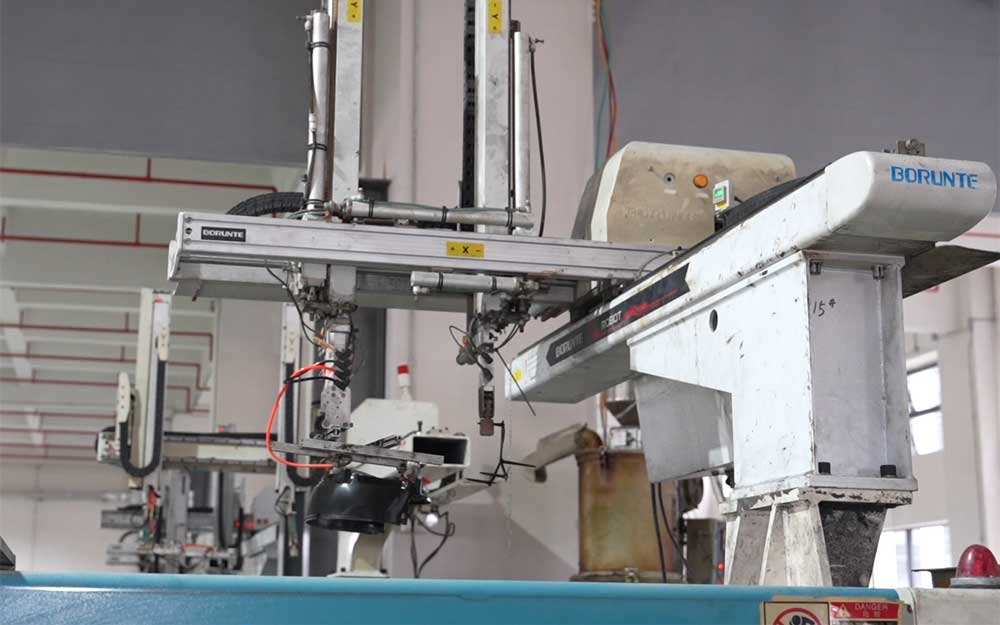
Our vertical integration is key to our manufacturing competitiveness. We maintain in-house control over the entire production cycle: from metal stamping, precision CNC machining, and automated surface treatment to final electrical assembly and multi-point QA checks. This robust infrastructure allows us to maintain a reliable production capacity exceeding 10,000 units per day. This scale ensures that B2B distributors receive consistent, high-volume shipments on schedule, without the typical delays associated with subcontracted supply chains.
Supported by a dedicated team of over 20 R&D specialists and 300 experienced professionals, we continuously innovate and refine our designs. Our technical engineering team applies advanced thermodynamic simulation tools and structural stress analysis to improve the performance of our motors and heating elements, ensuring our machines easily withstand the high mechanical loads and harsh environmental conditions of regional processing plants.

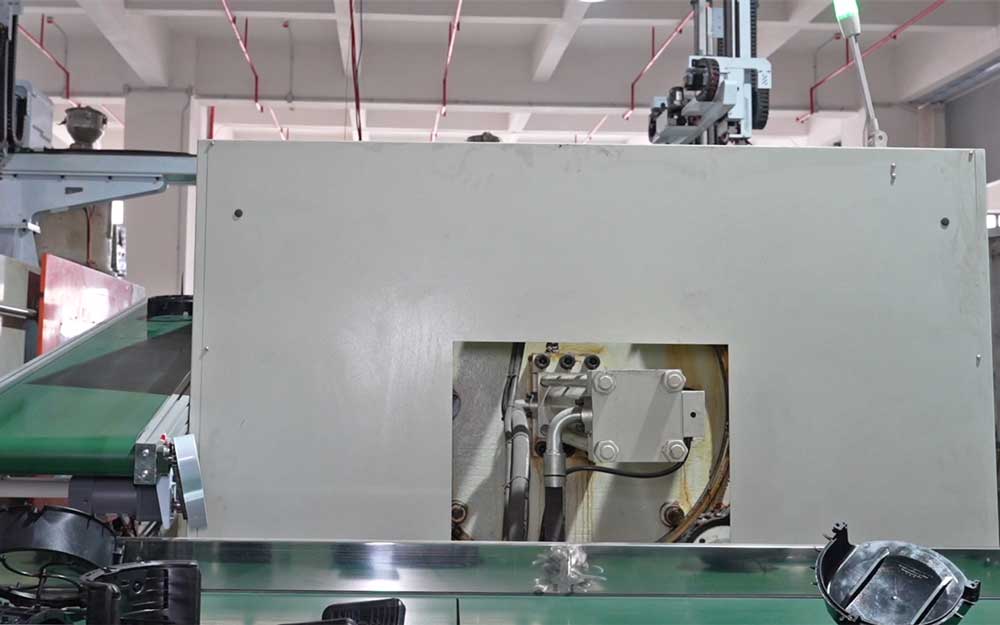
B2B procurement agents require food machinery tailored to local regulations, raw crop characteristics, and production environments.
All product-contact surfaces are constructed from certified 304 or 316 stainless steel. This guarantees complete protection against corrosion from organic acids during fermentation, prevents metallic trace contamination, and makes sanitizing washdowns quick and easy.
To support global deployments, our electrical systems are built to order: 220V/380V, 50Hz/60Hz, single or three-phase configurations. We integrate IP55-rated moisture-resistant electric motors and control cabinets to ensure reliable operation in high-humidity climates.
We minimize buyer downtime by supplying complete spare parts packages, including hardened abrasive peeling surfaces, custom-milled rasping screens, food-grade rubber gaskets, and high-tensile drive belts, with every export consignment.
Deploying machinery into fast-growing agricultural hubs throughout West Africa (Nigeria, Ghana, Côte d'Ivoire, Cameroon) requires strict compliance with domestic and international safety standards. Our manufacturing processes are ISO 9001 certified, and our products carry relevant international safety marks, including CE, CB, RoHS, and SONCAP. This ensures hassle-free customs clearance and guarantees safe operation in commercial processing facilities.
We support our international partners with detailed engineering schematics, foundation installation layouts, electrical wiring diagrams, and high-definition video operating manuals. For large industrial turnkey projects, our engineering team provides remote commissioning assistance and on-site operator training, helping staff maximize yields and avoid processing errors.
Under optimal conditions, the typical recovery rate ranges between 25% and 30% dry fufu flour (12% moisture content) from fresh cassava tubers. This yield is highly dependent on the starch content of the raw cassava (which should ideally be harvested at 10-12 months) and the efficiency of the grating and extraction machinery.
Our abrasive peelers feature adjustable rotational speeds and optimal water-spray pressure. This allows operators to fine-tune the peeling intensity to match the size and age of the tubers, removing only the non-edible outer corky periderm and inner cortex while leaving the starch-dense central flesh intact.
Yes. The combination of high-shear grating (which breaks open cell walls to release the linamarase enzyme) and controlled wet fermentation effectively degrades the cyanogenic compounds (linamarin). The subsequent pressing and drying stages reduce residual hydrogen cyanide (HCN) to safe levels well below the WHO safety standard of 10 ppm.
Standard lead times for high-volume kitchen appliances range from 30 to 45 days after deposit confirmation. Custom industrial processing configurations or complete processing lines require 45 to 60 days, depending on mechanical customizations and voltage requirements.
Absolutely. As a dedicated OEM/ODM manufacturer, we offer comprehensive customization, including custom product exterior designs, custom-branded control panels, specialized material requests (e.g., SUS316 food-grade stainless steel), and custom packaging configurations tailored to your target market.
We provide a 1-year comprehensive warranty on all structural and electrical components. We supply a percentage of critical consumable parts with every order. In addition, our service team is available for real-time video troubleshooting and technical consultations to keep your operations running smoothly.
Engineered for durability, thermal consistency, and compliance with the most stringent food safety regulations globally.
 Zhenmei Electrical