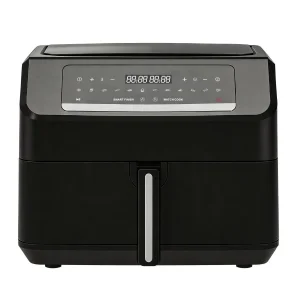
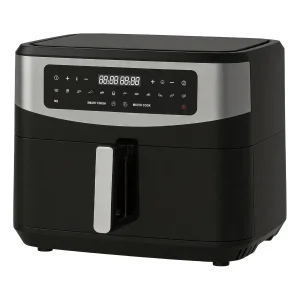
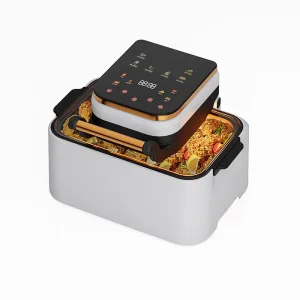
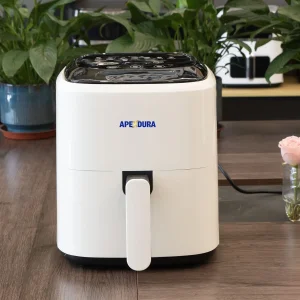
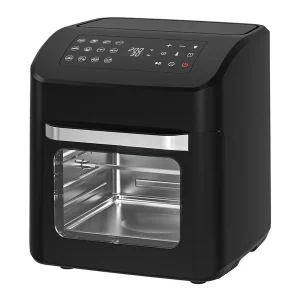
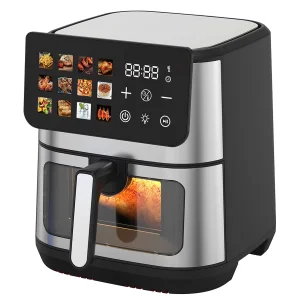
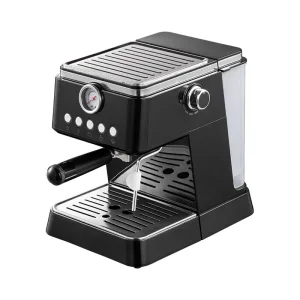
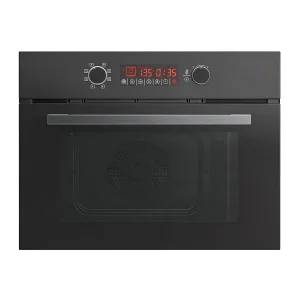
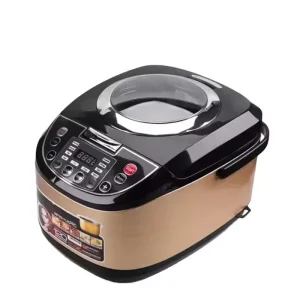
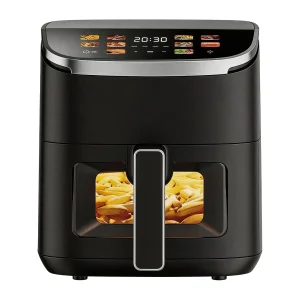
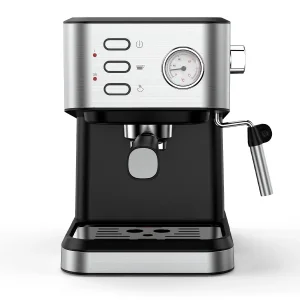
Discover our highly configurable, mass-manufactured, and certified kitchen appliances built for global trade compliance.
Underpinned by 16+ years of strict quality management and high-volume, reliable execution.
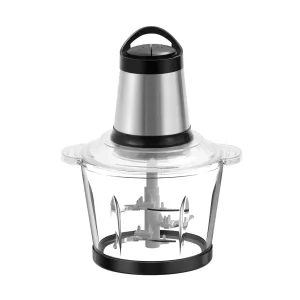
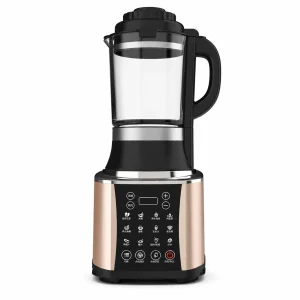
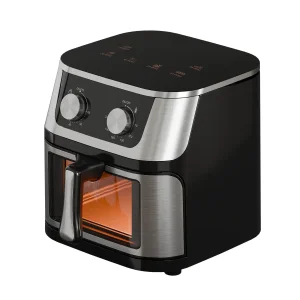
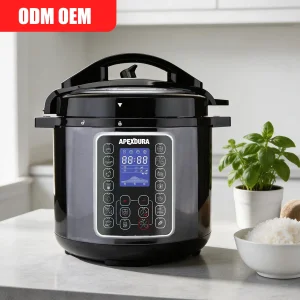
In the rapidly changing consumer electronics and smart home ecosystem, the wholesale food processor blender sector has transitioned from simple mechanical mixing to highly customized, high-precision processing technologies. Modern global consumers demand appliances that are quieter, more energy-efficient, intellectually responsive, and structurally durable. As an industry leader with a deep commitment to excellence, Zhongshan Zhenmei Electrical Appliance Co., Ltd. serves as a premier OEM/ODM partner. We specialize in the manufacturing of key kitchen appliances, including smart air fryers, electric pressure cookers, and high-performance blenders. With over 16 years of expertise, we transform complex initial product concepts into premium, market-ready products for leading global brands.
The commercial competitiveness of a household or commercial blender lies in its motor efficiency, fluid-dynamic blade profile, noise containment architecture, and electronic control integration. For brands and bulk importers purchasing from a Chinese wholesale factory, evaluating these components is critical to avoiding product recalls, maintaining high customer review rates on retail platforms, and ensuring long-term product profitability.
The development of next-generation food processor blenders is shaped by four key engineering shifts. Factories that adopt these technical improvements early provide major market advantages for their partners:
Standard AC universal motors are noisy and wear out quickly. BLDC motors offer higher torque-to-weight ratios, lower operating noise, and energy efficiency levels exceeding 85%, significantly extending the lifetime of high-use blenders.
High-powered blenders often produce sound levels over 85 dB. Our acoustic roadmap focuses on multi-chamber sound reduction housings, vibration-damping silicone feet, and specialized motor isolation techniques to reduce noise output below 65 dB.
By using smart load-sensing algorithms, modern food processors can dynamically adjust blade speed based on ingredient resistance. This minimizes motor strain, prevents overheating, and delivers smoother food textures.
Operating from a state-of-the-art 40,000 sqm advanced facility powered by 300+ dedicated professionals and 20+ R&D experts, we ensure precision and quality control at every stage.

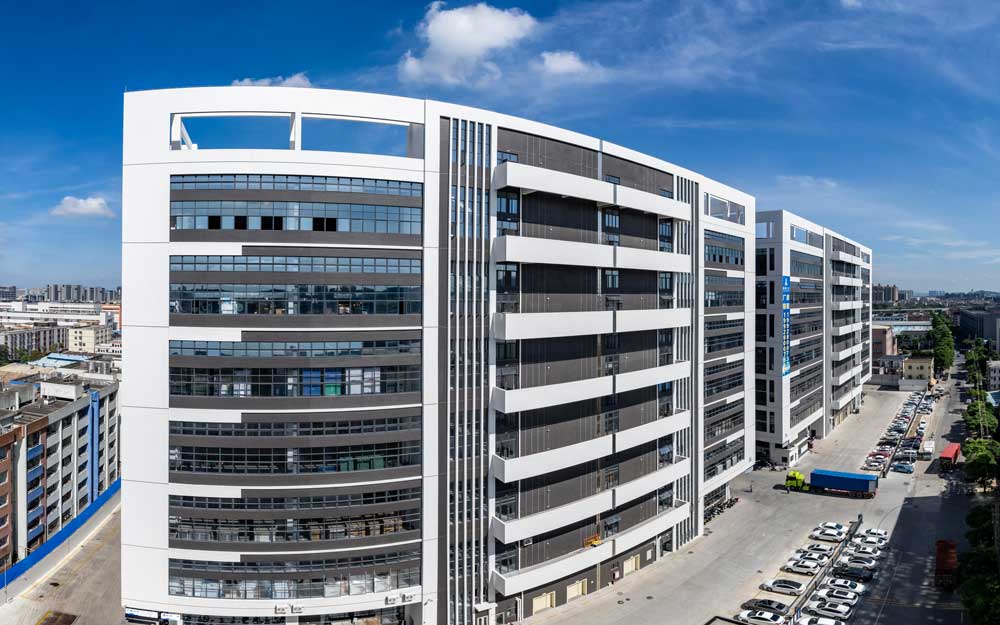
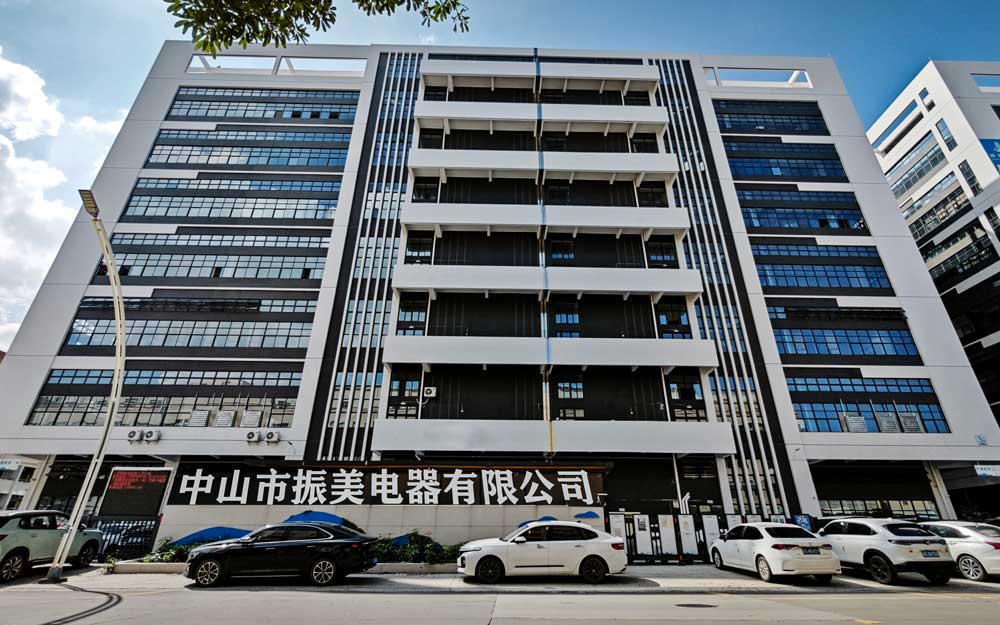
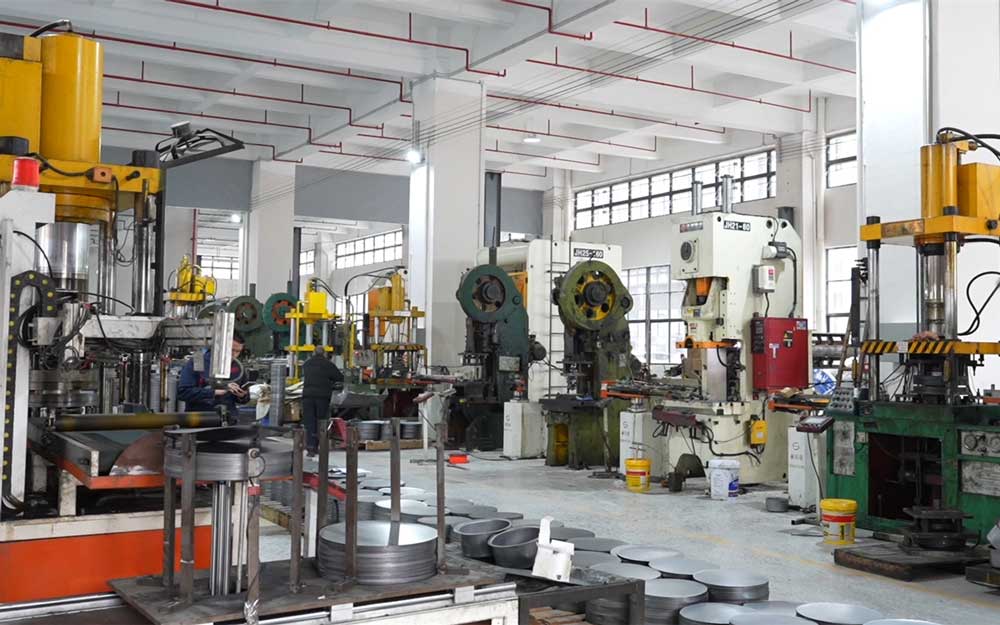
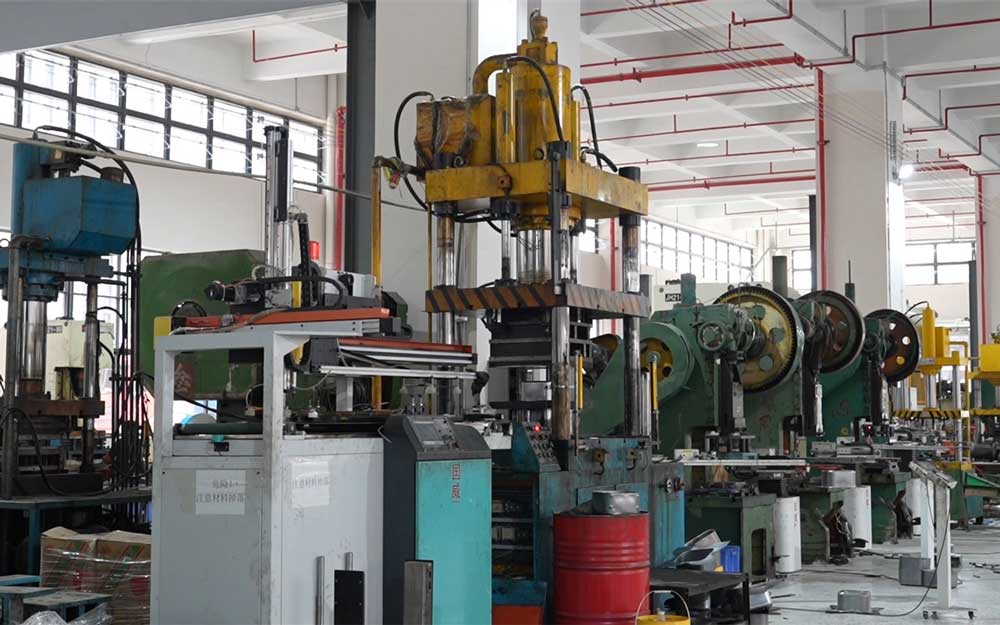
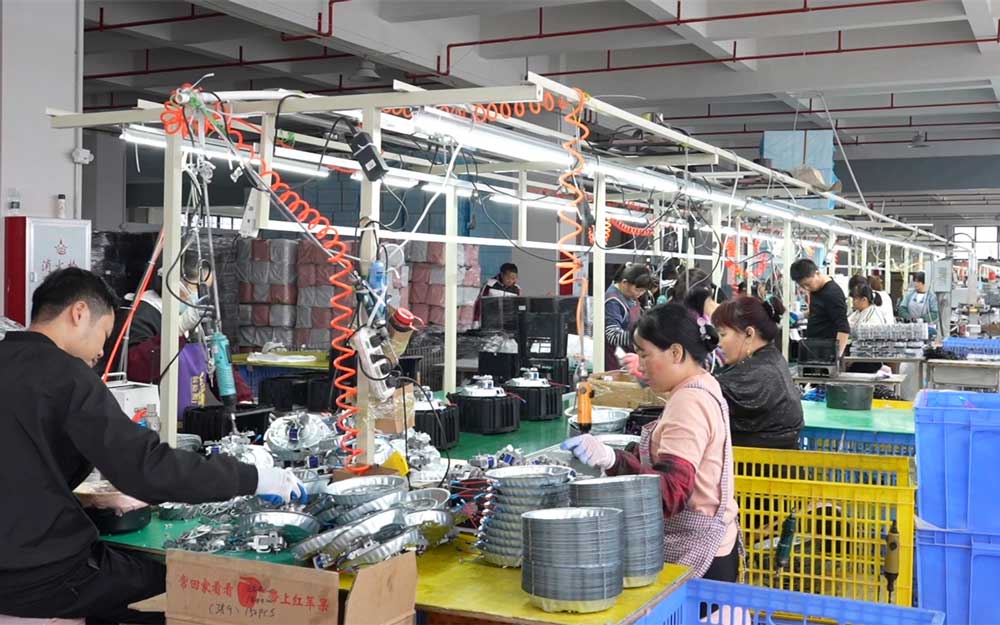
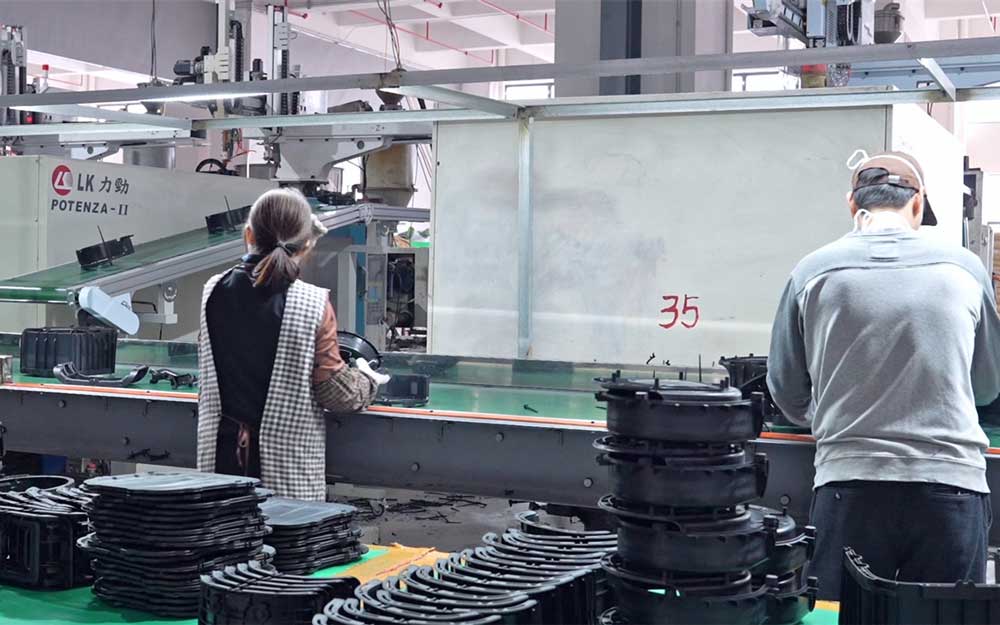
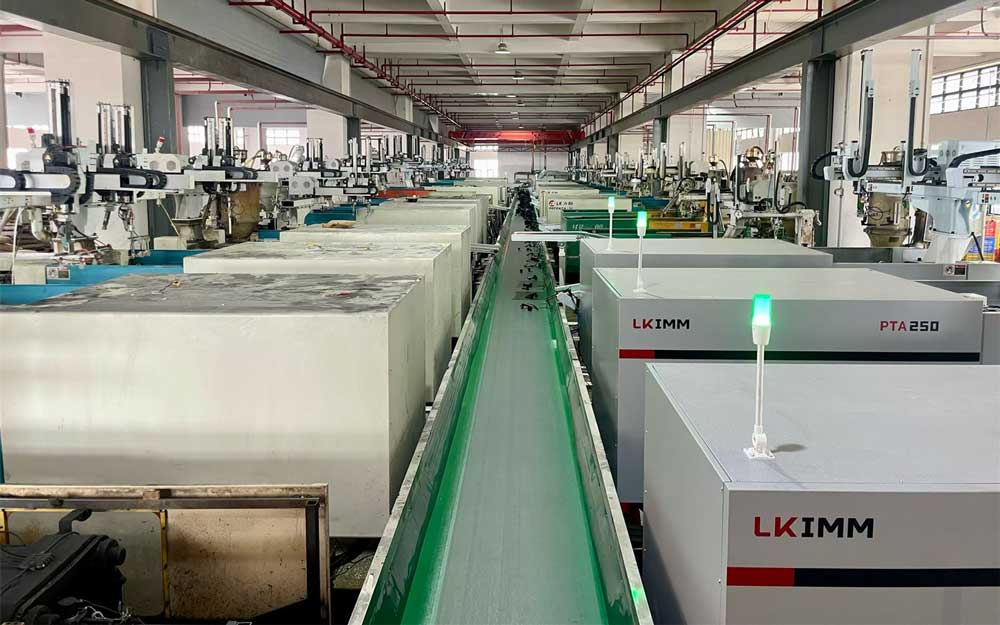
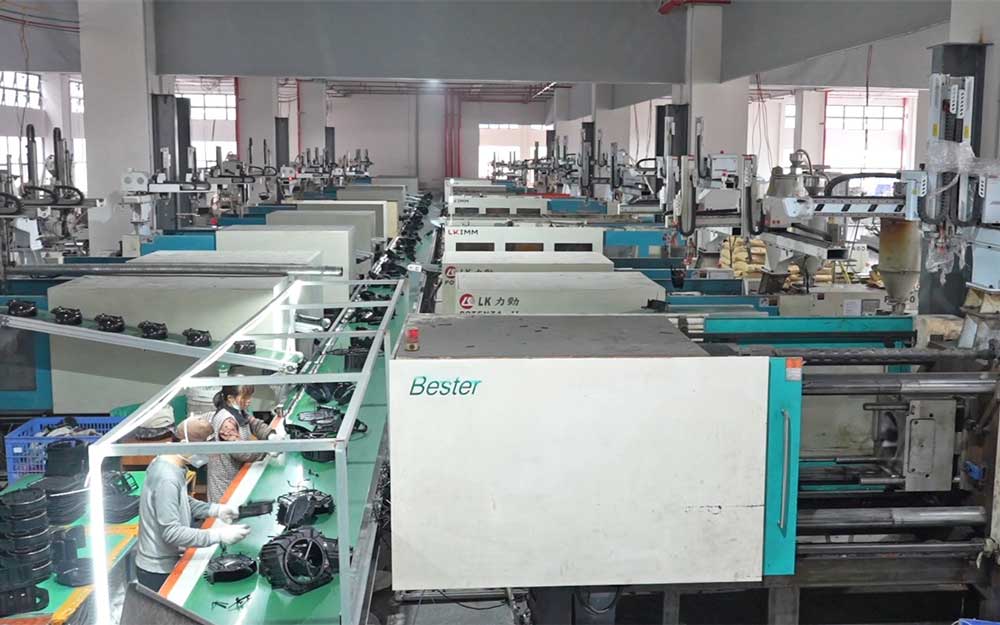
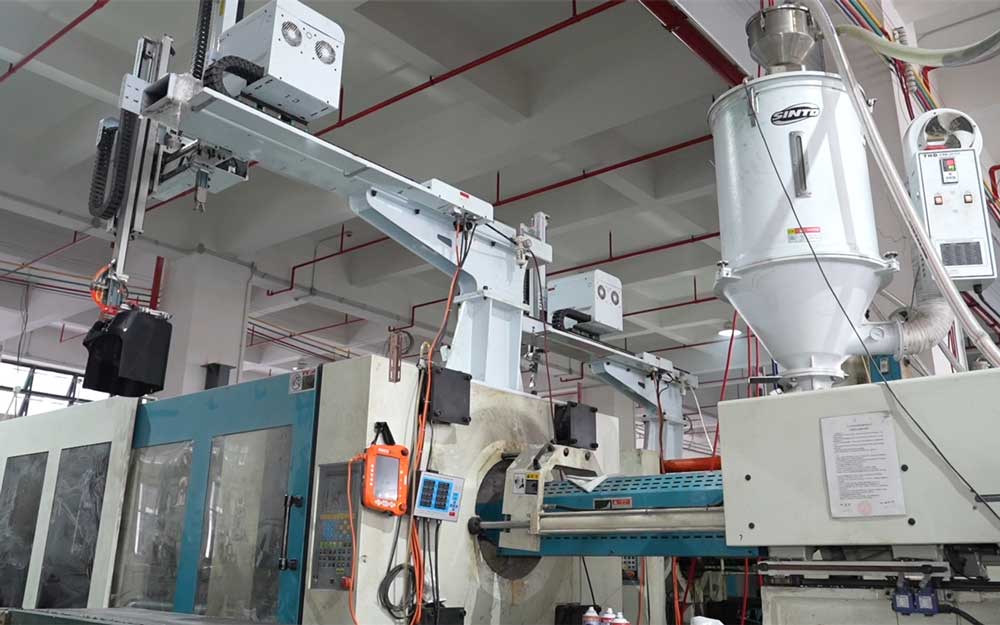
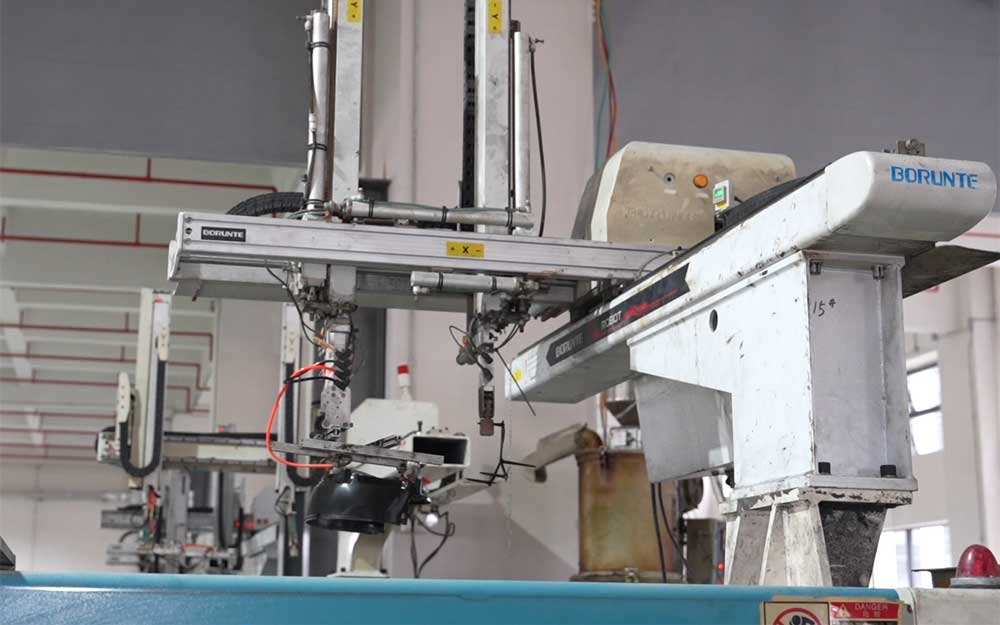
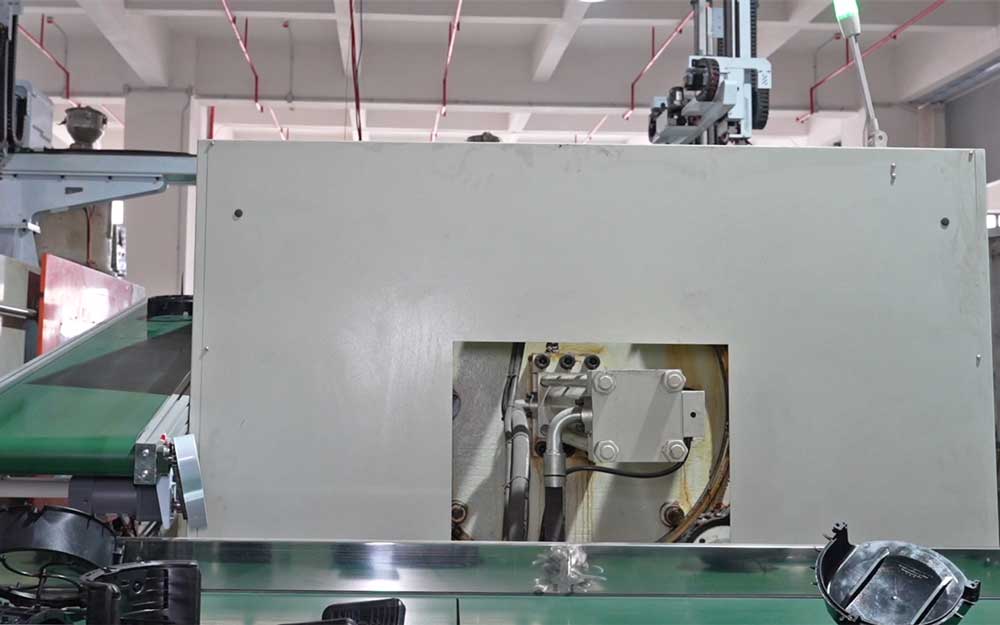
Our robust in-house manufacturing capabilities allow us to manage every critical production step. From precision plastic injection molding and electrical motor assembly to high-capacity PCB testing and structural durability assessments, we keep our operations under one roof. Our modern facility, staffed by 300+ skilled workers, produces a daily output of over 10,000 units. This scale ensures we reliably meet the volume demands of major global brands.
By maintaining complete production control, we minimize supply chain risks from third-party component suppliers. This integration enables us to offer competitive pricing without compromising on product quality. For international enterprise buyers, this translates into stable lead times, consistent product quality, and rapid scalability during peak seasonal periods.
As global regulatory standards tighten and consumer preferences become more varied, brands must carefully customize their product lines for specific target regions. A standard, off-the-shelf product rarely succeeds in diverse markets. We offer tailored design options that address different international preferences:
This level of customization allows our partners to expand into new markets with minimal additional engineering overhead. By utilizing our pre-certified base platforms, brands can save substantial time and capital during their regulatory approval processes.
Selling small kitchen appliances globally requires strict compliance with food-safety and electrical safety guidelines. Operating without appropriate documentation can result in customs seizures, retail fines, or brand damage. Our manufacturing processes adhere to these global standards:
Our blender jars, rubber seals, and blade assemblies are certified under FDA, LFGB, and DGCCRF regulations. This guarantees they are free from BPA, phthalates, and other heavy metals.
We maintain full CB Scheme certificates, CE, GS, UL, and ETL listings, ensuring that electrical insulation, thermal safety controls, and mechanical interlocks meet international consumer standards.
Our electronic control circuits are designed to prevent radio frequency interference, satisfying FCC Part 15 and EU EMC standards to avoid disrupting nearby appliances.
Our facilities regularly undergo BSCI, ISO 9001:2015, and major retailer audits. We focus on ethical labor standards, workplace safety, and consistent quality management systems.
Our quality assurance protocol includes four stages: Incoming Quality Control (IQC) for raw plastic resins and copper wire, In-Process Quality Control (IPQC) along the assembly line, Final Quality Control (FQC) testing finished units under load, and Outgoing Quality Control (OQC) for packaging and drop testing.
For procurement teams at national retail chains and regional distributor brands, managing lead times, quality checks, and customization costs is essential for program success. Partnering with a professional manufacturer involves three key steps:
By breaking down the process into clear milestones, we help buyers minimize technical risk, secure regulatory compliance, and launch new products with confidence.
Answers to common operational, regulatory, and engineering questions from global sourcing directors.
From smart air fryer ovens to professional espresso machines, built to scale your business.
 Zhenmei Electrical