 Zhenmei Electrical
Espresso Coffee Making Industry Analysis & Global Procurement Guide
The global demand for high-performance home and commercial espresso coffee making hardware has seen unprecedented growth. Today's commercial espresso systems demand more than simple heating coils; they require micro-controller-driven 20-bar pump systems, thermal management loops, and smart interfaces. For brands and distributors partnering with wholesale manufacturers, identifying suppliers who balance technical capability with cost efficiency is paramount.
SEO Insight & Market Trend: Modern buyers prioritize smart-home integration (IoT/Wi-Fi), precise thermal controls (NTC sensors), and multi-voltage global compatibility over standard mechanical units. Sourcing from a single-hub manufacturing plant in China provides significant structural cost benefits.
1. China Factory Supply Chain Advantages
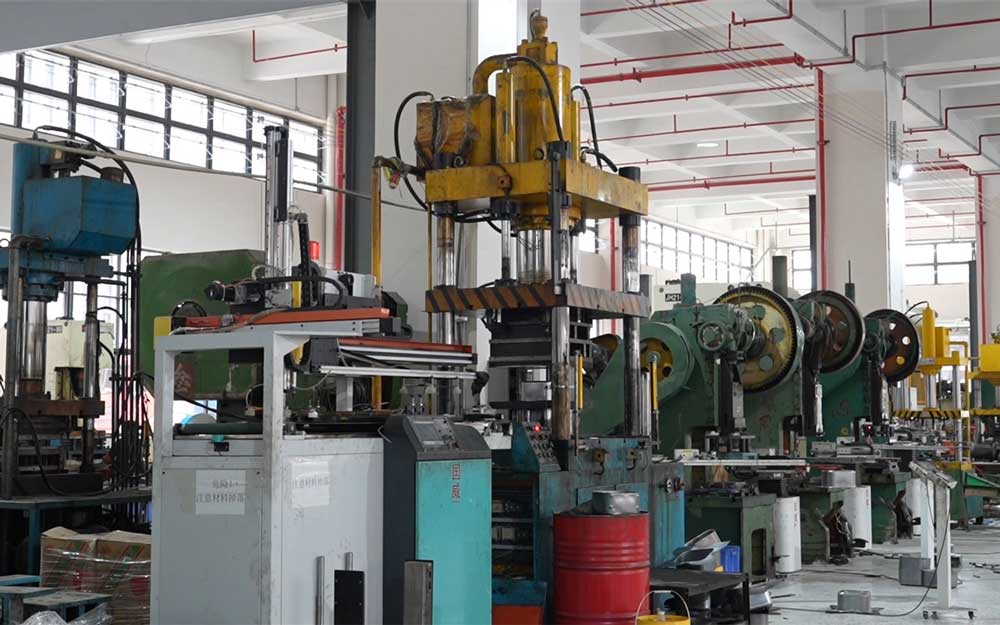
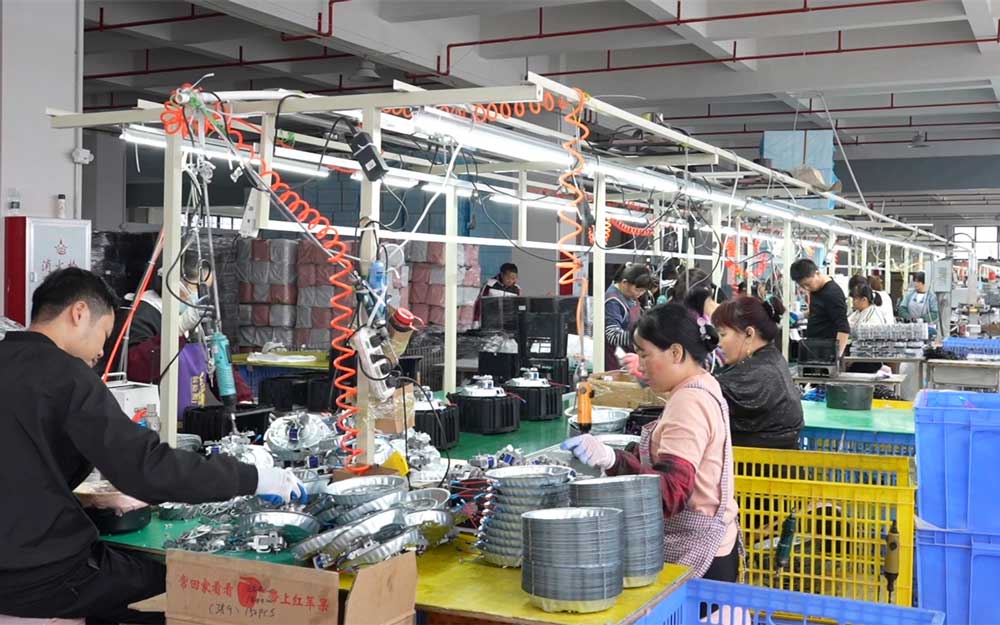
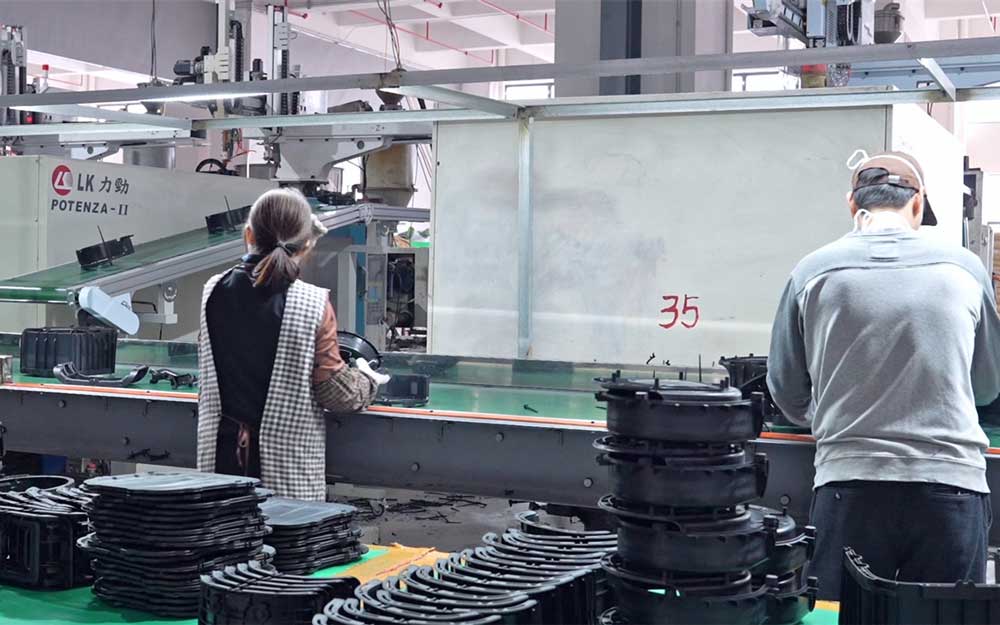
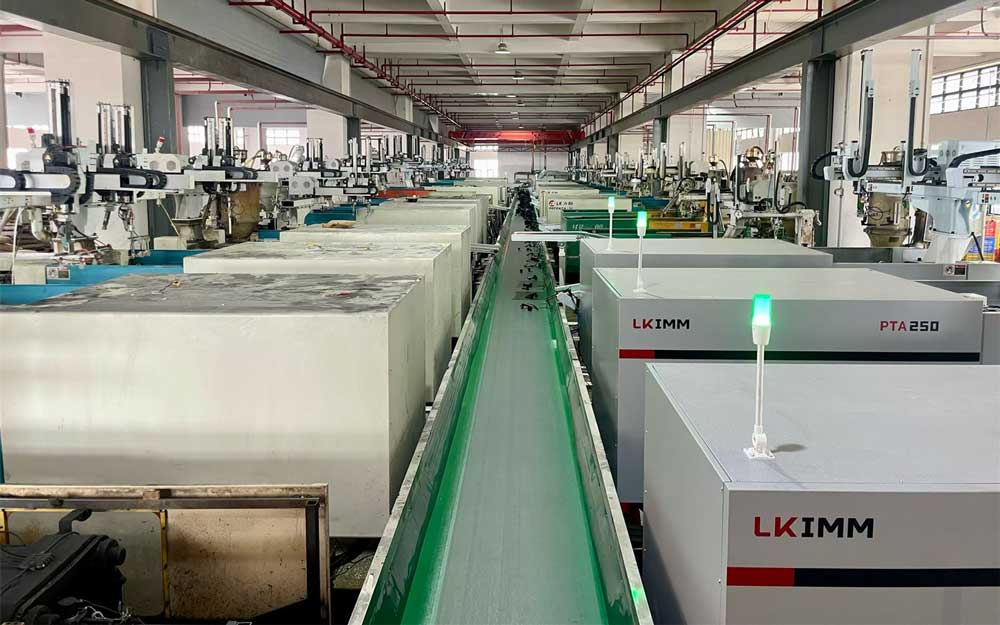
China’s appliance cluster in Guangdong province (particularly Zhongshan and Shunde) is globally recognized for manufacturing innovation. By housing injection molding, PCB fabrication, custom metalwork, and final assembly under a highly coordinated ecosystem, factories achieve unparalleled cost-to-performance ratios.
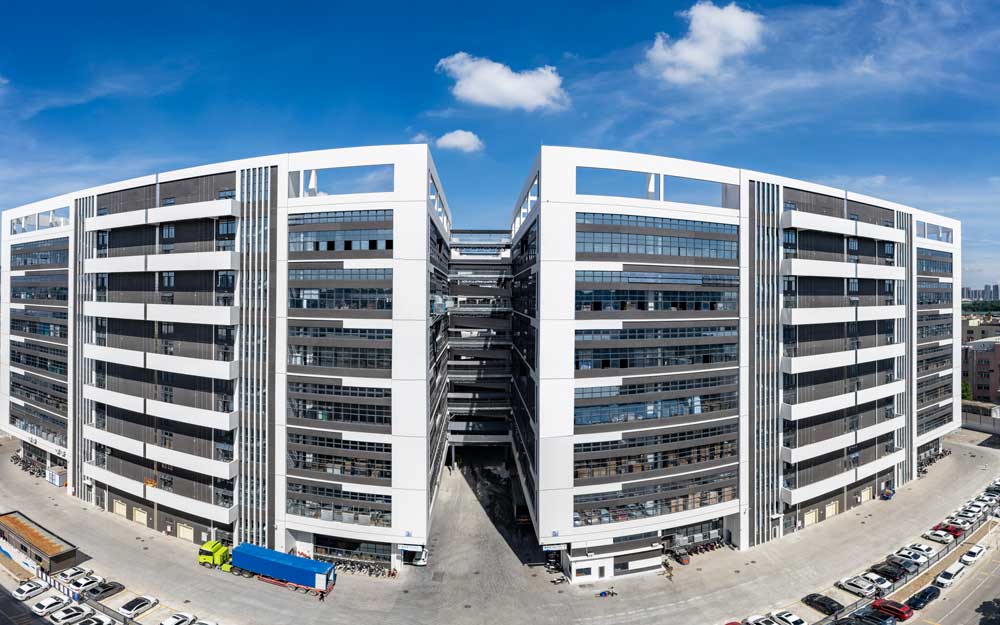
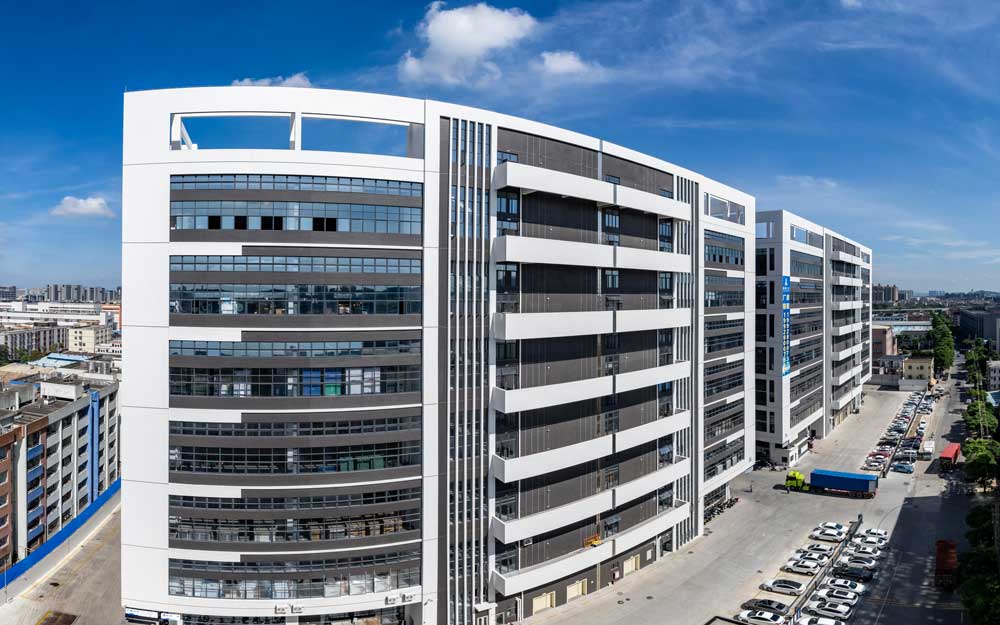
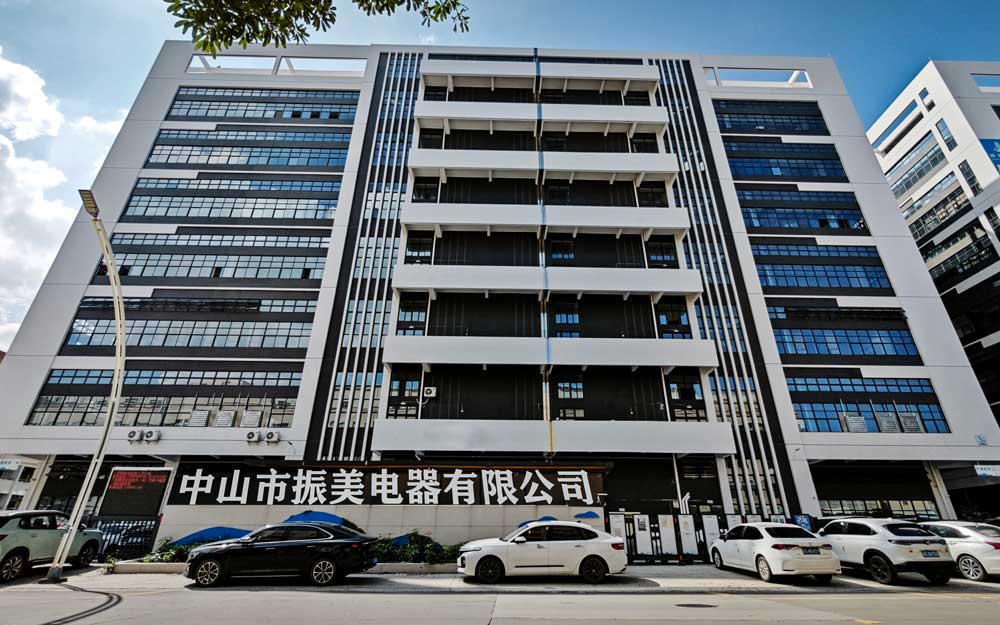
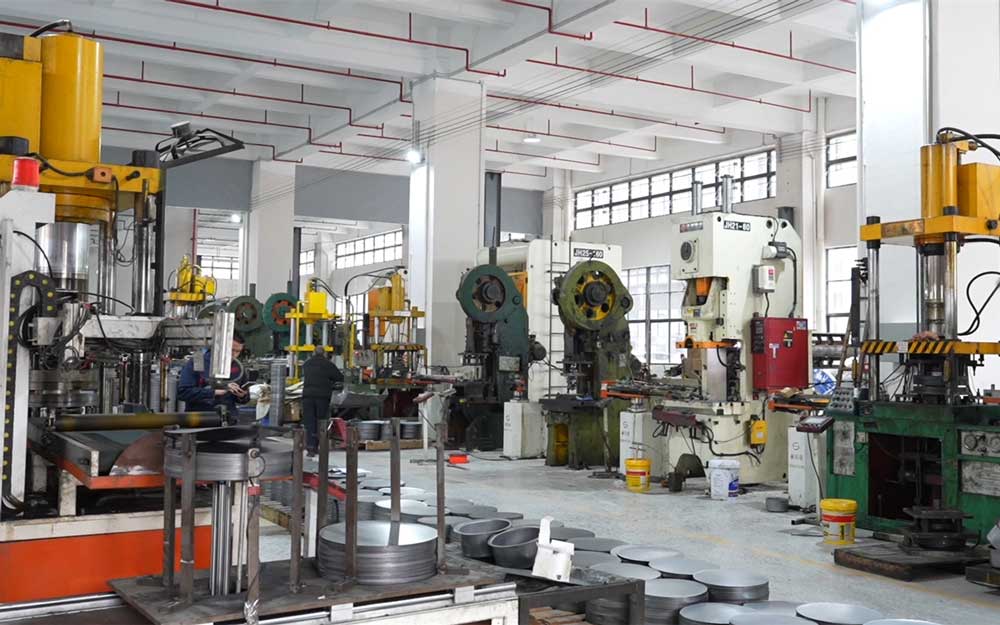
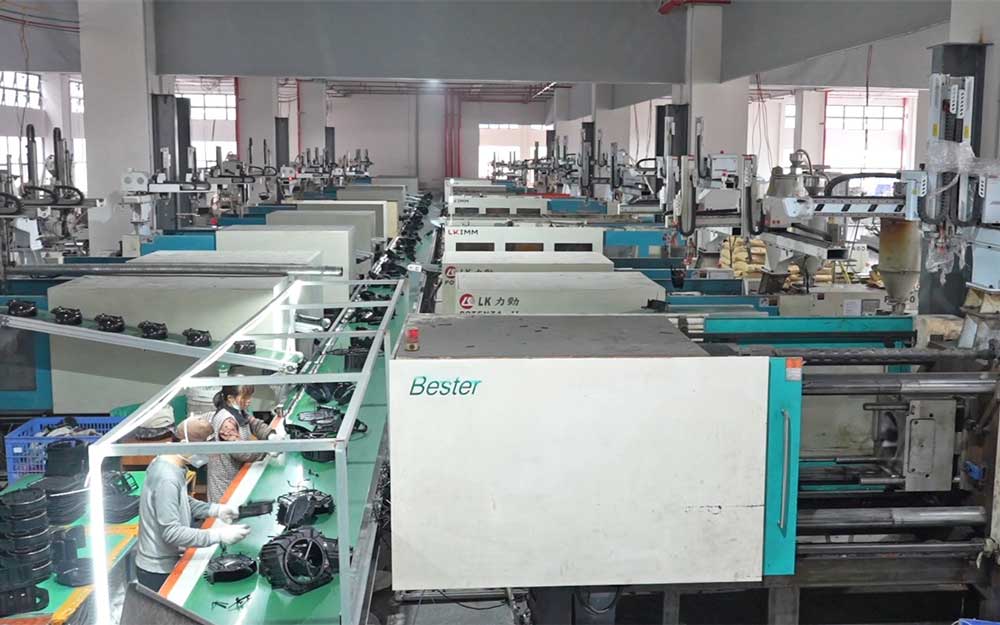
At Zhongshan Zhenmei, our 40,000-square-meter facility enables vertical integration. We manage tooling, hardware casing processing, and multi-stage testing in-house. This centralized pipeline reduces external shipping delays, enhances quality consistency, and allows us to comfortably process large-scale B2B orders with a daily output capacity exceeding 10,000 units.
2. Global Procurement Dynamics & Smart Technologies
Professional buyers from Europe, North America, and Southeast Asia must look closely at core engineering specs. Key factors to analyze include:
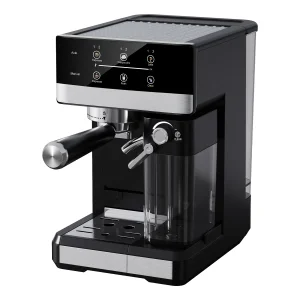
- Pump Pressure Profiles: True espresso extraction relies on a stable pump profile. Sourcing models with stable 20-bar pump pressures, like the CM5340, ensures rich crema extraction.
- User Interface (UI): Transitioning from tactile knobs to IMD touch color displays increases product value and user engagement.
- Thermal Accuracy: Dual independent heating systems (such as PID temperature control loops) isolate espresso brewing temperatures from milk texturing steam, ensuring zero thermal cross-interference.
3. Localized Applications & Compliance Support
A global product line must adapt to different regulatory and environmental environments. Every target market has specific expectations:
- North America: Requires UL/ETL electrical safety markings, FDA food-contact material compliance, and wide 110V/60Hz voltage configurations.
- European Union: Mandates CE, GS, RoHS, and LFGB food safety certificates, along with ERP energy-saving compliance.
- Oceania & APac: Often requires SAA certification and customized regional plugs.
As an experienced B2B partner, we support full compliance pipelines. We provide comprehensive safety documentation and configure customizable internal components (such as wide-voltage transformers and specialized heating elements) to ensure frictionless market entry.
4. Commercial & Residential Application Scenarios
Understanding end-user scenarios helps buyers optimize their procurement layouts:
- High-End Office Pantries & Coworking Hubs: Require automated, easy-to-clean espresso makers with integrated milk texturing capabilities and a large water tank (e.g., 1.8L) to reduce frequent maintenance overhead.
- Smart Residential Kitchens: Consumers seek compact footprint designs featuring intelligent LED control panels, quick preheating times, and silent grinding profiles.
- Bespoke Boutique Hotels: Custom styling and private label options allow hotel brands to offer premium self-service coffee programs that align with their aesthetic standards.