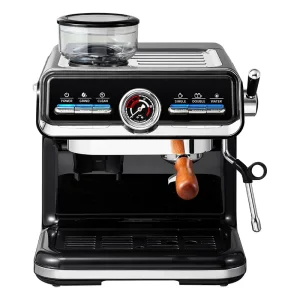
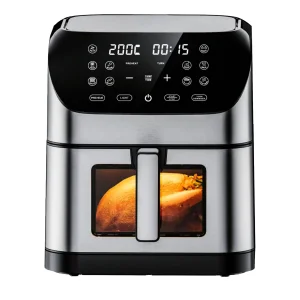
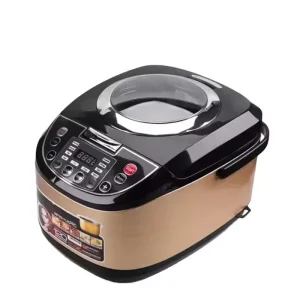
Explore our premium range of commercial and household kitchen appliances, manufactured to international standards of performance, thermal isolation, and smart control.
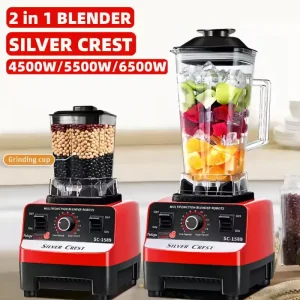
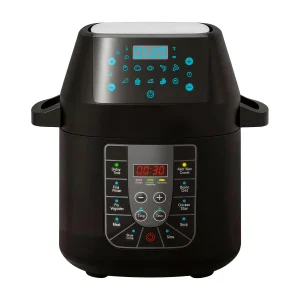
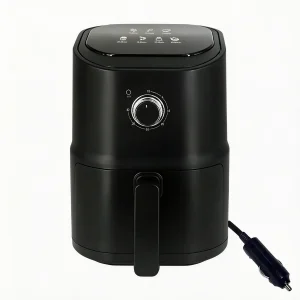
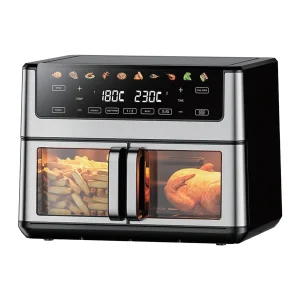
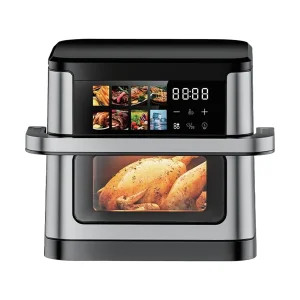
Analyzing the paradigm shift in commercial cooking appliance engineering under strict international energy policies.
Modern commercial and consumer kitchen environments are operating under an unprecedented regulatory microscope. As municipal grids struggle with load distribution and global standards like the European Union's Eco-design Directive (2009/125/EC) enforce rigid minimum performance metrics, cookers cannot merely run on higher wattages to produce results. B2B importers, brands, and large-scale procurement agencies require hardware solutions that fundamentally optimize thermal transfer mechanics.
Energy-saving pressure cookers represent the frontline answer to these industrial challenges. By locking in volumetric steam and sealing the chamber hermetically, the boiling point of liquids inside is artificially elevated to approximately 120°C (248°F). This elevation cuts traditional thermal preparation timelines by up to 70%, translating directly into a drop of energy footprint by up to 60%. From a corporate ESG (Environmental, Social, and Governance) standpoint, integrating energy-efficient cookers into product lines allows distributors to align directly with sustainable retail parameters worldwide.
For B2B distributors supply-chaining to food-service franchises and large domestic networks, reducing peak kilowatt-hour (kWh) demands on utility grids is crucial. Our advanced designs use low-loss heat induction elements to prevent energy waste during thermal cycles.
High-pressure environments demand rigorous structural safeguards. By utilizing CNC-machined pressure lid clamps and automated redundant relief valves, our kitchen hardware guarantees commercial-grade protection for end-users.
By engineering internal components using high-tensile 304 food-grade stainless steel and solid-state power switches, our cookers resist mineral scaling and thermal degradation, reducing lifetime maintenance costs.
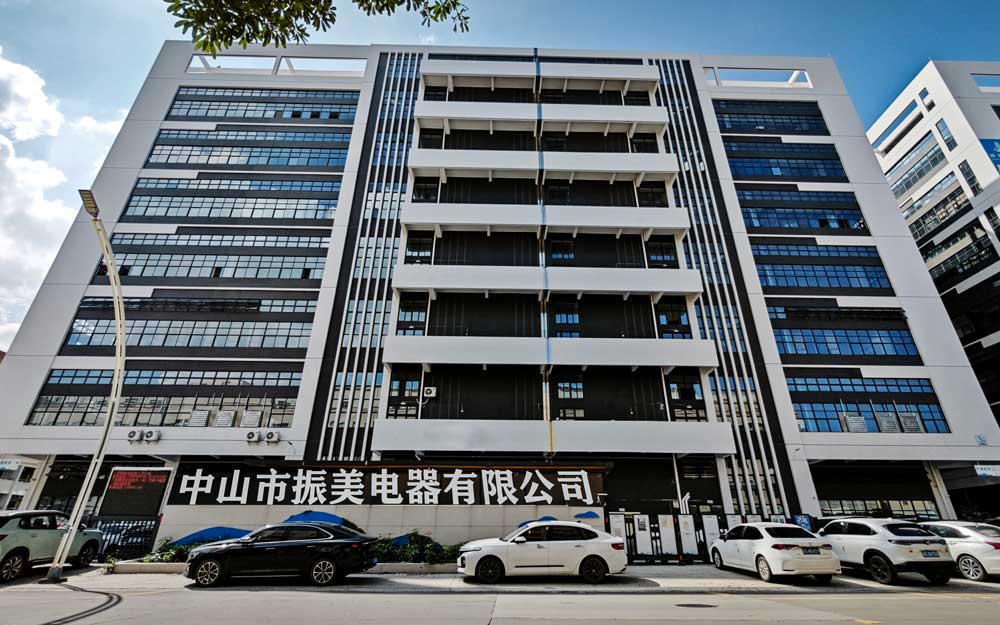
Zhongshan Zhenmei Electrical Appliance Co., Ltd. is a premier OEM/ODM partner specializing in the manufacturing of kitchen appliances, including air fryers, electric pressure cookers, blenders, and more. With over 16 years of expertise, we transform concepts into high-quality, market-ready products for leading global brands.
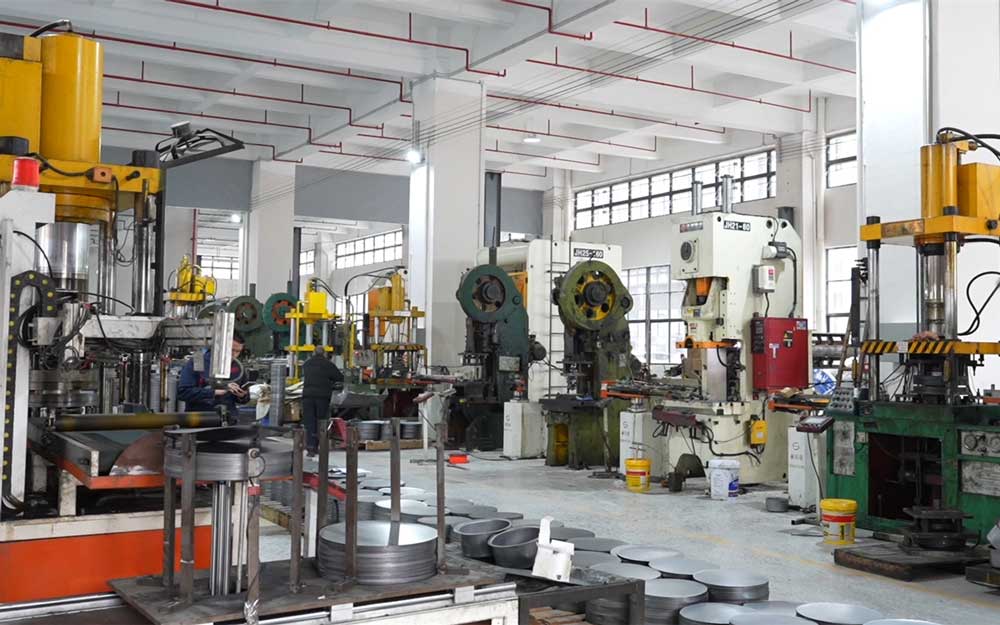
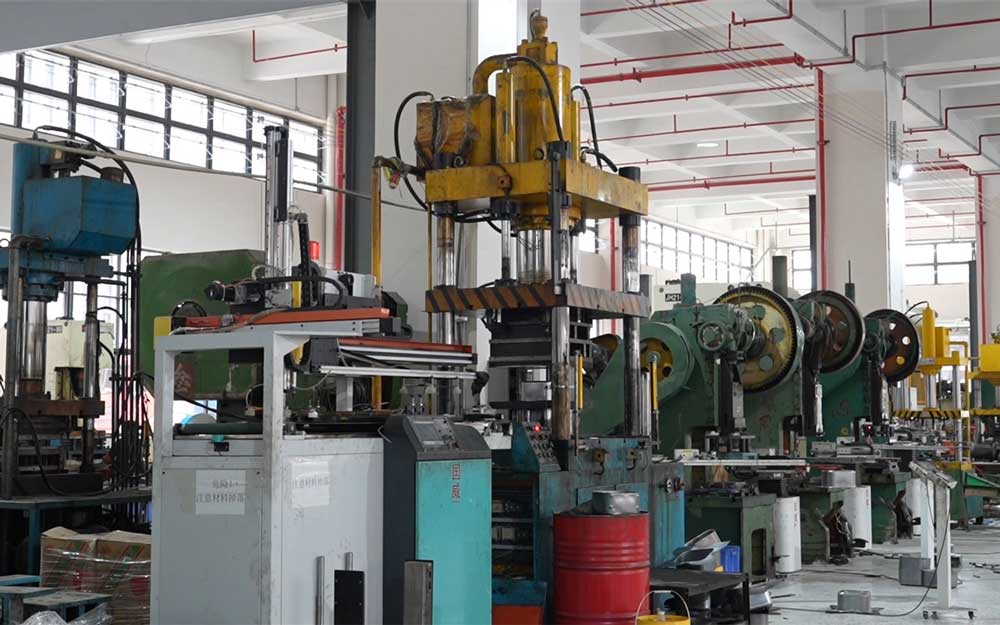
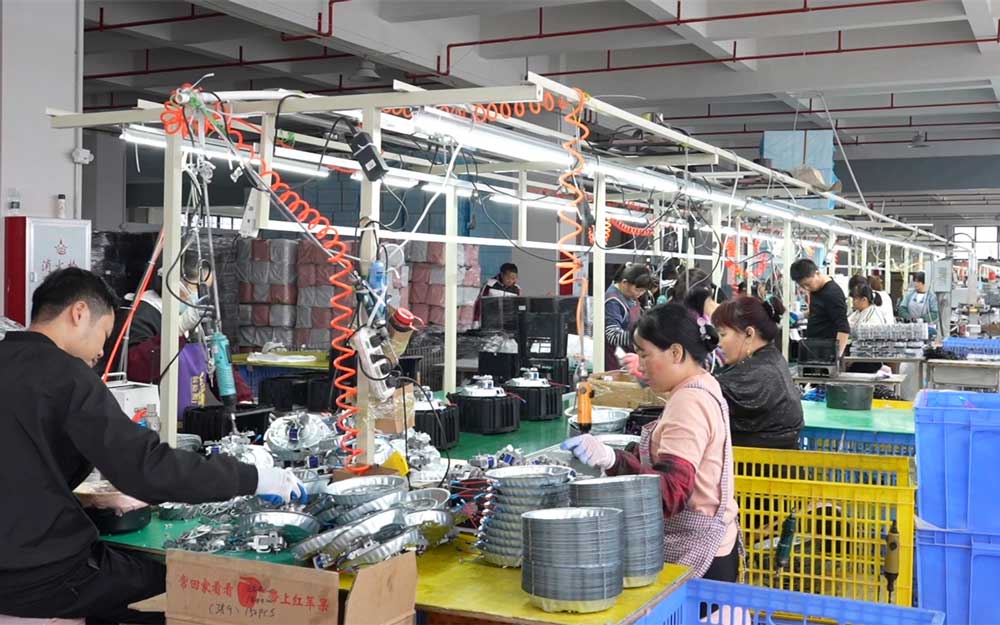
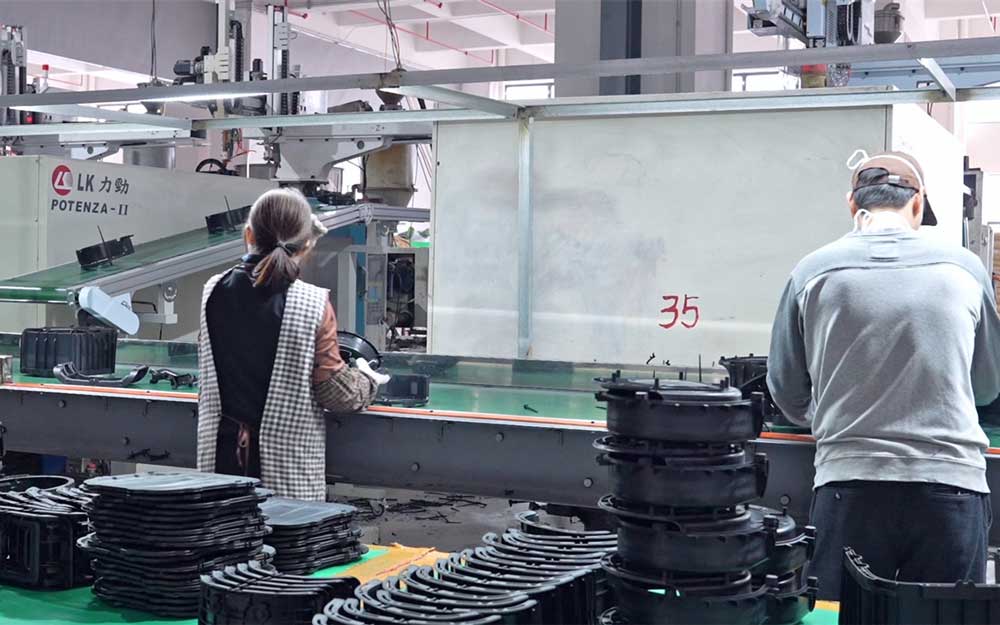
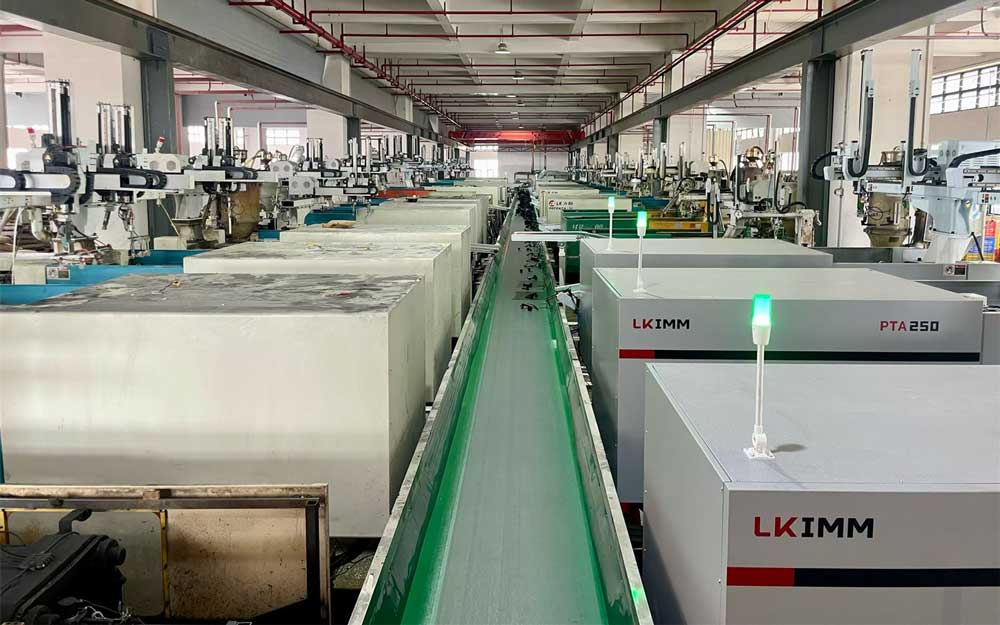
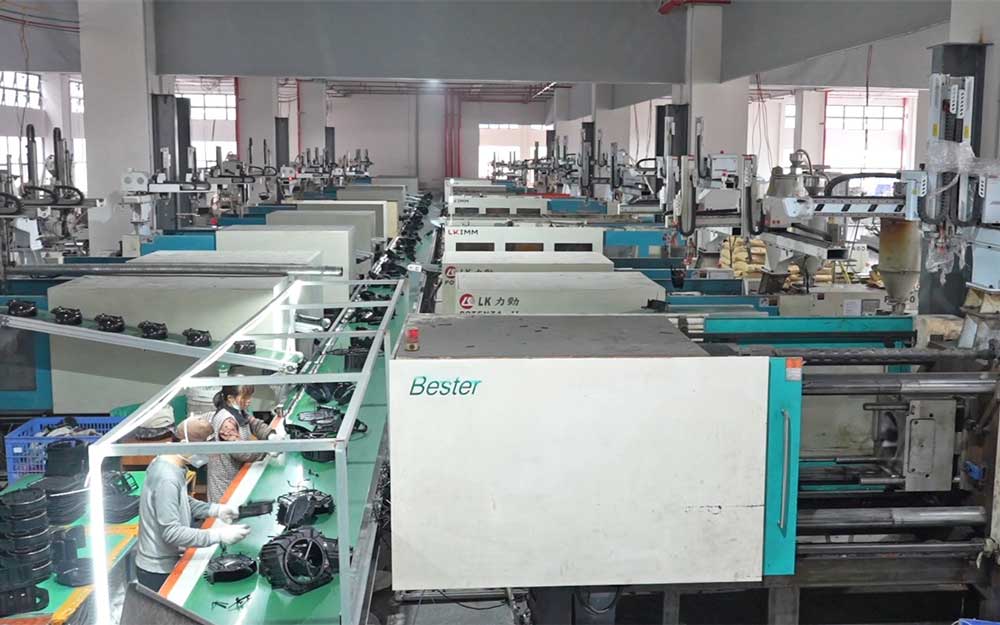
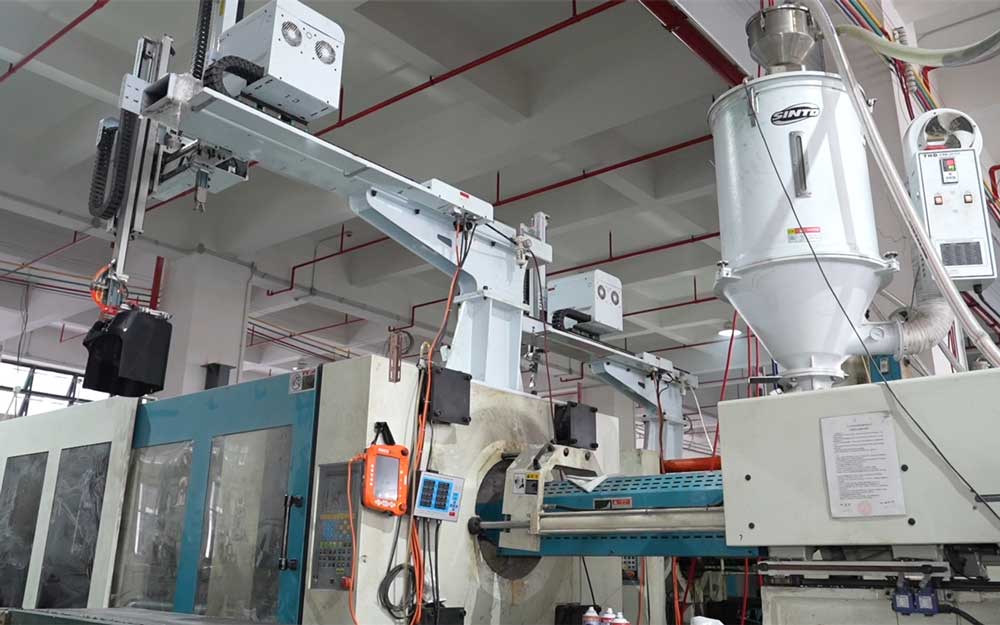
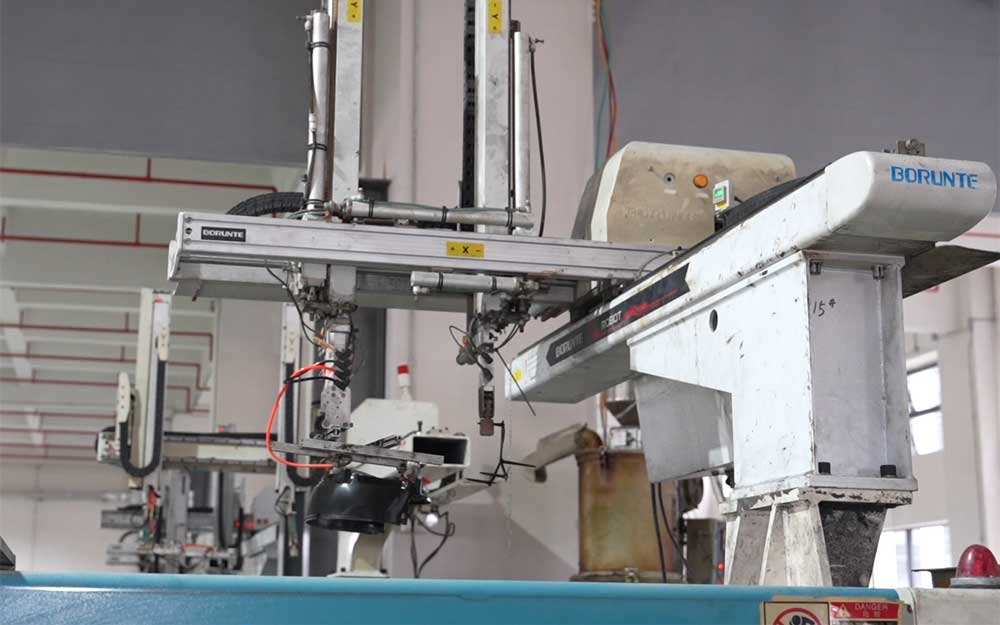
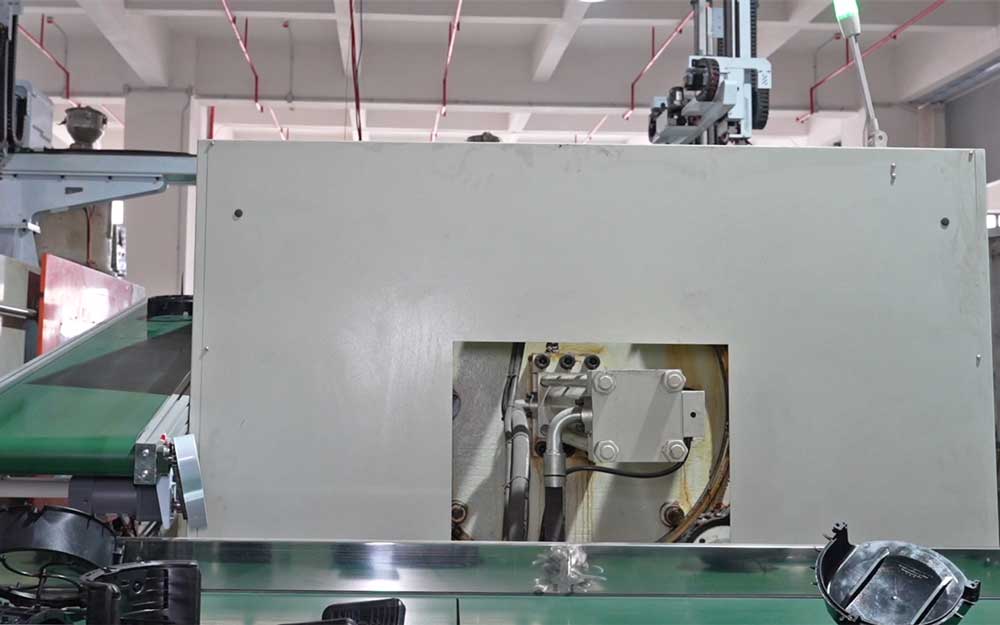
Our core strength lies in robust in-house manufacturing. Operating from a 40,000 sqm advanced facility, powered by 300+ dedicated professionals and 20+ R&D experts, we ensure precision and control at every stage. We operate dedicated injection molding centers, sheet metal processing units, assembly systems, and testing departments, allowing us to keep production costs highly competitive while securing reliable quality controls.
Our massive 10,000+ units daily output reliably meets the demands of high-volume orders worldwide. We are committed to excellence, underpinned by a rigorous quality control system that guarantees the safety and reliability of every product. We are the trusted, end-to-end solution for your OEM/ODM needs. Choose us for innovation, scale, and reliability. Let's build your next success story together.
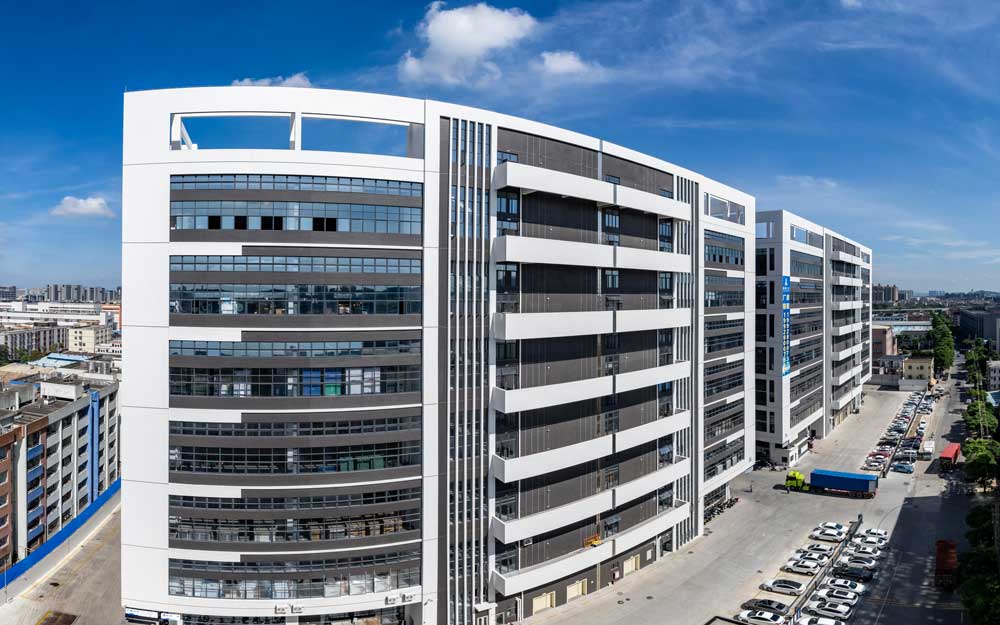
Direct look into our ISO-certified facilities, where precise quality control procedures shape the manufacturing lifecycle of every unit.

Understanding the micro-engineering principles that optimize pressure cookers for high energy savings and uniform heat distribution.
To construct a highly energy-efficient pressure cooker, engineers must target the reduction of thermal loss at three crucial points: conduction, convection, and radiation. Traditional cookers lose significant energy via radiant heat escaping through single-layer metal walls and weak gasket interfaces. Our hardware overcomes this by using a high-density, multi-layered base construction. We bond high-grade 304 Stainless Steel to a core of pure aluminum, enclosed with magnetic stainless steel for maximum induction compatibility. This sandwich construction conducts heat rapidly and spreads it evenly across the cooking base, eliminating hotspots and reducing pre-heating energy spikes.
At the center of the control architecture sits our advanced Smart MCU (Micro Controller Unit). Unlike traditional bimetallic thermostats that suffer from hysteresis and cause energy fluctuations, our digital control loops monitor temperature at a resolution of 0.5°C. By using fuzzy logic algorithms, the system limits power input once target pressure is achieved, relying on the high thermal mass of the sealed cooker to complete the cycle. This process cuts energy use during the simmering phase by up to 85% compared to open-pot stovetops.
Our dual-valve mechanism prevents pressure loss at lower temperatures. It stays hermetically sealed until maximum safe limits are reached, preserving heat within the cooking zone.
By generating heat directly inside the cooking pot through magnetic fields, energy losses associated with heating elements and ambient air conduction are eliminated.
Our microprocessors feature dedicated settings for rice, beans, meat, and pressure baking, optimizing power consumption based on the physical properties of different foods.
Ensuring compliance across diverse markets through extensive testing, regulatory alignment, and supply chain reliability.
Entering international appliance markets requires navigating a complex landscape of regional regulatory approvals. Our ODM and OEM platforms are built to simplify this compliance journey. Every electric pressure cooker leaving our facility can be configured to comply with European safety frameworks (CE, GS, CB), North American standards (ETL, UL), and Middle Eastern standards (G-Mark). Our materials pass rigorous chemical and migration testing, satisfying both FDA (Food and Drug Administration) and LFGB (Lebensmittel- und Futtermittelgesetzbuch) requirements to ensure that food contact surfaces are free of toxic compounds and heavy metals.
Beyond meeting safety standards, we address localized electrical conditions. Global markets present varied power challenges, from the 120V 60Hz systems of North America to the 230V 50Hz networks of Europe and Oceania. We customize electrical designs with custom heating coils, power relays, and PCB power supplies that run stably within local grid conditions. This optimization minimizes power surges and protects delicate electronic components, reducing product returns and warranty claims for B2B retailers.
Our non-stick coatings are 100% PFOA and PFOS free, using advanced ceramic coatings that maintain non-stick performance under high temperature and pressure.
We build EMC filtering directly into our control boards, protecting cookers against line interference and preventing EMI emissions from affecting nearby kitchen electronics.
To support e-commerce fulfillment and international transit, our packaging designs undergo ISTA (International Safe Transit Association) testing, protecting internal components during logistics.
How we integrate connected IoT tech and next-generation induction designs into our future product development.
As the smart home ecosystem expands, pressure cookers are evolving from simple stand-alone appliances into fully integrated smart devices. Our B2B R&D roadmap focuses on two core engineering priorities: IoT integration and Advanced Solid-State Heating.
By pairing low-energy Wi-Fi and Bluetooth chips, our next-generation cookers allow users to track cooking metrics in real time via proprietary or third-party mobile apps. This connectivity does more than just display recipes; it allows remote diagnostic tracking, giving B2B service teams the ability to analyze usage patterns and prevent errors. On the hardware side, we are developing thick-film heater technologies that will replace traditional tubular heaters. These thick-film elements offer near-instant thermal response, shortening preheating times and increasing energy savings by an additional 12% to 15%.
Detailed answers to technical, commercial, and logistical questions frequently raised by global kitchen appliance sourcing professionals.
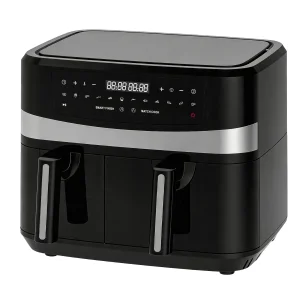
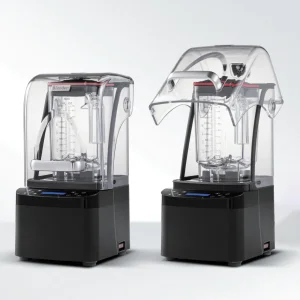
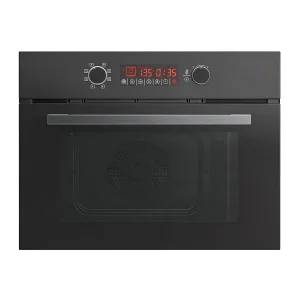
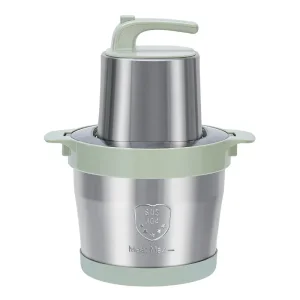
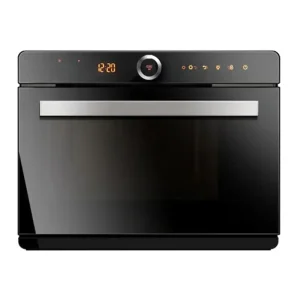
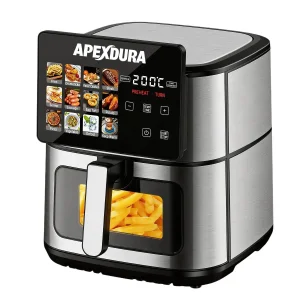
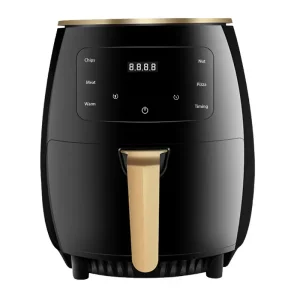
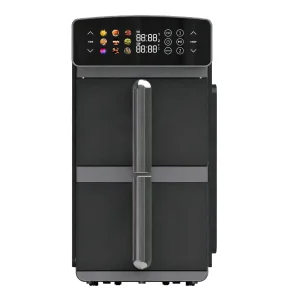
Discover our extended portfolio of commercial kitchen appliances, featuring durable steam ovens, blenders, and high-performance air fryers.
 Zhenmei Electrical