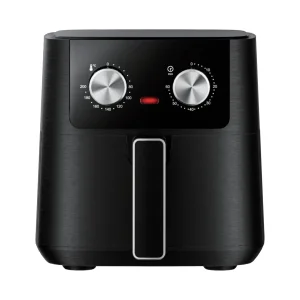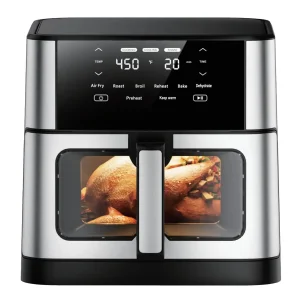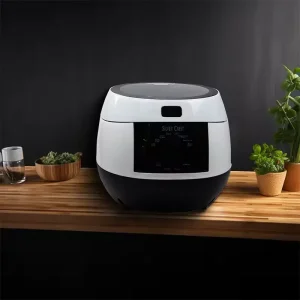
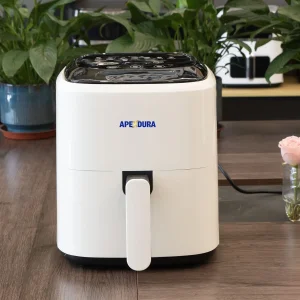
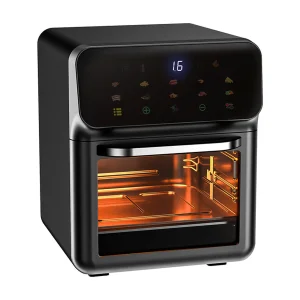
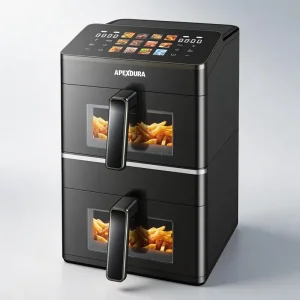
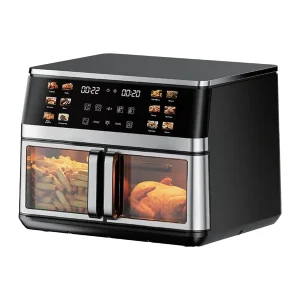
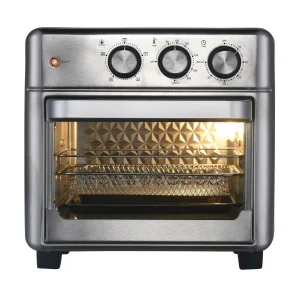
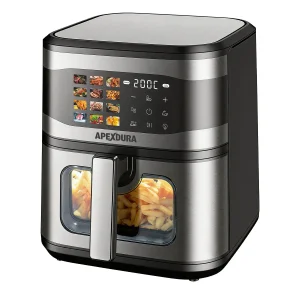
The global smart kitchen appliance industry is undergoing an unprecedented technological paradigm shift. Driven by urban density growth, the consolidation of micro-living quarters, and the rise of culinary automation, the market demand for electric cooking pots, multi-functional cookers, and high-efficiency induction cooking bases has reached critical scale. Industrial statistics indicate a steady CAGR expansion, pointing to a highly integrated landscape where energy conservation and digital thermal control dictate product competitiveness.
For enterprise global sourcing directors, retailers, and home appliance brands, securing a strategic footing in this segment requires collaborating with suppliers capable of delivering highly optimized, thermally stable, and regulatory-certified platforms. The modern electric cooking pot is no longer just a standalone hot pot; it is an intelligent, micro-processor-controlled thermal center engineered to minimize power consumption while maximizing heat transfer efficiency through advanced multi-ply claddings and precision heat sensors.
Information Gain Insight: Modern smart electric cooking pots utilizing PID (Proportional-Integral-Derivative) algorithms can reduce energy consumption by up to 22.4% while maintaining temperature variances within +/- 0.5 degrees Celsius compared to traditional mechanical thermal systems.
Across key target jurisdictions including North America, the European Union, and developed economies in the Asia-Pacific region, the structural transition toward induction heating (IH) and high-density cast-in heating elements has revolutionized the space. Importers must look past simple price sheets and thoroughly inspect structural build characteristics—specifically, high-conductivity aluminum cores sandwiched between protective layers of food-grade stainless steel or ceramic non-stick barriers—to avoid high return rates and protect brand integrity.
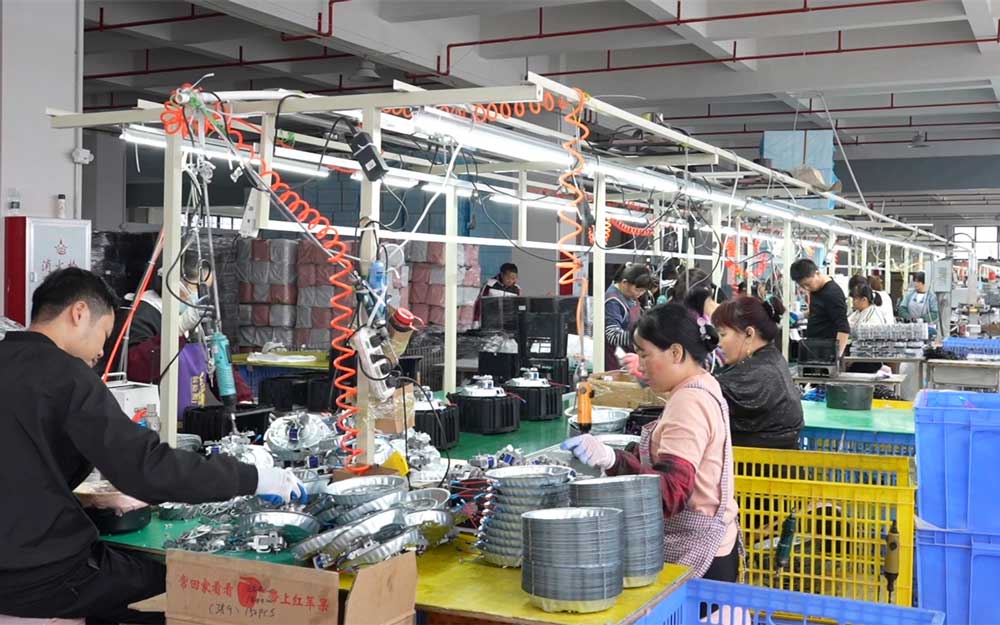
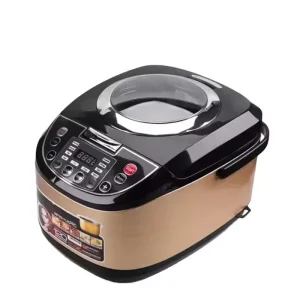
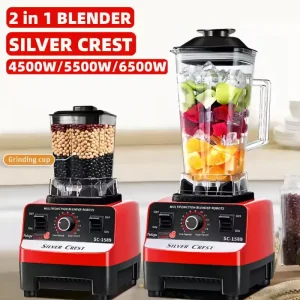
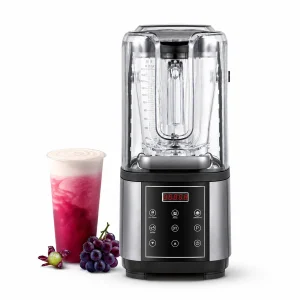
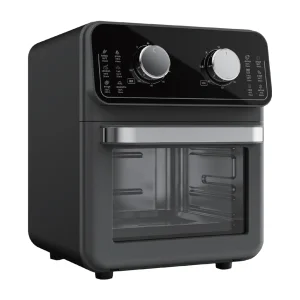
We operate as a premier, vertically integrated OEM/ODM manufacturing partner specializing in high-performance kitchen appliances. Based out of Zhongshan, China, we offer end-to-end manufacturing solutions for air fryers, electric pressure cookers, blenders, electric cooking pots, and smart multi-cookers. Over a rigorous journey spanning more than 16 years, we have transformed complex consumer concepts into reliable, market-ready products for leading global consumer electronics and kitchenware brands.
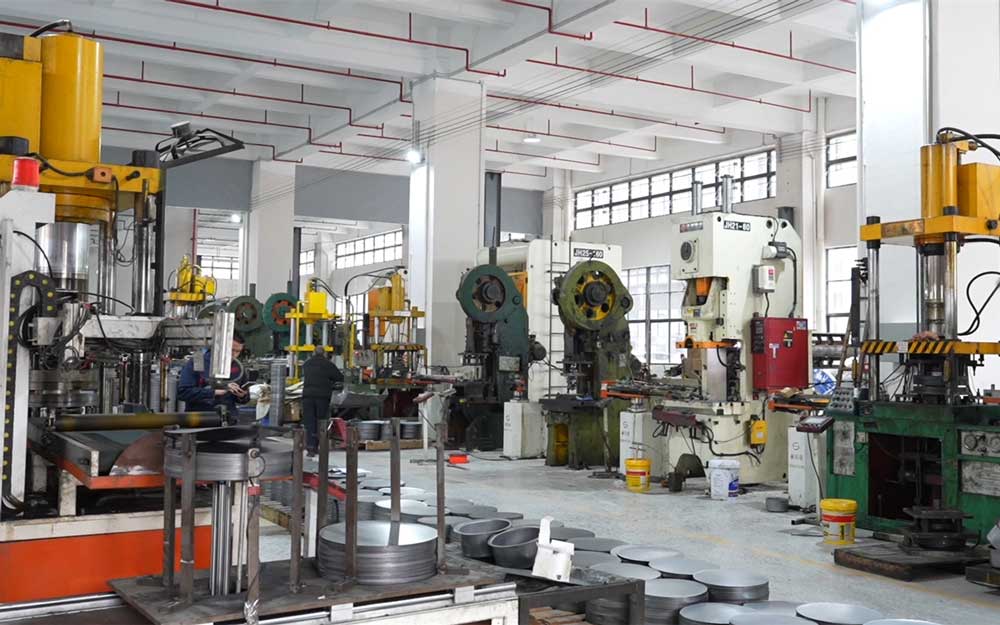
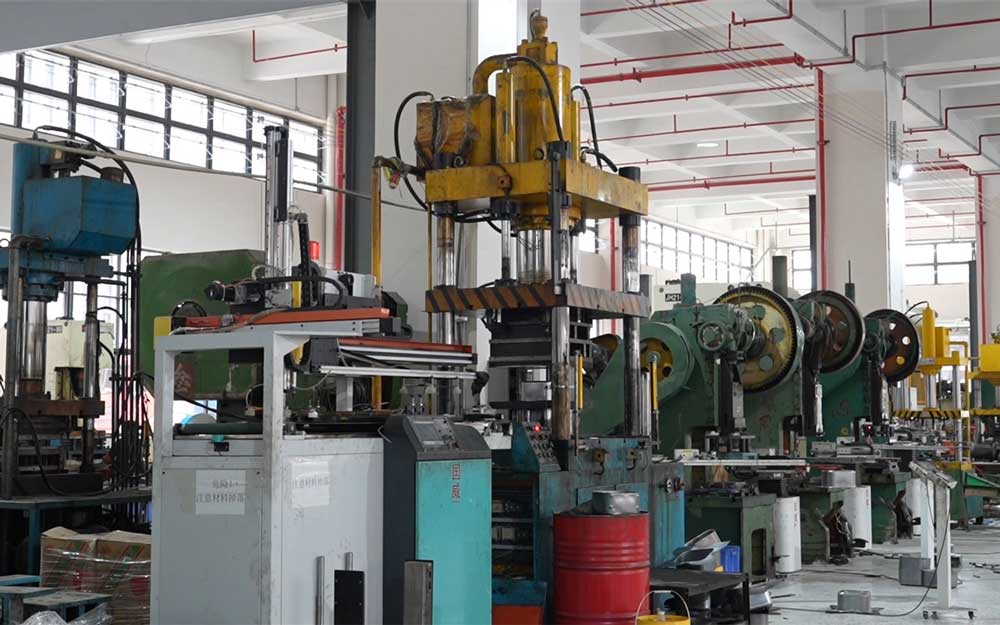
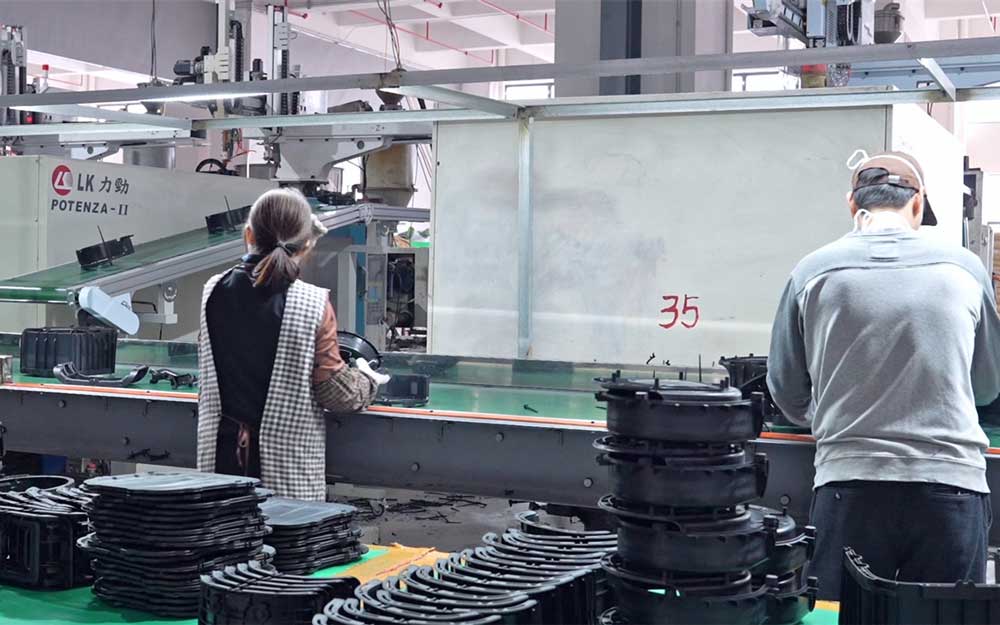
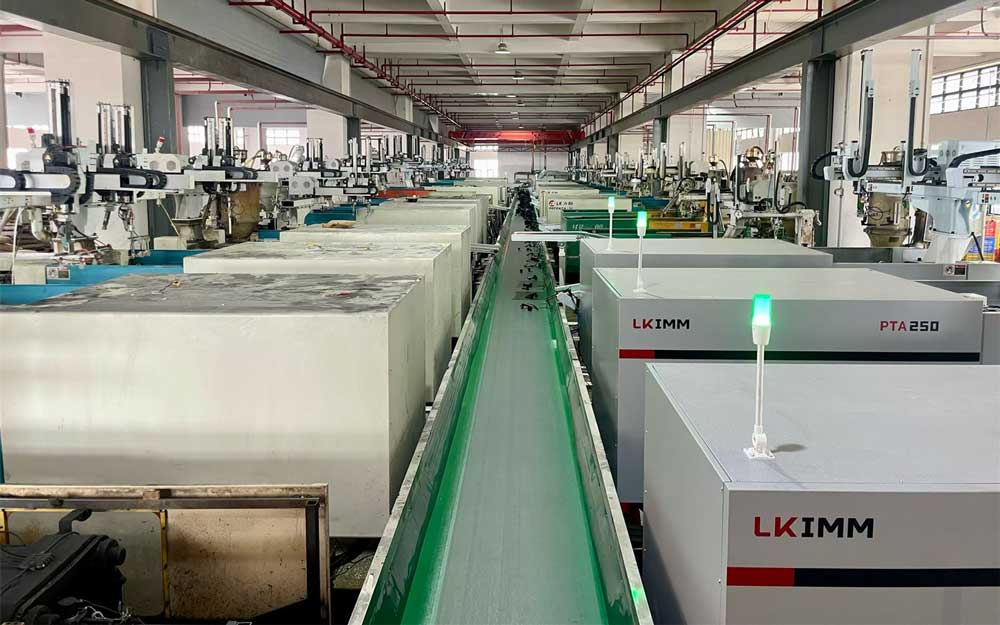
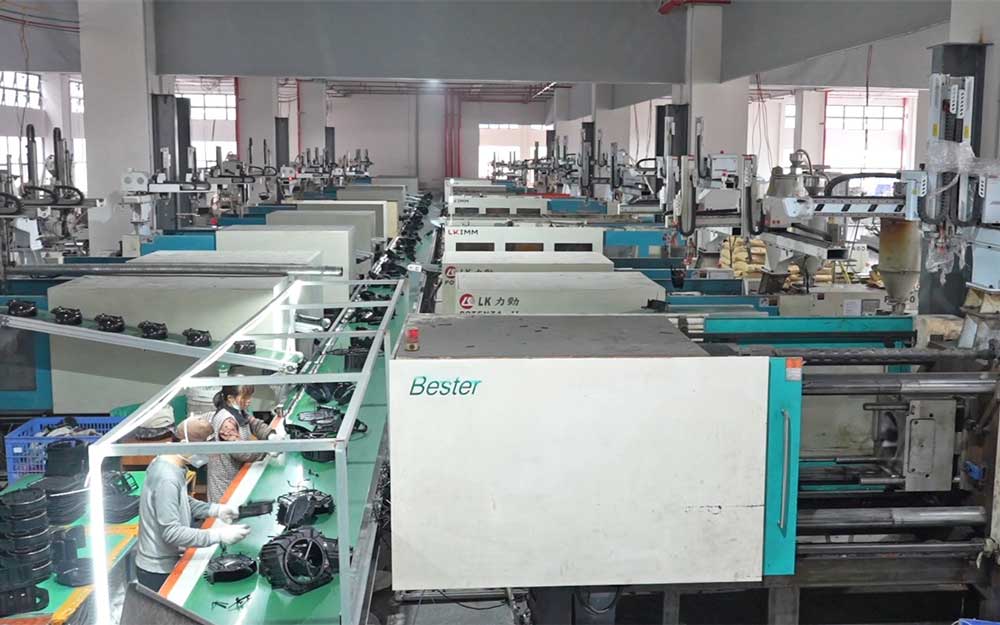
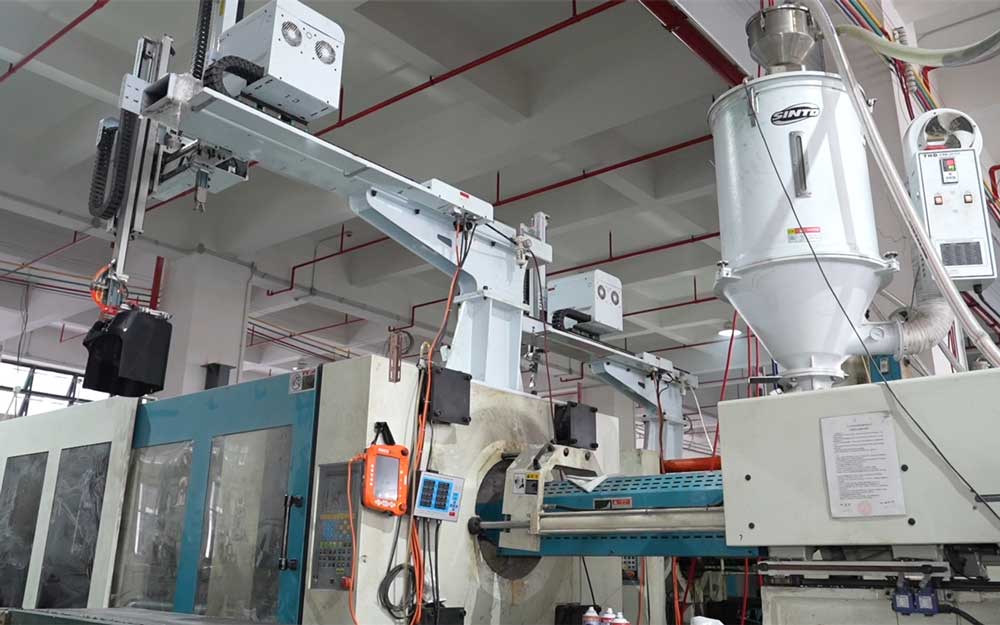
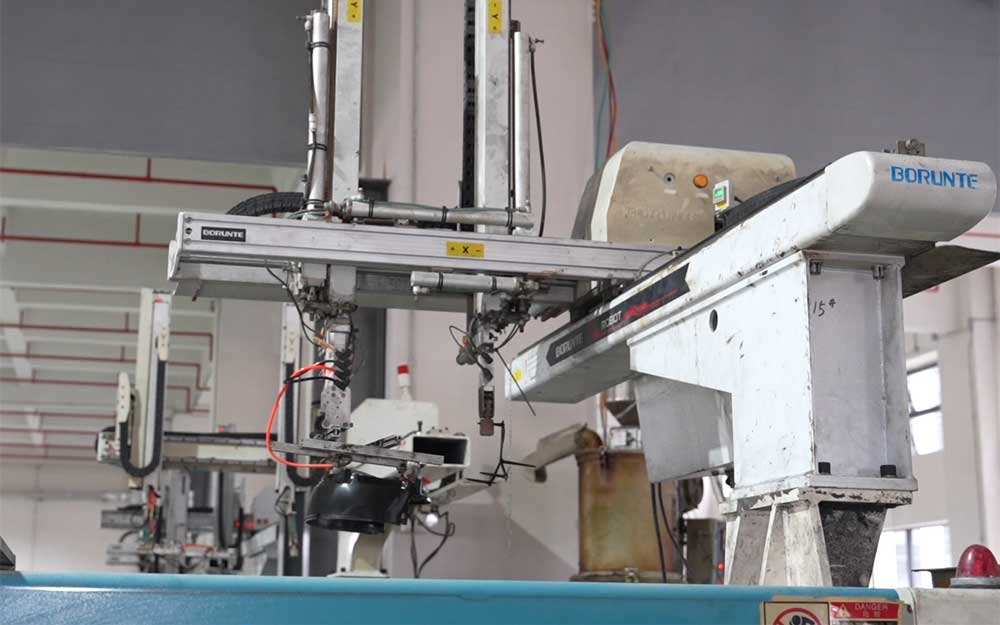
Our distinct competitive edge lies in our robust in-house fabrication and assembly ecosystem. Unlike brokers who rely on third-party assembly points, we retain total control over production quality, materials traceability, and cycle times. Powered by 300+ dedicated manufacturing professionals and an elite group of 20+ product design engineers, we consistently achieve a daily output of 10,000+ units, satisfying high-volume purchasing commitments for enterprise retail channels worldwide.
Our engineering and prototyping lab supports complex structural changes and customizations. Whether you require tailored industrial designs, custom digital interfaces, or strict compliance structures for overseas markets, we have the specialized machinery and technical knowledge to scale production.

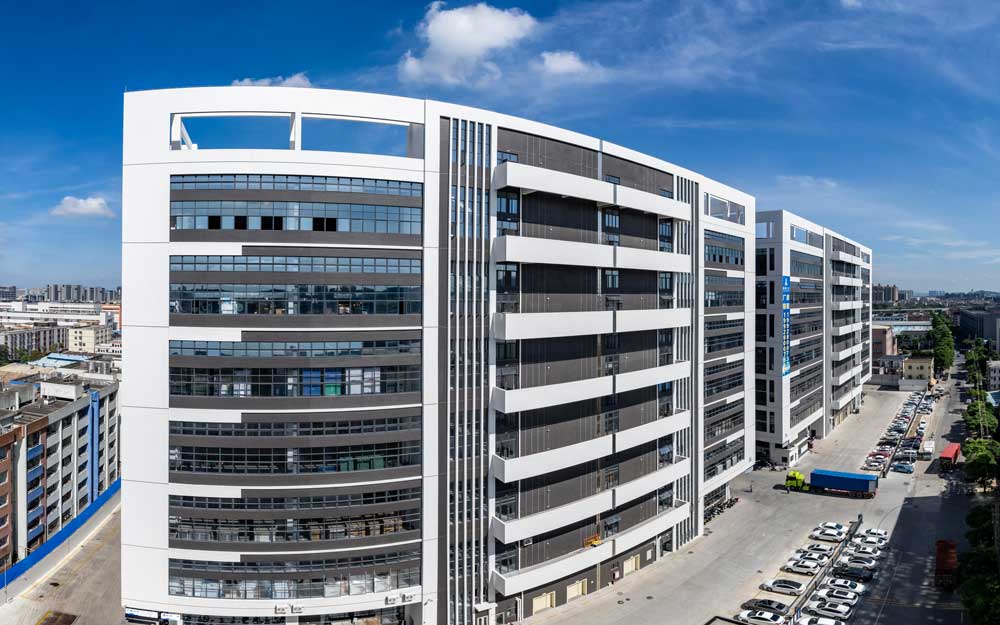
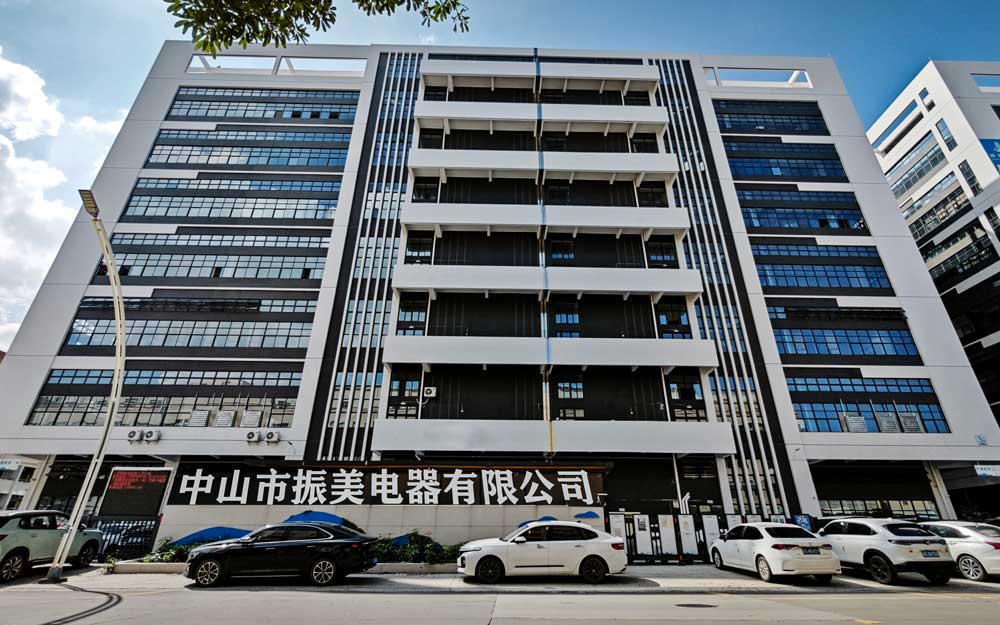
One size does not fit all. Different consumer markets demand distinct variations in capacity, user interface design, electrical architecture, and materials selections. Working with a flexible manufacturer ensures these micro-demands are met through localized engineering.
Requires 120V / 60Hz electrical standards. Key focus on FDA-approved non-stick coating technology (PTFE-free, PFOA-free ceramic). Modern designs incorporate Smart Home integration, dual-zone temperature zones, and multi-cooker profiles optimized for slow cooking, pressure cooking, and high-temp frying.
Operates at 220-240V / 50Hz. Products must hold GS, CE, and RoHS approvals, highlighting eco-design directives and high standby energy conservation. Market preferences lean toward space-saving footprints, minimalist matte aesthetics, and fully recyclable packaging structures.
High thermal output requirements for hot-pot style and deep-frying functions. Designed for 220V regional power grids with humidity-sealed internal electronics. Inner cooking pots feature reinforced double-coated non-stick properties to withstand intensive daily use and abrasive wash routines.
The landscape of home kitchen appliances is shifting from manual operation to high-precision sensor loops. Leading manufacturers now prioritize smart micro-pressure control and variable induction heating (IH) elements over traditional resistive heating coils. This advancement ensures uniform heat distribution, preventing hot spots and reducing surface burn-ins, which ultimately extends the lifespan of the interior coatings.
Transitioning toward advanced water-based ceramic non-stick solutions and medical-grade 304/316 stainless steel to comply with global PFAS restrictions.
Equipping units with Bluetooth, Wi-Fi, and intelligent sensor arrays to communicate with smart home setups, allowing precision temperature tracking via mobile apps.
Developing ultra-thin heating elements designed for direct attachment to cooking vessels, accelerating thermal transfer rates and reducing energy loss.
For international sourcing divisions, navigating supplier selection is a critical risk-management exercise. Simply selecting the lowest unit price can result in poor component quality, shipment delays, and costly product recalls. A reliable procurement strategy requires addressing specific operational metrics:
By establishing production agreements directly with vertically integrated factories, importers gain transparent access to costing structures, component traceability, and reliable shipping schedules.
 Zhenmei Electrical