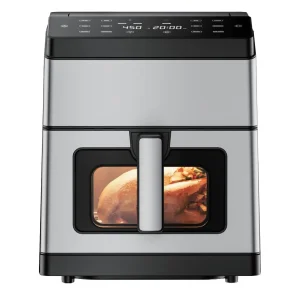
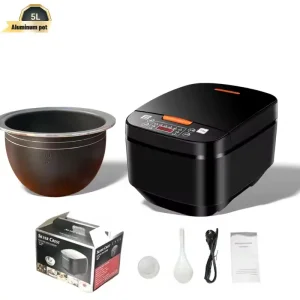
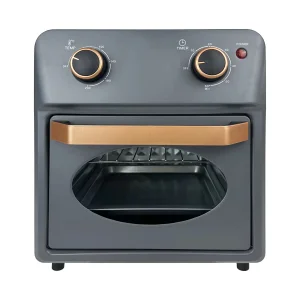
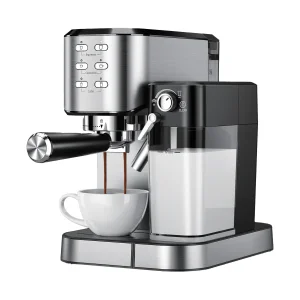
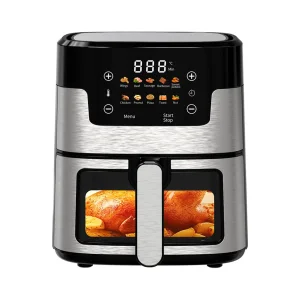
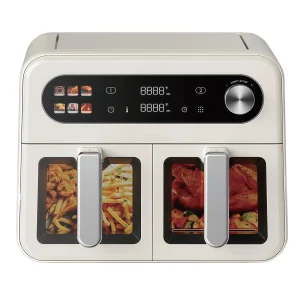
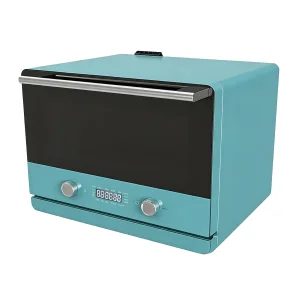
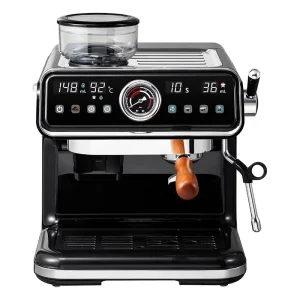
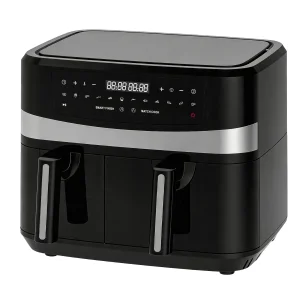
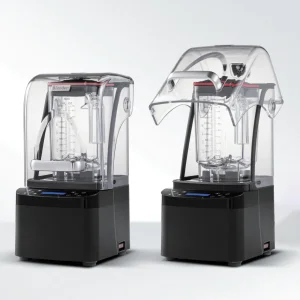
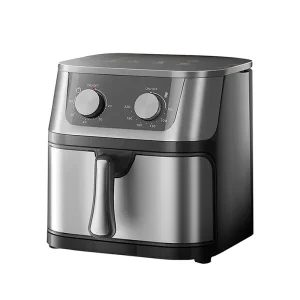
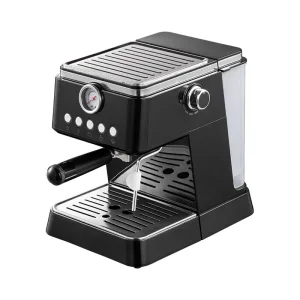
Explore our top precision-engineered culinary appliances, designed for smart automation and structural efficiency.
The global commercial kitchen and domestic appliance market is undergoing a seismic shift. Urbanization, shrinking residential kitchen spaces, and the rapid expansion of modern fitness-oriented juice bars have created a surging demand for space-optimized, high-output extraction devices. "Compact Juicers" are no longer viewed merely as downscaled consumer gadgets; they represent crucial infrastructural assets for B2B distributors, hospitality buyers, and retail procurement teams worldwide.
Historically, heavy-duty commercial juicers required massive countertops and significant electrical allocations. Today’s procurement paradigm demands structural efficiency. Sourcing agents look for compact masticating and centrifugal juicers that maintain high mechanical torque, operate under strict decibel thresholds, and offer minimal assembly overhead. Developing this balance requires deep manufacturing expertise.
Appliance importers seek high yield extraction rates, low power consumption, and long-term durability under high-frequency operation profiles.
Adapting multi-functional extraction modules into compact footprints without degrading mechanical reliability or thermal heat dissipation.
Optimizing planetary gear systems in slow juicers to operate under 55dB, enhancing the user experience in boutique cafés and open-plan homes.
When specifying OEM/ODM design mandates, enterprise buyers face a critical technical fork: choosing between masticating (slow extraction) and centrifugal (high-speed) configurations. Masticating juicers operate on a pressure-driven principle, using a heavy-duty auger rotating at low RPM (typically 40 to 80 RPM). This slow crushing action maximizes food nutrient retention, limits juice separation, and minimizes oxidation, making it highly attractive to health-conscious markets in North America and Western Europe.
Conversely, compact centrifugal juicers utilize high-speed cutting discs rotating at 10,000+ RPM to shred ingredients and filter juice using centrifugal force. While they boast rapid juice output, they produce higher noise levels and generate friction heat, which can degrade sensitive enzymes. For compact form factors, the engineering challenge lies in preventing motor burnouts in small cavities.
China remains the uncontested epicenter of premium small appliance manufacturing, offering unmatched vertical integration. The Pearl River Delta cluster, specifically Zhongshan, contains highly specialized supply networks for copper motors, micro-switches, injection-molded components, and custom alloy strainers.
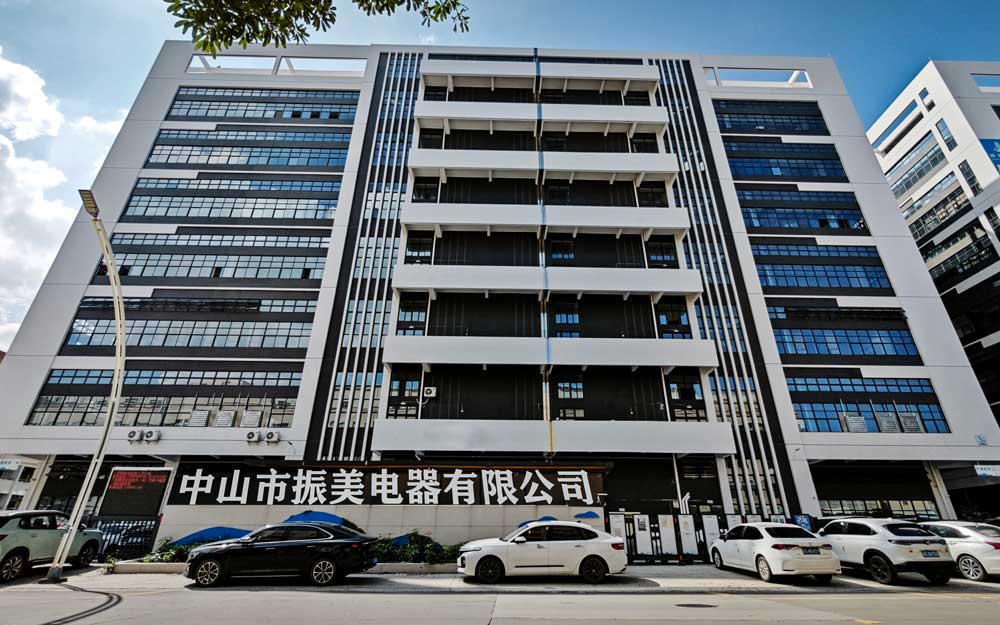
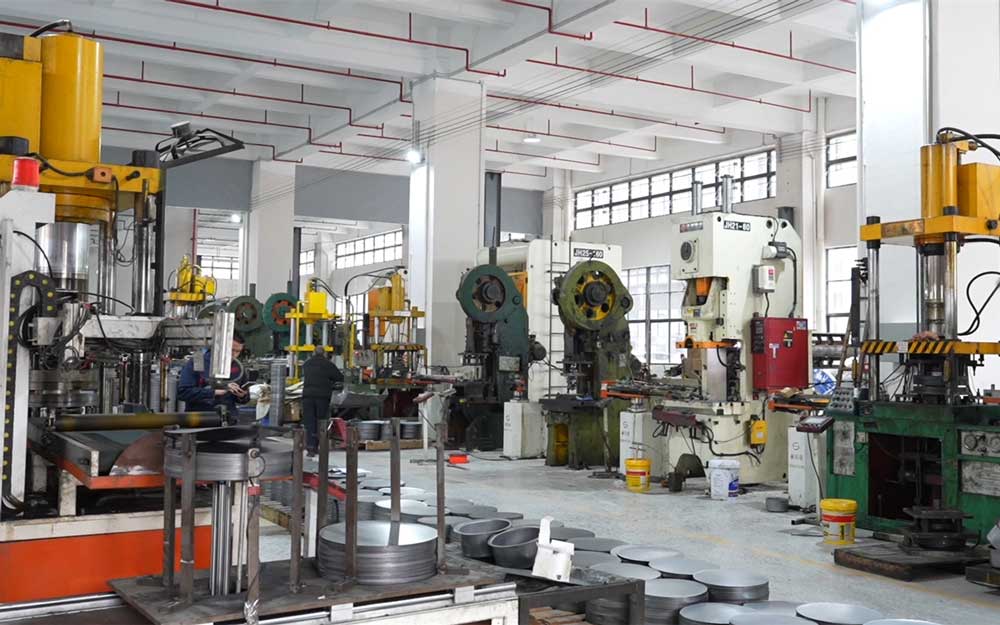
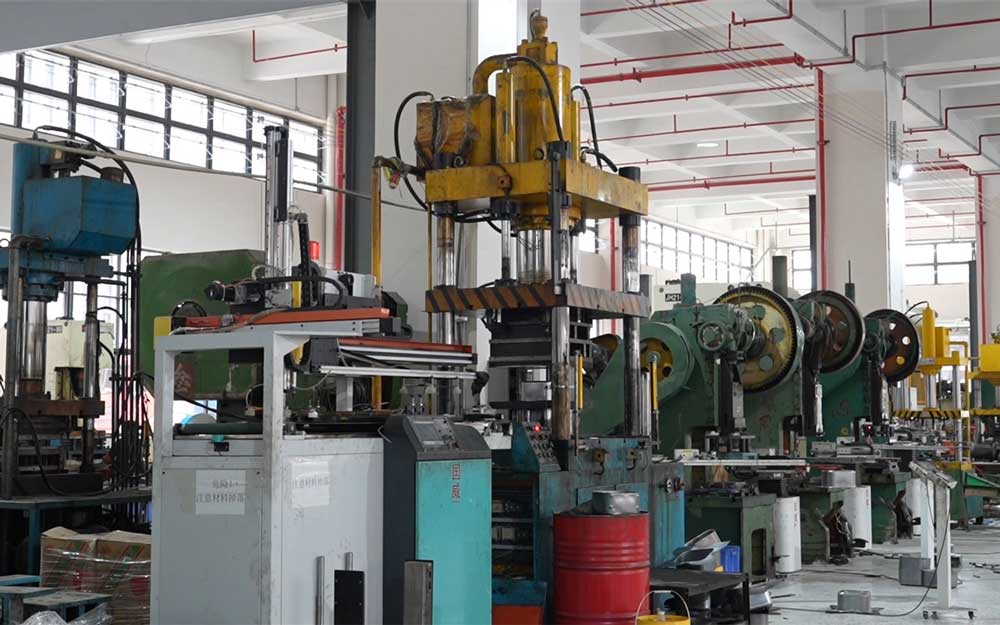
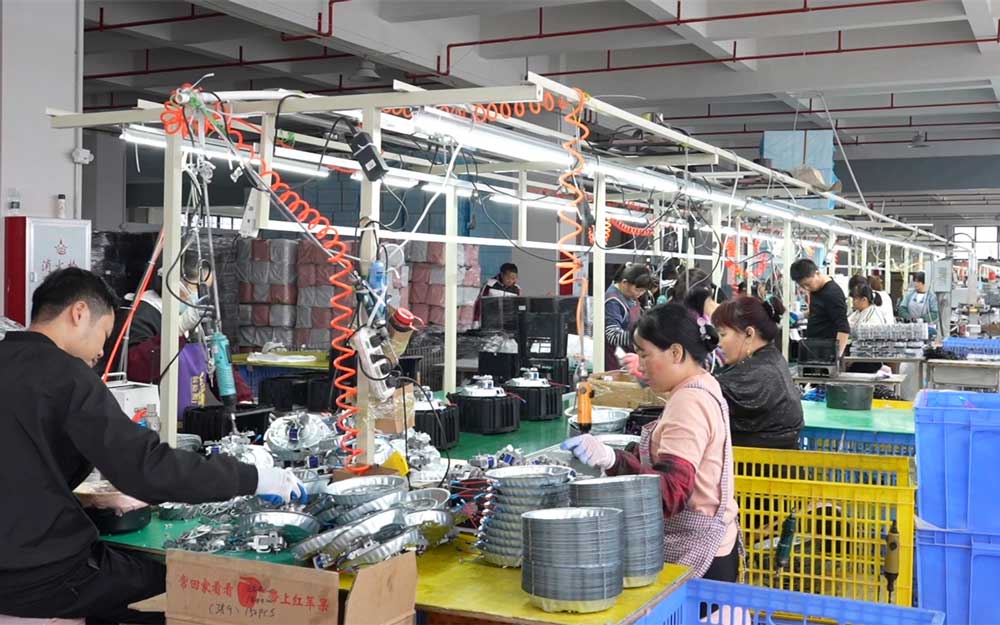
At Zhongshan Zhenmei Electrical Appliance Co., Ltd., we run a premier OEM/ODM manufacturing platform focused on high-performance kitchen appliances. Operating from our advanced 40,000 sqm facility, and powered by over 300 dedicated professionals and a 20+ member R&D team, we transform raw concepts into market-ready appliances. Our facility is engineered for speed, output, and precision.
Our long manufacturing history enables us to navigate complex regulatory requirements and customize designs to match local market profiles.
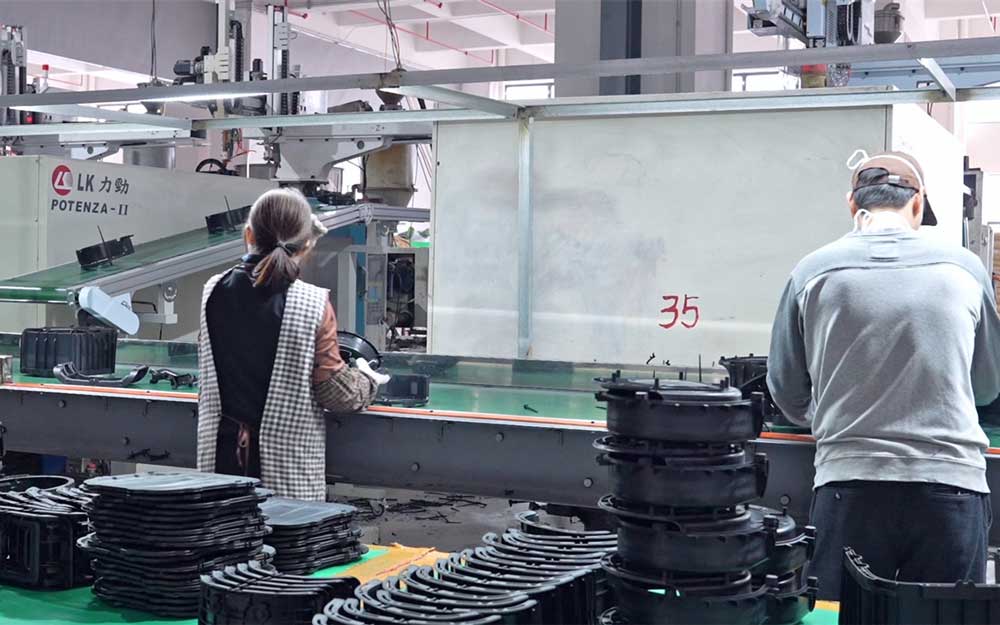
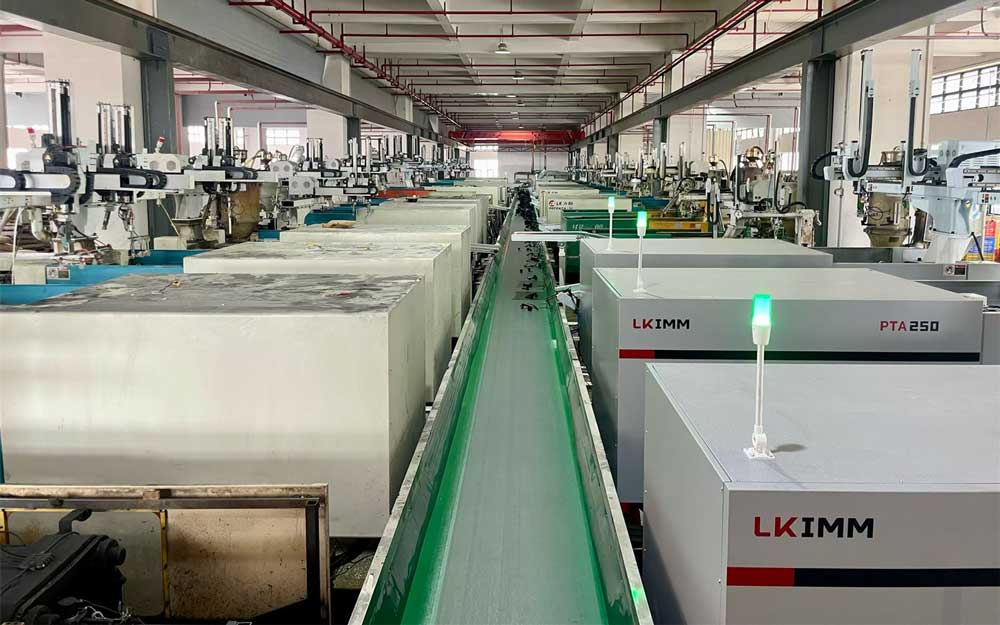
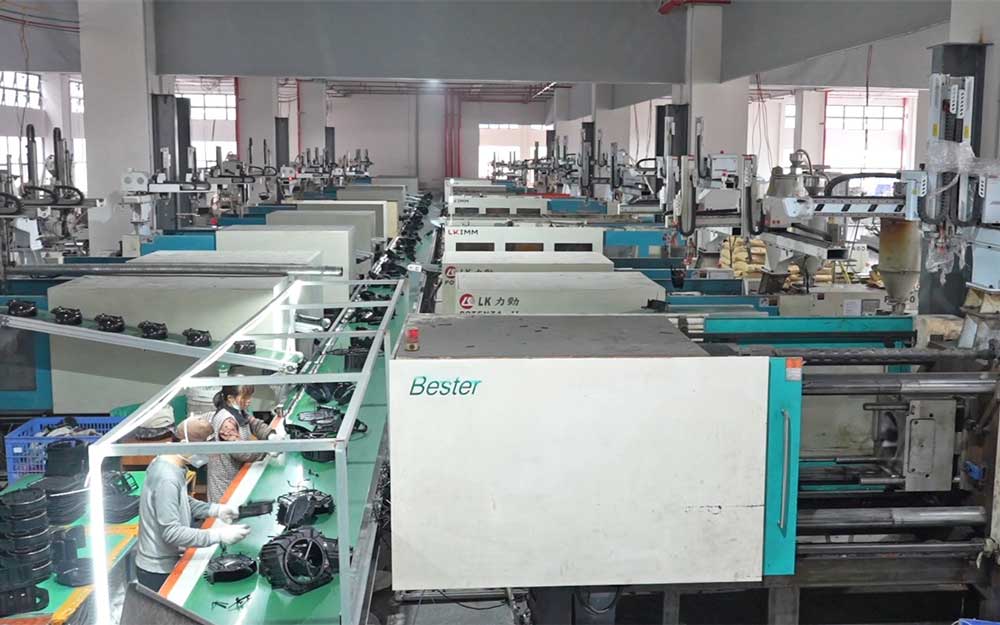
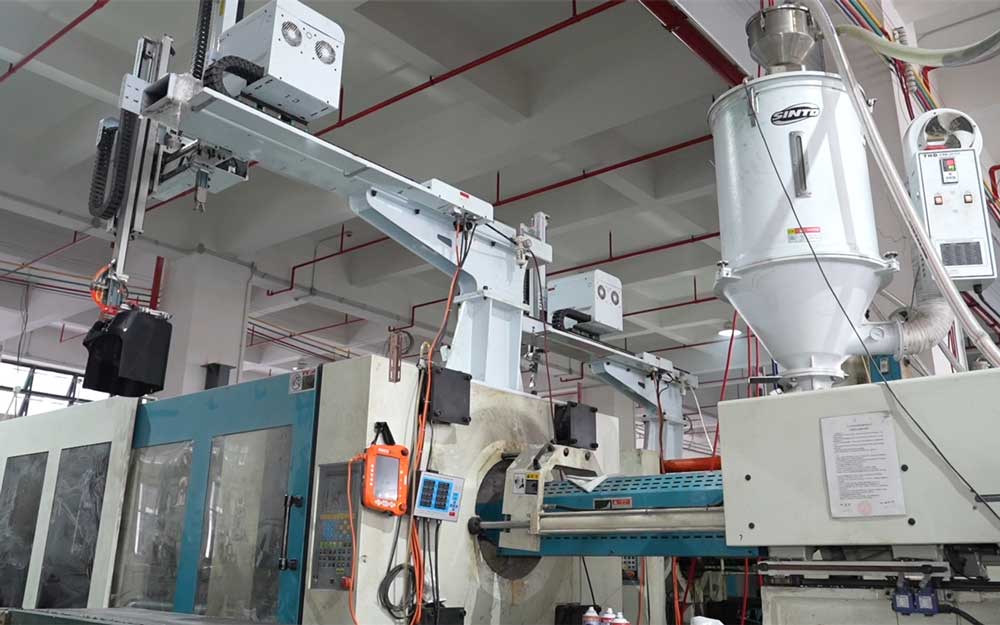
Equipped with highly automated assembly lines, plastic injection molding bays, and systematic quality testing areas to support large-scale rollouts.
Every product undergoes extensive performance verification, high-voltage testing, and leakage checks to comply with international safety standards.
Navigating international trade requires adhering to strict regulatory protocols. Small kitchen appliances must comply with safety, electromagnetic compatibility, and material safety standards before entering major economic markets. Partnering with a certified manufacturer like Zhenmei ensures your products sail through customs smoothly.
Additionally, factory audits play a key role in B2B vetting. Leading global retail networks require compliance with social auditing platforms, including BSCI (Business Social Compliance Initiative) and ISO 9001:2015 quality management benchmarks.
The compact juicer market is evolving beyond simple mechanical extraction. Driven by IoT integration, advanced metallurgy, and green product lifecycles, manufacturers are reimagining what compact juicers can achieve.
Smart Torque Management: Modern compact juicers utilize microcontroller units (MCUs) to sense ingredient density. When encountering tough, fibrous root vegetables, the system automatically dials up torque to prevent motor stalls, returning to normal operation once processed.
Self-Cleaning Cycles & Filterless Designs: Cleaning remains the single biggest friction point for end consumers. Industry leaders are shifting toward filterless systems with double-helix grooved strainers, replacing traditional wire meshes that clog easily. These parts rinse clean in seconds under cold running water.
Eco-Conscious Materials: B2B buyers increasingly specify biodegradable or highly recyclable housing materials, alongside BPA-free food contact components. Reclaiming recycled Ocean Bound Plastics (OBP) for structural appliance parts is a major developmental focus.
Evaluating manufacturing partners requires transparent insights into their daily operations. Explore our facility’s environment, raw material processing bays, and assembly lines below.


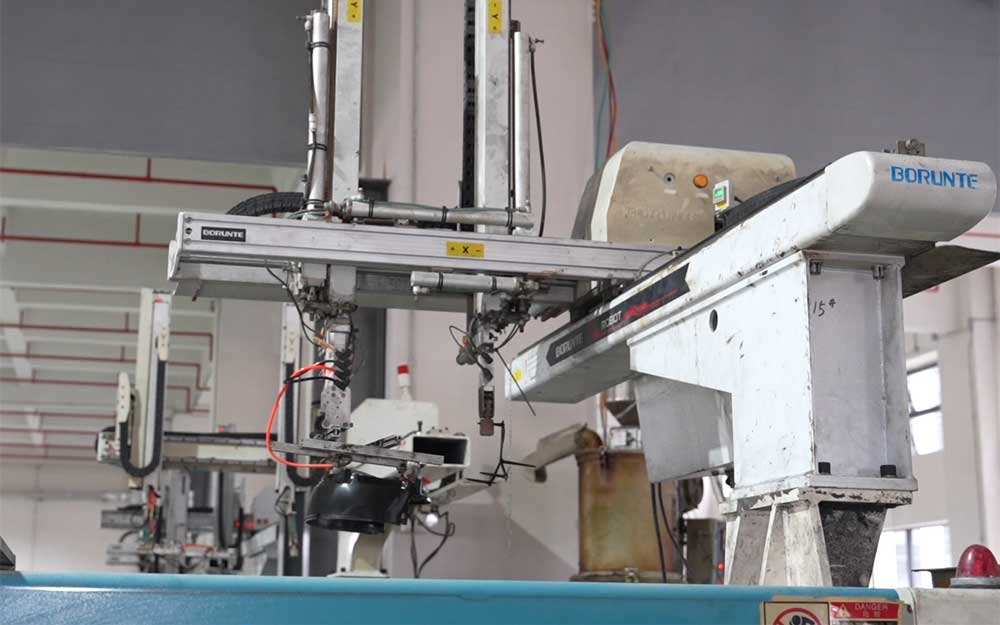
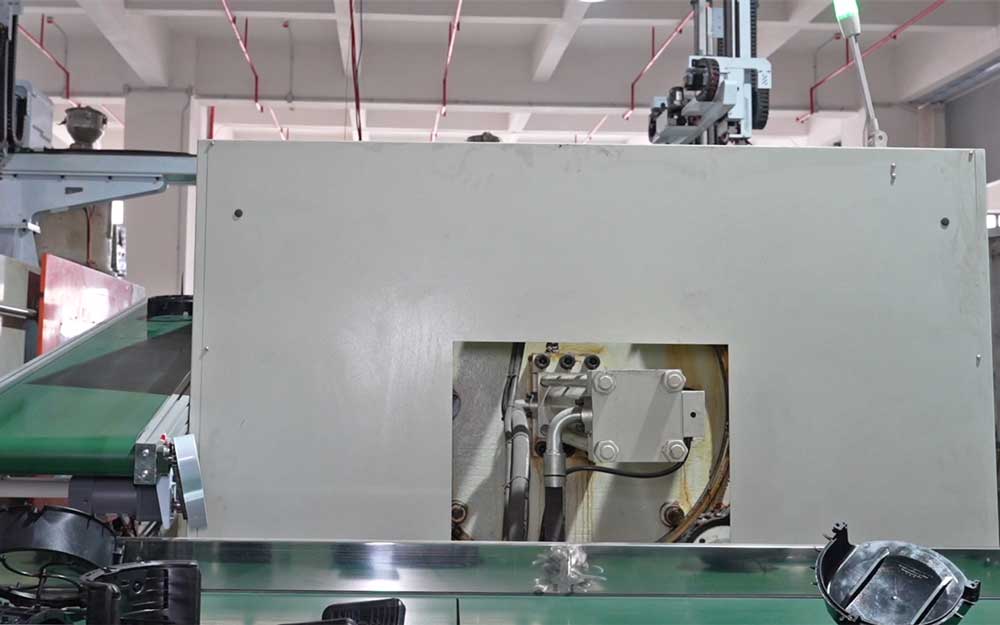
Complete catalog solutions, maintaining the same manufacturing excellence and strict compliance standards.
 Zhenmei Electrical