Explore our flagship commercial-grade kitchen appliances built with strict quality protocols and high thermal durability.
The worldwide demand for compact, personal, and high-performance blenders is experiencing a substantial structural shift. As global consumer demographics tilt heavily towards urban living, micro-apartments, and highly active lifestyles, kitchen footprints are shrinking. Consequently, the commercial and industrial demand for high-torque, space-saving kitchen appliances has surged. Modern buyers do not want to compromise power for size; they expect a compact unit to crush ice, pulverize dense superfoods, and maintain mechanical reliability under continuous daily operation.
In manufacturing hubs like Zhongshan, China, the integration of advanced automation lines has allowed manufacturers to scale precision assembly. Compact blenders have graduated from simple home appliances to essential daily wellness machines, frequently deployed in corporate offices, premium fitness club bars, boutique coffee shops, and travel-oriented hospitality suites.
North America (42%): Dominates personal fitness blender adoption and premium travel-blend devices.
Europe (28%): High growth in energy-efficient DC motor compliance (CE/GS regulations).
Asia-Pacific (20%): Extreme urban density drives micro-footprint kitchen trends.
In the contemporary B2B market, four crucial design trends determine the profitability of a compact blender product line:
| Target Keyword | Intent Focus | Priority Index |
|---|---|---|
| Compact Blender OEM | Commercial Sourcing | Critical |
| Low-Noise Smoothie Blender | User Experience | High |
| Tritan Jar Manufacturers | Safety & Compliance | High |
Your premier OEM/ODM kitchen appliance manufacturing partner, bringing engineering expertise and high-volume consistency to global scale.
Direct view inside our production facilities, clean assembly bays, and quality assurance labs.
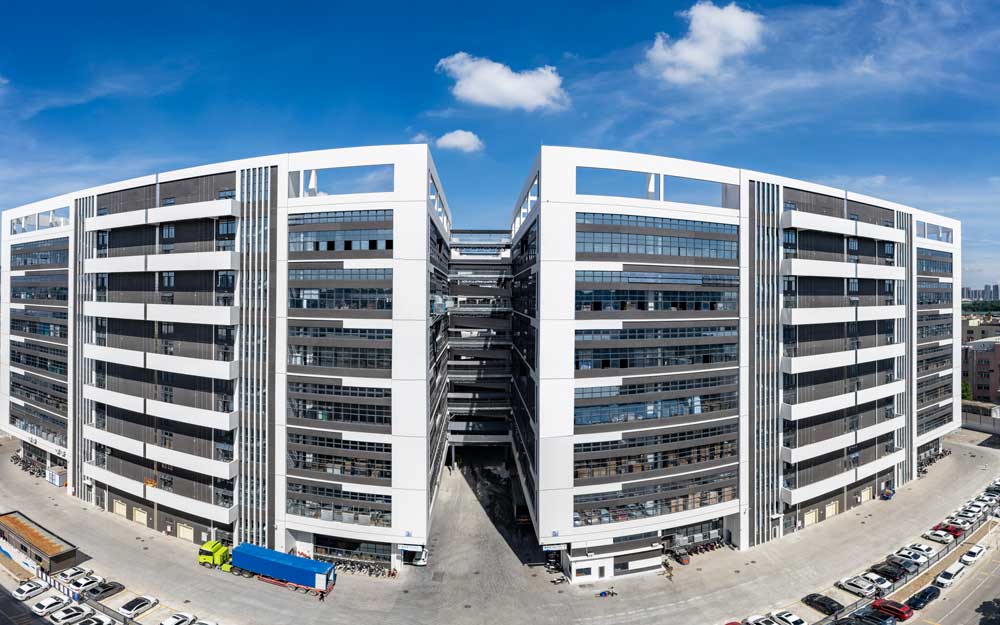
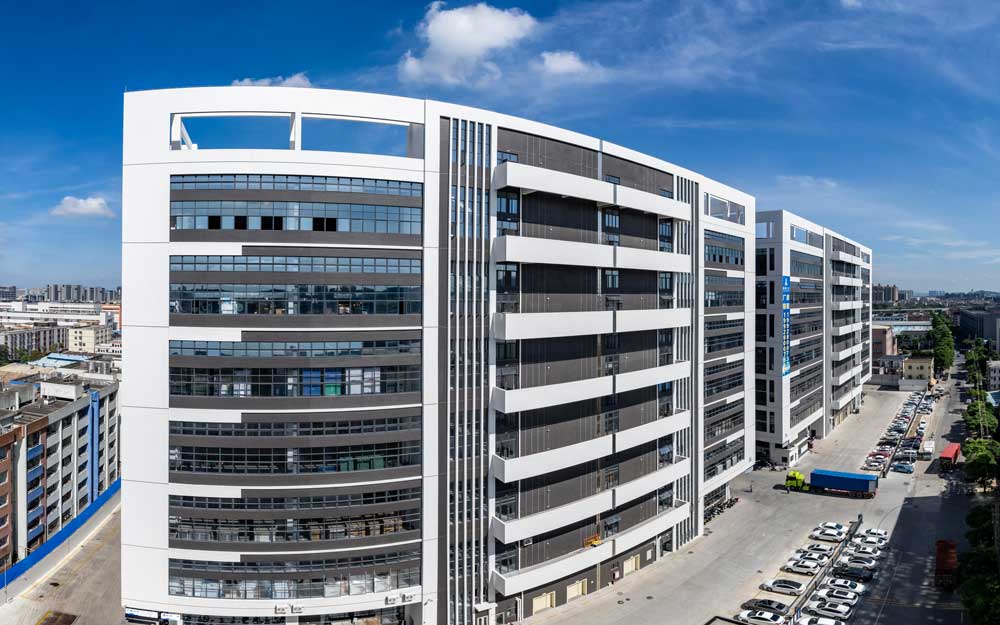
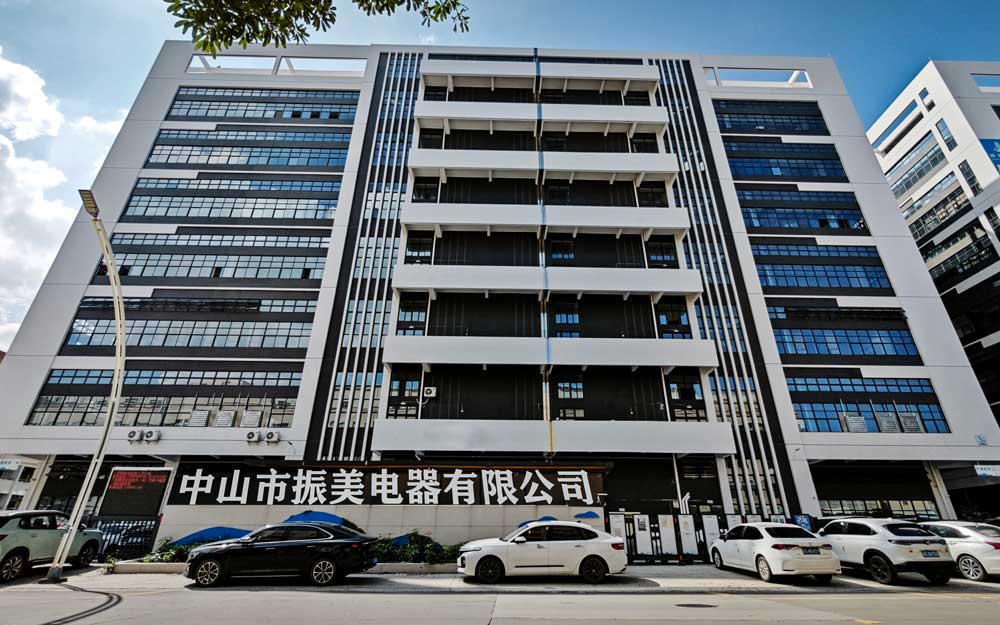
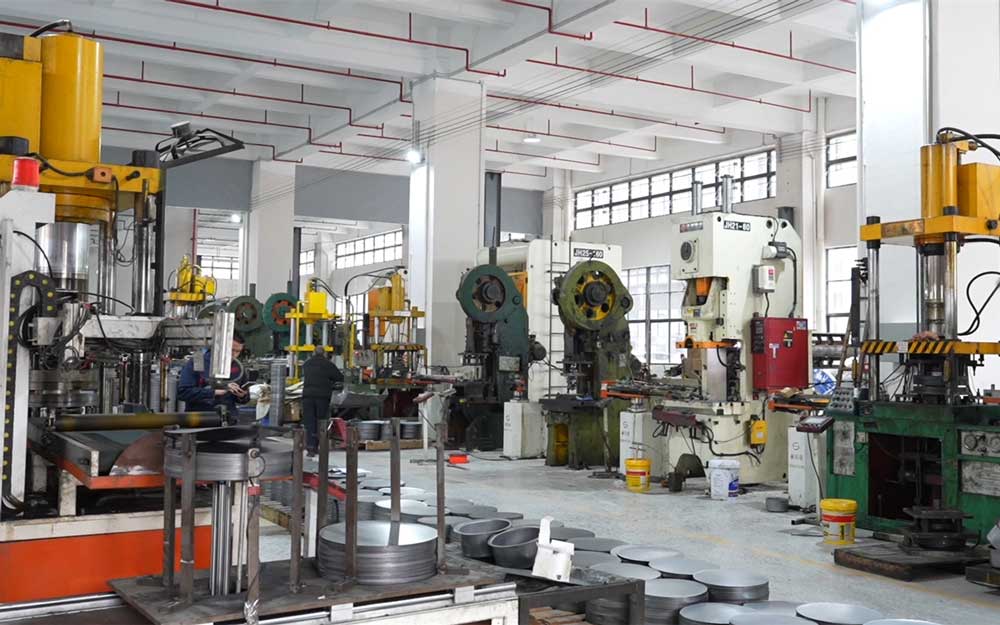
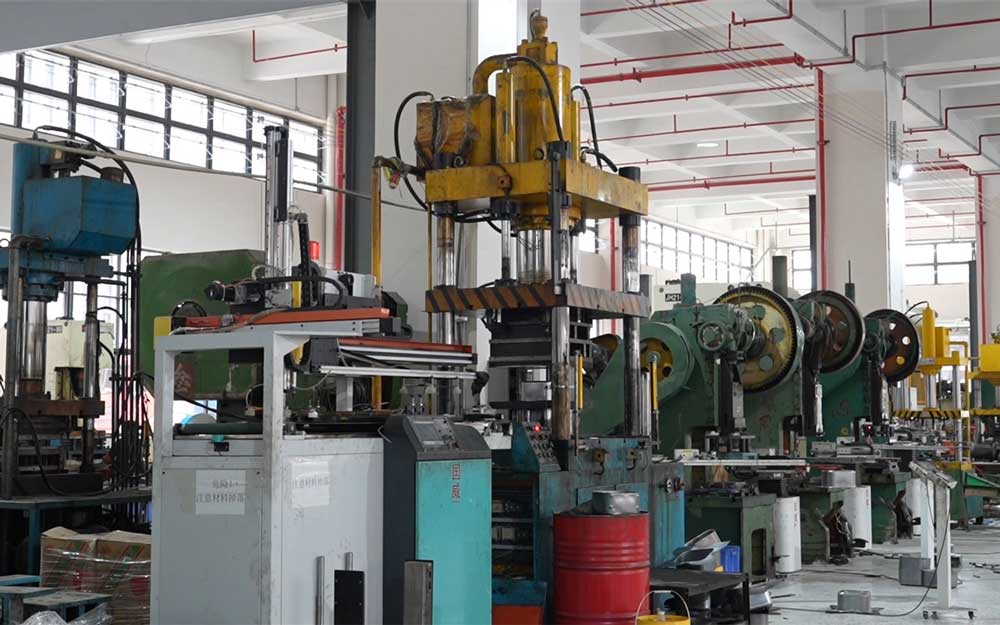
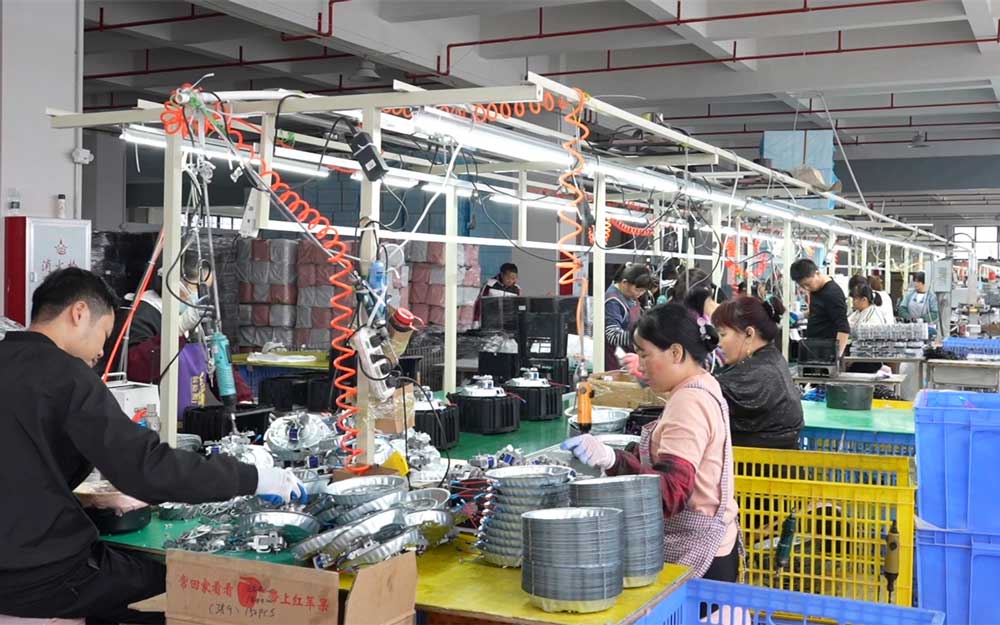
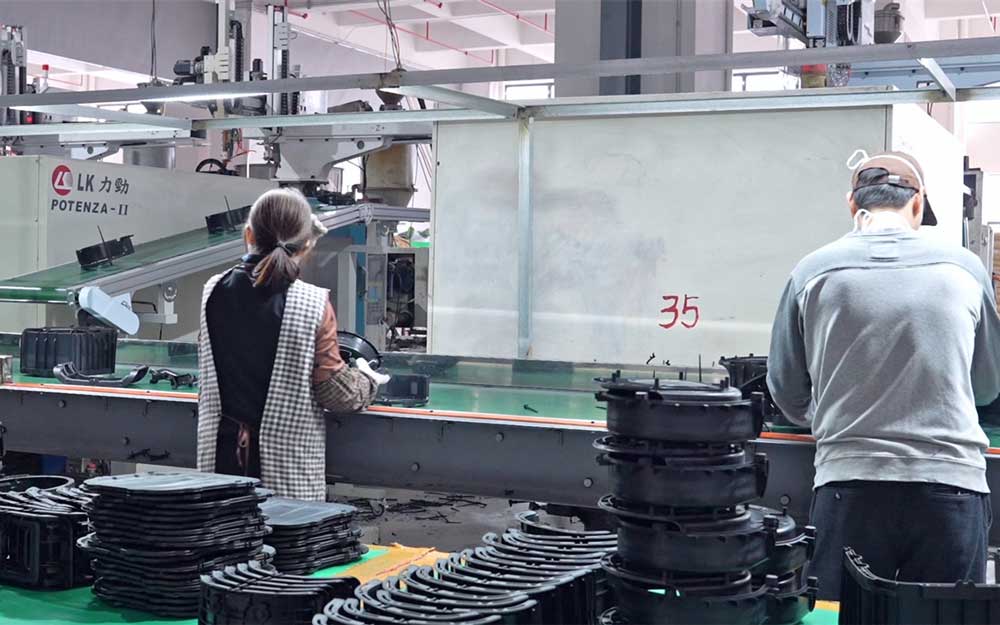
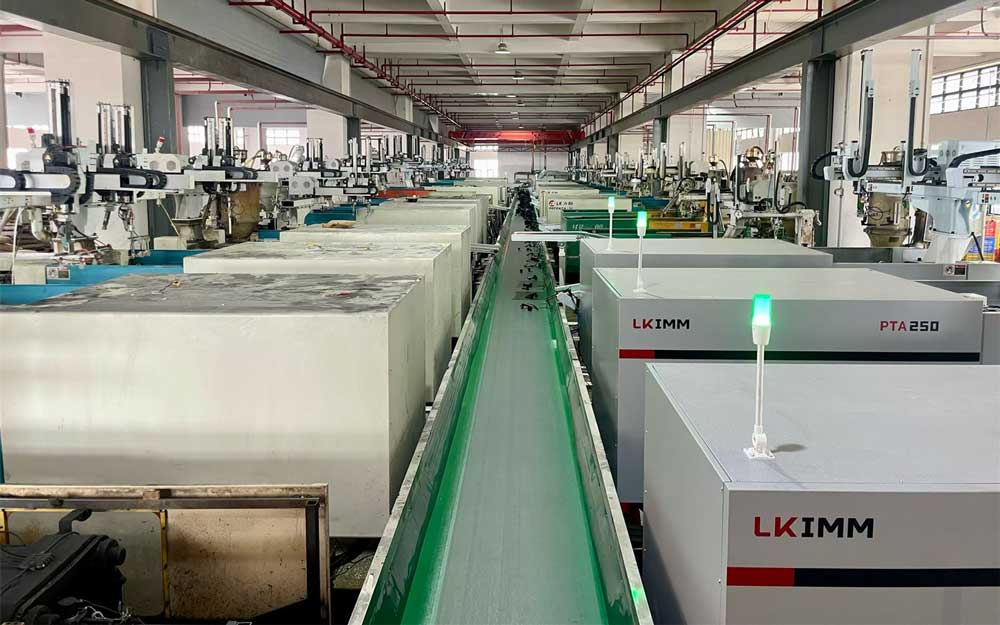
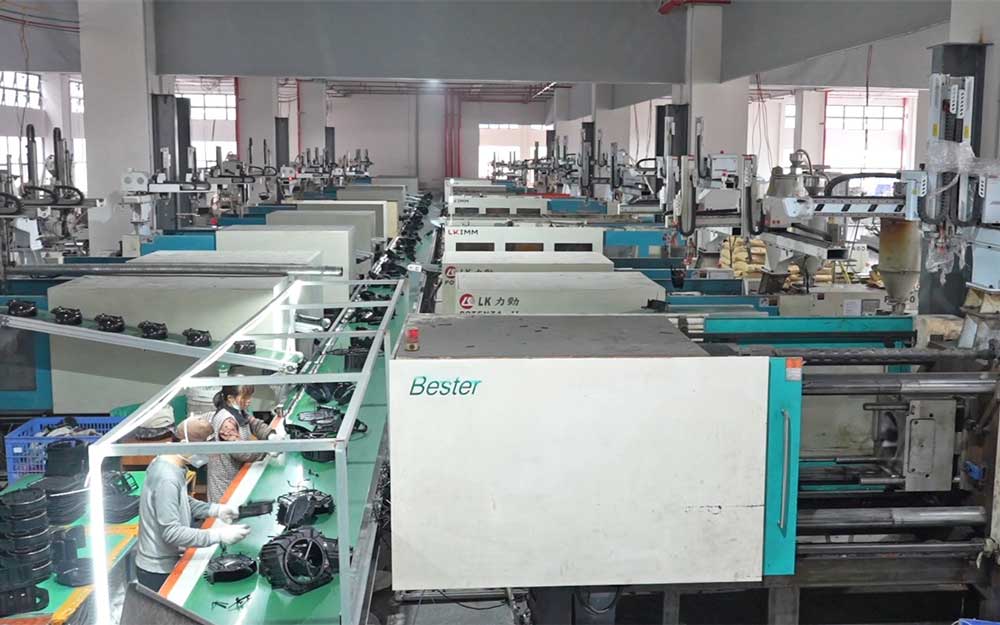
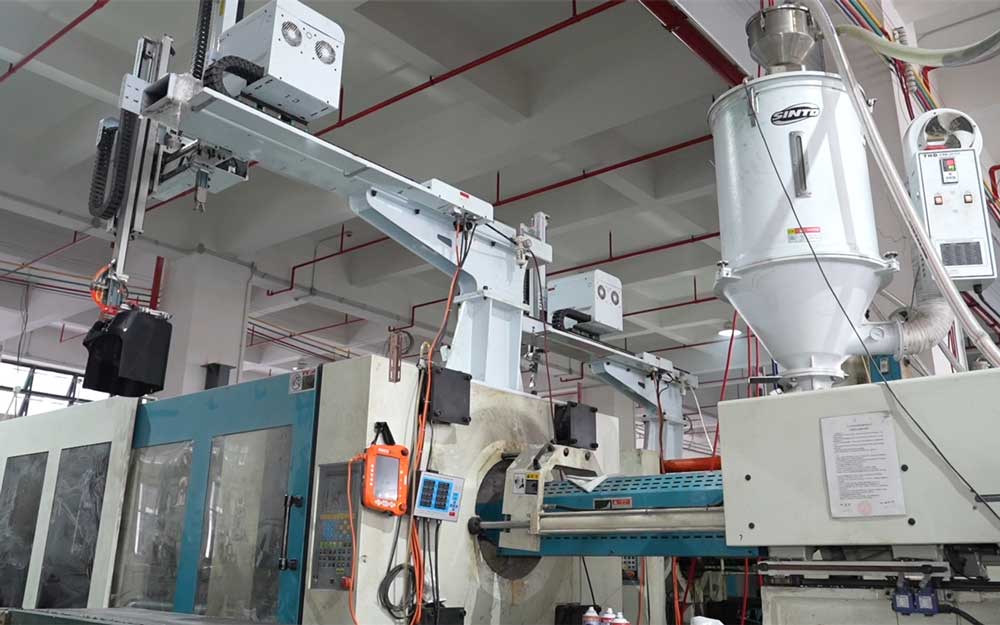
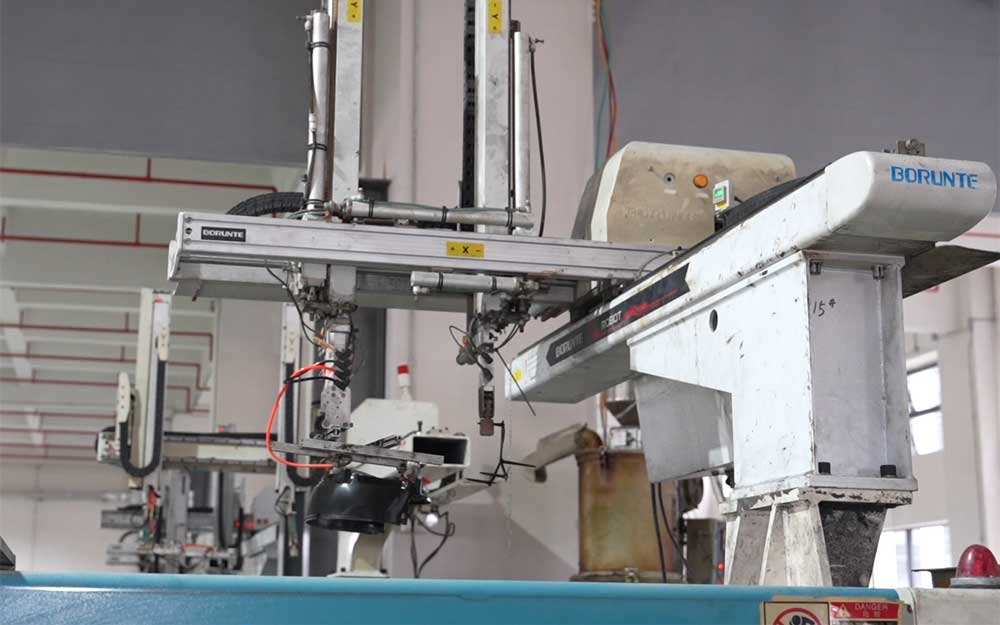
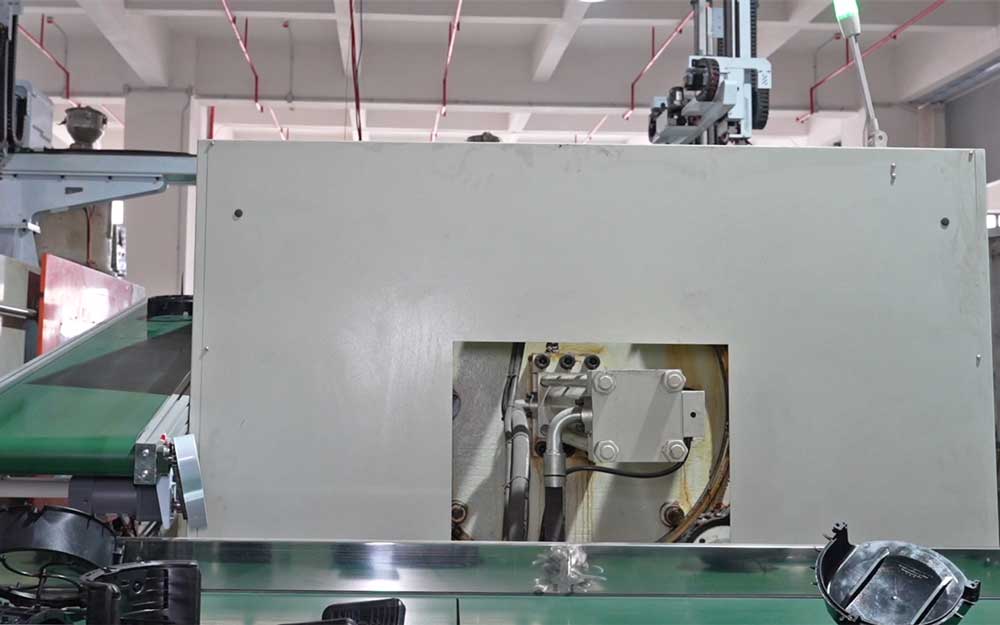
Compact blenders require distinct engineering adaptations depending on local geographic conditions and demographic characteristics. As a custom factory, we offer modular options to fit these diverse profiles:
Requires vertical stack designs, integrated sound-insulating enclosures, and multi-functional storage lids to save cabinet space.
Demands simplified touch interfaces, highly durable stainless steel blades, and fast thermal recovery systems for back-to-back blending.
Optimized for light-weight high-impact plastic bodies, double-sealed leak-proof gaskets, and long-lasting lithium battery integrations.
At Zhongshan Zhenmei, we continuously iterate on motor efficiency, material toxicity elimination, and structural durability. Here is our technological roadmap for compact blending machinery:
Achieved structural miniaturization. Refined copper-clad stator alignment to maximize RPM outputs in housings under 10cm diameter.
Introduced custom microcontrollers reading motor resistance, shutting down system within milliseconds if blades encounter hard debris.
Deploying 24V-36V BLDC motors across compact form-factors. Offers 92% power efficiency, longer life cycle, and smart variable speeds.
Partnering with key chemical providers to shift production jars to Tritan Renew (50% certified recycled material) to assist global brands in ESG compliance.
For global brands, sourcing appliances involves managing complex supply-chain compliance, certifications, and high tooling investments. We mitigate these risks with integrated end-to-end management systems. From the initial 3D drawing, structural modeling, mold flow analysis, and tool design, to the final packaging and loading compliance, our operations are ISO 9001 certified.
| Workflow Stage | Engineering Responsibility | Quality Assurance Checkpoint | Typical Turnaround Time |
|---|---|---|---|
| 1. Conceptualization & 3D Mock | R&D Team creates CAD models based on market sizing demands. | Design For Manufacturing (DFM) verification. | 7–10 Business Days |
| 2. Prototyping & 3D Printing | Creation of working physical models to test internal airflow. | Initial motor heat & decibel baseline tests. | 5–7 Business Days |
| 3. Precision Tooling / Mold Development | In-house toolmakers fabricate precision injection molds. | T0-T1 trial shots, wall-thickness stress test. | 30–45 Calendar Days |
| 4. High-Volume Mass Assembly | Automatic PCB placement and assembly lines. | 100% inline electrical tests, drop testing, high-pot test. | 25–30 Days (Daily output 10,000+ units) |
Expert answers regarding OEM processes, manufacturing tolerances, electrical compliance, and minimum order requirements.
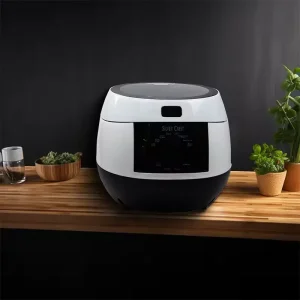
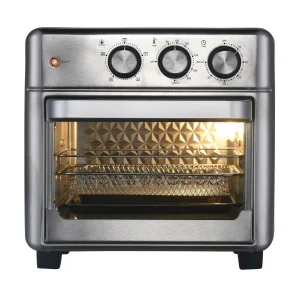
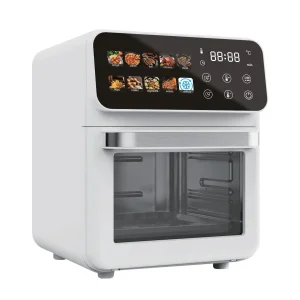
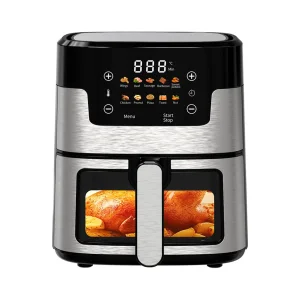
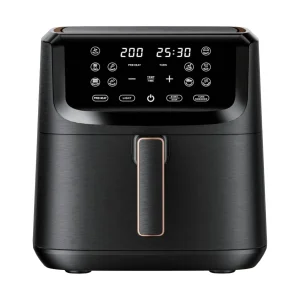
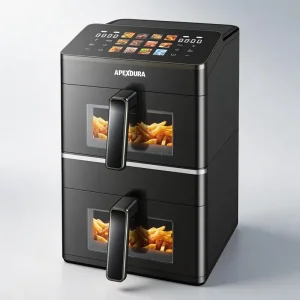
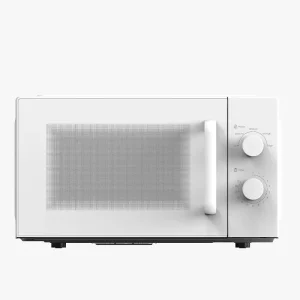
Explore our multi-category electrical portfolio, featuring advanced heating elements and automated microcomputer controllers.
 Zhenmei Electrical