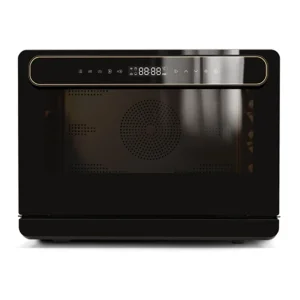
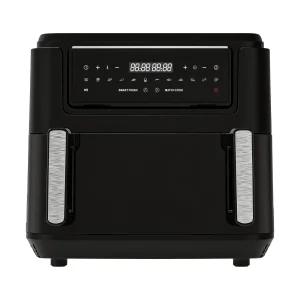
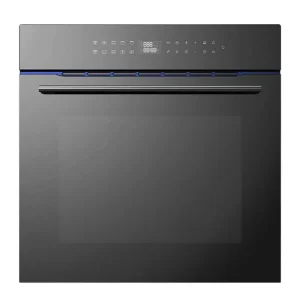
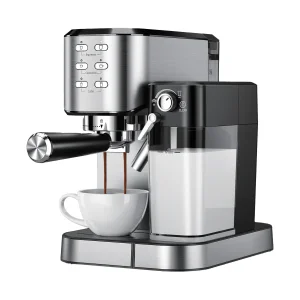
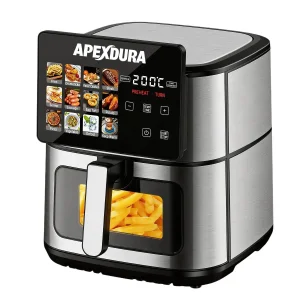
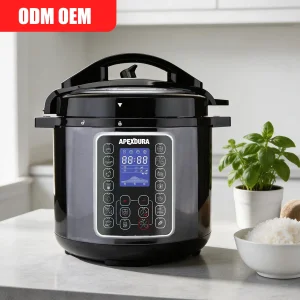
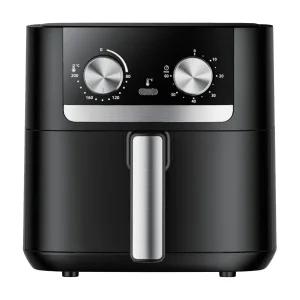
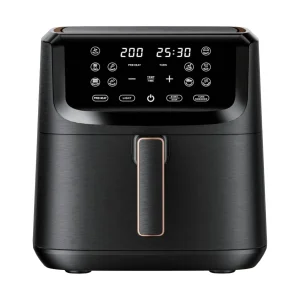
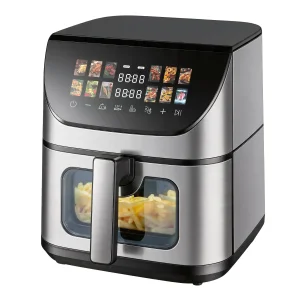
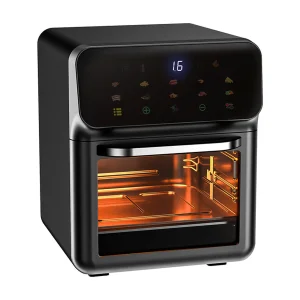
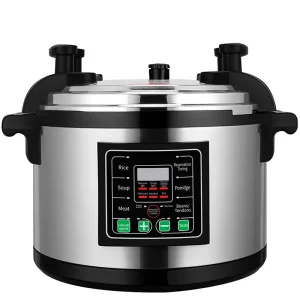
Explore our high-performance commercial and retail solutions engineered to standard parameters of safety and durability.
An Analysis of Mechanical Engineering, Rheological Stresses, and Global Supply Chain Parameters for Commercial Yam and Fufu Pounding Equipment.
Across West Africa and the diaspora regions of Europe and North America, Pounded Yam and its close counterparts like Fufu represent deep-rooted staple foods. Historically, preparation depended entirely on manual labor using a wooden mortar and pestle—a physically taxing, time-consuming process that presents substantial hygienic and labor-scaling bottlenecks for commercial establishments.
Mechanizing this process demands a deep understanding of starch rheology. Yam tubers contain high levels of amylose and amylopectin. During steaming, these starch granules swell and gelatinize. To transform this gelatinized matrix into the desired smooth, elastic, and dough-like consistency without destroying the cellular structures that define structural texture, the processing machine must exert combined high shear force and planetary mixing action.
Standard blenders or choppers lack the high-torque, lower-RPM configurations required. When processing high-viscosity food pastes, standard motors quickly overheat, leading to mechanical breakdown. Therefore, a commercial-grade yam pounding machine is engineered with robust gear reduction mechanisms and heavy-duty thermal management systems designed to withstand continuous peak loads.
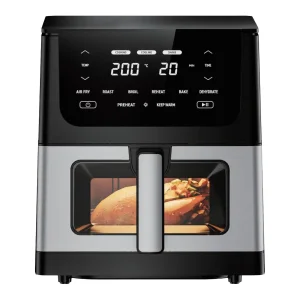
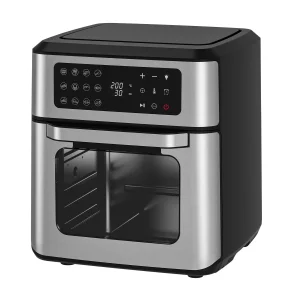
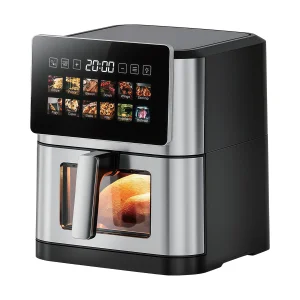
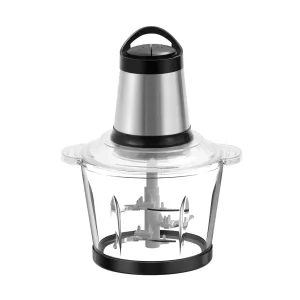
Zhongshan Zhenmei Electrical Appliance Co., Ltd. stands as a premier OEM/ODM manufacturer specializing in high-performance kitchen appliances. Our production portfolio covers advanced commercial pressure cookers, air fryers, and specialized food preparation solutions like the 2L Multifunction Fufu & Yam Pounding Machine (Model QD-309). Drawing on over 16 years of manufacturing expertise, we convert design concepts into market-ready, globally certified kitchen appliances.
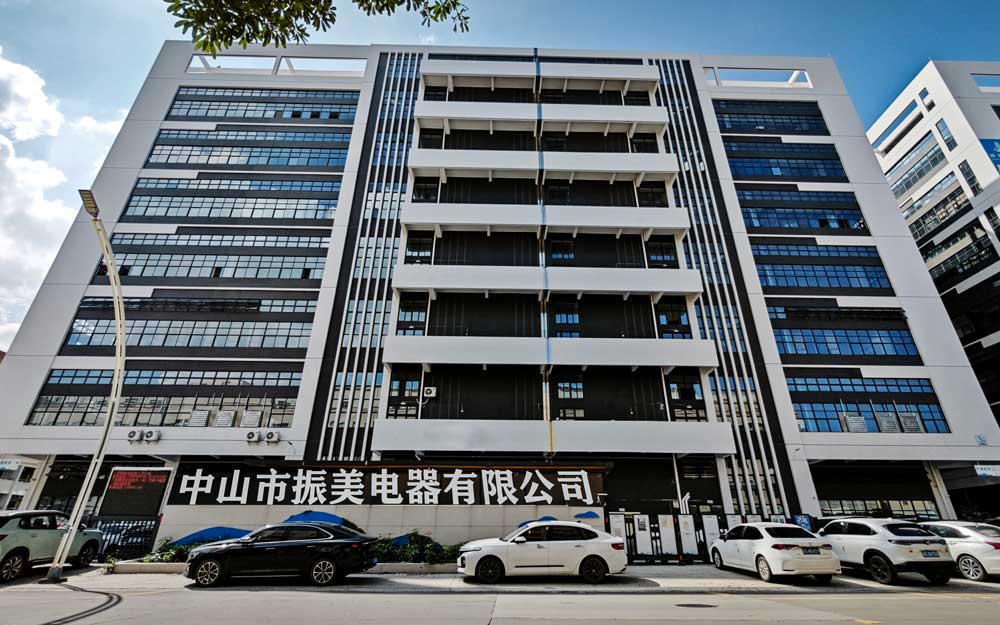
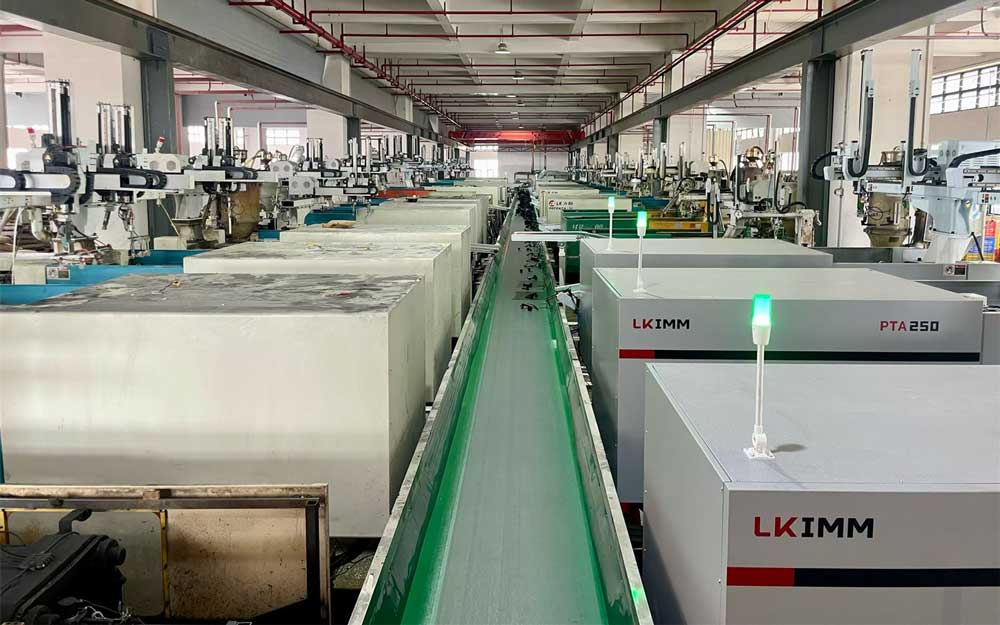
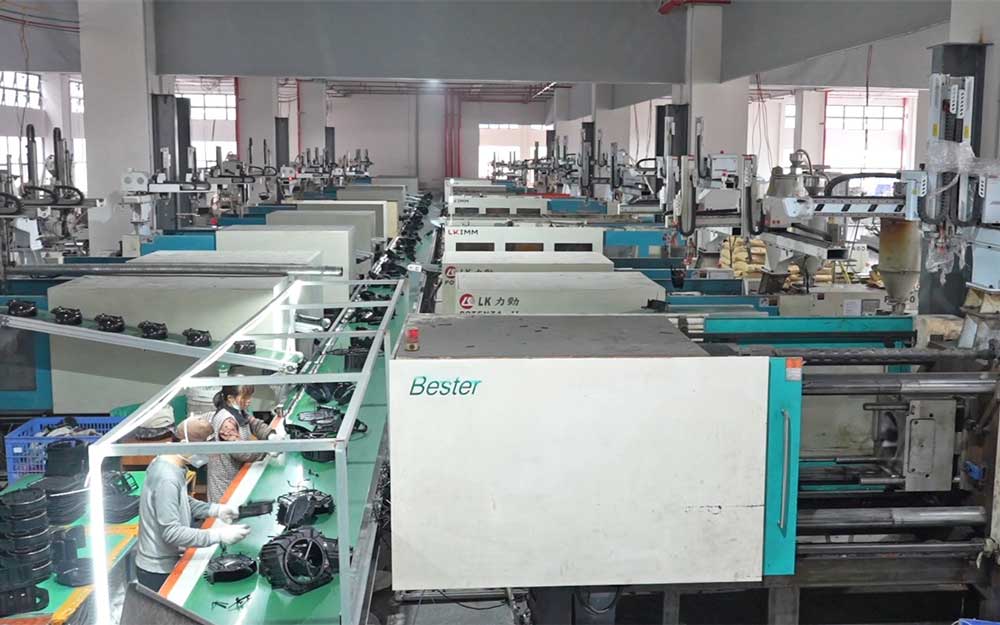
Our core strength lies in integrated, in-house manufacturing. Operating out of a highly automated 40,000 square meter factory, our operations are led by more than 300 experienced factory workers and an R&D department featuring over 20 senior engineers. By maintaining tight control over motor winding, injection molding, metal pressing, and circuit design, we achieve a stable production output of over 10,000 units per day. This capacity allows us to efficiently fulfill high-volume procurement orders from major global brands while upholding strict quality control standards.
How Chinese industrial specialization and high-precision manufacturing engineering deliver superior value, efficiency, and scale to international B2B buyers.
Chinese factories leverage proximity to advanced motor manufacturing zones. By using pure copper-wire wound motors combined with planetary steel gear assemblies, we build units that produce high torque at lower RPMs, preventing heat build-up while processing dense food pastes.
We source certified food-grade materials to ensure high durability and chemical resistance. Our stainless steel blades, high-borosilicate glass bowls, and food-safe plastics prevent metal leeching and stand up to acidic yams and commercial sanitation chemicals.
Integrating modern microcontrollers allows for custom programs. Our OEM systems offer multi-speed cycles that alternate cutting, crushing, and whipping phases to deliver consistent pounded yam texture without manual intervention.
Analyzing key shifts in commercial food preparation and the diverse operational settings utilizing automated food processing equipment.
| Feature Parameter | Consumer/Domestic Grade (e.g., QD-309) | Commercial/Heavy-Duty Grade | Industrial Food Processing Grade |
|---|---|---|---|
| Bowl Volume Capacity | 2.0 Liters | 10.0 to 25.0 Liters | 50.0 to 150.0 Liters |
| Motor Power Rating | 300W - 500W Peak | 1500W - 2500W Continuous | 3500W - 7500W Three-Phase |
| Starch Rheology Torque Capacity | Moderate (Chopping/Mincing paste) | High (Planetary Pounding Action) | Extreme High-Torque Hydraulic/Gear System |
| Continuous Duty Cycle | 3 - 5 Minutes (Requires cooling) | Continuous (Air-cooled forced ventilation) | 24/7 Continuous (Water-jacket cooled) |
| Housing & Bowl Material | Tempered Glass / Polycarbonate | SUS304 Food-grade Stainless Steel | SUS316 Acid-resistant Stainless Steel |
| Primary Target Customer | Home Kitchens, Diaspora Families | B2B Restaurants, Catering Companies | Large-scale Starch Processing Factories |
We work closely with global distributors, offering high-capacity production, flexible OEM options, and rigorous product testing.
B2B procurement teams require more than just a functional product; they need supply chain transparency, quality certifications, and reliable production capacity. At Zhongshan Zhenmei, we design our manufacturing processes to meet these international standard requirements:
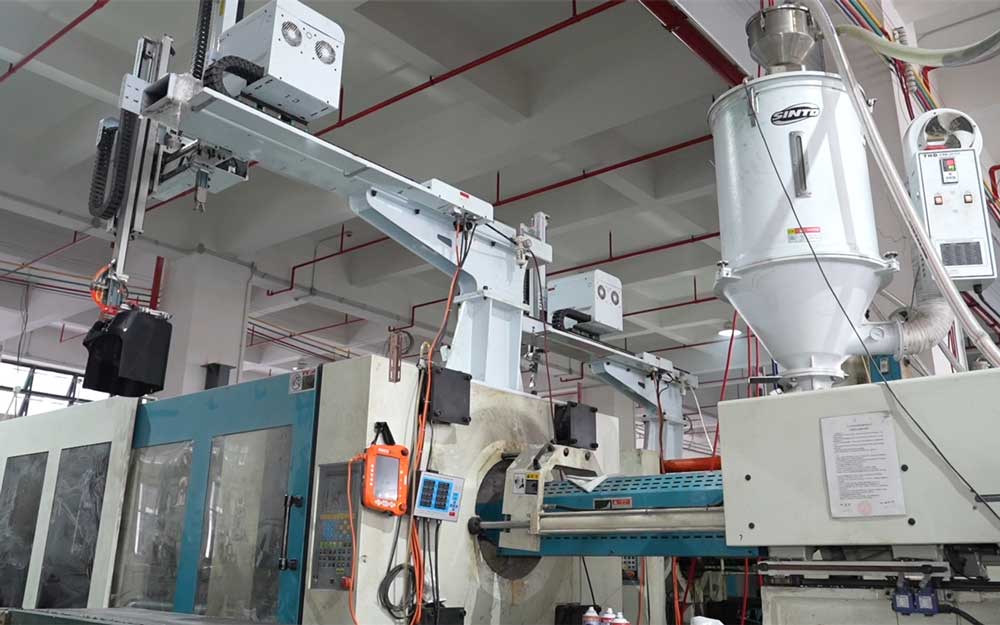
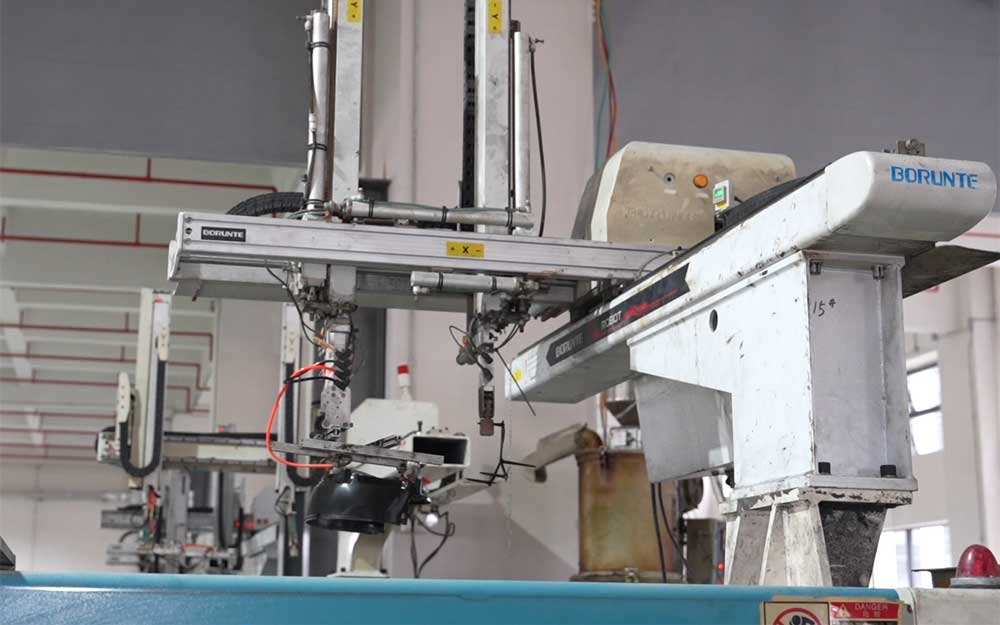
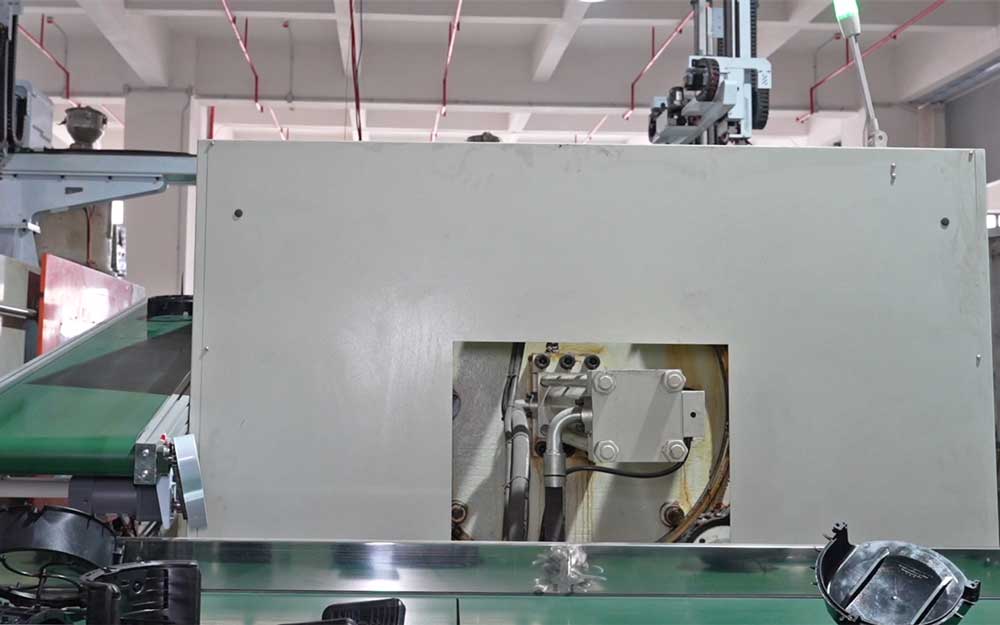
A look at our manufacturing facilities, assembly lines, and quality control departments.


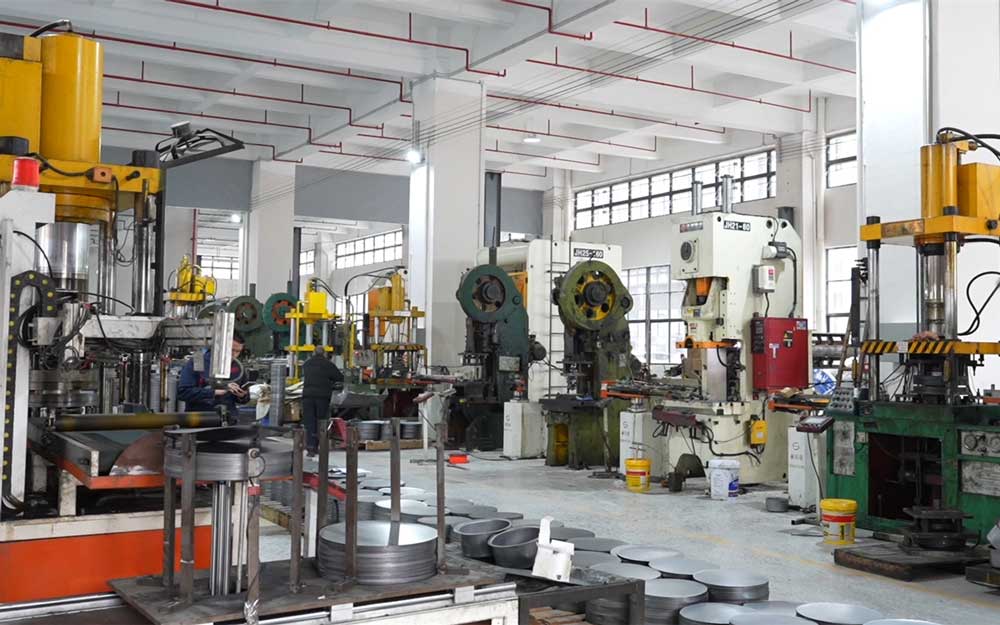
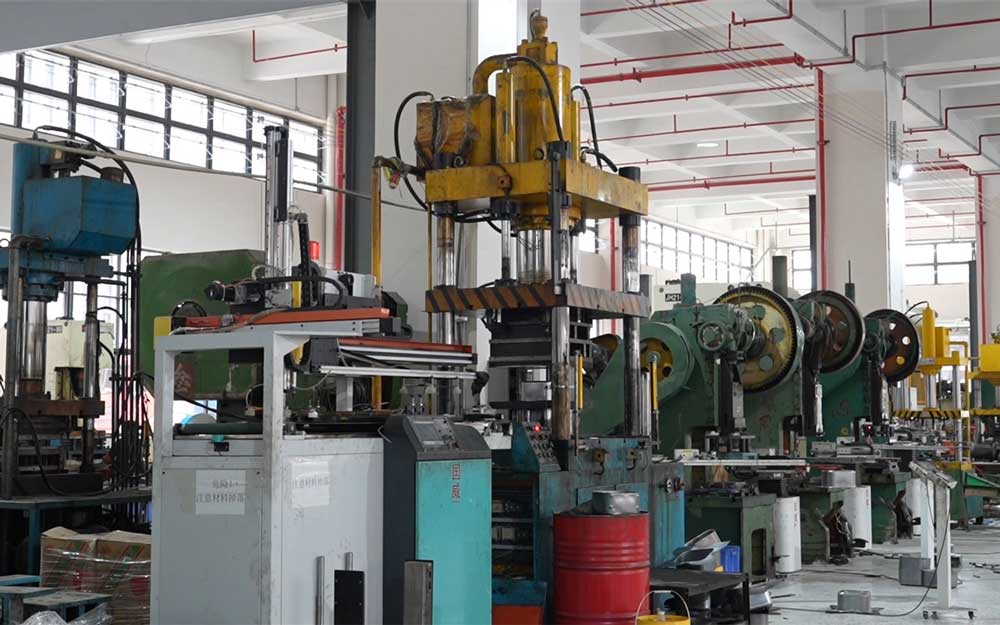
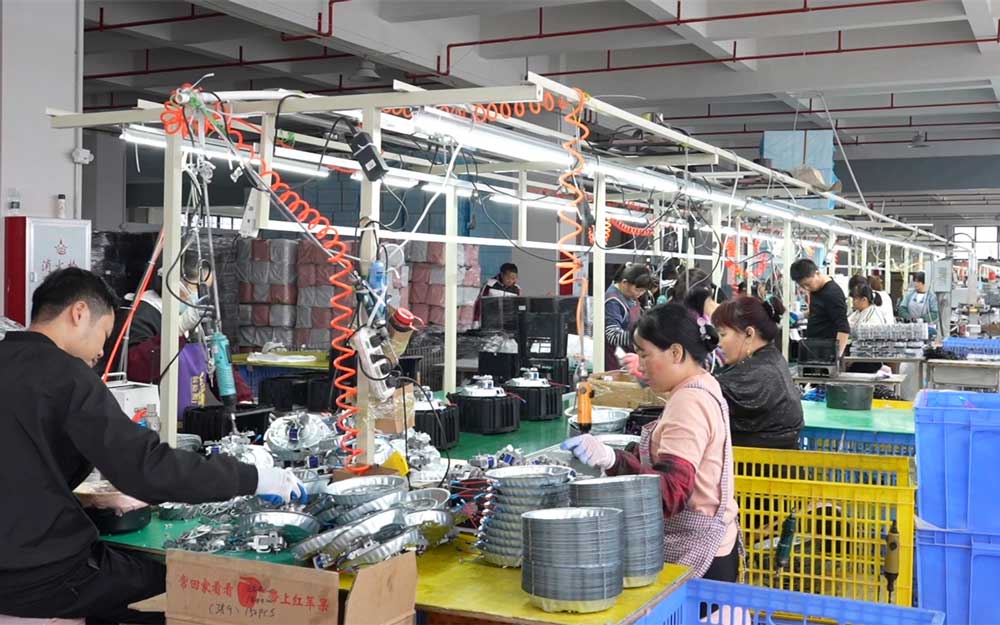
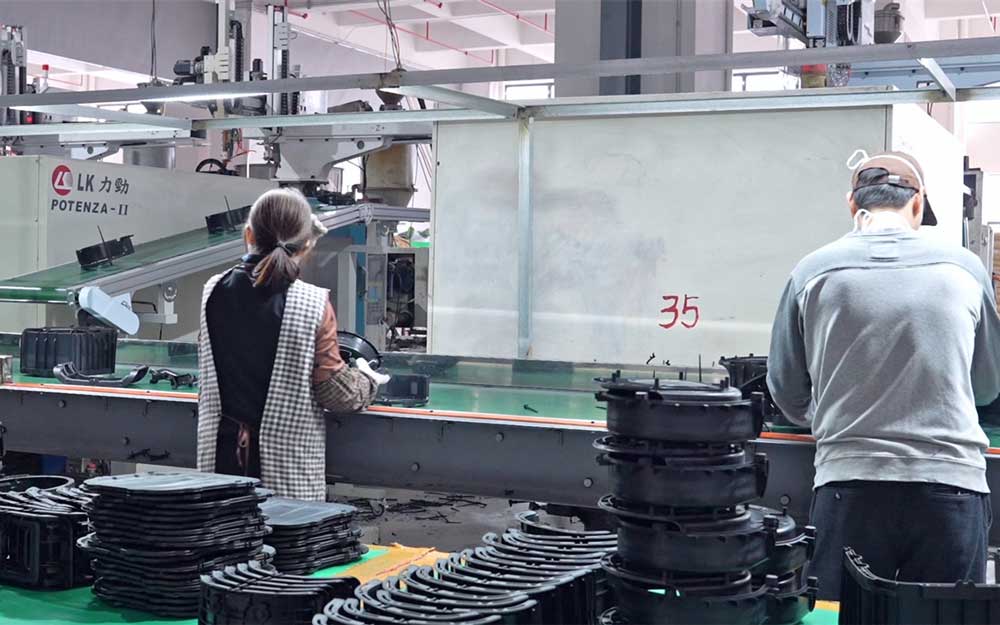
Technical details, purchasing criteria, and engineering specifications for B2B procurement managers and distributors.
Standard household processors utilize high-speed, low-torque motors designed for slicing and chopping. Pounded yam requires structural starch stretching, which demands a high-torque, lower-RPM mixing mechanism. A dedicated yam pounder features robust planetary gear reductions and reinforced food-grade blades that stretch and fold the starch matrix without overheating the motor.
Yes. As a major OEM/ODM exporter, we custom-engineer motor wind configurations and wiring to match local grid standards, including 220V-240V/50Hz for Nigeria, West Africa, and Europe, as well as 110V-120V/60Hz for the North American market. We also fit the correct regional plug configurations (UK Type G, European Type C/F, US Type B, etc.) during assembly.
Our raw materials and finished products meet major international standards. The plastic parts are BPA-free, and we use food-safe glass or AISI 304/316 stainless steel for parts in contact with food. Our products carry CE, CB, RoHS, and LFGB certifications, ensuring they comply with food contact regulations in European and North American markets.
For standard OEM requests—such as custom logos, customized instruction manuals, and branded packaging—our MOQ typically starts at 1,000 units. For deep ODM projects requiring unique injection-molded casings, custom control PCBA designs, or structural modifications, MOQs vary based on tooling investment and design complexity. Please contact our sales team to discuss details.
We implement a comprehensive QC process. This includes incoming quality control (IQC) on raw materials, in-process testing on the assembly line, and burn-in testing of motors under load. We also carry out high-torque testing on our food preparation appliances to verify that the thermal cutoff sensors and gearboxes perform reliably over long-term use.
For initial OEM orders requiring packaging approval, the lead time is typically 35 to 45 days. Repeat orders can often be processed and loaded for shipment within 30 days. This timeline is supported by our high daily output capacity of 10,000+ units across our production lines.
Explore additional high-performance solutions from our production facility designed to meet international safety standards.
 Zhenmei Electrical