Explore our high-throughput commercial and domestic kitchen appliances designed for global distribution, built with certified manufacturing standards.

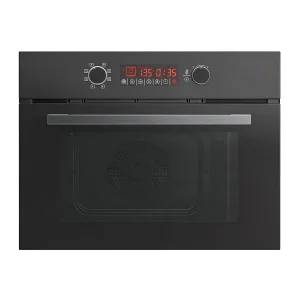
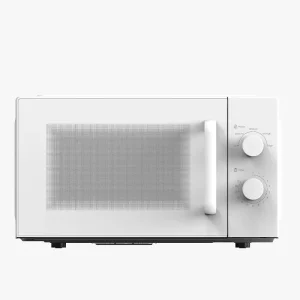
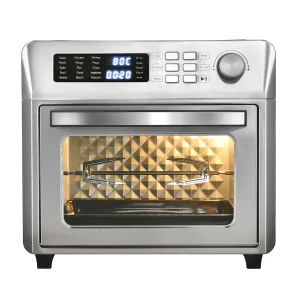
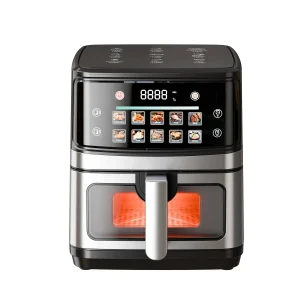
Analyzing the paradigm shift in electromagnetic heating technologies for commercial, institutional, and residential enterprises.
Modern bulk procurement demands more than standard mechanical assembly. Strategic differentiation relies on volumetric efficiency (cavity geometry optimization), microwave feed positioning (waveguide optimization), and smart inverter controls that protect the dielectric structure of processed foods.
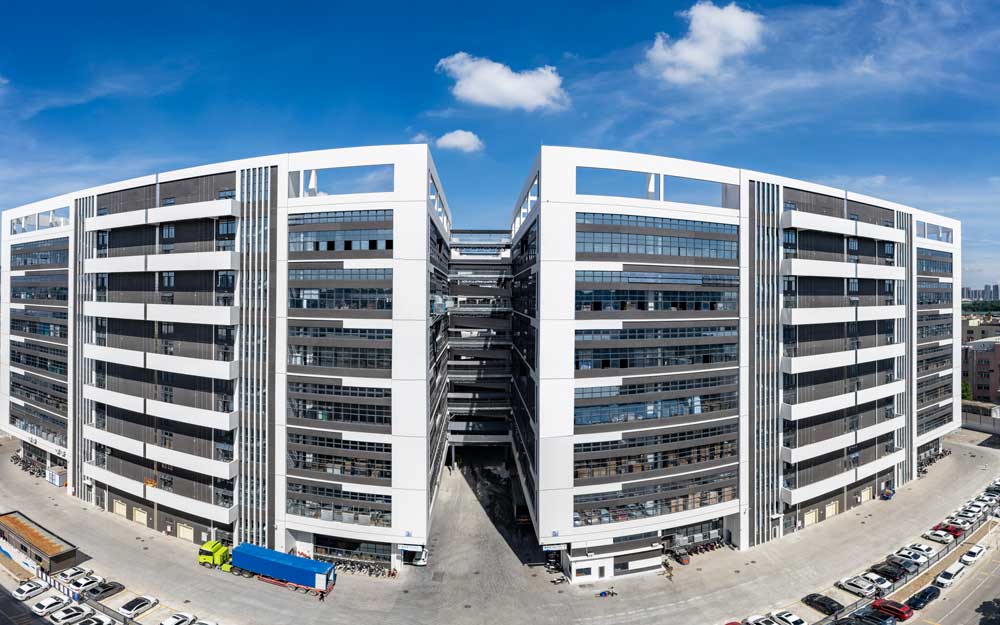
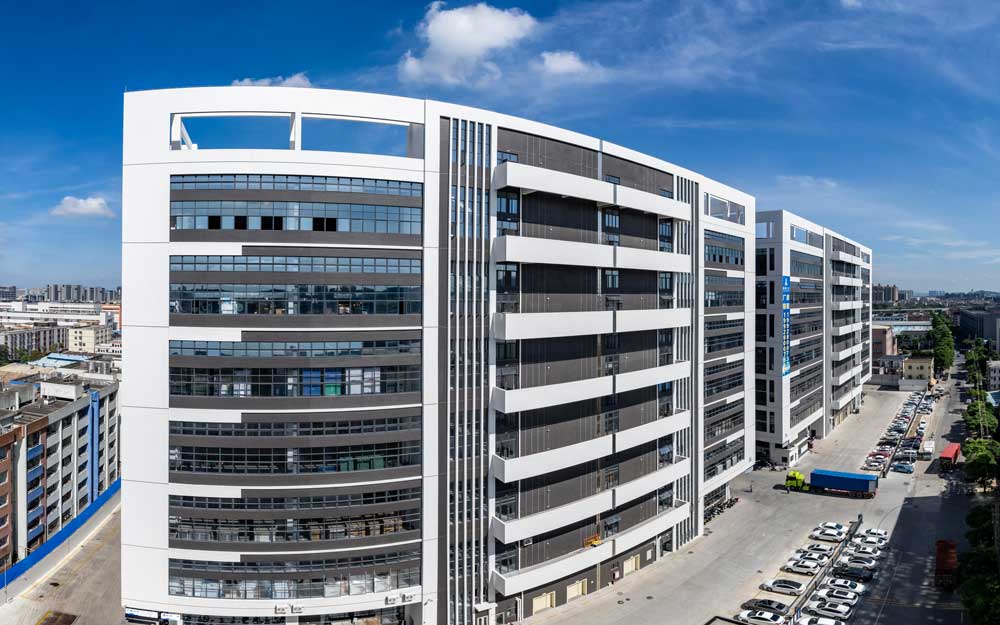
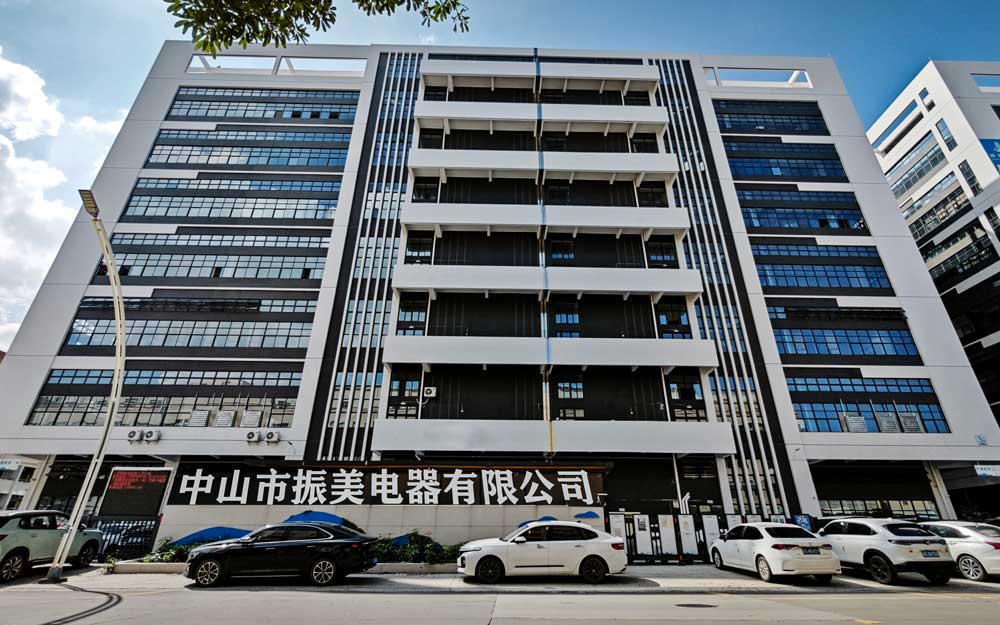
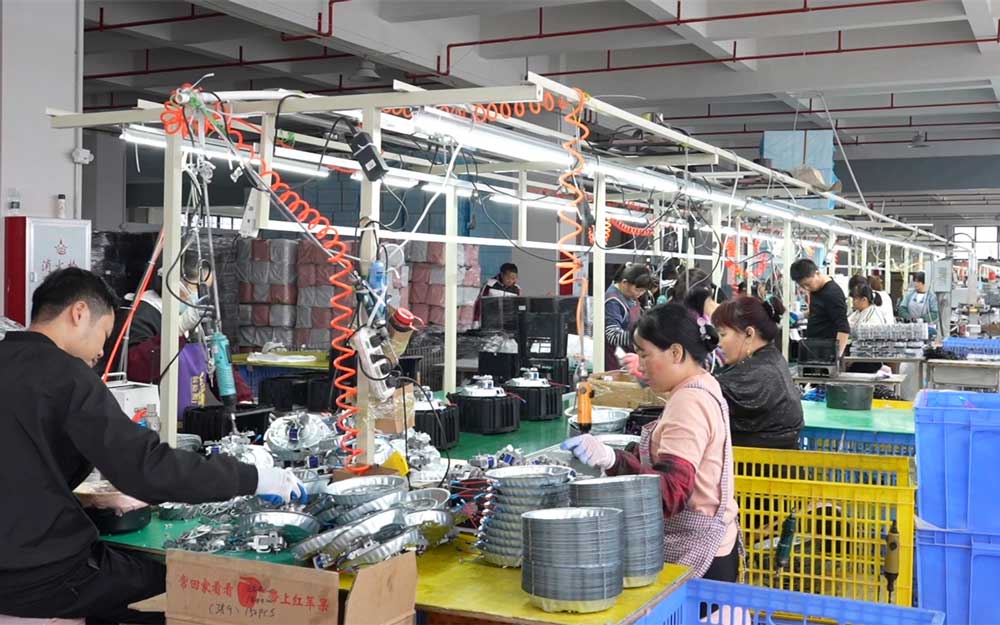
As global supply chains continue to realign, procurement officers, brand managers, and commercial kitchen suppliers require a reliable structural partner to deliver heavy-duty cooking systems. Zhongshan Zhenmei Electrical Appliance Co., Ltd. stands at the forefront of this industrial integration. Operating from an expansive, vertically integrated 40,000-square-meter production base powered by over 300 highly specialized technicians, we manage the complete lifecycle of product design, engineering prototyping, regulatory validation, and high-capacity manufacturing runs.
Our operation is designed for seamless OEM/ODM collaboration, integrating sophisticated design philosophies with massive scale. With a stable daily capacity exceeding 10,000 units, we possess the raw manufacturing capacity and engineering agility required to serve leading global brands, institutional distributors, and international private labels.
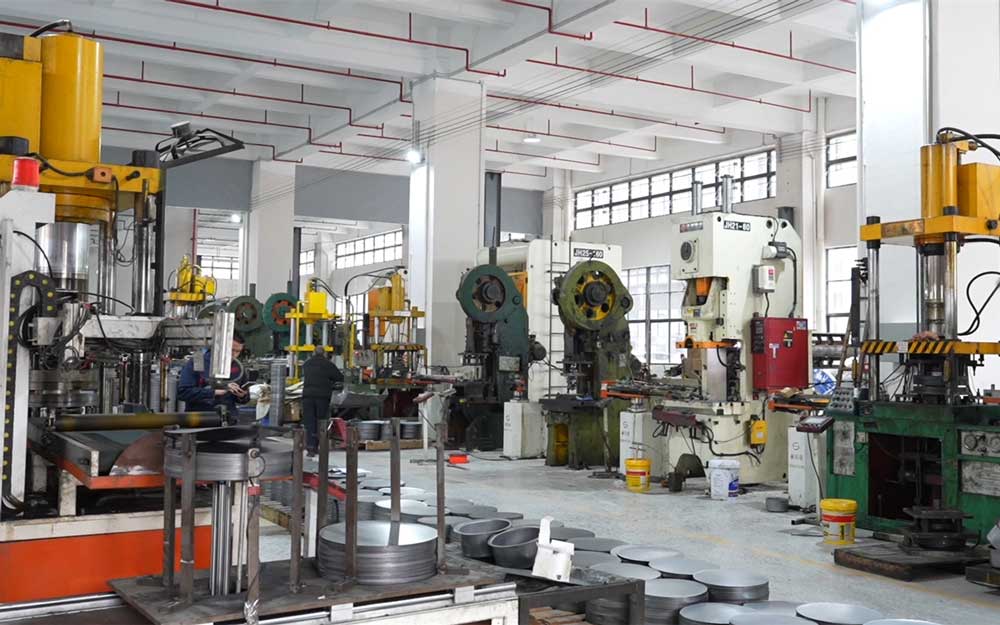
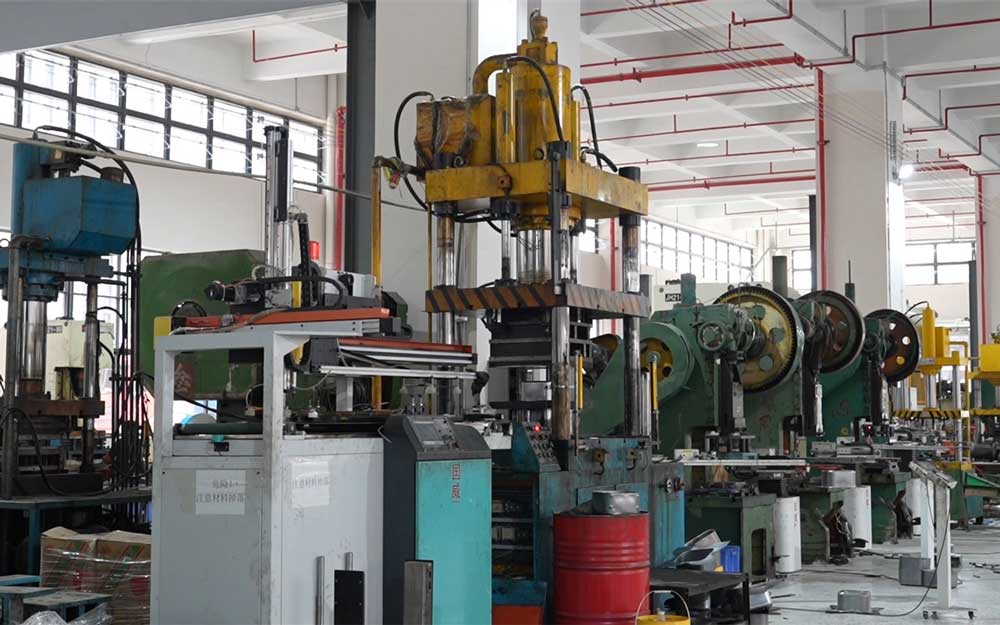
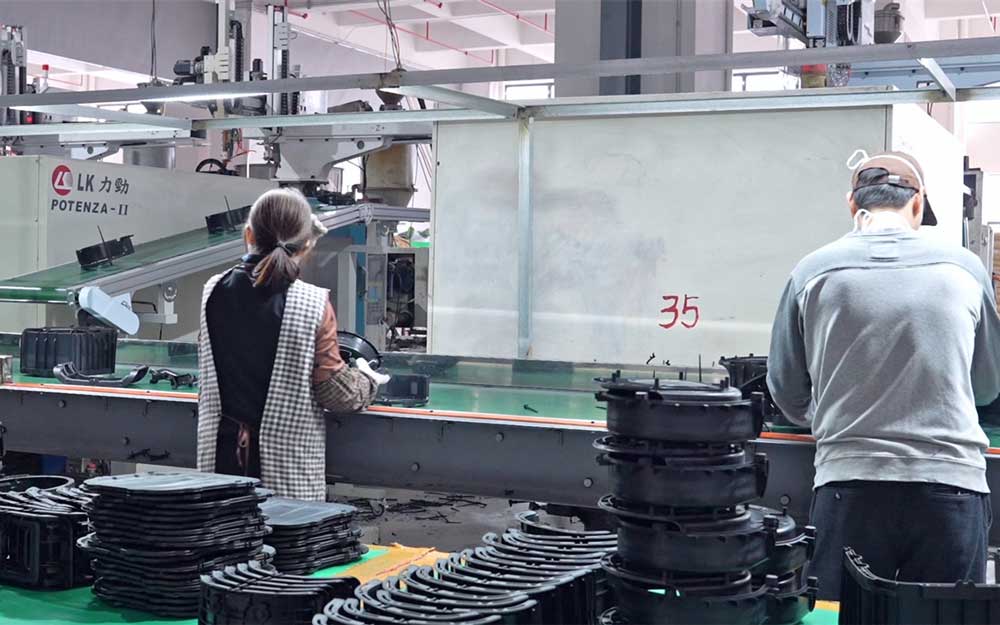
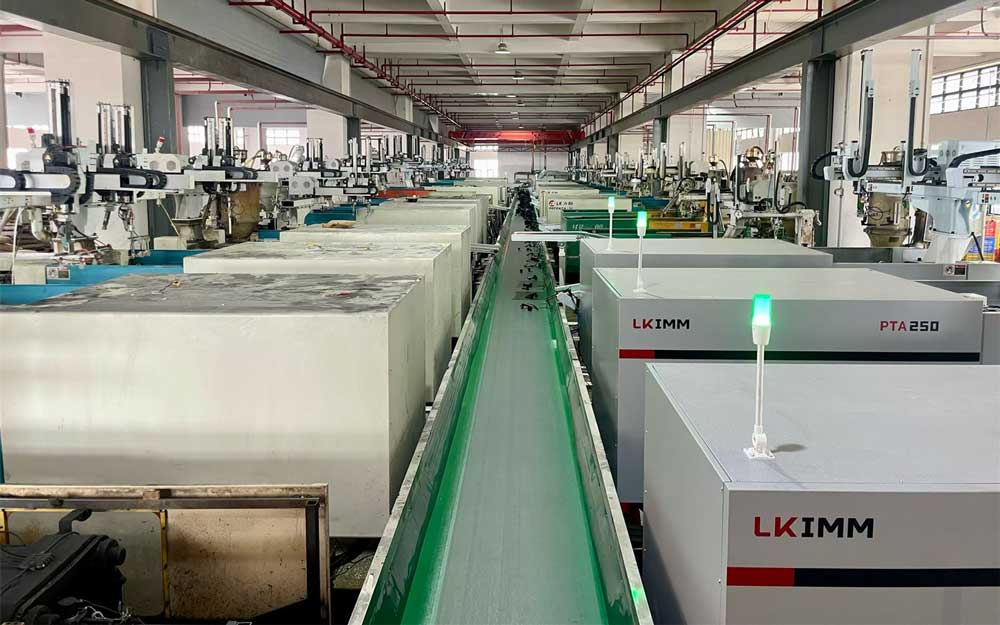
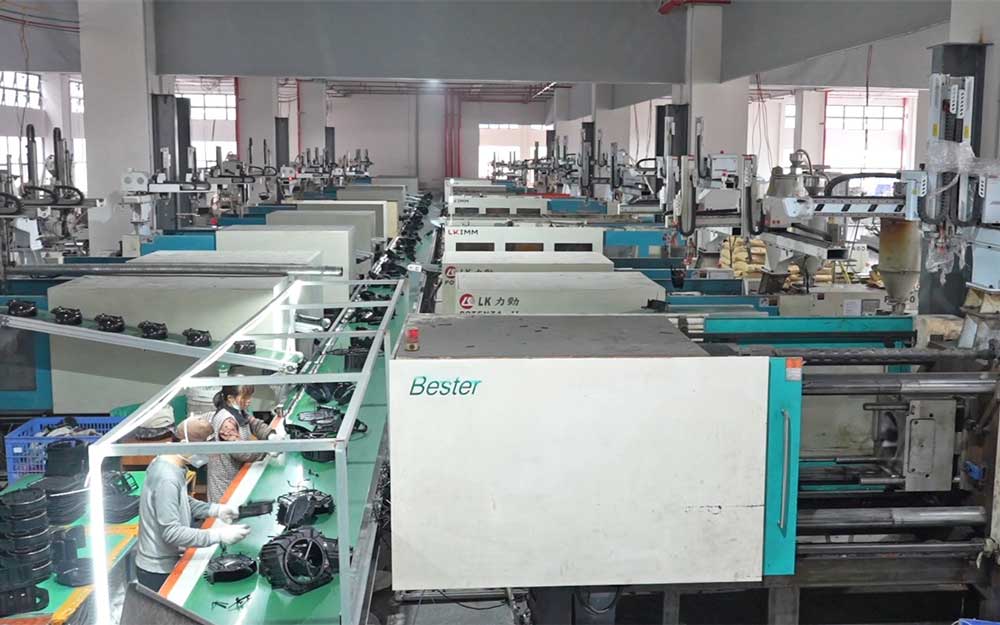
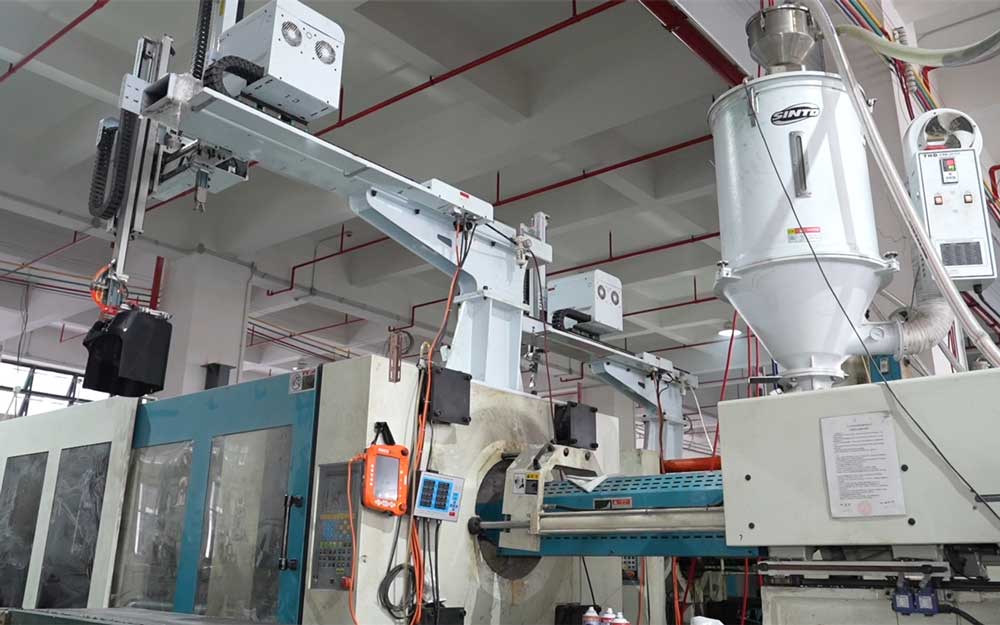
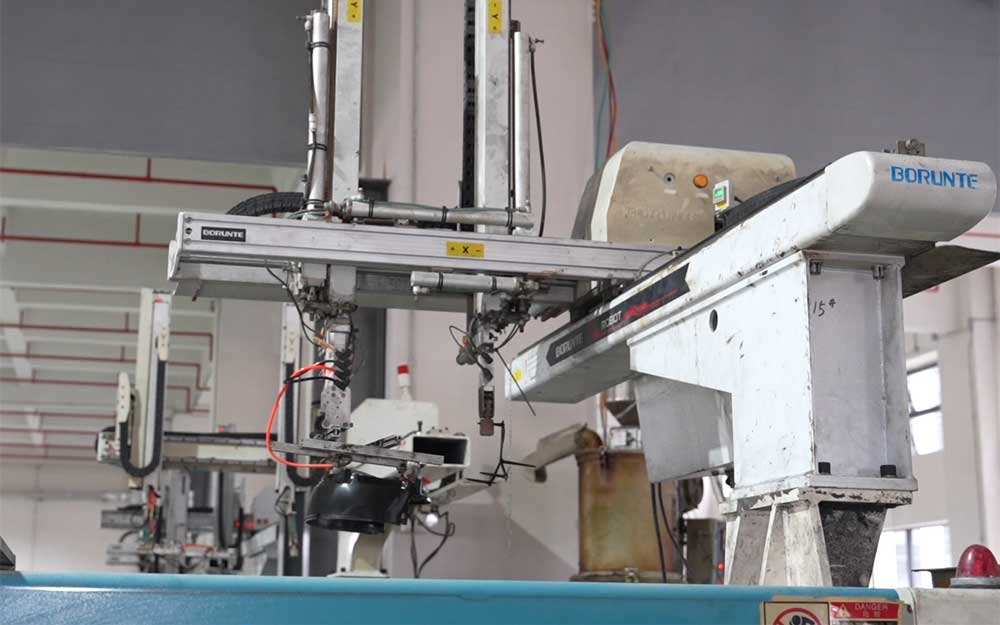
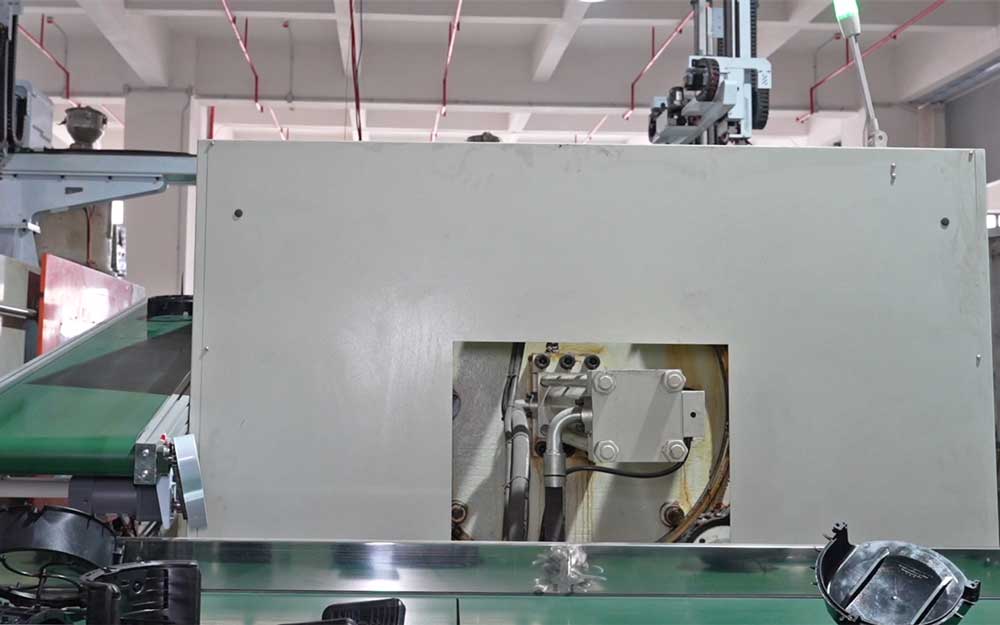
Our facility is equipped with automated metal stamping lines, high-precision injection molding arrays, dust-free electrostatic painting booths, and advanced electronic assembly chambers. We maintain strict control over component sourcing, ensuring that key electromagnetic modules (like high-frequency magnetrons and control panels) are engineered to operate continuously without thermal degradation.
The global footprint of professional heating equipment spans multiple commercial sectors, each with unique requirements:
Quick-Service Restaurants (QSR) require commercial units featuring dual-magnetron systems, heavy-duty door latches rated for 300k+ cycles, and programmable multi-stage cook cycles.
Institutional spaces demand high capacity, simple controls (e.g., dial timers), high energy-efficiency, and low maintenance overhead to minimize operational downtime.
Modern homes require premium integrated units featuring low-vibration operation, smart sensor reheat technology, and seamless integration with smart home ecosystems.
Industrial microwave engineering focuses on managing thermal gradients and avoiding hotspots. Traditional consumer-grade ovens distribute microwaves using a rotating turntable, whereas commercial platforms utilize a rotating stirrer fan system mounted above the cooking chamber. This ensures even energy distribution, allowing large dishes to heat uniformly without moving components inside the high-wear cavity zone.
The Pearl River Delta, specifically Zhongshan, serves as the premier manufacturing ecosystem for complex consumer electronics and appliances. Our geographical advantage translates to high efficiency through localized vertical integration:
The heating appliance landscape is undergoing a digital transformation. We align our manufacturing research and development program with four primary technological vectors:
Traditional microwave ovens rely on pulsing high-voltage power on and off to simulate low-heat modes, which can dry out food surfaces. Our advanced variable frequency inverter models deliver continuous, controlled energy waves, preserving nutrients, enhancing texture, and reducing power consumption by up to 22%.
Moving away from vacuum-tube magnetrons, we are researching semiconductor-based solid-state generators. Solid-state technology enables precise control over phase angle, frequency adjustment, and output power, allowing the system to adapt dynamically to the food's changing dielectric characteristics.
Integrating non-contact infrared thermal arrays and relative humidity sensors allows for real-time cooking adjustments. Our developmental platform supports smart cooking, remote diagnostic monitoring, and firmware updates (OTA) via secure Wi-Fi modules.
Different markets present distinct regulatory, environmental, and behavioral challenges. We address these through localized engineering modifications:
Products must comply with UL 923 safety standards and FCC Part 18 radiation requirements. Heavy duty draw-style doors, ADA compliant control panels, and grounding protection systems are standard configurations.
Compliance with CE, GS, and ErP Eco-design directives (under 0.5W standby power) is required. Integration with RoHS/REACH material safety protocols is handled at the raw-material entry stage.
Specialized tropicalized conformal coatings protect control circuit boards (PCBs) from high humidity. Units are also configured to handle regional grid voltage fluctuations.
Expert answers addressing the technical, logisitical, and engineering questions asked by professional volume buyers.
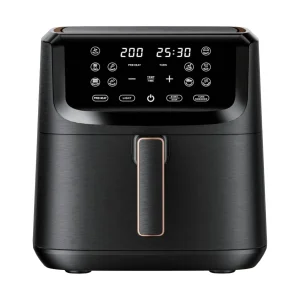
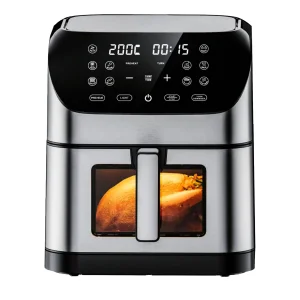
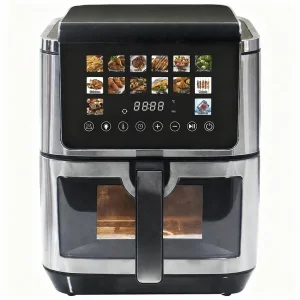
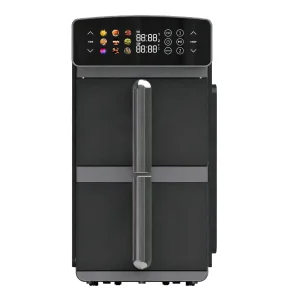
Select specialized appliances designed to deliver precision, high volume capacity, and long-term mechanical reliability.

 Zhenmei Electrical