Explore our high-performance culinary equipment engineered for consistency, high-volume productivity, and structural endurance.
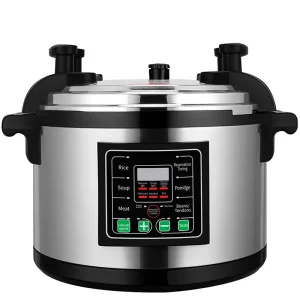
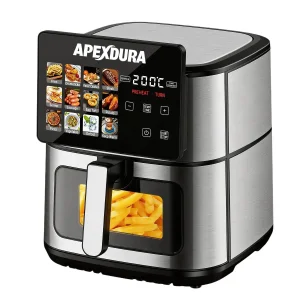
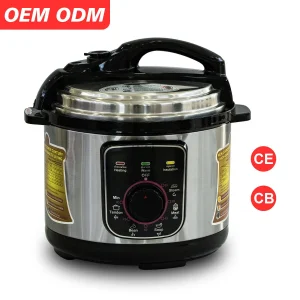
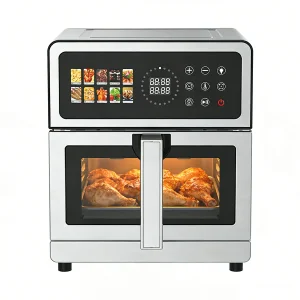
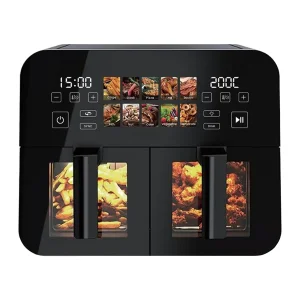
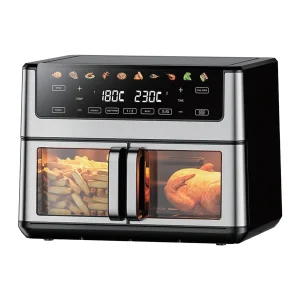
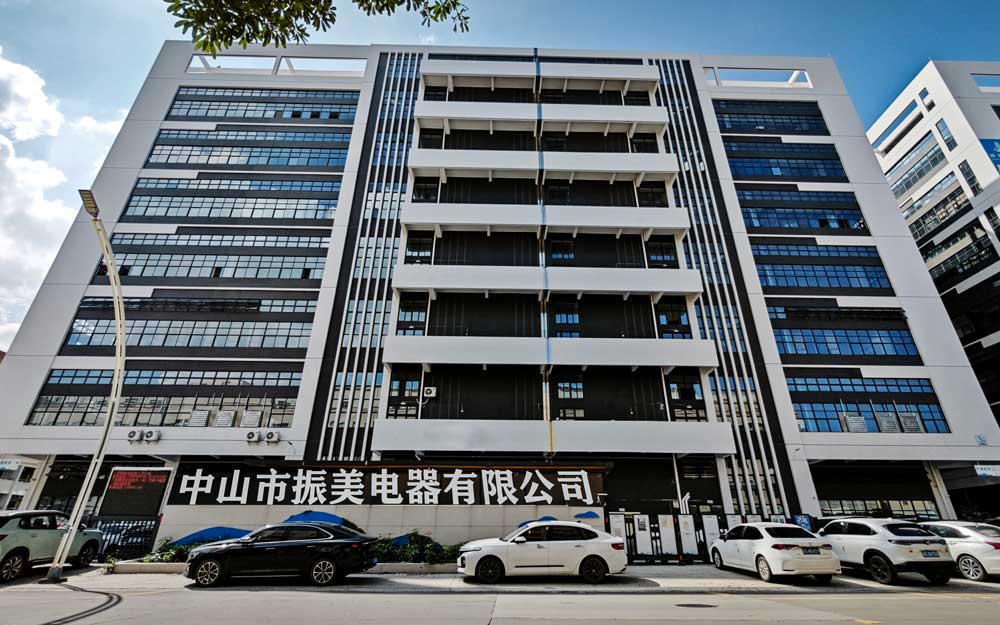
As a leading premier OEM/ODM manufacturer in the global kitchen appliance domain, we bring over 16 years of specialized manufacturing experience to the international market. Operating from a massive, highly integrated 40,000 square meter advanced production facility, our enterprise bridges the gap between innovative conceptual design and high-volume, defect-free supply chains.
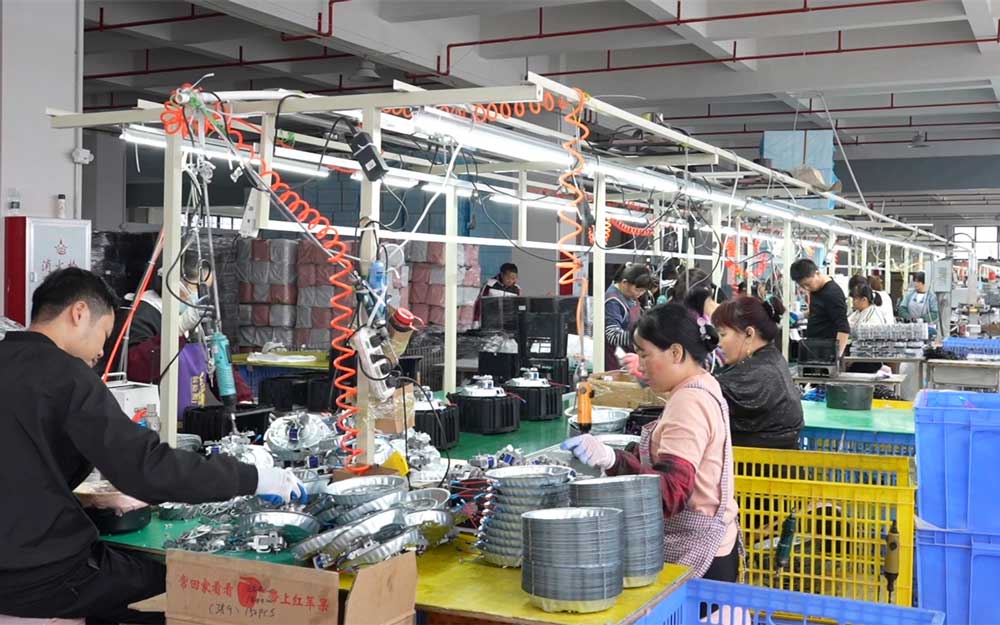
Underpinned by a dedicated team of 300+ professionals and 20+ specialized R&D engineers, we maintain end-to-end quality protocols that comply with global certification standards. Our production capacity routinely exceeds 10,000 units daily, ensuring short lead times, stable pricing structures, and unparalleled scalability for global brand managers, importers, and retail chains.
How technical innovations in drive engineering, sound isolation, and control interfaces are shaping the next generation of food prep systems.
Modern commercial operations are shifting rapidly away from traditional carbon-brush AC motors to Brushless DC technology. BLDC motors offer up to 40% higher energy efficiency, generating significantly less thermal energy during continuous operation. This extends the service life of the machine, eliminates brush wear debris, and permits micro-adjustable torque controls that adapt instantly to changing viscosity inside the jar.
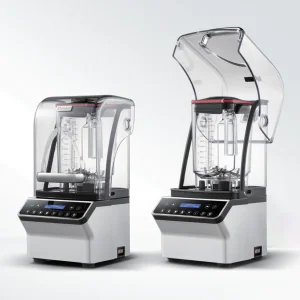
Decibel levels in open-kitchen commercial environments, such as juice bars, cafes, and hotels, have become a major customer-experience factor. High-performance blenders now incorporate specialized sound enclosure hoods constructed from high-density, impact-resistant polycarbonate. These shields work in tandem with internal vibration-damping gaskets, reducing operational noise from a harsh 85+ dB down to a conversational 60-65 dB.
Operator variation is the enemy of consistency in franchise establishments. Modern blending systems feature microprocessors pre-programmed with optimized velocity ramp profiles. These preset cycles manage blade acceleration, deceleration, and pulse intervals to ensure uniform texture across smoothies, soups, and heavy purées. Advanced modules now integrate IoT connectivity for centralized menu updates across global chains.
Blender technology is no longer confined to home kitchens. From commercial chains to industrial food processing, demand for heavy-duty blending systems is scaling.
For high-throughput beverage chains and busy hotel kitchens, equipment reliability directly dictates revenue. Blenders must execute hundreds of cycles per day, handling solid frozen fruit and hard ice without overheating. Dual-bearing assemblies, high-tensile stainless steel blades (specifically SUS420 or SUS301 grade), and rugged mechanical couplings are essential to prevent downtime during peak service hours.
At the light-industrial level, blenders serve as primary processing units for customized sauce, condiment, and emulsion batches. These operations require large-capacity vessels (2.0L up to industrial scaling) made of BPA-free Tritan co-polyester or high-grade stainless steel. Such units must feature safety interlocks, over-current thermal sensors, and stable bases to prevent tipping or motor burnout during long-duration runs.
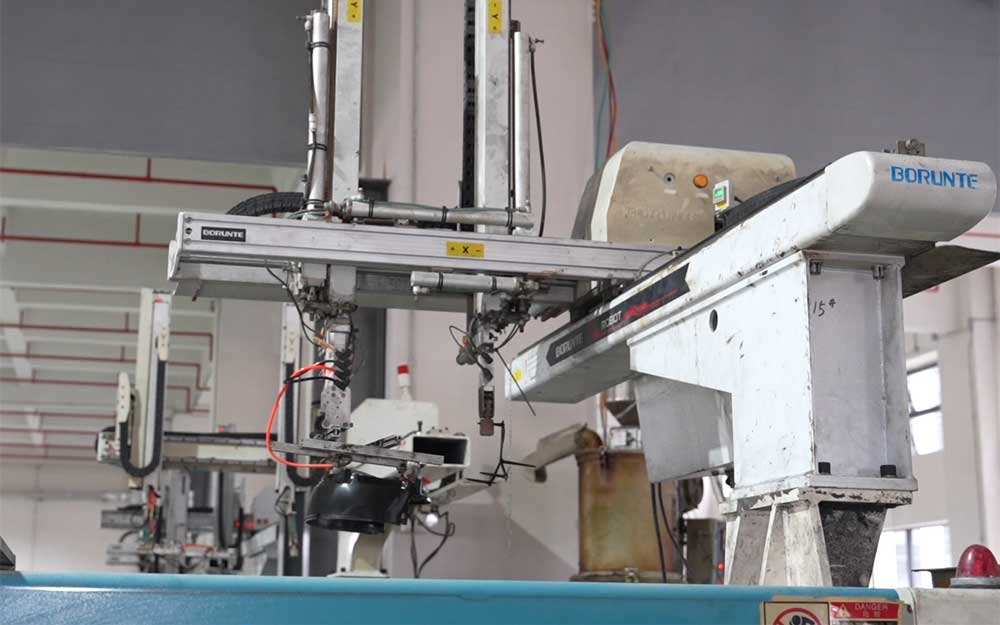
By implementing Factory 4.0 paradigms, we optimize tool changeovers, monitor cycle times in real-time, and control energy expenditure across all molding lines. This keeps our carbon footprint low and our pricing highly competitive.
The modern global supply chain demands more than simple cost-reduction. It requires high resilience, strict quality control, and rapid response mechanisms. At our facility in Zhongshan, China, we have integrated Industry 4.0 principles to build a robust, vertically integrated ecosystem.
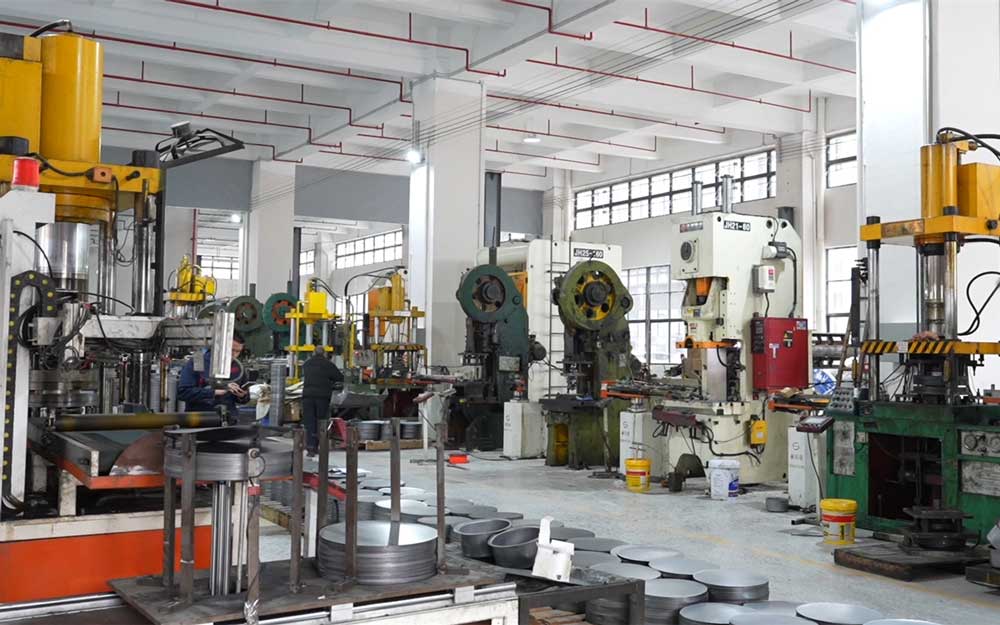
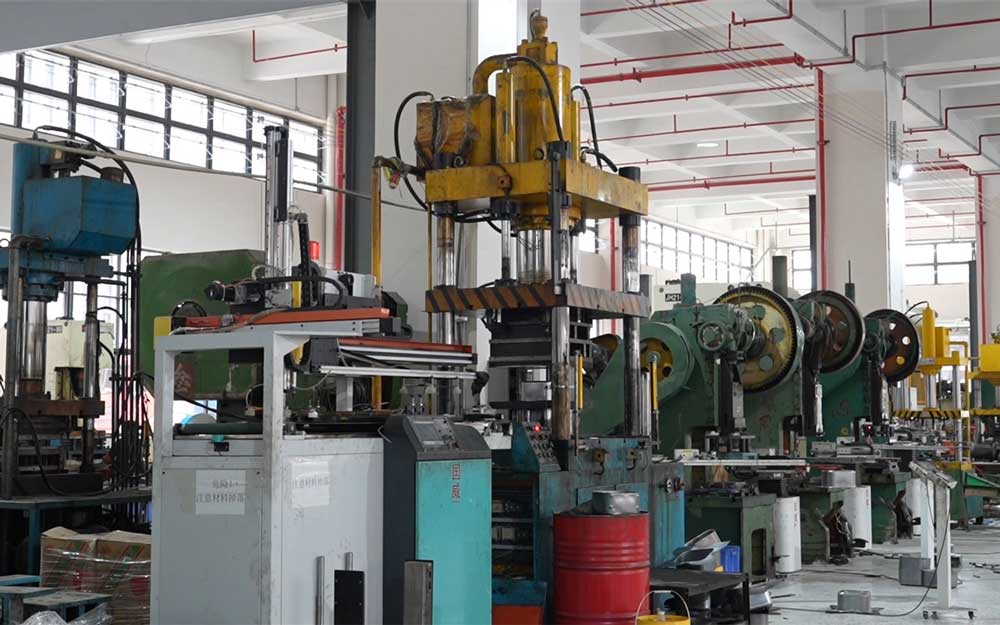
Because we carry out plastic injection, motor assembly, metal stamping, and PCB testing in-house, we reduce reliance on third-party suppliers. This configuration insulates our clients from raw material delays, ensures uniform tolerances between mating parts, and enables us to adapt production lines quickly to accommodate emergency shifts in order volumes.
An analytical guide for international procurement directors, distributors, and brand managers seeking reliable manufacturing partners.
Navigating varying regional standards (ETL/FDA/NSF for North America, CE/RoHS/CB/GS for Europe) is a primary challenge for brand managers. A reputable manufacturer must provide verified certificates, food-grade contact reports (LFGB/FDA), and EMC testing reports to ensure hassle-free customs clearance and retail distribution.
True OEM/ODM partners must support deep customization beyond logo printing. This includes custom programming for control PCBs, designing bespoke blade geometries for specific ingredients (e.g., dry vs. wet ingredients), and modifying physical shapes to align with a client's existing product family design language.
Evaluating unit cost alone is a common procurement pitfall. Buyers must consider shipping optimization (flat-pack options, high-density packaging design), defect rate guarantees (e.g., keeping RMA under 0.5%), and the availability of spare parts (such as replacement drive sockets, jars, and carbon brushes).
Adapting blender configurations to match regional operational habits, climatic parameters, and dietary preferences.
In North America, high-power commercial blenders (typically 1500W-1800W) are standard for producing thick, low-liquid smoothie bowls, milkshakes, and blended coffees. These machines require high-torque motors paired with aggressive vortex-inducing jar shapes and hardened steel drive couplings to handle dense ice and frozen fruits without motor stall.
European markets place high value on noise control, energy efficiency, and strict chemical safety standards (such as BPA-free materials and REACH compliance). Blenders here are frequently configured with thick acoustic hoods, low-emission brushless motors, and sleek, space-saving designs tailored for compact bistro countertops.
Hot, humid climates call for exceptional thermal dissipation systems in the blender base. Additionally, these regions often use blenders for hot culinary preparation, such as blending hot soups and grinding dry spices. This requires high-temperature-resistant jars (like borosilicate glass or high-temp copolyester) and robust internal cooling fans to ensure long duty cycles.
For large restaurant and coffee chains, consistency and ease of training are critical. Our blenders are designed to support digital menu synchronization across locations. With pre-programmed one-touch buttons and clear LED status panels, even entry-level staff can prepare identical recipes consistently, reducing waste and speed-of-service times.
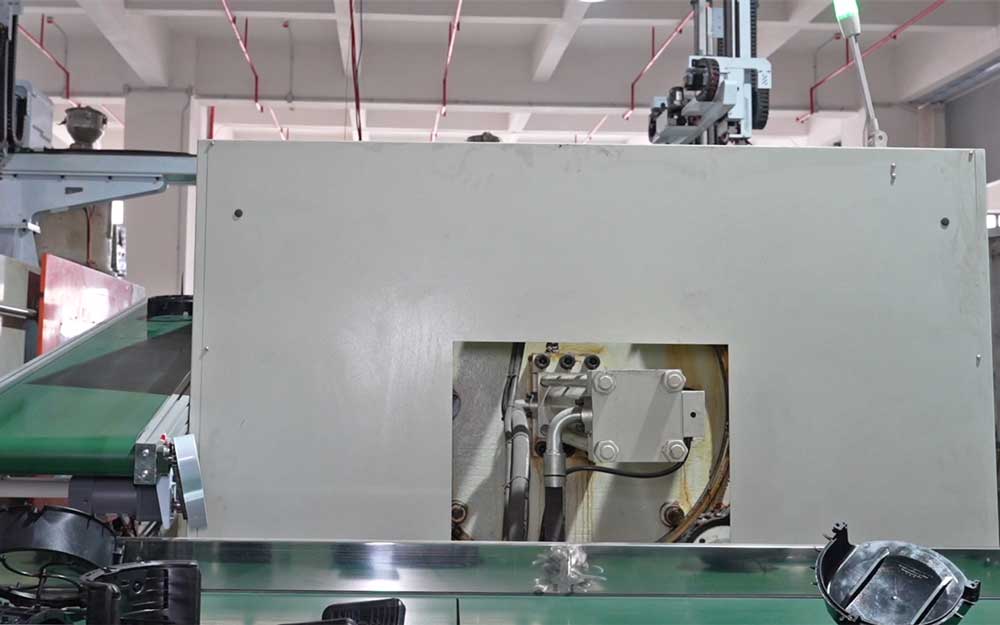
A transparent look inside our manufacturing base: clean assembly areas, precise test labs, and modern production lines.
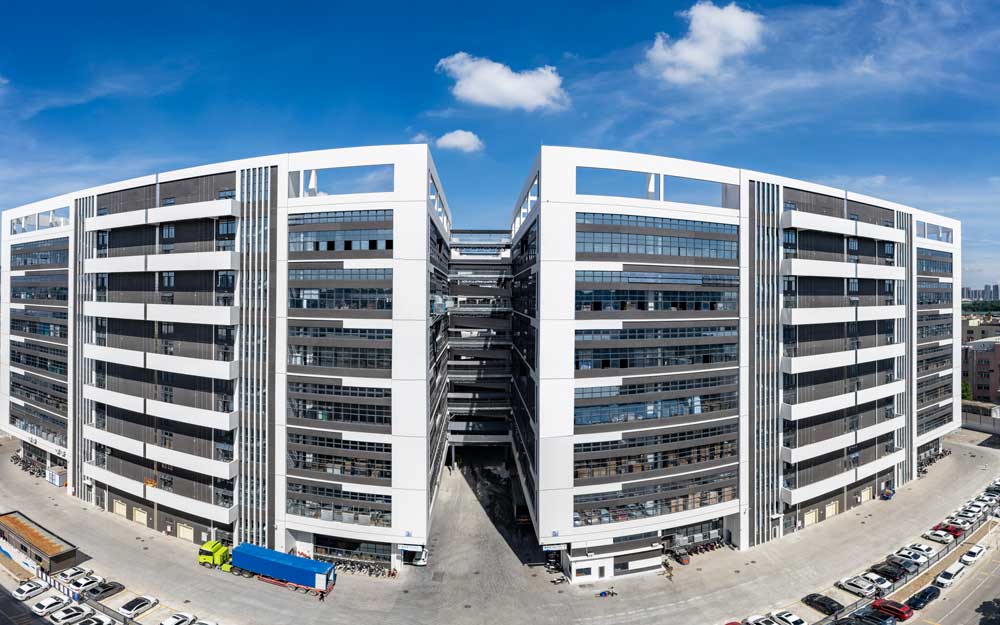
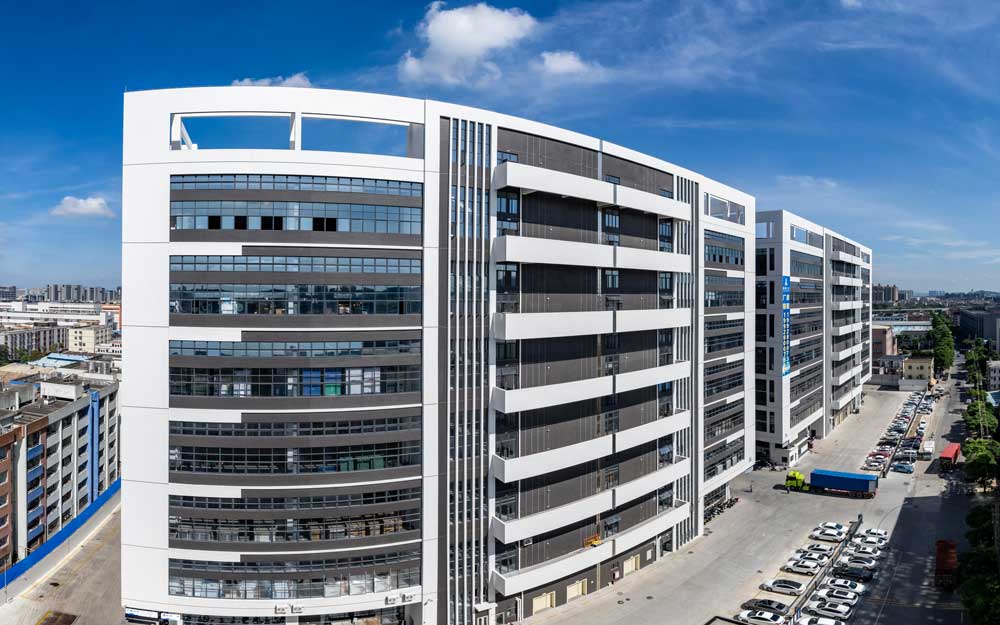
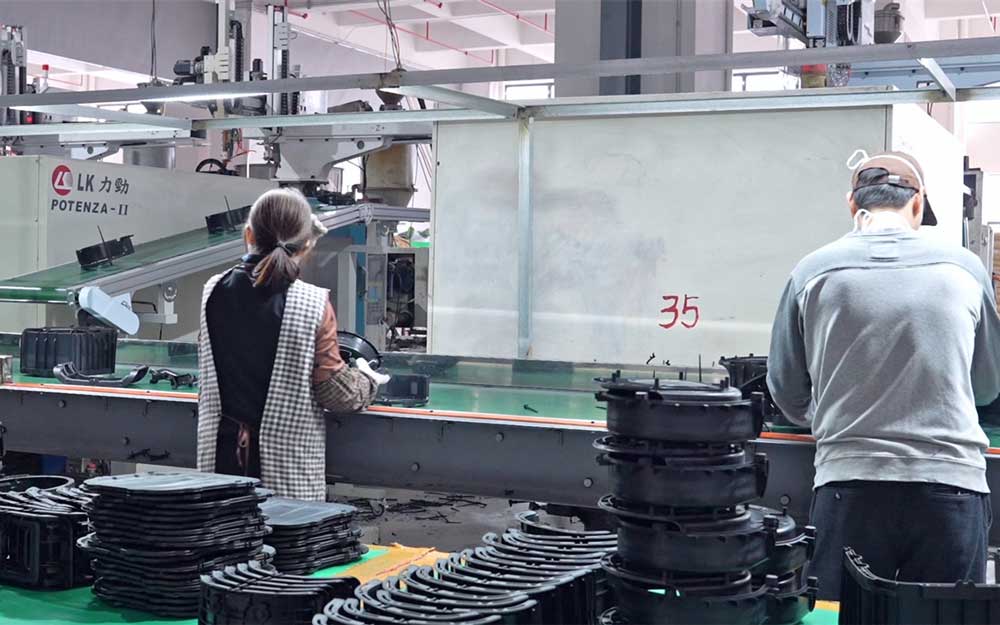
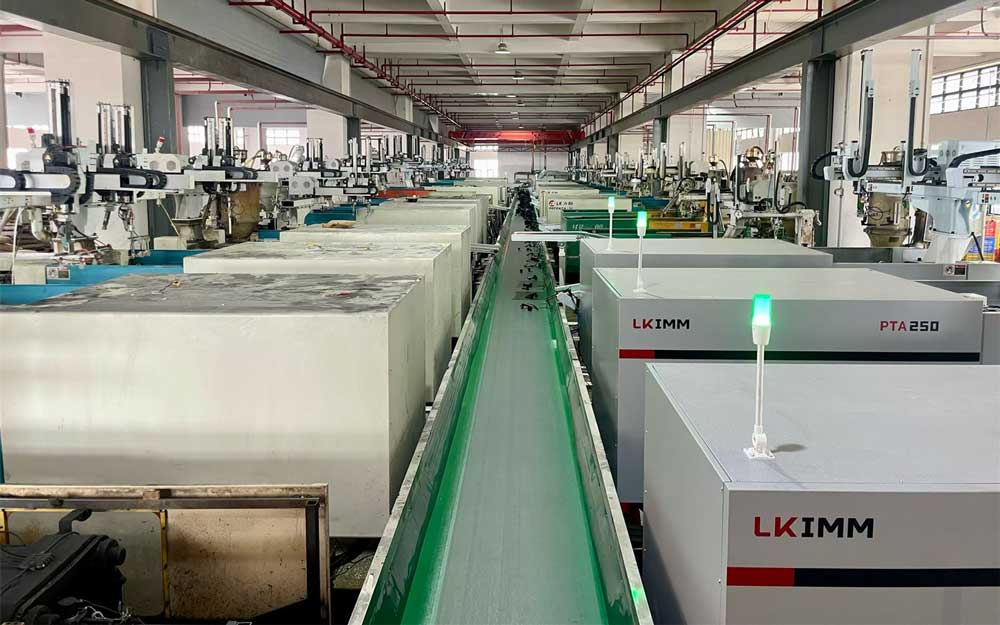
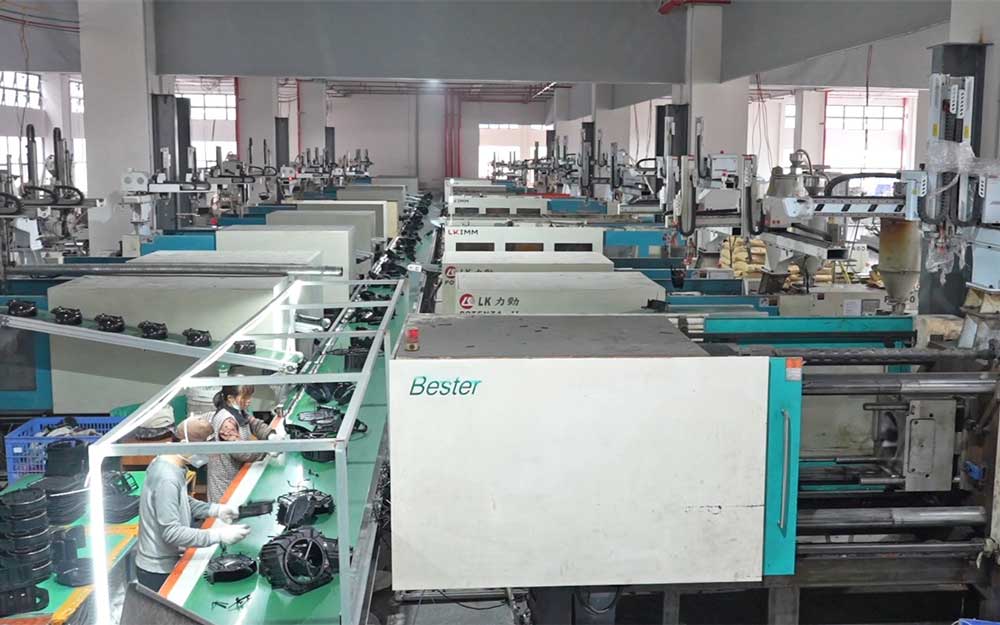
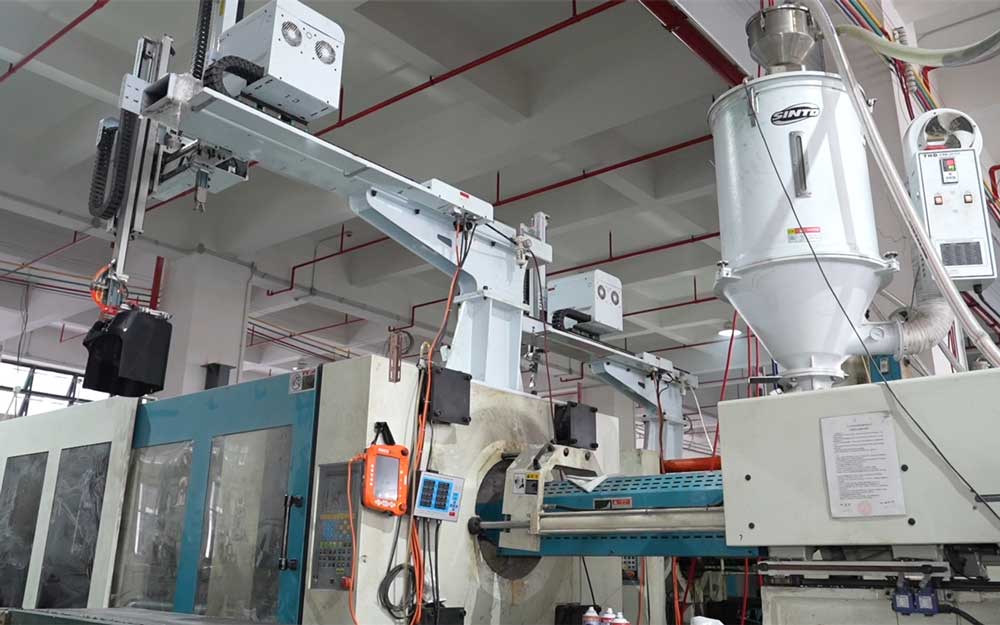
Detailed technical, logistical, and design-focused answers for B2B buyers and commercial engineering partners.
Brushless DC (BLDC) motors offer major advantages over traditional carbon-brush universal motors:
Our sound shield systems employ advanced acoustic engineering. They are molded from a dense, sound-refracting polycarbonate polymer that blocks sound transmission. The shield seals tightly against rubber vibration-damping gaskets located on the motor base. This design captures both the high-frequency motor whine and blade vibration noise, reducing typical sound levels from 85 dB to a quiet 62-65 dB range.
For our high-performance blenders, we use premium food-safe plastics and metals. Our jars are primarily made from Eastman Tritan™ Copolyester, which is 100% BPA-free, highly shatter-resistant, and chemically stable when exposed to hot liquids or high-acid food ingredients. For specialized hot food applications, we also manufacture jars using borosilicate glass or SUS304-grade stainless steel.
We provide comprehensive OEM/ODM services, including:
Our QC process spans several critical stages to ensure reliable output:
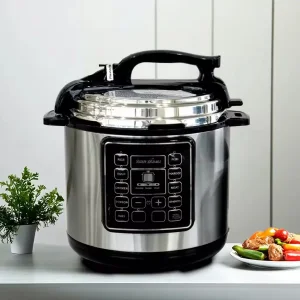
Discover our range of advanced commercial blenders, intelligent multi-cookers, and espresso equipment.
 Zhenmei Electrical