Premium OEM/ODM home and commercial kitchen appliances manufactured under rigorous international quality controls.
Aligning raw power specs with real-world kitchen applications for high-efficiency procurement.
Balancing starting torque ($T_s$) and angular velocity ($\omega$) is critical. High-speed blenders require precise engineering to maintain rotation under high food-load drag without stalling.
Utilizing high-grade copper windings with Class H or Class F insulation thermal boundaries protects systems against thermal runaways, extending continuous duty cycles (S1 to S2).
Advanced Brushless DC (BLDC) and Heavy-Duty Universal AC options are designed for operational life metrics (MTBF) exceeding 5,000 hours, keeping downstream warranty rates below 0.3%.
In B2B culinary manufacturing and commercial food appliance distribution, specifying the exact motor properties for food prep blenders represents a pivotal engineering choice. Motor performance is not merely a question of consumer-facing wattage numbers. True performance lies at the intersection of electrical energy transfer, copper coil winding quality, structural bearing friction coefficients, and mechanical torque delivery under peak viscous resistance.
Whether sourcing motors for heavy-duty commercial food service blenders, high-performance residential nutrient extractors, or silent beverage machines, engineering procurement teams must look past input power marketing claims and deep into mechanical power factors. This B2B guide dissects the physical architectures, thermal characteristics, and factory criteria required to source high-reliability blender motors globally.
In B2B motor design, we express the total mechanical output of a motor through the basic physical equation: $$P_{out} = \tau \times \omega$$ Where $P_{out}$ is the mechanical power output in Watts, $\tau$ represents the shaft torque in Newton-meters ($N\cdot m$), and $\omega$ represents the angular velocity in radians per second. Understanding this relation helps explain why two motors both rated for 1500W input power can perform completely differently when blending high-density fibers or heavy ice mixtures.
Consumer marketing typically emphasizes electrical input power (e.g., 1800W or 2200W). However, low-efficiency motor laminations, sub-optimal copper purity, and excessive frictional losses can lead to low efficiency. This means that a large portion of that electrical input power is lost as heat instead of driving the blending blades. High-efficiency commercial motors, engineered with precision silicon steel stators and pure copper coil geometries, achieve electrical-to-mechanical efficiency levels above 80%. This guarantees high starting torque, preventing motor stalling when the blender container is loaded with ice, frozen berries, or dense purees.
Choosing between traditional alternating current (AC) Universal series-wound motors and modern Brushless DC (BLDC) motor designs is a critical decision in product development. Below, we compare the key technical and commercial metrics of these two motor architectures to help you select the ideal design for your application.
| Engineering Metric | Heavy-Duty AC Universal Motors | Brushless DC (BLDC) Motors | Strategic Sourcing Impact |
|---|---|---|---|
| Mechanical Efficiency | Typically 55% - 65% due to brush friction and iron core losses. | Exceeds 85% - 92% due to electronic commutation and permanent magnets. | BLDC lowers heat generation and operational power costs. |
| Operating Lifespan (MTBF) | 500 to 1,000 hours (determined by carbon brush wear). | Exceeds 5,000 to 10,000 hours (limited only by bearing life). | BLDC is ideal for high-duty-cycle commercial kitchens. |
| Acoustic Profile (Noise) | 80 dB to 95 dB (high-pitch friction from brushes and high RPMs). | 55 dB to 68 dB (quiet operation, ideal for front-of-house blending). | BLDC minimizes noise without requiring bulky sound enclosures. |
| Speed Regulation | Voltage regulation via Triac; speed drops significantly under load. | Closed-loop PWM feedback maintains set RPM under variable load. | BLDC maintains consistent texture and blend quality. |
| Initial System Cost | Cost-effective design with a simple, mature drive circuit. | Higher initial component cost due to the required electronic controller. | AC Universal is suitable for consumer-grade price points. |
The durability of a blender motor is directly tied to the raw materials chosen during manufacturing. For high-demand applications, specifying 99.9% oxygen-free copper wire for rotor and stator coils is essential. Copper winding wire provides excellent electrical conductivity ($1.72 \times 10^{-8} \ \Omega \cdot m$), reducing internal resistance and lowering the risk of thermal runaway compared to cheaper copper-clad aluminum (CCA) alternatives. Under heavy load, CCA windings can fail prematurely due to high resistance and thermal stress.
In addition to quality windings, high-performance blender motors rely on premium bearings. Using double-shielded, deep-groove ball bearings (such as NSK or NMB brands) ensures the motor shaft can handle both radial and axial thrust loads. High-speed blending generates significant axial force when the blade assembly chops through tough, frozen ingredients. Quality bearings prevent shaft deflection, reduce friction, and keep operational noise low over the life of the product.
The global blender motor market is shifting toward smart, efficient designs. Modern commercial systems incorporate microprocessor-controlled speed regulation. By using Hall sensors embedded in the stator, the motor controller monitors rotational speed in real time. If the blades hit a high-resistance ingredient, the controller increases current in milliseconds to maintain torque. This smart feedback loop prevents clogging and ensures consistent blending results.
Environmental standards and energy efficiency rules are also driving motor design. Factories are shifting toward energy-efficient, recyclable materials. Developing brushless DC motor platforms that reduce rare-earth material dependency while maintaining high torque density is a major focus. Additionally, conforming to strict stand-by energy regulations (such as EuP Lot 6) is a standard requirement for appliances destined for European and North American consumer markets.
Your Premier OEM/ODM Manufacturing Partner for High-Performance Kitchen Appliances
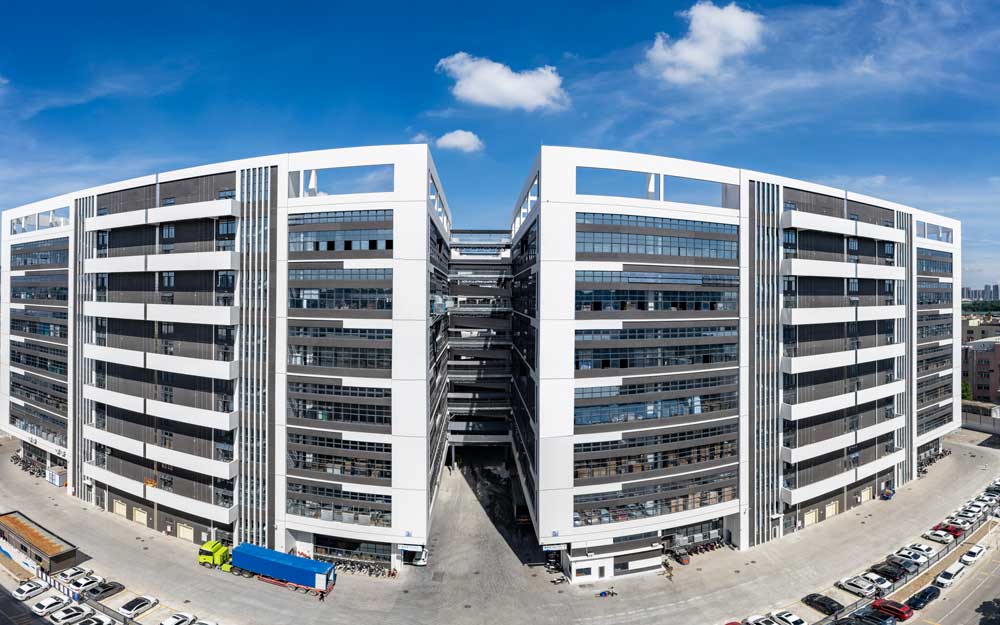
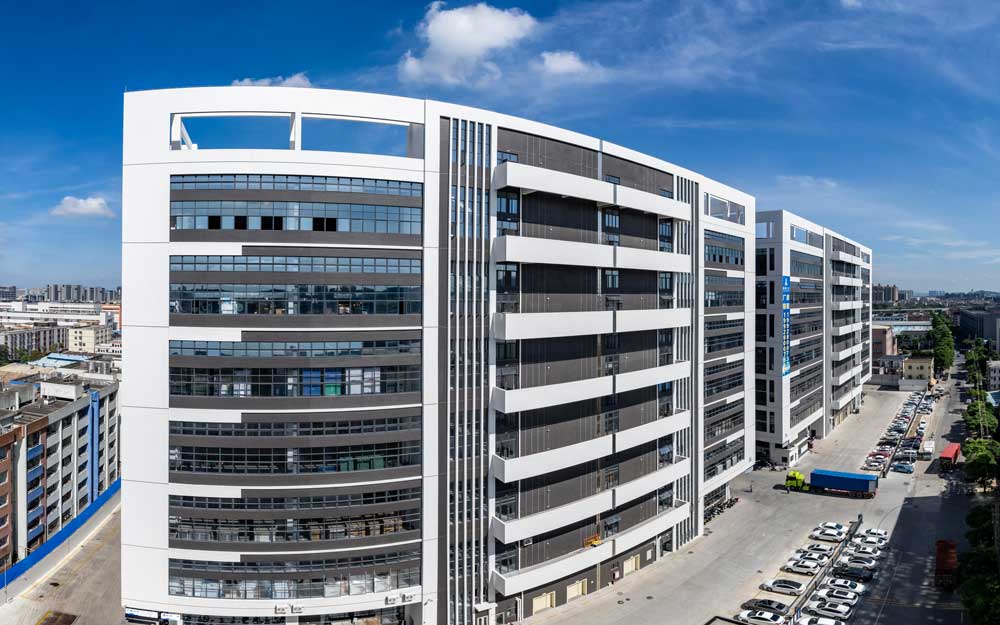
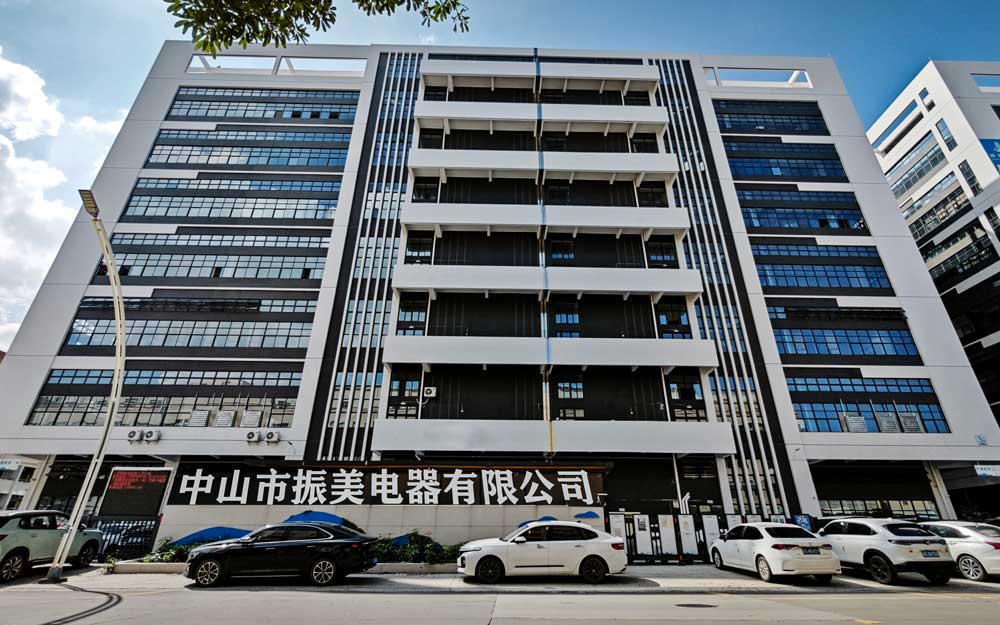
Zhongshan Zhenmei Electrical Appliance Co., Ltd. is a premier OEM/ODM partner specializing in the manufacturing of kitchen appliances, including air fryers, electric pressure cookers, blenders, and more. With over 16 years of expertise, we transform concepts into high-quality, market-ready products for leading global brands.
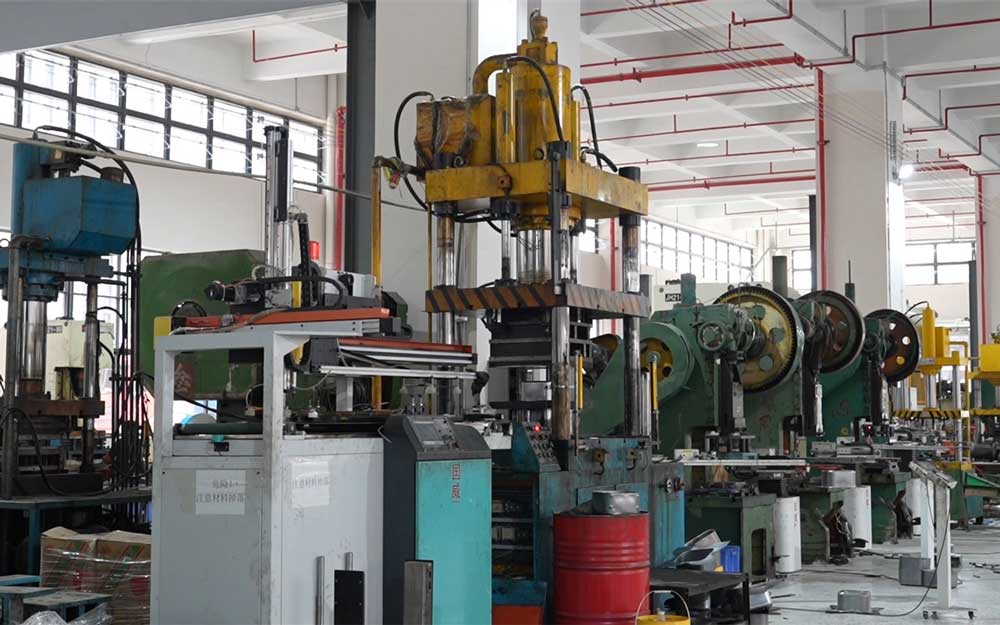
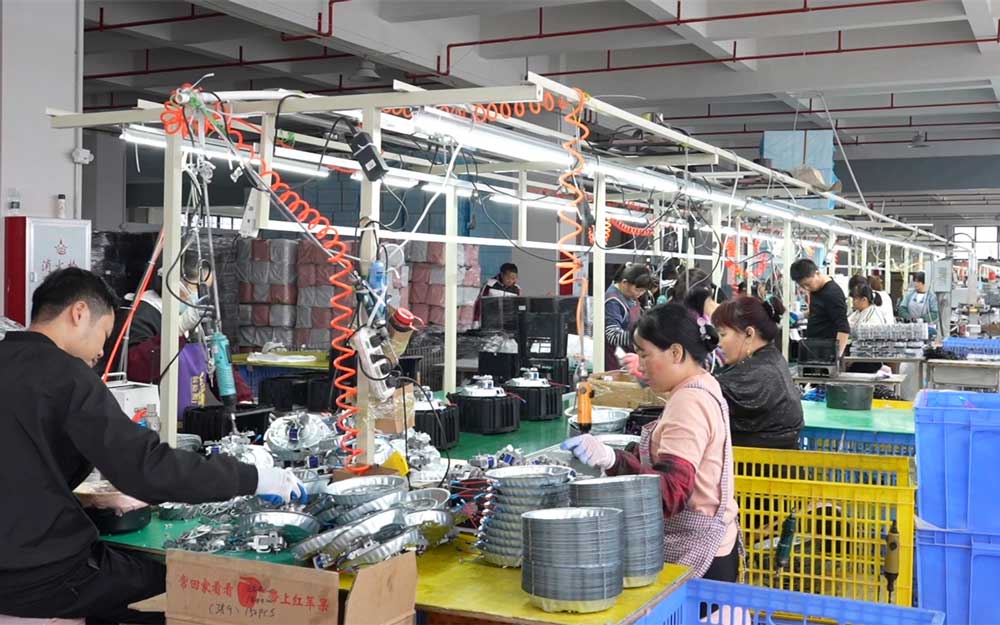
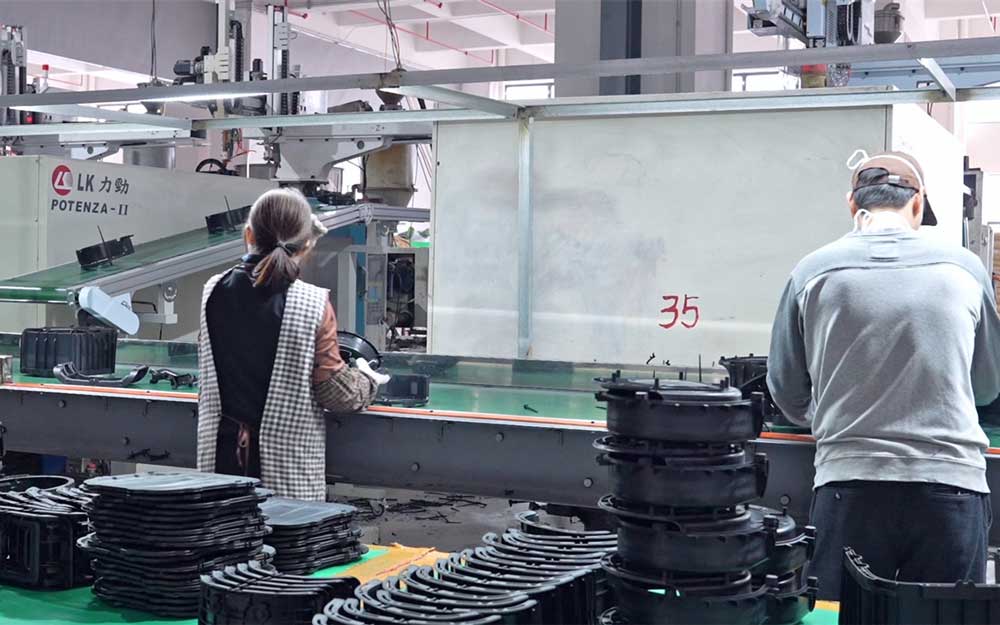
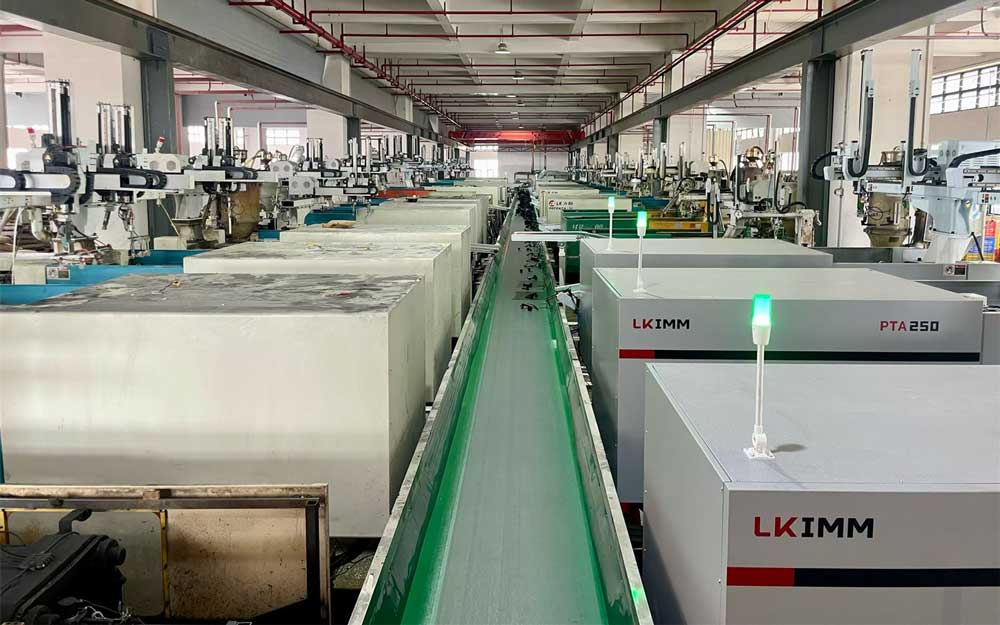
Core manufacturing advantages: Our strength lies in robust in-house manufacturing. Operating from a 40,000 sqm advanced facility, powered by 300+ dedicated professionals and 20+ R&D experts, we ensure precision and control at every stage. Our massive 10,000+ units daily output reliably meets the demands of high-volume orders worldwide. We are committed to excellence, underpinned by a rigorous quality control system that guarantees the safety and reliability of every product.
Trusted OEM/ODM Partner: We are the trusted, end-to-end solution for your OEM/ODM needs. Choose us for innovation, scale, and reliability. Let's build your next success story together.
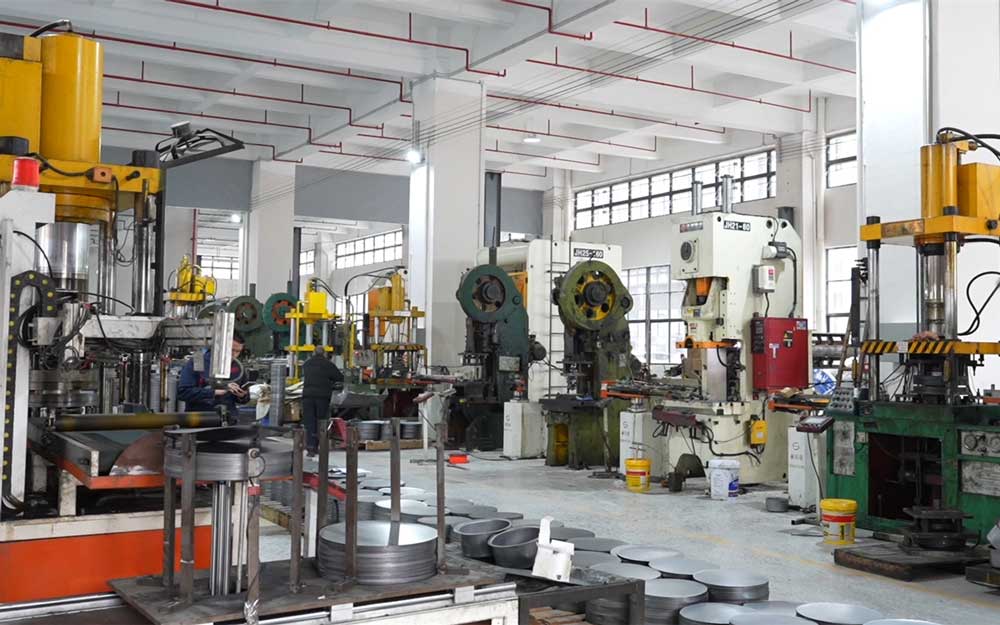
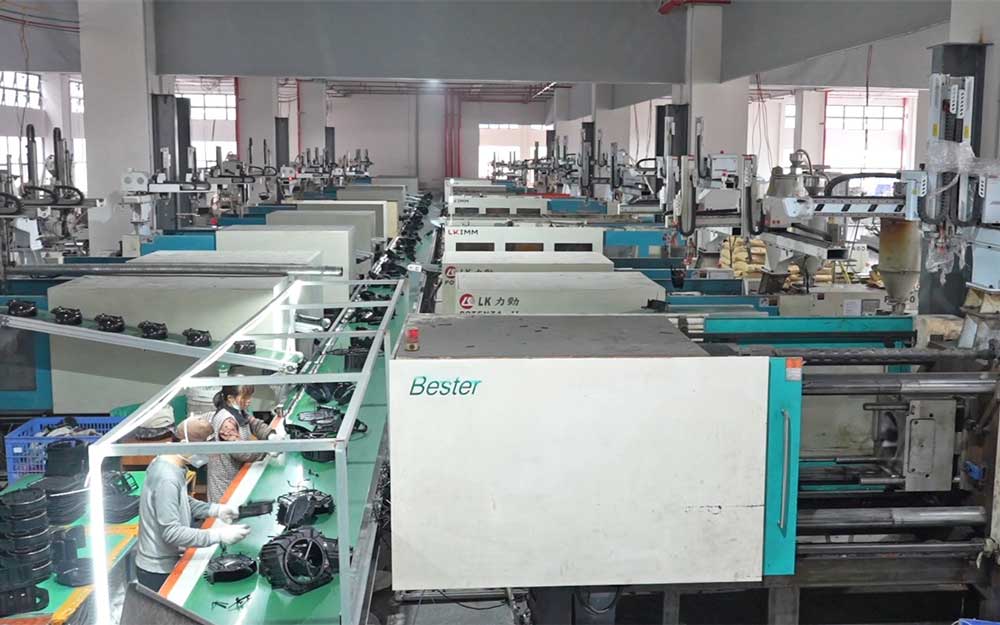
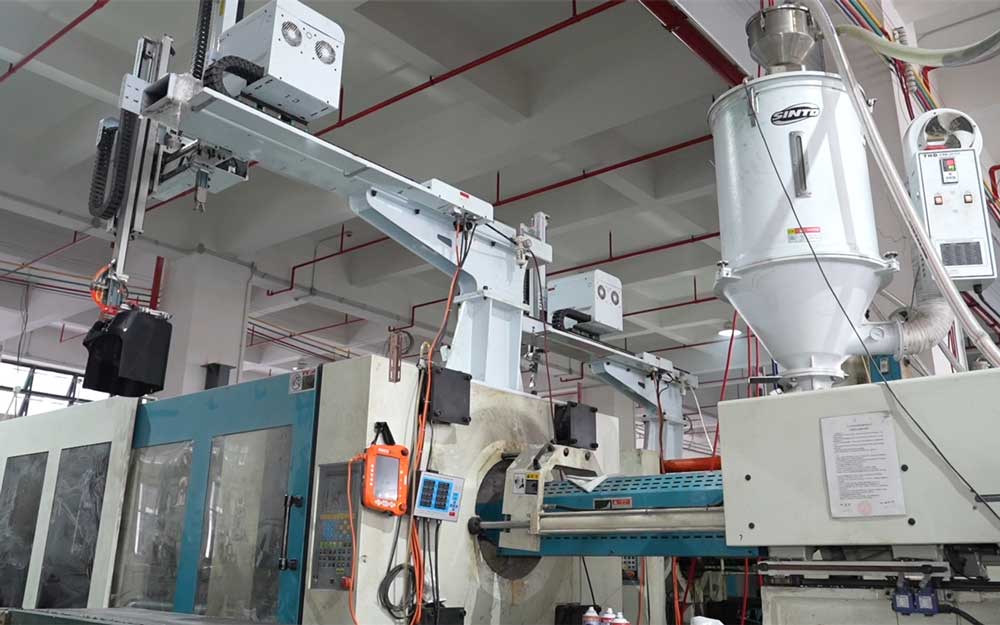
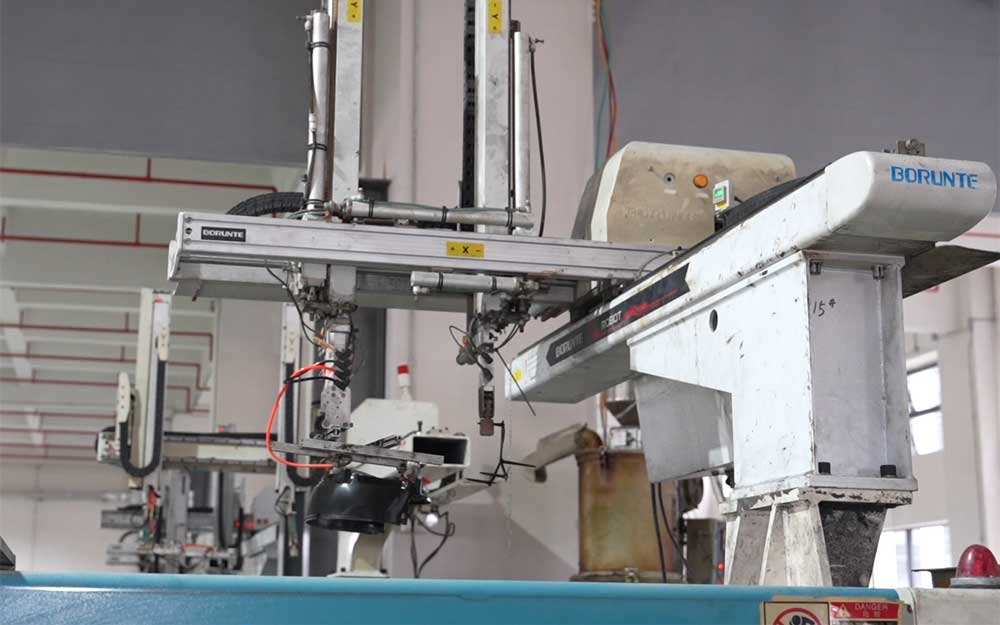
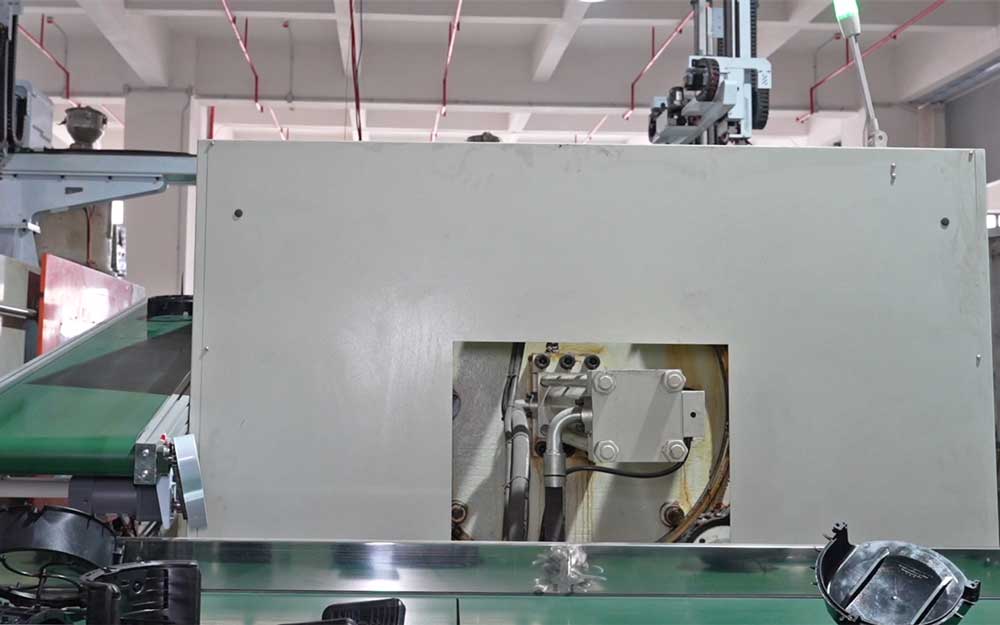
Our plant incorporates vertically integrated production systems, including high-speed progressive metal stamping for motor laminations, automated copper wire winding cells, computer-controlled rotor dynamic balancing testers, and comprehensive safety checking stations. This infrastructure ensures every motor assembly meets our strict durability criteria.
Get answers to critical engineering and supply-chain questions directly from our technical team.
Heavy-duty, high-performance systems for commercial kitchens, hotels, and industrial food processing.
 Zhenmei Electrical