Wholesale Air Fryer Energy Consumption Manufacturers & OEM Partners

Global B2B Whitepaper: Optimizing Thermal Efficiency, Standard Compliance, and Procurement Dynamics in Factory 4.0 Ecosystems

Meeting the Global Eco-design Standards

As governments worldwide enforce strict limits on household appliance power usage (such as the EU Ecodesign Directive and Energy Star 4.0), the Air Fryer Energy Consumption profile has become a key competitive battleground for distributors, retailers, and direct-to-consumer (DTC) brands. Historically, rapid air circulation and quick preheating required high power ratings (typically 1400W to 2400W). However, modern engineering can reduce real-world electricity usage by optimizing fluid mechanics, chamber sealing, and using PID digital temperature modulation.

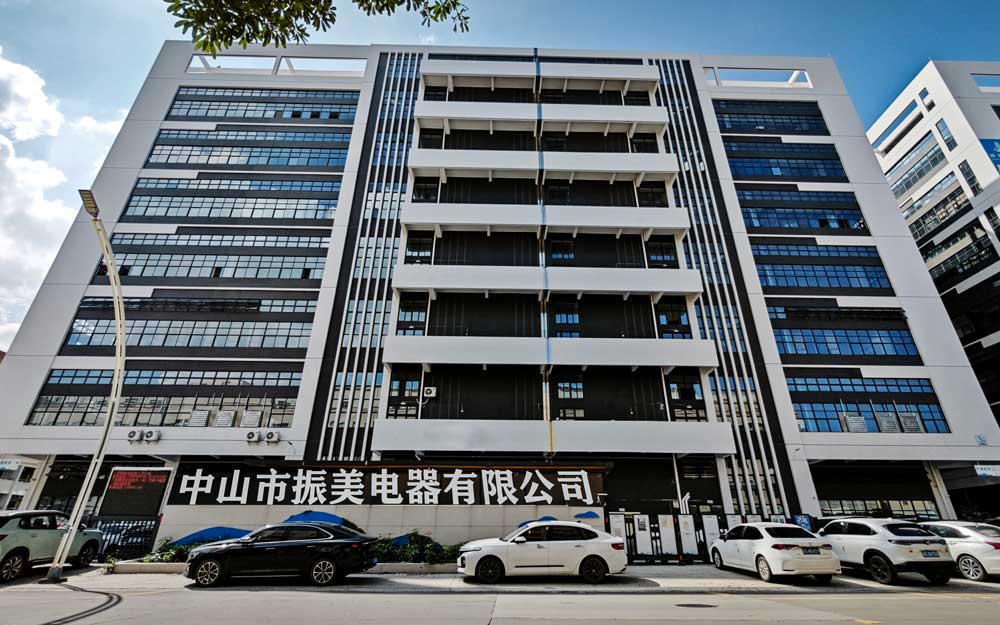
At Zhongshan Zhenmei Electrical Appliance Co., Ltd., we balance fast cooking times with low standby draw and high heat transfer. Our energy-optimized designs help global brands launch products that exceed customer eco-expectations while maintaining rapid heat transfer performance.

Zhenmei Quick Profile

  • 16+ Years Experience: Transforming concepts into high-quality, market-ready products.
  • 40,000 sqm Facility: Operating out of a highly automated, advanced manufacturing center.
  • 300+ Dedicated Professionals: Experienced assembly and quality inspectors.
  • 20+ R&D Experts: Masters of mechanical design, PCB engineering, and thermal physics.
  • 10,000+ Units Daily Output: Reliably meeting the volume requirements of global supply chains.
16+
Years R&D Experience
40k
Sqm Production Base
10,000+
Daily Units Output
300+
Skilled Workers

Decoding the Physics of Air Fryer Energy Consumption

To reduce power consumption, we must optimize three main variables: thermal retention, convection dynamics, and electrical conversion efficiency. Power loss typically occurs through poor chassis insulation, high standby power drawn by control boards, and inefficient airflow pathways that extend preheat and cooking cycles.

1. Double-Wall Insulation & Thermal Bridging

Traditional single-wall air fryers leak significant heat. When heat escapes through the plastic outer shell, the heating elements must cycle on and off more frequently to maintain set temperatures. By using double-walled internal cavities with precise air gap spacing and thermal insulation layers, our factory keeps internal heat trapped inside the basket. This design maintains the outer surface temperature below touch-safe limits (cool-touch technology) and decreases the energy required to cook by up to 22%.

2. Aerodynamic Basket Architecture

Using 3D Computational Fluid Dynamics (CFD), our engineering team designs the air circulation path so heat circulates directly through the food. The base shape, basket perforation patterns, and dual air paths work together to eliminate cold spots. This allows the hot air to quickly break through the food's boundary layer, resulting in faster crisping, shorter cooking times, and lower energy usage per cooking cycle.

3. PID Controller Temperature Loops

Standard air fryers rely on basic mechanical thermostats, which suffer from temperature overshoot and undershoot (often varying by +/- 15°C). This constant cycling creates energy peaks and wastes power. Zhenmei's high-end digital control systems use Proportional-Integral-Derivative (PID) control loops. By dynamically modulating the power output to the heating elements, the device stays within +/- 1°C of the target temperature, maximizing efficiency and eliminating wasted energy.

Why Efficiency Matters

In today's retail landscape, modern consumers actively search for eco-friendly appliances to offset rising utility bills.

  • Reduced Operating Cost: Lowering energy requirements helps end-users save money on their monthly power bills.
  • Ecodesign Compliance: Meeting the strict European ErP regulations guarantees smooth market access.
  • Carbon Footprint Mitigation: Promotes sustainable green marketing, aligning brands with environmental goals.
  • Improved Appliance Lifespan: Lowering peak component stress reduces long-term product failure rates.

Technical Roadmap & Future Outlook

How we are driving energy optimization over the next five years to help global brands future-proof their product portfolios.

Phase 1: Present Solution
Eco-Mode Firmware Integration
We have integrated smart standby controller chips into all digital models, reducing standby power to less than 0.5 Watts, which complies with EU eco directives. We have also added programmed eco-presets that optimize fan speed and heater pulse width to cook frozen foods with up to 15% less energy.
Phase 2: R&D Testing
Halogen & Carbon Fiber Heating Elements
Traditional metal coil elements convert electricity to radiant heat relatively slowly. We are testing carbon fiber heating technology that reaches peak temperatures in seconds. By speeding up the heat-up process, these advanced elements can shorten overall cooking times and lower total energy use per meal.
Phase 3: Concept Development
Smart Energy Recovery Systems
We are designing air-to-air heat exchangers that recover heat from exhausted steam and use it to preheat incoming fresh air. This recycling loop aims to lower total energy consumption during long cooking programs (like roasting or dehydrating) by 10% to 18%.

Zhenmei Core Manufacturing Advantages

How our high-volume production capabilities, strict quality controls, and expert R&D processes support global OEM/ODM brands.

Core manufacturing advantages
Our strength lies in robust in-house manufacturing. Operating from a 40,000 sqm advanced facility, powered by 300+ dedicated professionals and 20+ R&D experts, we ensure precision and control at every stage.
High Volume & Quality
Our massive 10,000+ units daily output reliably meets the demands of high-volume orders worldwide. We are committed to excellence, underpinned by a rigorous quality control system that guarantees the safety and reliability of every product.
Trusted OEM/ODM Partner
We are the trusted, end-to-end solution for your OEM/ODM needs. Choose us for innovation, scale, and reliability. Let's build your next success story together.

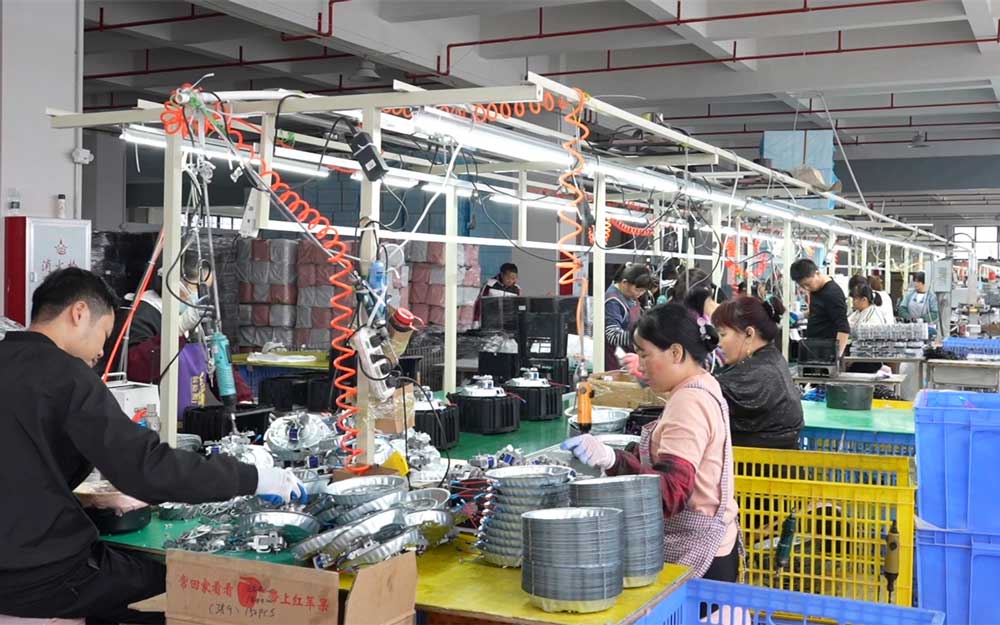
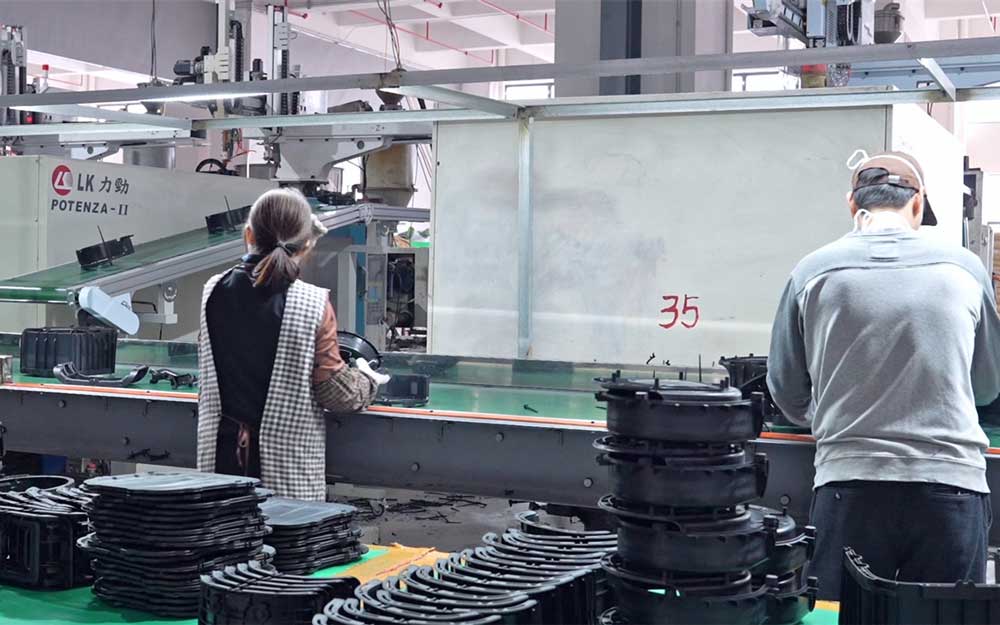
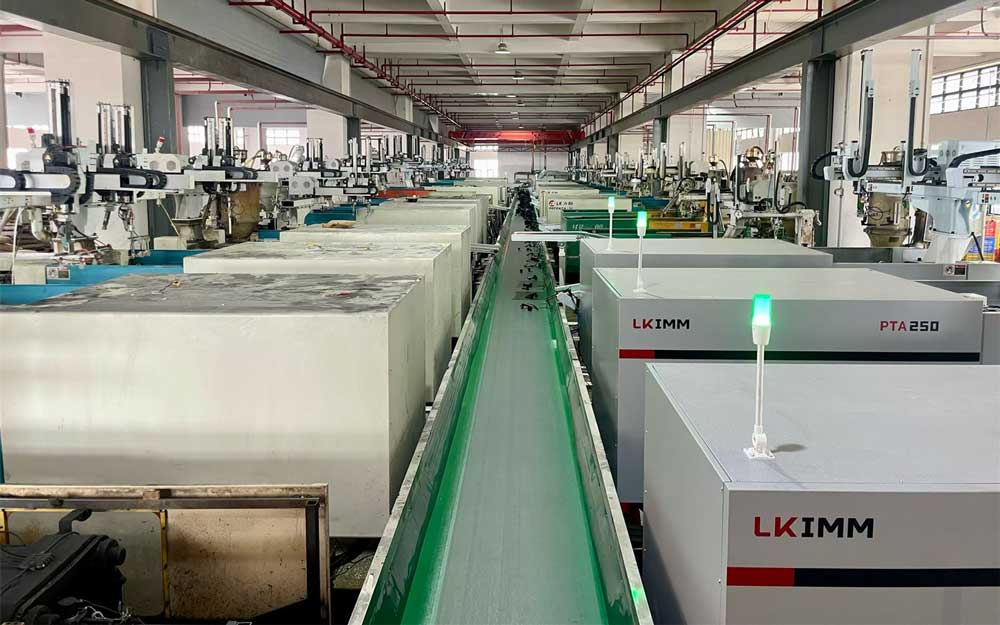
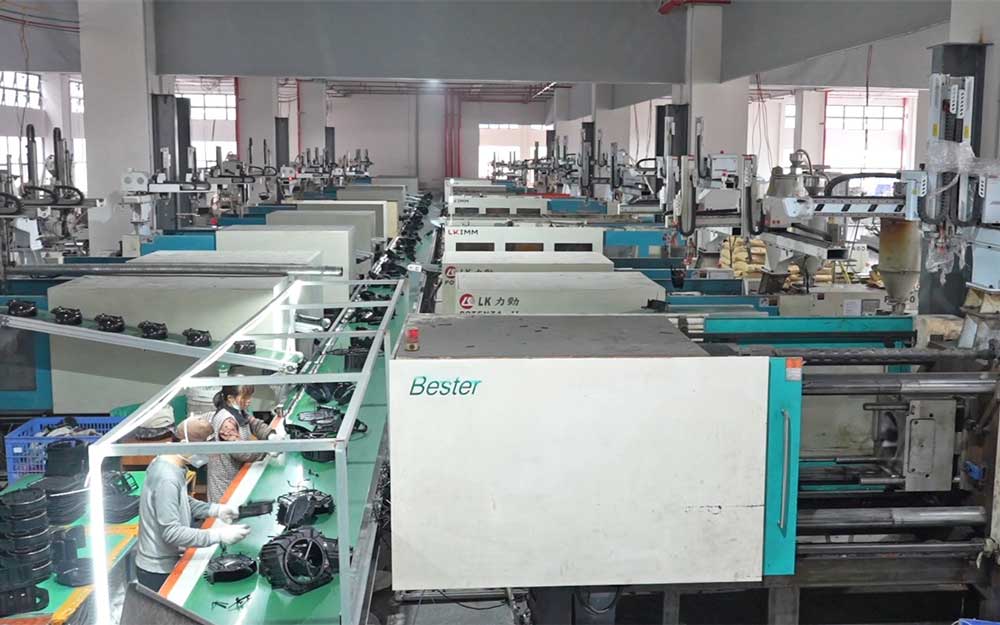
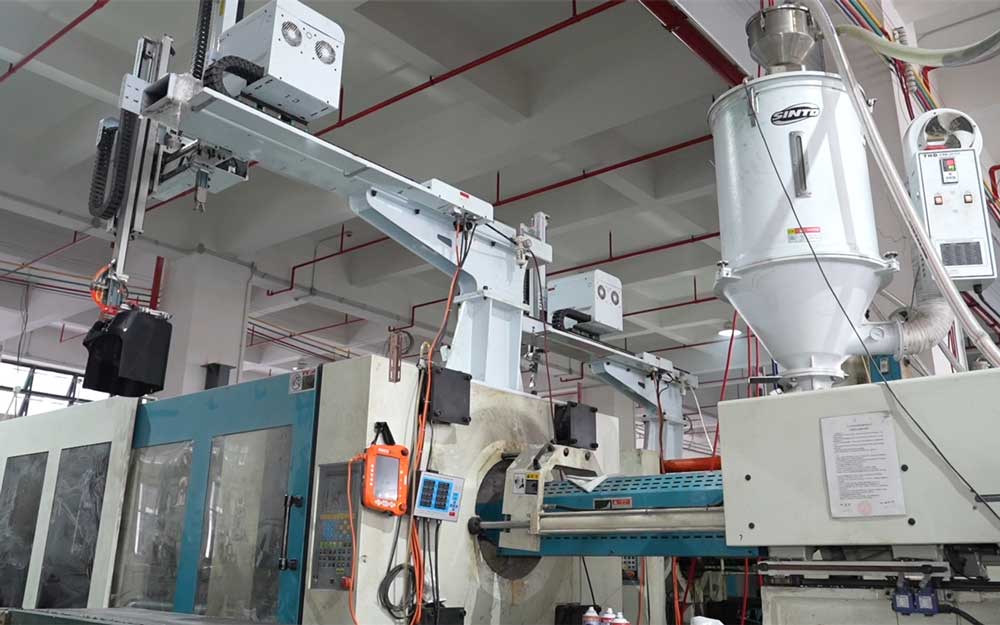
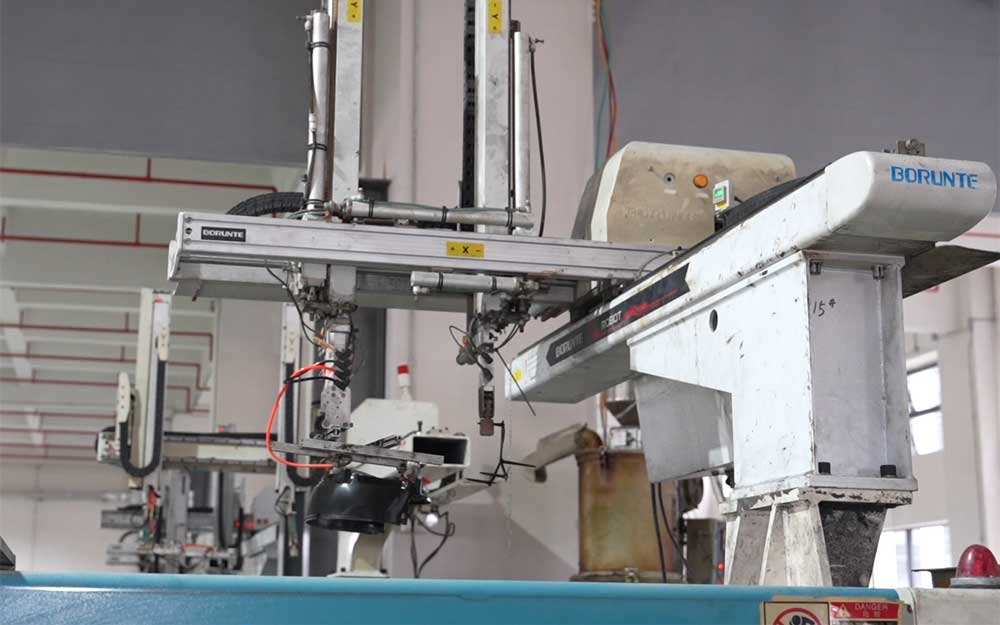
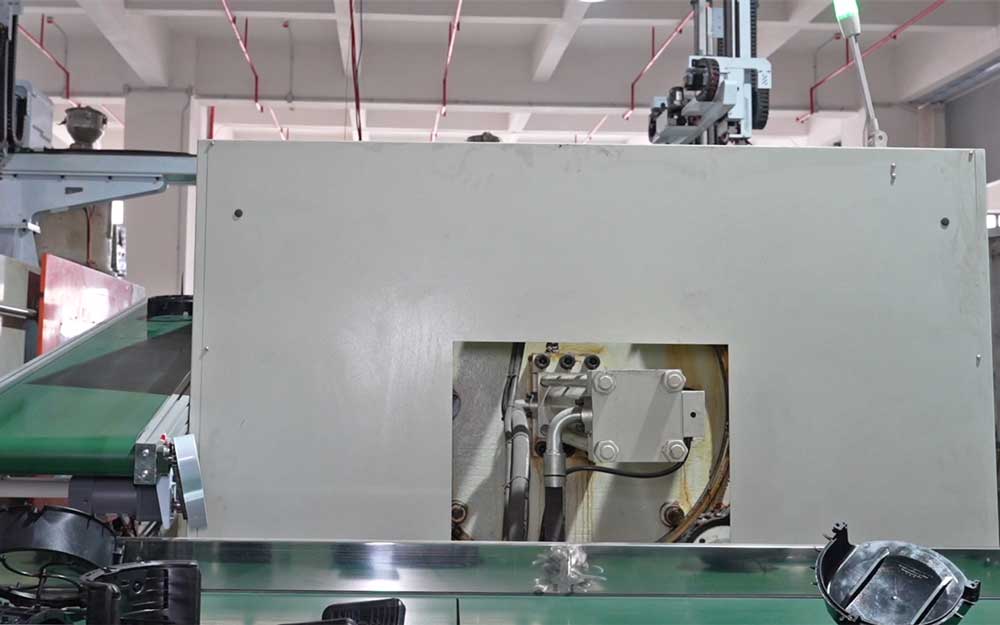
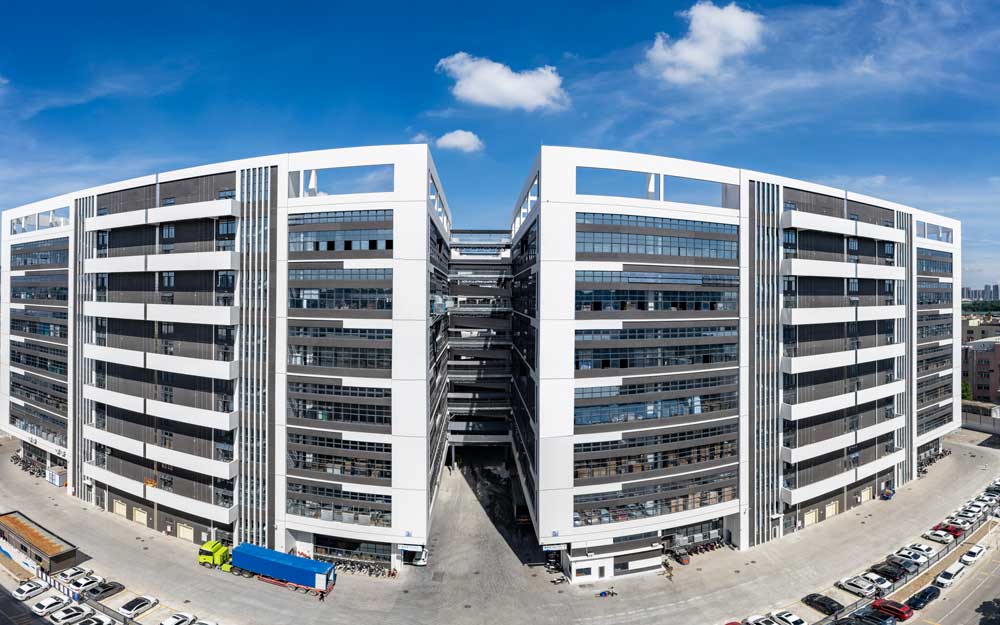
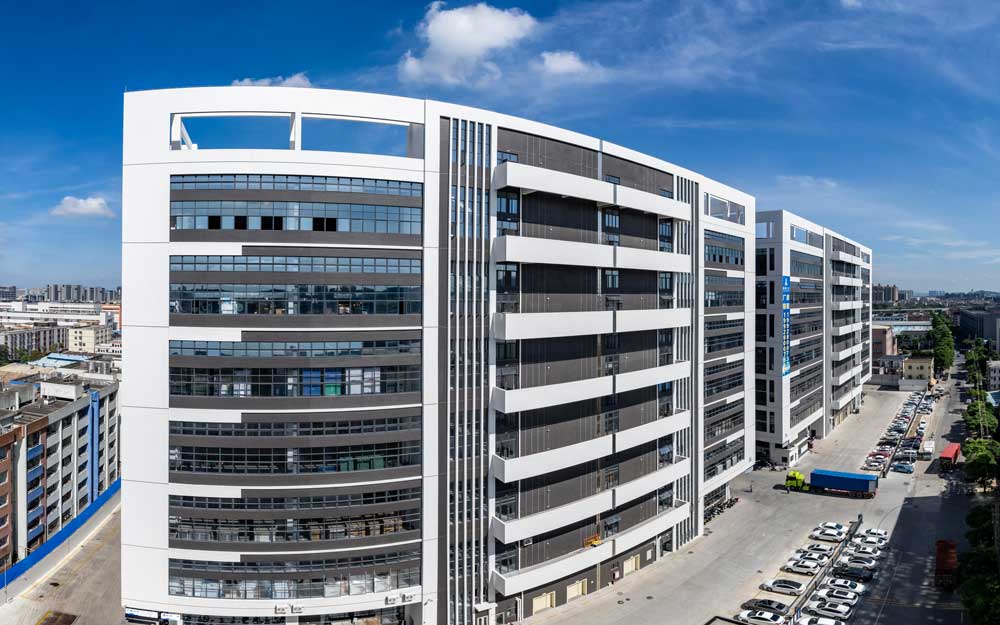
Our Modern Work Environment & Factory Infrastructure

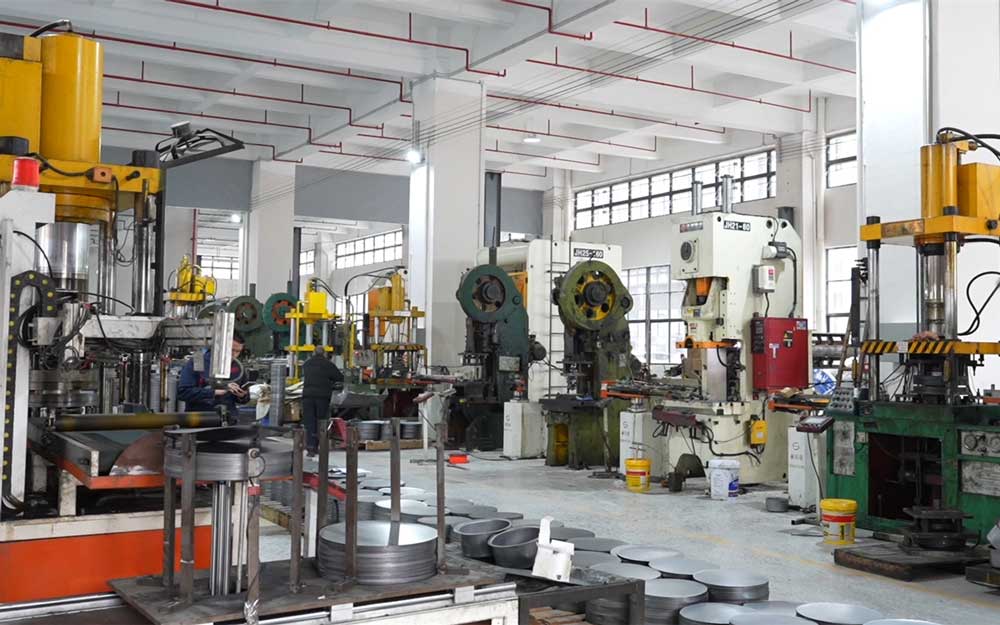
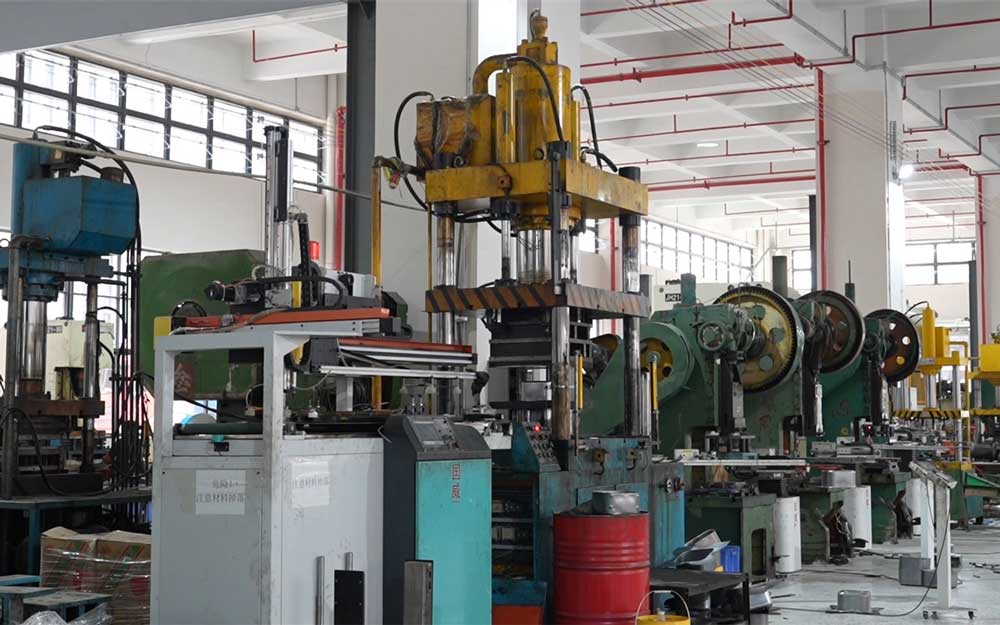
Inside our 40,000 square meter factory, we utilize automated production processes and strict quality control measures to maintain high manufacturing standards.
Global Enterprise Procurement & Localization

How we support international B2B partners through custom product adjustments and comprehensive regulatory compliance.

China Factory 4.0: Supply Chain Resilience

Our factory in Zhongshan integrates vertical production processes to help manage rising material costs and supply chain fluctuations. By keeping core operations in-house—including metal stamping, mold creation, injection molding, and PCB soldering—we reduce dependence on external suppliers, maintain high quality, and control production costs.

For B2B buyers, this vertical integration translates into shorter lead times, consistent product quality, and the flexibility to adjust design features according to market demand.

Energy Compliance & Certifications

We configure our electrical designs to meet the technical standards of your destination market:

  • North America (120V / 60Hz): Optimized for UL and FCC certification, focusing on current control and thermal safety.
  • Europe & UK (220-240V / 50Hz): Designed to comply with CE, GS, RoHS, and ErP requirements for eco-friendly performance.
  • Global Markets (Multi-Voltage): Offering versatile power systems to simplify shipping and distribution across multiple regions.

Procurement Flow Chart

We work closely with global buyers from the initial product concept through to container shipping:

1
Thermal Performance Engineering

We align our mechanical and digital designs with your brand's target energy parameters and performance requirements.

2
Compliance & Laboratory Testing

We test pre-production units under realistic operating conditions to confirm energy star levels and general safety ratings.

3
High-Volume Production & QC

We manufacture units at scale, applying quality control testing to every batch to ensure consistent performance.

Energy Consumption & Procurement FAQ

Answers to common technical, operational, and regulatory questions from global distributors and buyers.

What is the typical energy consumption (kWh) of an 8L air fryer per cooking cycle?
An 8L air fryer rated at 1400W–1800W generally consumes between 0.35 kWh and 0.65 kWh for a typical 20-minute cooking cycle. By designing our cooking cavities to heat up quickly and retain warmth, we help shorten cooking times, reducing energy use per cycle compared to standard mini-ovens.
How does Zhenmei meet European Union ErP (Energy-related Products) directives?
Our digital control boards use low-power standby circuits that reduce power draw to under 0.5W when in standby or off mode. We also select high-efficiency fans and optimize heating elements to comply with EU safety, environmental, and eco-design standards.
What safety features protect components from overheating in high-efficiency models?
Our appliances are designed with built-in thermal cut-off fuses, dual NTC thermistor temperature sensors, and ventilation channels that protect the internal electronics. If air vents become blocked or temperatures rise above safe limits, the power shuts off automatically to prevent overheating.
Can you customize voltage, frequency, and plug types for specific countries?
Yes. As a dedicated OEM/ODM manufacturer, we customize voltage (110V, 120V, 220V, 230V, or 240V), frequency (50Hz or 60Hz), and power cords with regional plugs to match your target market's infrastructure and certification requirements.
What is the MOQ (Minimum Order Quantity) for custom energy-efficient projects?
Standard OEM production runs generally require a minimum order quantity (MOQ) of one 20ft or 40ft High Cube container. We can discuss customized packaging, tailored control panels, and unique housing colors during the initial design phase.
How does the heating technology in dual-basket models manage energy use?
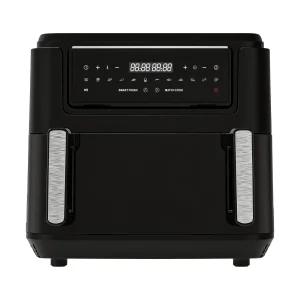
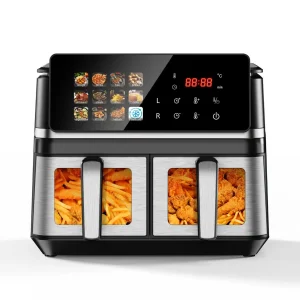
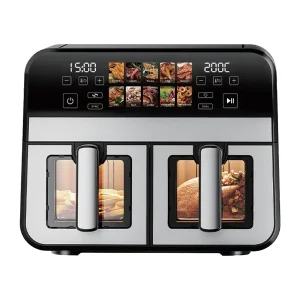
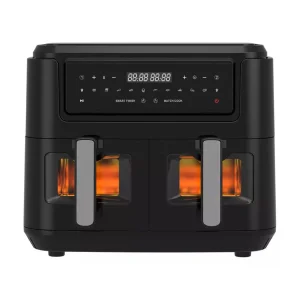
Dual-basket models like our KDF-5513D feature independent heating zones. When cooking with a single basket, the unit only powers that specific zone to conserve energy. When using both baskets, our smart power management system balances the electrical load, distributing up to 2400W across both zones to prevent circuit overloads while maintaining cooking speeds.