Explore our highly integrated engineering solutions designed for global markets, combining thermal efficiency, smart control, and scalable certification compliance.
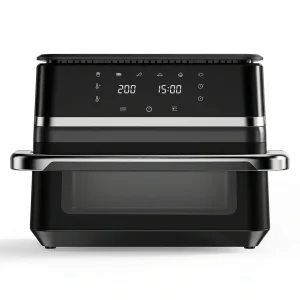
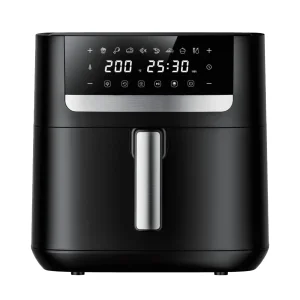
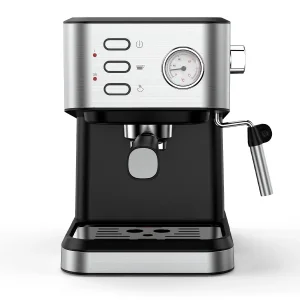
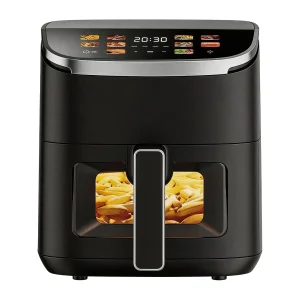
A premier OEM/ODM global manufacturing partner with over 16 years of expertise, transforming engineering concepts into market-ready commercial appliances for leading global brands.
How we achieve manufacturing excellence, speed-to-market, and product safety across our complete product lifecycle.
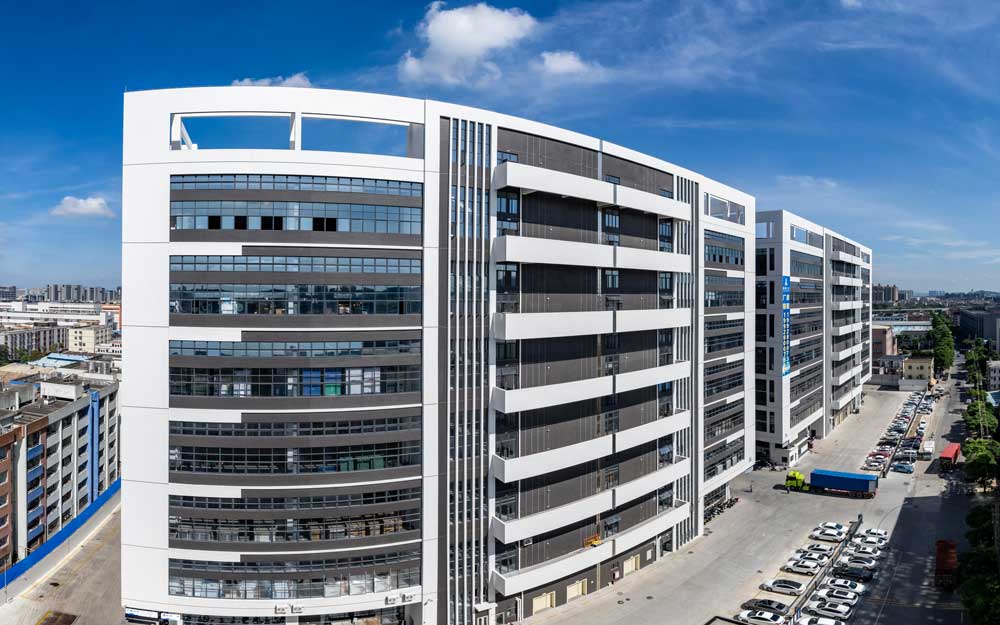
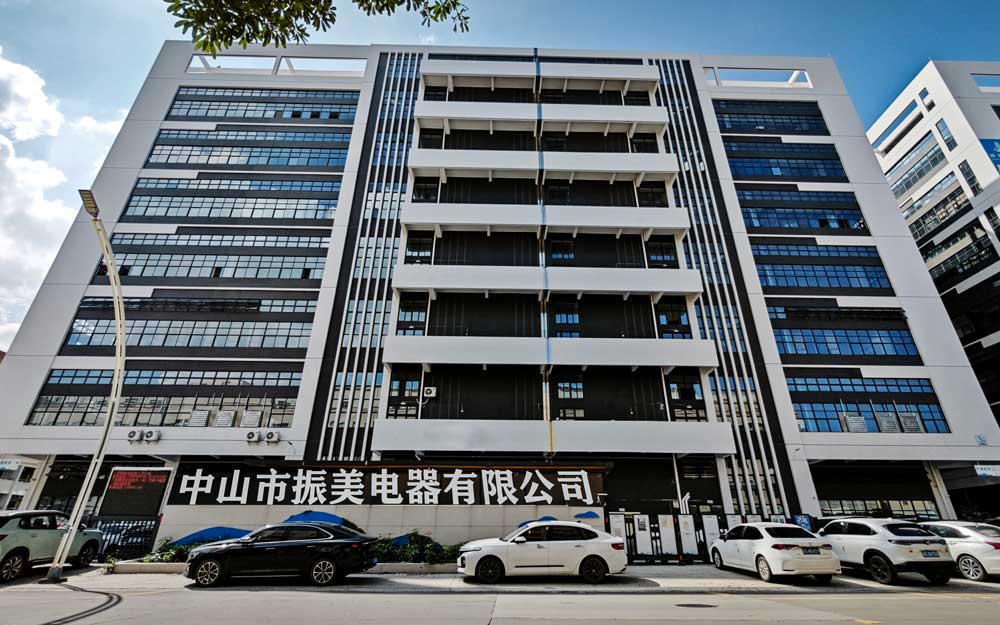
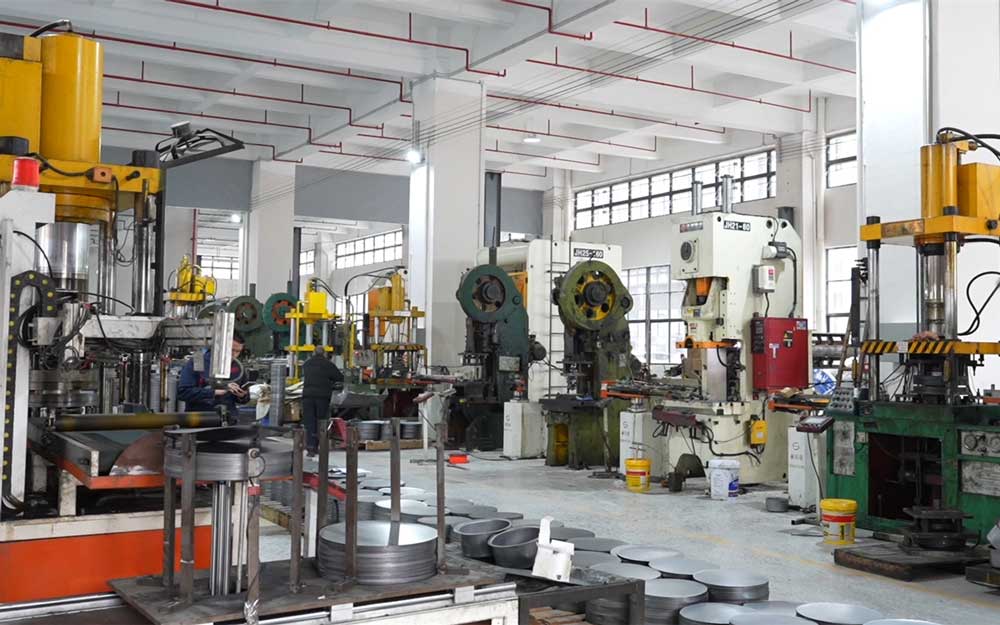
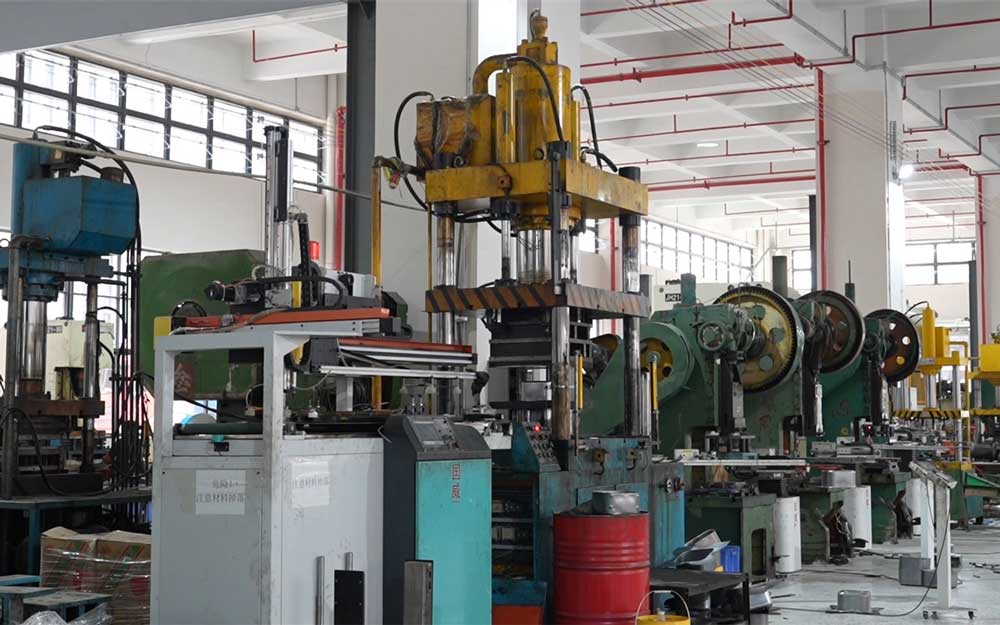
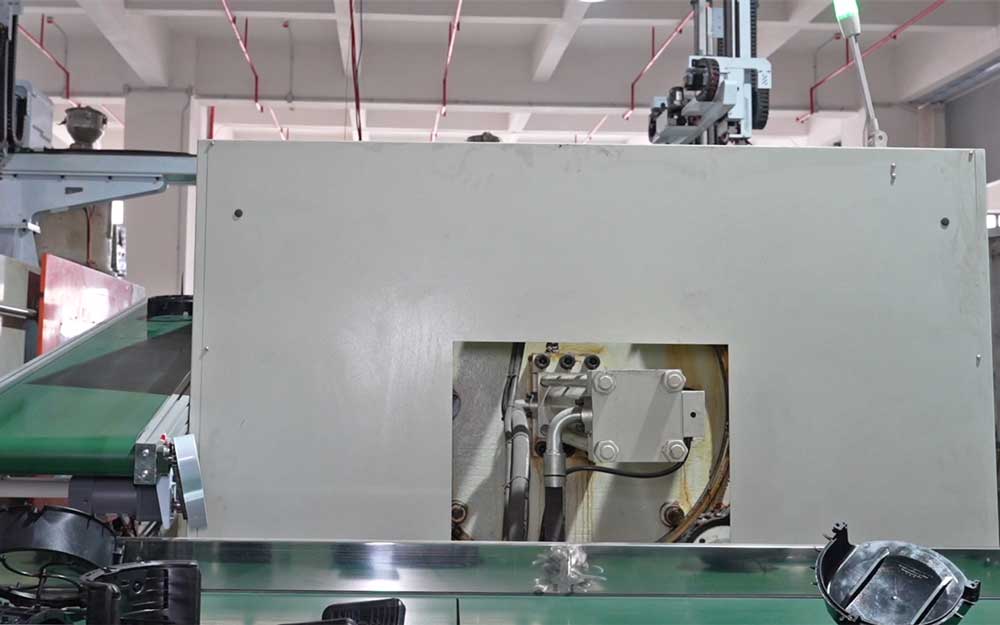
Our facility spans 40,000 sqm of advanced tooling, plastic injection molding, stamping, and automated assembly operations, managed by 20+ R&D engineering experts for total process precision.
Every single batch is subjected to structural, electronic, and thermal aging tests. We maintain complete traceability and align our testing with international standards to ensure product safety.
With a massive 10,000+ units daily output, we accommodate seasonal peaks and large-scale distributor volumes, ensuring shorter lead times and seamless global logistics orchestration.
An authoritative analysis of thermodynamic engineering, UI/UX programming, global certification standards, and supply chain efficiencies for B2B importers.
The global household kitchen appliance market has undergone a significant paradigm shift over the past decade, driven by consumer demand for healthier cooking options and rapid urban lifestyle changes. Among these, the air fryer has emerged from a novelty countertop appliance to a core, indispensable culinary category. Globally, commercial data indicates that the penetration rate of air fryers in Western markets (North America and Western Europe) has exceeded 65% as of 2024, with the Asia-Pacific region experiencing the fastest CAGR of over 12.4%.
From an industrial perspective, modern air fryers have evolved from basic mechanical-timer convection systems into complex thermal-dynamic appliances. Present-day devices utilize advanced microprocessor units (MCUs) to execute micro-second adjustments to heating cycles and fan velocities. Sourcing managers now analyze appliances not only by volume or wattage but by the efficiency of their convective heat flux density, air velocity profiles, and chamber insulation capabilities. For B2B importers, understanding the core thermodynamics—namely the transition from single-directional heating elements to dual-zone, dual-heating mechanisms—is crucial for defining high-margin product specifications.
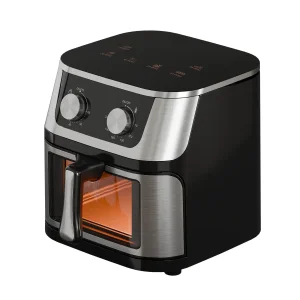
Standard air fryers rely on simple vertical air currents. High-performance OEM designs, however, incorporate curved bottom heat deflectors (such as whirlwind air guides) and optimized fan blades. This layout minimizes the thermal boundary layer resistance over food items, reducing cooking times by up to 25% while maintaining uniform crispiness without manual shaking.
When sourcing air fryers, the "Cooking Guide" printed on the chassis or programmed into the digital LED screen is far more than just a set of instructions. It is the visual representation of the appliance's programmed thermal profiles. Every preset (e.g., French Fries, Chicken Wings, Dehydration, Baking) represents a complex, multi-stage algorithm programmed into the appliance's MCU. For instance, the "French Fries" preset isn't just 200°C for 15 minutes; it often consists of a high-heat initial stage to quickly evaporate surface moisture, followed by a sustained medium-heat stage for core cooking, and a final ultra-high-heat burst to induce the Maillard reaction for crispiness.
As premium OEM/ODM manufacturers, we collaborate with culinary experts and material science engineers to build these precise presets. Sourcing companies must evaluate how manufacturers program these parameters. Inferior factories use static heating profiles, causing food to dry out or cook unevenly. Premium factories write specific PID (Proportional-Integral-Derivative) control loops that dynamically monitor the air temperature sensor (NTC thermistor) readings hundreds of times per minute to prevent overshoot and maintain tight thermal envelopes within ±1°C.
Why does the Pearl River Delta, specifically regions like Zhongshan and Shunde, remain the undisputed hub for global kitchen appliance manufacturing? The answer lies in the extreme density of the localized supply chain. Within a 50-kilometer radius of our Zhongshan facility, we source raw materials, injection-molded components, high-density heating elements, precision fan assemblies, microcontrollers, and custom packaging. This concentration reduces logictics friction and drastically lowers lead times for custom product iterations.
Furthermore, China's manufacturing edge has transitioned from low labor costs to high-automation efficiencies and rapid prototyping. At Zhongshan Zhenmei, we employ automated mold-making machines, robotic plastic injection systems, and specialized testing equipment that verify mechanical switch durability and LED touch sensitivity. This integrated setup allows us to execute ODM modifications (such as modifying basket sizes or customizing digital control panels) within weeks, compared to the months required in less integrated manufacturing zones.
One of the most common pitfalls for international B2B importers is utilizing a single, standardized set of cooking guides and preset programs across all markets. Consumer eating habits, average voltage standards, and local food supplies vary significantly between regions. Our R&D division actively works on localization adjustments:
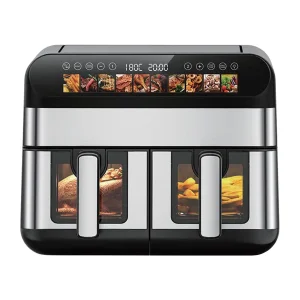
Requires large-capacity models (typically 8L to 12L or dual-basket systems like the RA920DSV) with specific high-temperature presets for frozen foods, chicken wings, and steaks. ETL and FDA certifications are mandatory, alongside PFAS-free non-stick coatings.
Prioritizes compact energy-efficient designs (4L to 6L) with strict GS/CE safety approvals and low-wattage operation modes. Programmed presets focus on fresh produce, baking, and low-fat options to align with eco-design and ERP regulations.
Demands robust wide-voltage/multi-frequency configurations (e.g., 220V 60Hz or dual-voltage systems) to handle regional power grids. Cooking guides must prioritize high-capacity meat and poultry programs with heavy-duty heating coils.
Focuses on precise temperature controls for delicate food items like seafood, tofu, and rice-based snacks. Smart touch screens with high-definition digital icons and app-based IoT cooking integrations are highly popular.
The air fryer category is rapidly advancing beyond simple heating coils. Sourcing directors looking to future-proof their supply chains should monitor several key emerging technologies:
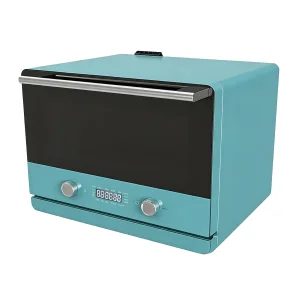
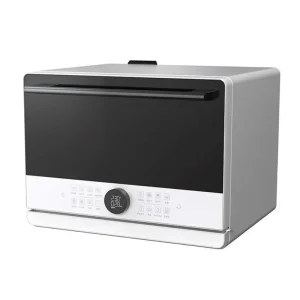
Steam-Assist Convection Integration: By integrating a miniature water pump and steam generator, next-generation steam ovens and air fryers (like our ZK series steam ovens) combine superheated steam with dry air convection. This combination locks in food moisture before crisping, solving the dry-food issue common in early air fryer models.
Dual-Zone Independent Temperature Control: Dual-basket models like the RA920DSV allow users to cook two completely different foods simultaneously (e.g., fish at 160°C and sweet potatoes at 200°C) with synchronized finish times. The synchronization algorithms written into our control panels ensure both baskets complete their cooking cycles at the exact same moment.
Eco-Friendly, High-Durability Coatings: With global restrictions tightening on PFAS, PTFE, and BPA, the market is moving rapidly towards organic ceramic coatings, specialized enamel interiors, and medical-grade 304/316 stainless steel cavities. Investing in these compliant materials ensures long-term access to highly regulated markets.
Virtual tour of our state-of-the-art manufacturing lines, testing labs, and assembly plants in Zhongshan.

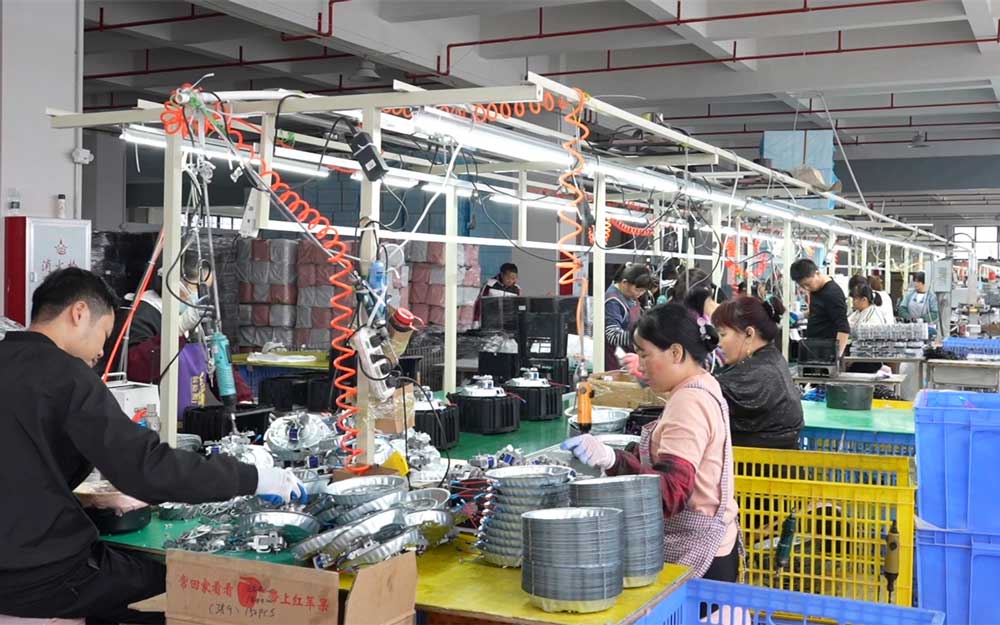
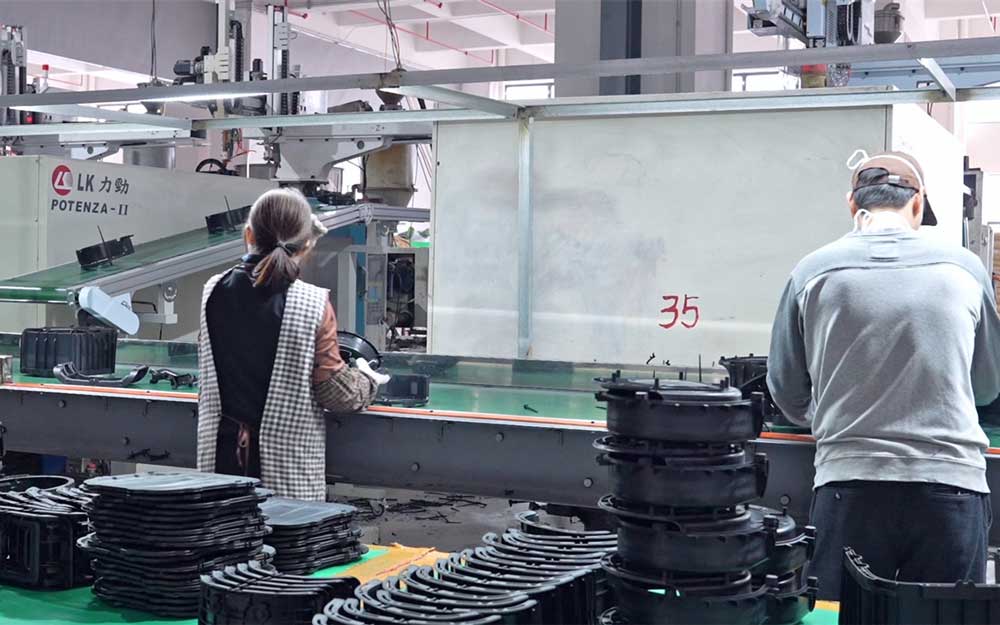
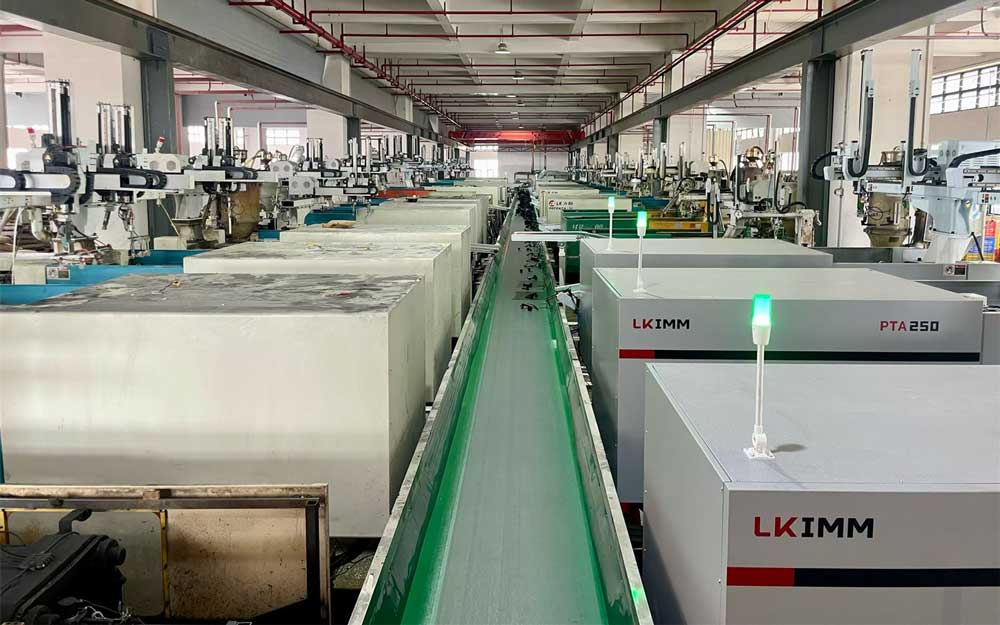
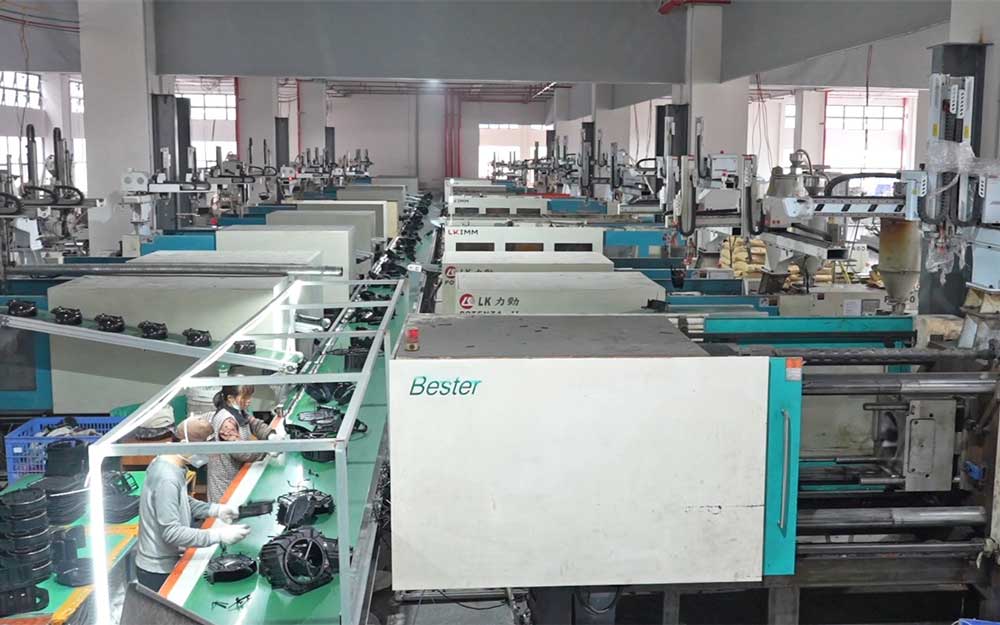
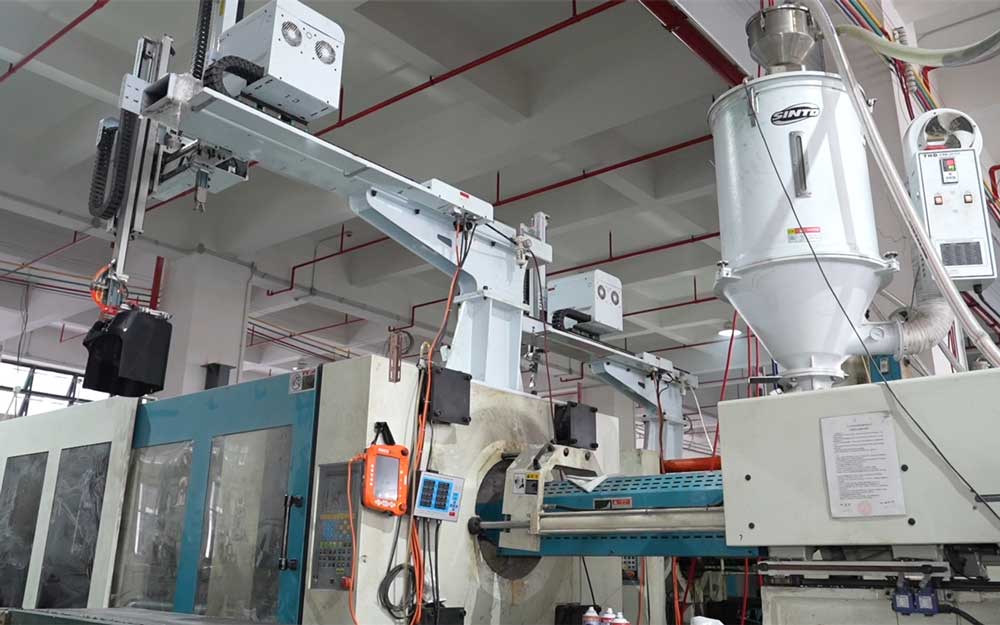
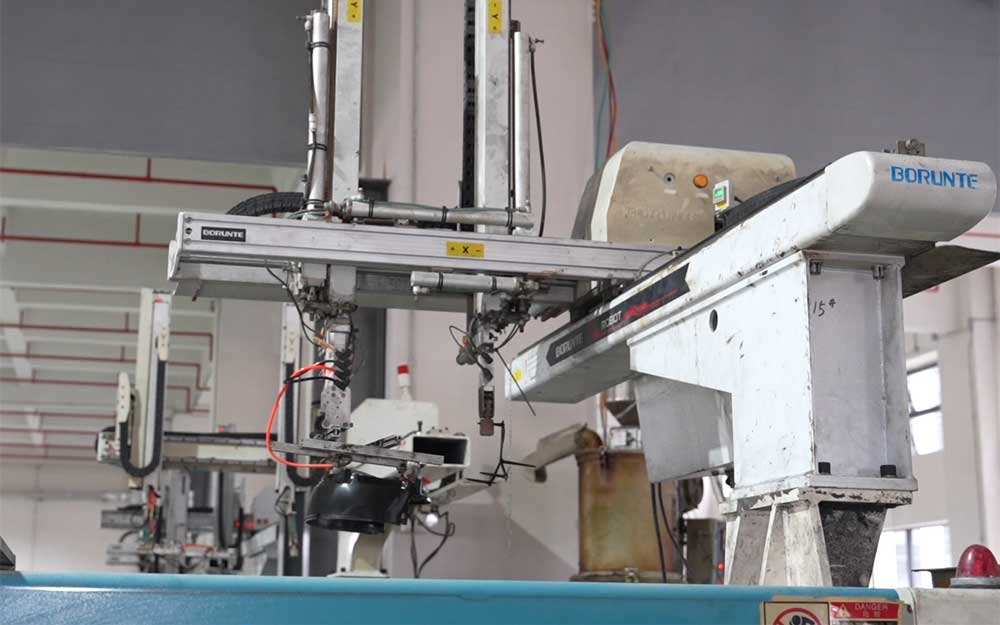
Ensure compliance, supply chain security, and high consumer satisfaction by following this factory-verified quality checklist.
Ensure the manufacturer uses a minimum 3-turn heating coil (preferably 4 or 5 turns in large capacity models) to prevent cold spots and guarantee uniform air circulation.
Confirm the non-stick coating applied to the frying baskets has been third-party certified as PFAS-free, BPA-free, and FDA/LFGB compliant to avoid import hold-ups.
Inspect the thermal control unit. Higher-tier manufacturers utilize NTC probe designs placed in the direct airflow path for instant micro-temperature adjustments.
Request data on plastic double-wall casing and cool-touch handles. High quality double-wall design maintains external temperatures below 55°C, ensuring compliance with GS safety protocols.
Get professional answers directly from our senior engineering and export management divisions.
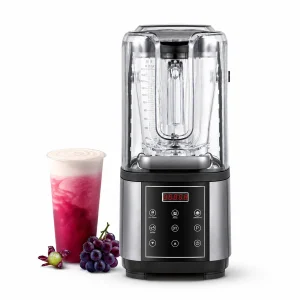
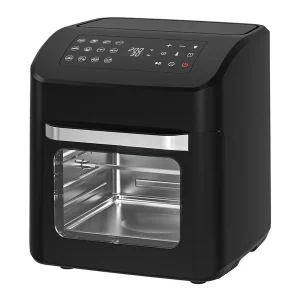
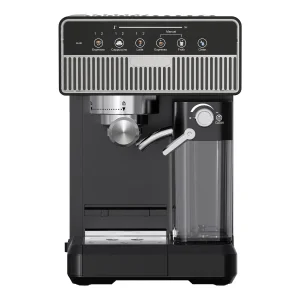
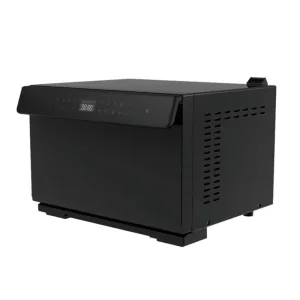
A comprehensive selection of advanced cooking equipment, espresso machines, and high-performance blenders.

 Zhenmei Electrical