 Zhenmei Electrical

The Thermodynamic Paradigm Shift in Modern Kitchen Appliances
An analytical breakdown of 360-degree high-velocity thermal convection and its impact on energy conservation and nutritional integrity.
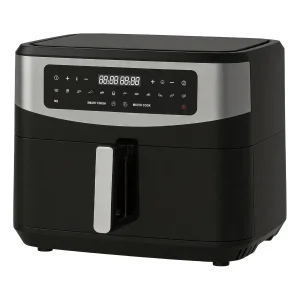
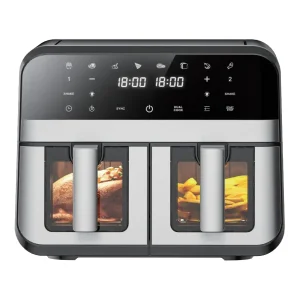
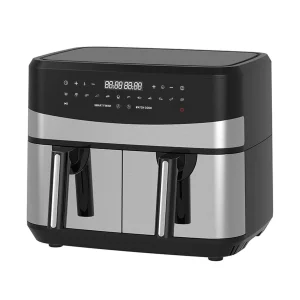
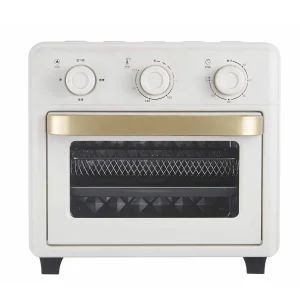
As modern consumers shift towards health-centric eating habits, the global kitchen appliance market has witnessed an unprecedented surge in demand for oil-free cooking solutions. At the core of this transition is the 360-degree air circulation technology, a sophisticated thermodynamic method designed to emulate deep-frying textures using forced convection rather than oil immersion. Traditionally, conventional ovens relied on natural radiation, resulting in slow heat transfer and uneven cooking profiles. Today's commercial and domestic-grade air fryers manipulate heat via rapid hot air currents, transforming the cooking landscape for global B2B procurement networks, distributors, and appliance brands.
Understanding High-Velocity Fluid Dynamics
The mechanics of 360-degree air circulation are rooted in advanced fluid dynamics. By combining a high-intensity coiled heating element (ranging from 1000W to 2800W depending on cavity volume) with an optimized multi-blade axial fan, the appliance creates a high-velocity, high-temperature cyclonic vortex inside the cooking chamber. The airflow travels vertically downward along the outer walls, bounces off the heat-deflecting chamber base, and rises through the perforated basket containing the food.
This dynamic airflow model ensures a high convective heat transfer coefficient. As the hot air wraps around the food items uniformly, it initiates the Maillard reaction—the chemical reaction between amino acids and reducing sugars that produces the desirable browned, crispy crust. The uniform heat distribution eliminates the necessity of constant food agitation, providing commercial kitchens and homes with highly reproducible culinary results.
Global Market Landscape and Sourcing Drivers
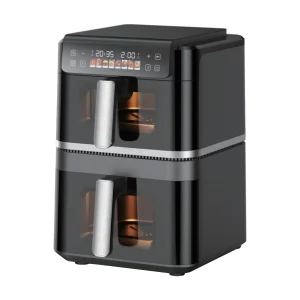
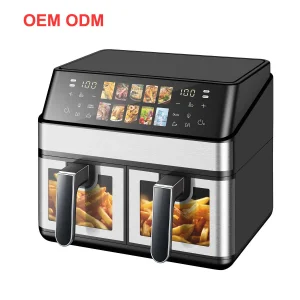
The global demand for 360-degree air circulation systems has diversified. North American and Western European markets prioritize dual-basket mechanisms, large capacities (typically 9L to 12L ovens), and smart IoT connectivity. In contrast, emerging markets in Latin America and the Asia-Pacific region lean toward compact footprints (4L to 6L) with highly competitive unit pricing. Global buyers—including OEM distributors, supermarket category managers, and e-commerce brand owners—must navigate complex supply chains to secure products that align with regional voltage requirements (100V-240V), safety certifications, and localized consumer preferences.