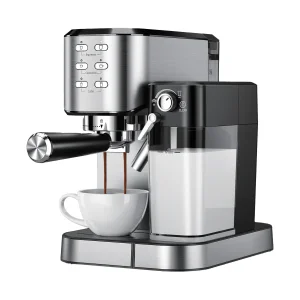
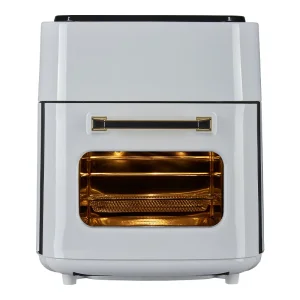
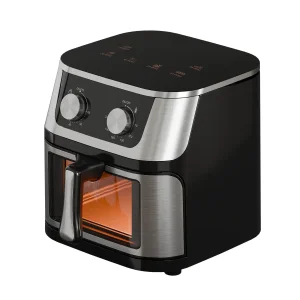
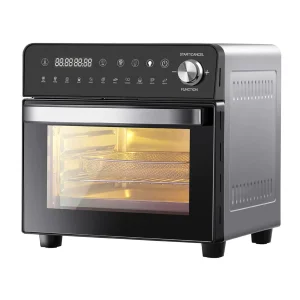
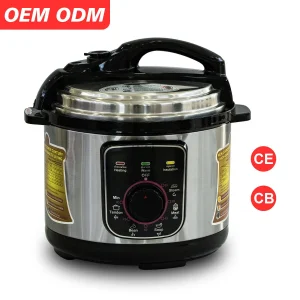
Explore our engineering capabilities across premium heating, brewing, and food processing lines
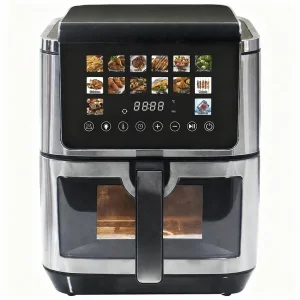
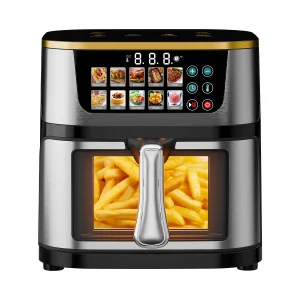
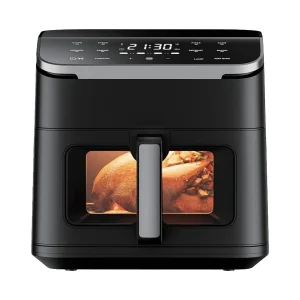

From Labor-Intensive Traditions to High-Torque Smart Processing Systems
Yam pounding holds deep cultural, social, and culinary significance throughout West Africa, particularly in Nigeria, Ghana, Côte d'Ivoire, and Benin. Traditional preparation of *Iyan* (pounded yam) requires physical strength, rhythmic coordination, and a substantial commitment of manual labor. Using a large wooden mortar (*odo*) and pestle, two or more individuals must repeatedly pound boiled yam tubers to gelatinize the starch and generate the signature smooth, elastic, and dough-like consistency.
For modern household kitchens and commercial catering businesses, this traditional method represents a significant operational bottleneck. The emergence of specialized yam pounding machines (commonly engineered under Fufu machine classifications) has revolutionized this process. Modern B2B buyers require reliable mechanical systems capable of delivering high-torque physical disruption without shearing the delicate starch polymers of the yam. This is where engineering precision meets local culinary demand.
"The core challenge of automated yam pounding lies in replicating the mechanical stretching and folding action of the traditional pestle. Standard food processors shear the starch, turning the yam into a watery paste. True yam pounding machines utilize high-torque, planetary-style rotational arms that knead and compact the starch matrix."
Custom-engineered planetary gear reduction mechanisms that multiply motor torque to manage heavy, viscous cooked yam masses.
Integrated automatic thermal cutoff sensors protect the stator windings from overheating during sustained processing cycles.
Partner with Zhongshan Zhenmei Electrical Appliance Co., Ltd. for Industrial OEM/ODM Excellence
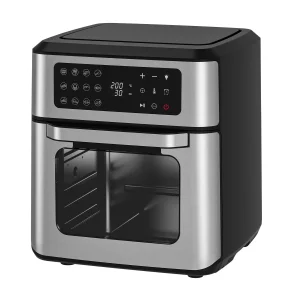
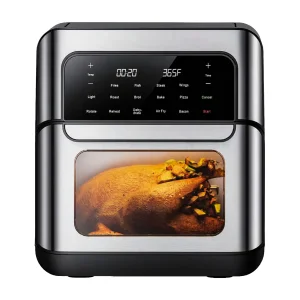
Zhongshan Zhenmei Electrical Appliance Co., Ltd. is a premier, globally recognized OEM/ODM partner specializing in the manufacturing of high-performance kitchen appliances. Our product expertise spans across advanced air fryers, electric pressure cookers, blenders, and specialized food prep units like the automatic Fufu/yam pounding machines. With over 16 years of expertise, we transform complex concepts into market-ready, certified products for leading global brands, importers, and retail chains.
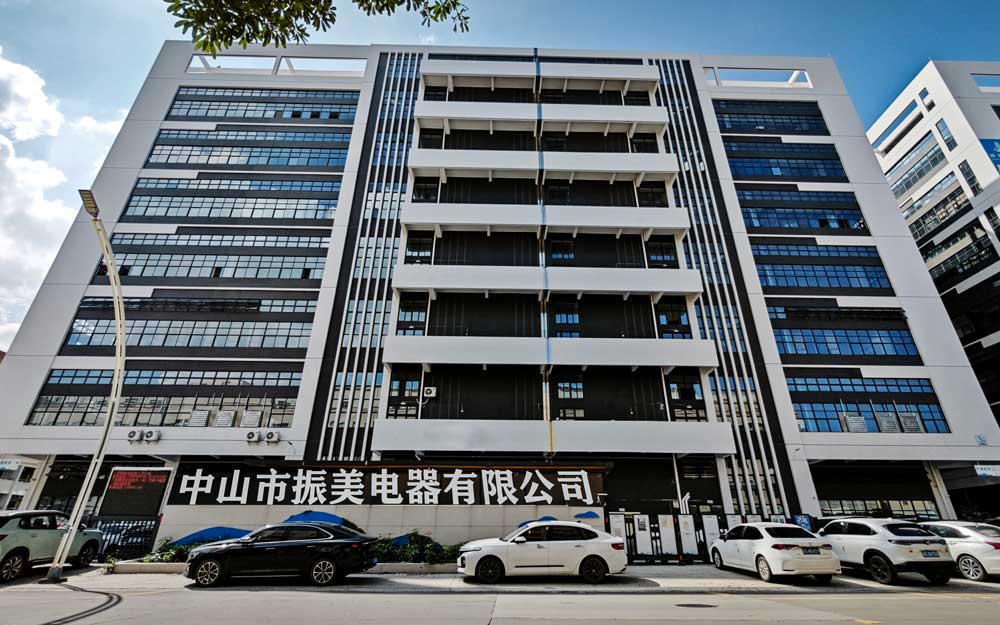
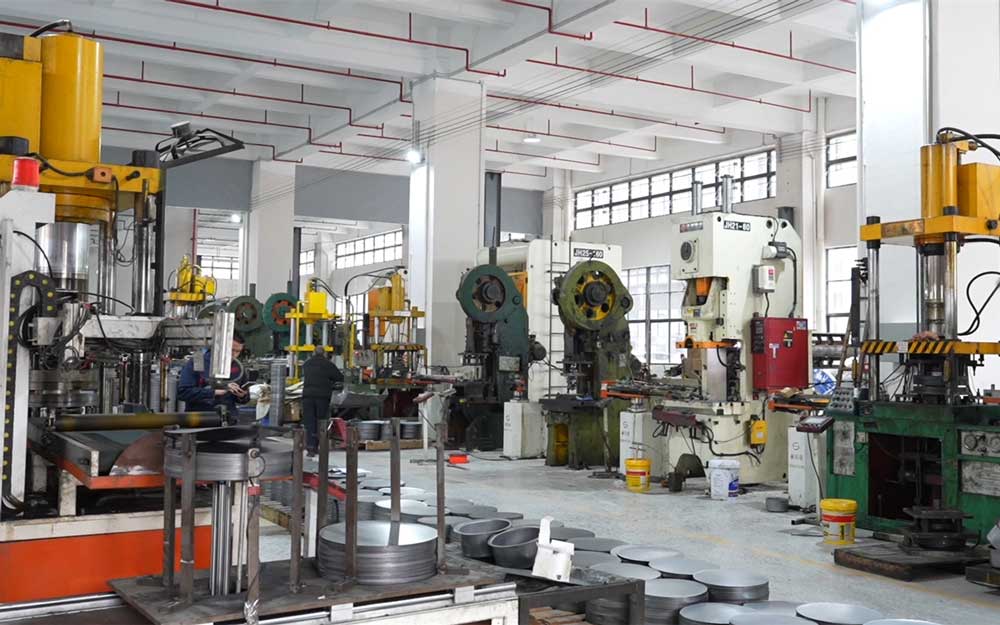
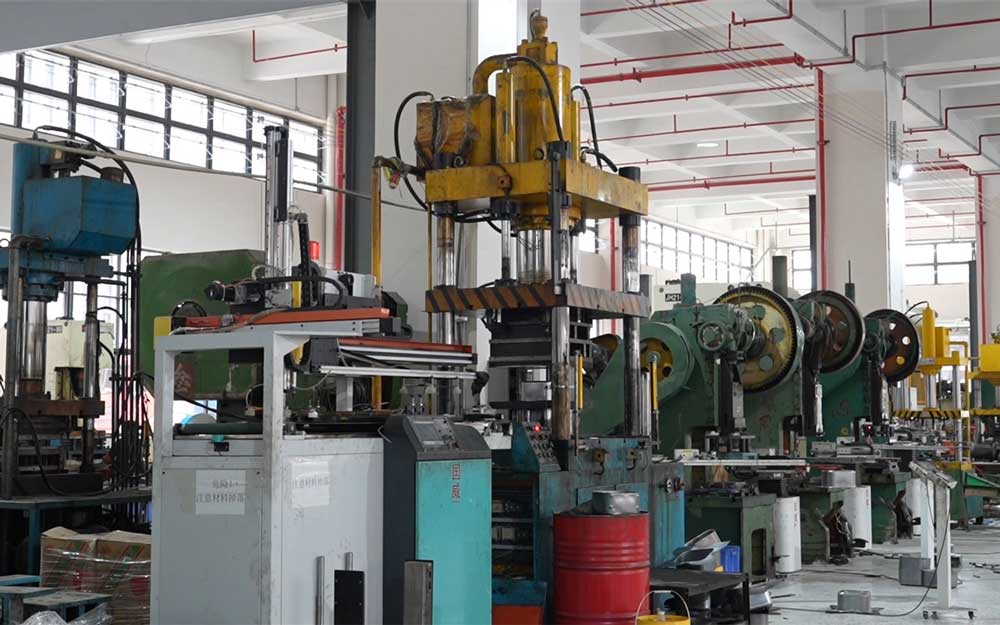
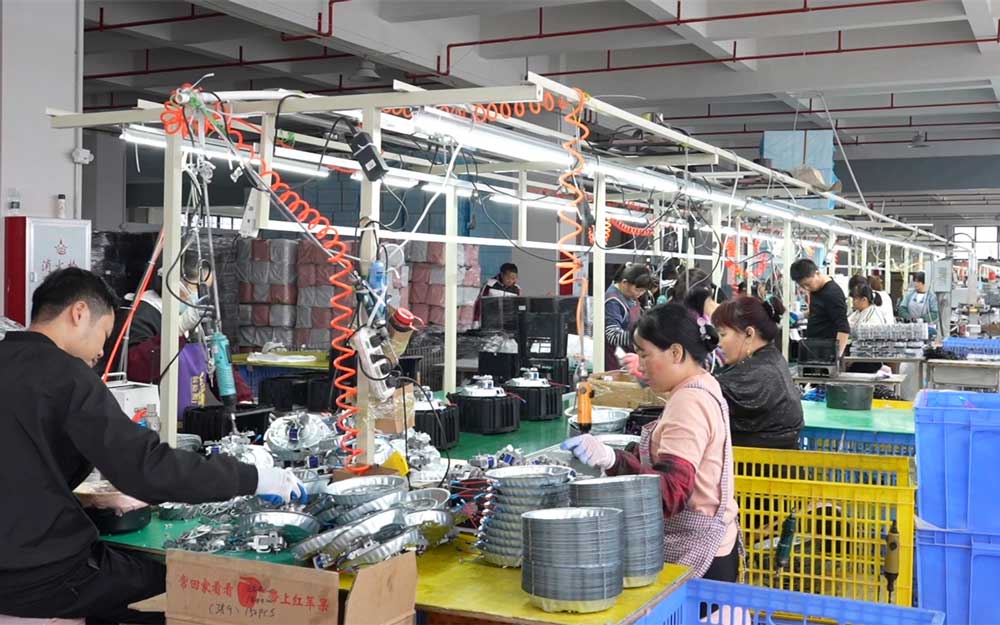
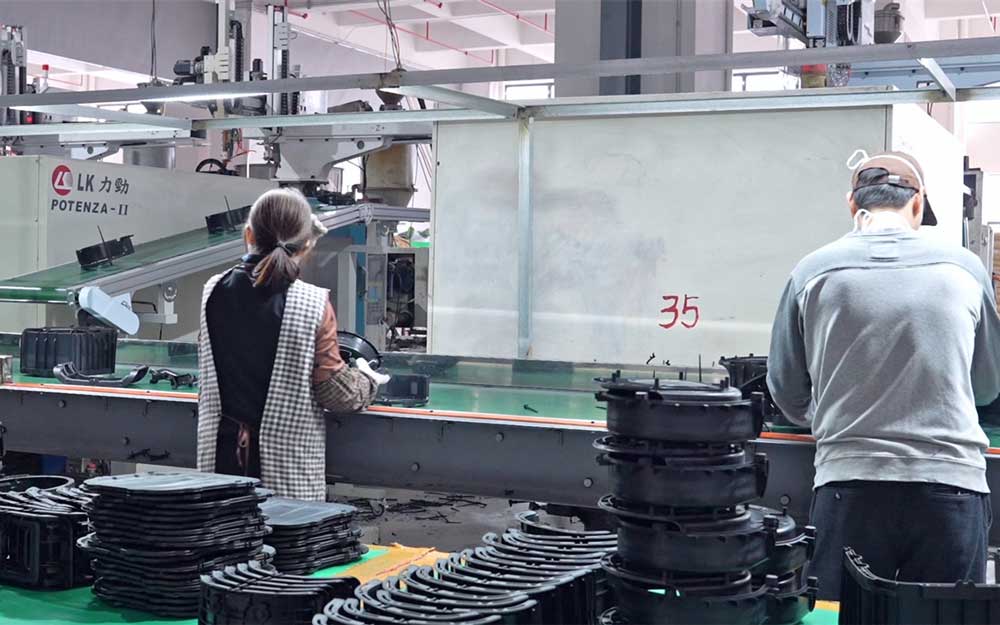
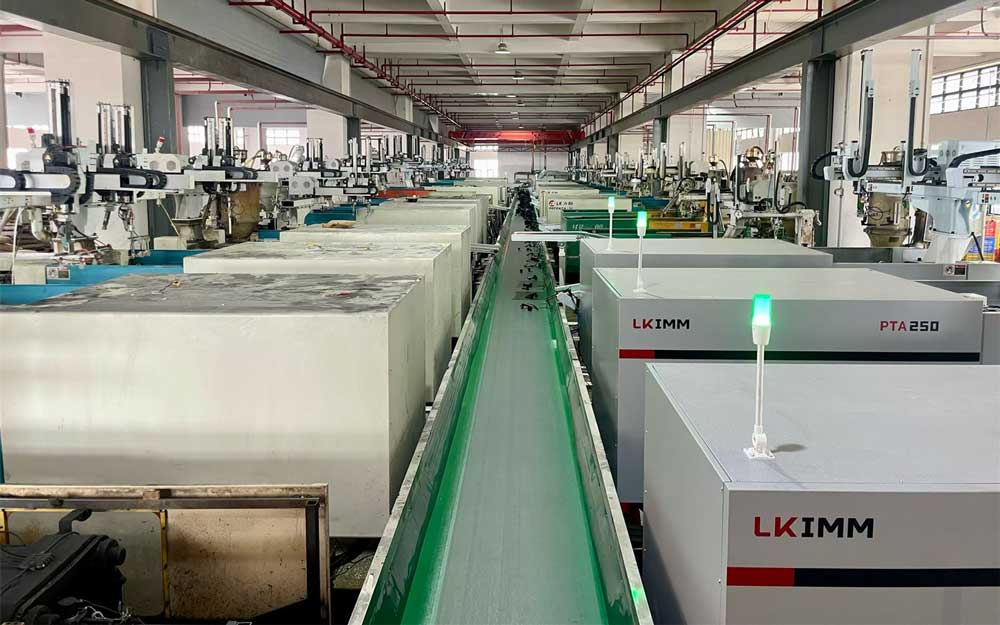
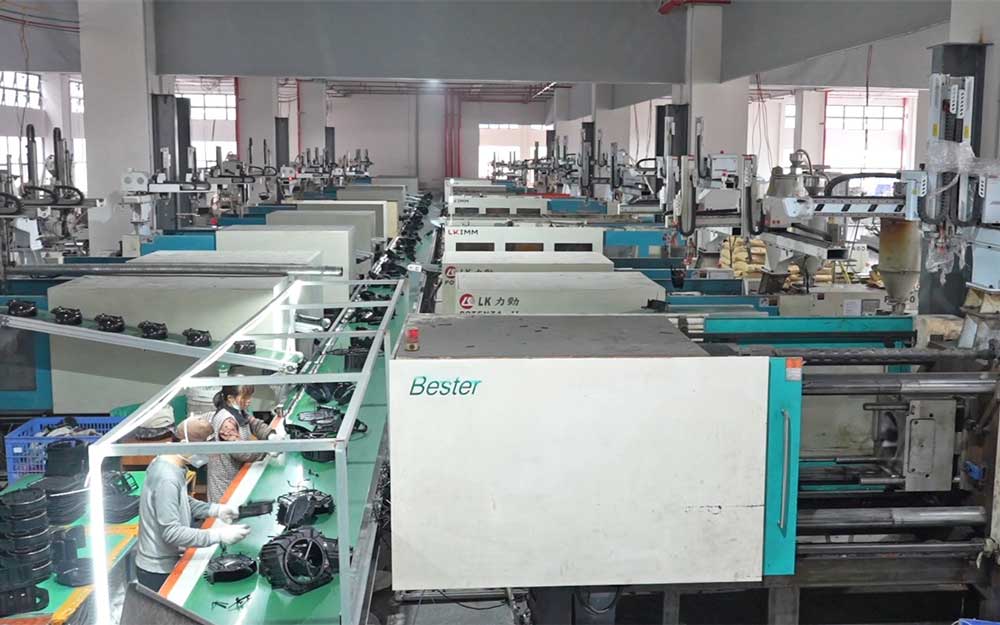
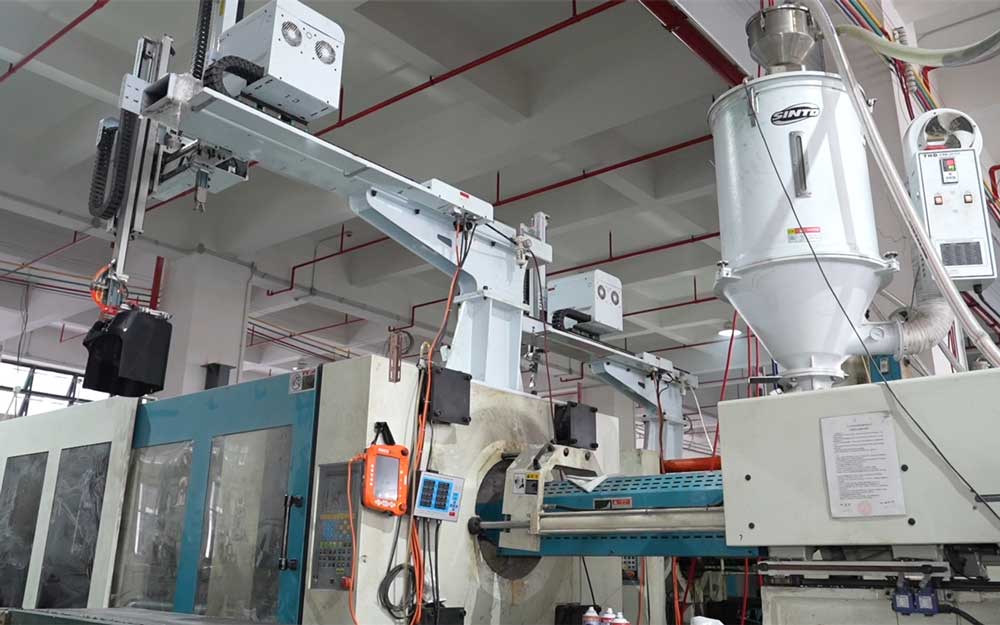
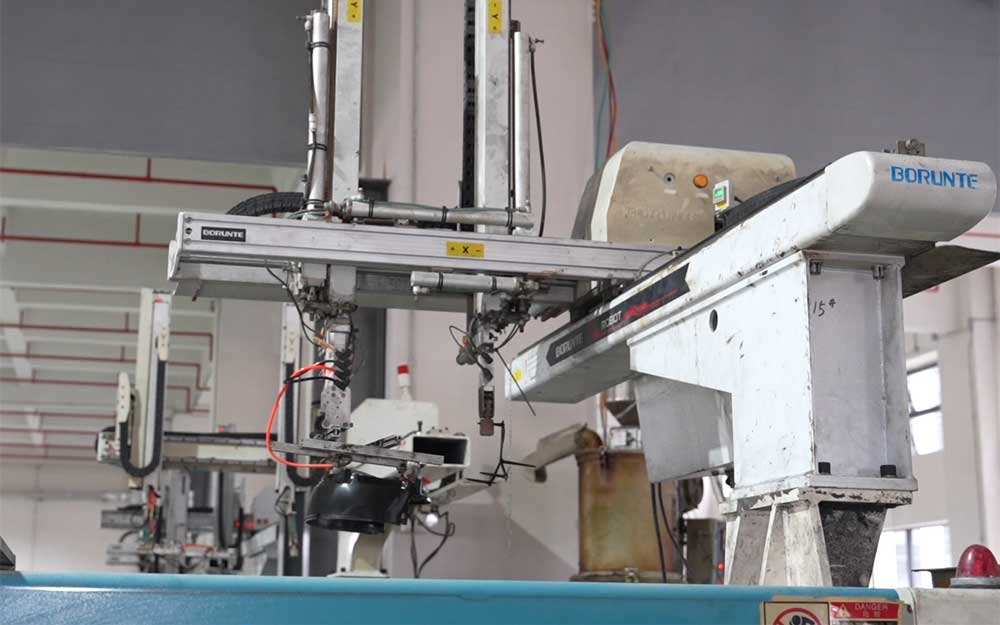
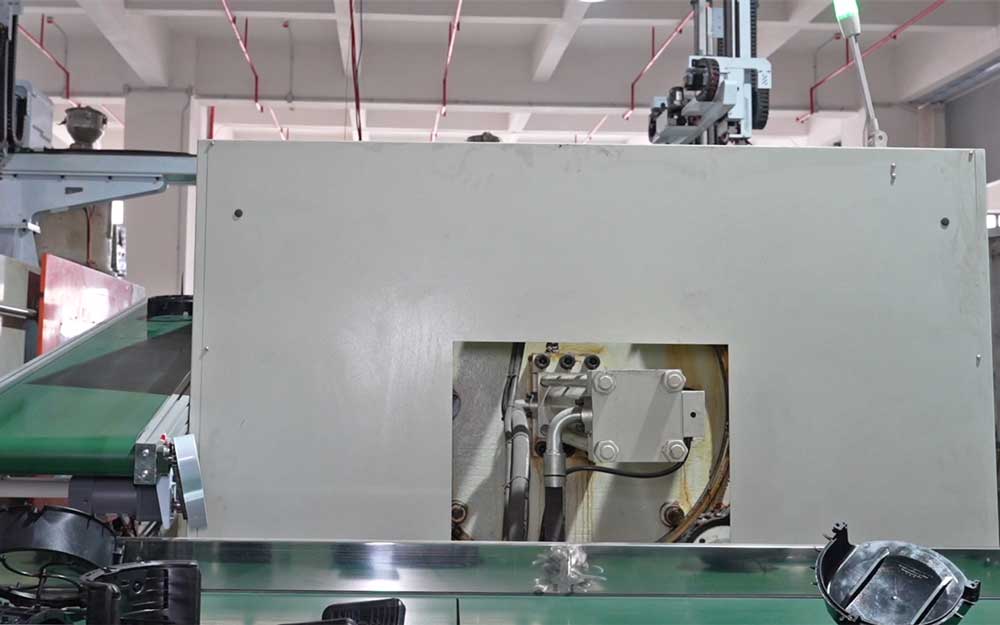
Our core manufacturing advantages reside in robust, end-to-end in-house capabilities. Operating from our advanced facility in Zhongshan, we maintain strict quality control loops across plastic injection molding, metal stamping, motor assembly, PCB testing, and final packaging. Our massive daily output reliably accommodates the requirements of high-volume orders worldwide while securing optimal unit economics for our procurement partners.
Why Zhongshan is the Global Hub for Specialized Small Domestic Appliances
Sourcing yam pounding machines from China, specifically within the Zhongshan industrial cluster, yields profound supply chain advantages that competitor regions cannot replicate. As the global epicenter for heating and motor-driven home appliances, Zhongshan offers direct access to a highly integrated network of raw materials, precision tooling, and specialized component manufacturers.
How Modern Mechanical Design Mimics Centuries-Old Manual Techniques
From an organic chemistry perspective, raw yam (*Dioscorea rotundata*) is rich in starch granules composed of amylose and amylopectin. Pounding cooked yam hydrates these starch granules, causing them to rupture and release polymer chains that cross-link to form a cohesive, elastic hydrogel. Traditional pestle pounding forces these starch chains to stretch and align, providing the desired "stretchiness" of high-quality Iyan.
If a machine utilizes standard high-speed blender blades, the mechanical shear forces cut these long starch chains into short segments. The resulting product loses its elastic, structural integrity and becomes a sticky, semi-liquid paste. To overcome this engineering challenge, our R&D department developed specialized slow-rotation, high-impact mixing geometries:
Reduces raw motor speed (typically 12,000–18,000 RPM) down to a stable, forceful pounding rotation (80–120 RPM), amplifying operational torque by up to 15 times.
Constructed of food-safe die-cast aluminum or heavy-gauge SUS304 steel, these paddles continuously compress and roll the yam fibers against the bowl wall, simulating the human pestle stroke.
Maintains cooked yam at temperatures above 65°C during the pounding phase, facilitating proper starch gelatinization and keeping the food piping hot for consumption.
Navigating Electrical Grid Specifications and Safety Certifications Across Regions
Developing electrical appliances for a diverse international market demands strict compliance with regional safety codes, voltage fluctuations, and commercial certifications. For international B2B buyers, importing appliances without correct localization creates substantial customs and operational liabilities.
West African Grid Optimization (Nigeria, Ghana, etc.): The electrical infrastructure in these key markets experiences severe voltage drops and power surges. Our engineering team builds special wide-voltage power supplies (adjusting for stable operations within 180V–265V grids) and integrates mechanical surge protection switches to protect the control board and motor coils from premature burnout.
Strict Safety Certifications: Our production line operations are structured around ISO 9001 quality systems. Depending on target import destinations, we supply units compliant with the following standards:
Accelerated Engineering and Design Adaptation from Concept to Container Loading
Zhongshan Zhenmei Electrical Appliance Co., Ltd. functions as an end-to-end industrial manufacturer. We align our workflows to standard international business protocols, guaranteeing transparency, intellectual property protection, and on-time shipment schedules.
R&D team defines performance targets, power metrics, housing materials, and custom box artwork packaging based on buyer specifications.
Functional 3D printed samples and prototype circuitry are fabricated within 15–20 days for customer assessment and laboratory load tests.
Injection tooling modifications and mechanical tooling are calibrated inside our CNC workshop to produce high-precision casing units.
Rigorous pre-shipment inspections (IQC, IPQC, FQC) ensure zero-defect product runs prior to standard container stuffing and export dispatch.
Our standard manufacturing lead times average 35 to 45 days for initial OEM orders, with repeat production runs completed within 30 days. We operate near major international ports including Shenzhen, Guangzhou, and Hong Kong, allowing rapid customs clearance and flexible container configurations.
Adapting Kitchen Tech to Diverse Commercial and Domestic Operational Profiles
Recognizing how end-consumers interact with food preparation equipment helps us build features that solve real-world problems. The yam pounding machine finds utilization across three main user demographics:
Compact, elegant counter-top appliances designed for everyday family use. Focuses on simple clean-up, lower power consumption, and quiet operations suited to modern apartments.
High-capacity, heavy-duty stainless steel models built for continuous use. Features heavy thermal shielding, large-volume bowls (up to 10 liters), and robust drive shafts to handle heavy kitchen throughput.
Optimized for 110V/120V grids in North America and the UK. These users prioritize safety certifications (UL, ETL, CE), premium modern styling, and multifunctional use (e.g. Fufu processing, dough kneading, and vegetable chopping).
Precision Engineering and Modern Infrastructure Underpinning Our 10,000+ Daily Capacity


Essential Technical and Logistics Guidance for Professional B2B Importers
Explore more OEM/ODM solutions from our advanced manufacturing line
 Zhenmei Electrical