China Strong Motor Juicer Manufacturers & Factories

High-Torque Engineering, Scalable OEM/ODM Solutions, and Certified Global Compliance Standards for Enterprise Buyers Worldwide

16+
Years of R&D Excellence
40k+
Sqm Production Facility
10k+
Daily Units Output Capacity
300+
Dedicated Skilled Professionals

Executive Summary: The Evolution of Strong Motor Juicer Engineering

In the rapidly advancing global juice extraction and culinary processing market, the core driving force behind operational efficiency, reliability, and longevity is motor technology. Strong motor juicers have evolved beyond traditional home kitchen requirements, forming the foundation of high-output juice bars, wellness clinics, institutional kitchens, and progressive consumer lifestyles. When sourcing from China strong motor juicer manufacturers & factories, global enterprises are no longer just comparing mechanical prices; they are looking for deep technical partnerships, precision copper coil winders, thermodynamic ventilation patents, and custom structural design capacities.

As a leading OEM/ODM manufacturing hub, Zhongshan Zhenmei Electrical Appliance Co., Ltd. utilizes over 16 years of engineering experience to design and manufacture commercial-grade, high-torque food preparation appliances. Modern consumers expect cold-pressed, high-yield extractions that preserve active enzymes, vitamins, and minerals. Meeting these demands requires deep understanding of motor engineering: high torque at lower RPMs or ultra-reliable high-frequency AC copper motors that can process dense fibrous vegetables without thermal shutdowns.

Understanding High-Performance Motor Engineering

The motor is the heart of any juicer, determining the range of ingredients it can process, continuous runtime capacity, and product lifespan. Understanding the engineering details is essential for choosing the right appliance:

  • Copper Windings vs. Copper-Clad Aluminum (CCA): High-end Chinese manufacturers use 100% pure copper wire for motor rotors and stators. Pure copper offers lower electrical resistance, minimizing heat generation during operation and extending the motor's life. CCA, while cheaper, degrades faster under heavy loads.
  • Thermal Overload Protection (TC/OLP): Advanced motors feature built-in thermal sensors that automatically shut off power if the internal temperature exceeds safe operating thresholds (typically 125°C to 135°C), protecting the core windings from melting.
  • Brushless DC (BLDC) Motor Integration: BLDC motors are increasingly used in commercial blenders and juicers. By eliminating carbon brushes, they reduce friction, lower operational noise (often down to under 65 dB), generate less heat, and provide consistent torque across various speed ranges.
  • Aerodynamic Ventilation Systems: High-torque motors generate significant heat. Engineering efficient air paths with dual cooling fans helps maintain lower internal temperatures, supporting continuous operation for high-volume demand.
Motor Parameter Consumer Entry-Level Commercial/Prosumer Strong Motor Zhenmei Industrial Class (BLDC/Pure Copper)
Input Power (Watts) 200W - 400W 800W - 1200W 1500W - 2200W
Stator/Rotor Winding Material CCA (Copper-Clad Aluminum) Partial Copper / Pure Copper 100% High-Grade Oxygen-Free Pure Copper
Maximum Torque Output 0.45 Nm 1.2 Nm 2.8+ Nm (Heavy Duty)
Noise Level (Decibels) > 85 dB 78 dB - 82 dB < 65 dB (With Sound Shield Enclosure)
Continuous Running Time Under 3 Minutes 10 - 15 Minutes Continuous 24-Hour Loop (Thermal Protection Protected)

China's Supply Chain and Factory Cluster Ecosystem Advantages

The global dominance of Chinese juicer and blender factories is rooted in a highly integrated industrial ecosystem, particularly in Guangdong Province (Guangzhou, Shunde, and Zhongshan). Operating within these specialized clusters offers key strategic advantages for international buyers:

  • Unmatched Raw Material Access: Sourcing high-grade silicon steel sheets for laminations, high-temperature magnetic wires, precision bearings, and food-grade Tritan (BPA-free) co-polyester plastics within a 50km radius speeds up production and reduces logistical overhead.
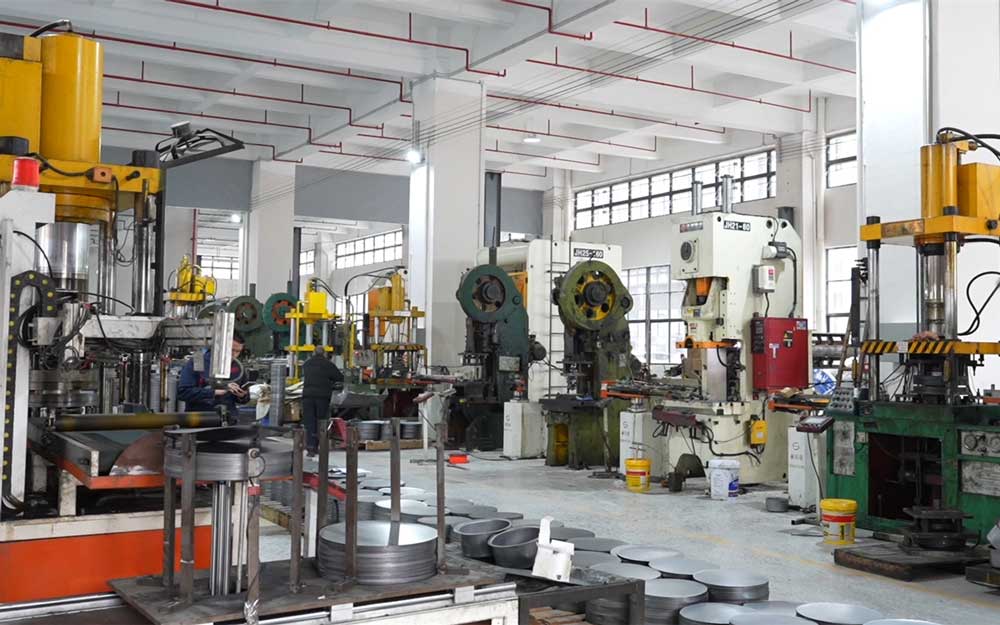
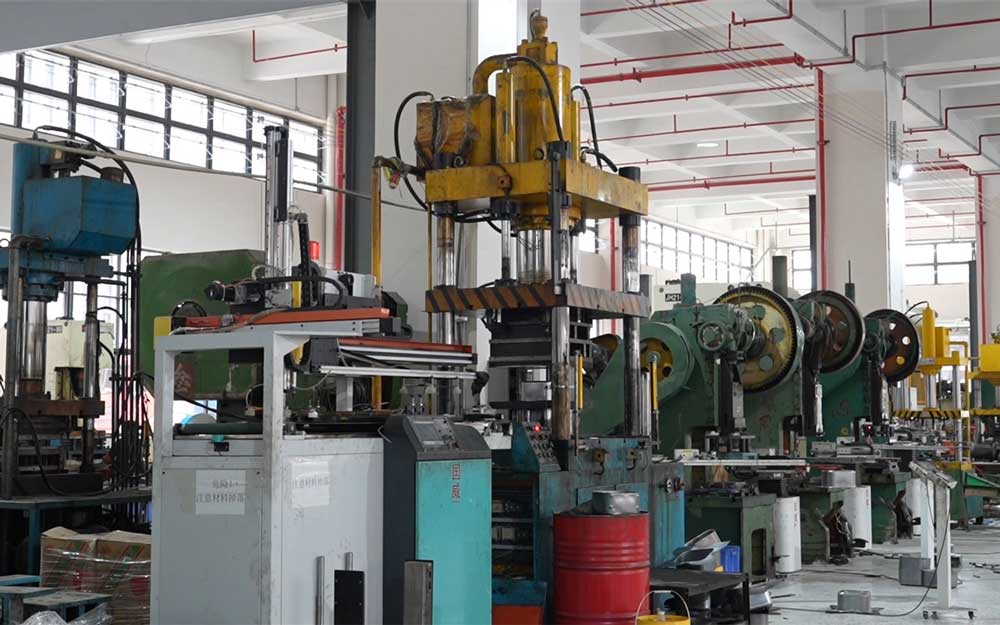
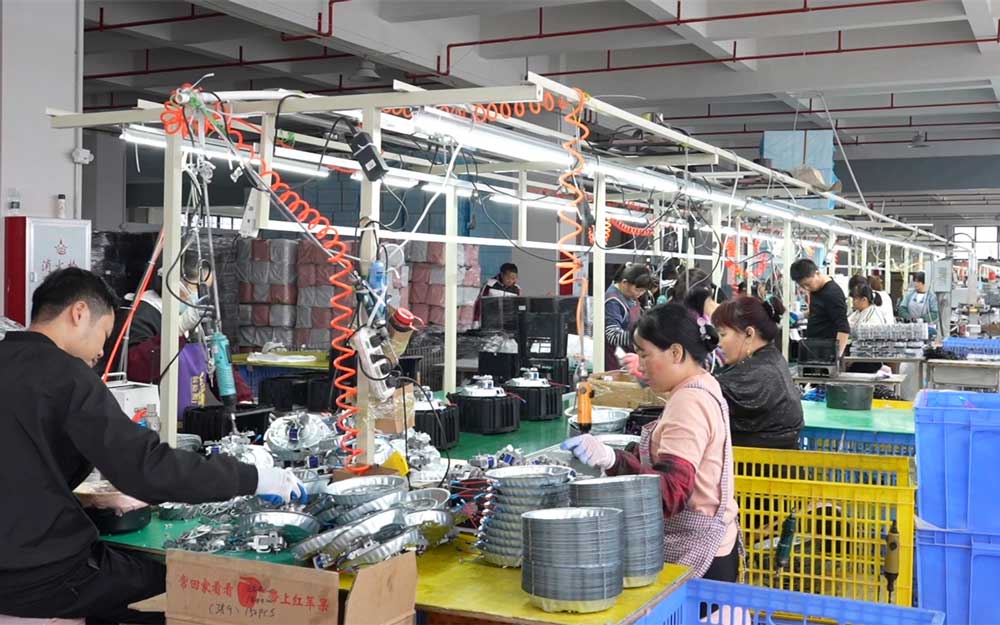
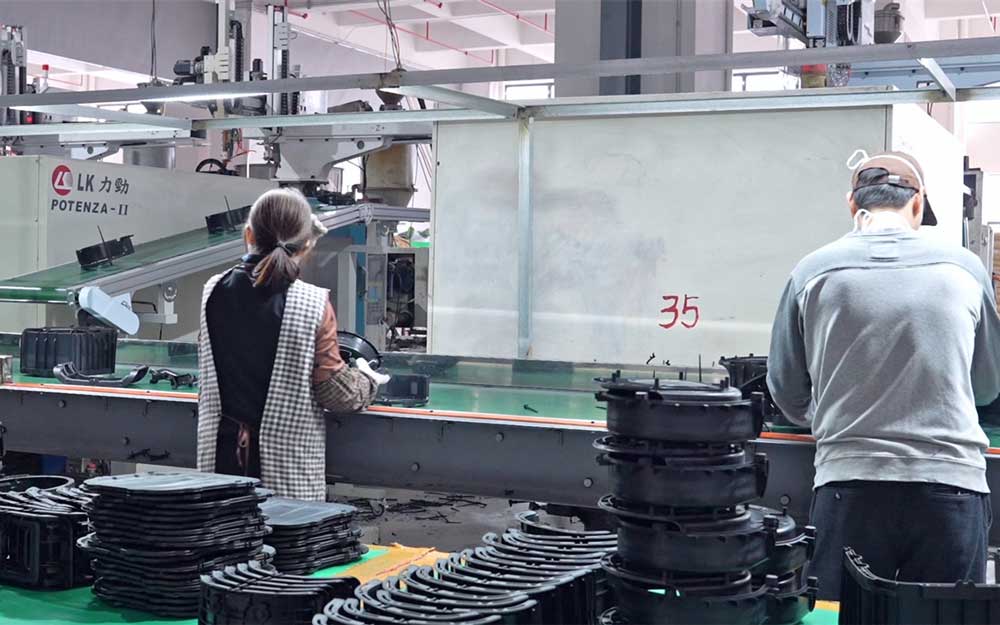
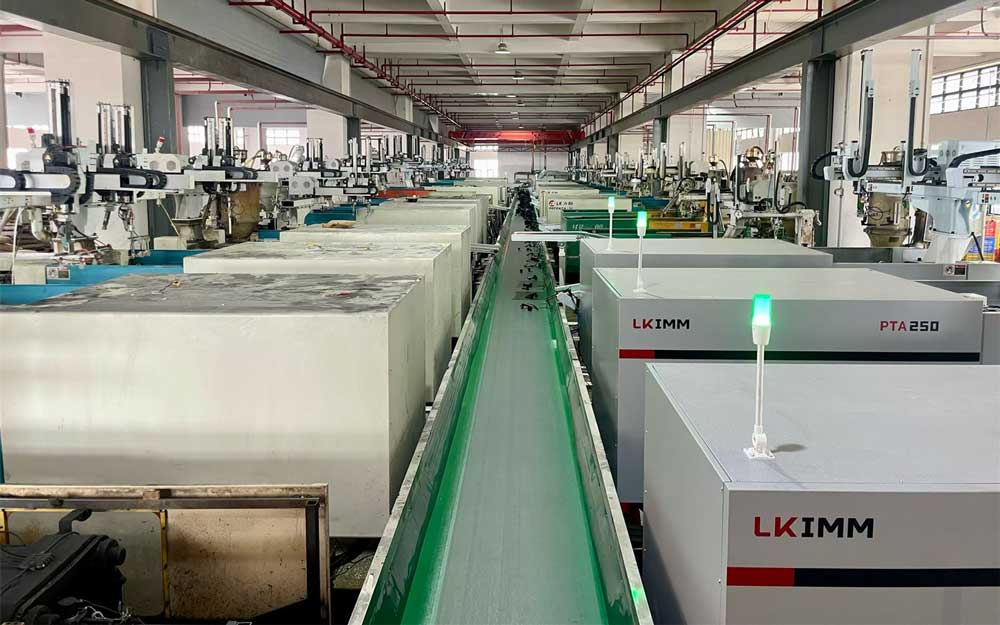
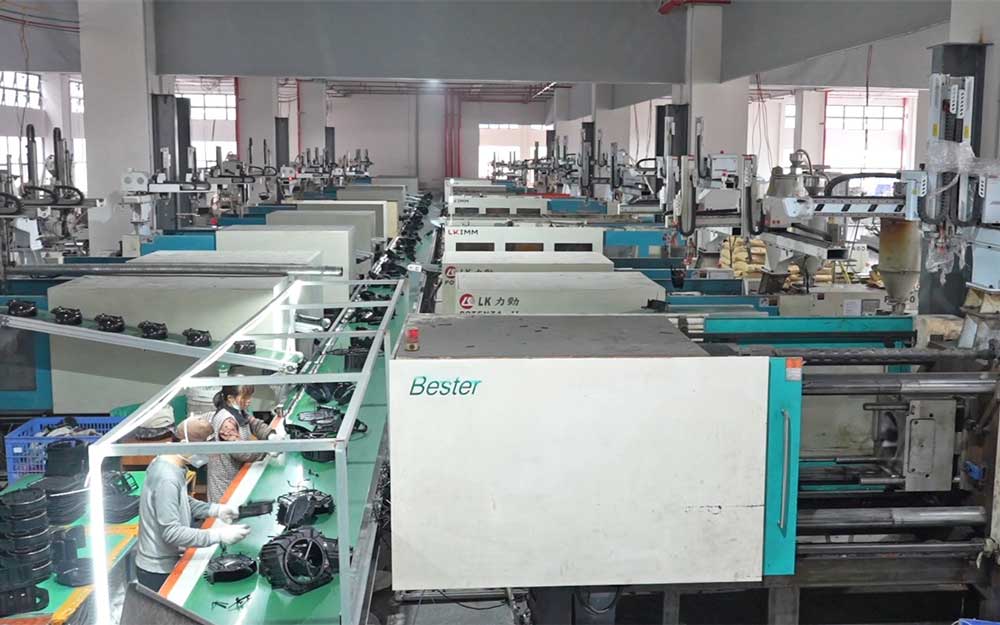
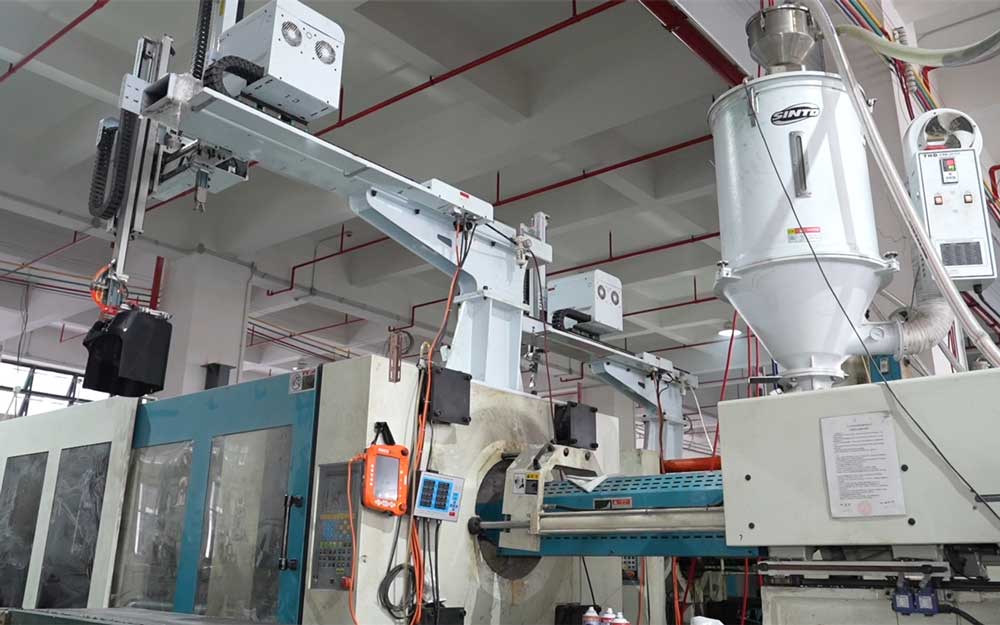
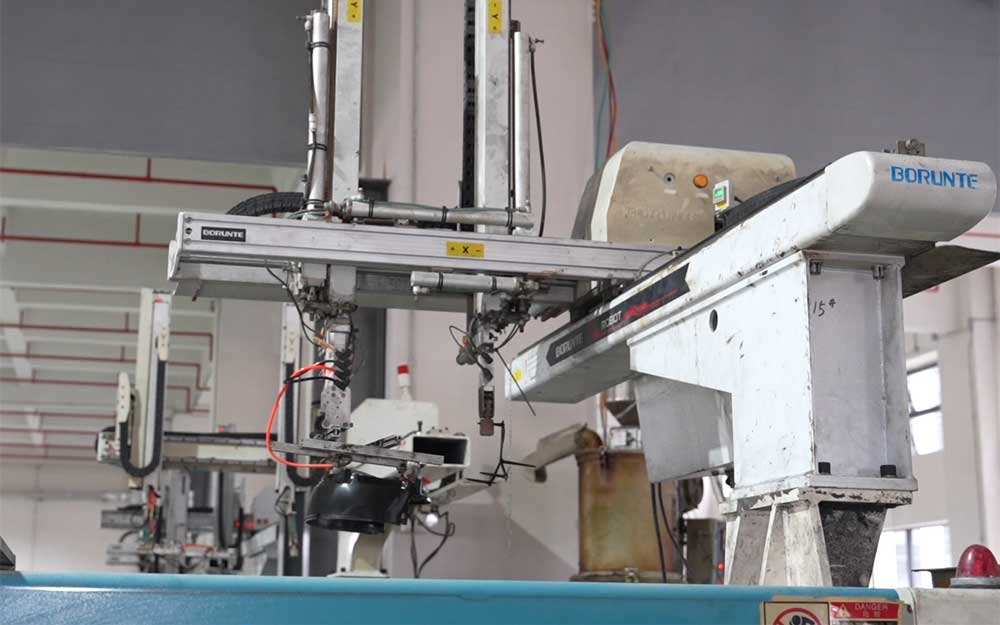
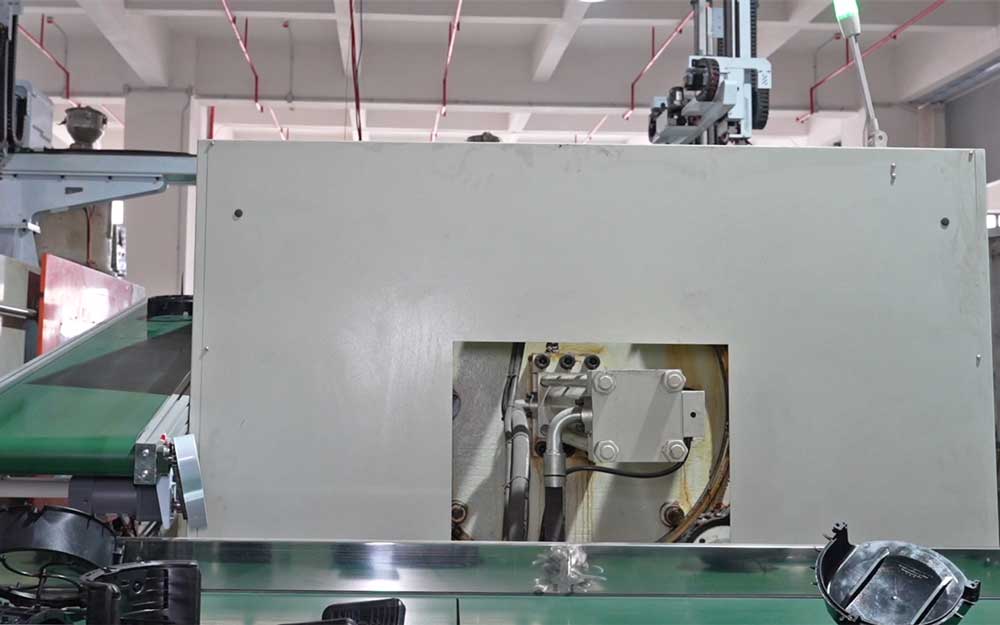
  • Vertically Integrated Production Facilities: Top-tier factories like Zhongshan Zhenmei manage the entire lifecycle in-house, including mold design, injection molding, motor winding, assembly, and testing. This end-to-end control ensures consistent quality and faster turnaround times.
  • Continuous Technical Innovation: With a 20+ member R&D team, our designs incorporate the latest advancements in smart speed control, digital touch panels, and acoustic insulation, keeping clients ahead of market trends.
  • Exceptional Economies of Scale: A daily production capacity of over 10,000 units allows us to optimize raw material purchases, offering competitive pricing without sacrificing engineering quality.

Global Enterprise Sourcing Standards & Regulatory Compliance

Sourcing high-power motor appliances globally requires meeting strict international safety and environmental regulations. Strong motor juicers must comply with local market requirements to clear customs and ensure consumer safety:

Electrical Safety (CE, CB, UL, GS)

Verifies that high-power motors comply with international leakage current, dielectric strength, and ground resistance standards, protecting against electrical shocks.

Food Contact (FDA, LFGB, BPA-Free)

Ensures all components in the food path, such as juice bowls, augers, pusher cups, and stainless steel filters, are free of harmful chemicals and heavy metals.

Electromagnetic Compatibility (EMC/FCC)

Ensures the high-frequency electromagnetic fields from the juicer's motor do not interfere with nearby home electronics or communication networks.

Zhongshan Zhenmei implements a rigorous quality control framework at every stage. Raw materials undergo incoming quality checks (IQC), motors receive high-voltage test scans (IPQC), and finished products undergo long-duration burn-in testing (FQC) to guarantee safety, performance, and reliability before shipment.

Future Trends in Motor and Juicing Technology

The kitchen appliance market is evolving toward smarter, more sustainable, and quieter solutions. Emerging technologies are shaping the future of juicer design:

  • Smart Speed Adaptation (Intelligent Load Sensing): Modern juicers use microprocessors to adjust motor torque and RPM based on food resistance. Hard carrots trigger automatic torque increases, while soft leafy greens are processed at lower speeds to maximize juice yield and save energy.
  • Eco-Friendly and Recyclable Materials: Leading manufacturers are using recyclable resins, bio-plastics, and post-consumer recycled metals for non-structural housings to help global brands meet environmental targets.
  • Integrated Active Noise Reduction (ANR): Specialized acoustics engineering, including decoupled motor mounts, rubber isolation bases, and dual-layer sound shields, keeps operational noise below 60 dB, which is ideal for open-plan kitchens and commercial spaces.
  • High-Efficiency Power Management: Modern brushless motors convert up to 85% of electrical energy into mechanical power, compared to 50% for standard motors, reducing energy consumption and carbon footprint.

Targeted Application Scenarios

High-torque motor juicers are versatile tools used across diverse home and professional settings:

  • Commercial Juice Bars and Cafes: Requires continuous operation, fast processing speeds, and quick clean-up cycles to handle high customer volumes.
  • Health-Conscious Households: Demands high juice extraction yields and maximum nutrient preservation, especially for cold-pressed green juices.
  • Institutional Kitchens and Catering: Needs large-capacity juicers and blenders with high-power motors that can process heavy volumes without overheating.

Zhongshan Zhenmei Electrical Appliance Co., Ltd. - Factory Capabilities

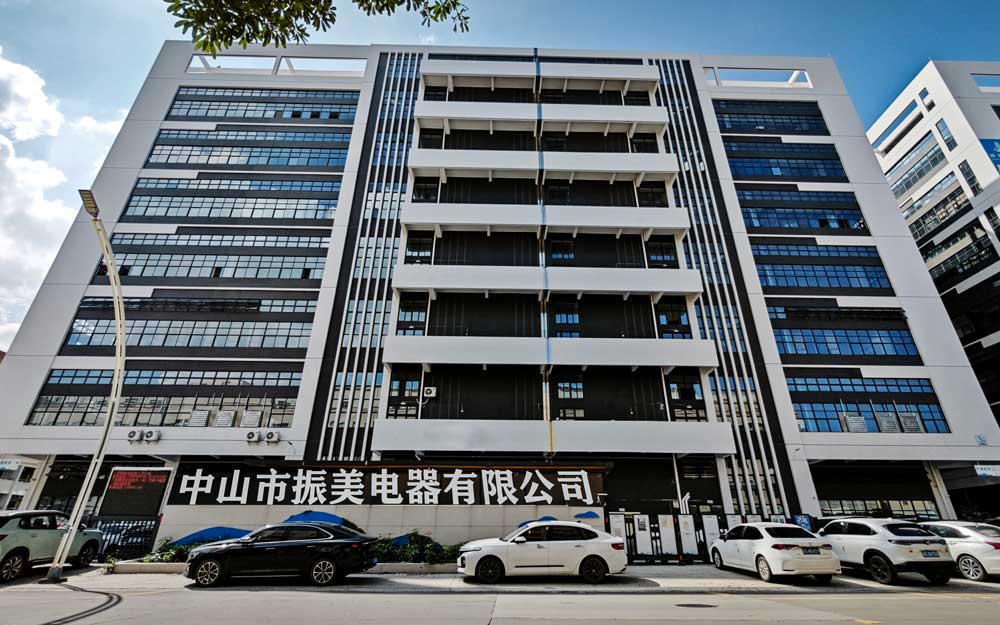
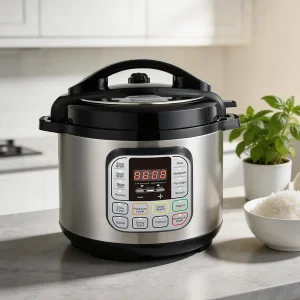
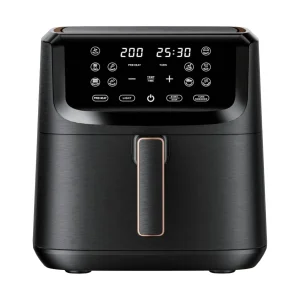
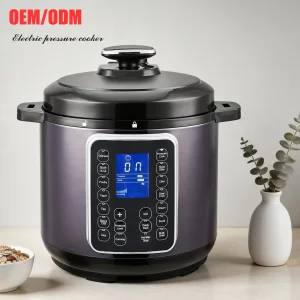
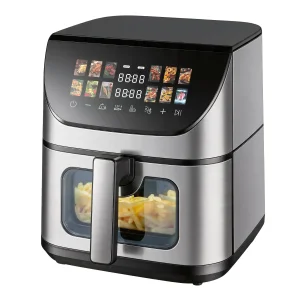
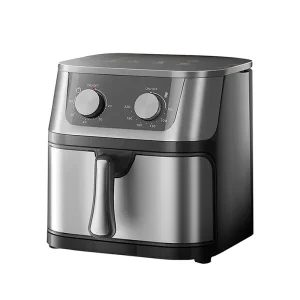
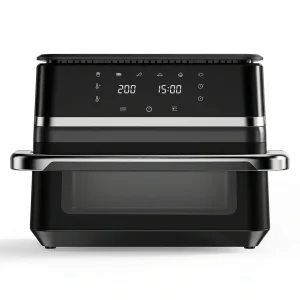
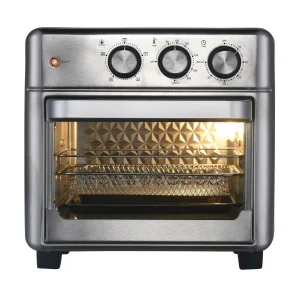
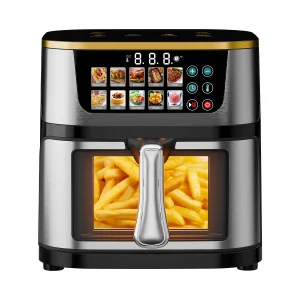
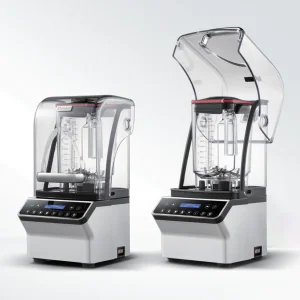
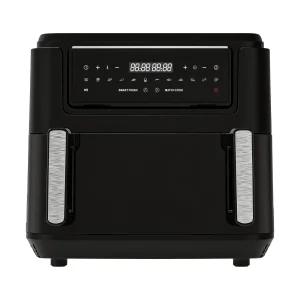
Zhongshan Zhenmei Electrical Appliance Co., Ltd. is a premier OEM/ODM partner specializing in the manufacturing of high-performance kitchen appliances, including air fryers, electric pressure cookers, blenders, and custom motor-driven systems. Operating from our advanced 40,000 square meter facility, and supported by over 300 dedicated professionals and 20+ R&D experts, we ensure precision and quality control at every stage of production.

Our daily output of over 10,000+ units allows us to reliably meet the high-volume demands of global brands. We maintain strict manufacturing and safety standards to guarantee that every product is durable, safe, and built to perform. Partner with us for reliable, high-scale OEM/ODM manufacturing solutions.
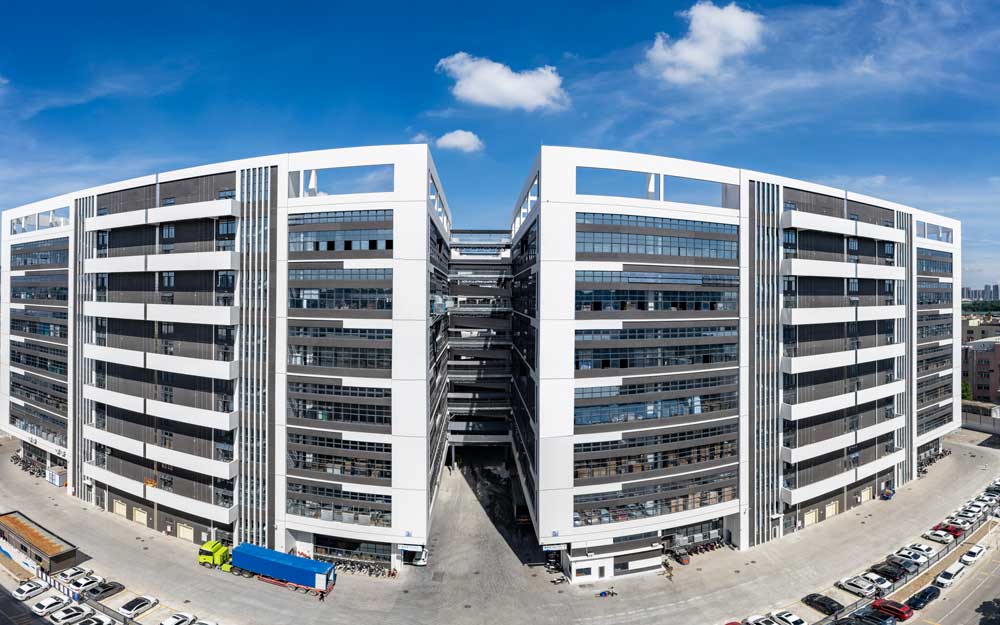
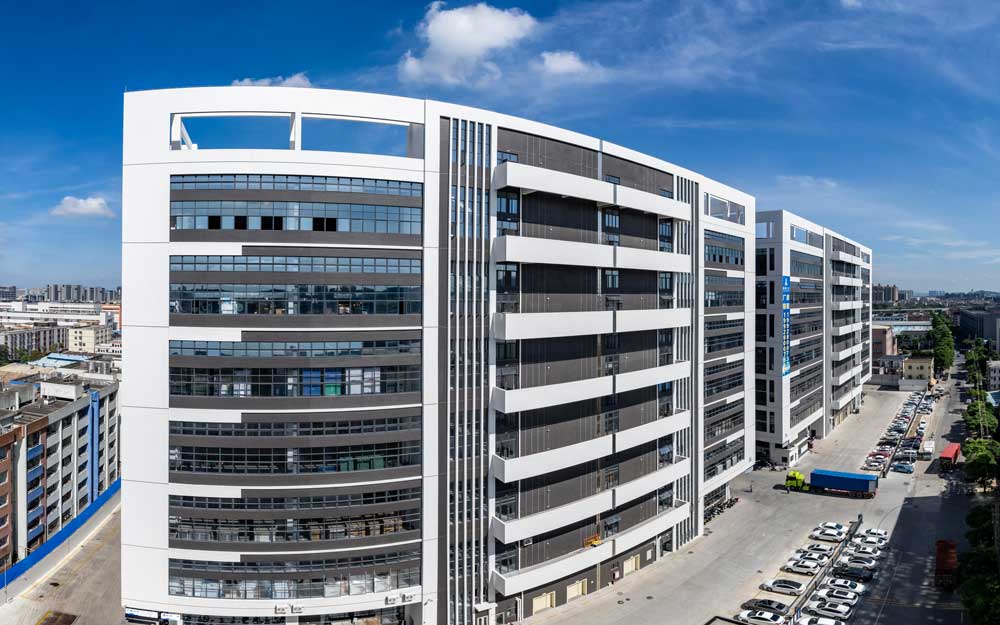
Work Environment & Production Facilities

Frequently Asked Questions

Answers to common technical, logistics, and supply chain questions from global buyers and distributors.

How do you evaluate motor durability in high-torque blenders and juicers?
We evaluate motor durability using rigorous testing, including continuous running tests under load (up to 500 hours), high-voltage insulation checks, and thermal stress testing. We also perform drop tests and simulated longevity assessments to ensure the motor housing and internal components withstand long-term commercial use.
What are the benefits of pure copper motors compared to copper-clad aluminum (CCA) motors?
Pure copper motors have lower electrical resistance, which reduces heat generation and improves energy efficiency. This helps the motor run cooler, handle higher torque loads without overheating, and last significantly longer than CCA motors under heavy use.
How do Chinese factories ensure compliance with European and North American electrical standards?
We work closely with accredited third-party laboratories (like TÜV, SGS, and Intertek) to test and certify our appliances. Our products are designed to meet CE/CB standards for Europe and UL/ETL requirements for North America, covering electromagnetic compatibility (EMC), mechanical safety, and material safety.
What is the typical minimum order quantity (MOQ) and lead time for custom OEM juicer designs?
For custom OEM/ODM kitchen appliances, the standard MOQ typically ranges from 1,000 to 2,000 units per model, depending on the level of customization. Lead times for repeat orders are generally 30 to 45 days, while initial custom designs may require additional time for prototyping and tooling development.
How does motor heat management impact the nutrient retention in juiced fruits and vegetables?
Excessive heat can degrade heat-sensitive vitamins and enzymes. By using high-torque motors that run at lower, controlled speeds and incorporating effective ventilation paths, we minimize heat transfer to the juice, helping preserve the natural nutrients and enzymes of the ingredients.