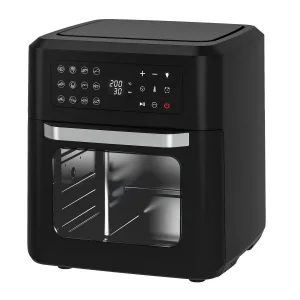
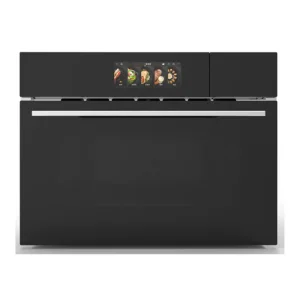
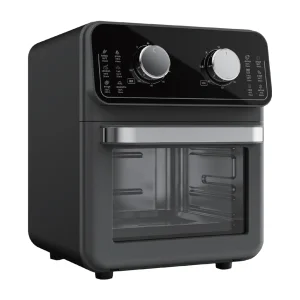
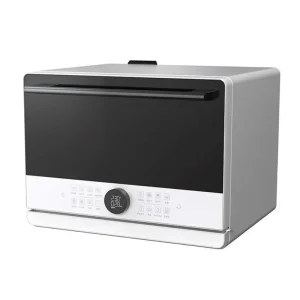
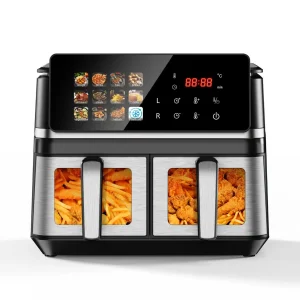
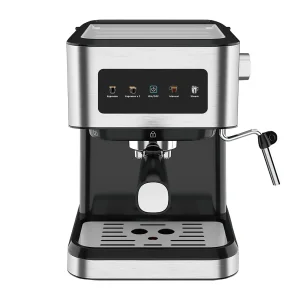
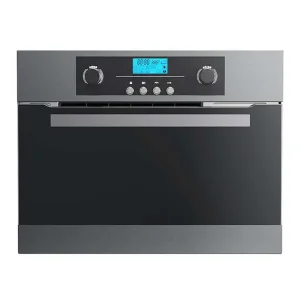
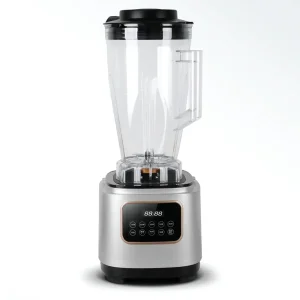
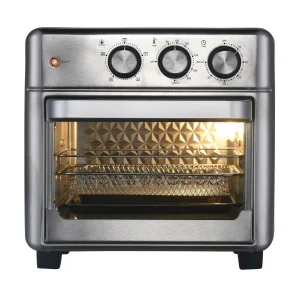
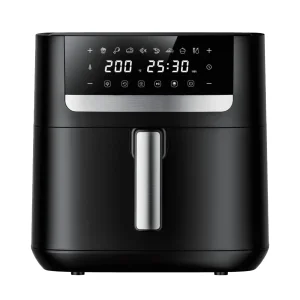
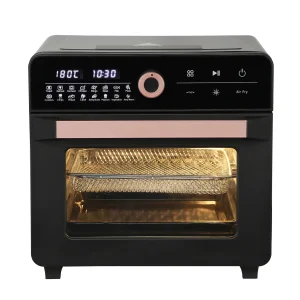
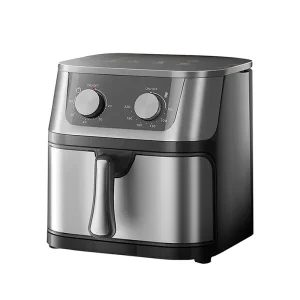
Explore our premium range of commercial and domestic smart kitchen appliances designed for high throughput and precision cooking.
Analyzing global market demands, core technologies, and supply chain efficiencies in modern thermal processing appliances.
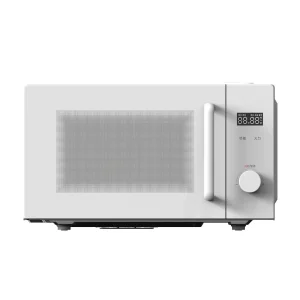
In the rapidly changing consumer electronics and smart kitchen landscape, the Solo Microwave Oven remains a foundational pillar for both residential and commercial cooking infrastructures. Unlike multi-functional convection systems, the pure Solo Microwave Oven is engineered for high-efficiency microwave emission specifically targetting water molecules to heat, defrost, and cook food rapidly. This concentration of purpose makes it the most robust, energy-efficient, and cost-effective thermal solution available for global distributors, brands, and institutional buyers.
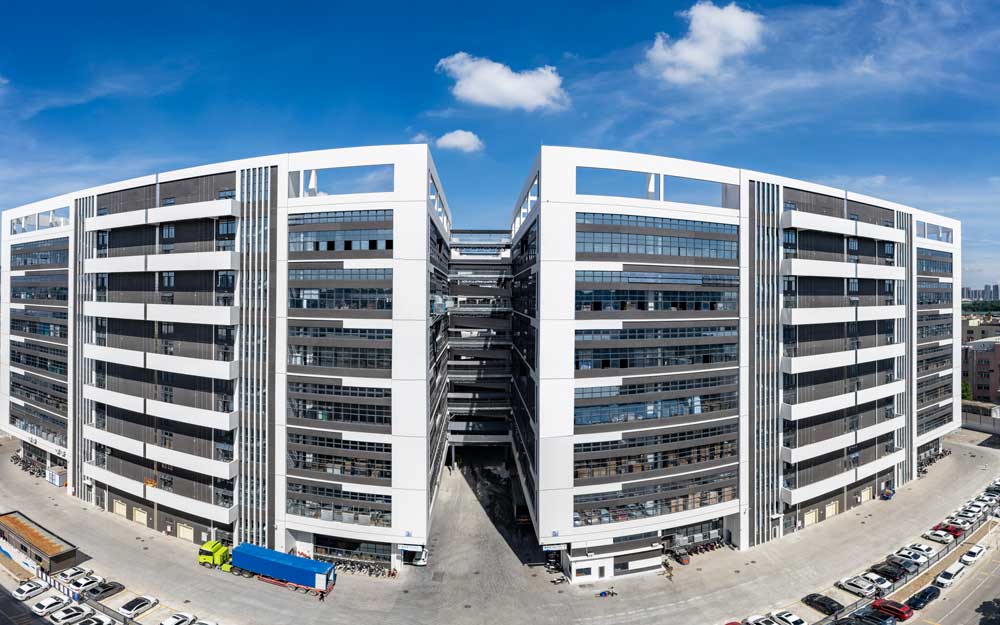
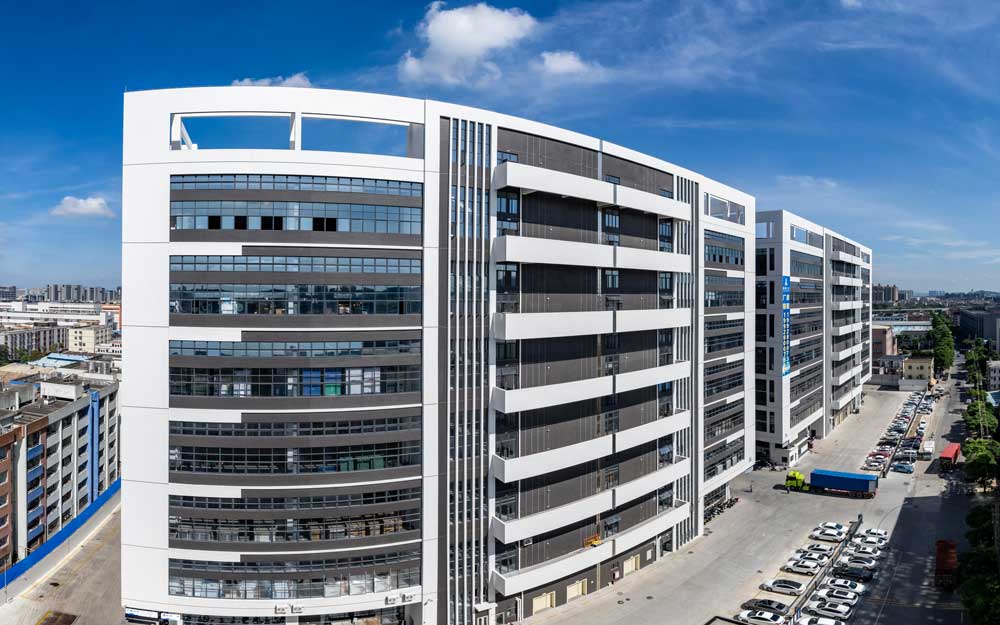
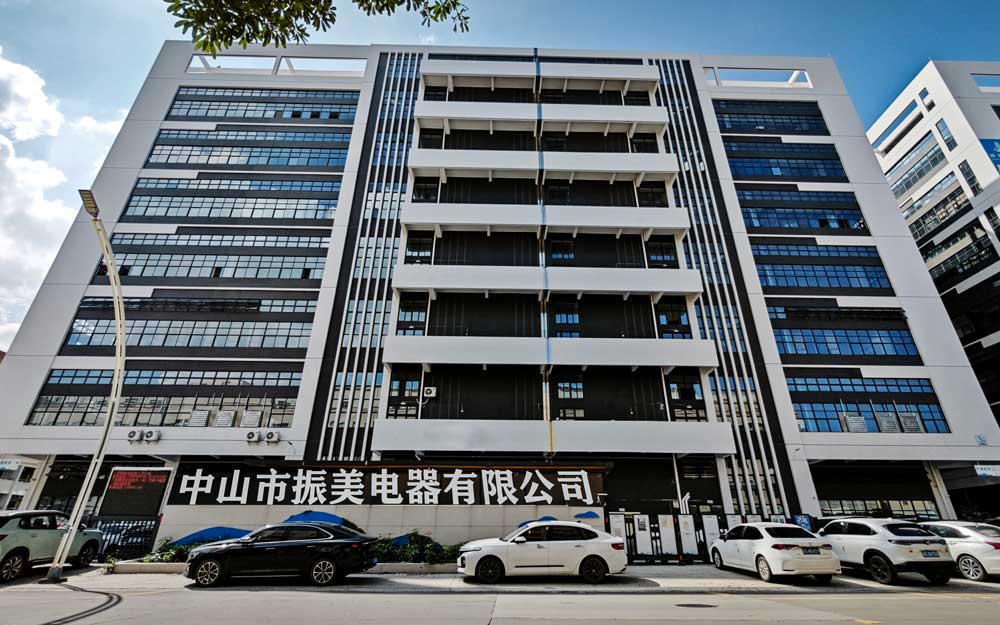
As a leading OEM/ODM manufacturing partner, Zhongshan Zhenmei Electrical Appliance Co., Ltd. (Apexdura) has spent over 16 years refining the structural, electrical, and thermal properties of kitchen appliances. By managing our 40,000 square meter state-of-the-art facility, we support international brands in transforming complex concepts into market-ready products that adhere to strict international reliability standards.
By avoiding complex dual-heating convection coils, solo systems feature simplified electronics, resulting in a mean time between failures (MTBF) that is up to 40% longer than combi-ovens.
With power outputs optimized dynamically between 700W and 1000W, our solo microwave cavities achieve thermal efficiency coefficients exceeding ErP Directive thresholds.
Strategic structural designs and material choices allow us to offer competitive unit costs without compromising safety, shell thickness, or shielding integrity.
How mechanical engineering, magnetron innovation, and smart sensor integration are defining the next generation of solo ovens.
Traditional solo microwaves use simple duty-cycle modulation (cycling power fully on and off to simulate low heat). Our technology roadmap integrates digital variable inverter circuits, providing continuous low-amplitude magnetron output. This results in uniform heat distribution, preventing surface scorch on delicate food items.
By using computer-aided fluid and thermal simulation (FEA/CFD), our engineers design optimized waveguide cavities. The microwave energy is distributed symmetrically, reducing reliance on the physical glass turntable and maximizing internal usable capacity.
Modern solo microwave ovens are shifting towards touch-capacitive control glass panels and smart sensor integration. In-cavity humidity sensors monitor steam release to dynamically shut off cooking cycles at the exact peak of vaporization, eliminating dried-out meals.
Environmental regulations such as the EU Eco-Design requirements have necessitated a shift in the electrical layout of microwave power transformers. Under standby conditions, our latest Solo Microwave models draw less than 0.5 Watts of electricity. Cavity linings have also transitioned from basic painted surfaces to specialized high-density, anti-bacterial enamel and food-grade SUS304 stainless steels. These upgrades facilitate ease of maintenance, reduce cooking odors, and extend the lifespan of the appliance.
The internal infrastructure of Zhongshan Zhenmei: How optimization of materials and automated lines ensures consistent quality at scale.
Operating within the industrial heart of Guangdong, Zhongshan Zhenmei (Apexdura) utilizes vertical integration strategies to minimize supply chain vulnerabilities. Raw materials such as cold-rolled steel coils, sheet copper for transformers, and injection-molded polymers are sourced from verified suppliers within a 100-kilometer radius. This proximity reduces logistical friction and buffers our production timeline from global logistics bottlenecks.
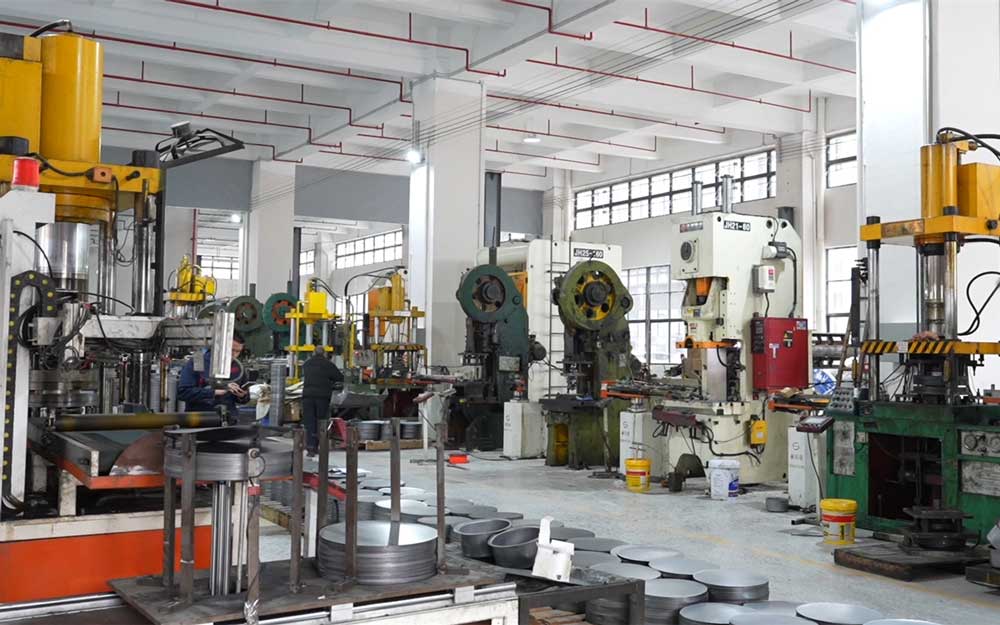
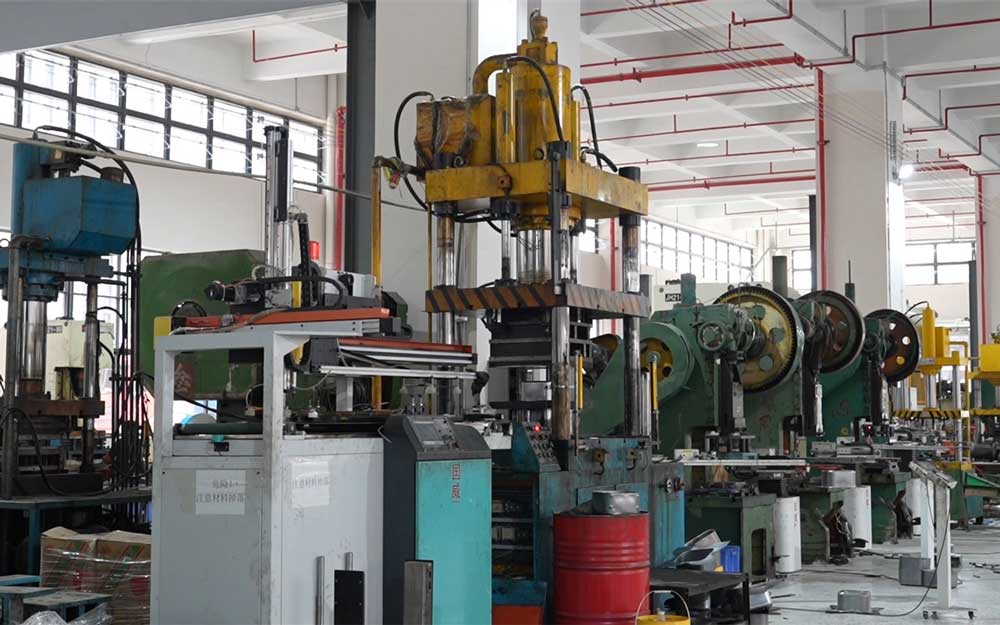
Hydraulic stamping presses fabricate structural outer shells and internal cavities with micron-level precision, assuring perfect microwave containment (zero leakage).
Our engineering department specializes in structural layout, electronic PCB design, thermo-dynamics, and global safety certification protocols.
Every unit passes through multi-tier QA checklines including grounding protection trials, high-voltage insulation tests, and microwave leakage scans.
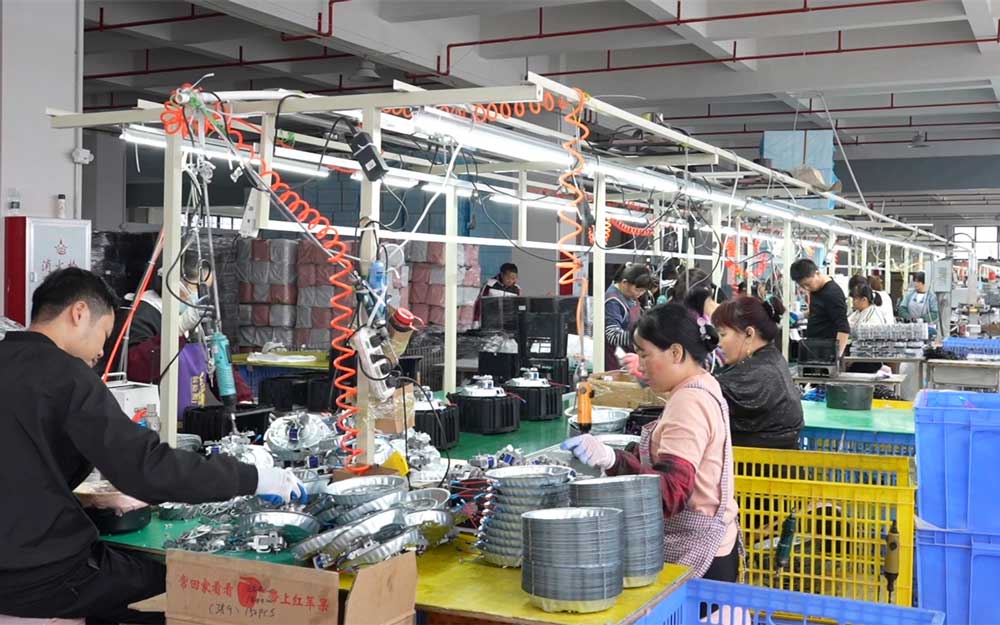
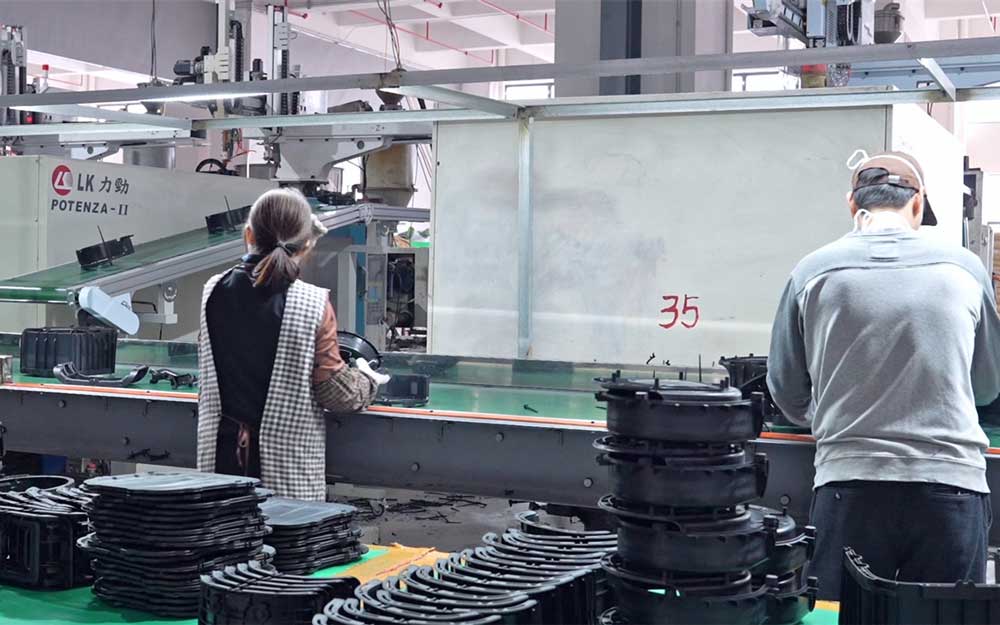
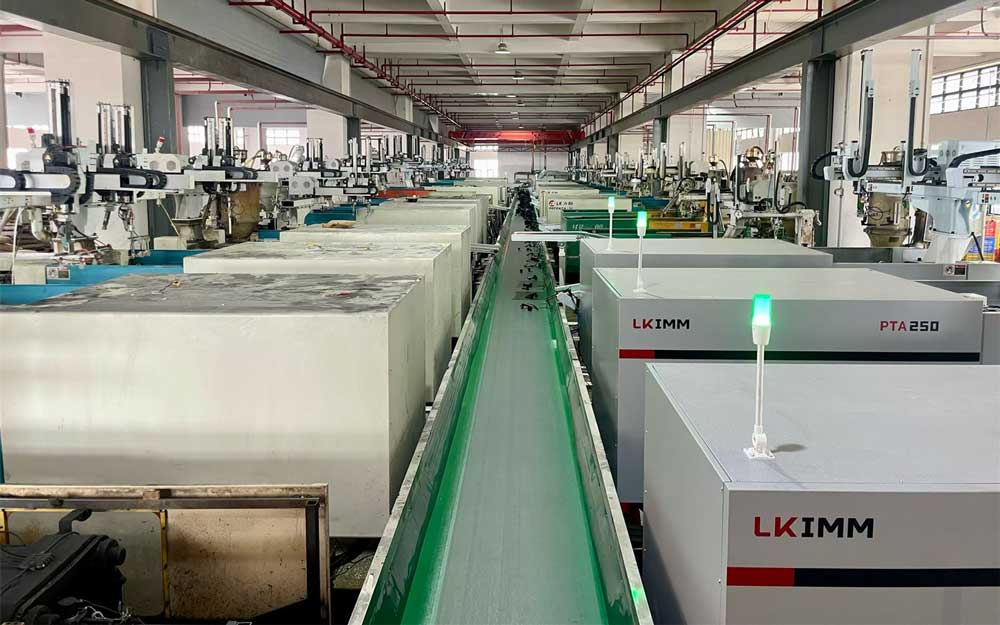
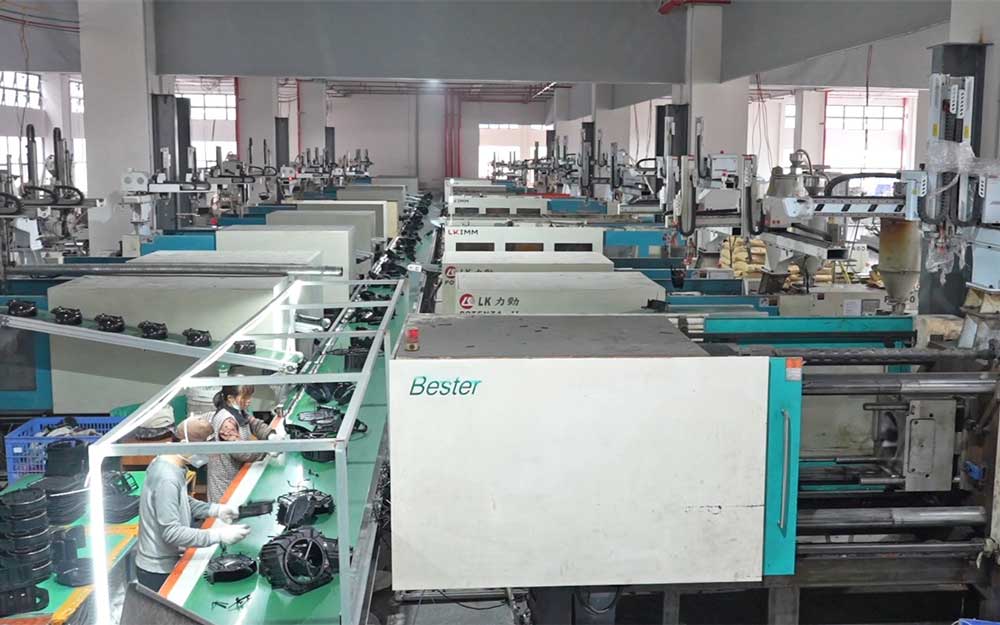
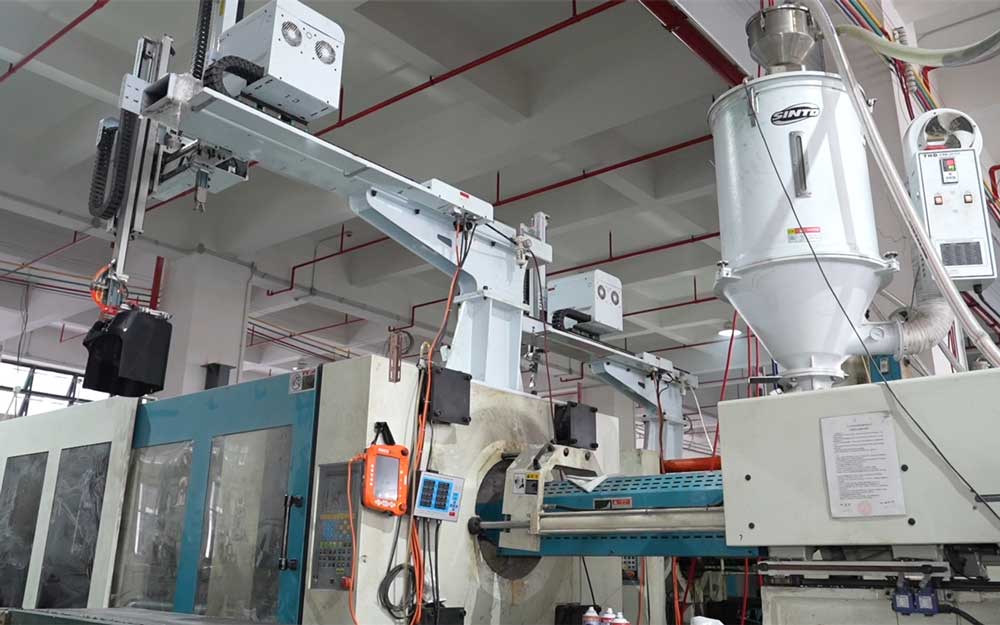
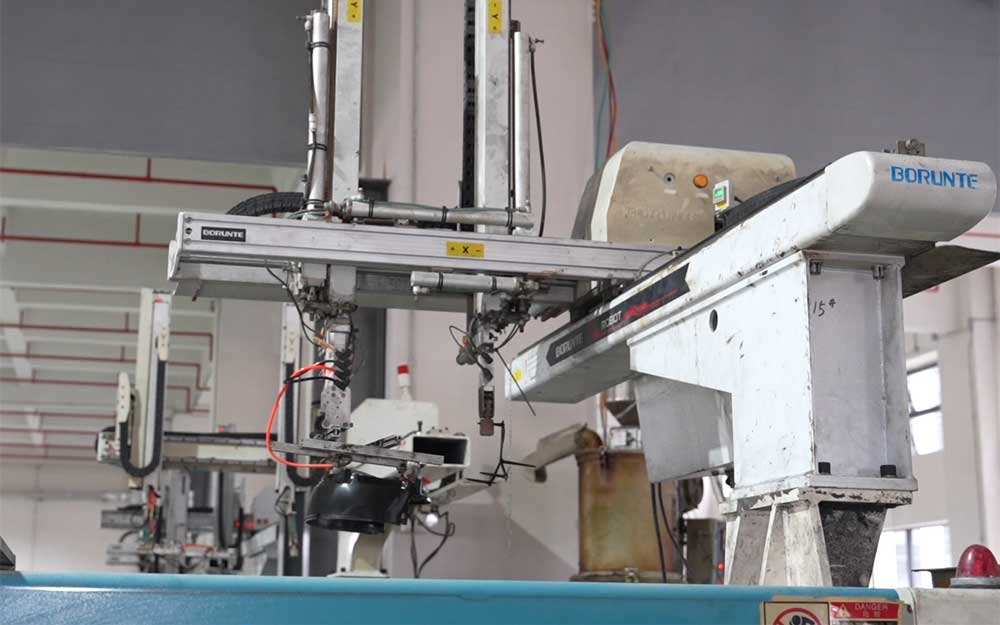
A professional, clean, and organized workspace is the bedrock of manufacturing excellence. Our facility integrates dust-controlled assembly lines, high-grade tooling stations, and automated machinery to maintain low defect rates. Below is a detailed view of our standard industrial environment:
Important criteria for importing kitchen appliances at scale, minimizing lead times, and managing target market compliance.
B2B sourcing managers face numerous variables when selecting a manufacturing partner. Beyond simple unit pricing, successful market entry depends on three essential requirements: regulatory compliance, customization depth, and capacity stability.
Our engineering division supports total customization: brand logo integration, control panel layouts, housing color configurations (stainless steel, matte black, white), and interface localized languages.
We construct components designed for localized voltage frequencies worldwide. Whether shipping 120V/60Hz systems to North America or 230V/50Hz units to the EU, safety parameters are built directly into the circuit blueprints.
Our location allows easy freight transfers via Nansha, Shekou, and Yantian deepwater ports, keeping transit lead times predictable and shipping costs competitive.
Solo microwave ovens are excellent solutions for space-constrained environments. Real estate developers, student housing providers, and corporate offices are transitioning away from complicated dual-heating configurations to clean-operating 20L solo microwave systems. Because these units do not generate external grease or high radiant heat, they require minimal overhead ventilation. This design reduces building infrastructure costs while providing tenants with safe, reliable food preparation tools.
A breakdown of certification protocols, environmental standards, and quality validation processes required for hassle-free customs clearances.
At Zhongshan Zhenmei (Apexdura), our quality engineering team continuously monitors safety standard changes across key regions. Every batch of solo microwave ovens undergoes strict testing before leaving our loading docks.
| Market Region | Essential Certificates | Environmental/Safety Directives | Quality Verification Target |
|---|---|---|---|
| European Union (EU) | CE, CB, GS, TUV | RoHS, REACH, ErP Directive (Standby <0.5W) | Electromagnetic Compatibility (EMC), Low Voltage Directive (LVD) |
| North America | UL Listed, ETL, FCC | FDA (DHHS RF radiation standards) | Microwave leakage testing under 1mW/cm² at 5cm distance |
| Asia-Pacific & MEA | CB Scheme, SAA, KC, G-Mark | SASO, GSO Safety standards | Wide voltage tolerance range, high ambient temperature structural resilience |
Actionable answers addressing key concerns in solo microwave oven manufacturing, engineering, and partnership agreements.
For initial OEM orders requiring customized plastic tooling modifications, printing layouts, and regulatory filing approval, our standard lead time is 45 to 60 days. Subsequent repeat production runs typically ship within 30 to 45 days, depending on component availability and scheduling.
Our structures feature reinforced double-shielded door frames, customized choke systems, and high-density mesh viewing windows. In-line detection machinery screens 100% of finished units for leakage. We ensure emissions remain under 1 mW/cm² (far exceeding the global safety requirement of 5 mW/cm²).
Our standard MOQ for localized branding (including custom silk-printed branding, graphic user interfaces, color gift boxes, and localized user guides) is a single 40ft High Cube container (approx. 1,000 to 1,200 units depending on cavity size, e.g., 20L vs. 25L models).
Yes. Our R&D team designs both freestanding countertops and integrated built-in solo microwave models. Built-in styles can be paired with custom-designed frame trim kits, ventilation baffles, and front-access heat venting systems to suit standard cabinetry dimensions.
Electronic control panels allow precise cooking time intervals (to the second) and automated multi-stage programming (e.g. defrosting followed immediately by heating). They also support pre-configured auto-menus (such as our 22 Auto-Menu firmware), while physical dials are best for durability in basic utility spaces.
We supply a percentage (usually 1-2%) of spare components (such as glass turntables, door latch springs, magnetrons, and PCBs) free of charge with every batch. For structural or major system discrepancies, our QA engineers provide root-cause analysis reports within 48 hours to resolve problems.
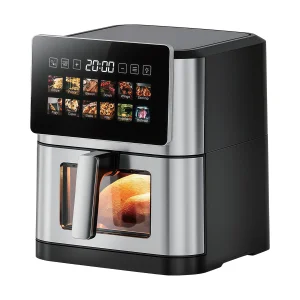
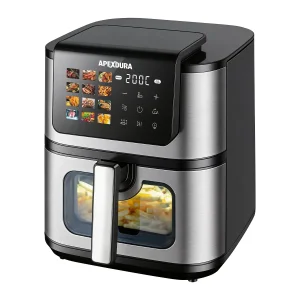
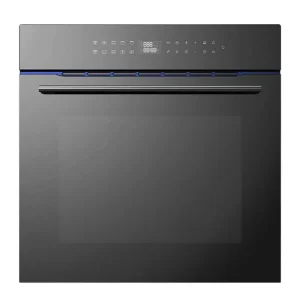
Complete your sourcing portfolio with our heavy-duty digital fryers, high-temp self-cleaning steam ovens, and precise electronic solo microwaves.
 Zhenmei Electrical