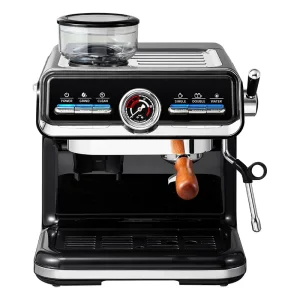
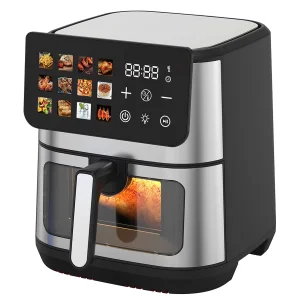
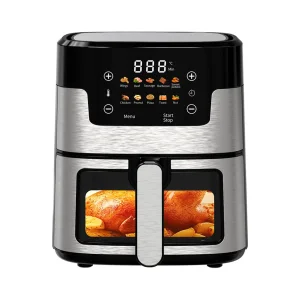
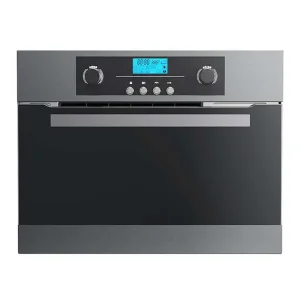
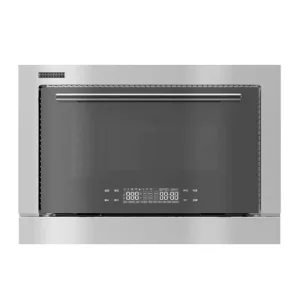
Explore our state-of-the-art product line engineered for maximum efficiency, featuring advanced digital chipsets and precise microcomputer control modules.
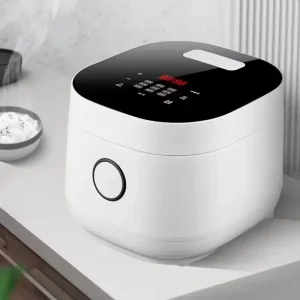
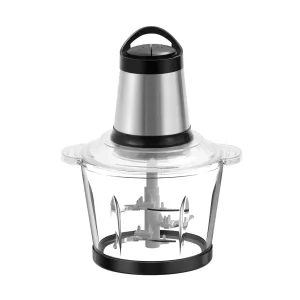
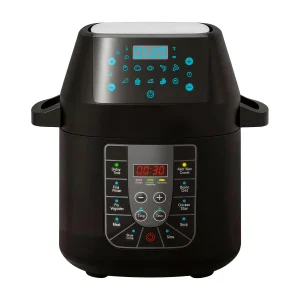
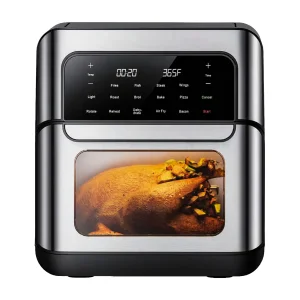
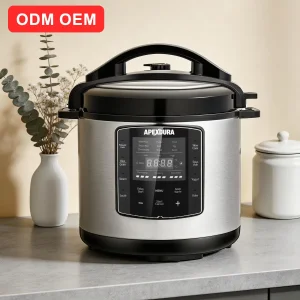
The global microwave industry is undergoing an unprecedented paradigm shift. From basic analog heating devices, microwaves have evolved into highly intelligent, sensor-driven cooking hubs. Modern consumer expectations, coupled with the rapid integration of Internet of Things (IoT) ecosystems, have propelled the demand for Smart Control Microwave systems to historical highs.
Today's smart microwaves rely on microcomputer chips, integrated PCBAs (Printed Circuit Board Assemblies), and multi-stage programmable heating profiles. They incorporate advanced inverter magnetrons, variable power supplies, and capacitive touch interfaces to deliver energy-efficient, precise thermal cooking. Leading hospitality chains, automated retail models, and contemporary residential developments now depend exclusively on smart control technologies to guarantee safety, operational throughput, and standard-compliant food prep cycles.
International B2B sourcing agents often struggle to find manufacturing partners capable of balancing advanced UI software engineering with heavy-duty mechanical reliability. Many factories offer basic digital panels but lack the R&D infrastructure to design customized microcomputer logic boards that integrate with larger IoT home systems. Zhongshan Zhenmei Electrical Appliance Co., Ltd. resolves this gap with dedicated in-house hardware and software engineering teams.
Our microcomputer smart controls can be customized to support Wi-Fi, Bluetooth Low Energy (BLE), and Matter protocols, enabling seamless integration with smart home automation ecosystems.
Manufactured to meet international safety and performance standards including CE, CB, GS, UL, RoHS, and FDA food-grade material specifications, simplifying custom clearance.
Proprietary inverter power boards modulate microwave frequency output continuously, cutting energy consumption by up to 30% and preserving nutritional profiles.
A Premier OEM/ODM Partner specializing in the manufacturing of high-end kitchen appliances. With over 16 years of expertise, we transform raw concepts into high-quality, market-ready products for leading global brands.
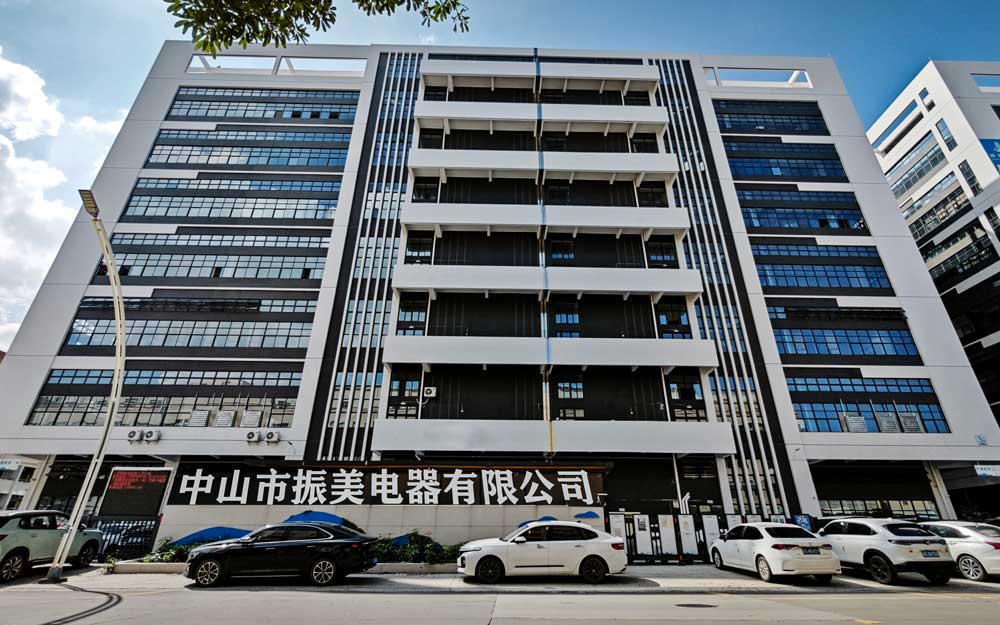
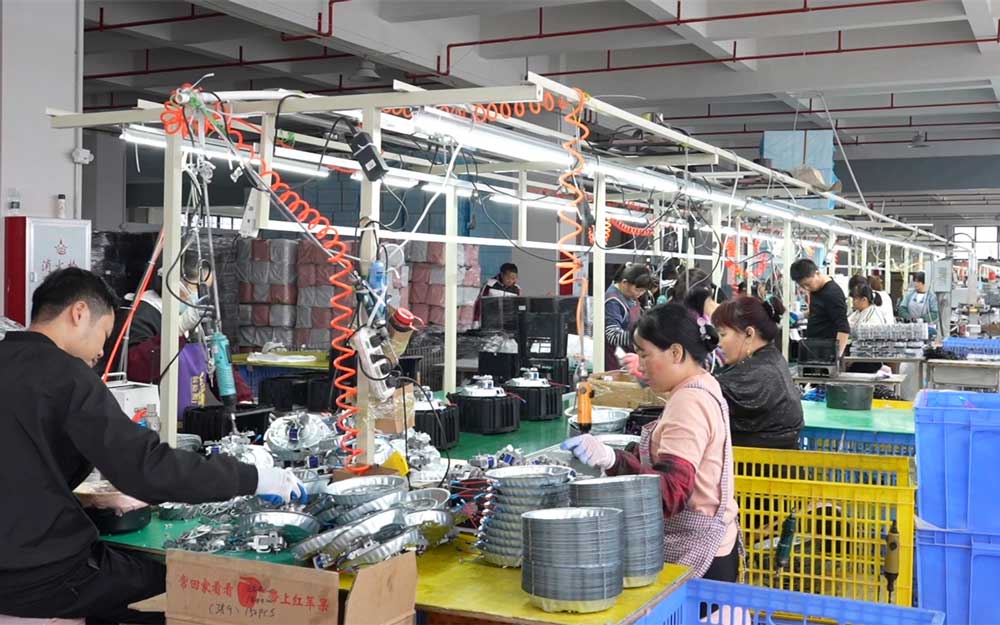
Operating from our modern 40,000 sqm advanced facility, powered by 300+ dedicated professionals and 20+ R&D experts, we ensure precision, control, and reliability at every single stage of production.
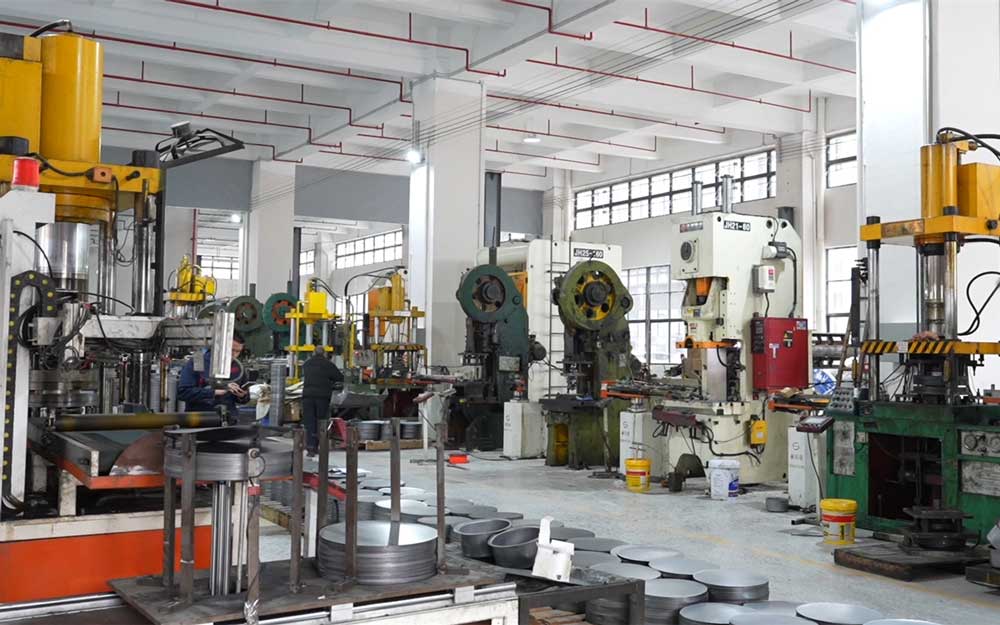
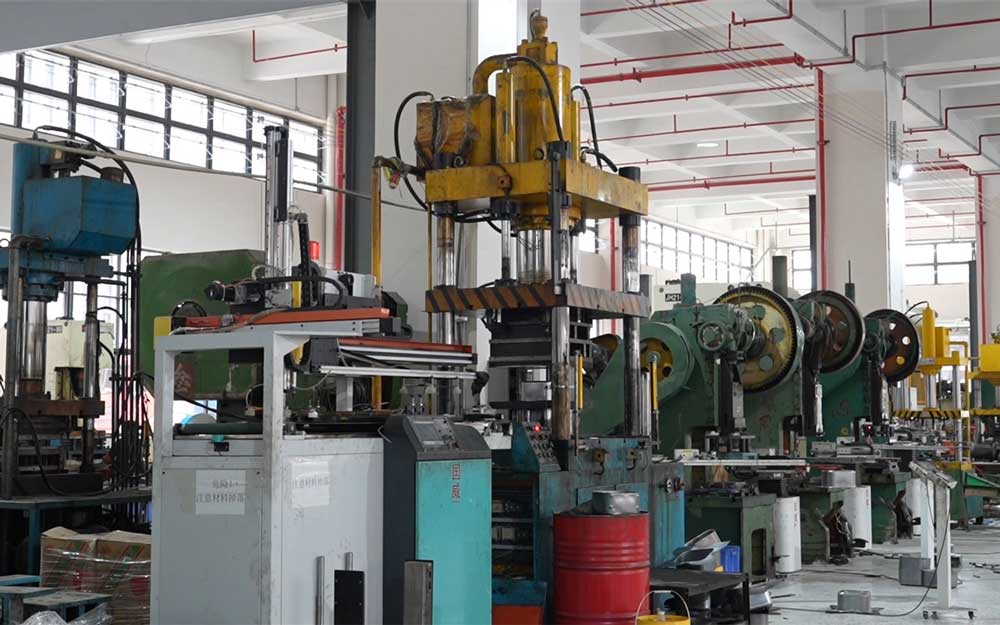
The concentration of smart control microwave factories in China, particularly in the Pearl River Delta industrial cluster, is not accidental. It is built on comprehensive supply-chain integration. From sheet metal stamping and automated injection molding to local PCBA programming and high-frequency magnetron component sourcing, everything happens within a 50-kilometer radius.
This geographic consolidation gives international procurement teams a distinct speed-to-market advantage. Tooling modifications that take months in Western countries are executed in days. Furthermore, our daily output exceeding 10,000+ units showcases the industrial scale required to satisfy high-volume global retailers, distributors, and hotel procurement programs.
Years Industry Experience
Square Meters Plant Area
Daily Units Production Output
Dedicated Professionals & R&D Experts
Smart control microwaves are no longer limited to basic residential reheating. Discover how our specialized technologies are deployed across distinct commercial and industrial ecosystems globally.
In modern smart home projects, our appliances connect with central voice systems (Alexa, Google Assistant). Users can load cooking profiles by scanning barcodes via dedicated smartphone applications.
Built with reinforced hinges, heavy-duty cooling fans, and high-frequency magnetrons, these systems withstand 100+ daily cooking cycles in quick-service restaurants, retail environments, and convenience stores.
Equipped with customizable preset buttons and child safety lockouts, our smart microcomputer boards prevent misuse, minimize thermal overload hazards, and ensure fast turnover during lunch rush hours.
| Feature Spec | Traditional Mechanical Microwave | Zhenmei Smart Control Microwave (OEM/ODM) |
|---|---|---|
| Power Modulating | Pulsed (On/Off cycles only) | Continuous Smart Inverter Modulating (0% to 100% fine control) |
| Sensor Integration | None (Timer-based heating only) | Humidity, weight, and infrared thermal feedback loop sensors |
| User Interface (UI) | Analog knobs, basic segment LCDs | Capacitive TFT color touchscreen, custom GUI, smartphone integration |
| Standby Energy Loss | High energy leak (often exceeding 2W-3W) | Smart standby eco-mode compliant with CE/ErP guidelines (<0.5W) |
| Operational Lifespan | Standard magnetron wear (3,000 cycles) | High-end magnetron with smart thermal protection (>10,000 cycles) |
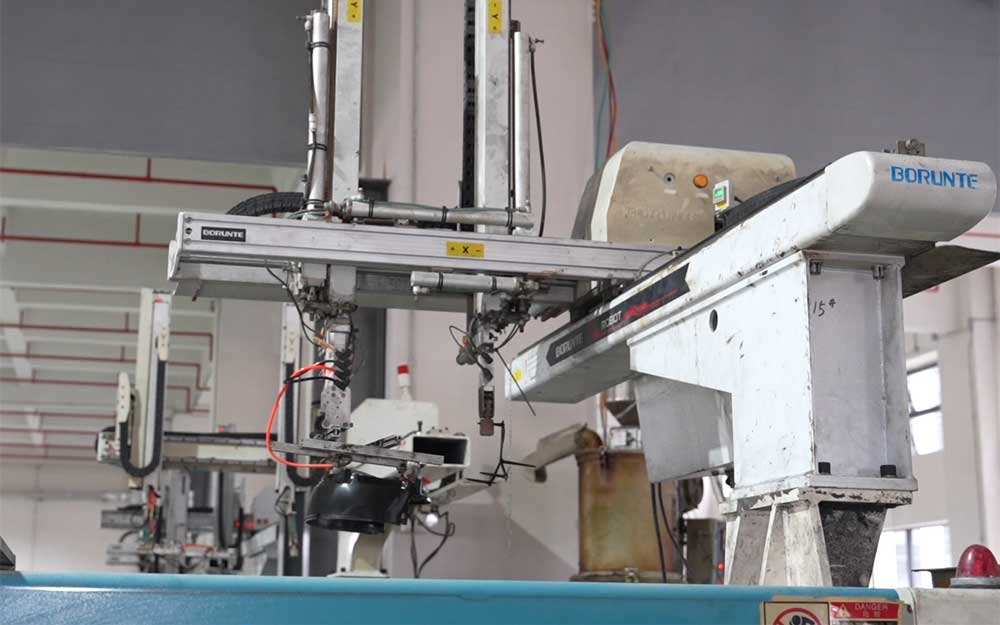
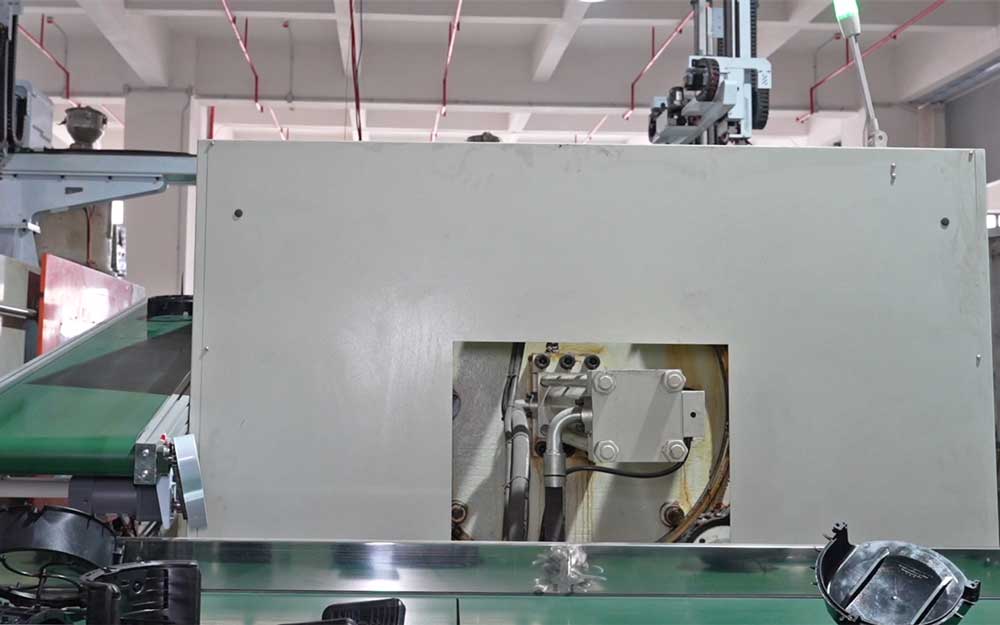
Underpinned by a rigorous quality control system that guarantees the safety and reliability of every single product. Take a detailed look inside our production operations.


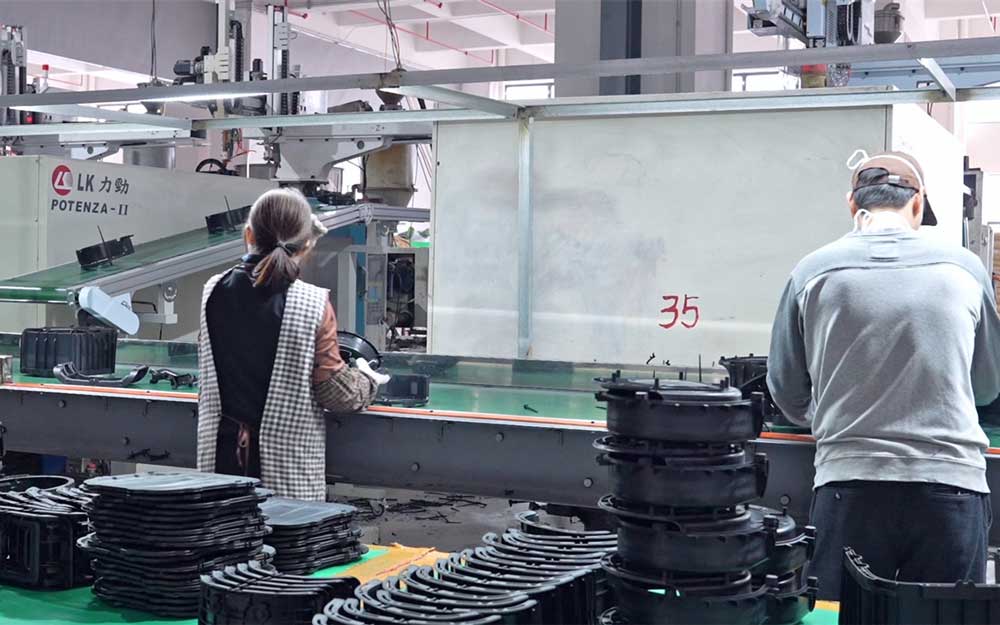
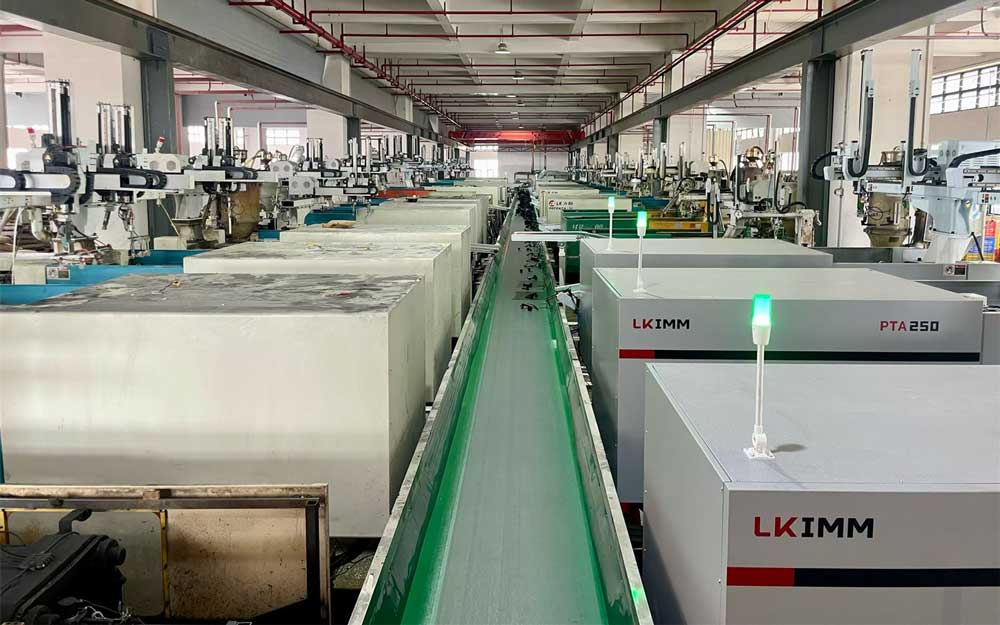
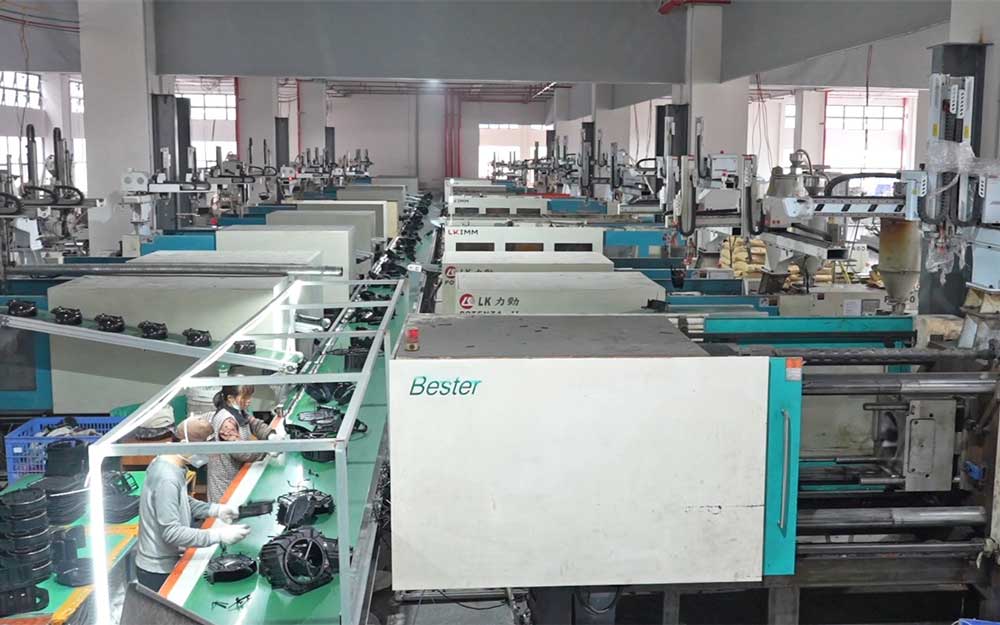
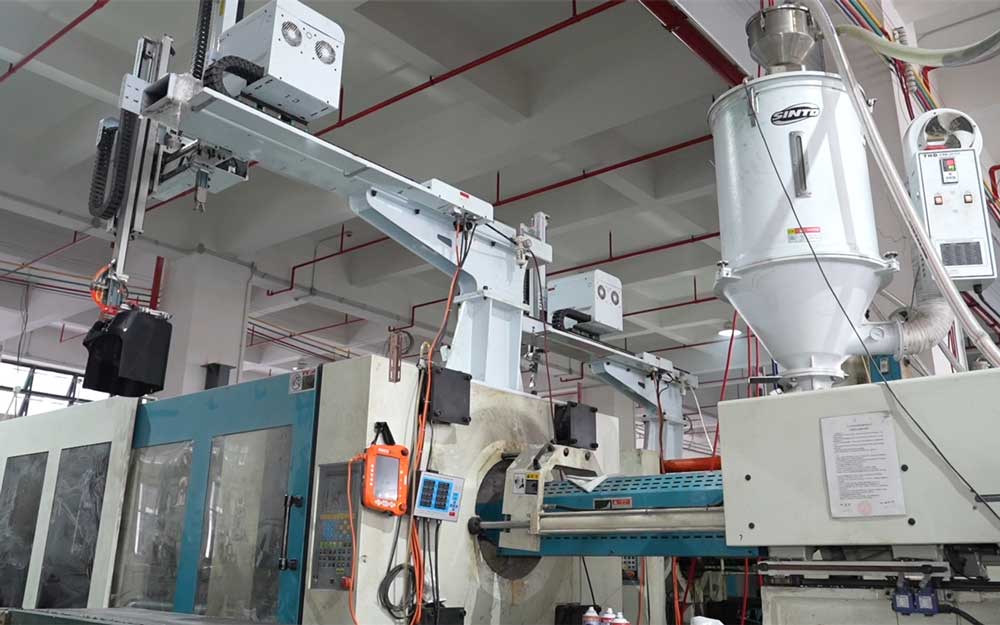
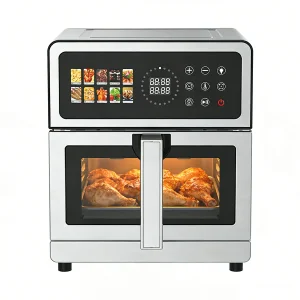
For strategic procurement directors planning their inventories for the next 3 to 5 years, paying close attention to technological evolution is paramount. The modern consumer is focusing heavily on sustainability and multifunctionality. Smart control microwaves are no longer single-purpose machines; they are evolving into multi-functional culinary centers that combine steam cooking, air frying, and microwave energy into a single cabinet.
Additionally, material science developments have introduced specialized non-stick interior coatings that inhibit microbial growth and withstand aggressive cleaning regimens. Hardware engineers are replacing physical tactile keys with seamless, chemical-resistant touch control interfaces that prevent ingress from oils, moisture, and cooking fats. Partnering with a factory that actively researches these materials ensures your product range remains highly competitive.
When vetting Chinese manufacturers for high-end smart kitchen appliances, confirm the following indicators of expert-level capabilities:
Expert technical answers addressing major engineering, customization, and regulatory considerations for global business-to-business buyers.
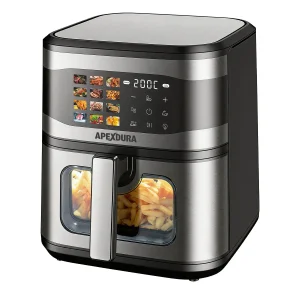
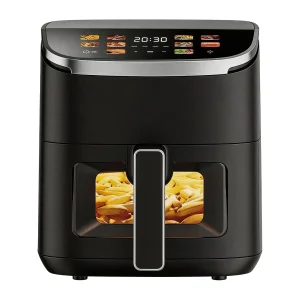
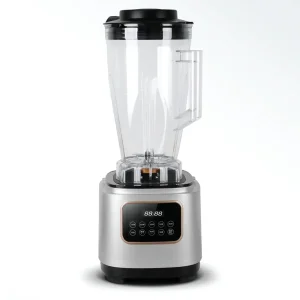
Discover more professional-grade kitchen appliances engineered for modern distribution networks and OEM/ODM global brands.
 Zhenmei Electrical