China Smart Coffee Brewing Machine Supplier & Factories

Precision Engineering, IoT Integration, and Global Scalability — Elevating B2B Kitchen Appliance Sourcing Through Smart Manufacturing Infrastructure

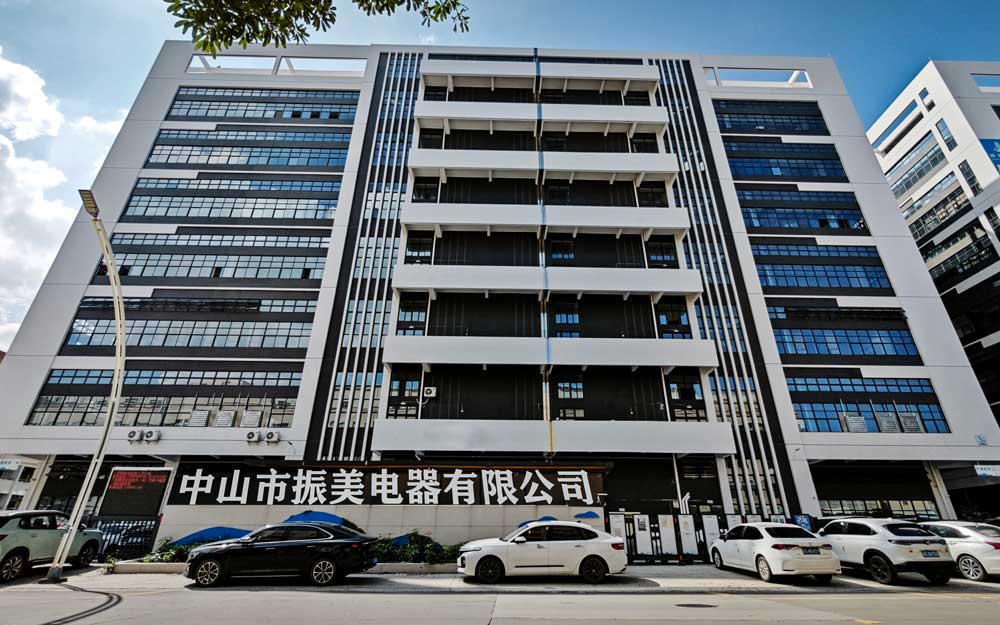
Zhongshan Zhenmei Electrical Appliance Co., Ltd.

As a premier B2B manufacturer specializing in high-performance kitchen appliances and precision brewing systems, Zhongshan Zhenmei Electrical Appliance Co., Ltd. offers over 16 years of OEM/ODM engineering excellence. Our facility integrates state-of-the-art automation and advanced R&D systems to develop kitchen solutions that meet stringent global food safety standards.

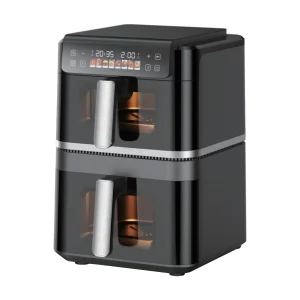
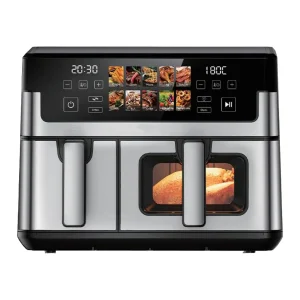
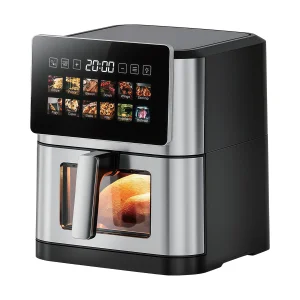
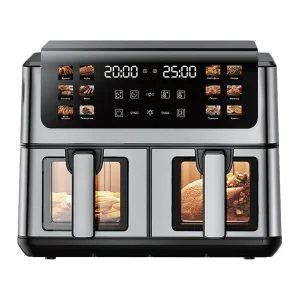
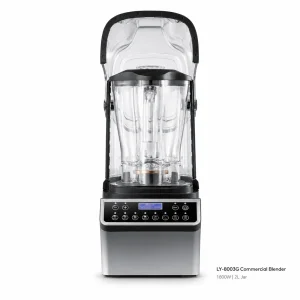
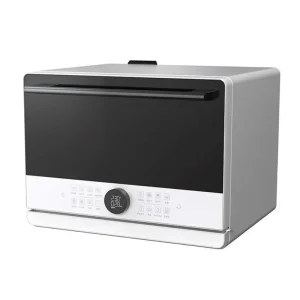
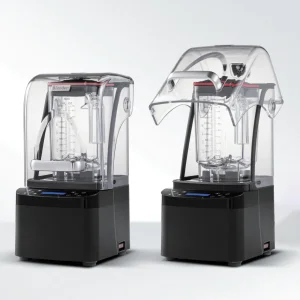
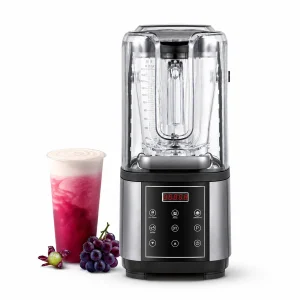
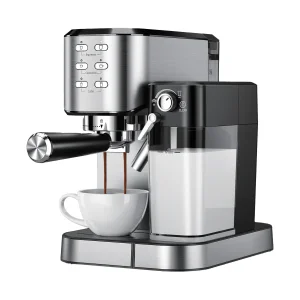
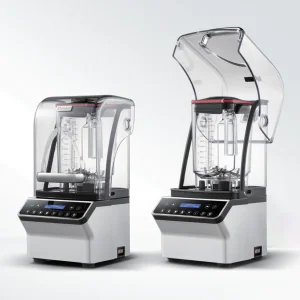
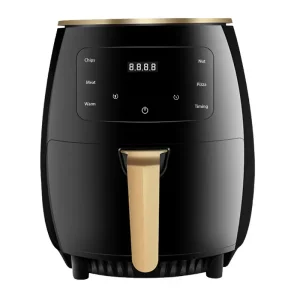
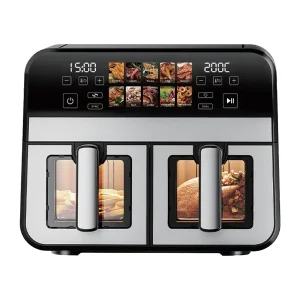
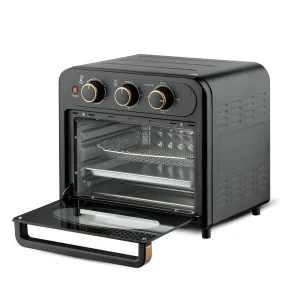
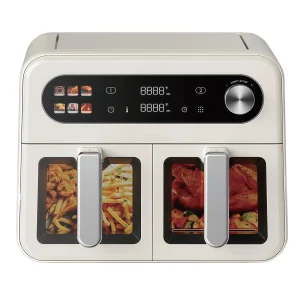
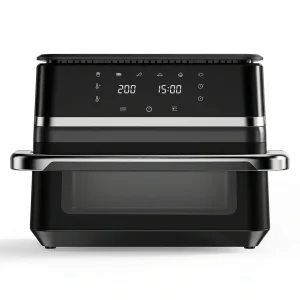
From custom air fryers to advanced commercial blenders and smart espresso coffee brewing systems, we work as an end-to-end partner. We guide clients from conceptual design and custom tooling to final testing and mass production, ensuring high reliability for retail, hospitality, and commercial applications.

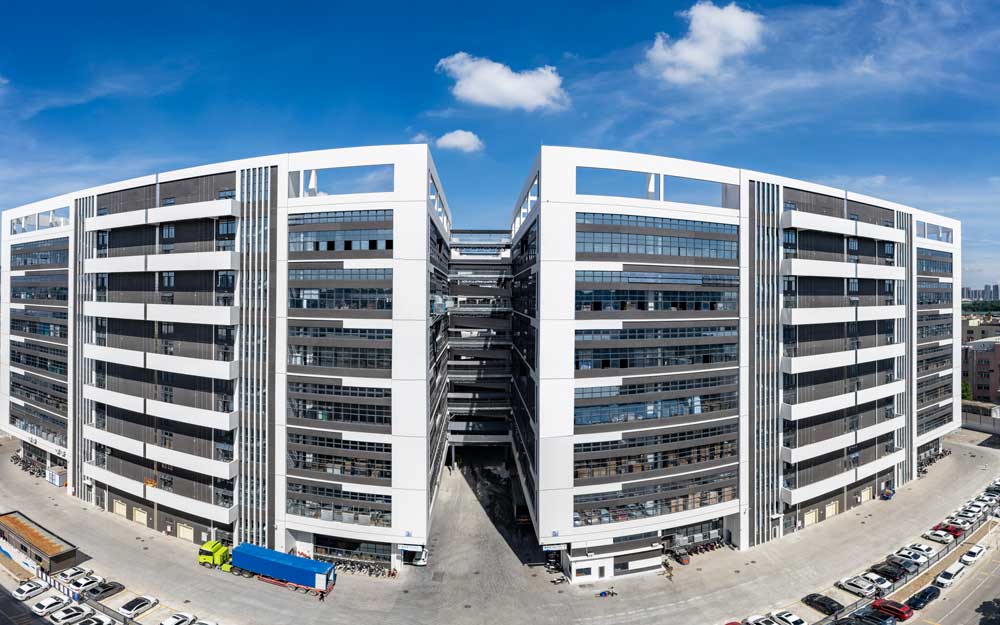
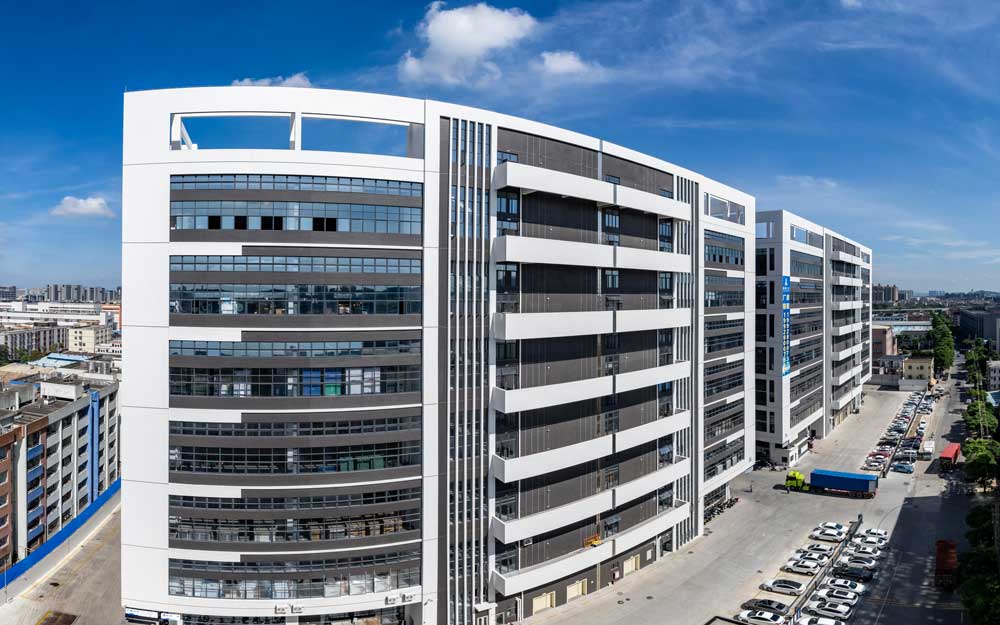
Our core manufacturing system operates inside an advanced 40,000 sqm production facility, powered by more than 300 experienced factory professionals and a dedicated team of over 20 specialized design and R&D engineers.

16+
Years Experience
40k
Sqm Facility
20+
R&D Experts
10k+
Daily Output

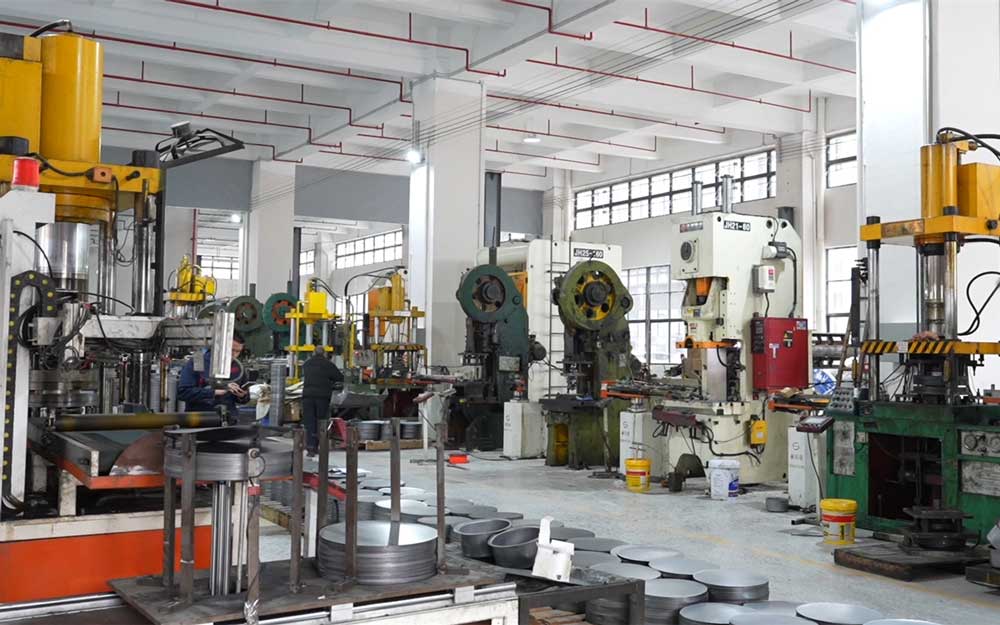
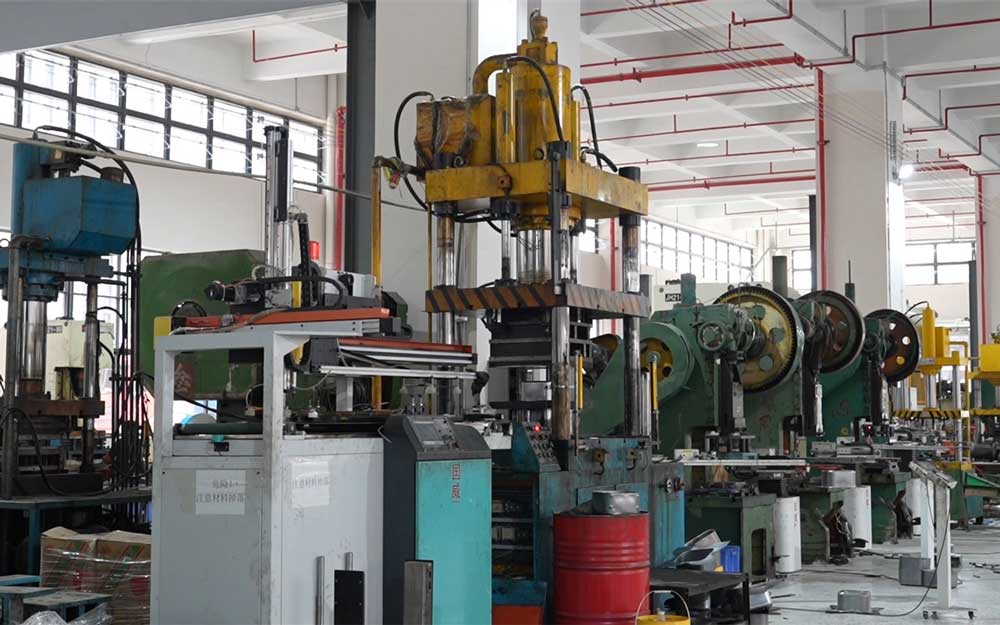
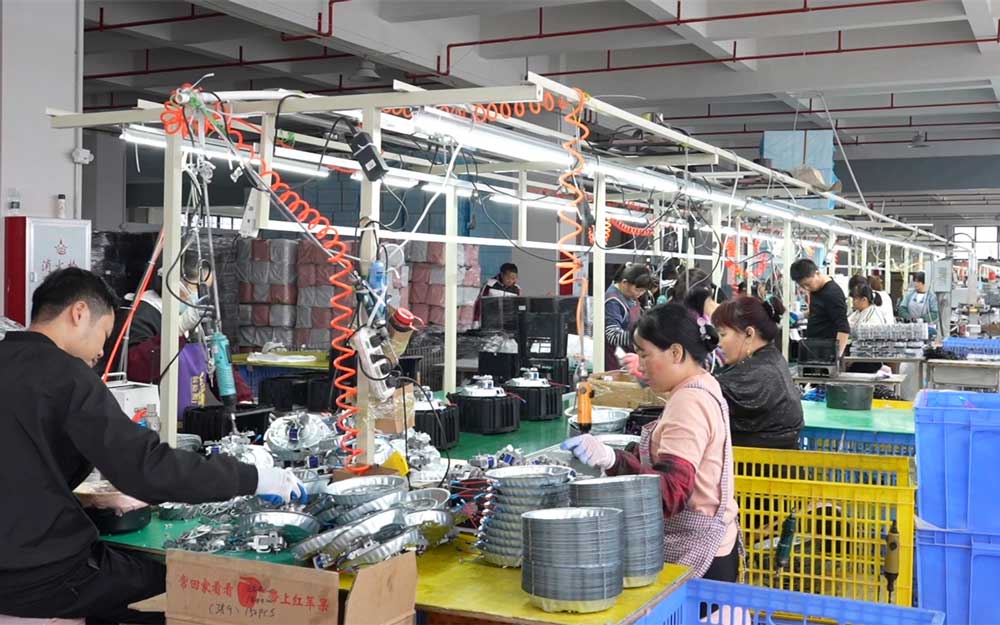
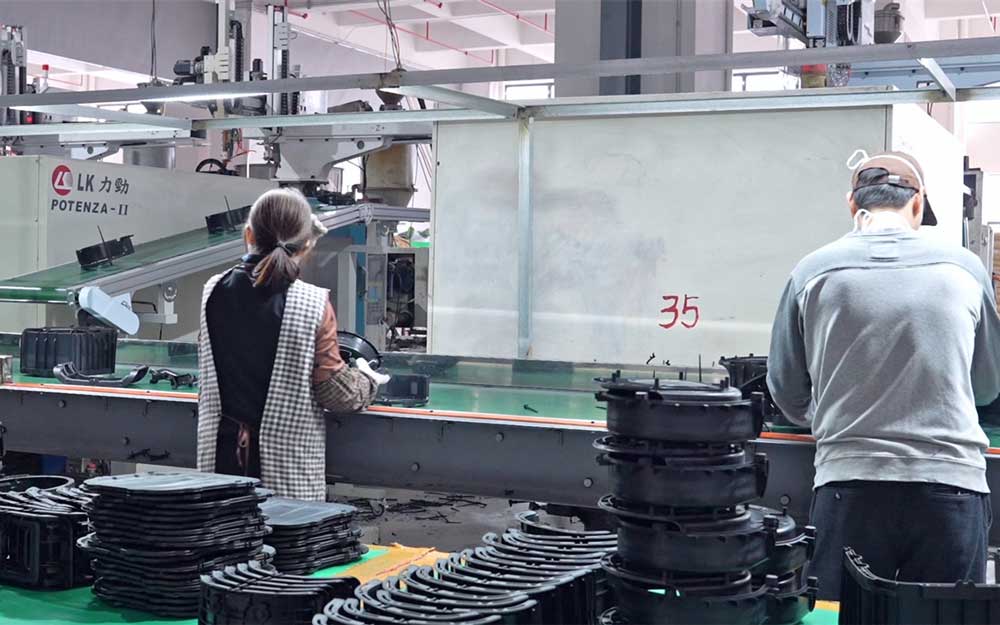
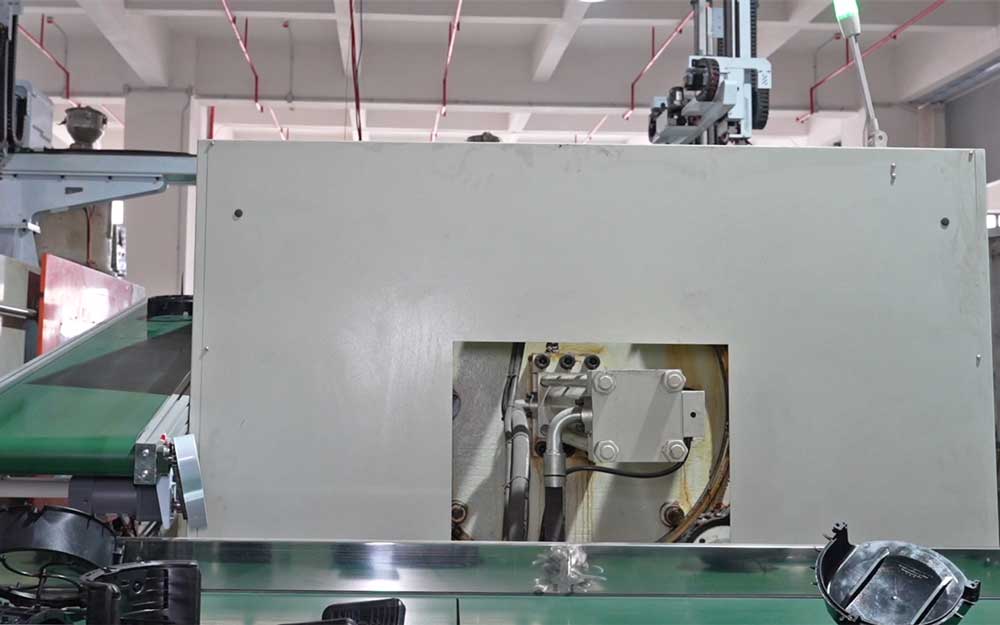
Industrial Production Capacity & Factory Workspace

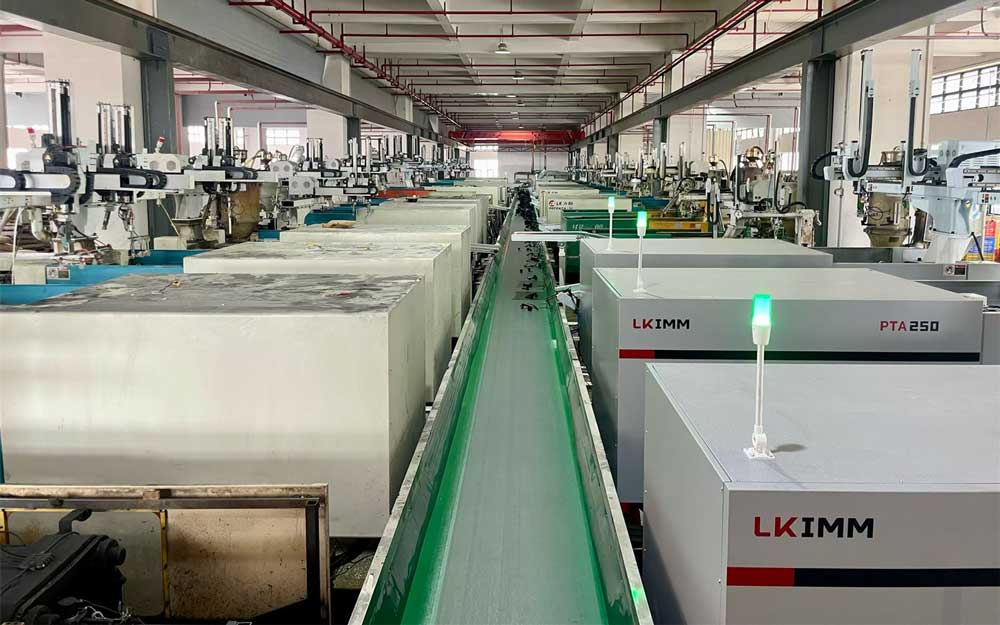
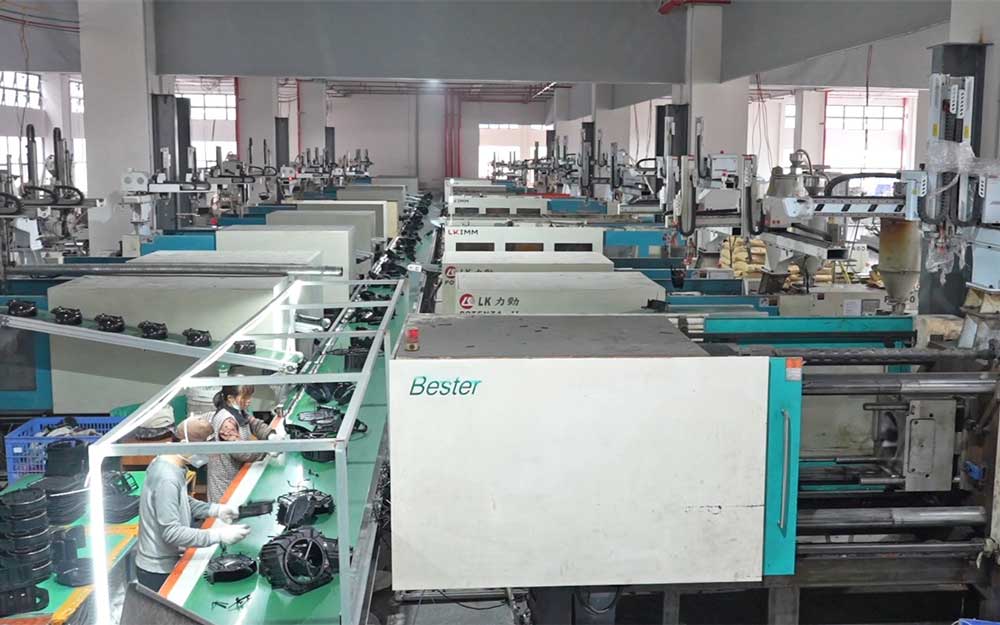
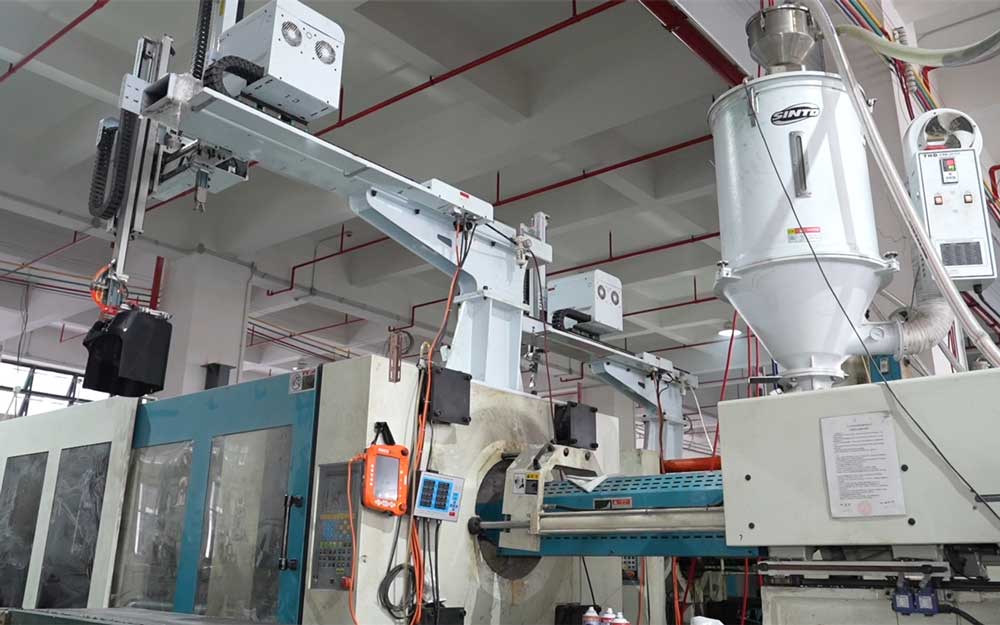
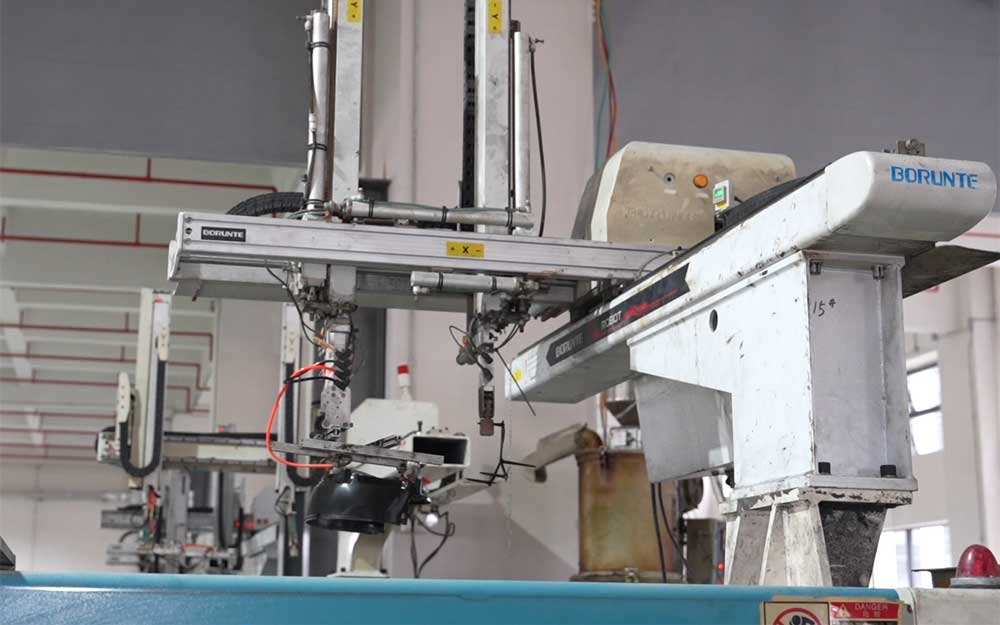
Our facility runs advanced tooling, injection molding, metal stamping, assembly, and quality assurance divisions. We ensure strict control over product tolerance and finish.
Zhenmei Factory Operations 1
Zhenmei Factory Operations 2
Zhenmei Factory Operations 3
Zhenmei Factory Operations 4
Zhenmei Factory Operations 5
Zhenmei Factory Operations 6
Zhenmei Factory Operations 7
Zhenmei Factory Operations 8
Zhenmei Factory Operations 9
Zhenmei Factory Operations 10
Zhenmei Factory Operations 11
Zhenmei Factory Operations 12

Vertical Supply Chain Integration

By producing structural components and critical sub-assemblies inside our 40,000 sqm facility, we minimize reliance on outside parts suppliers. This allows us to offer shorter manufacturing cycles, consistent quality, and competitive B2B pricing.

High Quality Control System

Every appliance we build undergoes multi-stage functional and electrical safety tests. Our quality control team utilizes specialized testers, leak detectors, and pressure gauges to ensure international certification compliance (CE, CB, RoHS, FDA, LFGB).

Flexible OEM/ODM Customization

Our team of over 20 R&D engineers supports tailored development. We offer customized PCB software, private aesthetic designs, logo placement, and packaging to help brands launch differentiated products in regional consumer markets.

Whitepaper: Industry Analysis of Smart Coffee Brewing & Appliance Manufacturing in China

The kitchen appliance market is undergoing a transition driven by IoT integration, precision heating technology, and changing consumer tastes. In this whitepaper, we analyze the engineering shifts, manufacturing dynamics, and supply chain strategies that establish China as a primary hub for smart coffee brewing systems and advanced kitchen appliances.

1. The Evolution of Coffee Brewing Technology: PID, Flow Control, and IoT

Traditional espresso and filter coffee makers relied on basic bimetallic thermostats, which caused temperature swings during brewing. Modern smart coffee brewing machines use Proportional-Integral-Derivative (PID) controllers and NTC thermistors to maintain temperature stability within ±0.5°C.

By continuously reading the heating elements (thermoblock or boiler) and adjusting power through solid-state relays, these systems prevent water temperature variations that can cause sour or bitter coffee extraction. Additionally, modern smart machines integrate:

  • Electronic Flowmeters: Control water volume precisely to match the grinds-to-water ratio.
  • High-Pressure Extraction Pumps: Maintain stable pressure up to 20 Bar (often seen in Italian-style espresso systems) to ensure optimal crema formation.
  • App & Cloud Customization: Users can adjust pre-infusion time, flow rates, and temperature profiles directly from their smartphones via Bluetooth or Wi-Fi.

2. Why Sourcing from Zhongshan & Pearl River Delta Elevates Procurement Strategy

The Pearl River Delta, particularly Zhongshan, Shunde, and Shenzhen, hosts a highly integrated appliance manufacturing ecosystem. Buying from a factory in this region offers key advantages:

  • Component Availability: Heating elements, precision solenoids, microprocessors, and high-pressure pumps are sourced from nearby specialized factories, reducing shipping costs and delays.
  • Tooling Efficiency: Factories can design, test, and refine injection molds locally, cutting time-to-market for custom designs.
  • Infrastructure Access: Proximity to major ports like Shenzhen, Guangzhou, and Hong Kong facilitates efficient international shipping.

3. Adapting to Localized Scenarios: Diverse Technical Requirements

Industrial suppliers must design platforms that adjust to different operational and cultural environments:

  • Commercial Spaces & Offices: Focuses on high reliability, fast heating recovery times, and simple touchscreen interfaces for staff.
  • Residential Smart Homes: Emphasizes compact footprints, quiet pump operations, and energy-saving modes to meet local efficiency regulations.
  • Global Electrical Standards: Mainboards must accommodate different voltage and frequency standards, such as 120V/60Hz in North America or 220-240V/50Hz in Europe and Asia, with appropriate plug configurations and safety compliance.

4. OEM/ODM Sourcing Lifecycle: Conceptualization to Compliance

Developing a proprietary smart brewing or cooking appliance requires systematic execution across multiple engineering phases:

  • Design & Prototyping: Utilizing 3D CAD modeling and rapid prototyping (such as SLA printing) to evaluate ergonomics and structural assembly before tooling investments.
  • Mold Construction: Designing and machining injection molds, press dies, and heating plate fixtures with precision tolerances.
  • Firmware & UI Integration: Developing system controls, sensor calibration curves, and user interfaces (LED/LCD menus).
  • Testing & Certification: Conducting thermal cycling, pressure limit tests, and food-contact material analysis to secure global certifications (CB, CE, GS, UL, ETL, FDA, LFGB, RoHS).

5. Strategic Quality Control & Supply Chain Resilience

To maintain high reliability, manufacturers implement comprehensive quality control frameworks:

  • IQC (Incoming Quality Control): Testing raw plastics, electronic parts, and heating components before assembly.
  • IPQC (In-Process Quality Control): Functional checks at assembly checkpoints to catch defects early.
  • FQC (Final Quality Control): Operational testing under load to confirm water flow, temperature control, and electrical safety on finished units.

Expert Knowledge Base & Sourcing FAQ

Browse detailed answers to common questions about engineering, technical specifications, and OEM/ODM procurement policies.

What is your minimum order quantity (MOQ) for custom OEM/ODM projects?
Our standard MOQ for custom projects ranges from 1,000 to 2,000 units per run, depending on the tool design and material specs. For standard catalog items with minor aesthetic updates (such as custom logos or colors), we can offer lower minimums. Contact our sales department to discuss your target project scope.
How do you ensure food safety and environmental compliance for global markets?
We use only premium, certified raw materials that contact food, including BPA-free plastics, SUS304/316 stainless steels, and food-safe silicones. Our materials comply with FDA, LFGB, and REACH standards. Additionally, our manufacturing facility is certified to ISO 9001, BSCI, and CCC systems.
Can you integrate custom IoT and smartphone app features into our brewing systems?
Yes, our engineering team includes PCB layout experts and firmware programmers. We can develop control boards that support Tuya, Apple HomeKit, or custom smartphone apps via Bluetooth, Wi-Fi, or cellular IoT modules.
What is the typical lead time for mold development and mass production?
New injection mold development and prototyping typically take 35 to 45 days. Once design and pre-production samples are approved, mass production runs are completed in 30 to 45 days. Lead times can vary depending on order volume and the seasonal supply chain schedule.
Do you offer warranty support and spare parts for international distributors?
Yes. We supply 1% to 2% spare parts (such as PCBA controllers, seal rings, and heating elements) with every bulk shipment. We also provide technical documentation and video support to assist your customer service team with local repairs.