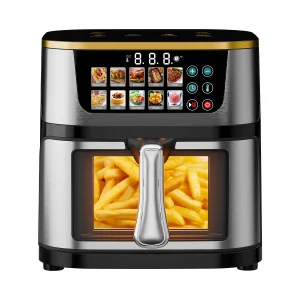
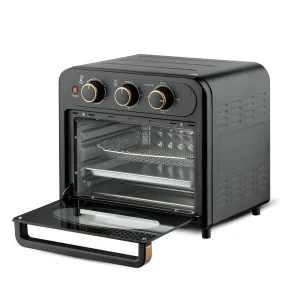
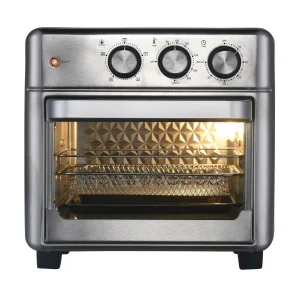
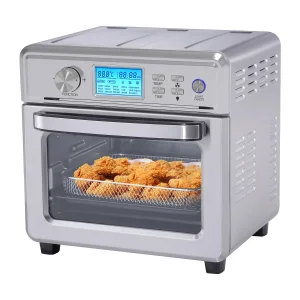
Explore our elite selection of high-volume kitchen appliances engineered for reliability, safety, and smart home connectivity.
Analysing B2B demand parameters, technological vectors, and smart ecosystem supply dynamics.
The global small domestic appliance sector has experienced a profound shift. The smart air fryer is no longer a niche culinary novelty but a cornerstone of the modern smart kitchen ecosystem. Driven by global consumer transitions towards health-centric cooking and energy-efficient appliances, the commercial demand for smart air fryers has surged across North America, Europe, and Asia-Pacific. Industry analyses indicate a compound annual growth rate (CAGR) exceeding 8.5% for smart cooking appliances, with IoT-enabled air fryers leading the growth trajectory.
For B2B buyers, distributors, and appliance brands, the challenge is no longer identifying demand, but securing robust, responsive manufacturing capacity. This capacity must consistently meet strict regulatory criteria while supporting advanced software configurations such as Wi-Fi/Bluetooth dual-module chips and Tuya Smart ecosystem integration.
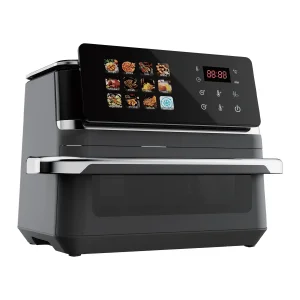
Today's smart air fryers leverage advanced microprocessors for Proportional-Integral-Derivative (PID) temperature control algorithms, minimizing thermal deviation to under ±1°C. Through cloud API integrations, these appliances connect with smartphones and smart home assistants (Amazon Alexa and Google Assistant), enabling remote preheating, custom recipe execution, and real-time cooking stage notifications.
B2B procurement teams must assess their suppliers’ digital engineering capacity. Competent factories must offer comprehensive hardware-to-software adaptation services, ensuring that custom control boards (PCBA) comply with regional radio frequency emissions regulations (FCC, RED) and data privacy frameworks (GDPR).
Establishing standard-setting OEM/ODM capabilities for global appliance enterprises.
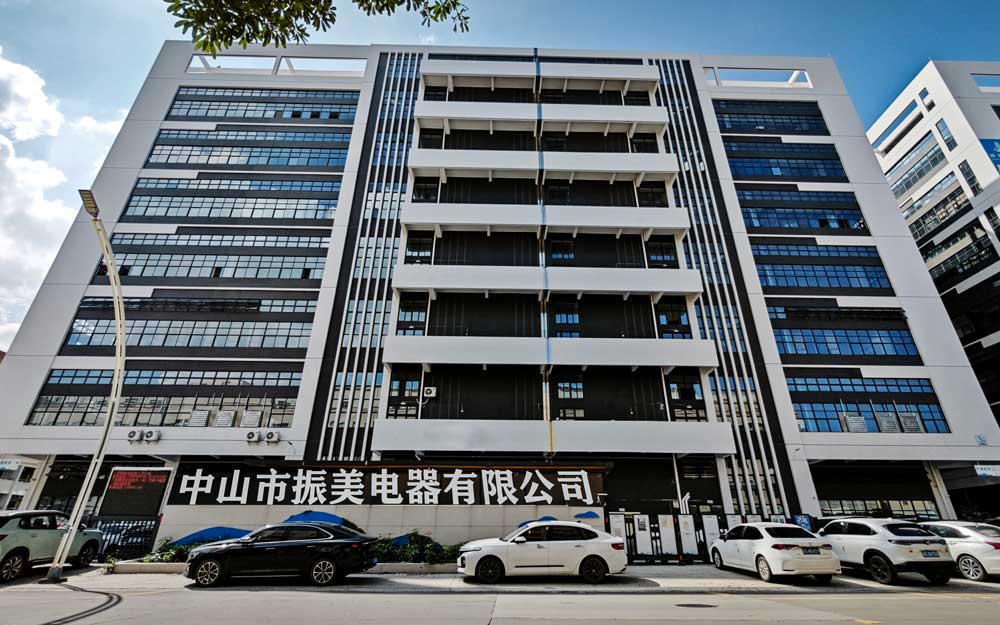
Zhongshan Zhenmei Electrical Appliance Co., Ltd. is a premier OEM/ODM partner specializing in the manufacturing of kitchen appliances, including air fryers, electric pressure cookers, blenders, and more. With over 16 years of expertise, we transform concepts into high-quality, market-ready products for leading global brands.
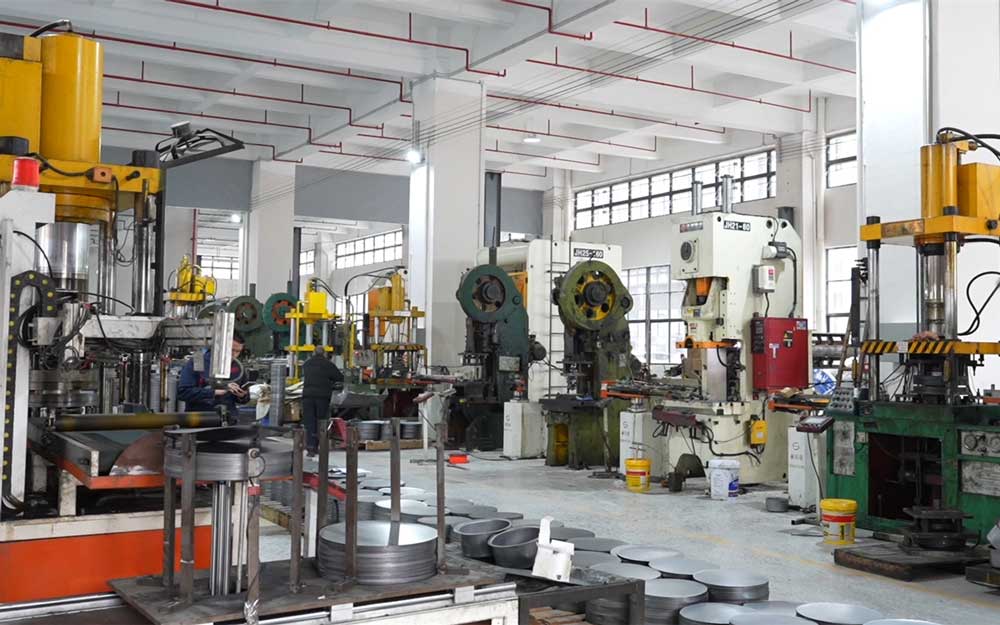
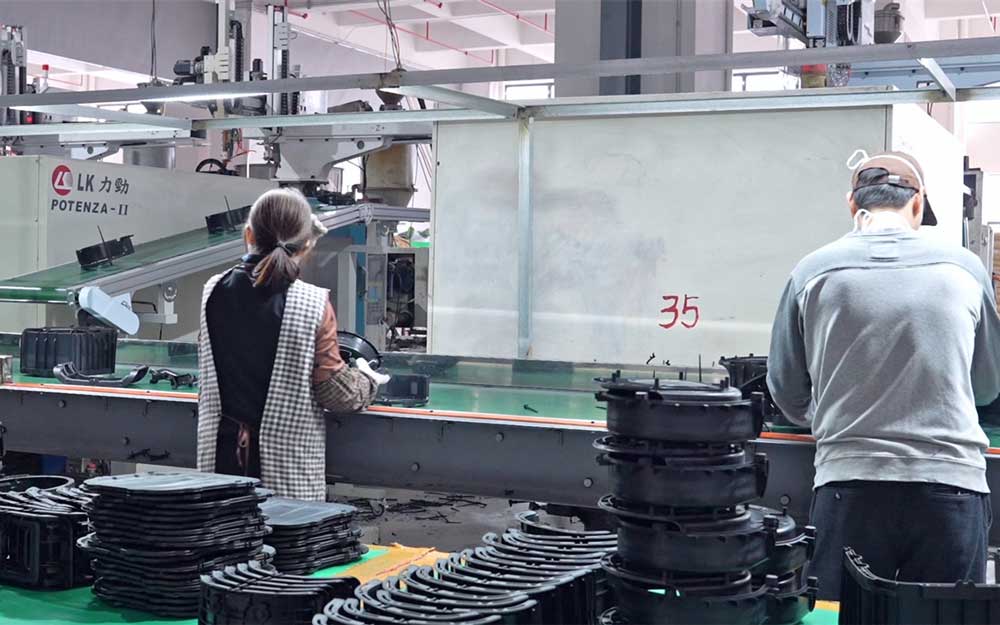
By integrating product design, mechanical engineering, tooling development, injection molding, and final assembly under one management structure, we provide a streamlined manufacturing pipeline that minimizes time-to-market and optimizes unit costs.
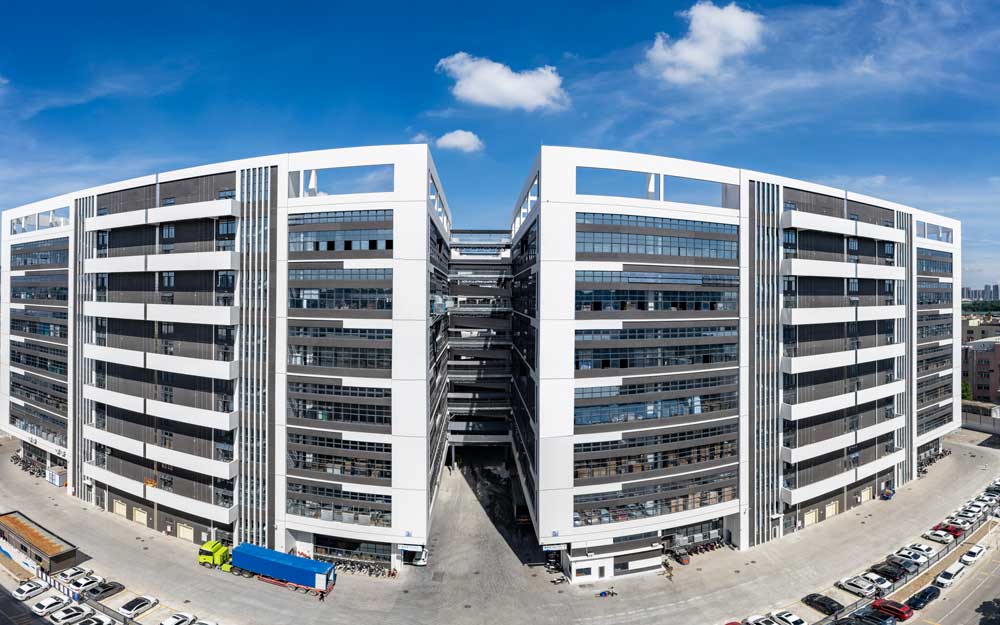
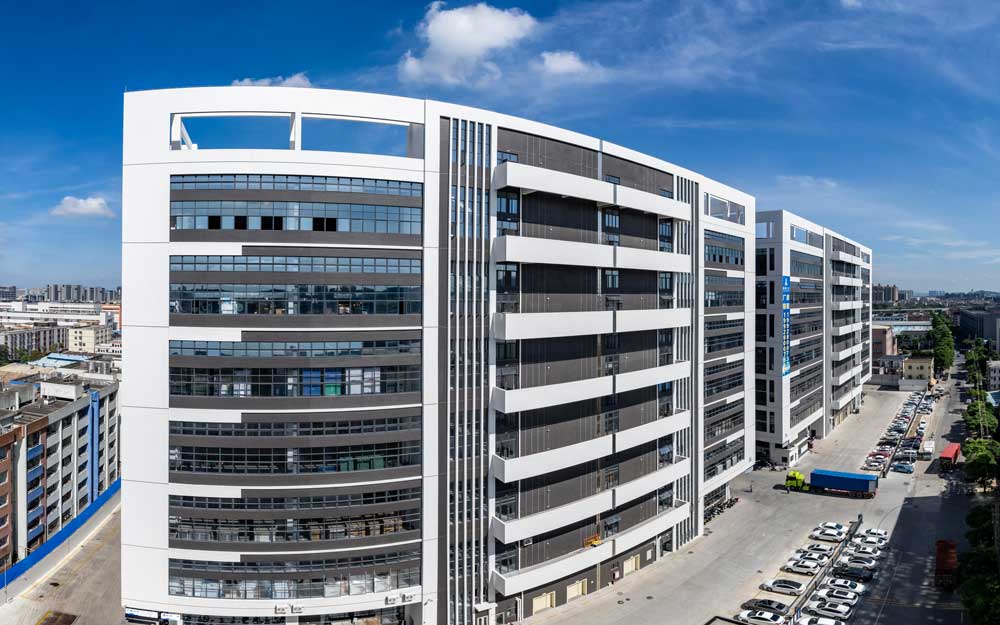
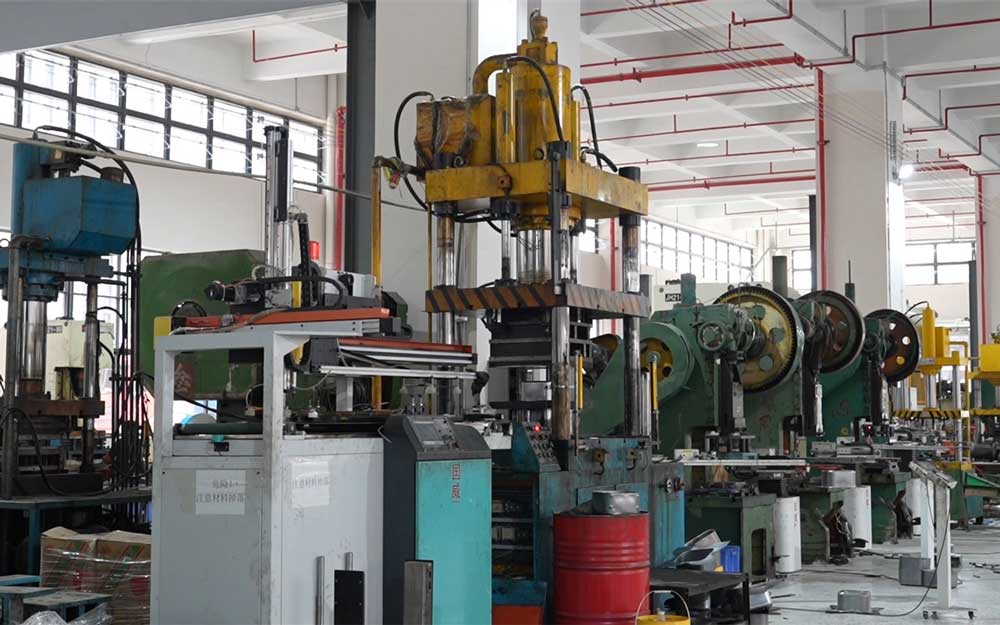
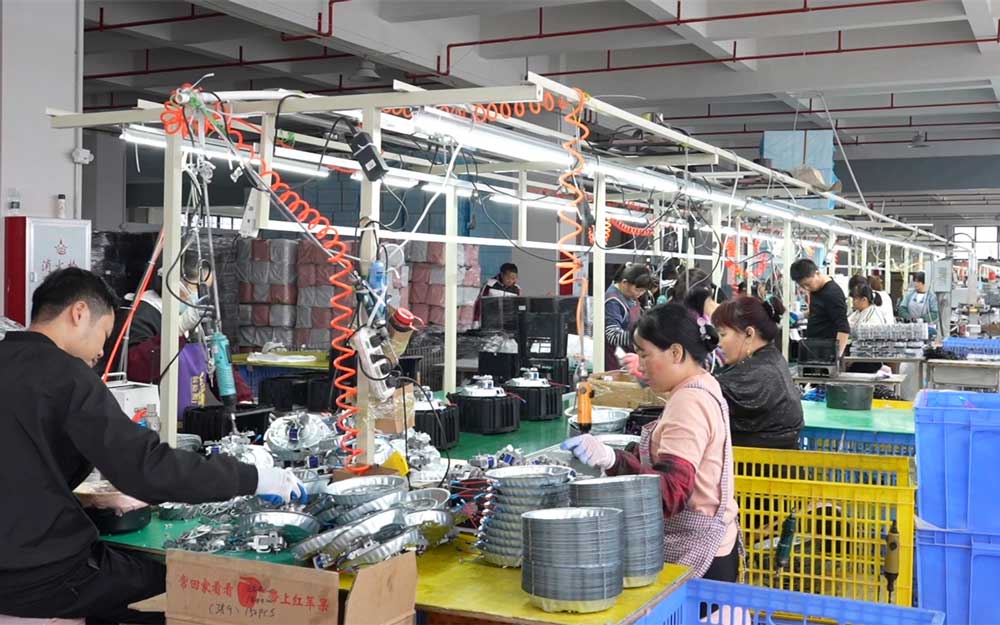
Our strength lies in robust in-house manufacturing. Operating from a 40,000 sqm advanced facility, powered by 300+ dedicated professionals and 20+ R&D experts, we ensure precision and control at every stage.
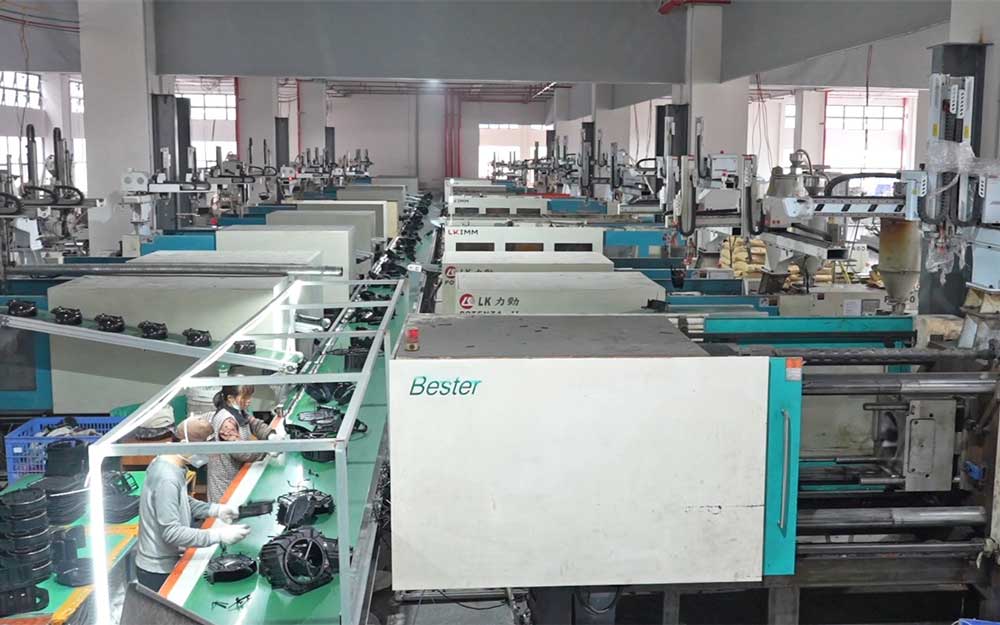
Having an in-house tooling workshop allows us to rapidly prototype and adjust physical molds. This minimizes dependency on third-party vendors and ensures tight tolerances for all structural food-grade plastic components.
Our massive 10,000+ units daily output reliably meets the demands of high-volume orders worldwide. We are committed to excellence, underpinned by a rigorous quality control system that guarantees the safety and reliability of every product.
We are the trusted, end-to-end solution for your OEM/ODM needs. Choose us for innovation, scale, and reliability. Let's build your next success story together.
| Manufacturing Stage | Infrastructure & Technology Implemented | Quality Assurance (QA) Metric |
|---|---|---|
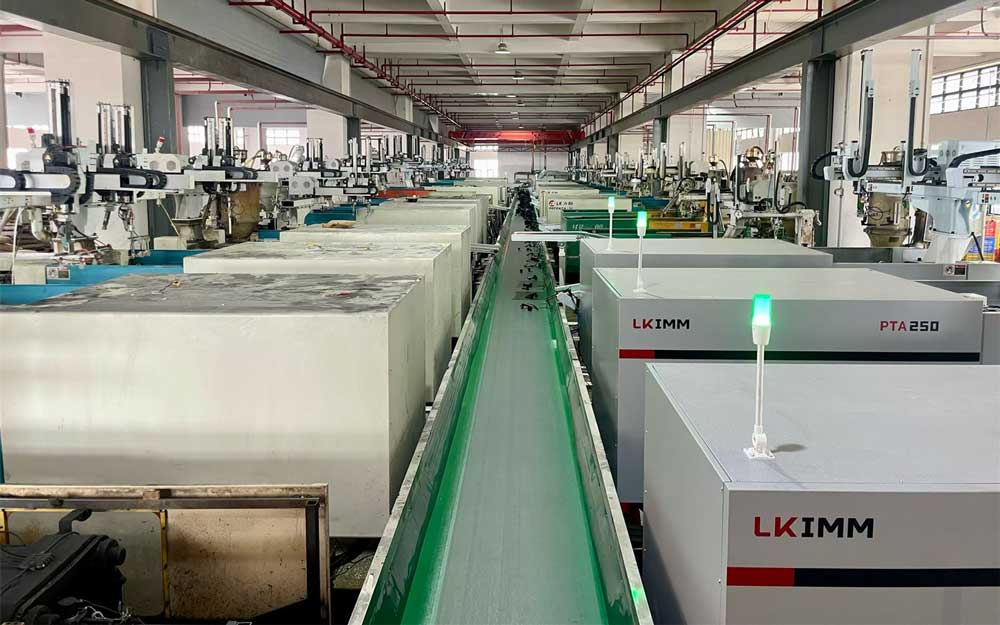
| Tooling & Mold Design | CNC Machining, EDM Wire Cutting, CAD/CAM Software Modeling | Dimensional tolerance within ±0.02mm | Plastic Injection Molding | 20+ Heavy-duty automatic injection molding machines | Visual inspection for defects and structural stress tests |
| PCBA Testing & IoT Calibration | ICT Automated Testing, Smart RF Shielding Calibration Boxes | 100% functional validation of Wi-Fi/Bluetooth signal strength |
| Assembly Line & Final Burn-In | Multi-tier modern flow lines, High-temperature testing tunnels | Grounding tests, High-voltage insulation checks, 45-min burn-in |
Analysing the structural advantages of locating production in the Pearl River Delta industrial cluster.
Zhongshan, located in Guangdong province, is situated within the world's most concentrated small appliance industrial cluster. Up to 90% of the components required to build a sophisticated smart air fryer—ranging from high-temperature resistant borosilicate glass, heating tubes, and microswitches to advanced digital controller chips—are manufactured within a two-hour logistics radius.
This geographic concentration reduces material transport times, lowers buffer inventory costs, and allows for rapid design adjustments. When a client requests a modification to a design, prototypes can be revised and physical samples produced in days rather than weeks.
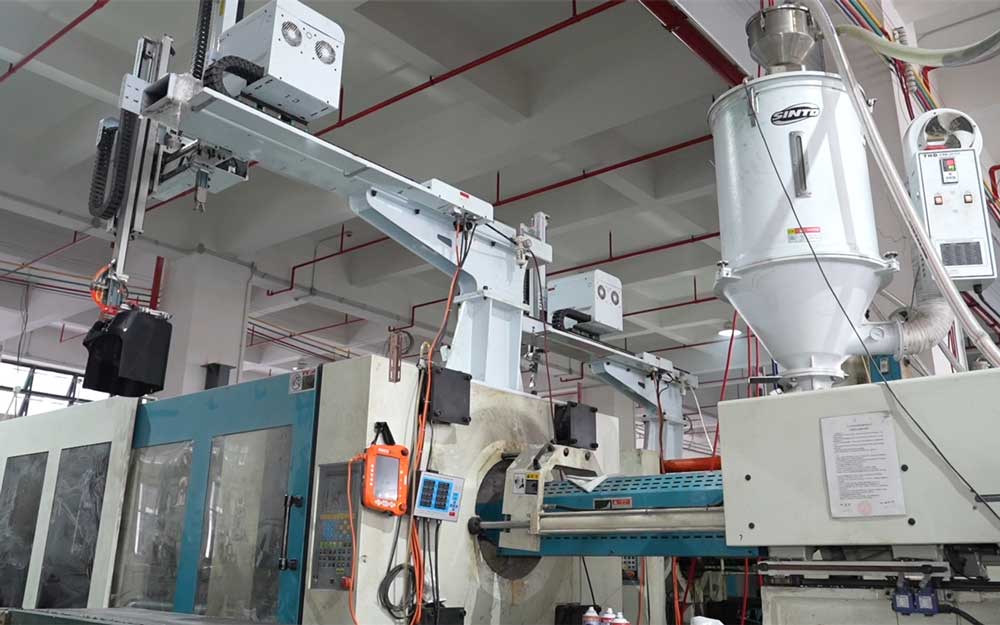
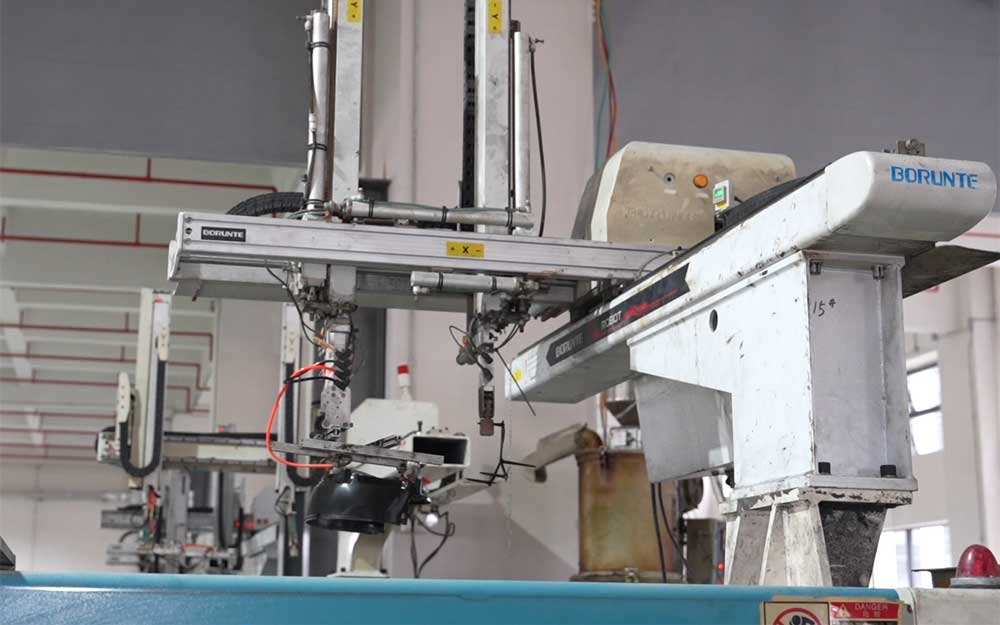
The cost advantage of Chinese factories is no longer driven by raw labor savings, but by automation and process optimization. The integration of automated robotic arms in plastic injection molding, automated optical inspection (AOI) in PCBA assembly, and specialized high-voltage testing systems minimizes human error and reduces defect rates to under 0.2%.
This automated throughput allows factories like Zhenmei to achieve economies of scale, resulting in highly competitive Unit-Cost pricing for B2B distributors without compromising on international manufacturing standards.
Navigating global standards to ensure seamless entry into international markets.
For entry into the US and Canadian markets, appliances must satisfy stringent safety and environmental regulations. Key requirements include:
European markets prioritize energy efficiency, safety, and circular economy compliance. Critical frameworks include:
Developing consumer zones require custom combinations of voltage, plug types, and certification paths:
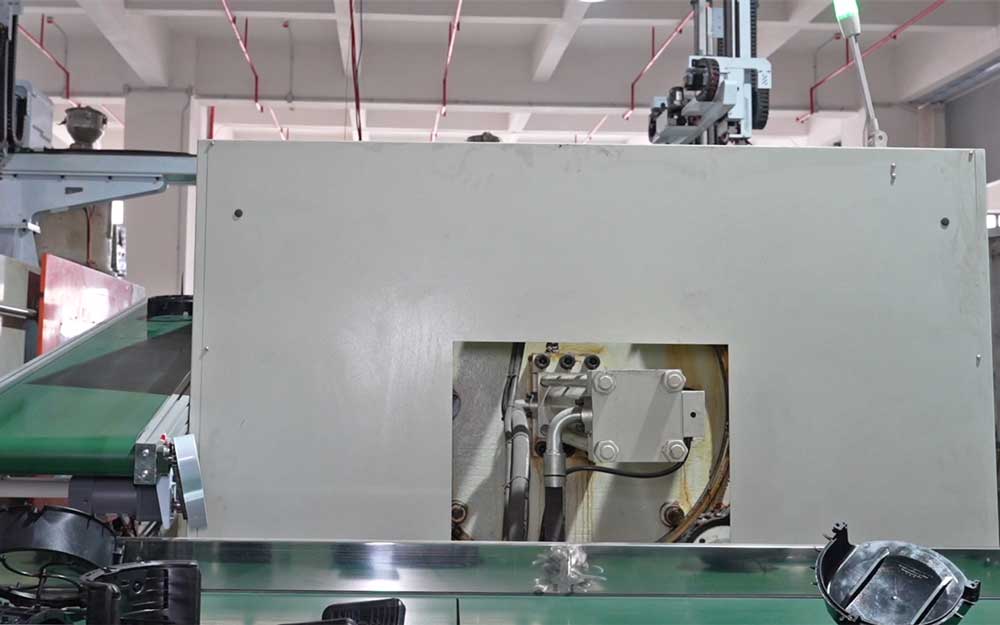
A visual overview of our manufacturing facilities, assembly lines, and quality control departments.
Insights into emerging technologies driving the next generation of smart kitchen appliances.
Future smart air fryers will increasingly integrate built-in cameras coupled with lightweight machine-learning models. These systems identify the type of food placed inside the basket and automatically set the appropriate time and temperature profile. This technology reduces user intervention and ensures consistent cooking results across varying food quantities.
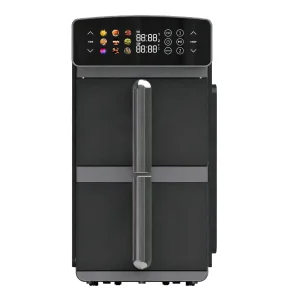
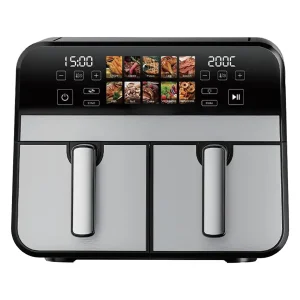
As consumers demand higher versatility, multi-zone cooking is becoming a standard B2B request. Dual-basket designs (such as our 5.5L+5.5L models) allow users to cook two distinct foods at different temperatures simultaneously, sync-finishing them automatically. Stackable vertical structures optimize counter space while maintaining high cooking capacities.
Regulatory scrutiny on PFAS/PFOA substances is driving a shift toward ceramic-based and advanced water-based non-stick coatings. B2B buyers look for manufacturers that actively implement these non-toxic, eco-friendly coating layers. These materials offer high thermal transfer properties, superior scratch resistance, and simplified cleaning cycles.
Clear answers to common technical, manufacturing, and operational questions for procurement managers.
Refined B2B options featuring high-temperature accuracy, durable construction, and multi-mode functionality.
 Zhenmei Electrical