High-performance kitchen appliances designed for global distribution, certified efficiency, and robust mechanical longevity.
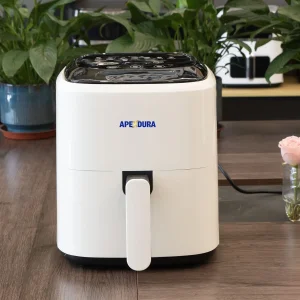
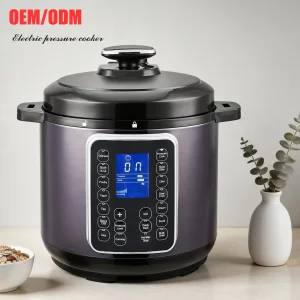
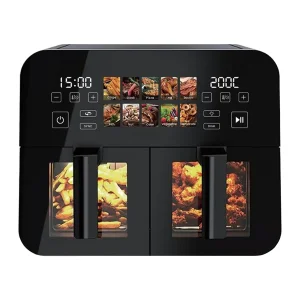
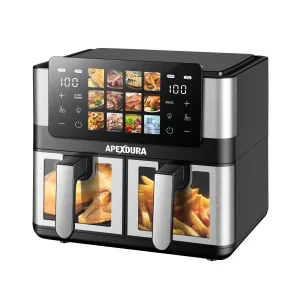
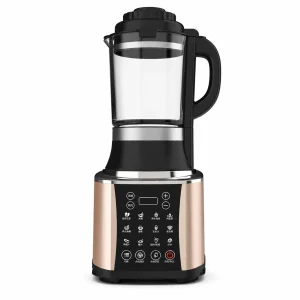
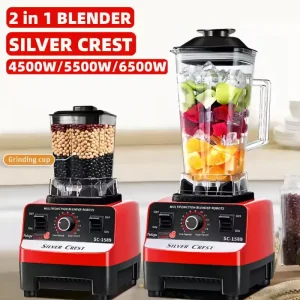
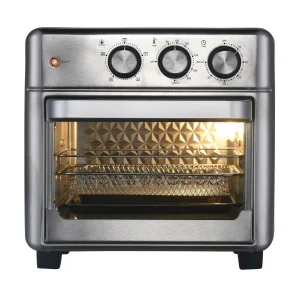
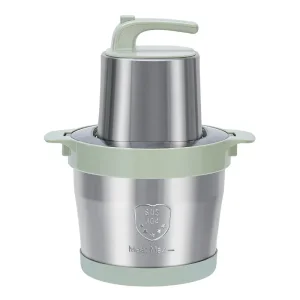
Zhongshan Zhenmei Electrical Appliance Co., Ltd. stands at the forefront of the global kitchen appliance manufacturing ecosystem. As a premier, certified OEM/ODM manufacturing partner, we specialize in high-efficiency appliances, incorporating state-of-the-art motors, heat dynamics, and durable structural designs. Over the past 16 years, our engineering divisions have successfully bridged the gap between pure consumer insights and heavy-duty, commercial-grade reliability.
Our collaborative frameworks are structured to support global brand managers, retail chains, and high-growth consumer electronics distributors. By running optimized production environments, we maintain complete control over raw materials, quality protocols, and dynamic prototyping lifecycles, transforming conceptual drafts into market-ready kitchen units.
How consumers and technical advancements have shifted the focus from raw volume to nutritional preservation, mechanical efficiency, and noise reduction.
In the modern kitchen appliance category, the slow juicer—also widely classified as a cold press or masticating juicer—has undergone a massive evolutionary leap. Historically, the extraction market was dominated by high-speed centrifugal juicers. While fast, these units generate substantial heat and friction through high-speed blade rotations, typically exceeding 10,000 RPM. This process introduces excessive oxygen into the juice, leading to rapid enzyme degradation, nutrient oxidation, and unsightly separation of liquids.
Today's consumer-base demands a science-first approach to wellness. The mechanism of a slow juicer mimics the chewing process, utilizing a heavy-duty spiral auger that rotates at low speeds (typically between 40 RPM to 80 RPM). This slow, high-pressure extraction process squeezes out juice without raising the internal temperature, preserving the natural enzymes, vitamins, minerals, and phytonutrients. By eliminating oxidation, the shelf-life of the juice is extended significantly—often up to 72 hours under refrigeration, compared to just 30 minutes for traditional centrifugal variants.
Masticating juicers utilize mechanical torque rather than speed. This torque-based compression demands highly specialized motor configurations, specifically Brushless DC (BLDC) motors or heavy-duty AC induction motors. By operating at low RPMs, these motors require planetary reduction gearboxes to multiply torque outputs, enabling the auger to crush fibrous vegetables like celery, wheatgrass, and ginger without stalling.
Several macro factors are accelerating the demand for premium slow juicers on a global scale. As leading China slow juicer suppliers, we track these shifts to adjust our product design blueprints:
Consumers seek premium juice textures and longer retention of vitamins A, C, and E. Minimizing bubbles, froth, and layer separation is now a baseline quality benchmark.
Advanced double-thread augers compress pulp against micro-strainers to achieve up to 90% juice extraction efficiency, reducing household waste and saving cost on ingredients.
Food-contact materials have transitioned from cheap plastics to Tritan (TX2001/TX1001) copolyester, SUS304 stainless steel, and Ultem (PEI) resins for long-term safety.
For international buyers, selecting the right slow juicer manufacturer in China requires analyzing technical benchmarks, certifications, and compliance structures.
Procuring small kitchen appliances at a global scale introduces distinct operational variables. Brand managers, product importers, and large retailers must verify that their supply partner can sustain not only unit price targets but also stringent safety, performance, and legal standards. Our manufacturing framework is optimized to address these concerns directly:
A major bottleneck for appliance importers is navigating regional safety standards. Zhongshan Zhenmei guarantees that products manufactured in our facility undergo systematic verification. Whether you are distributing in the European Union, North America, or Oceania, we align production lines with standard testing structures:
The heart of any slow juicer or high-performance blender is the motor. If the motor fails, the product fails, resulting in expensive returns and brand damage. Under our quality control structure, we perform accelerated life cycle testing on all motors. This ensures our BLDC and copper AC induction motors operate with a failure rate lower than 0.3% over a standard warranty period. Importers can customize torque specifications depending on whether they are target-marketing towards soft fruits, dense root vegetables, or leafy greens.
In highly competitive e-commerce and retail environments, product differentiation is key. We offer extensive private-label configurations, custom exterior plastics, control panel designs, and customized color schemes. Our in-house engineering team provides DFM (Design for Manufacturing) analysis, helping buyers optimize tooling costs, minimize plastic shrinkage during molding, and ensure quick prototype turnovers.
Inside our 40,000 sqm production facility, where automated technology and strict quality checkpoints converge.

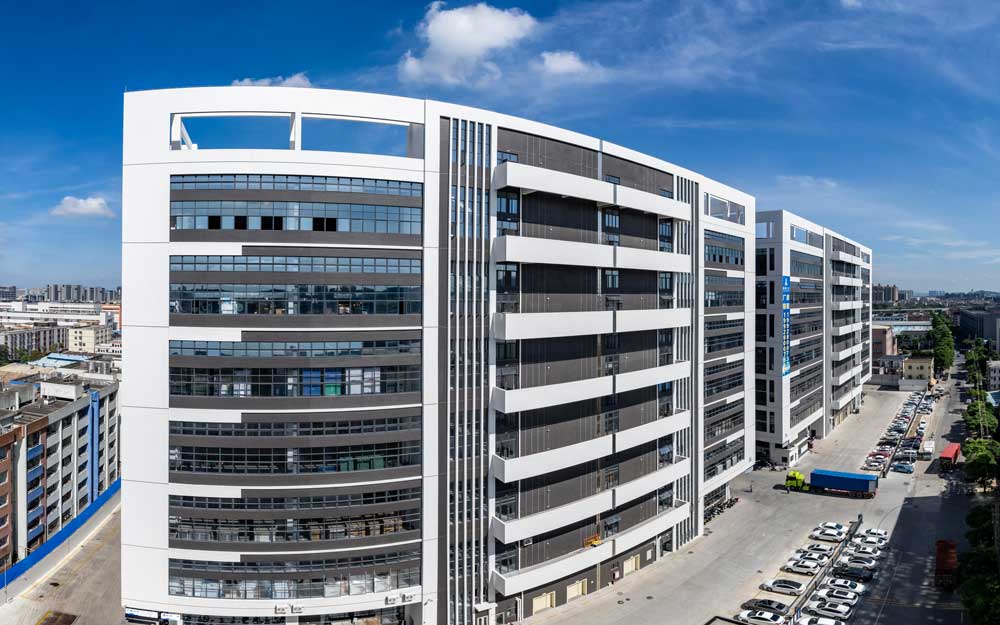
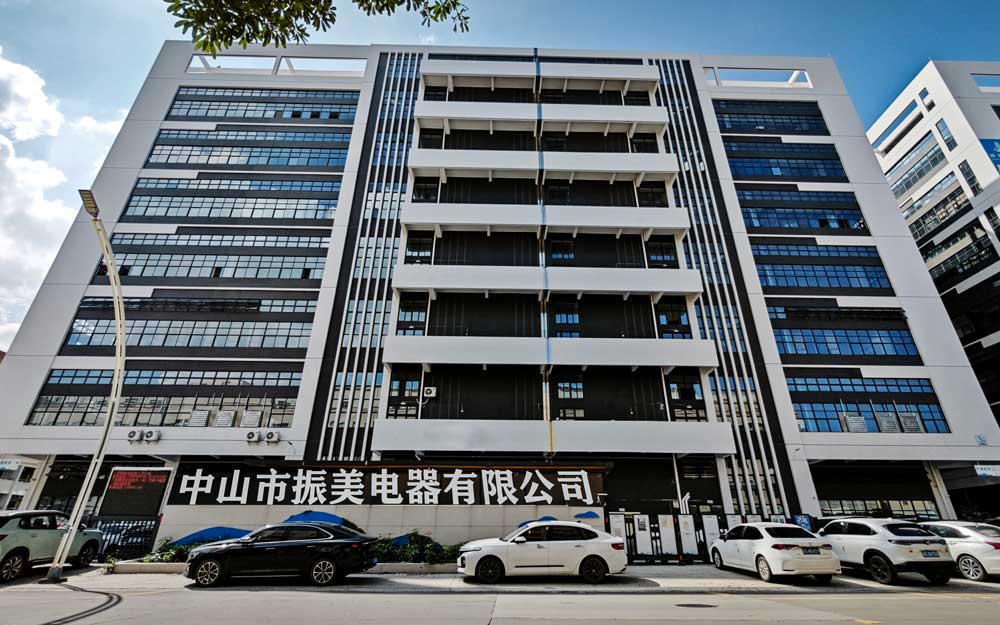
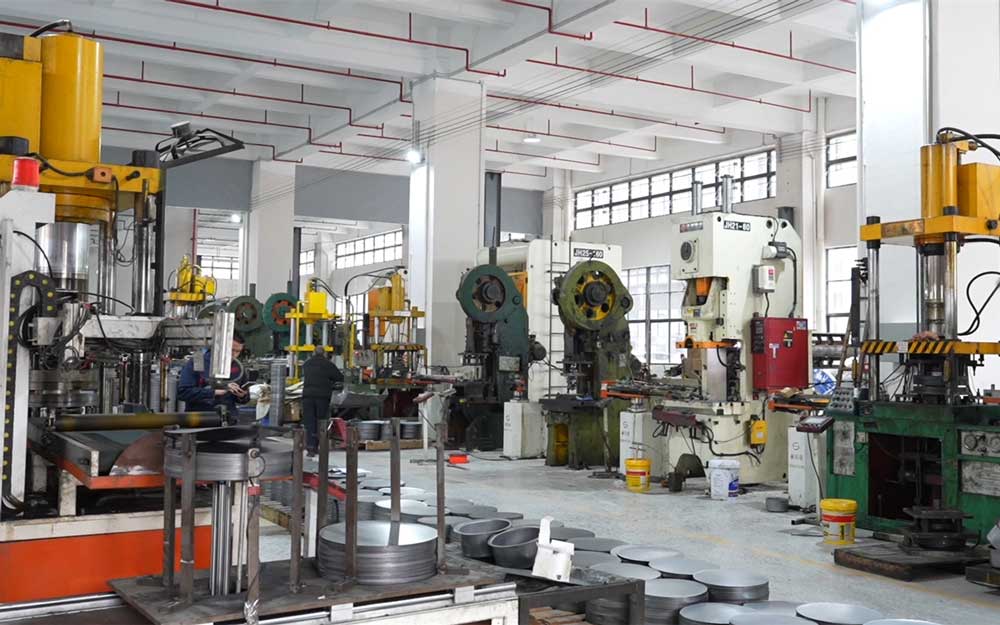
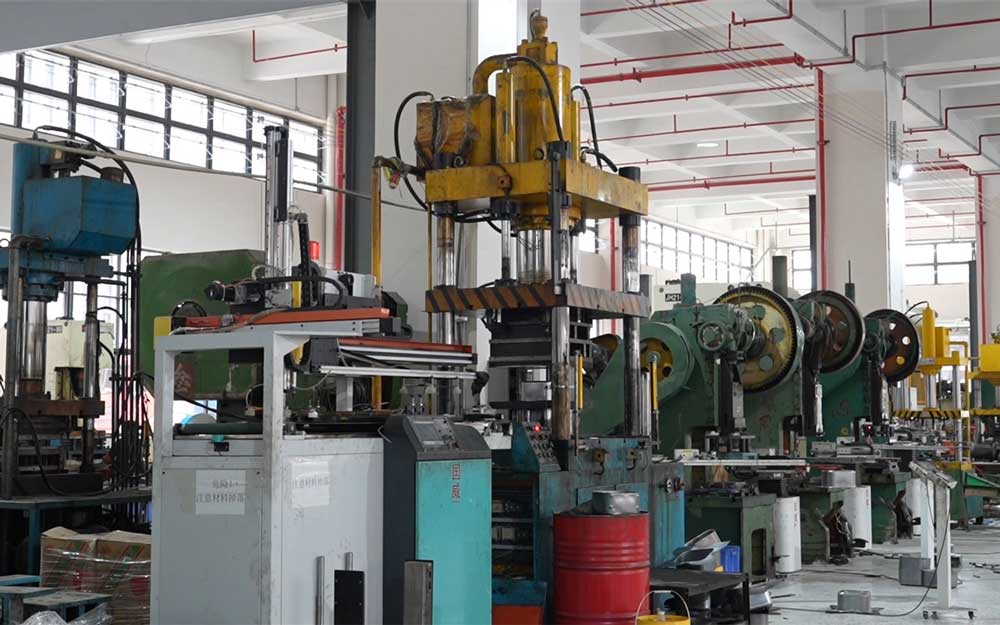
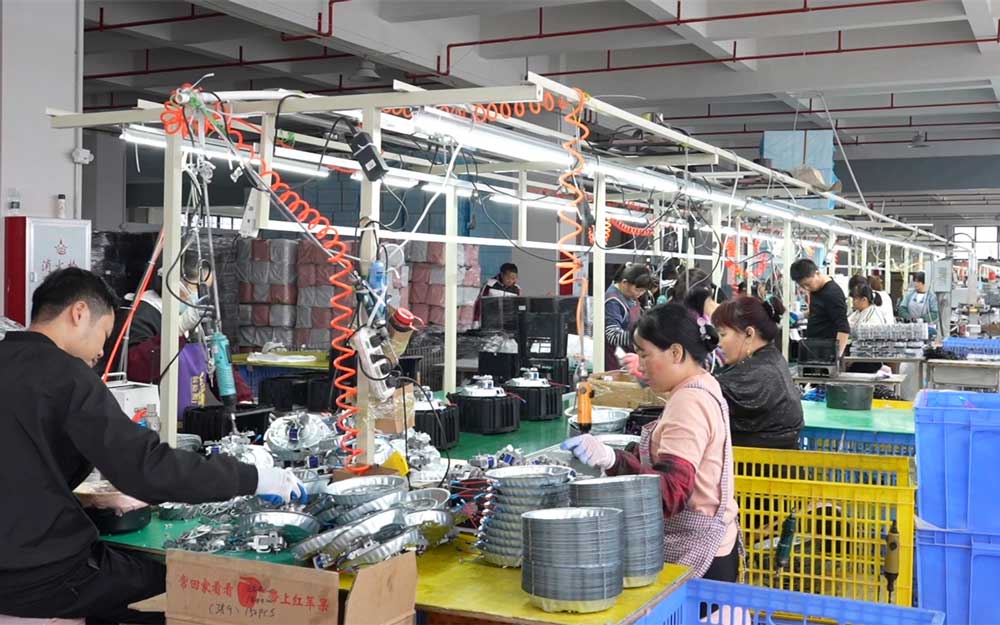
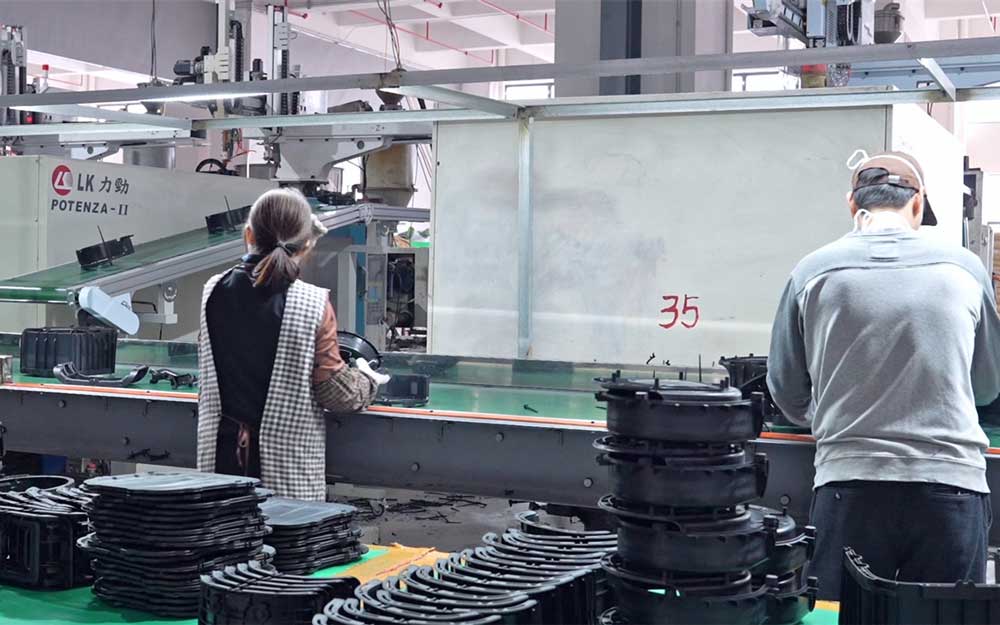
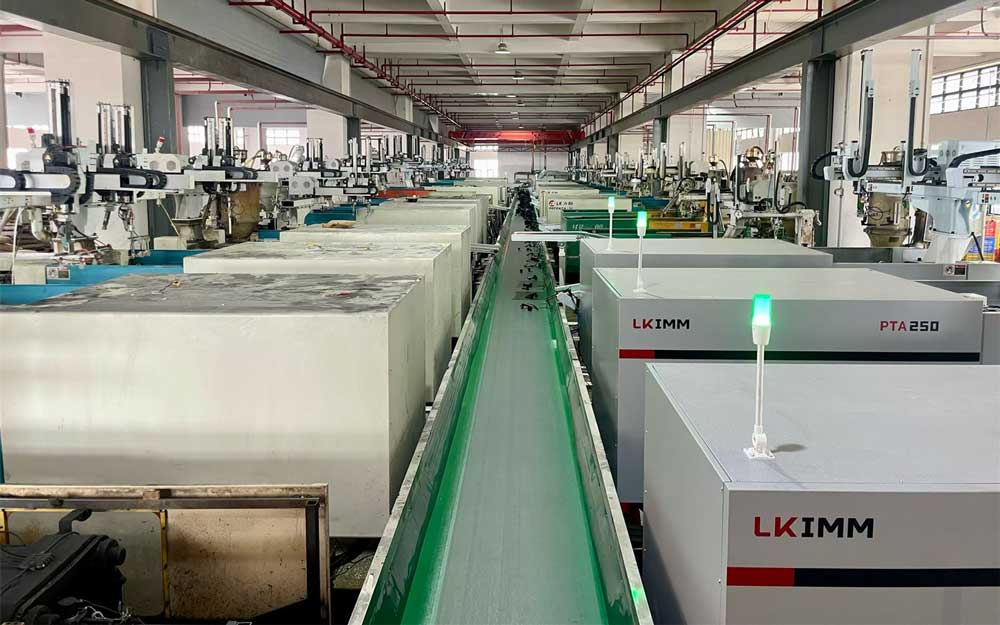
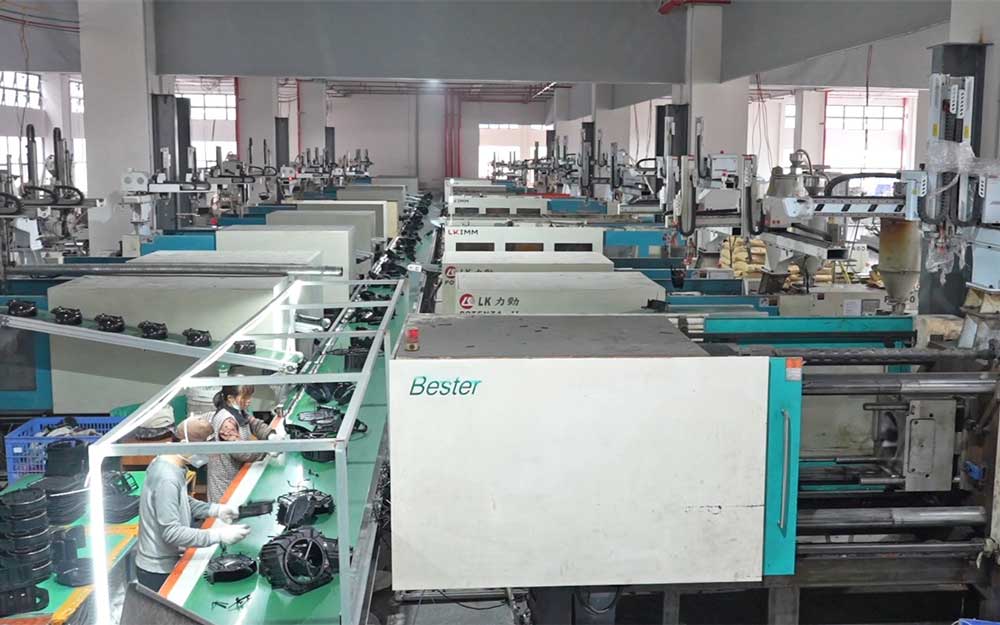
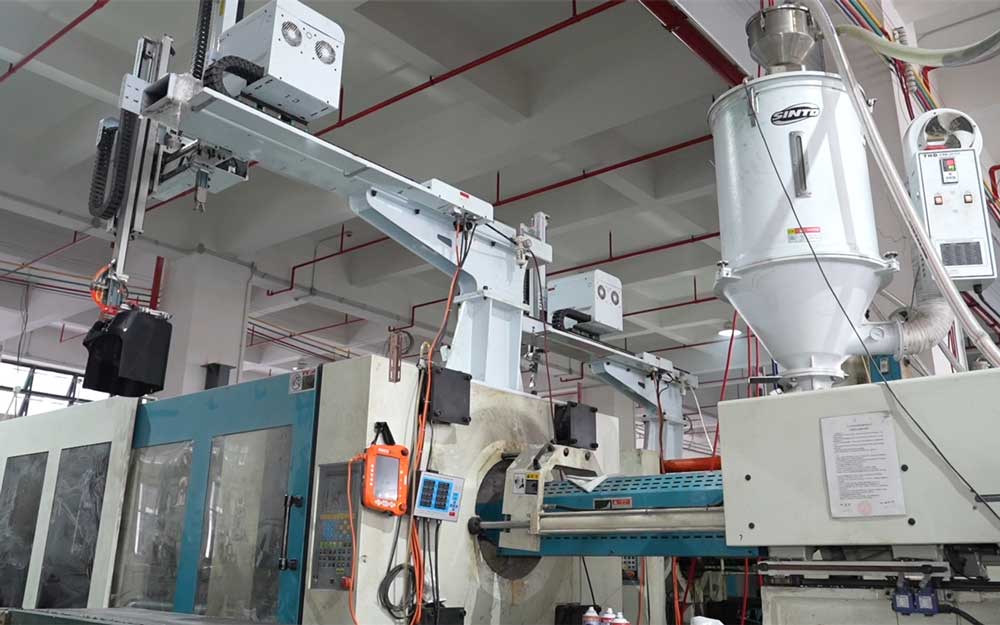
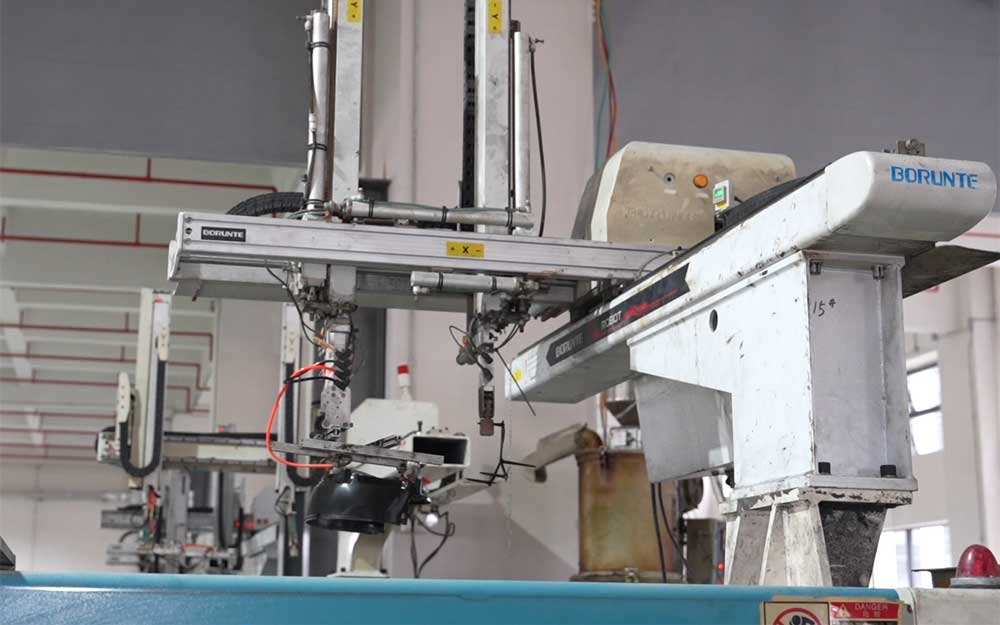
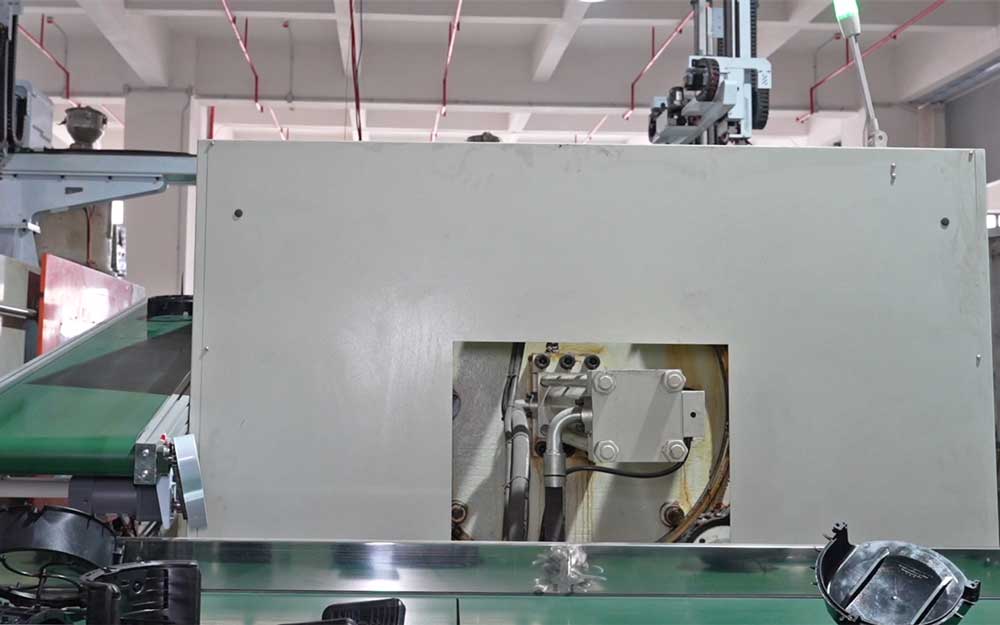
Eliminating systemic distribution risks, stabilizing price margins, and guaranteeing raw material traceability.
In global supply chains, product stability requires structured planning. Fluctuations in raw material costs (such as copper, stainless steel, and plastic resins) can impact the profitability of importing brands. Zhongshan Zhenmei leverages raw material pre-purchasing strategies, lean production models, and partnerships with local steel and copper processing hubs in Guangdong to mitigate these pricing shifts. This provides our clients with highly stable and predictable pricing structures over multi-year contract cycles.
We implement a multi-tiered Quality Assurance (QA) gate system throughout our manufacturing cycle to verify the integrity of every component:
Every batch of raw plastic (Tritan/ABS/PP) and incoming electrical components (switches, PCBs, power cables) is inspected and tested for conformity prior to assembly approval.
Production lines integrate real-time inspection, checking internal wiring insulation, motor current draws, RPM stability, and planetary gear noise profiles at specialized acoustic testing booths.
Prior to container loading, our QA team conducts final drop tests, packaging structural tests, high-voltage insulation tests, and juice yield benchmark checks based on AQL 2.5 standards.
This structured inspection methodology ensures that our production lines maintain a record of lower-than-average returns across global retail channels. This protects brand equity and reduces customer service overhead for importers, e-commerce stores, and brick-and-mortar retailers alike.
Our engineering division's projection of slow juicer technology milestones over the next five years.
Phasing out standard AC induction motors in premium models. Implementing smart BLDC tech to double mechanical torque while reducing overall noise levels to under 45 dB, maximizing continuous operating runtimes.
Replacing mesh-style metal strainers with custom-engineered polymer slits. This design minimizes food residue retention and reduces cleaning times from ten minutes to under sixty seconds under running tap water.
Integrating micro-sensor arrays that detect ingredient resistance in real time. The motherboard adjusts motor RPM and torque output dynamically to prevent jams, protecting unit electronics and maximizing juice yield from leafy greens.
Transitioning outer structural housings from virgin ABS plastics to recycled polymers and post-consumer plastics, aligning with global corporate social responsibility mandates and circular economy initiatives.
Reducing communication barriers, optimizing logistics pipelines, and protecting B2B buyer investments.
Collaborating with manufacturers thousands of miles away requires transparency, reliability, and structured communication. Zhongshan Zhenmei offers a comprehensive service suite to support global buyers throughout the import lifecycle:
Our design team handles retail box mockups, multilingual safety guides, and ISTA-certified drop-testing for e-commerce packaging, ensuring products arrive safely at distribution centers.
We provide a standard 1% free spare parts allotment (including motors, augers, gaskets, and PCBs) alongside bulk shipments, facilitating efficient local repair services for retail networks.
Located close to major shipping hubs in Shenzhen, Nansha, and Hong Kong, our logistics division coordinates FOB, CIF, or DDP terms, simplifying customs clearances and scheduling.
By managing all phases of development, component testing, assembly, and container consolidation internally, we provide an efficient, cost-effective manufacturing experience. Whether you require standard OEM branding on our proven platforms or bespoke ODM engineering, our team delivers consistent quality at scale.
Answers to common technical, logistics, and quality control questions from appliance buyers.
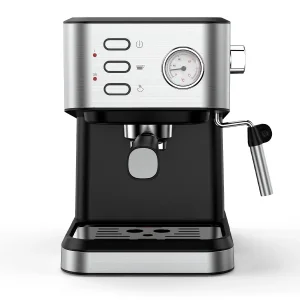
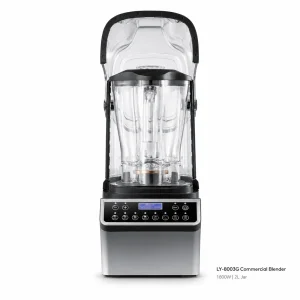
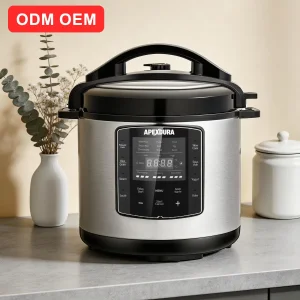
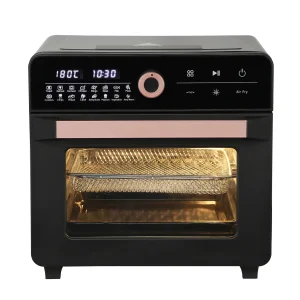
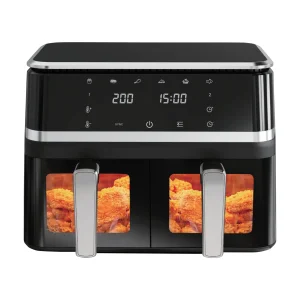
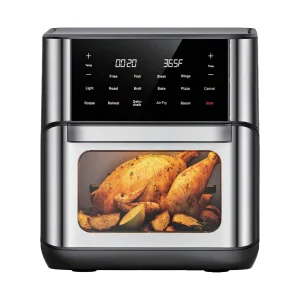
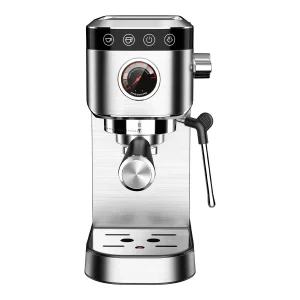
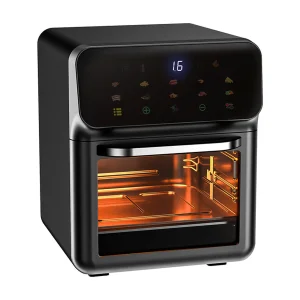
A range of high-efficiency kitchen appliances built to meet international distributor requirements.
 Zhenmei Electrical