Fufu, a staple carbohydrate component across Western and Central African cuisines (including variations such as pounded yam, eba, ugali, and amala), has traditionally relied on intensive manual pounding. The manual process is labor-intensive, time-consuming, and difficult to standardize in commercial hospitality settings. However, modern culinary technology has transformed how restaurants and food production plants manage this staple.
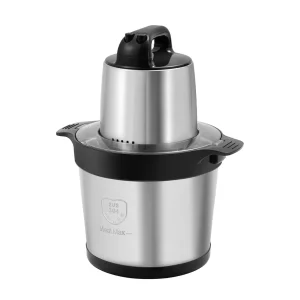
Dedicated restaurant fufu machines and high-torque commercial mixers have automated the gelatinization and pounding processes. This mechanization ensures a consistent visco-elastic matrix without compromising texture. Modern industrial fufu makers integrate heating elements with planetary mixing systems. These systems simulate traditional vertical pestle impacts while managing starch gelatinization through precise thermal regulation.
High-speed starch shearing combined with precise heat settings ensures the fufu maintains its characteristic smooth, lump-free texture without turning watery or overly dense.
Cassava, plantain, and yam starches become highly viscous during processing. Heavy-duty copper-wound motors prevent thermal overload during continuous mixing cycles.
Manufactured with food-grade SUS304 stainless steel bowls and mixing paddles. These designs prevent cross-contamination and simplify daily cleaning procedures.
B2B procurement patterns show that commercial food establishments, distributors, and kitchen equipment importers are shifting away from residential appliances. They are increasingly sourcing specialized, high-capacity machinery designed to withstand prolonged duty cycles. The demand is growing in both traditional regional hubs and major cities globally where African culinary concepts are expanding rapidly.
Importers and commercial distributors evaluate kitchen appliances on three primary metrics: **Duty Cycle Reliability**, **Compliance Certification**, and **Modular Maintenance**. Whether servicing a boutique restaurant in London or an institutional kitchen in Accra, equipment must offer long operational lifespans and run on localized electrical configurations (e.g., 220V/50Hz single-phase or 380V three-phase systems).
Processing 5kg to 20kg of raw starch in under 15 minutes reduces back-of-house labor costs by up to 70% compared to manual preparation methods.
Microprocessor-controlled heat and mixing settings deliver uniform viscosity, texture, and taste across shifts, protecting brand reputation.
Equipped with emergency shut-off switches, secure lid locks, and motor temperature cut-offs to protect operators in busy kitchen environments.
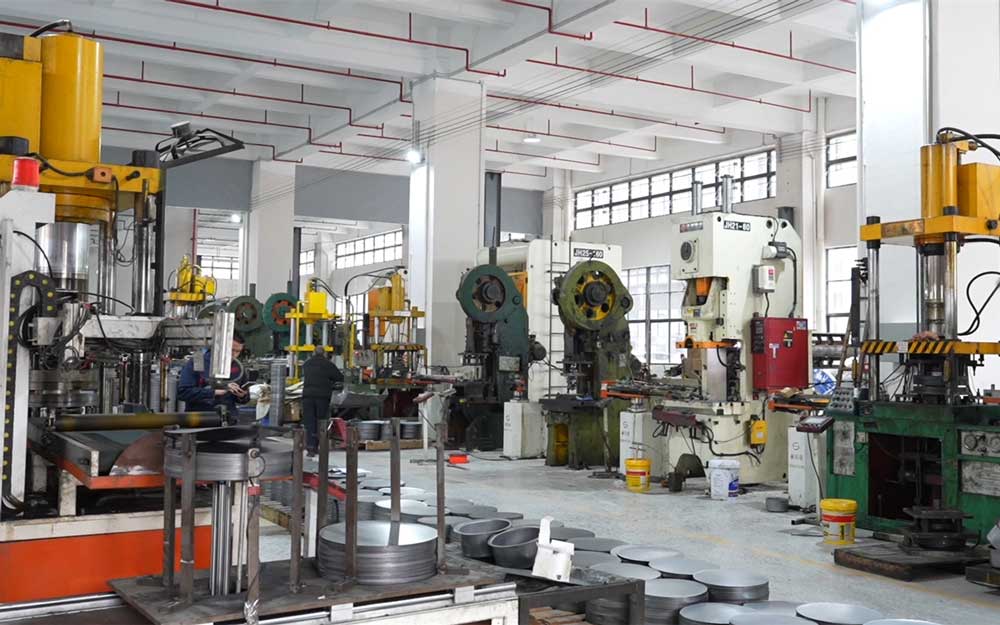
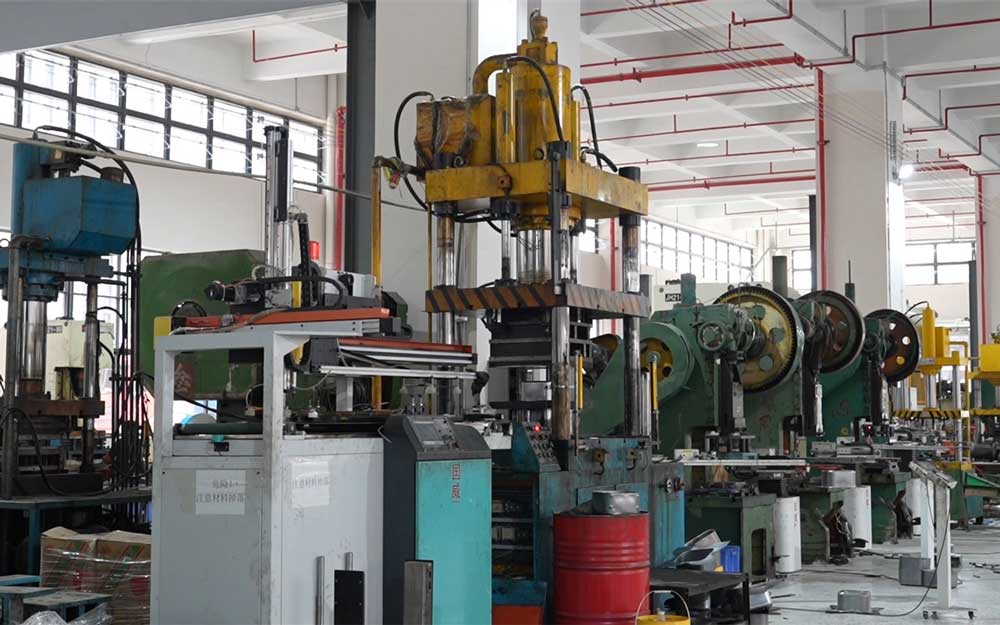
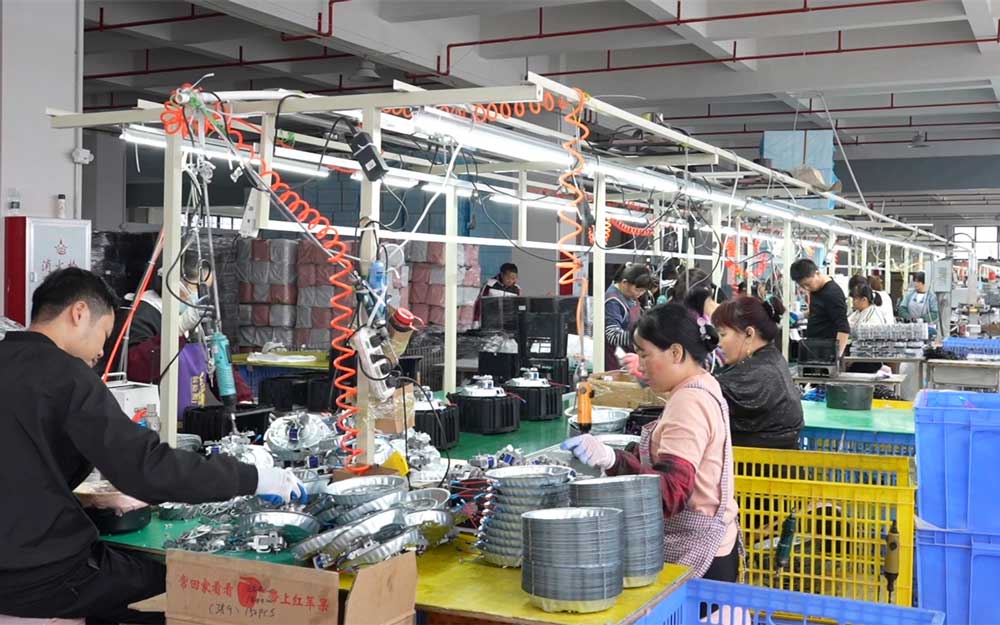
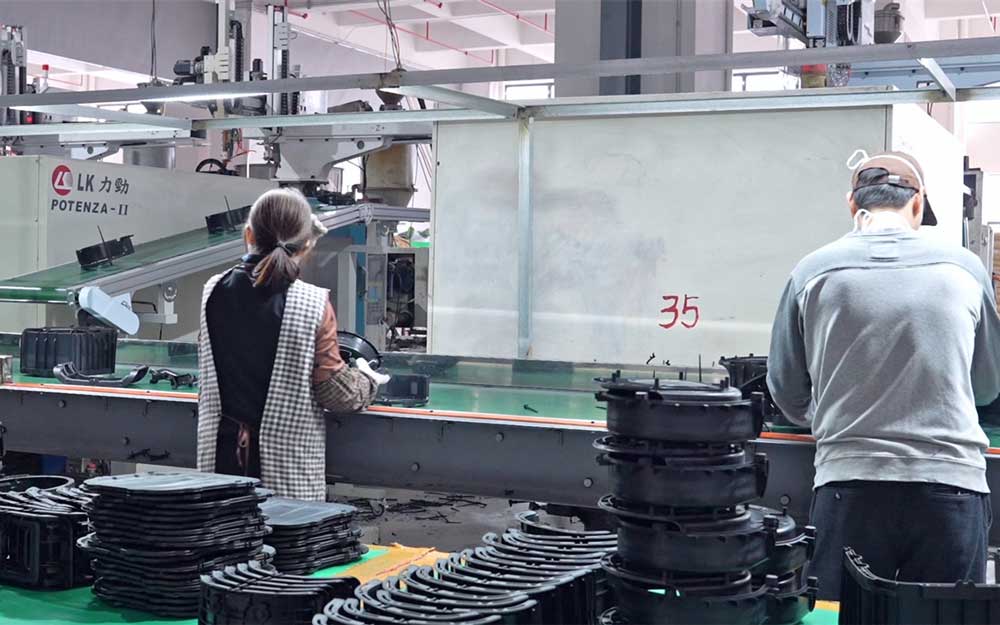
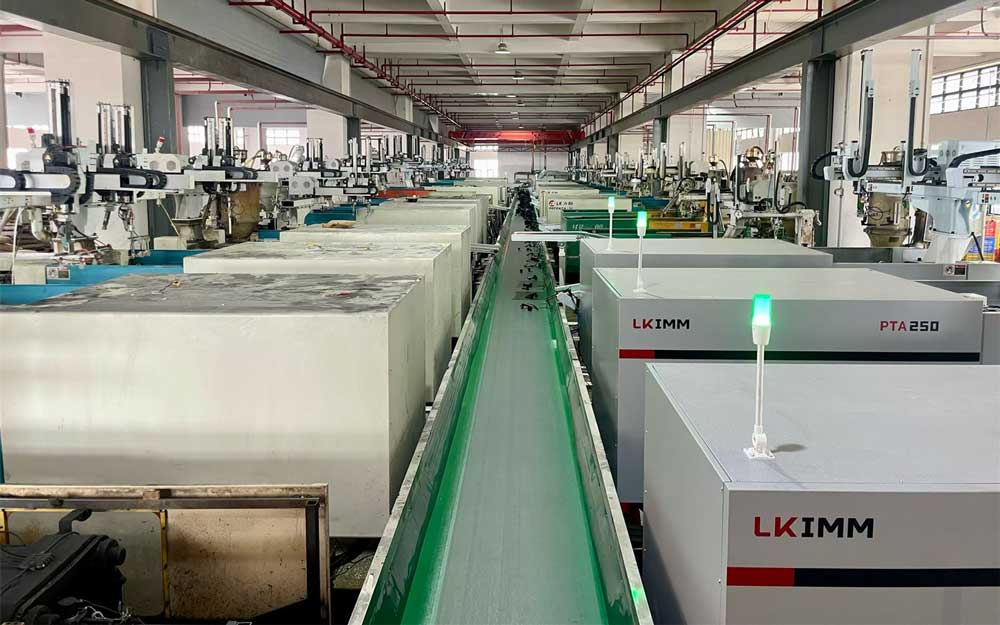
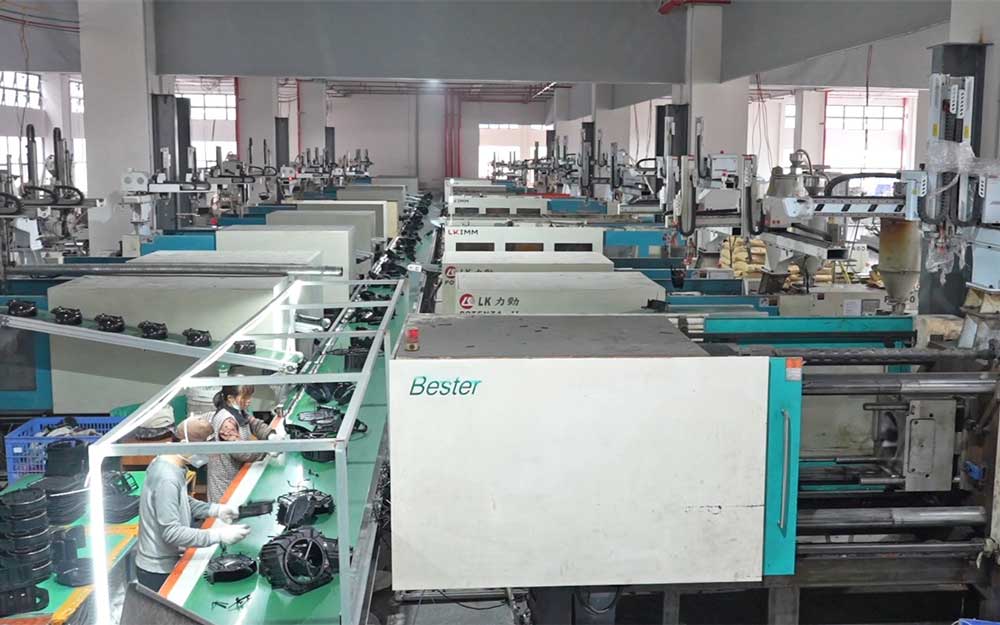
As a leading global manufacturing hub for commercial kitchen appliances, China offers advanced supply chain integration, technical engineering expertise, and cost-effective production. Factories in manufacturing clusters like Zhongshan leverage automated sheet metal pressing, high-precision CNC machining, and automated quality testing lines. This infrastructure helps brands rapidly bring customized designs to market.
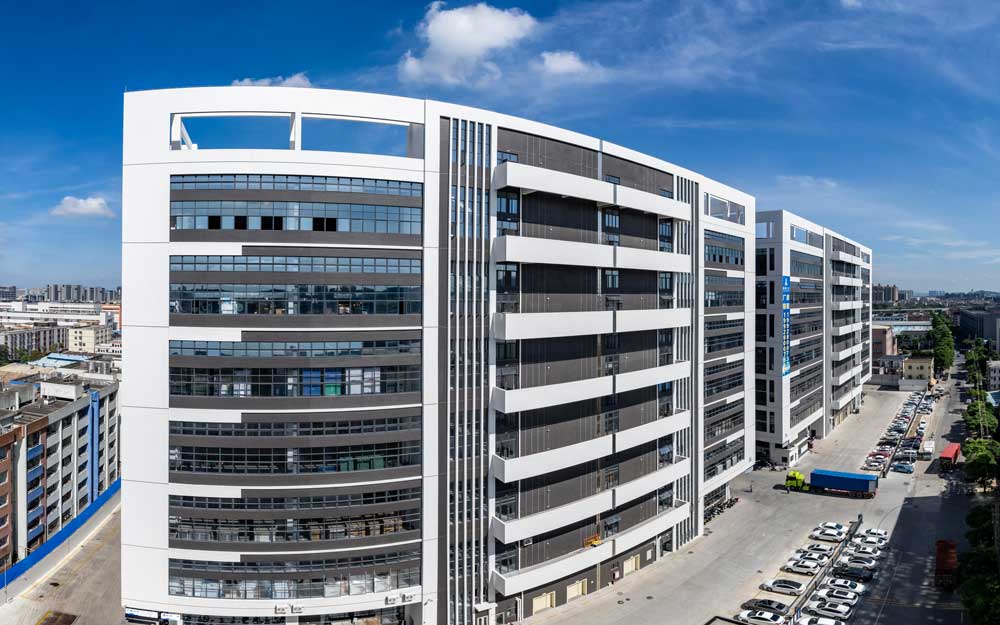
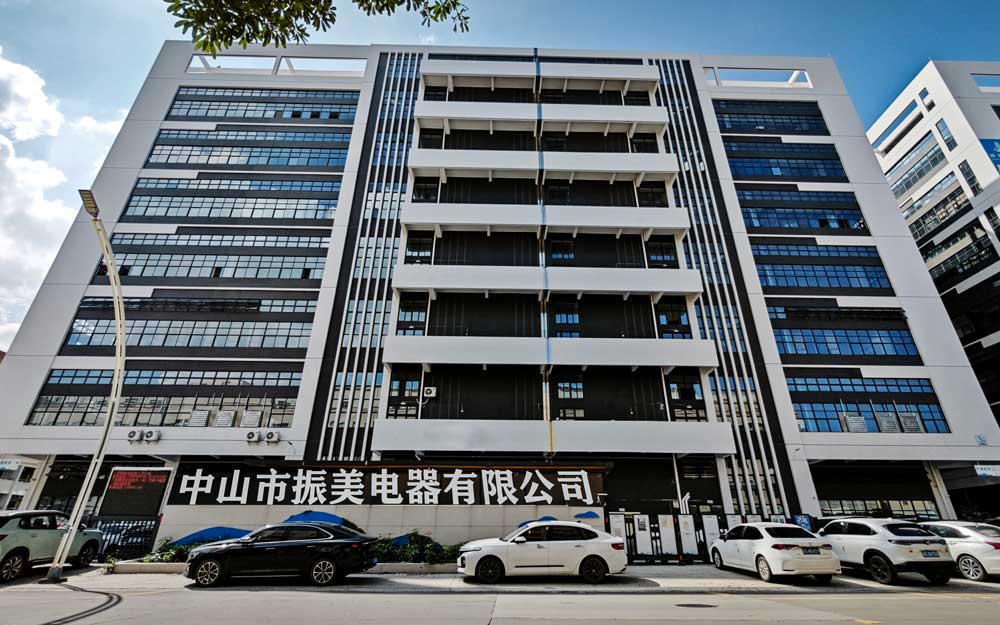
At Zhongshan Zhenmei Electrical Appliance Co., Ltd., this industrial capacity translates into reliable quality. Operating from a **40,000 square meter facility** staffed by over 300 manufacturing professionals and 20+ R&D engineers, the factory produces over 10,000 units daily. This scale allows Zhenmei to support volume demands, maintain strict quality control, and adapt domestic platforms to meet international commercial standards.
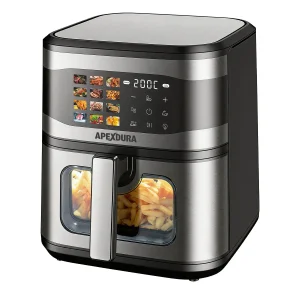
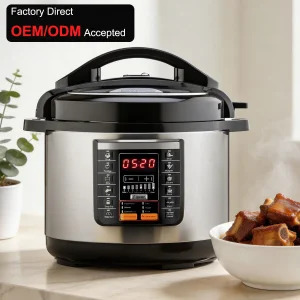
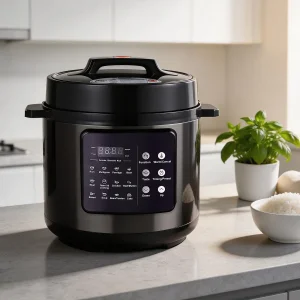
Zhongshan Zhenmei Electrical Appliance Co., Ltd. is a premier OEM/ODM partner specializing in the manufacturing of kitchen appliances, including air fryers, electric pressure cookers, blenders, and more. With over 16 years of expertise, we transform concepts into high-quality, market-ready products for leading global brands.
Our strength lies in robust in-house manufacturing. Operating from a 40,000 sqm advanced facility, powered by 300+ dedicated professionals and 20+ R&D experts, we ensure precision and control at every stage.
Our massive 10,000+ units daily output reliably meets the demands of high-volume orders worldwide. We are committed to excellence, underpinned by a rigorous quality control system that guarantees the safety and reliability of every product.
We are the trusted, end-to-end solution for your OEM/ODM needs. Choose us for innovation, scale, and reliability. Let's build your next success story together.

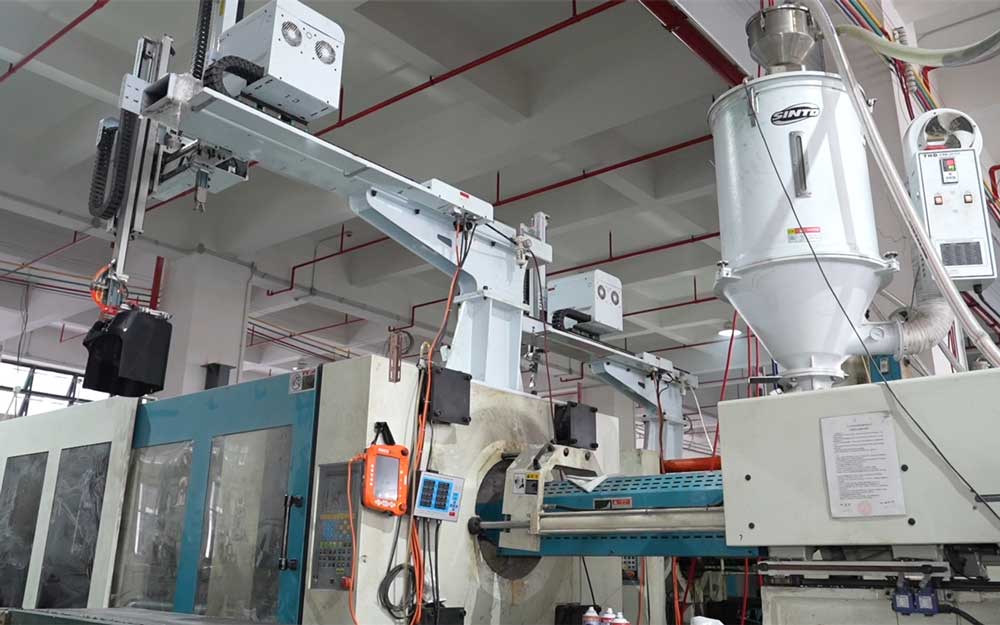
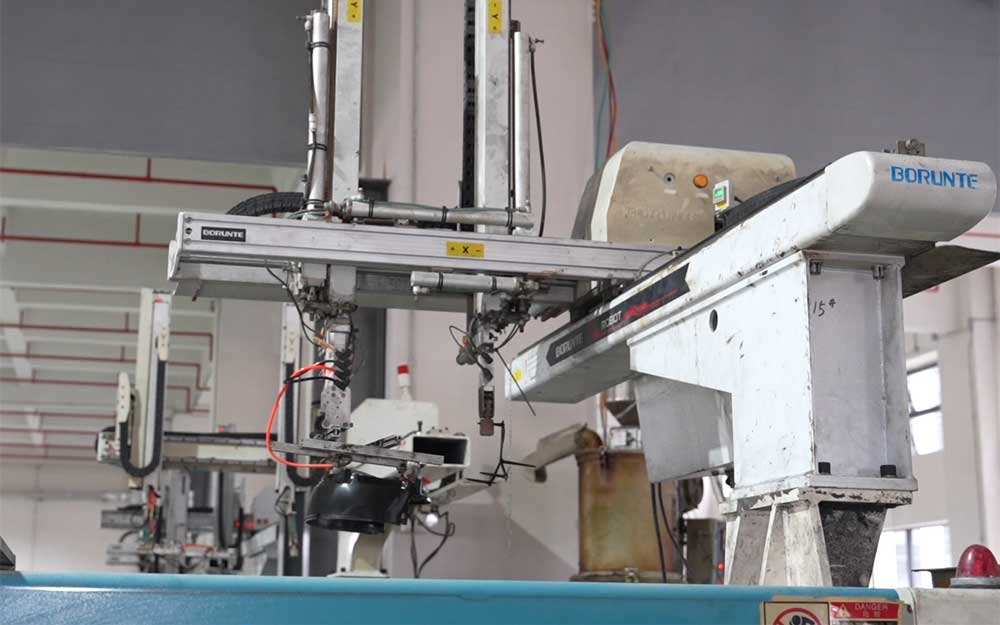
Commercial fufu processing units are deployed across various food-service formats. Understanding how these machines operate in different settings helps buyers specify the right equipment:
Speed is critical. Countertop units with automatic timers enable kitchen staff to load pre-steamed starch, run the cycle, and serve freshly prepared fufu within minutes, helping maintain table turnover rates during peak hours.
High-capacity, floor-standing models with planetary paddles allow caterers to prepare up to 15kg of hot fufu per batch. Built-in thermal insulation helps keep the dough warm until serving.
In delivery-only operations, consistency is essential. Programmable logic controllers (PLC) allow chefs to save recipes, ensuring identical viscosity and quality across multiple virtual brands.
Essential technical, structural, and trade queries answered by our manufacturing team.
 Zhenmei Electrical