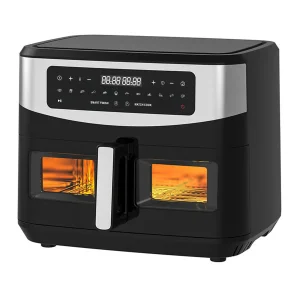
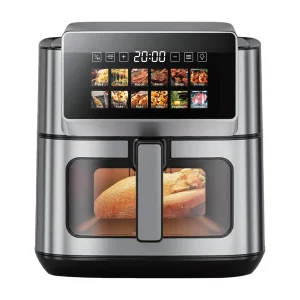
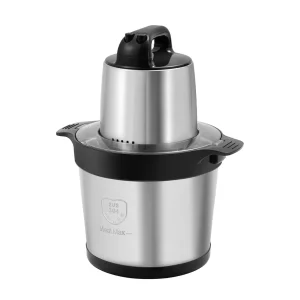
Explore our high-performance heating and cooking products engineered for worldwide commercial and domestic standards.
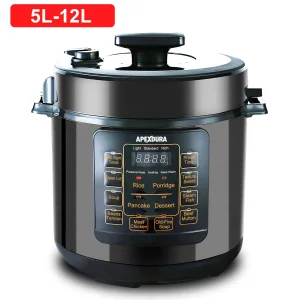
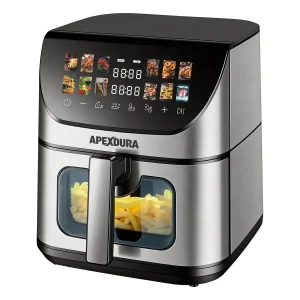
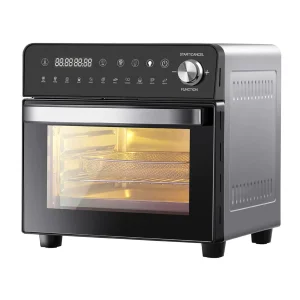
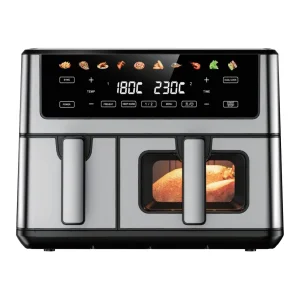
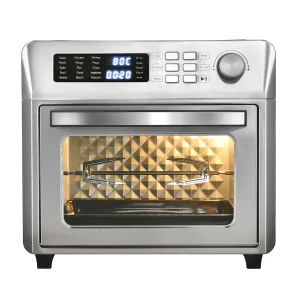
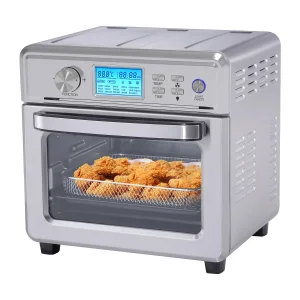
The global breakfast and beverage technology landscape is undergoing a rapid transition toward intelligent, highly customizable, and energy-efficient systems. Programmable coffee makers, which once stood as basic time-delay drip machines, have now evolved into highly complex culinary appliances. These systems integrate precision thermo-control, smart IoT connectivity, and multi-phase brewing extraction profiles. According to recent global market analyses, the demand for smart and programmable coffee systems is growing at a compound annual growth rate (CAGR) of over 7.4%, driven by rising consumer expectations for barista-quality coffee at the push of a button.
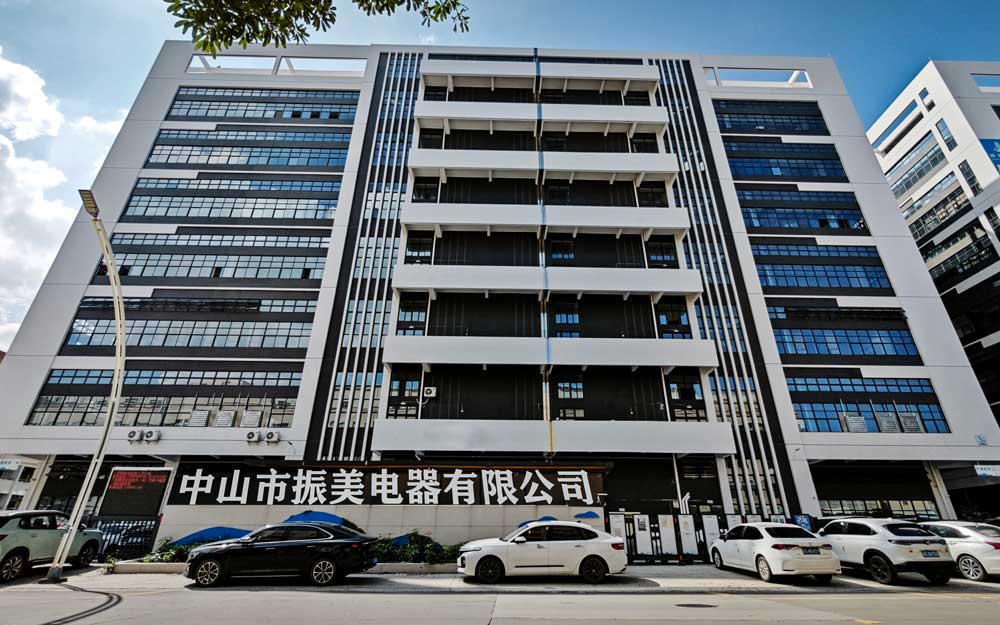
At the center of this transformation is Zhongshan Zhenmei Electrical Appliance Co., Ltd., a premier OEM/ODM manufacturing partner. Leveraging over 16 years of kitchen appliance expertise, we manage an expansive 40,000 sqm production facility to turn advanced designs into market-ready products. While our factory produces industry-leading air fryers and electric pressure cookers, the fundamental heating technology, precise NTC temperature control systems, and microchip program designs share the exact high-end engineering architecture required to produce modern programmable coffee makers.
Analyzing global demand channels for programmable beverage systems and premium kitchen heating electronics:
For B2B buyers, distributors, and global home appliance brands, finding the right China programmable coffee maker supplier is no longer just a matter of locating the lowest manufacturing cost. Sourcing now requires deep evaluation of engineering agility, material compliance certificates (FDA, LFGB, RoHS), quality control systems, and supply chain security. The modern brewing market demands versatile devices that can support multiple user profiles, exact temperature adjustments, and durable construction designed to withstand thousands of heating cycles.
Modern electrical brewing systems rely on advanced hardware integration and firmware programming to ensure consistent cup quality.
Ensures brewing water temperature stays within the optimal 92°C to 96°C window, preventing sour under-extraction or bitter over-extraction.
Integrated RTC (Real-Time Clock) modules allow consumers to pre-program their brewing cycles down to the minute, with automatic standby mode.
Tuya, Wi-Fi, and Bluetooth-enabled firmware allow seamless synchronization with mobile applications and voice-activated smart home systems.
Configured with heavy-duty borosilicate glass carafes, or double-walled SUS304 vacuum insulated thermal carafes to keep coffee hot for hours.
Automatically wets the coffee grounds gently before the full extraction starts, releasing carbon dioxide to enrich the overall flavor profile.
Meets stringent European ErP energy-saving directives with smart auto-shutdown options, reducing carbon footprint and standby power drain.
The consumer electronics and small home appliance sectors are merging with advanced software solutions. When reviewing current global supply chains, several high-impact trends are redefining the expectations for programmable beverage machines:
Traditional drip brewers simply dumped hot water over grounds at an unregulated pace. Modern high-end programmable units utilize low-voltage DC water pumps or specialized solenoid pulse valves to control flow. This level of customization allows the user to program a "pre-wet" or "bloom" phase, essential for releasing trapped gases in freshly roasted coffee. This technology mimics manual pour-over methods, resulting in a cleaner cup that matches specialty coffee standards.
Global regulators continue to tighten chemical migration limits on plastics and heating elements. Premium suppliers now use food-grade SUS304 or SUS316 stainless steel for boilers, water pipes, and structural components. Plastic components, including water reservoirs and filter baskets, must be certified BPA-free (using materials like Tritan copolyester). These safety measures prevent chemical transfer under high temperatures, reassuring safety-conscious consumers.
Modern consumers demand appliances that do more with less space. Modern kitchen factories utilize multi-purpose engineering platforms. The same logic boards (PCBs) and smart touch displays designed for high-performance air fryer ovens and digital pressure cookers are adapted to control heating, pump timing, and temperature sensors in coffee systems. This shared technological core drives manufacturing efficiency and ensures stable performance across product lines.
To help brand partners prepare for future market demands, our engineering department maintains a clear technology roadmap focusing on intelligent control and sustainable materials:
| Development Stage | Core Focus | Key Implementation Features | Target Audience & Market Segment |
|---|---|---|---|
| Phase 1: Basic Digital Automation | Precision Time Control & LED Interfaces | RTC circuits, touch controls, simple NTC sensor arrays, basic anti-drip mechanisms. | Mass retail, value-driven household appliance lines. |
| Phase 2: Connected Ecosystems | IoT Connectivity & App Integration | Wi-Fi/Bluetooth LE microchips, remote scheduling via app, Tuya integration, voice control. | Tech-savvy smart home consumers, mid-to-high tier brands. |
| Phase 3: Sensor-Driven Extraction | Dynamic Brewing Profiles | PID controllers, variable flow pumps, TDS (Total Dissolved Solids) sensors, water hardness tracking. | Specialty coffee enthusiasts, premium commercial offices. |
| Phase 4: Autonomous Customization | AI Integration & Predictive Maintenance | AI taste profiling, automatic descaling detection, proactive parts replacement warnings, cloud-stored brew updates. | High-end luxury smart home systems and commercial operations. |
By using modular designs, we can customize logic boards to support the specific phase your brand needs. This allows you to scale from basic programmable models to highly advanced IoT-enabled systems without having to redesign the product's outer housing or liquid paths.
Sourcing programmable kitchen appliances from China provides significant supply chain and industrial advantages. Located in Zhongshan, the hub of Chinese home appliance manufacturing, Zhongshan Zhenmei Electrical Appliance Co., Ltd. utilizes these local strengths to deliver premium quality and cost-efficiency to our global partners.
Our facility sits in a well-established manufacturing cluster. Heating components, precision injection-molded parts, custom sensors, digital controllers, and packaging materials are sourced from reliable local suppliers. This nearby supply network minimizes transport delays, lowers incoming material costs, and allows us to adapt quickly to design changes or order adjustments.
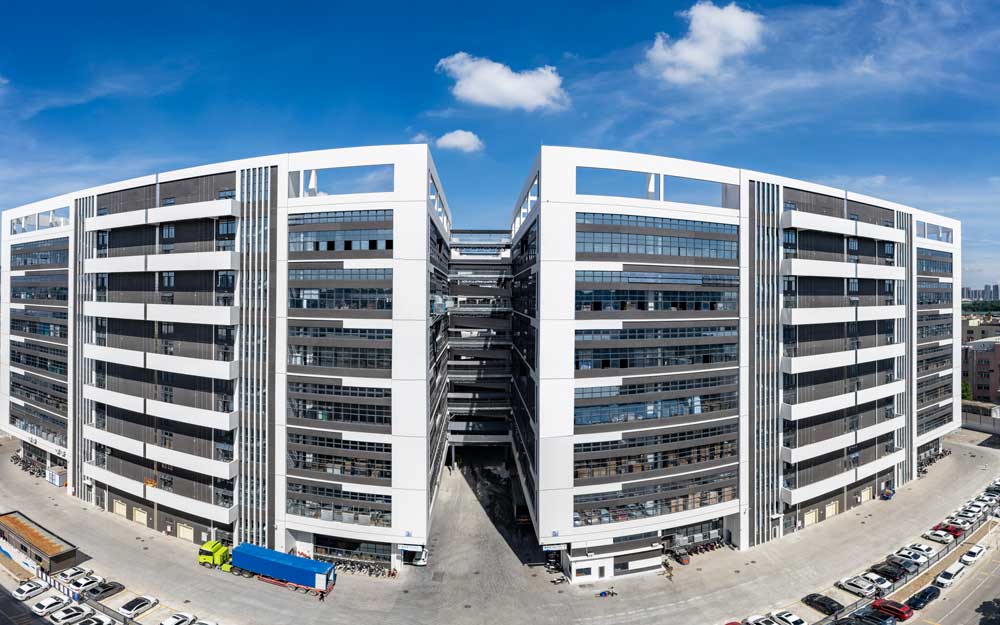
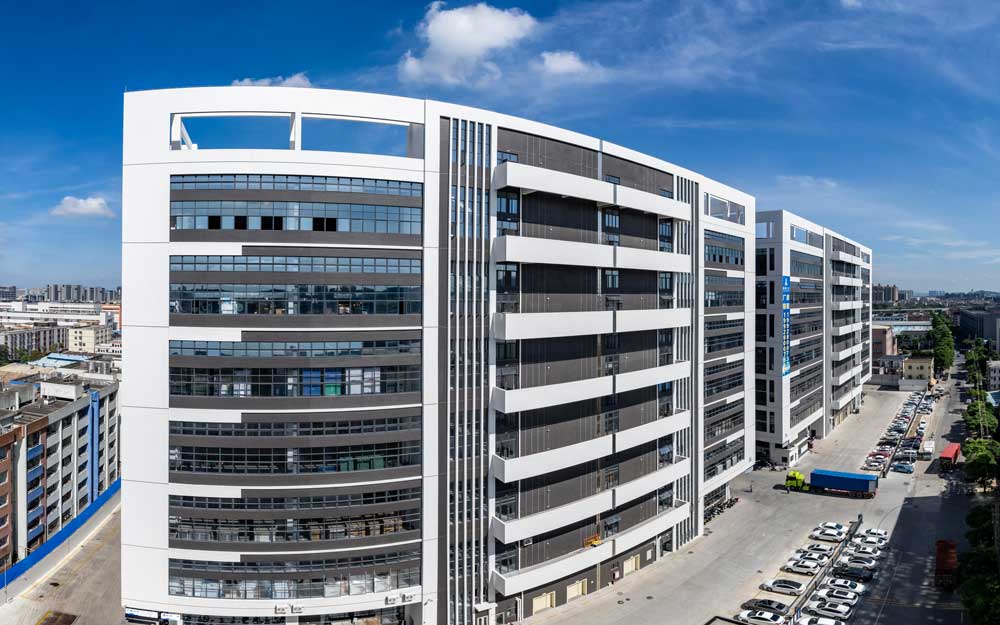
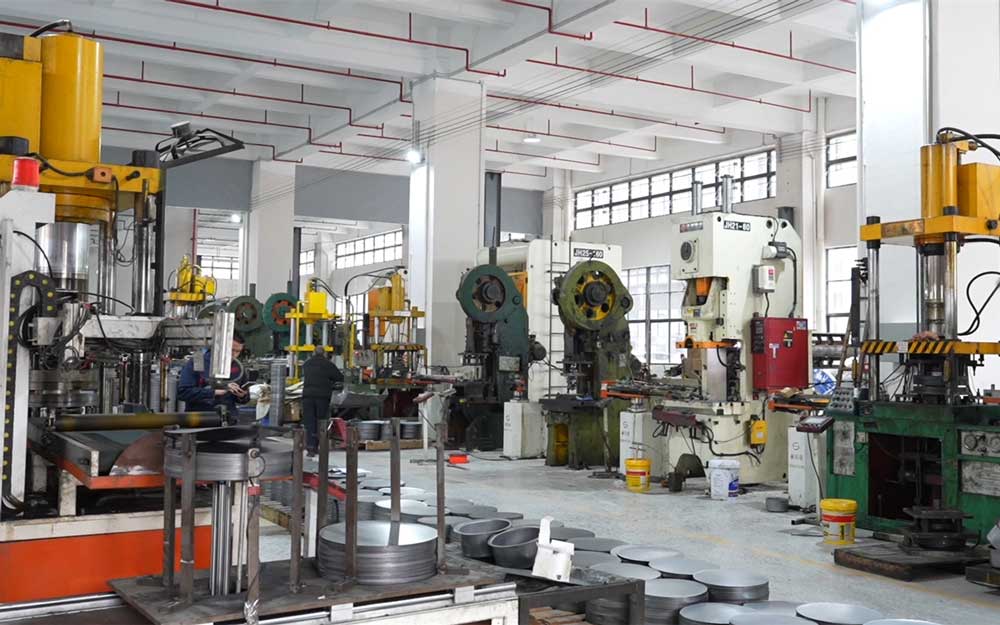
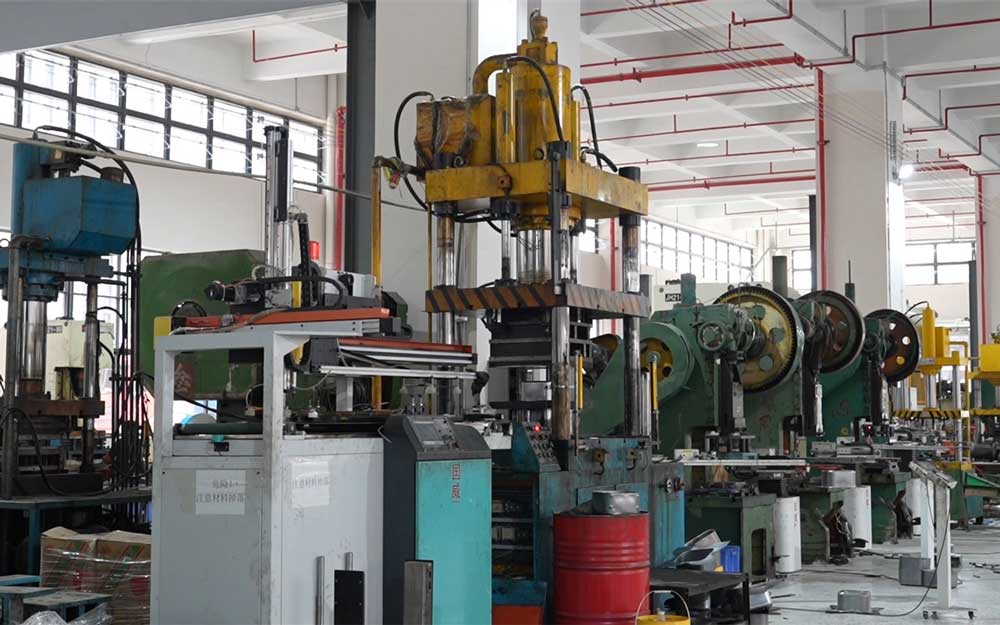
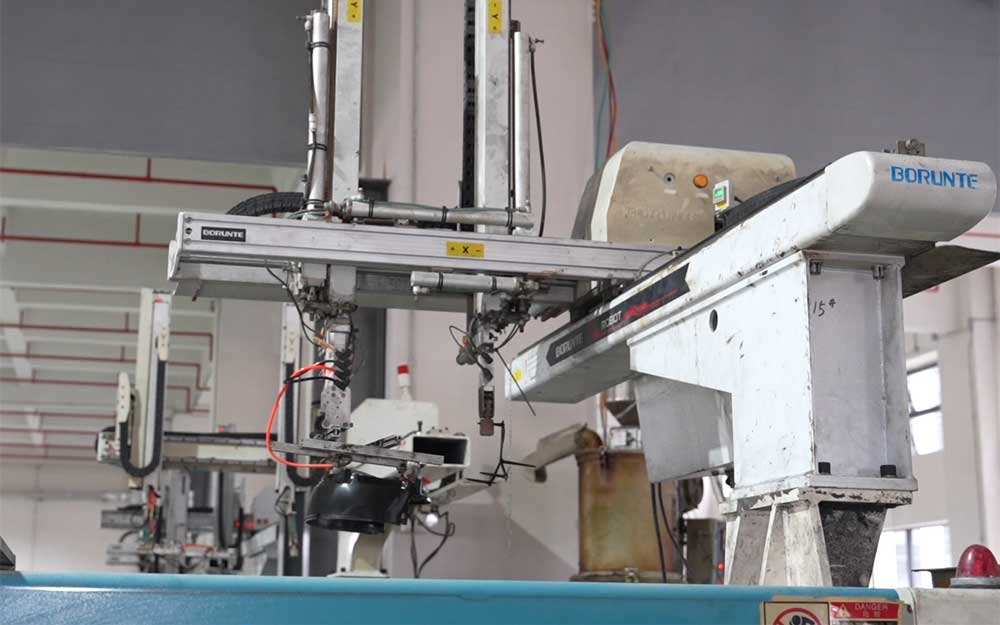
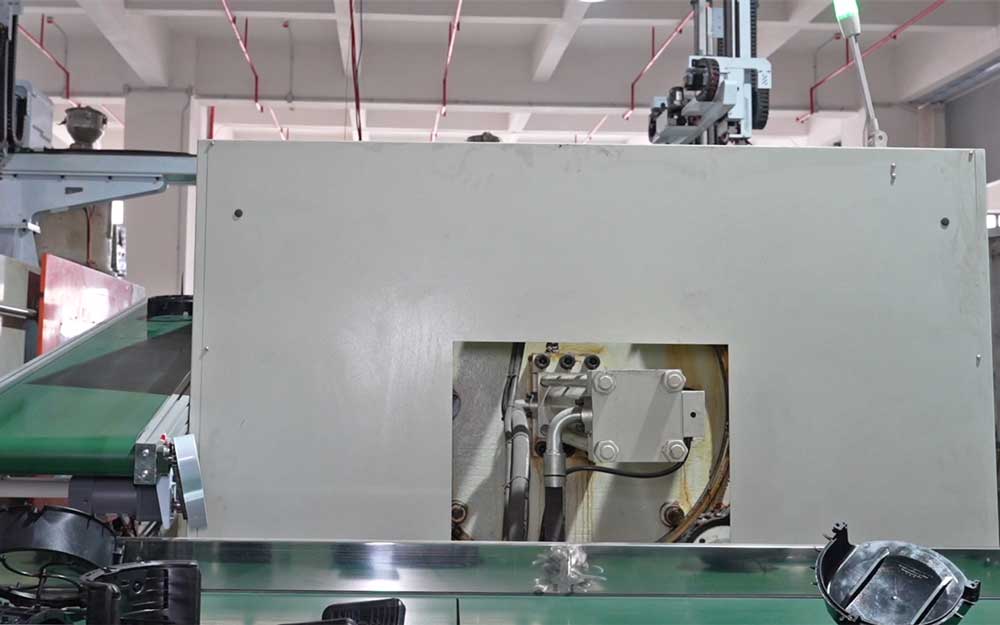
Many suppliers simply outsource assembly. Zhenmei, however, manages production from start to finish. Over 16 years of kitchen appliance manufacturing has built our deep technical knowledge. With an on-site team of over 300 skilled professionals, including 20+ dedicated R&D engineers, we handle design, tooling, injection molding, metal stamping, PCB assembly, and final product packaging in-house.
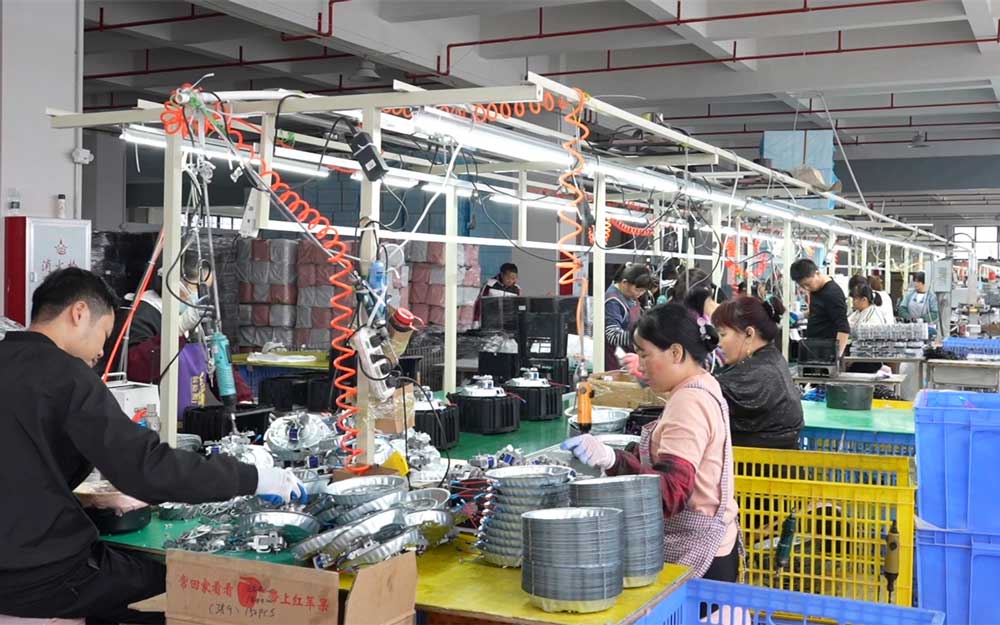
Our facility can produce over 10,000 units daily, making us a dependable partner for large-scale retail launches and holiday ordering surges. We enforce strict quality management systems at every stage of assembly. Each batch of appliances undergoes rigorous testing—including electrical isolation, high-pressure liquid path safety, thermal sensor precision, and structural drop tests—ensuring they arrive at your warehouse in perfect working order.
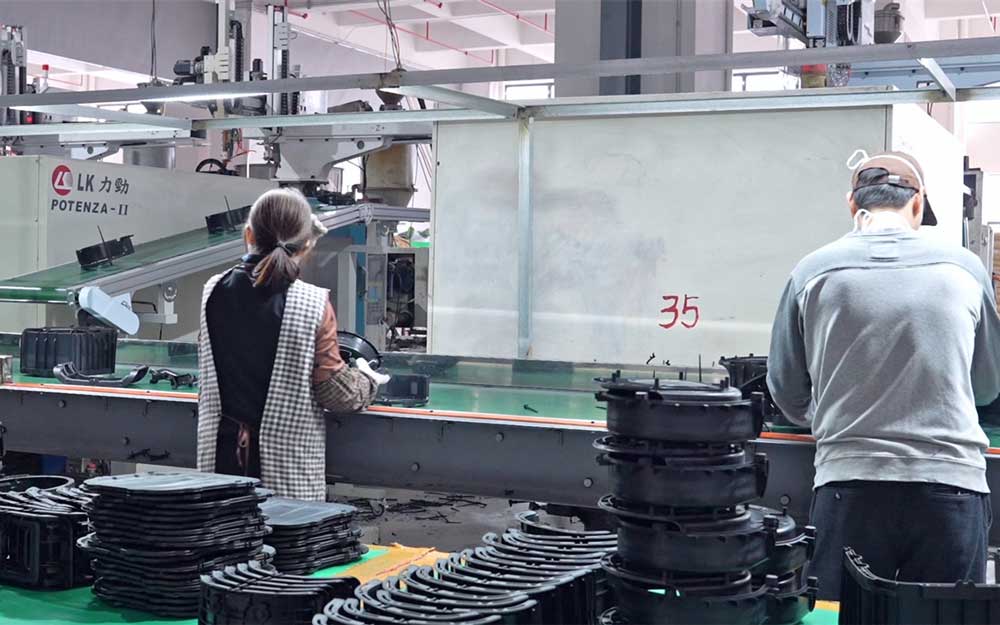
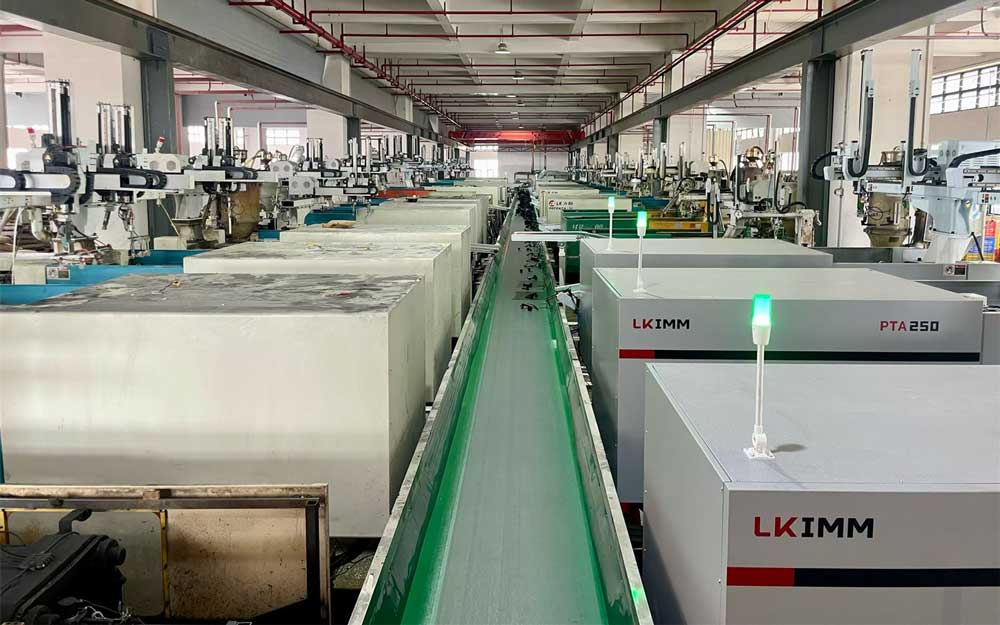
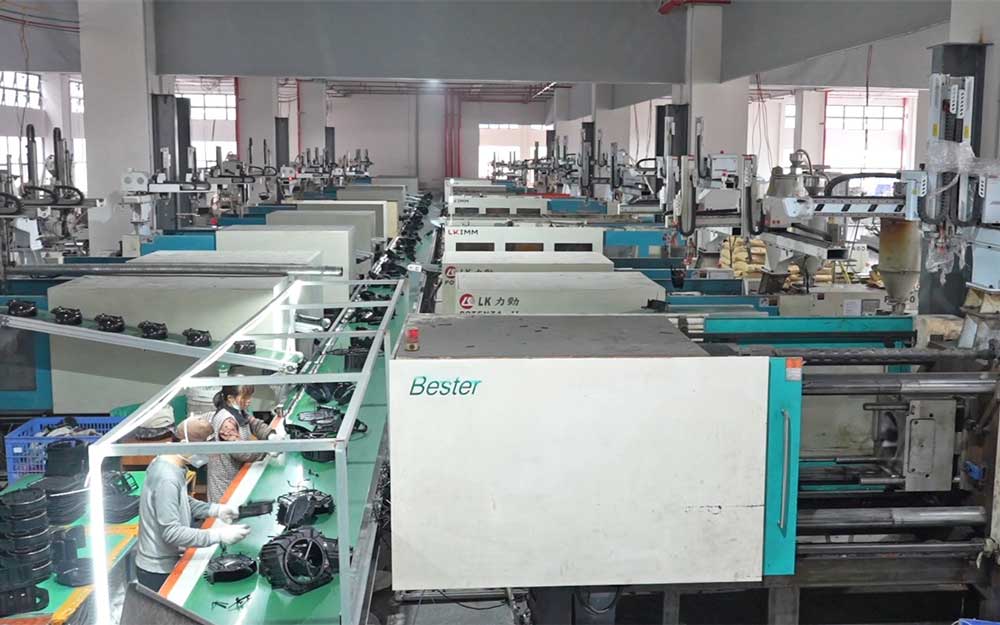
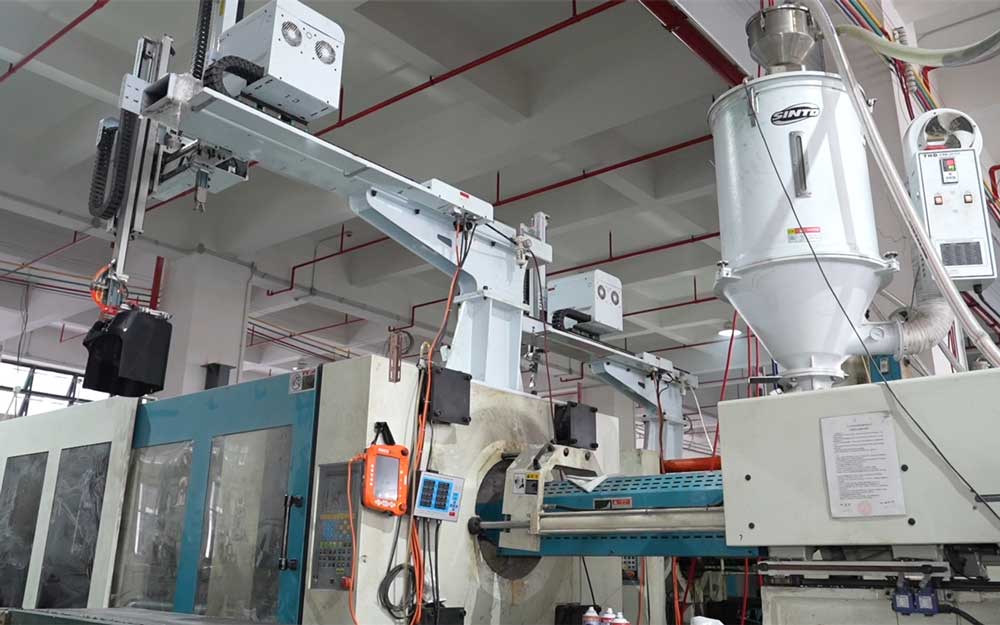
A look inside our 40,000 square meter factory, showcasing our precision machinery, clean assembly zones, and rigorous testing environments.
Navigating global logistics and variable market demands requires more than just finding a manufacturer—it requires a partner who understands the business side of global trade. Zhenmei provides customized B2B sourcing programs to streamline the path from initial design to retail delivery:
For brands targeting specific price points or consumer segments, we offer flexible customization options. This includes printing custom brand logos, selecting custom plastics, modifying screen printing, redesigning outer housings, and adapting digital displays for localized languages. Our engineering team can also develop custom PCB firmware to change button functions, cook profiles, or temperature settings based on regional preferences.
Different markets enforce unique compliance standards. Our engineers design products with these requirements in mind. Our factories maintain ISO 9001 and BSCI certifications, while our product lines are designed to pass GS, CE, CB, ETL, UL, FDA, LFGB, and RoHS certifications. We also assist partners with testing and paperwork to ensure smooth customs clearance and retail compliance in North America, Europe, and Asia-Pacific.
Safe shipping is essential to prevent transport damage. We offer complete packaging design services, from drop-tested corrugated boxes to foam inserts and localized instruction manuals. Our shipping experts work closely with ocean freight carriers and local warehouses to optimize container packing, helping reduce shipping costs and ensure on-time delivery.
Technical answers to common questions asked by appliance buyers, sourcing heads, and brand managers.
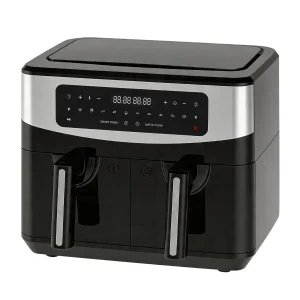
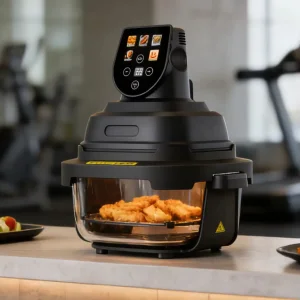
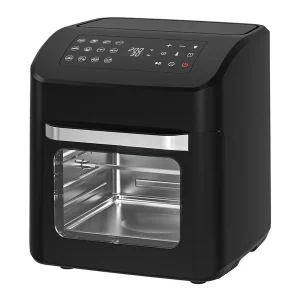
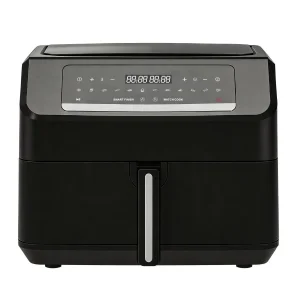
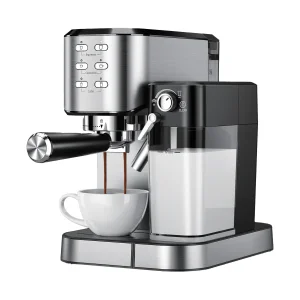
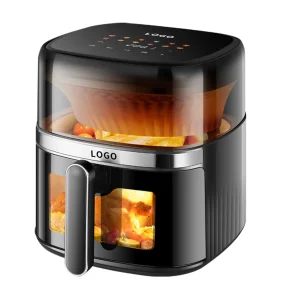
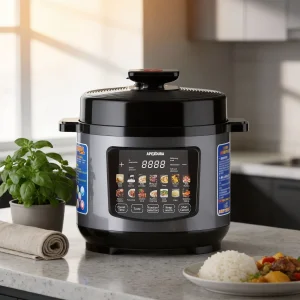
Explore our advanced digital product line, built for consistent heating performance and long-term durability.
 Zhenmei Electrical