Precision Engineering • Industrial Scale • Premier B2B Kitchen Appliance OEM/ODM Solutions
Engineered for high-volume commercial hospitality, institutional catering, and international consumer electronics brands.
The global beverage sector is undergoing a profound structural transition. Spurred by surging health consciousness and the clean-label movement, consumer dynamics have shifted rapidly from pasteurized, shelf-stable concentrates to fresh, organic, nutrient-dense, and cold-pressed liquids. This macro shift has placed unprecedented technological requirements on commercial juice extractors and food processing equipment.
In international commercial environments—such as juice bars, premium hotels, wellness resorts, fast-casual restaurant chains, and industrial food service operations—a professional juice machine or high-capacity blender is no longer just a basic kitchen tool. It is a critical driver of commercial profitability. Modern B2B operators evaluate juice machinery through key metrics: juice yield optimization, mechanical durability under heavy loads, speed of sanitization, thermal preservation of enzymes, and noise attenuation.
As a result, manufacturing partners must offer more than basic assembly. They must provide sophisticated material engineering, motor thermal management, and precision manufacturing capabilities. Global sourcing managers are shifting their vendor evaluation protocols from basic price auditing to complex engineering audits, placing a premium on factories with mature in-house R&D pipelines.
In high-throughput environments, structural failures lead directly to expensive down-time. High-caliber factories focus engineering efforts on:
"A 10% increase in juice yield directly transforms a commercial beverage vendor's bottom line. China's advanced manufacturing hubs, particularly the Zhongshan clusters, optimize this through computer-aided hydraulic optimization and customized blade geometries."
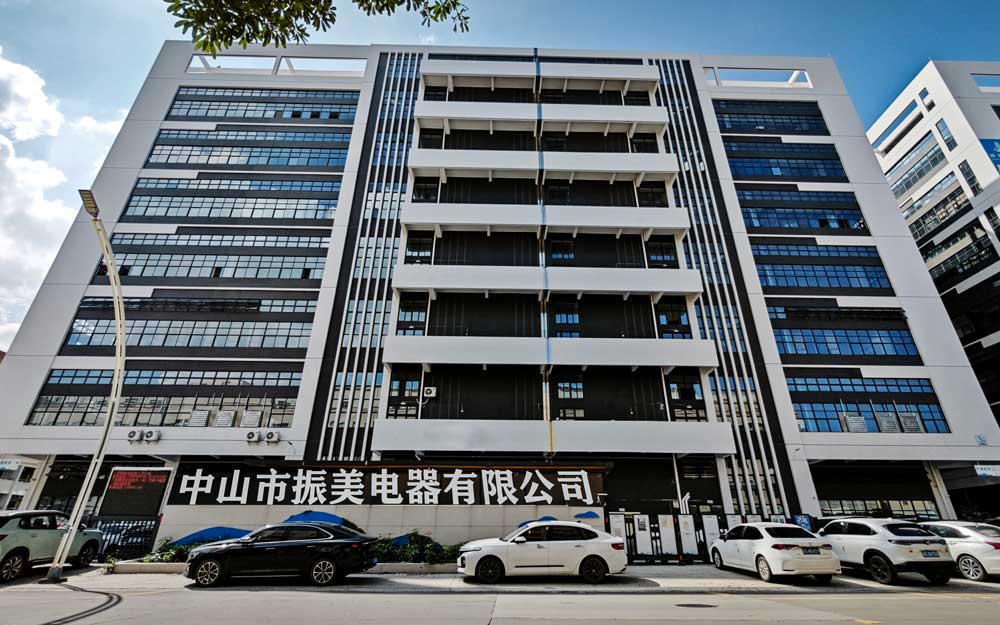
Zhongshan Zhenmei Electrical Appliance Co., Ltd. represents the absolute pinnacle of scale, technology, and engineering precision.
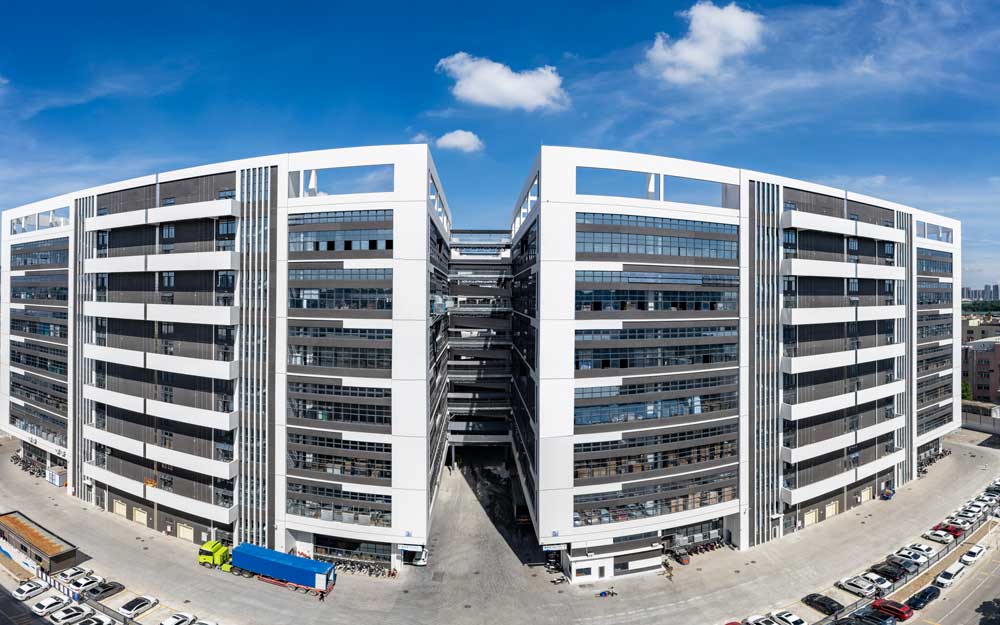
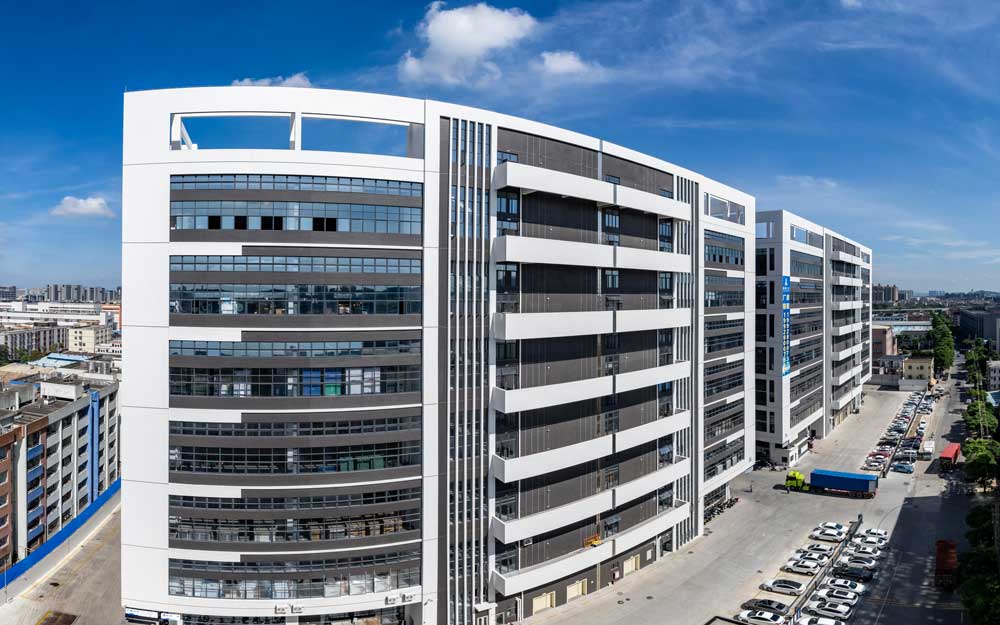
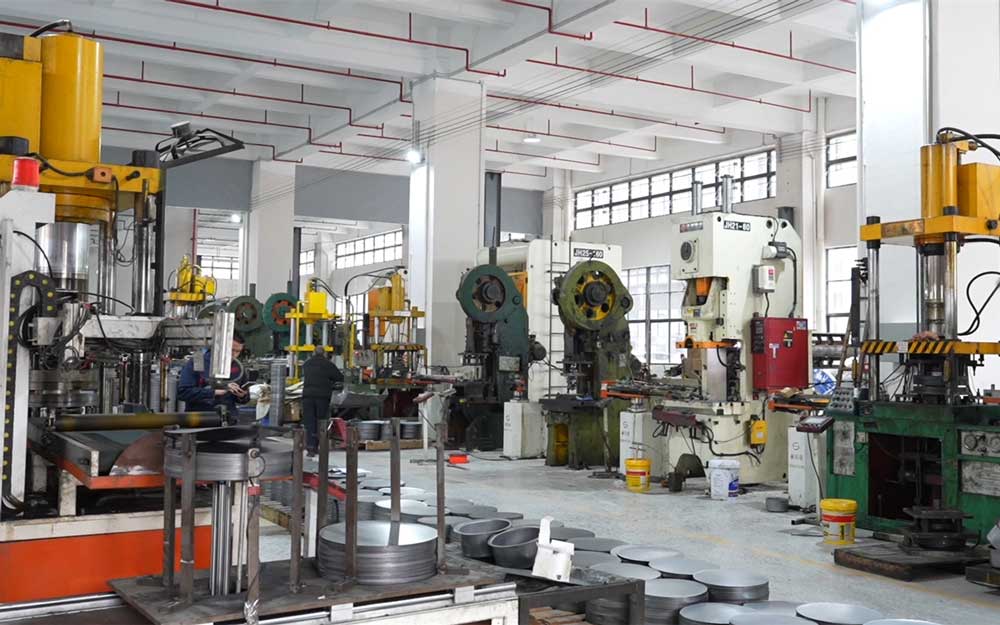
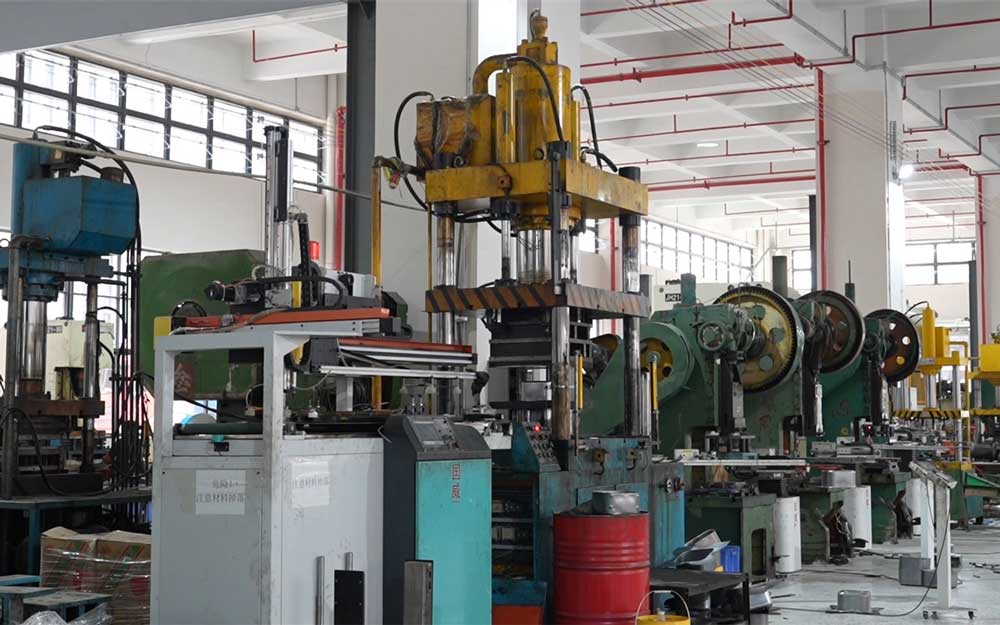
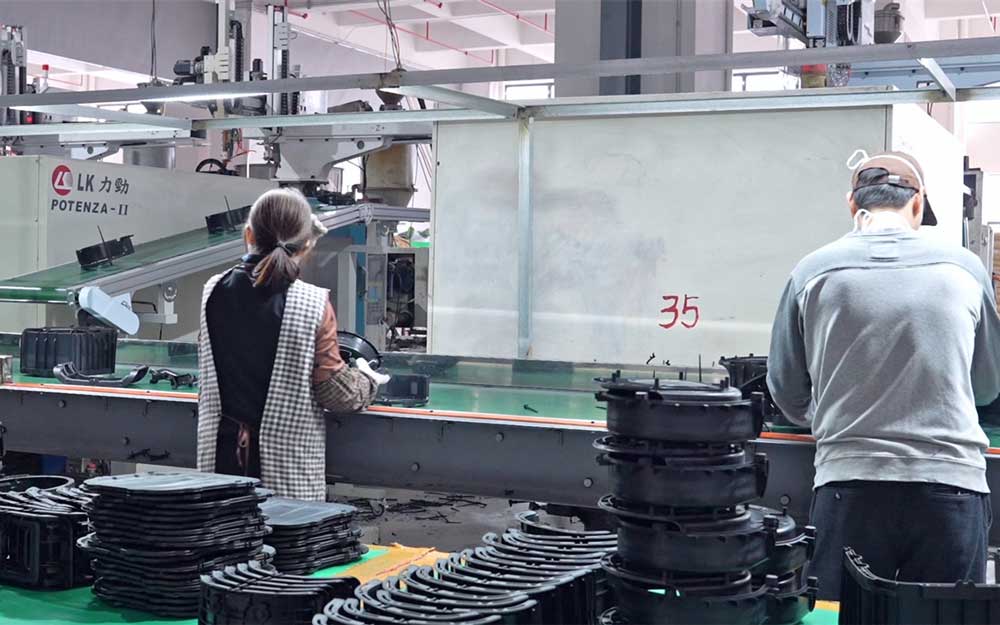
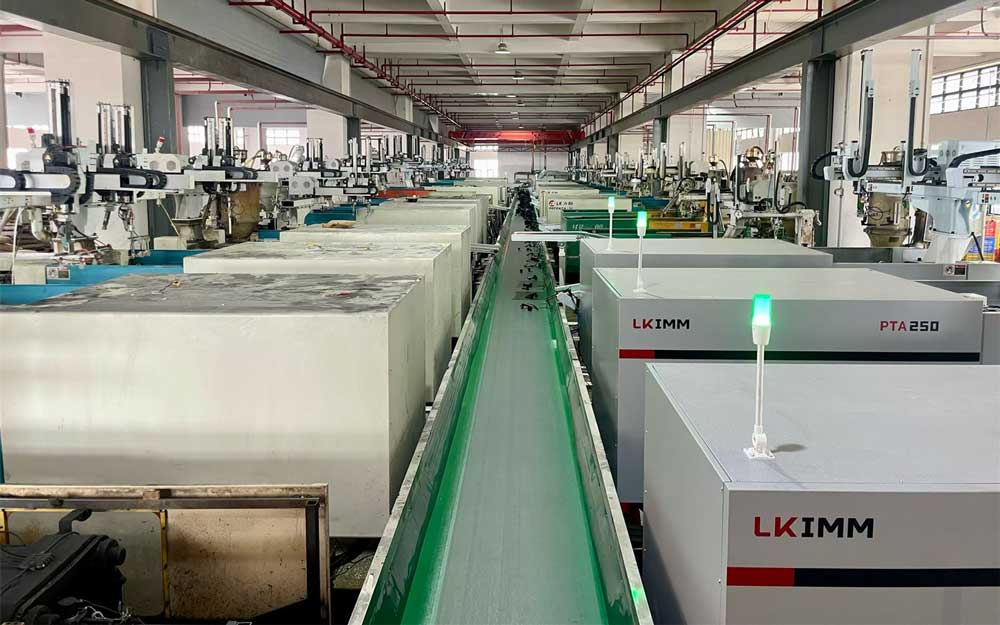
Our core strength lies in vertical manufacturing integration. Operating from our advanced facility, we oversee precision tool and die making, injection molding, metal stamping, and assembly lines. With 20+ R&D engineering experts, we translate conceptual industrial designs into commercial products.
Our robust daily output reliably satisfies the strict timelines of high-volume global buyers. We run dedicated quality control gates across all sub-assemblies. This quality control system ensures electrical safety compliance, structural integrity under high vibration, and FDA-compliant food contact zones.
We are the trusted, end-to-end B2B partner for global brands, wholesale importers, and commercial kitchen suppliers. We provide flexible branding, tailored electrical configurations (voltage/frequency adaptations), custom packaging development, and comprehensive regulatory certification support.
Industrial performance depends on context-specific design. Our product range meets the specialized operational needs of diverse environments.
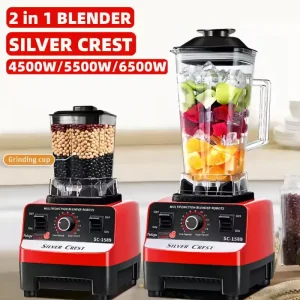
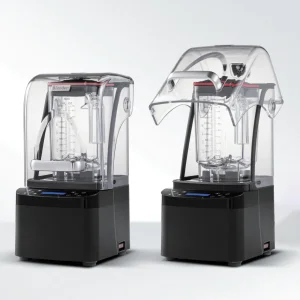
Requires ultra-high speed (up to 45,000 RPM) to handle raw, frozen ingredients and ice cubes continuously. Built-in sound enclosures are vital to keep the customer service area quiet and comfortable.
B2B hotels and restaurants require multifunctional capability. The integration of high-pressure extraction systems and precision multi-stage speed selectors allows chefs to move easily from raw juice processing to delicate sauce preparation.
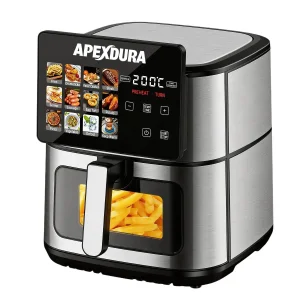
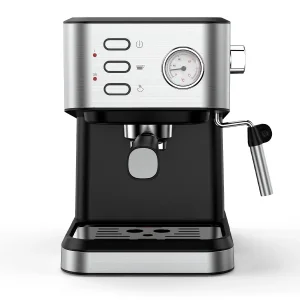
For brands targeting high-end home kitchens and small commercial businesses. Focuses on premium visual design, smart digital touch panels, preset menus, and modern exterior finishes like polished steel or customized colors.
As industrial design advances, the commercial kitchen appliance sector is shifting toward smart, efficient, and user-friendly designs. Understanding these developments is key for global sourcing managers planning multi-year product lines.
Traditional AC motors are being replaced by high-efficiency Brushless DC (BLDC) motors. BLDC technology provides higher torque at lower speeds, reduces noise, generates less heat, and extends the motor's lifespan. Smart controllers dynamically adjust motor torque based on the resistance of the food inside the processing jar, preventing motor stalls and protecting the blades.
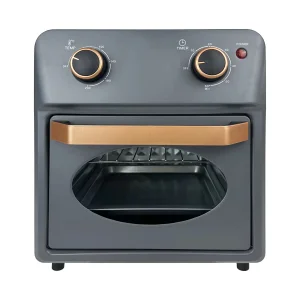
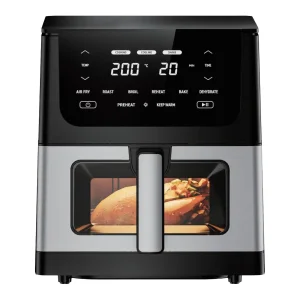
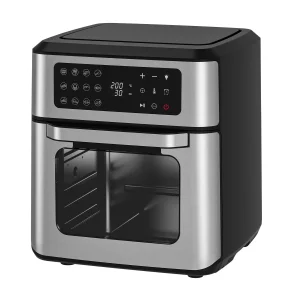
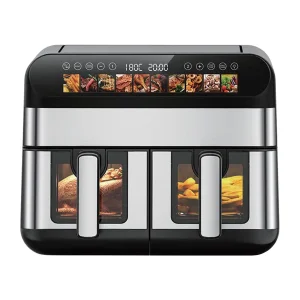
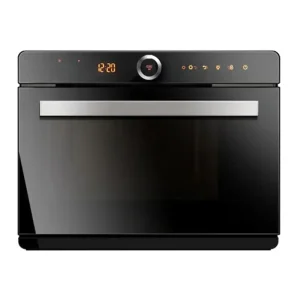
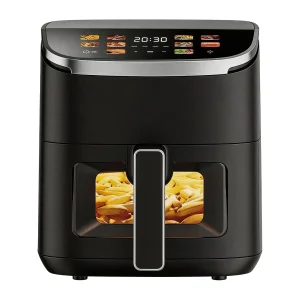
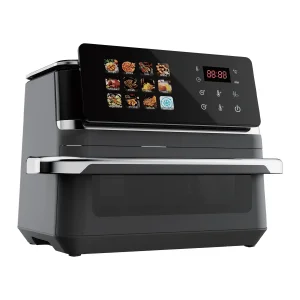
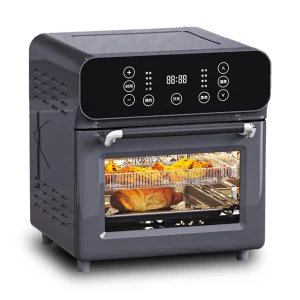
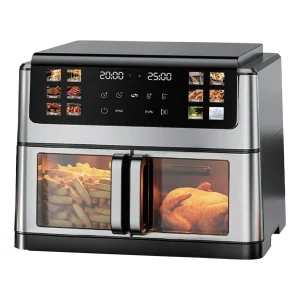
Commercial kitchens are moving away from single-purpose tools to save counter space. Modern designs combine air frying, steaming, baking, and blending technologies (such as our Steam Ovens and Multi-Basket Air Fryers) to help food service operators optimize their workflows.
Noise pollution is a key concern in modern dining spaces. Advanced commercial blenders feature thick polycarbonate sound hoods, vibration-absorbing rubber bases, and specialized motor cooling pathways that dampen sound waves without compromising engine cooling.
Global regulations (such as FDA, LFGB, and RoHS) require absolute food safety. High-quality manufacturers use BPA-free Tritan co-polyesters, food-grade silicone seals, and surgical-grade SUS304/SUS316 stainless steel blades to prevent chemical leaching and rust.
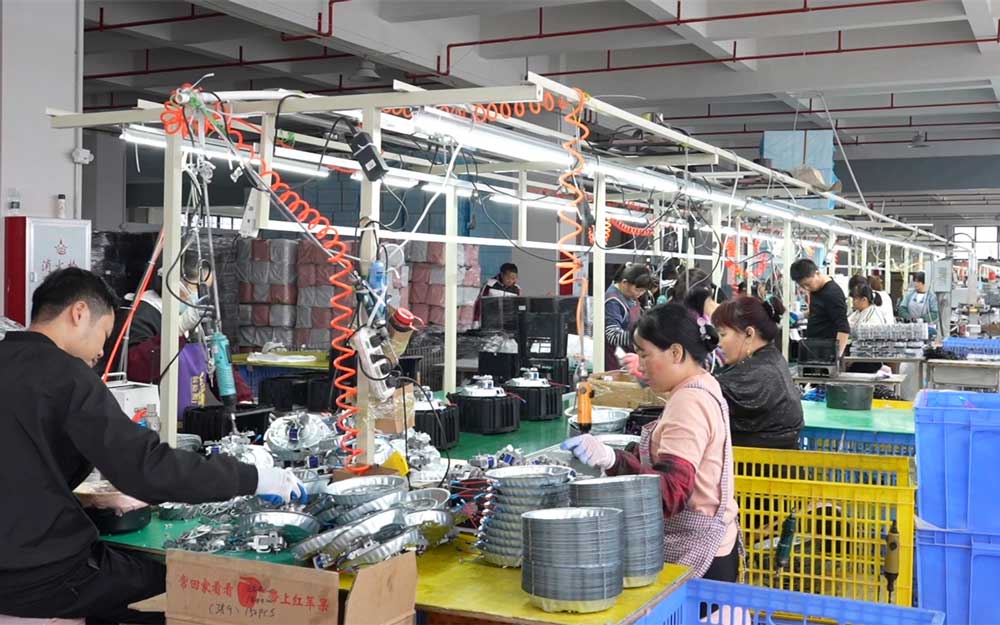
A transparent look inside our 40,000 sqm production facility, showing our high manufacturing standards, neat workspaces, and quality control departments.
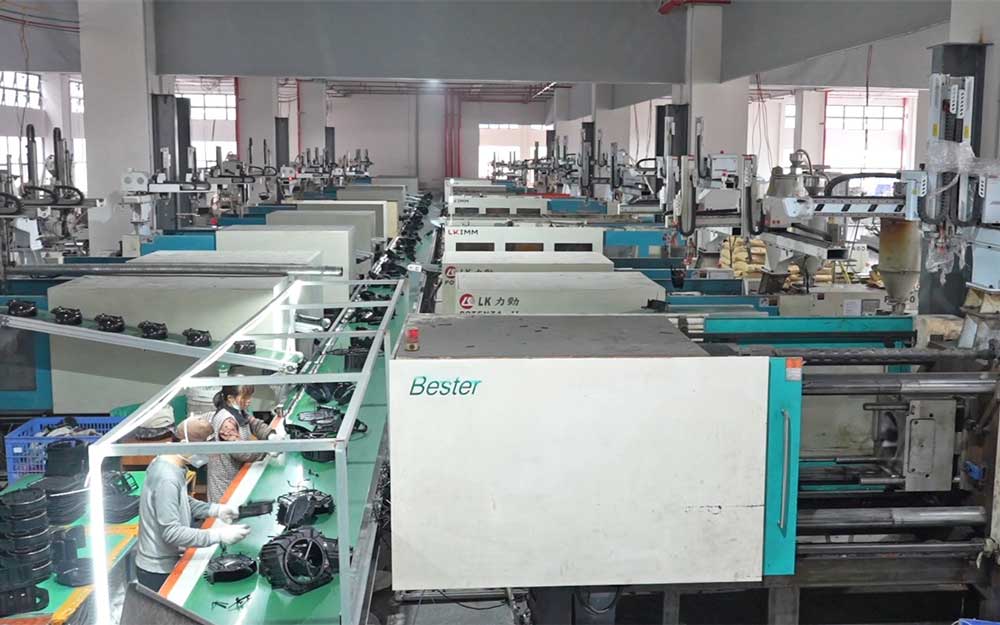
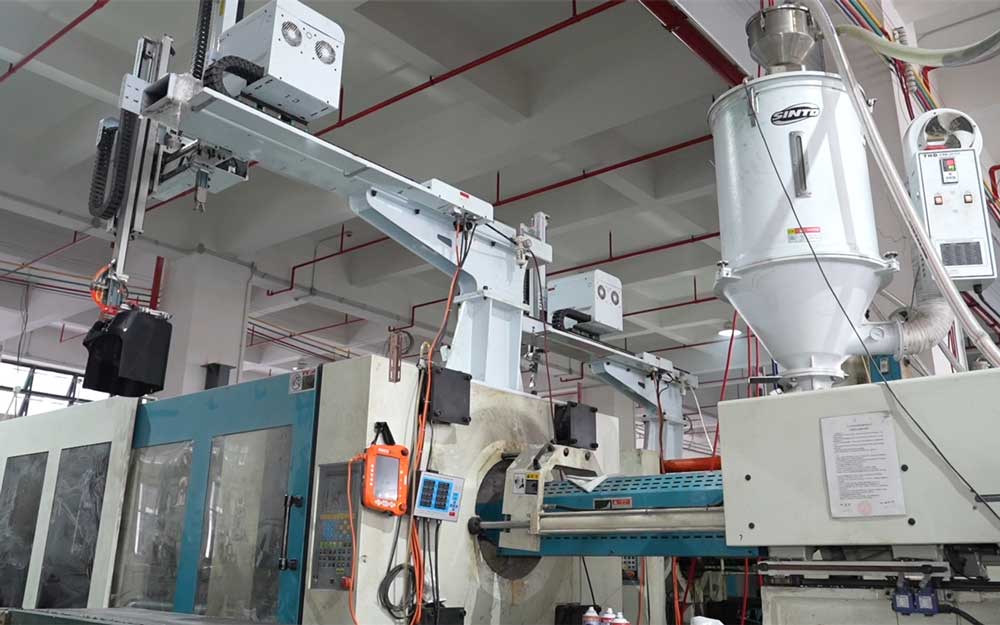
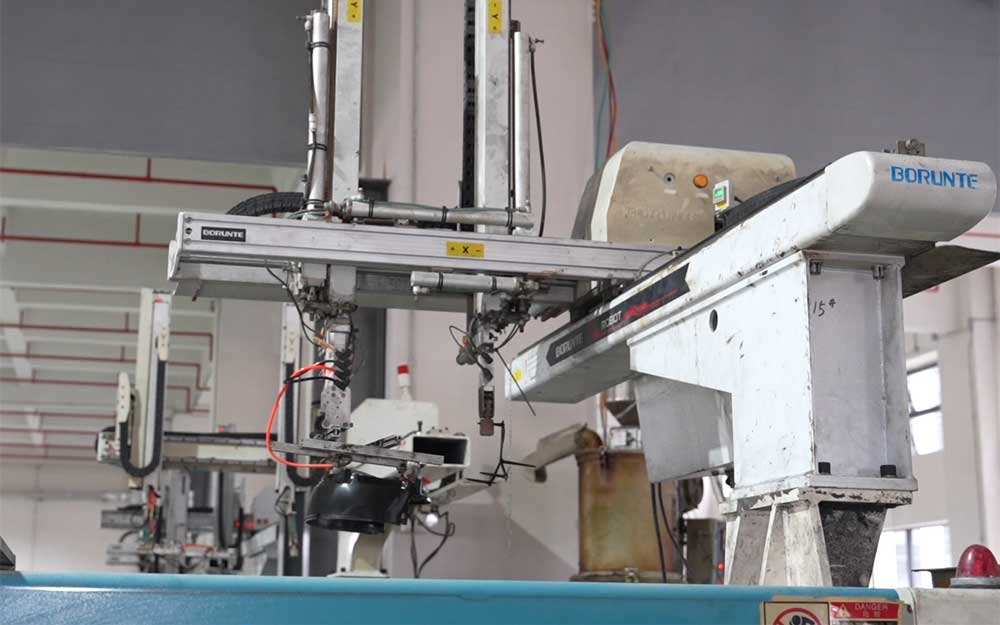
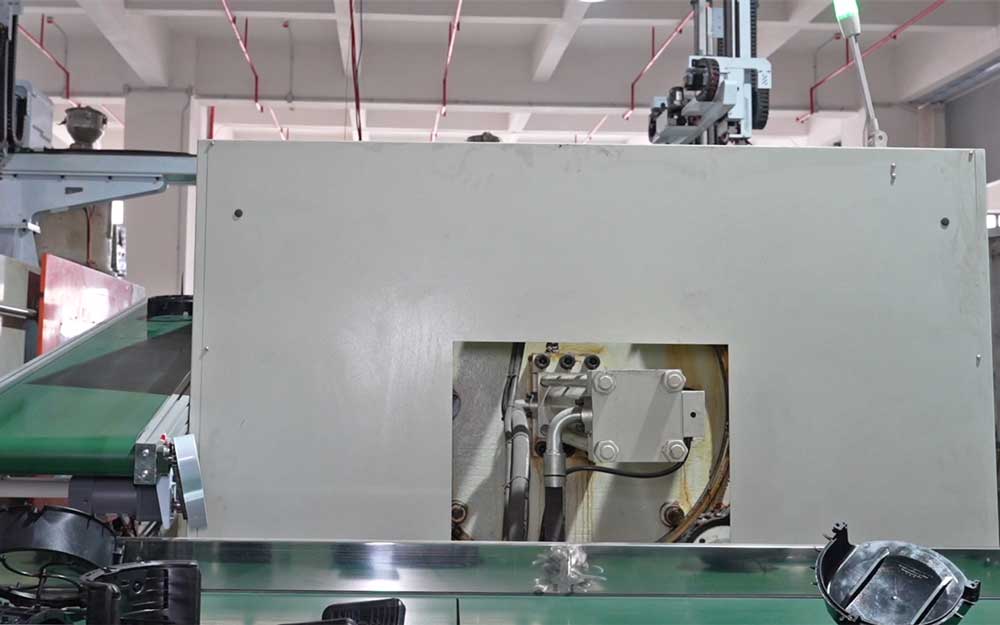
How we work with global commercial brands and distributors from design to final delivery.
We work with you to define electrical specifications, motor power, blade configuration, casing design, and required certifications.
Our engineers create detailed 3D CAD models and build precision prototypes. We then create final plastic injection and metal stamping molds in-house.
Using our high-capacity assembly lines, we can produce over 10,000 units a day, ensuring fast lead times for bulk orders.
Every batch undergoes strict safety tests before packing, labeling with your branding, and loading for international sea or air freight.
For standard product configurations, our typical OEM MOQ is 1,000 units per model. This allows us to run our high-speed assembly lines efficiently and keeps pricing competitive. For custom color plastics, custom-tooled chassis, or specialized voltage configurations, MOQs may be adjusted based on component requirements. Please contact our sales team to discuss trial order programs.
Yes. All of our appliances are designed and manufactured to meet global electrical safety and food contact requirements. We hold various safety and environmental certifications, including CE, CB, RoHS, ETL, GS, and LFGB. Our testing labs verify every product line to ensure compliance before shipment.
We provide full customization options, including motor power output adjustments, housing and knob designs, customized branding on housings, modified control panels (digital touch screens or manual dials), customized packaging, and localized manuals.
We run a strict, multi-stage quality control system. This includes Incoming Quality Control (IQC) on raw metals, motors, and plastics; In-Process Quality Control (IPQC) at every assembly stage; and Final Quality Control (FQC) to test every finished unit for electrical safety and performance. We also perform aging tests on random samples from every production run.
For repeat orders of standard products, lead time is typically 30 to 35 days. For initial OEM/ODM orders requiring custom branding and custom packaging, the process takes approximately 40 to 45 days. Fully customized products requiring new tooling will have a longer lead time, which we evaluate individually.
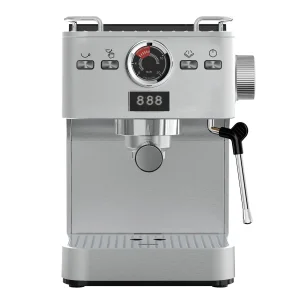
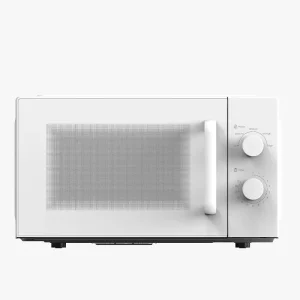
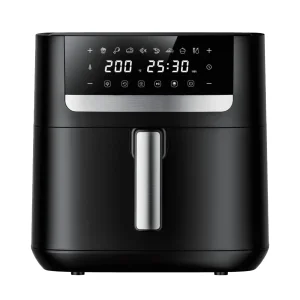
Explore our latest product lines featuring multi-basket configurations, mechanical knob controls, and commercial sound enclosures.
 Zhenmei Electrical