Engineered for high performance, custom branding, and compliance across global markets.
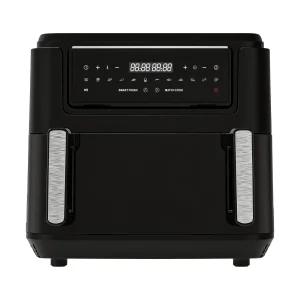
The global coffee consumption boom has shifted brand building from basic outsourcing to strategic technology co-development. Global household brands, small appliance distributors, and eCommerce aggregators are seeking Chinese manufacturing partners capable of delivering more than low-cost labor. The priority has pivoted to precision engineering, deep customization, and IoT integration. Choosing the right private label coffee machine supplier requires a granular understanding of component quality, heating technologies, extraction pressures, and food-grade compliance.
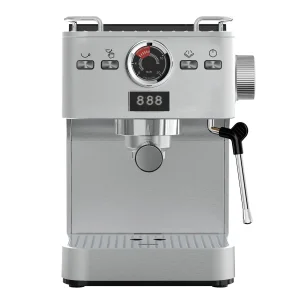
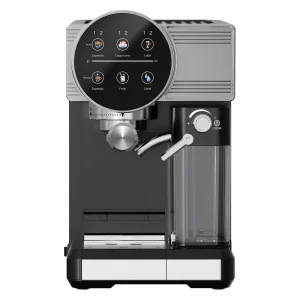
A high-performance espresso maker relies heavily on structural integration. From Italian-designed ULKA pumps achieving stable 20-bar pressures to advanced double-Thermoblock heating loops that separate espresso brewing from milk steaming, every sub-assembly determines the brand's long-term marketplace reputation. By collaborating directly with experienced Chinese OEM/ODM kitchen appliance factories, global enterprises secure high-volume cost efficiencies while preserving the flexibility to introduce proprietary outer shell aesthetics and user interfaces.
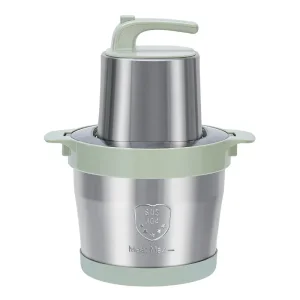
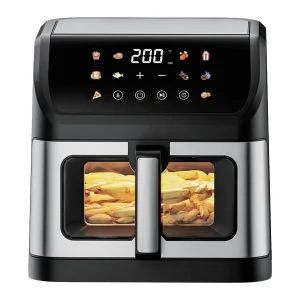
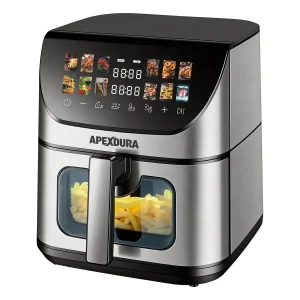
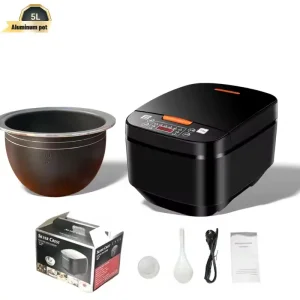
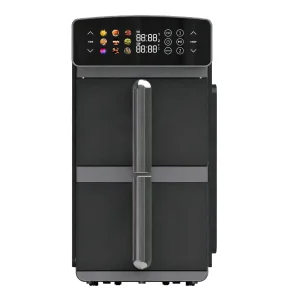
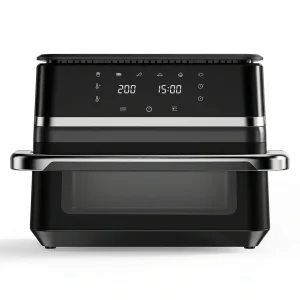
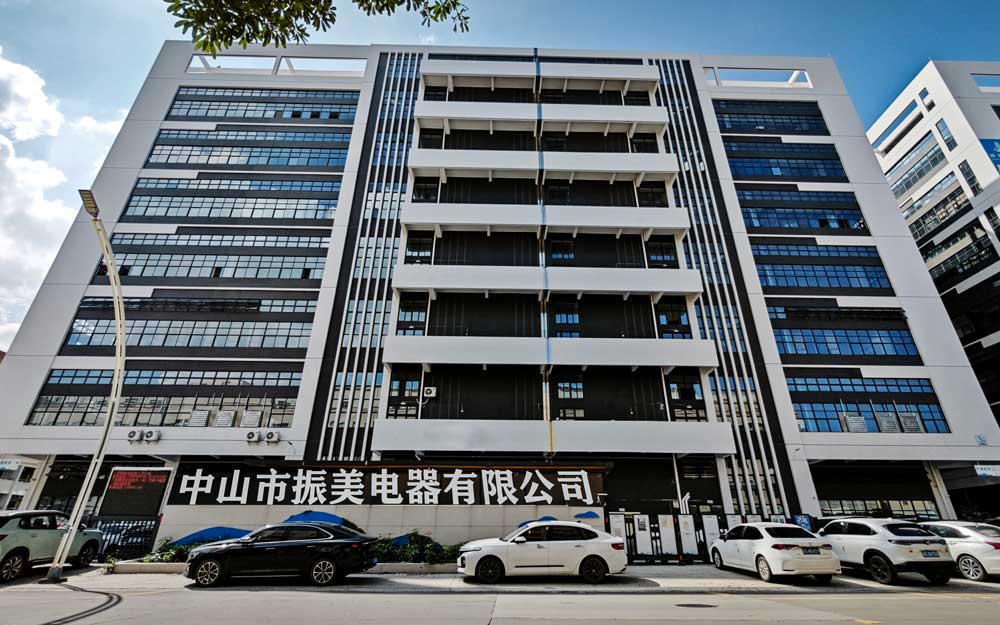
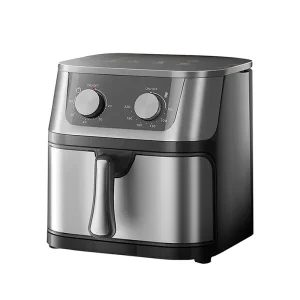
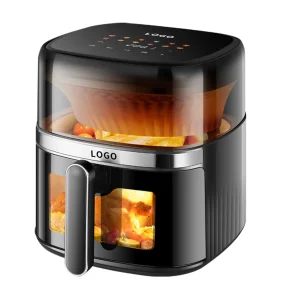
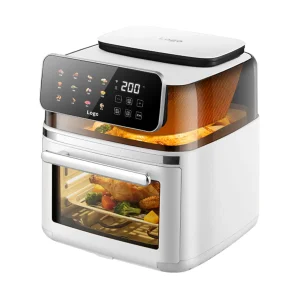
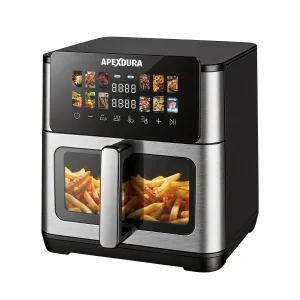
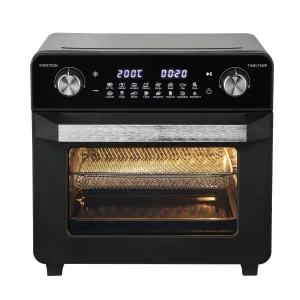
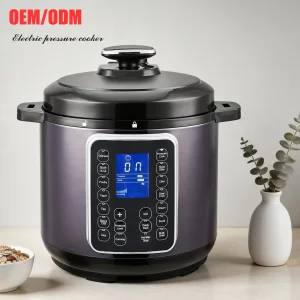
Zhongshan Zhenmei Electrical Appliance Co., Ltd. stands as a premier OEM/ODM manufacturing partner specializing in high-demand kitchen appliances, including high-capacity air fryers, multi-functional electric pressure cookers, commercial-grade blenders, and high-precision coffee makers. Backed by over 16 years of manufacturing expertise, we transform sophisticated design concepts into market-ready, certified consumer goods for leading global brands.
We pride ourselves on offering comprehensive engineering solutions. From early-stage fluid dynamics optimization to robust injection tooling, industrial PCBA layout programming, and automated end-of-line quality control, we operate a lean manufacturing workflow that reduces time-to-market while stabilizing units cost.
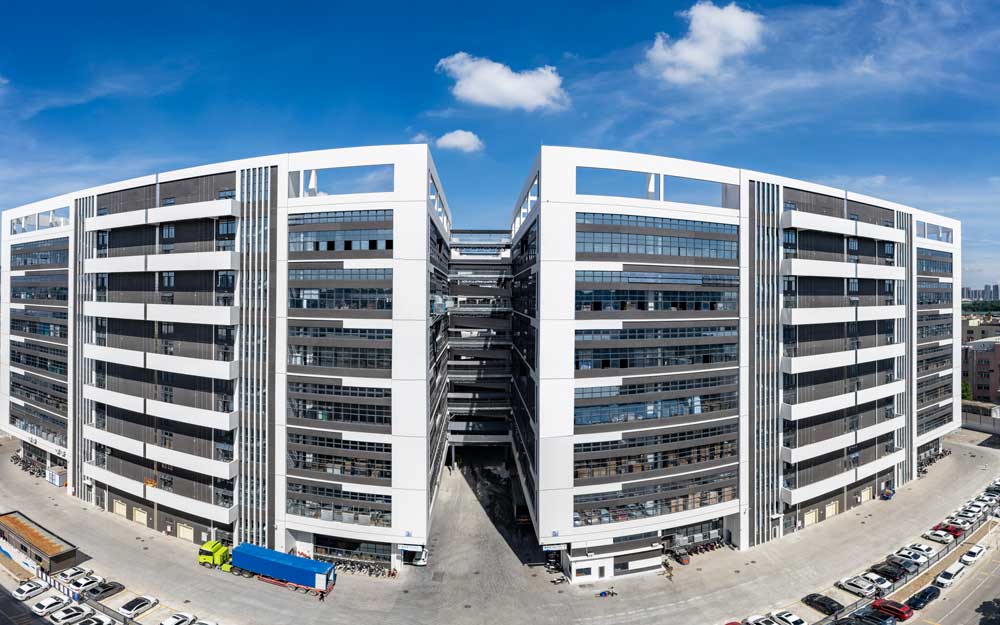
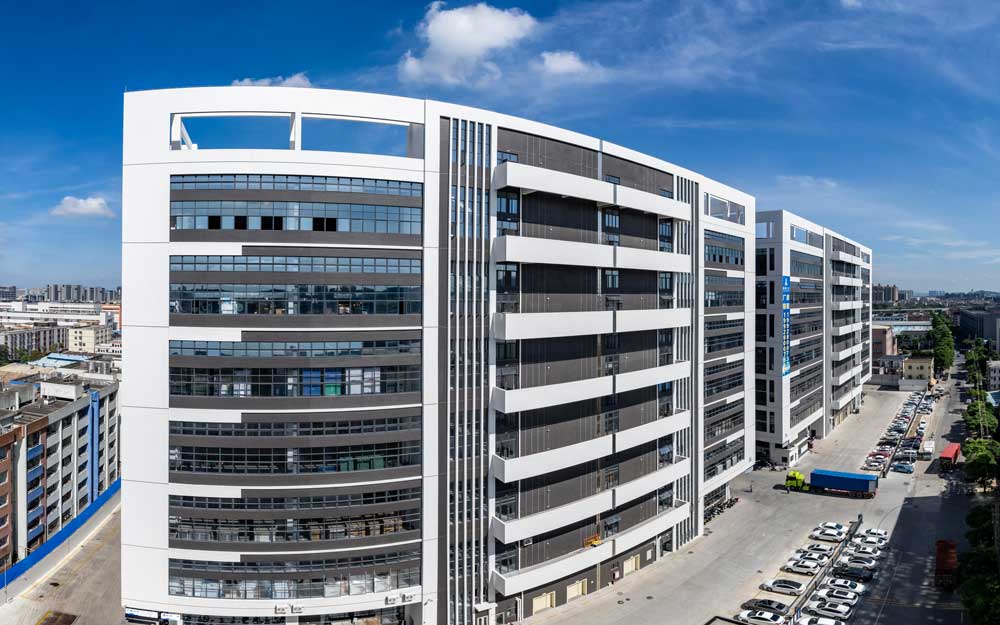
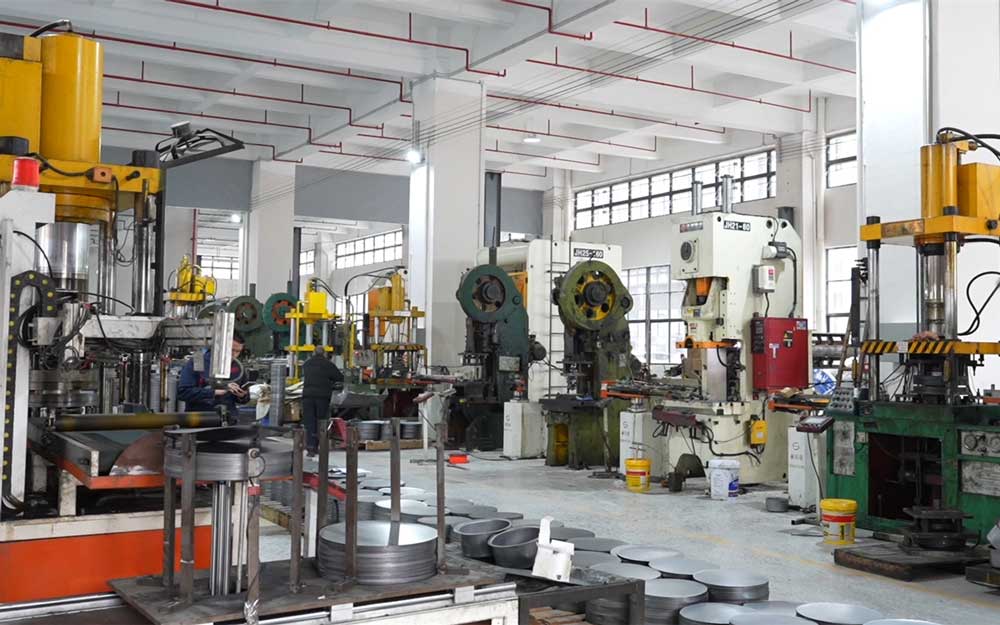
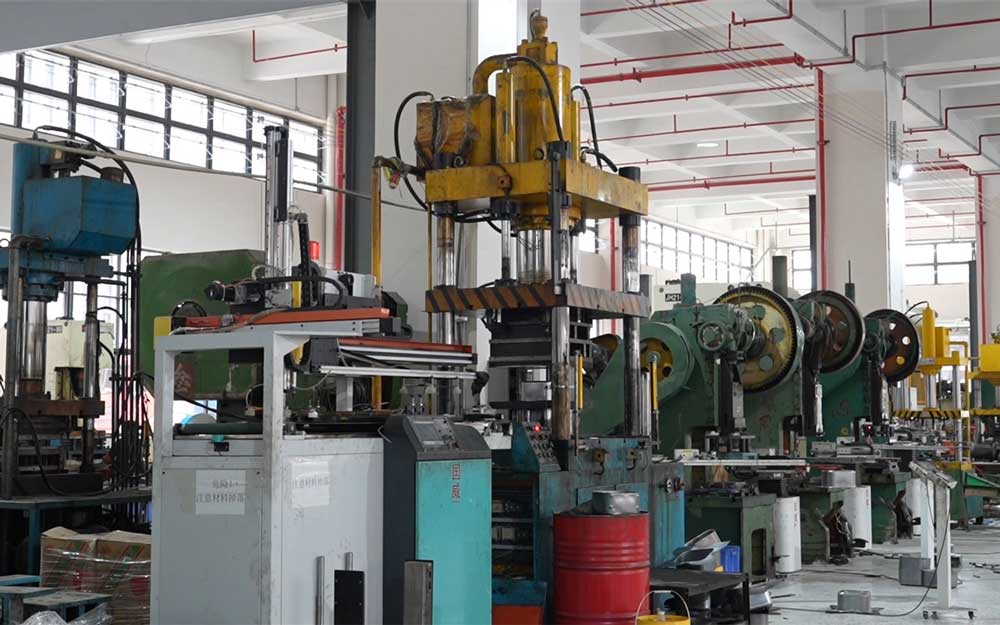
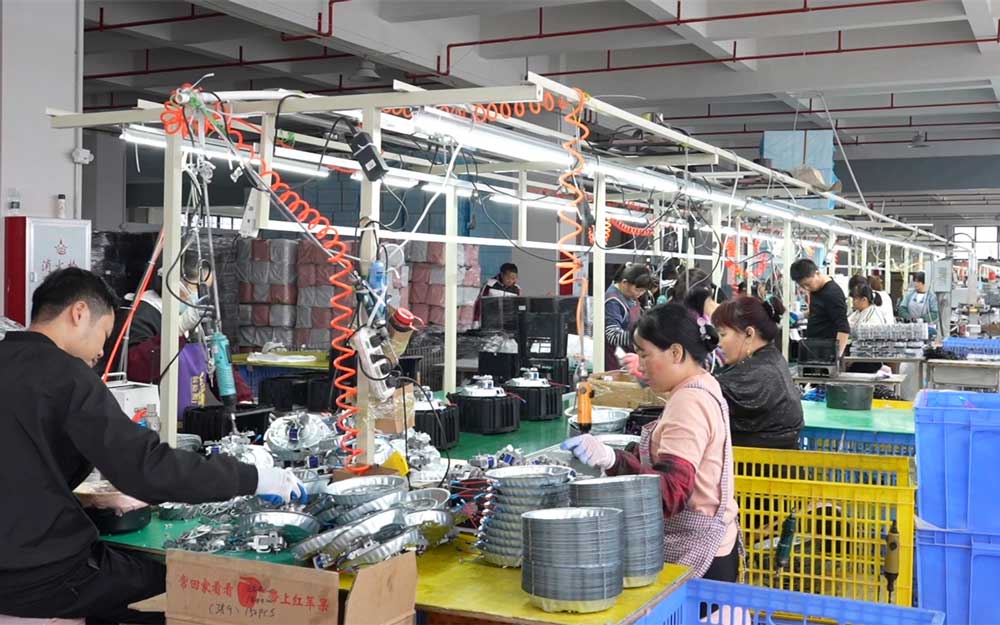
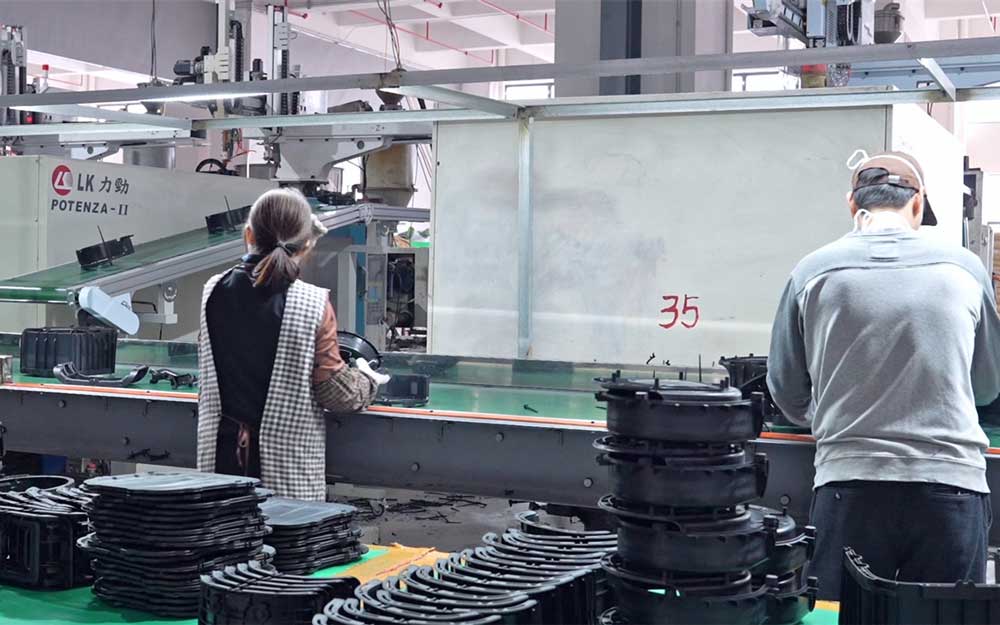
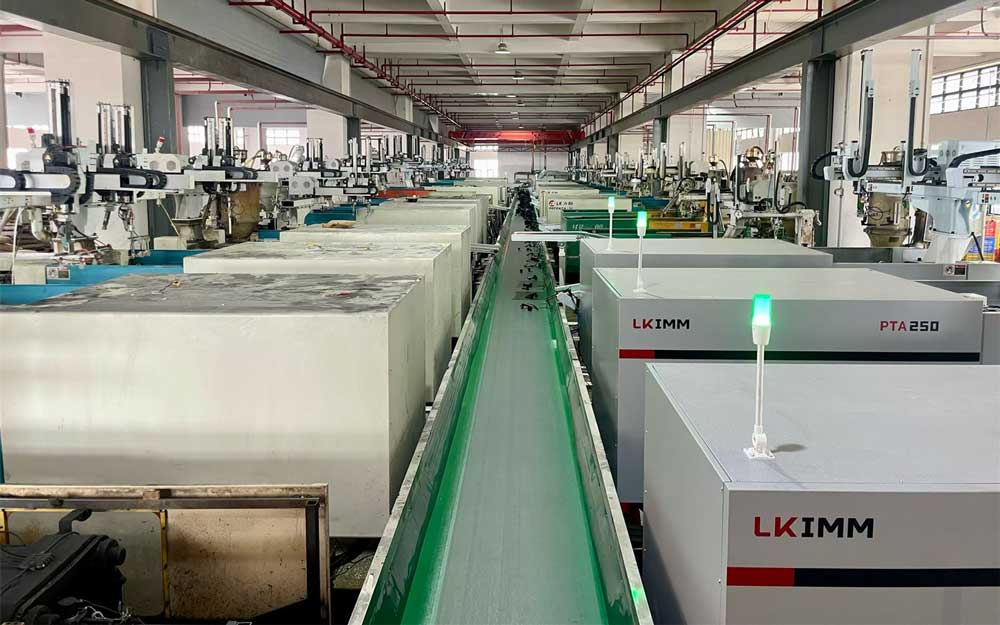
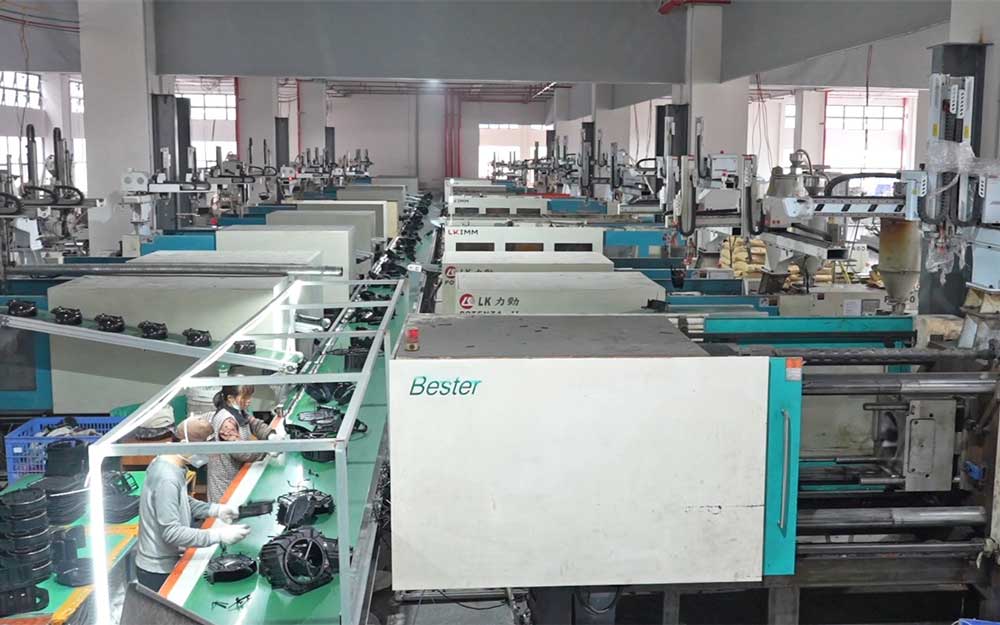
Our operational strength lies in our fully integrated in-house production facility. Spanning 40,000 square meters, our factory is powered by more than 300 assembly professionals and 20+ specialized R&D engineers, ensuring absolute technical oversight at every stage of the product lifecycle.
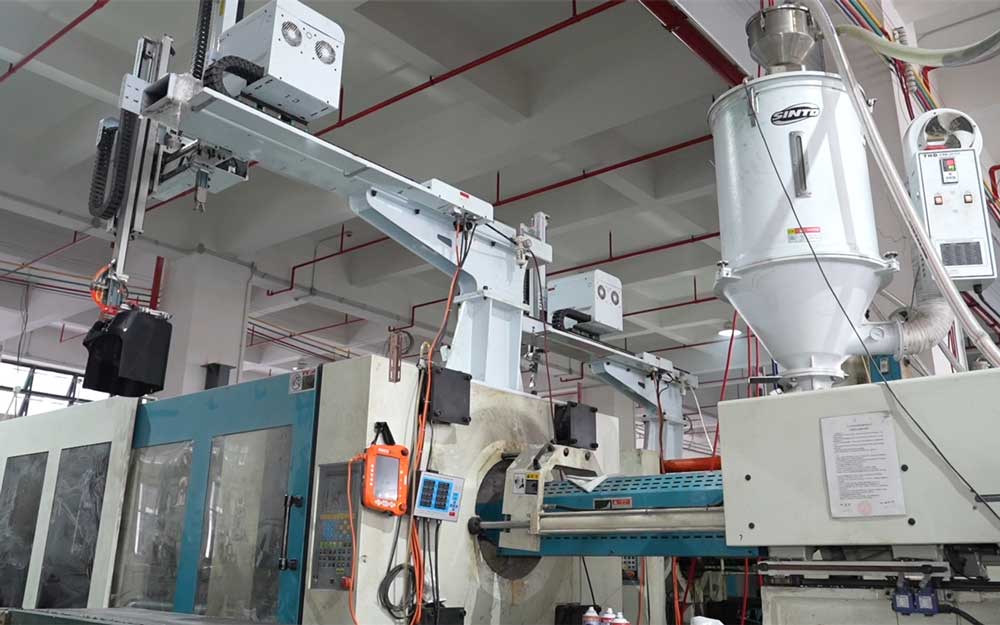
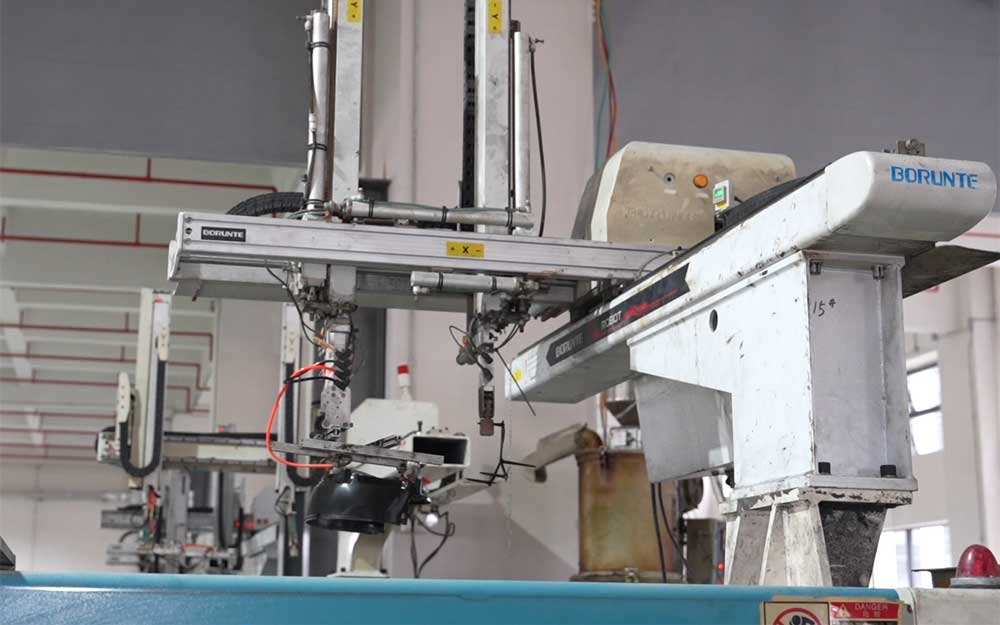
Operating high-speed automated production lines, we comfortably maintain a massive daily output exceeding 10,000 finished units. Every batch undergoes rigorous quality inspection protocols, covering high-voltage insulation tests, pressure decay tests, and food-grade material traceabilities.
We serve as a reliable, end-to-end manufacturing partner for international brands. Choose our manufacturing infrastructure to scale your appliance portfolio with high quality, low warranty claims, and continuous technological updates.
Operating a private label brand globally requires navigating complex electrical and safety standards across jurisdictions. For example, a coffee machine engineered for the European Union requires CE, GS, CB, and RoHS certifications, along with strict LFGB food-contact approval. In contrast, exporting to the North American market requires ETL/UL safety certification, FDA clearance for food contact materials, and FCC compliance for digital display components.
We customize electrical configurations to meet regional standards. This includes adjusting power supplies (e.g., 220-240V for Europe, Australia, and Asia; 110-120V for North America and Japan) and equipping units with certified localized plugs (Type A, B, C, G, I, etc.) to ensure seamless grid compatibility and safety.
Modern consumers demand smart appliances. Our R&D team configures wireless modules (Wi-Fi, Bluetooth, Zigbee) integrated with global IoT platforms like Tuya, Smart Life, or proprietary brand applications. This allows users to adjust extraction temperature, pre-infusion duration, and grind settings from their mobile devices, meeting local UX preferences across target markets.
A visual insight into our high-capacity production lines, assembly floors, testing facilities, and warehouse logistics.
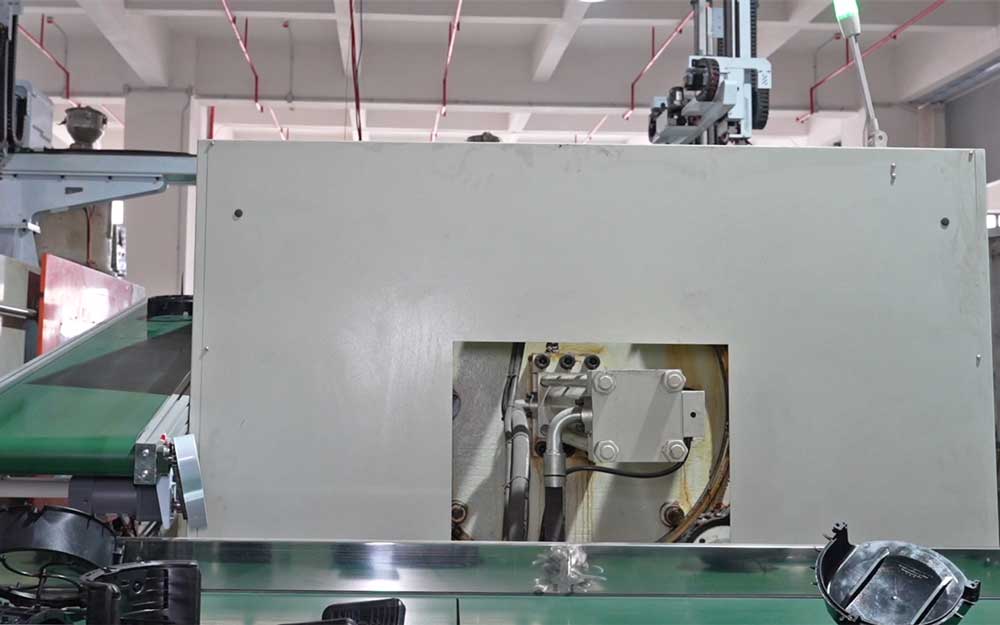
Navigating global appliance sourcing requires clear operational frameworks. Successful partnerships rely on alignment across technical specifications, production capacities, quality benchmarks, and logistics. Our structured processes support global buyers at every stage of the procurement cycle.
We work with varied brand scales, offering flexible Minimum Order Quantity (MOQ) structures. Standard OEM customization begins with customized instruction manuals and rating labels. Higher-tier ODM customization extends to custom injection-molded plastics, branded control panels, and unique double-wall retail packaging engineered to withstand shipping transit stresses.
A reliable coffee maker is defined by its internals. We offer customizable technical options, allowing brands to tailor products for their target market segment:
Our quality assurance framework aligns with international inspection standards. We use the Acceptable Quality Limit (AQL) system, typically setting AQL limits to 1.5 for major defects and 4.0 for minor defects. Our QA team performs incoming raw material inspections, automated leak tests on boiler components, and final functional checks on every unit before packaging.
The coffee maker sector is shifting toward energy efficiency, multifunctional kitchen appliances, and professional-grade home setups. Staying ahead of these trends helps private label brands secure market share and maintain healthy retail margins.
We engineer coffee and kitchen appliances to perform across a variety of global operating conditions.
Designed for daily home use, featuring compact footprints, low operational noise, and user-friendly touch screens. These units are built to fit seamlessly under standard kitchen cabinetry.
High-volume automatic coffee systems and air fryers designed for commercial settings. Built with larger water reservoirs and high-durability components to handle frequent daily use.
Semi-professional espresso machines with independent steam wands and precise temperature controls. Engineered for small bakeries, boutique hotels, and specialty coffee shops.
Answers to common questions about engineering, customization, lead times, and global shipping operations.
OEM (Original Equipment Manufacturer) services allow you to apply your brand label, color schemes, and packaging to our existing product designs. ODM (Original Design Manufacturer) services involve developing custom products from scratch. Our R&D team collaborates with you on industrial design, custom PCBA programming, internal configuration changes, and bespoke injection mold construction.
We work with accredited third-party testing laboratories (such as SGS, TUV, and Intertek) to certify our components. All materials that come into contact with water or coffee beans are made from certified food-grade, BPA-free plastics, SUS304 stainless steel, and food-grade silicone. We also supply test reports for European LFGB regulations and US FDA standards upon request.
For custom ODM projects, design approvals and prototyping generally take 20 to 30 days, while steel mold manufacturing takes 35 to 45 days. Once design and tooling are finalized, standard mass production lead times range from 30 to 40 days, depending on order size and seasonal production schedules.
Yes. We can configure systems to use 15-bar or 20-bar electromagnetic pumps, adjust operating voltages (110V/220V), and integrate PID-controlled heating systems to maintain extraction temperatures within the optimal 90°C to 96°C range.
High-efficiency appliances built for global distribution, compliance, and custom branding.
 Zhenmei Electrical