Explore our premium-engineered multicookers, high-performance air fryers, and industrial-grade smart pressure cookers designed to meet international safety and performance criteria.
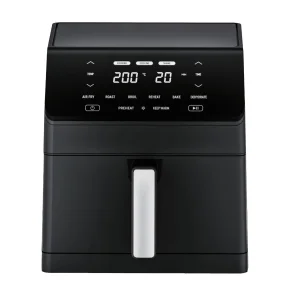
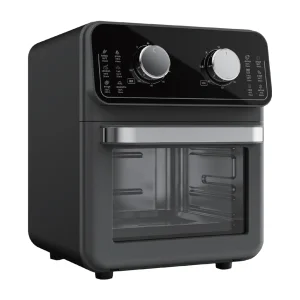
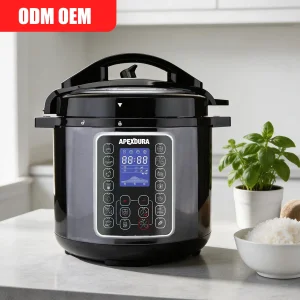
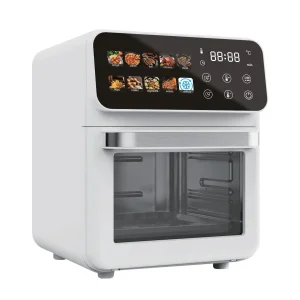
A comprehensive examination of thermodynamic optimization, micro-pressure thresholds, and system integration within Chinese manufacturing hubs.
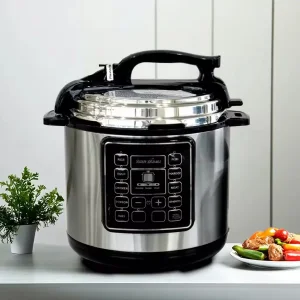
The global demand for energy-efficient, fast-cooking, and multi-functional appliances has catalyzed a profound shift in modern kitchen layouts. In the center of this revolution is the Electric Pressure Cooker (EPC). The traditional pressure cooker, once viewed solely as a mechanical boiler with risk profile challenges, has transitioned into a highly regulated, digitally monitored thermodynamic machine. Modern EPC systems rely on a complex interplay of physical properties: boiling point elevation under pressure, precise heat transfer rates, and computerized monitoring through microcontrollers (MCUs).
At sea level, water boils at 100°C (212°F). Under a pressure of approximately 100 kPa (approx. 15 psi) above atmospheric pressure, the boiling point rises to approximately 120°C (248°F). This temperature increase speeds up chemical reactions inside the food matrix—such as starch gelatinization and protein denaturation—reducing cooking times by up to 70%. Achieving this efficiency with absolute safety and repeatability is the cornerstone of contemporary China pressure cooker technology. Leading manufacturing ecosystems, like Zhongshan Zhenmei Electrical Appliance Co., Ltd., have established deep competencies in structural integrity, materials engineering, and electronic safety circuits to meet these industrial requirements.
Historically, the kitchen appliance market in Western economies relied on localized assembly. However, the centralization of raw material supplies (such as SUS304 Austenitic Stainless Steel, food-grade polypropylene, and high-tensile silicone polymers) has made Southern China, particularly the Shunde and Zhongshan industrial clusters, the premier hub for global kitchen appliance OEMs. Today, these facilities manufacture and export millions of units annually, driving innovation in digital UI design, multi-stage pressure profiling, and energy efficiency.
Identifying the complex technical and commercial requirements of enterprise procurement teams, global distributors, and brand owners.
Enterprise buyers prioritize redundant mechanical and electronic safety overrides. The standard baseline requires at least a 10-tier safety matrix, including lid position detection, automatic pressure relief valves, anti-block shields, and thermal fuses.
Compliance with FDA, LFGB, and REACH is non-negotiable. Inner pots must be engineered from high-grade aluminum alloys with premium PFOA-free coatings, or multi-clad 18/10 stainless steel, ensuring zero chemical migration during high-temperature pressure cycles.
For seasonal promotions, retail giants require factories capable of outputting thousands of units daily with consistent yield rates. The operational capacity of a supplier determines its viability as a primary tier-1 partner.
When B2B procurement managers source from China, they look past basic specifications to evaluate the supplier's engineering verification tests (EVT) and design verification tests (DVT). The evaluation process includes assessing the lifespan of sealing rings (typically rated for 1,000+ cooking hours), the cycles of opening-closing safety locks (up to 10,000 repetitions), and the failure rates of electronic components. Finding a factory that integrates R&D with vertical manufacturing capabilities is essential to minimizing procurement risks.
Zhenmei is a leading OEM/ODM partner in kitchen appliance manufacturing, translating market insights into high-quality products.
OEM/ODM Expertise
Advanced Facility Area
Dedicated Professionals
Daily Units Output
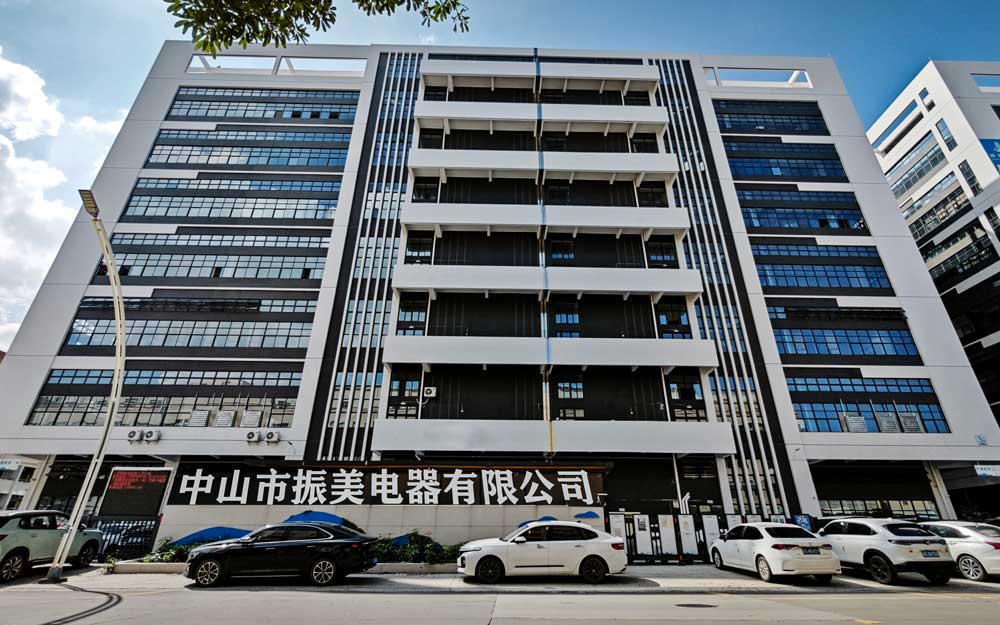
Zhongshan Zhenmei Electrical Appliance Co., Ltd. (operating under the global brand footprint of Apexdura) is a premier kitchen appliance manufacturer. Over the past 16 years, we have scaled our facility in Zhongshan, China, into an integrated engineering and manufacturing powerhouse. Supported by an advanced R&D team of 20+ specialized engineers, we manage every phase of development—from industrial industrial design, mechanical modeling, and PCB schematics to high-tonnage plastic injection molding, metal stamping, and assembly.
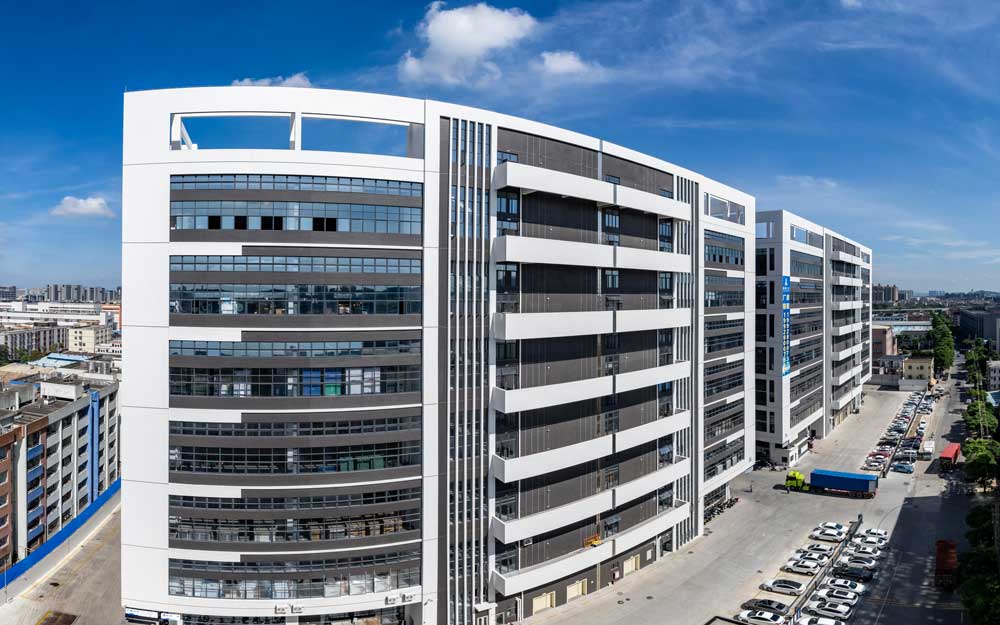
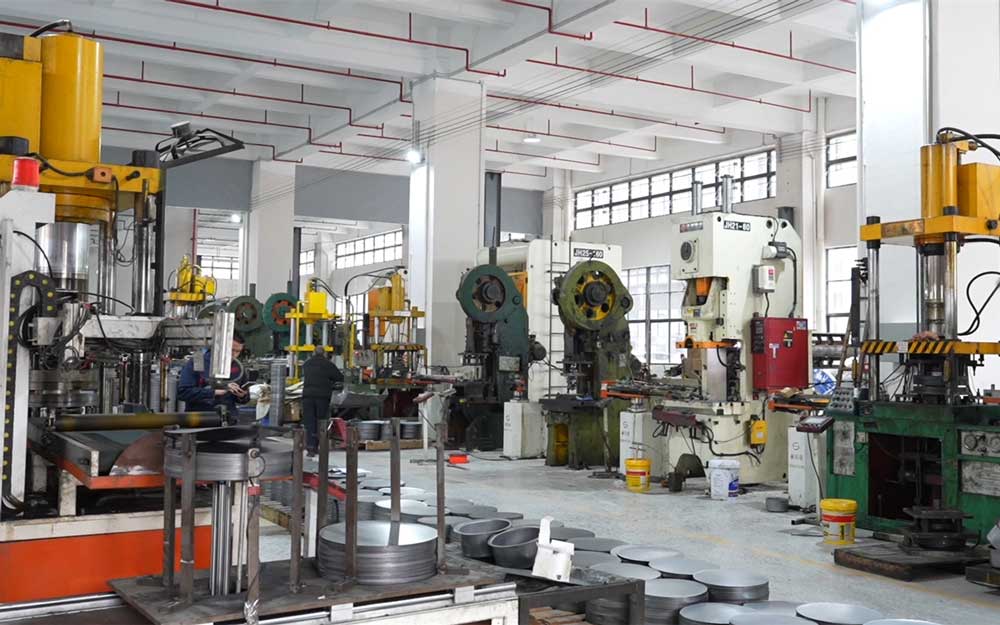
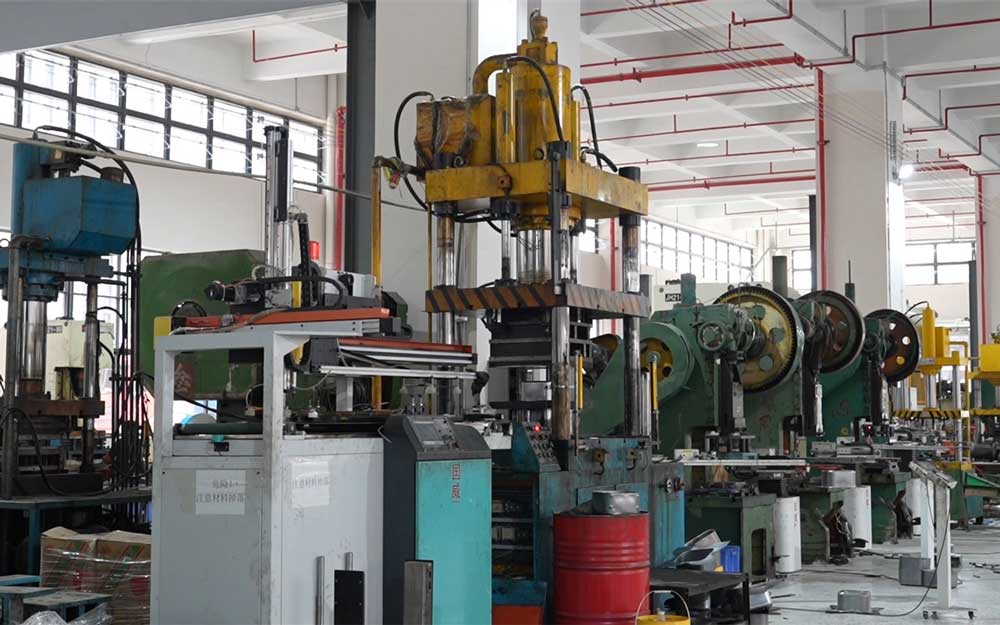
Our manufacturing ethos relies on strict process control. We operate from a 40,000 square meter facility utilizing standardized production lines with automated quality checks. With a capacity of over 10,000 finished units daily, we support global distribution plans for volume-driven retail brands. We operate internal testing labs that subject our pressure cookers, air fryers, and blenders to extreme conditions (e.g., supply voltage fluctuations, structural drops, and high-pressure fatigue tests) to maintain a low return rate on retail sales.
An inside look at our facilities, including state-of-the-art injection molding shops, clean assembly halls, testing chambers, and warehousing areas.

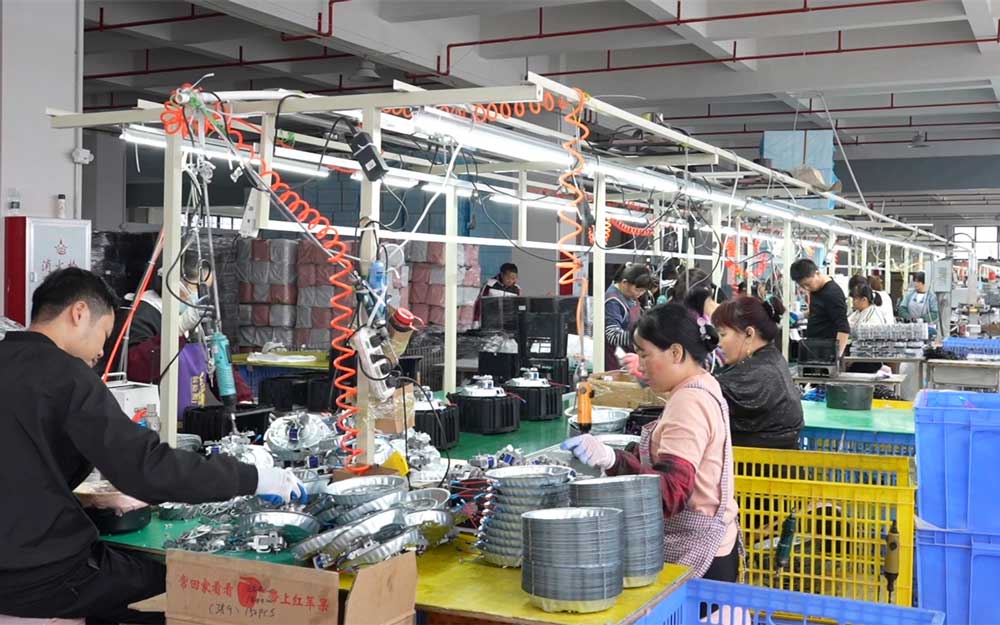
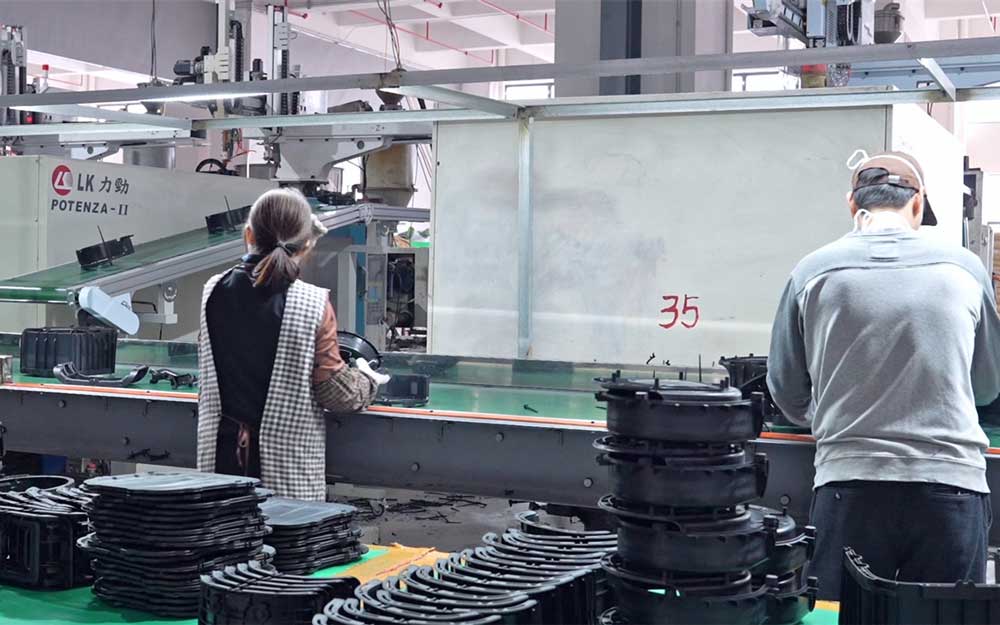
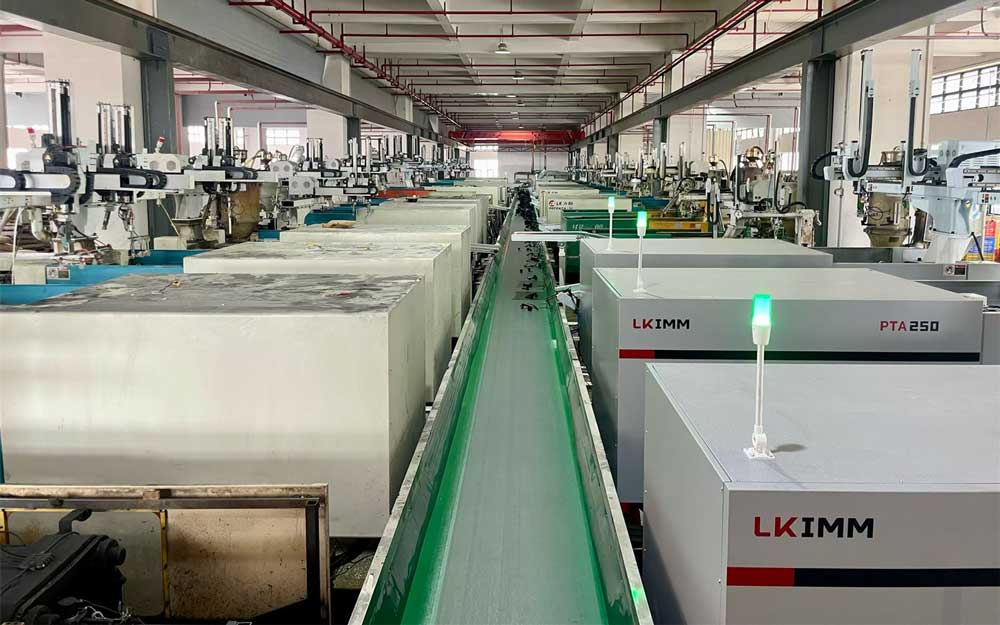
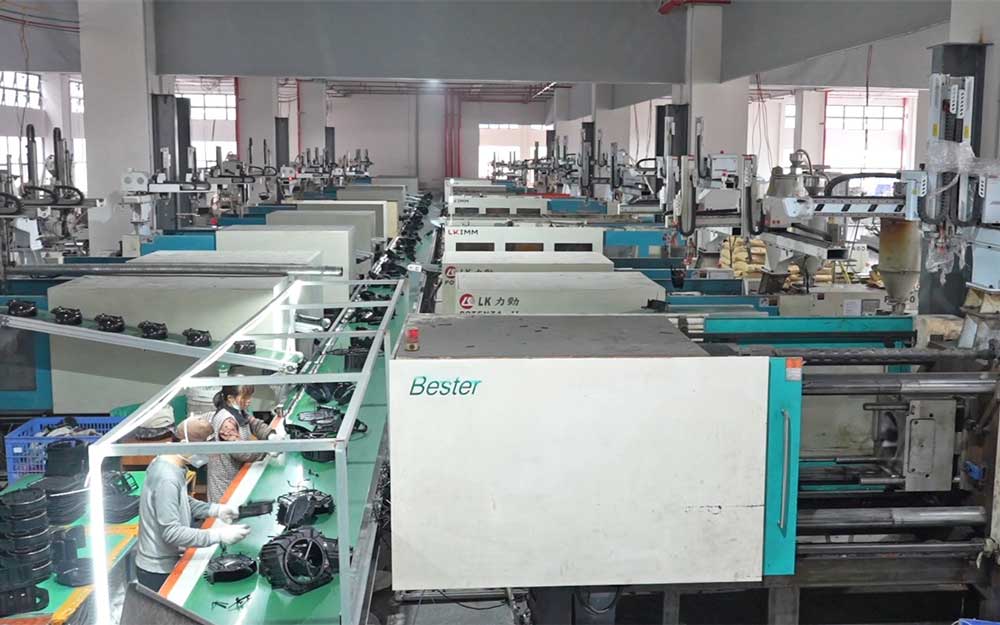
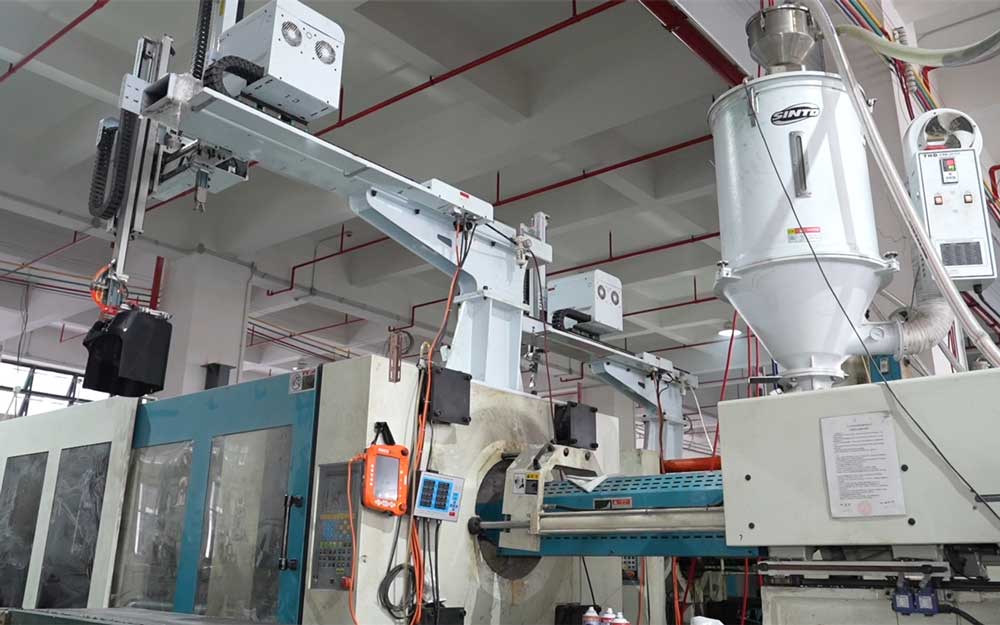
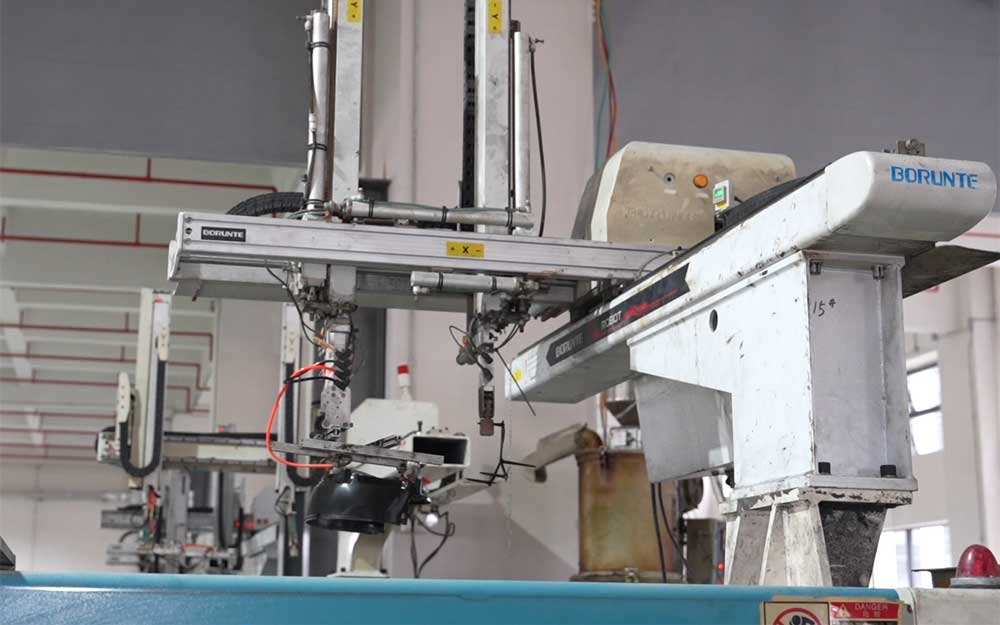
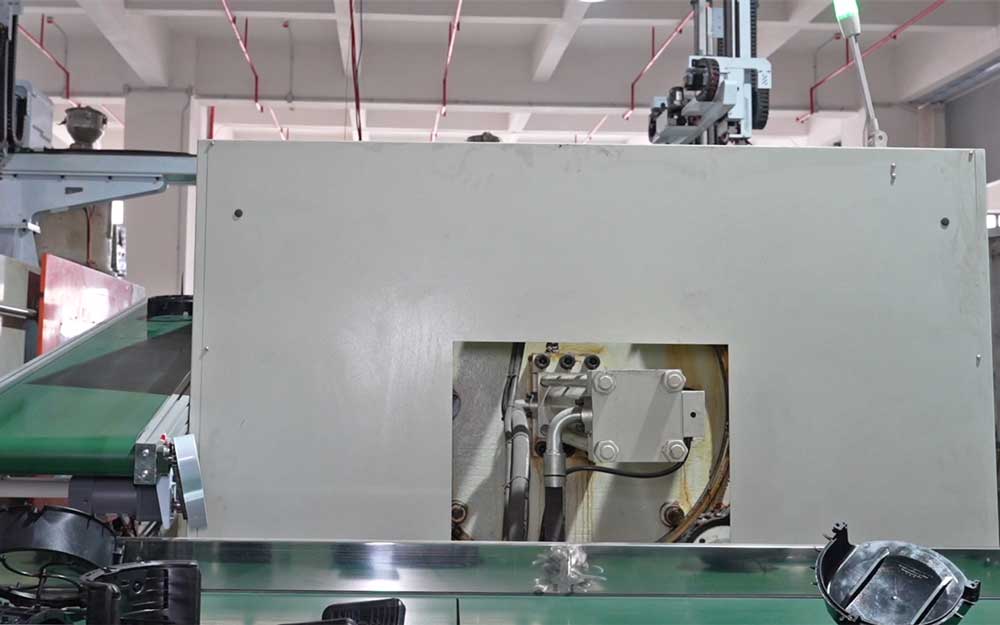
How the combination of IoT integration, induction heating, and digital controls is transforming pressure cooking.
Traditional electric pressure cookers relied on simple weight-based mechanical regulators and thermal plates. These devices lacked the ability to modulate temperature in real-time or adapt to different ingredient profiles, and were restricted to a single pressure level.
Today's models utilize NTC thermistors, pressure transducers, and MCU-based fuzzy logic controllers. Devices run custom-designed algorithms that adjust heat profiles based on load volume, allowing for precise control of temperature, pressure, and steam release.
The industry is transitioning toward electromagnetic induction heating (IH) for faster thermal response and uniform heating. Cloud-connected IoT applications allow users to download cooking programs, monitor operations remotely, and integrate recipes, while multi-functional designs combine air frying and pressure cooking into a single unit.
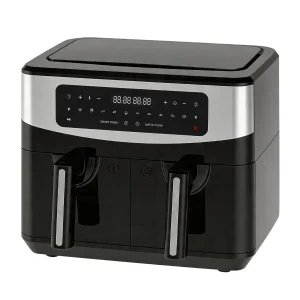
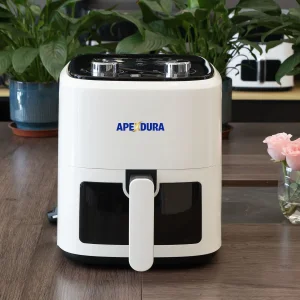
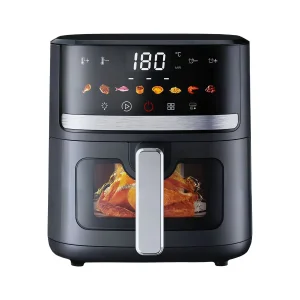
At Zhenmei, our engineering roadmap focuses on these technological shifts. By upgrading our core MCU architectures, we are developing smart pressure cookers with real-time pressure diagnostics. We are also optimizing dual-basket air fryers and hybrid multicookers, such as the 14-in-1 Instant Duo styles, to satisfy consumer demand for multi-functional kitchen appliances.
From industrial styling and hardware development to specialized UI systems designed for international markets.
We work with brand owners to create custom product shapes, lid latch systems, and handle profiles. Using 3D prototyping and mold flow analysis, we refine plastic housing components before beginning high-volume injection runs.
Different markets have distinct culinary requirements. We calibrate MCU control boards with localized programs—whether optimizing heating cycles for brown rice, beans, stews, or baking programs—ensuring peak performance across diverse regions.
We supply products engineered with wide voltage inputs (100V-240V) and design power supply circuits tailored to local regulations. Products are shipped with standard country-specific plugs (EU, UK, US, AU) and passed through safety testing loops.
This capability makes Zhongshan Zhenmei a reliable choice for global supply chains. Whether you are an established brand needing specialized tooling modifications or an e-commerce platform seeking a turnkey manufacturer for high-volume kitchen appliances, we provide technical solutions designed to reduce your time-to-market.
Ensuring cross-border compliance with safety, environmental, and corporate social responsibility standards.
Navigating international regulatory frameworks is a significant challenge in global sourcing. A product designed for one region may face import barriers elsewhere if it lacks appropriate certifications. At Zhongshan Zhenmei, we maintain a robust compliance posture by obtaining necessary documentation for every key destination market:
We also provide comprehensive localization support. This includes drafting multi-lingual instruction manuals, developing retail packaging, and providing spare parts (such as extra gaskets, valve assemblies, and heating elements) to support local warranty fulfillment.
Providing direct answers to help procurement managers evaluate engineering and production capabilities.
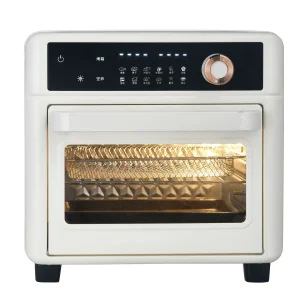
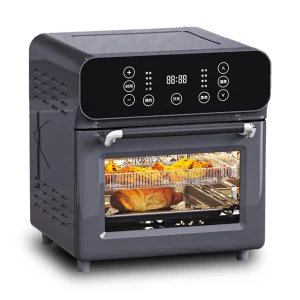
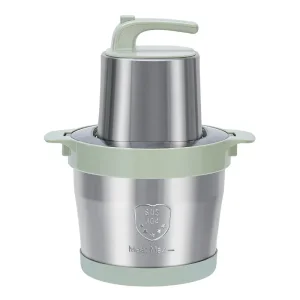
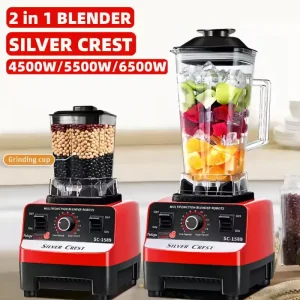
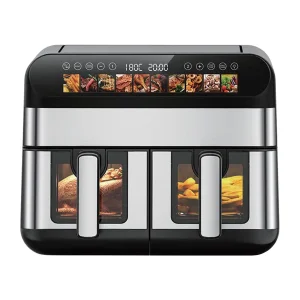
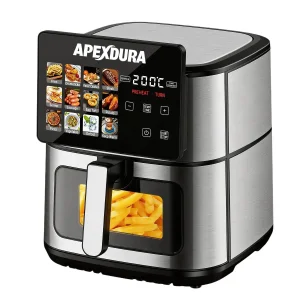
Review our specialized air fryer ovens, meat grinders, commercial-grade blenders, and smart rice cooker models designed to diversify your product catalog.
 Zhenmei Electrical